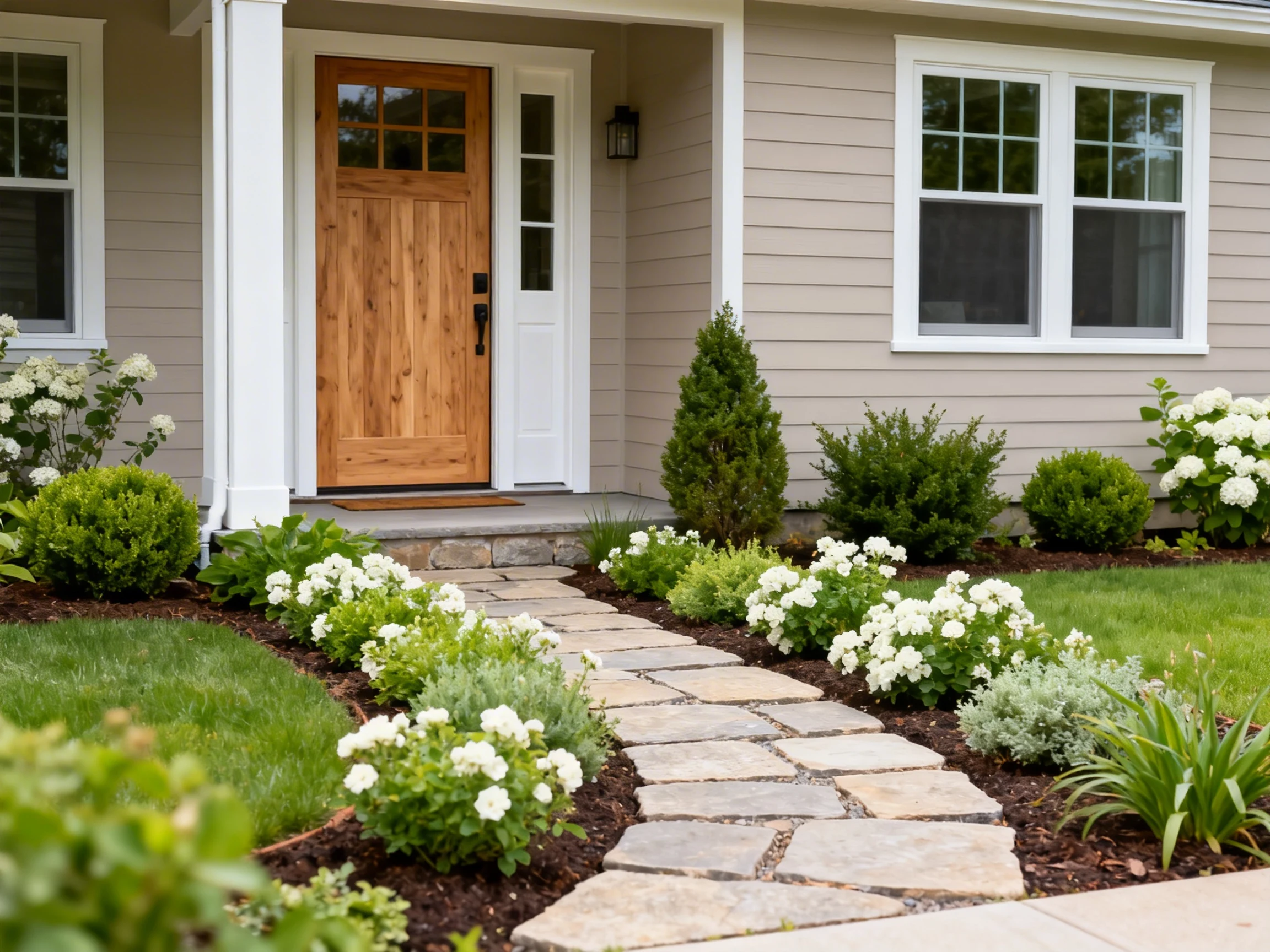
A small front garden has one job: make your home look welcoming without turning into a full-time side hustle. The good news? You do not need a huge budget, a landscape degree, or a secret obsession with topiary to make it work. With the right layout, a few smart plants, and some restraint, even the tiniest patch can look stylish, tidy, and full of personality.
Start with what the space actually needs
Before you buy a single plant, step outside and look at your front garden like a slightly judgmental visitor would. What do you notice first? A cracked path, a lonely bin, random pots, or a sad patch of grass that gave up months ago?
Good small front garden design starts with function. You need a clear route to the door, enough room to move around, and a layout that looks intentional. If your space feels cramped, cluttered, or confusing, the prettiest flowers in the world will not save it. Harsh, but true.
Think about how you use the area every day. Do you need space for bins, bike storage, deliveries, or a place to quickly drop shopping bags while finding your keys? If yes, build those practical needs into the design first, then add the pretty stuff after.
Measure before you dream
It sounds boring, but measuring the space saves you from classic garden mistakes. You know, like buying a bench that blocks the path or planting a shrub that swallows half the entrance by next summer. Tiny spaces do not forgive guesswork.
Take note of sun and shade too. A front garden that gets blazing afternoon sun needs a different plant plan than one that sits in shadow all day. The best design always works with the conditions, not against them.
Keep the layout simple and confident
Small spaces look better when the layout feels calm. Too many shapes, too many materials, and too many little features can make the whole garden look fussy. IMO, the easiest win comes from choosing one strong idea and sticking with it.
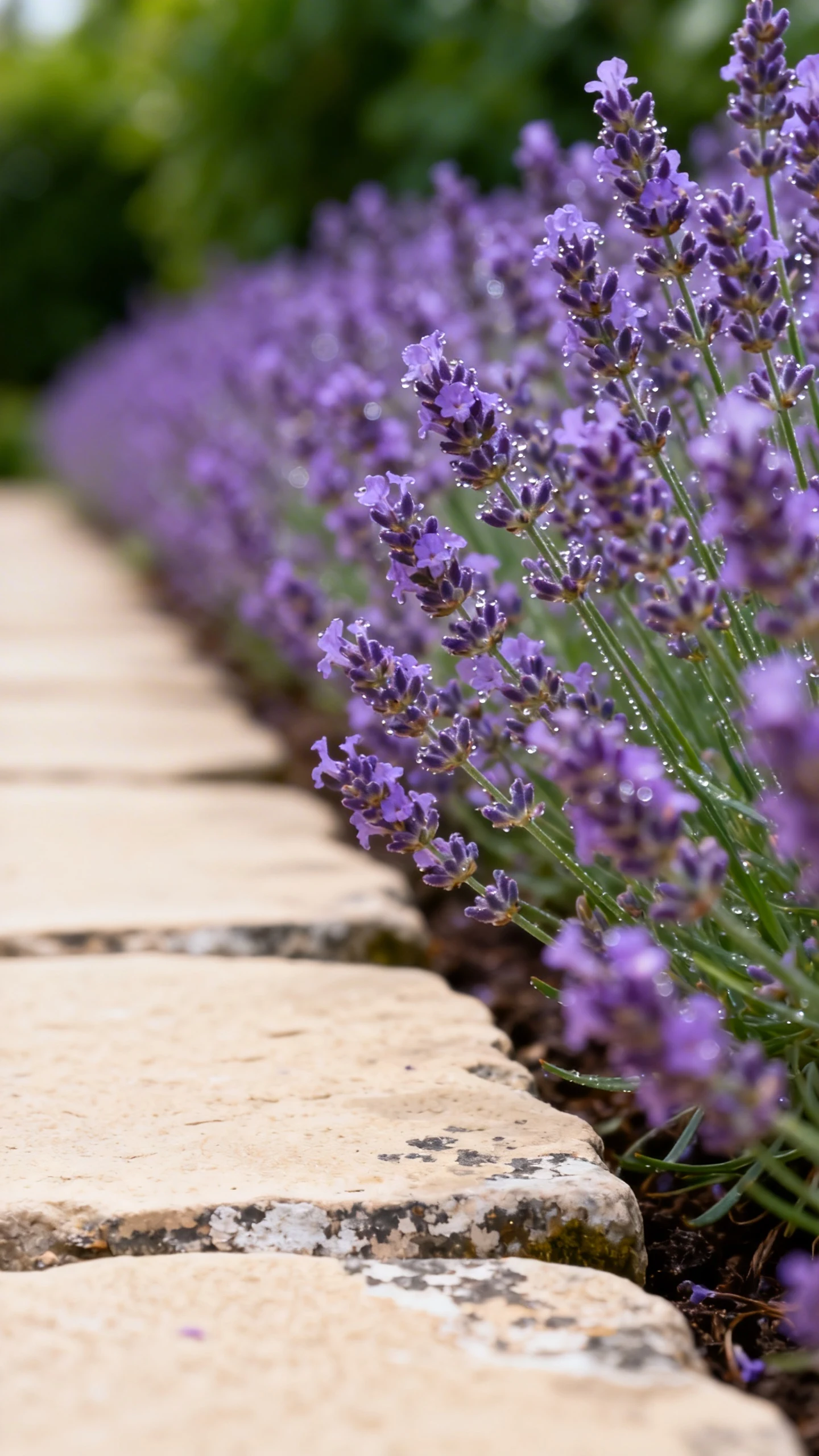
A straight path creates a neat, formal look and helps a narrow front garden feel more organized. A gently curved path softens a boxy space and adds charm. Both can work beautifully, but pick one direction and commit. This is not the place for design indecision.
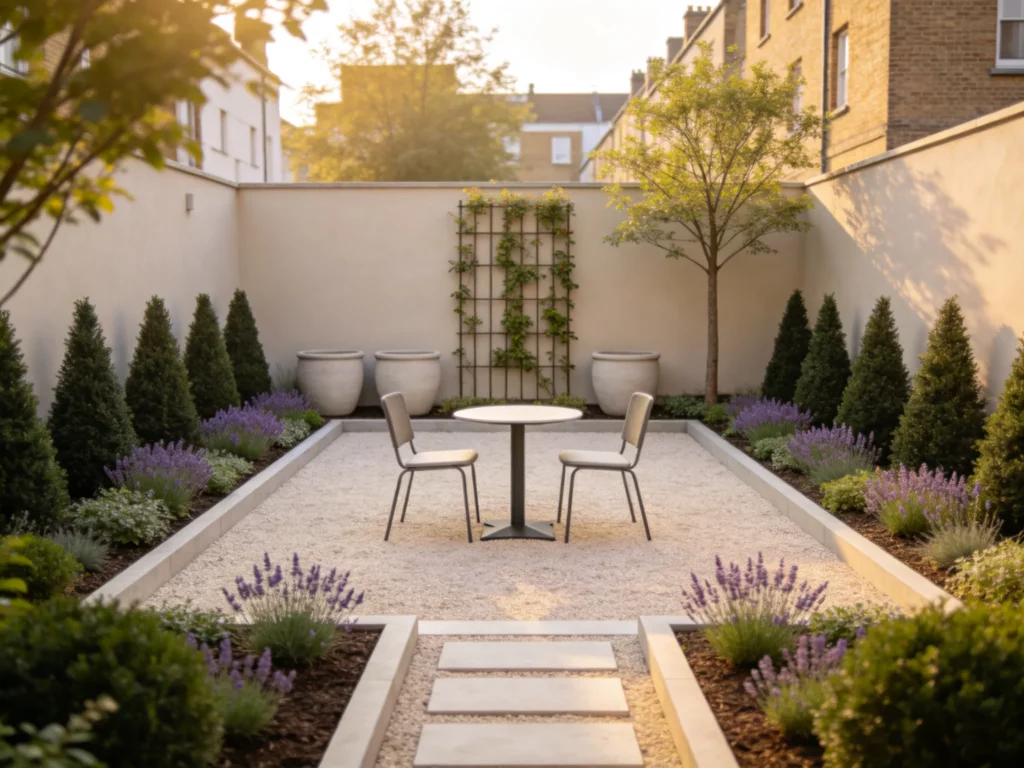
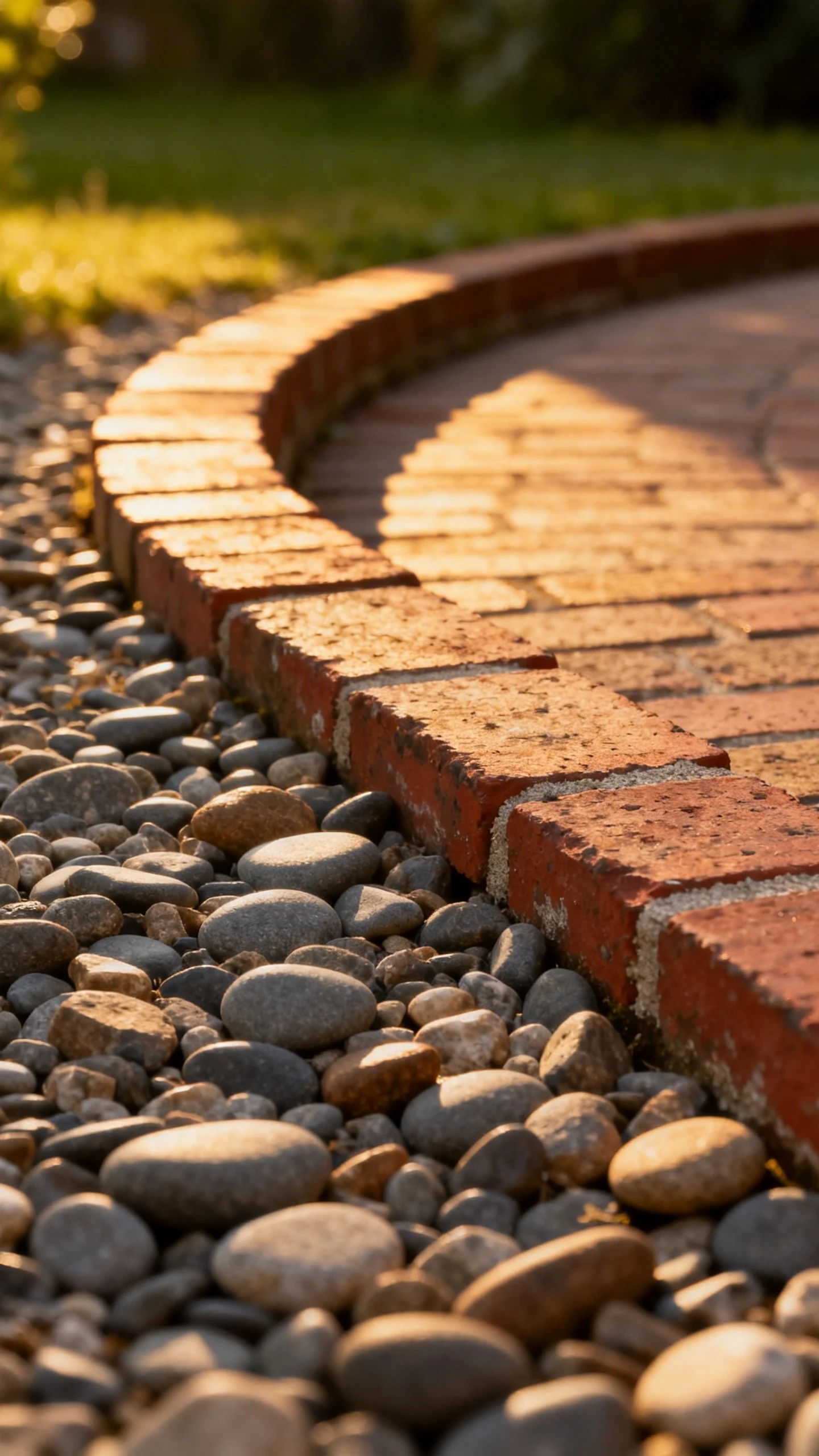
Limit your materials if you want the garden to feel bigger. Use one paving style, one gravel color, and one edging finish rather than mixing five different looks in a tiny area. Visual clutter shrinks space fast.
Use zoning without making it complicated
Even the smallest front garden benefits from simple zones. You might have a path, a planting area, and a practical corner for bins or storage. That tiny bit of structure makes the space feel designed rather than accidental.
Low edging, planters, or a change in surface can define each zone without chopping the garden into pieces. You want flow, not an obstacle course. No one should need hiking boots to reach the front door.
Choose plants that earn their spot
In a small front garden, every plant needs to pull its weight. You want shape, texture, color, and year-round interest without creating a jungle that attacks your shins. That means fewer plants, chosen more carefully.
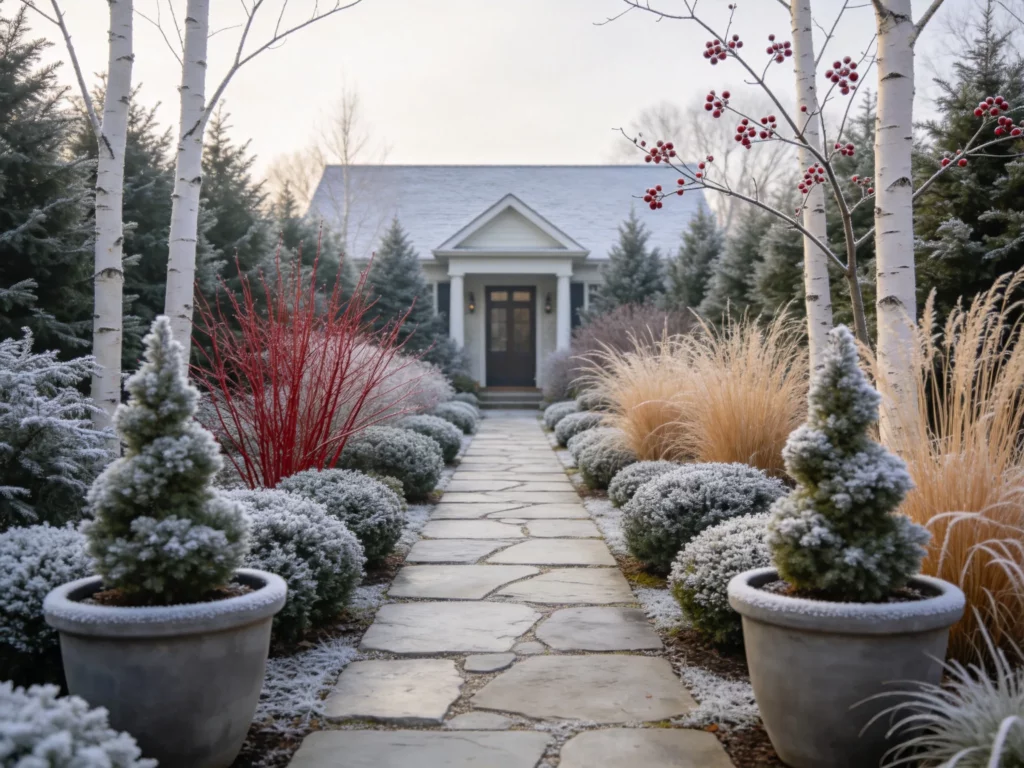
Evergreens make excellent anchors because they keep the space looking alive in every season. Small shrubs, compact grasses, and neatly shaped perennials create structure without demanding endless maintenance. Add a few seasonal stars for color, and you have a garden that stays interesting all year.
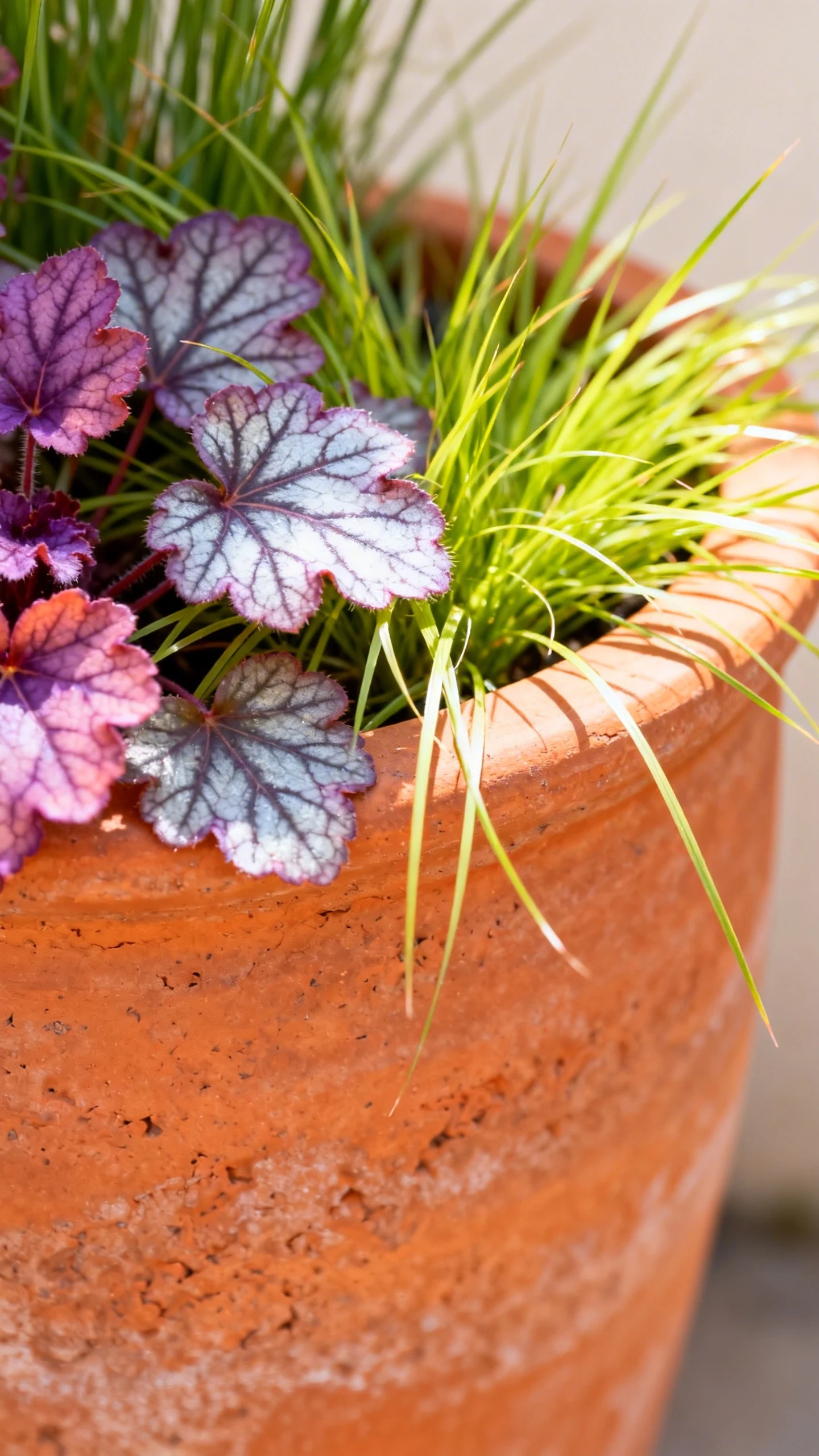
If you love flowers, go for long-flowering varieties or repeat bloomers. Lavender, salvias, heucheras, geraniums, and dwarf hydrangeas often do well in small spaces, depending on your climate and light. They look generous without acting dramatic. Love that for us.
Think in layers, not chaos
A good planting scheme usually has a simple formula: taller plants at the back, medium plants in the middle, and ground-level softness at the front. This layered look adds depth and makes the garden feel fuller. It also stops your space from looking like a random plant clearance table.
Use repetition too. If you repeat the same plant or color through the border, the garden feels more cohesive. Repeating plants creates rhythm and makes small spaces look more polished.
Best plant types for small front gardens
- Dwarf shrubs for structure and easy care
- Ornamental grasses for movement and texture
- Climbers to use vertical space
- Perennials for long-lasting color
- Ground cover plants to soften edges and reduce weeds
- Small trees with upright form for height without bulk
Use vertical space like a genius
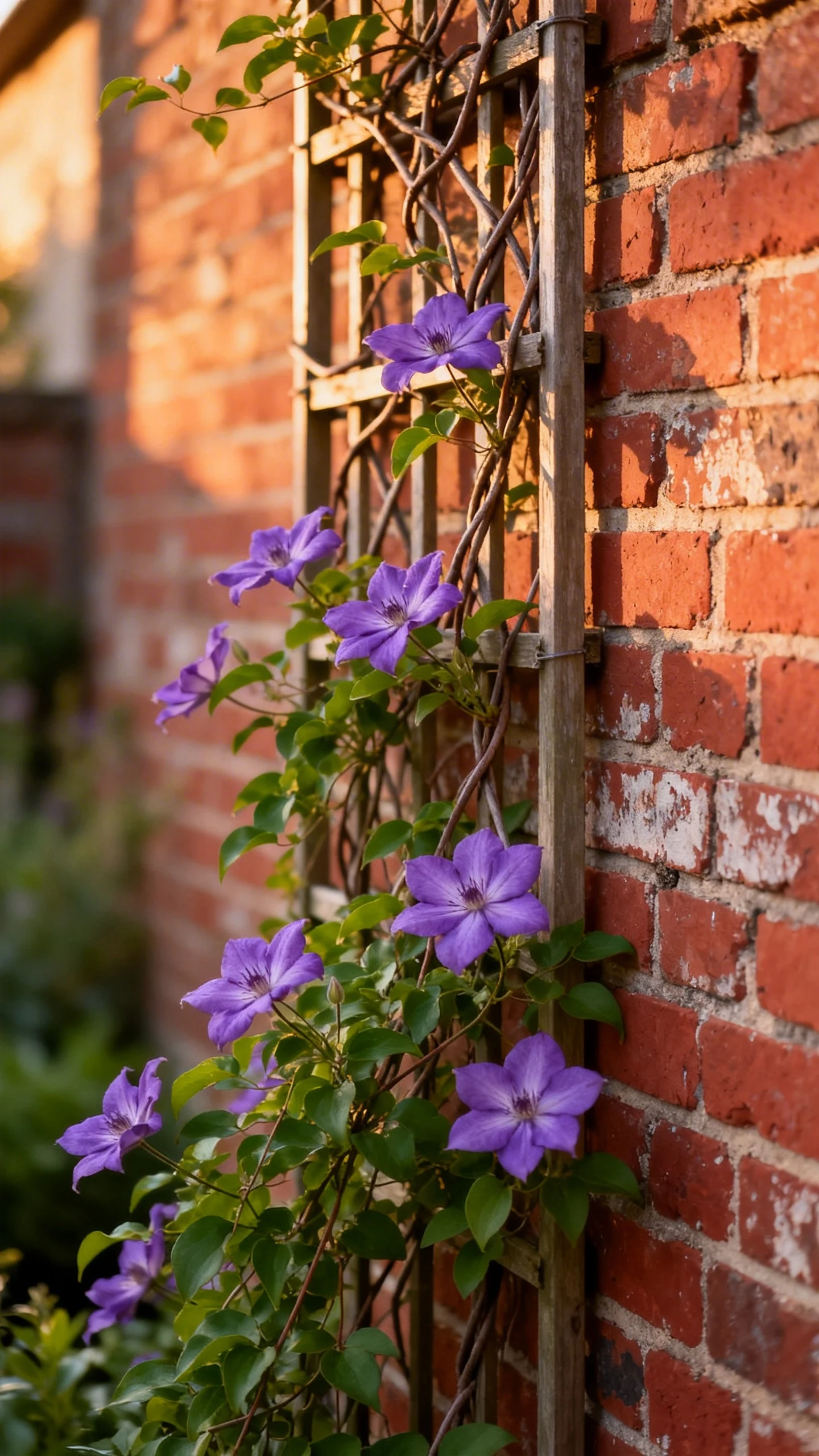
When floor space runs out, go upward. Walls, fences, railings, and even the area beside the door can all support planting and decoration. Vertical design makes a small front garden feel richer without eating up walking space.
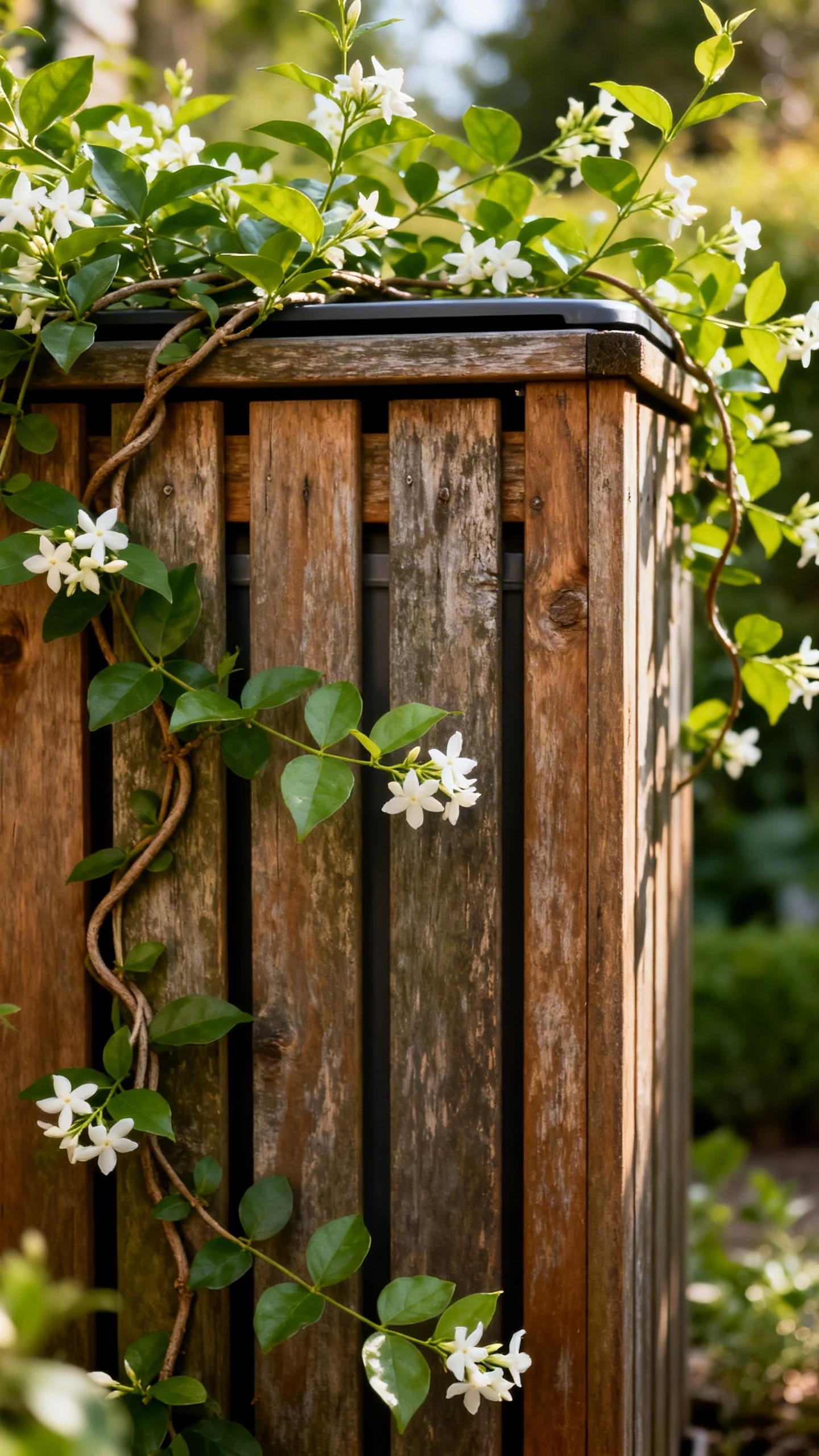
Climbers work especially well at the front of a house. Jasmine, clematis, and climbing roses can soften brickwork, frame the entrance, and add scent right where people notice it most. Very efficient, very charming, very main character.
You can also use wall planters, slim trellises, or tall pots to draw the eye upward. That little trick makes the space feel taller and less boxed in. FYI, height adds drama without adding clutter, which feels almost unfair.
Front door styling matters more than you think
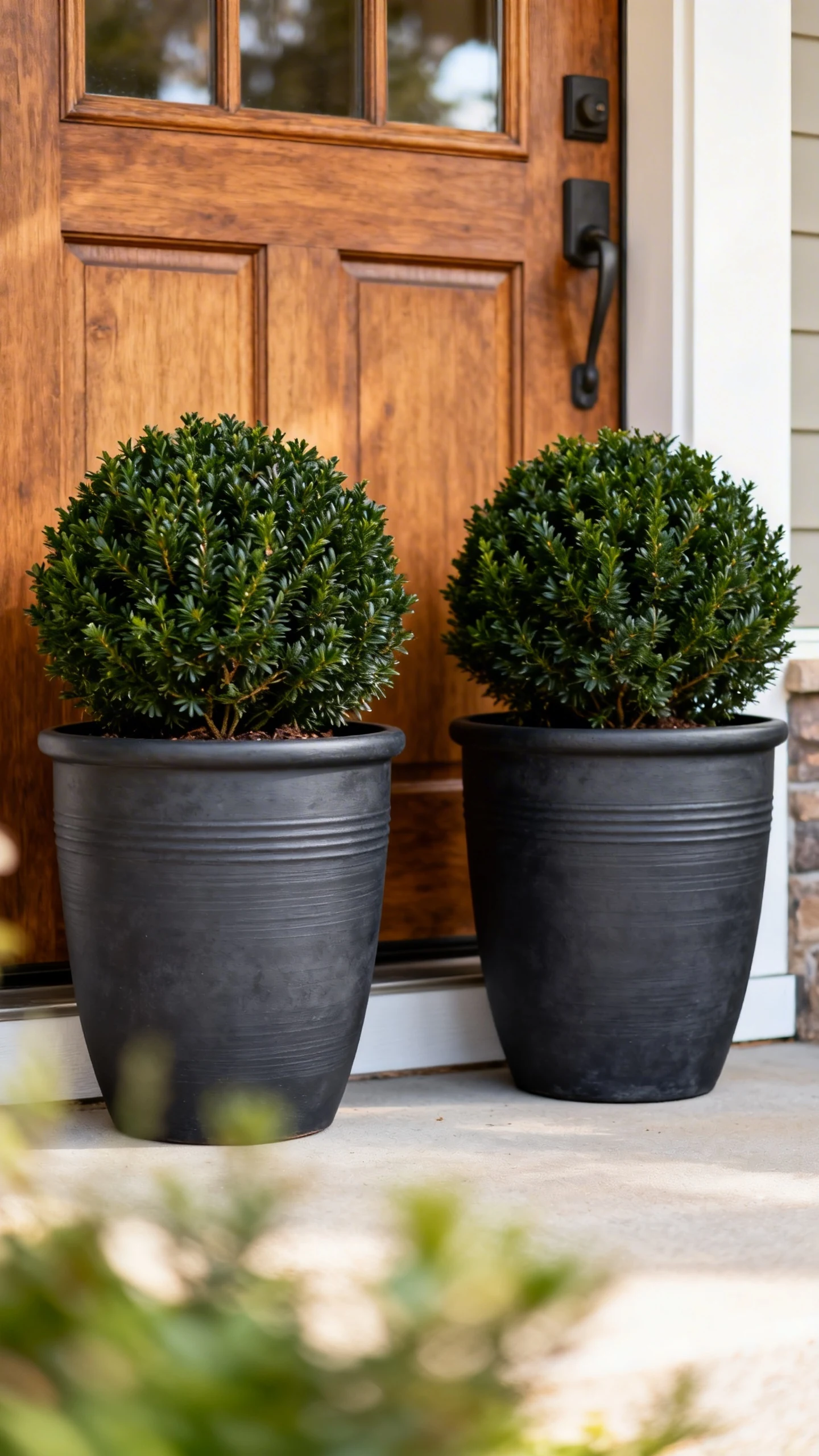
The area around the front door deserves extra attention because it acts like the garden’s focal point. Matching pots on either side of the entrance can look crisp and welcoming. If symmetry feels too formal for you, use one larger statement pot instead.
Choose containers that suit the house style. Sleek planters fit modern homes, while terracotta or painted pots often suit cottages and traditional facades. Your containers should support the house, not fight it for attention.
Make it look bigger than it is
Yes, you can fake spaciousness in a small front garden. Designers do it all the time, and frankly, the garden does not need to know. The trick comes from guiding the eye and avoiding visual noise.
Stick to a restrained color palette for hard landscaping. Pale paving, muted gravel, and simple finishes often make the area feel more open. Dark, busy, or heavily patterned surfaces can make a tiny space feel closed in fast.
Use larger pavers or slabs if you can. Tiny paving units create lots of lines and joints, which can make the space feel busier and smaller. Bigger pieces look calmer and more generous.
Smart visual tricks
- Repeat colors in pots, planting, and accessories for a unified look
- Keep sightlines open so the whole garden feels visible at once
- Choose furniture sparingly because one great piece beats three awkward ones
- Use mirrors carefully in sheltered spots to bounce light and create depth
- Raise some planting in beds or containers to add dimension
If you have a tiny strip garden, try planting along the edges and keeping the middle clear. That simple move can make the whole area look wider. It sounds basic because it is basic, but basic often wins.
Get practical things under control
Let us talk about the least glamorous part of front garden design: bins, recycling boxes, hoses, and all the random stuff that somehow migrates outside. Ignore these items, and they will dominate the whole space like uninvited guests.
Screen practical features instead of pretending they do not exist. Use slatted panels, compact storage boxes, or planting to hide what needs hiding. You do not need to make the area look sterile, just less chaotic.
Lighting matters too. A small front garden looks far more finished with a few well-placed lights along the path, near the entrance, or under planting. It also helps you find the keyhole without doing that awkward phone-torch dance.
Low-maintenance choices that save your sanity
If you want the garden to stay attractive with minimal effort, choose simple materials and easy-care plants. Gravel, paving, evergreen structure, and mulch all reduce maintenance. That means less weeding, less trimming, and fewer dramatic sighs on Sunday afternoon.
Automatic irrigation can help if you use lots of containers, though even a basic watering routine works fine for most front gardens. Just stay realistic. If you hate maintenance, do not design a space that behaves like a needy Victorian greenhouse.
Match the garden to the style of the house
The best front gardens feel connected to the home. A sleek modern house usually looks better with clean lines, restrained planting, and simple materials. A period property often suits softer planting, brick edging, and a more layered look.
Consistency makes the whole exterior feel more expensive and more thought-out. You do not need a perfect magazine-worthy setup. You just want the garden and house to feel like they belong in the same conversation.
Pay attention to colors and finishes. Front door paint, window frames, railings, pots, and paving should relate to each other somehow. That does not mean everything must match exactly, but random choices can make the space feel messy fast.
And please, just because the garden is small does not mean you need novelty overload. One cheeky ornament? Fine. Six gnomes and a windmill? That is a cry for help.
FAQ
What is the best layout for a small front garden?
The best layout keeps the path clear, gives practical items a place, and limits visual clutter. A simple path with planting on one or both sides usually works well. Keep shapes and materials consistent so the space feels calm and bigger than it is.
How do I make a small front garden low maintenance?
Use hard landscaping wisely, choose compact evergreen plants, mulch the soil, and avoid stuffing the space with high-maintenance flowers. Containers help control planting, but they need regular watering. If you want easy care, fewer better plants usually beat lots of fussy ones.
Can I have a lawn in a small front garden?
Yes, but ask yourself if it earns the space. Tiny lawns often look more annoying than charming because they need edging, mowing, and constant care. In many cases, gravel, paving, or planting beds give a better result with less effort.
Which plants work best by a front door?
Choose plants that look tidy, suit the light conditions, and do not block the entrance. Box alternatives, dwarf evergreens, lavender, small grasses, and seasonal flowers in pots all work well. Scented plants near the door add extra charm without much extra work.
How can I hide bins in a small front garden?
Use slim timber screens, storage units, trellis panels with climbers, or position planting to break up the view. The goal is easy access without letting bins become the star of the show. They already know too much.
Do small front gardens add value to a home?
They can absolutely improve curb appeal, and curb appeal influences how people feel about a property right away. A neat, attractive front garden makes the home look cared for and more inviting. That first impression matters whether you plan to sell soon or just want to enjoy pulling up outside.
Conclusion
Small front garden design works best when you keep it simple, practical, and a little bit stylish. Focus on layout first, choose plants with intention, and use every inch wisely. You do not need loads of space to create a front garden that feels welcoming, polished, and genuinely nice to come home to.