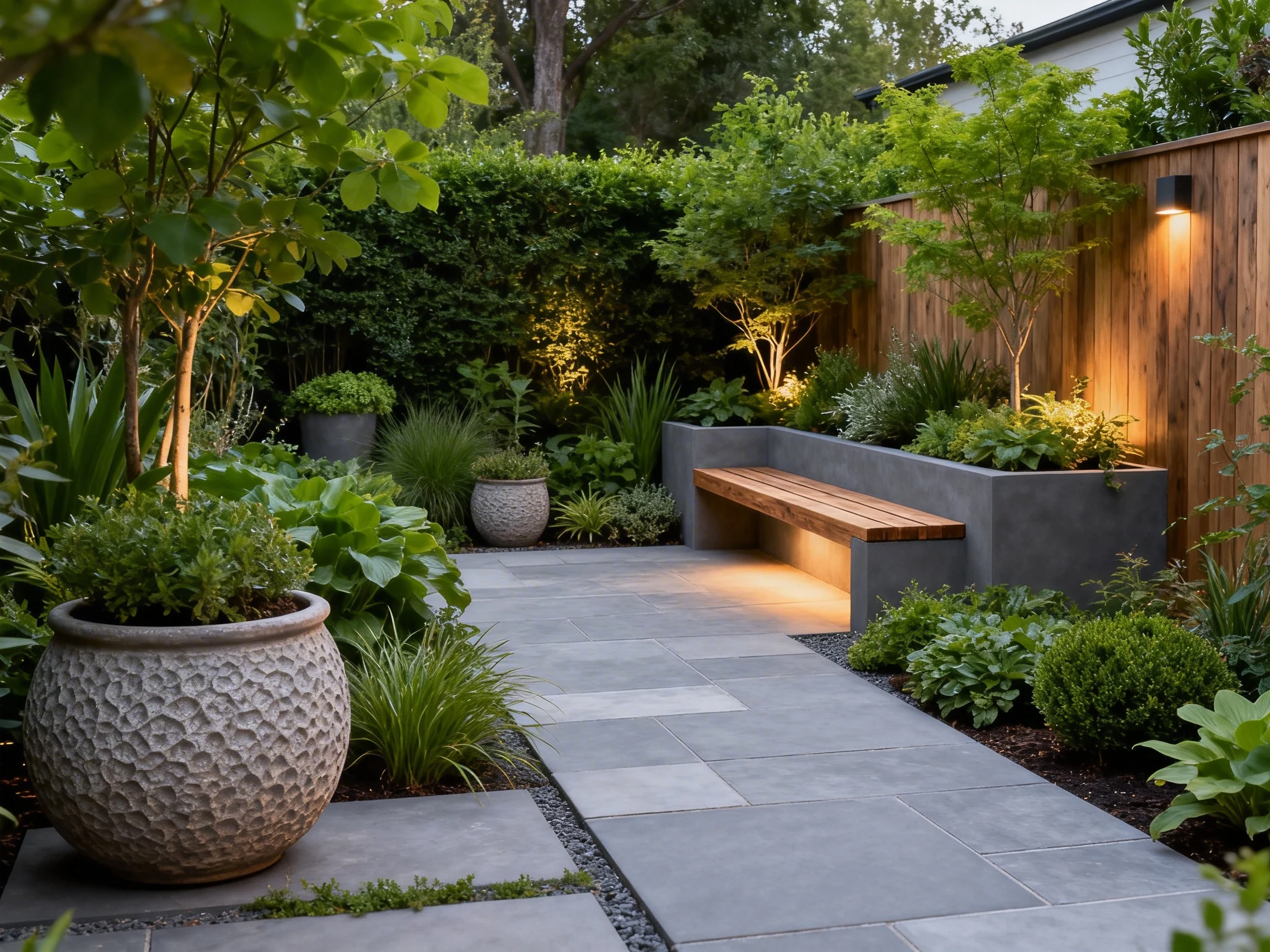
Small gardens can look ridiculously good. You do not need acres of land, a celebrity designer, or a budget that makes your wallet cry. You just need a smart plan, a few good choices, and the confidence to stop treating every corner like it needs a random pot plant.
A compact outdoor space forces you to think clearly, which honestly helps more than it hurts. Every plant, path, seat, and light has to earn its keep. That sounds intense, but it actually makes small garden landscape design more fun, more creative, and way less messy.
Start with what your space actually does
Before you buy anything, step outside and look at your garden like a designer, not like someone panic-shopping at a nursery. Ask yourself one simple question: what do you want this space to do? Relax, grow herbs, entertain friends, hide from your family for ten minutes, maybe all of the above?
Small spaces work best when they have a clear purpose. If you try to squeeze in a dining zone, a fire pit, a vegetable patch, a water feature, and a trampoline, things go downhill fast. Pick two or three priorities and let the rest go. Brutal, yes. Helpful, also yes.
Then pay attention to the basics. Notice where the sun hits, where shade hangs around, where water collects, and where the wind loves to cause drama. These details shape every good design decision.
Measure first, fantasize second
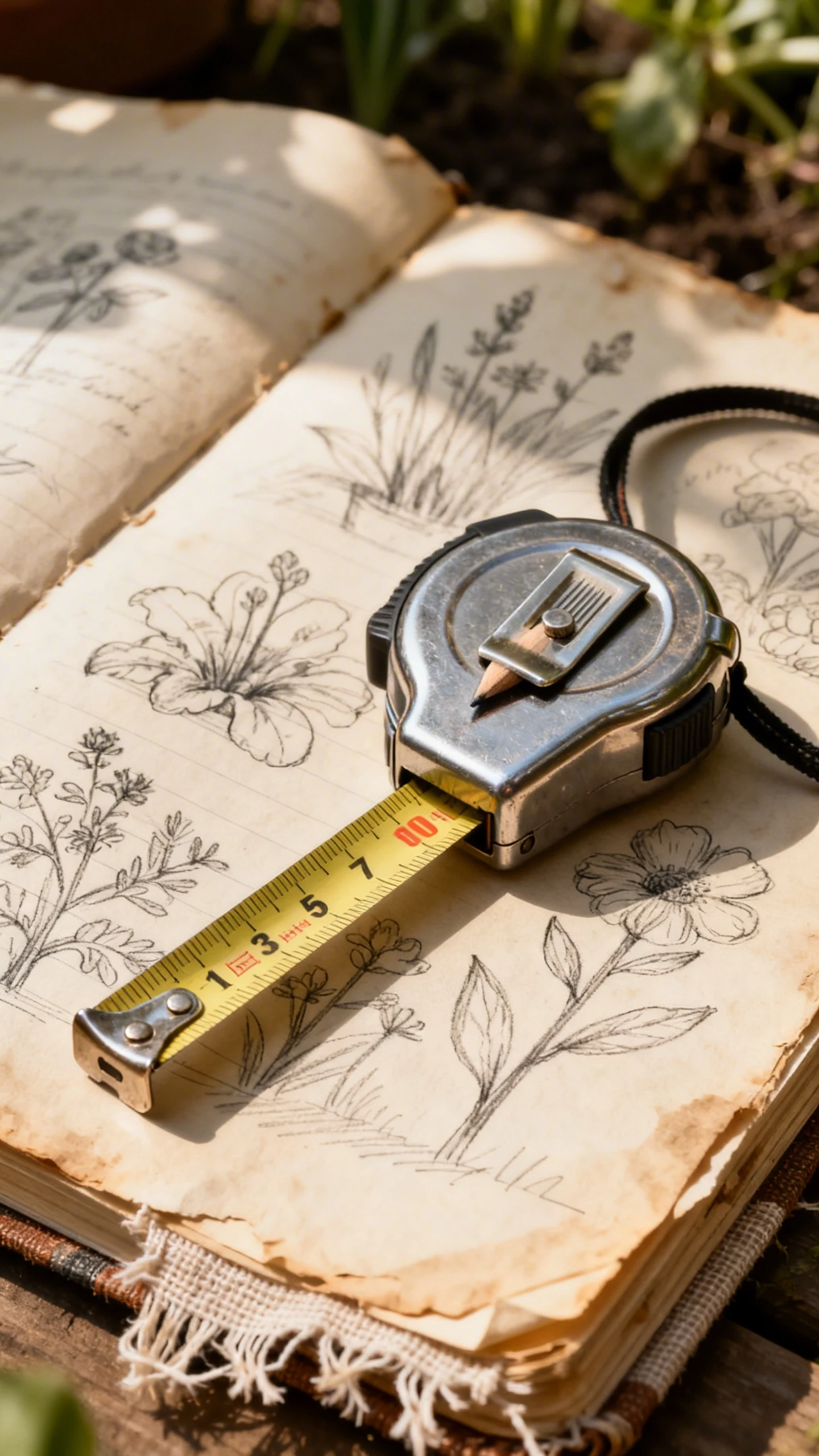
IMO, one of the biggest mistakes people make involves guessing dimensions. A chair that looks cute online can swallow half a patio in real life. Measure your garden, sketch a rough layout, and mark doors, fences, windows, and awkward corners before you buy a single thing.
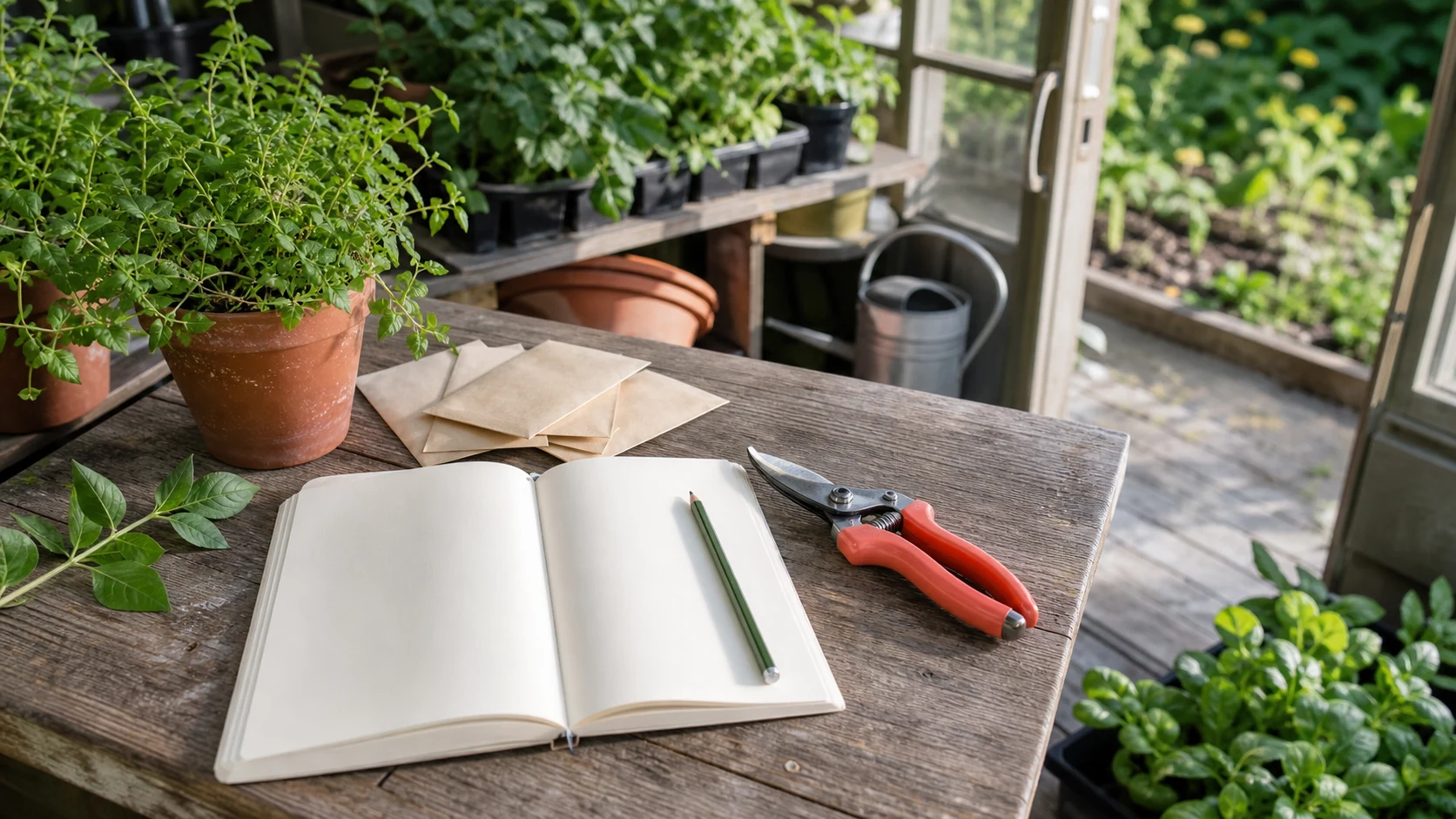
You do not need fancy software for this. A notebook and a tape measure work just fine. Once you see the actual size on paper, you stop making wildly optimistic choices, which saves time, money, and mild embarrassment.
Build a layout that feels bigger than it is
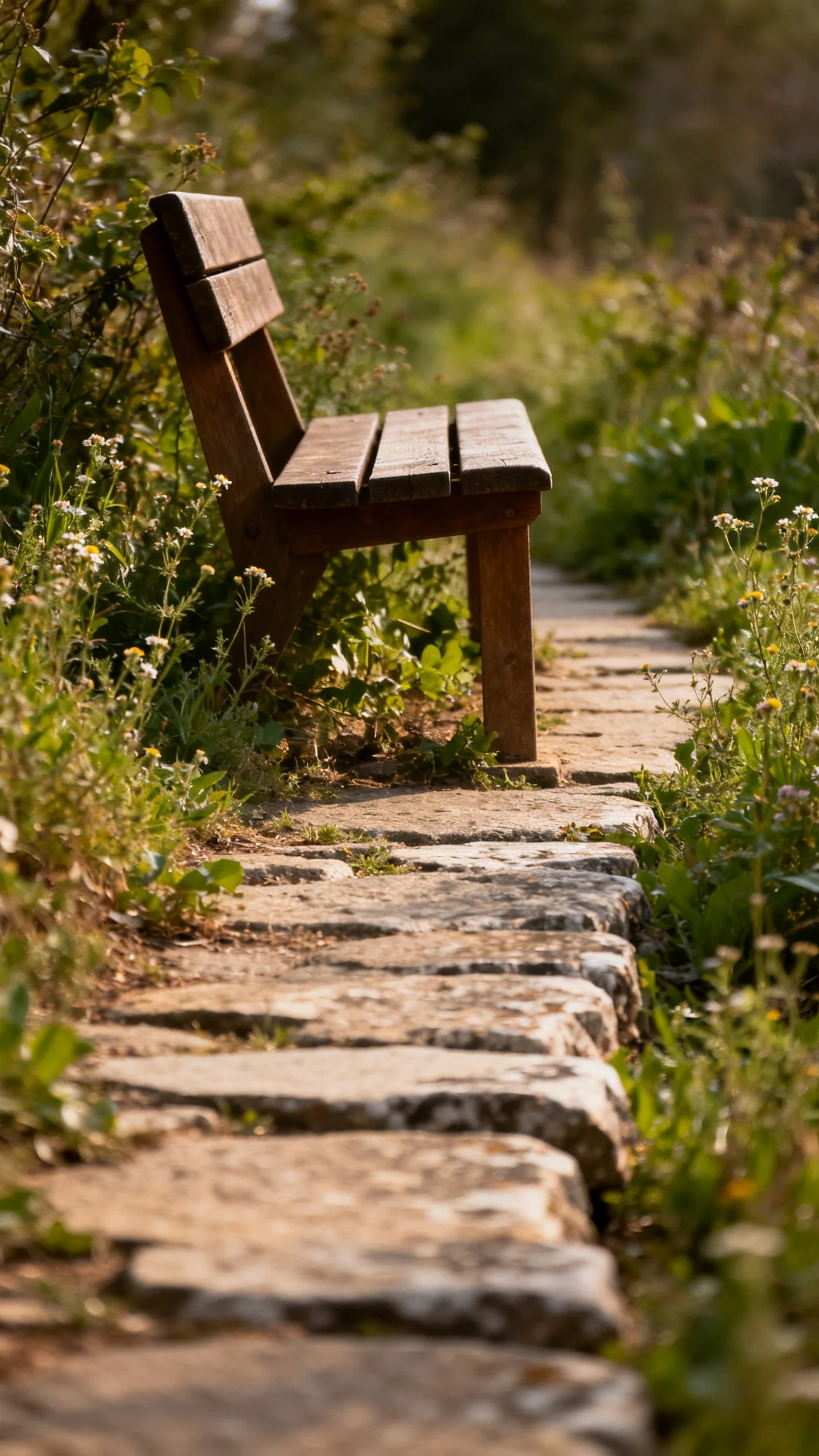
Good small garden landscape design relies on layout more than anything else. A clear structure makes a tiny garden feel calm, stylish, and surprisingly spacious. Without structure, even beautiful plants start to look like a green traffic jam.
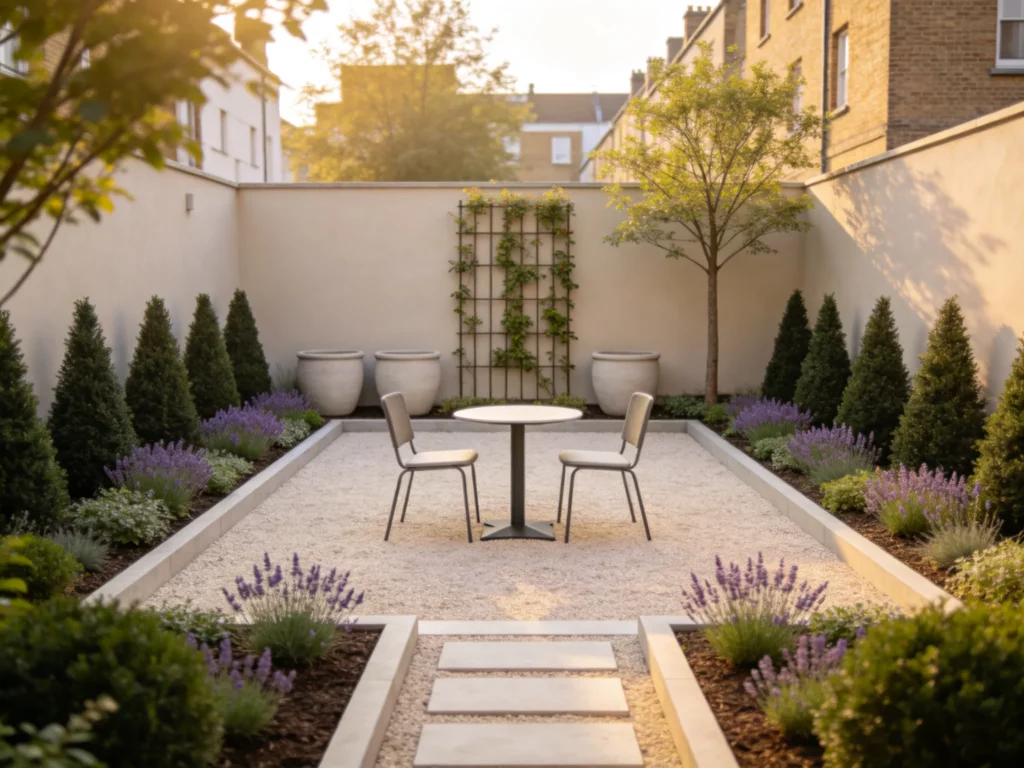
Create a simple flow through the space. That might mean a narrow path to a bench, a paved area with planting around it, or a tiny lawn framed by borders. The goal involves making the eye move naturally instead of hitting a wall of stuff.
Curves can soften a boxy space, but do not force them if your garden suits straight lines better. Clean geometric layouts often make small areas look more modern and organized. A wiggly path in a garden the size of a parking spot can feel a little dramatic, and not in a good way.
Use zones, even in a tiny yard
Zoning sounds fancy, but it just means giving different parts of the garden different jobs. A small seating area, a planting border, and a path already create three zones. That tiny bit of separation adds depth and makes the space feel intentional.
You can define zones with paving, gravel, planters, changes in level, or even a slim bench. FYI, you do not need solid walls or giant hedges to divide a small garden. Light touches usually work better because they keep the space open.
Think vertically like a genius
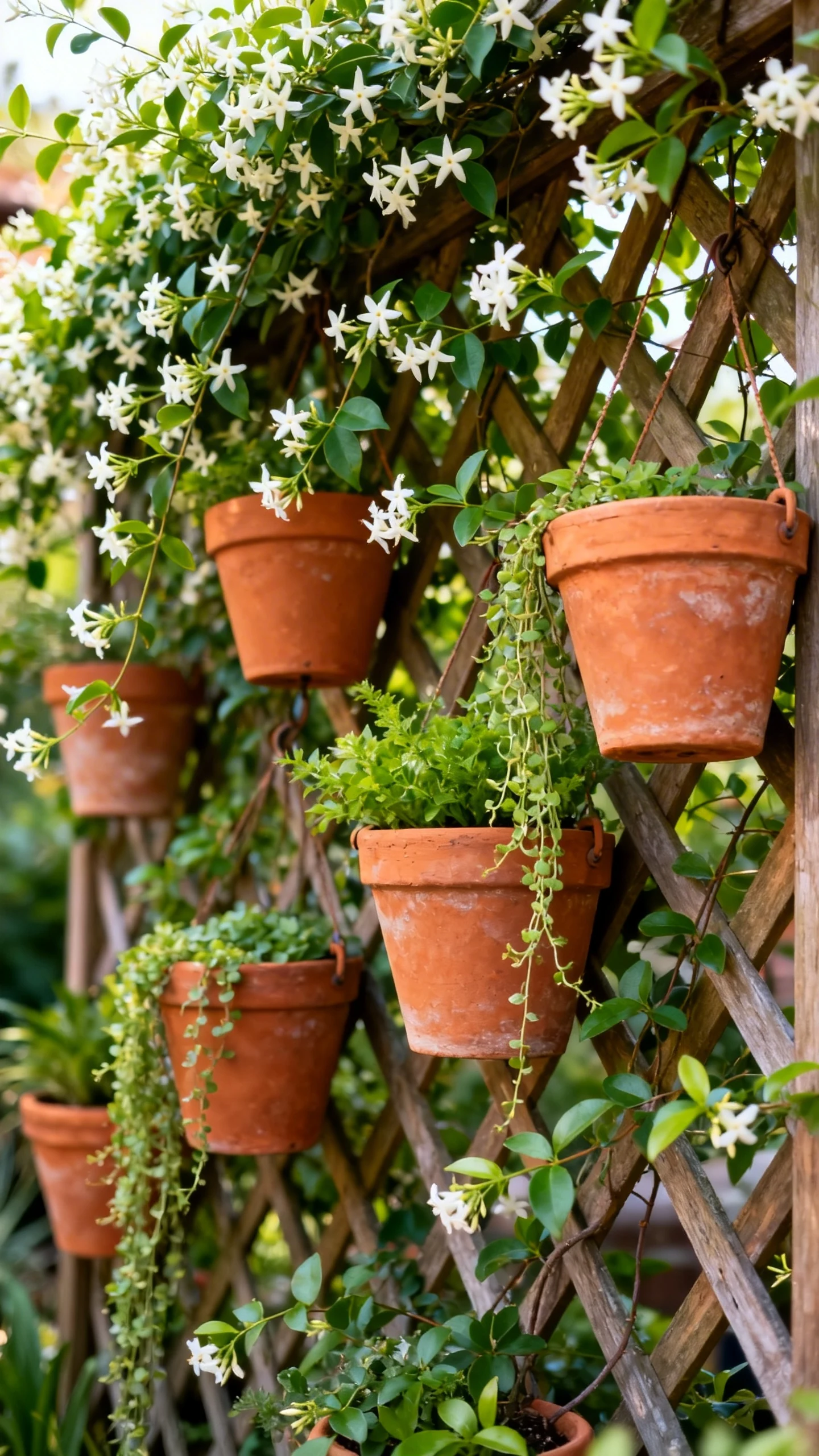
When floor space runs out, go upward. Walls, fences, and trellises give you room for climbers, shelves, hanging pots, or vertical planters. Vertical design adds greenery without stealing precious ground space, which feels like cheating in the best possible way.
Tall, narrow plants also help pull the eye upward. That little trick makes the garden feel larger because people notice height, not just width. Add one or two vertical focal points and suddenly the whole space wakes up.
Choose plants that work hard
In a small garden, every plant needs a reason to exist. Harsh? Maybe. True? Absolutely. Skip weak fillers and choose plants that offer long seasons of color, strong shape, fragrance, texture, or edible value.
Limit your palette so the space feels cohesive. Too many random plant choices can make a small garden look busy and chaotic. Repeating a few colors and forms creates rhythm, and rhythm makes everything feel more polished.
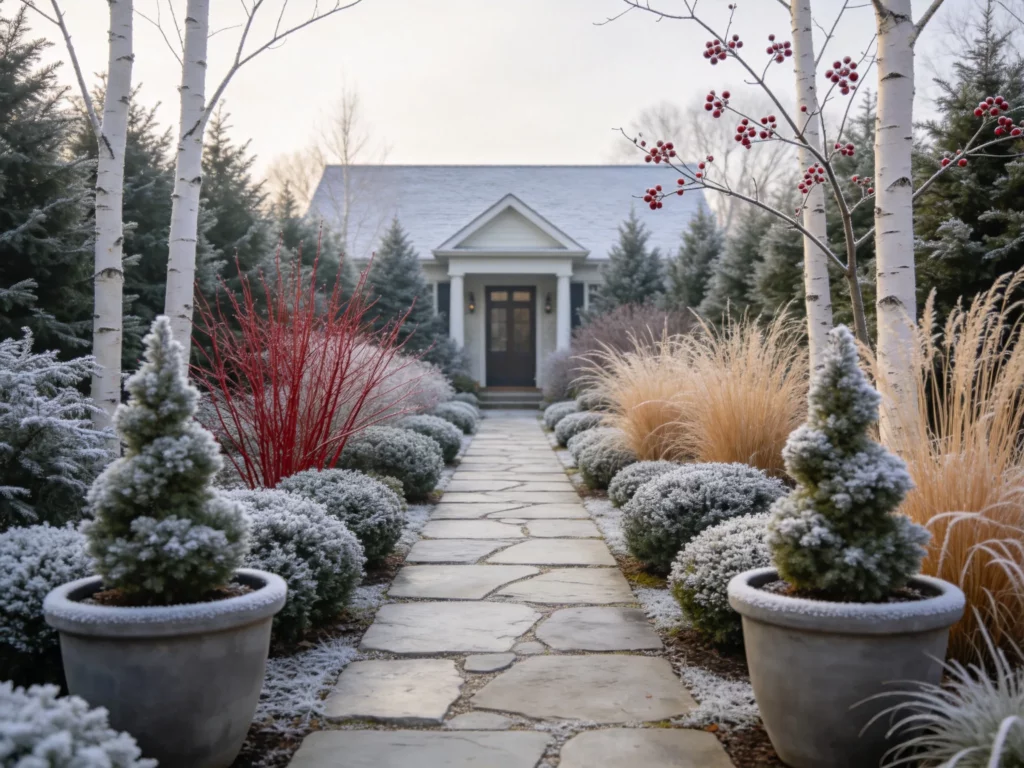
Mix evergreen structure with seasonal stars. Evergreen shrubs, clipped forms, or ornamental grasses keep the space looking good year-round. Then flowering perennials, bulbs, or annuals can step in and show off when the season calls for it.
Best plant types for small spaces
You do not need massive borders to create impact. Focus on plant types that bring strong visual value without turning into monsters.
- Climbers like jasmine, clematis, or star jasmine for walls and trellises
- Compact shrubs for structure, such as boxwood alternatives, dwarf hydrangeas, or hebe
- Ornamental grasses for movement and softness
- Herbs for scent, texture, and actual usefulness
- Small trees like acer or olive for height and a focal point
- Perennials that flower for a long time, such as salvia, nepeta, or geranium
Also, give plants enough room. People love cramming in ten plants where four should go, then act surprised when everything starts wrestling for space. A little breathing room helps the design look better from day one.
Materials matter more than people think
Plants grab attention, but hard landscaping does a huge amount of the visual work. Paving, gravel, decking, edging, and walls set the tone before any flower opens. Choose fewer materials and repeat them if you want the space to feel calm and bigger.
Too many finishes can chop the garden into awkward little pieces. One paving material, one border finish, and a consistent color scheme usually do the job. Keep it simple and your garden starts looking expensive, even if you stayed very loyal to a modest budget.
Lighter materials can brighten shady spaces, while darker finishes create drama and contrast. Neither option wins automatically. The right choice depends on the mood you want and how much sunlight your garden gets.
Smart surfaces for compact gardens
Not every small garden needs a lawn. I said it. Tiny lawns often demand maintenance, offer limited use, and somehow still manage to look annoyed half the year.
Instead, consider surfaces that suit your lifestyle:
- Paving for dining and seating areas
- Gravel for informal texture and drainage
- Decking for warmth and a clean modern look
- Stepping stones for movement through planted areas
- Artificial turf if you want green without the mowing drama
If you love grass, keep it neat and simple. A rectangle or circle usually looks stronger than a tiny oddly shaped patch trying very hard to be charming.
Make seating and storage pull double duty
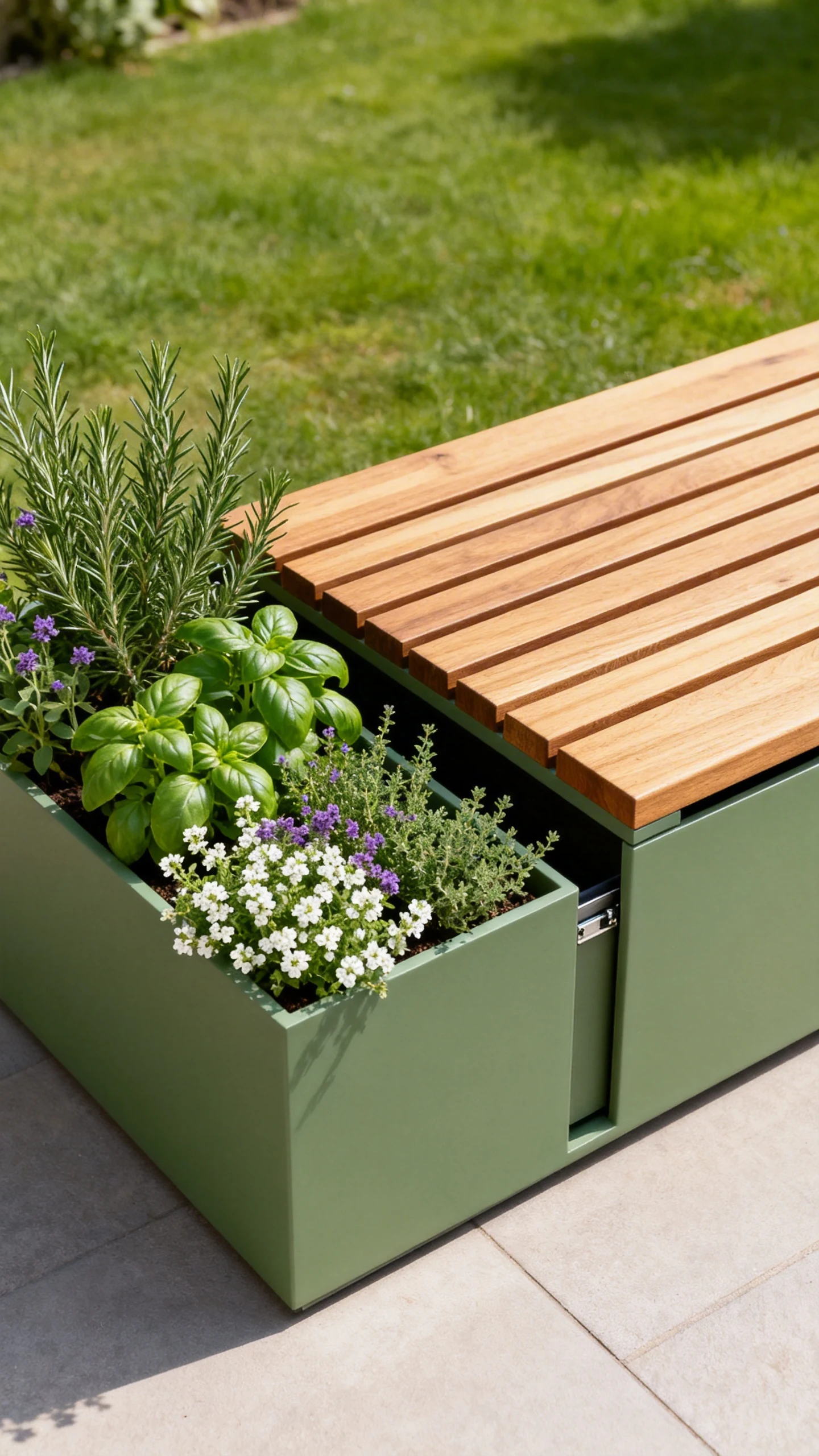
Furniture can make or break a small garden. Bulky pieces crowd the space and block movement fast. Choose furniture that fits the scale of the garden, and leave enough room to walk around it without doing a sideways shuffle.
Built in seating works especially well because it looks tidy and wastes less space than lots of separate chairs. Benches along a fence or raised planter can define a zone and create hidden storage at the same time. That is a proper overachiever move.
Foldable chairs and slim café tables also work well if you only entertain occasionally. Keep the furniture style consistent with the garden design. Rustic pieces in a sleek modern layout can feel like two different people decorated the same room.
Hide the ugly stuff
Bins, hoses, compost containers, and garden tools rarely improve the vibe. In small spaces, clutter shows up immediately, so deal with it early. Use storage benches, slim sheds, screened corners, or custom cabinets to keep practical items out of sight.
This part matters more than people expect. A beautiful planting scheme loses some magic when a bright plastic watering can and three broken pots live right in the middle of it. Harsh but fair.
Use light, mirrors, and focal points for extra magic
If your small garden looks flat, it probably needs a focal point. A focal point gives the eye somewhere to land and makes the whole design feel more deliberate. That could be a bench, a specimen plant, a water bowl, a sculpture, or even a painted feature wall.
Do not add five focal points and call it style. Pick one main star and maybe one supporting detail. Otherwise the garden starts shouting over itself.
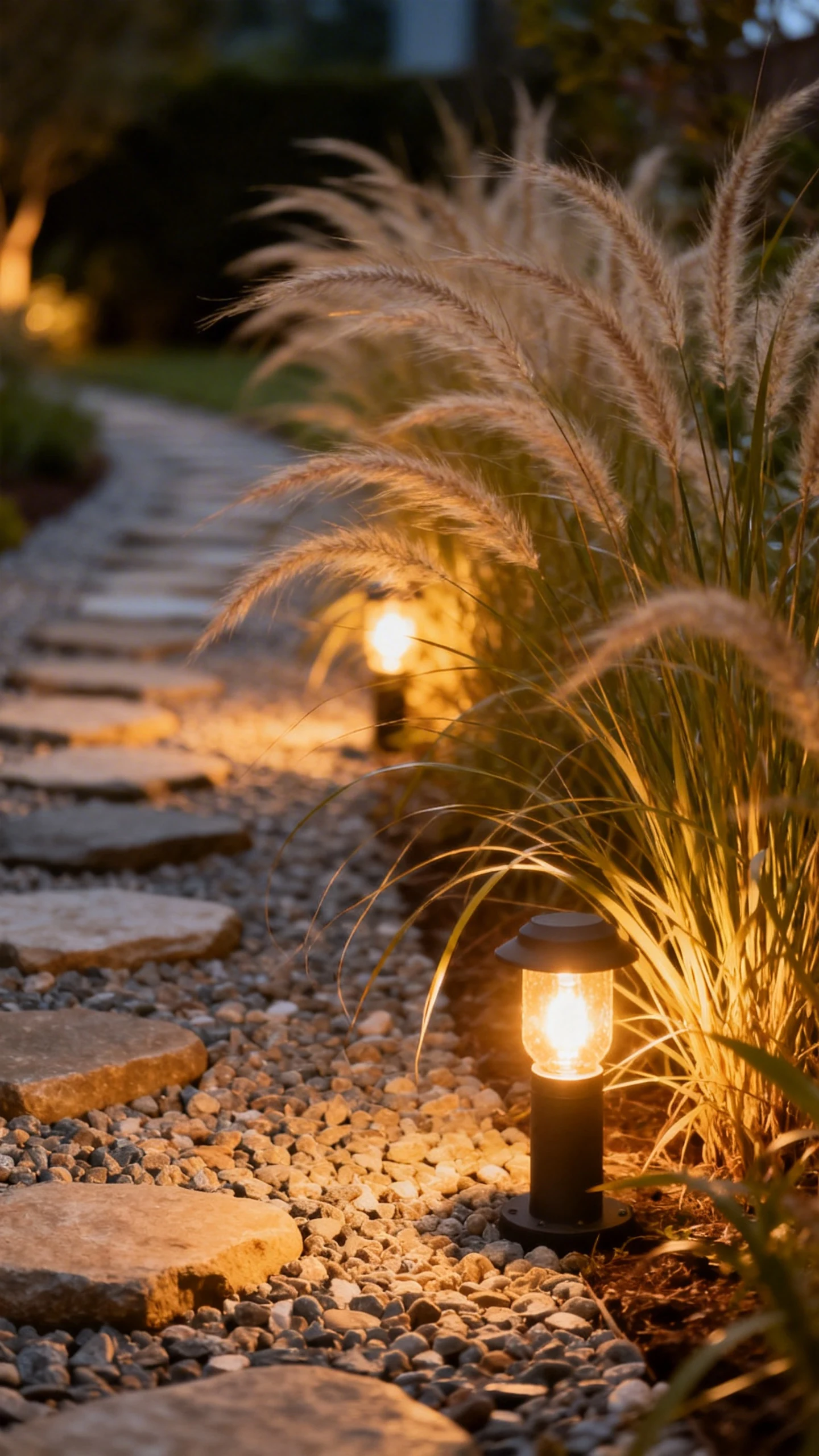
Lighting also changes everything. Soft uplighting on a tree, warm wall lights, or subtle path lights stretch the enjoyment into the evening and make the garden feel cozy. Solar options have improved a lot, FYI, so you do not need a giant electrical project for every setup.
Should you use mirrors?
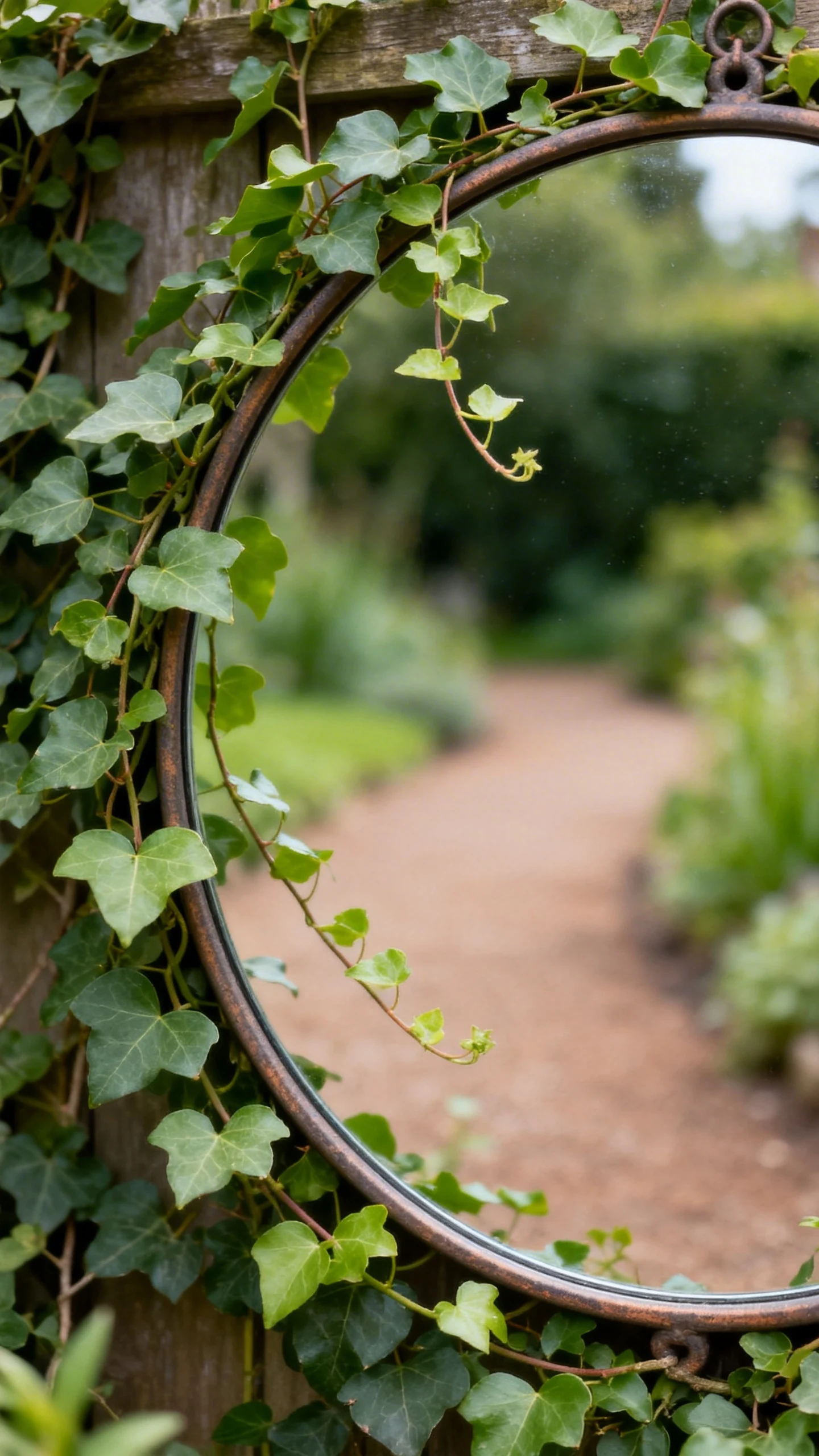
Yes, but use them with a bit of common sense. A well placed outdoor mirror can bounce light around and make a narrow garden feel wider. It can also reflect planting and create the illusion of more depth.
Just do not stick a mirror where it reflects your bins, your neighbor’s laundry, or your own confused face every morning. Frame it like a feature and let surrounding plants soften the edges. Then it looks intentional instead of like a gym wall escaped into the yard.
Keep maintenance realistic
A gorgeous small garden still fails if you hate looking after it. Design for your actual lifestyle, not your fantasy version that wakes up at sunrise to deadhead roses while birds sing on cue. If you want low effort, own that.
Choose easy care plants, install irrigation if needed, mulch properly, and avoid fiddly features that demand endless attention. The best small garden design balances beauty with practicality. You should enjoy the space, not resent it.
Think about seasonal upkeep too. Deciduous trees drop leaves. Pots dry out quickly. Gravel needs occasional raking. None of this should scare you, but it should inform your choices.
FAQ
What is the best layout for a small garden?
The best layout depends on how you want to use the space, but simple always wins. A clear path, one seating area, and defined planting zones usually create the strongest result. Straight lines often make tiny gardens look larger, though soft curves can work if they fit the shape of the space.
How do I make a small garden look bigger?
Use a limited plant and material palette, add vertical elements, and keep the layout uncluttered. Mirrors, layered planting, and strong focal points also help create depth. Most importantly, do not overcrowd the space with furniture or too many features.
What plants suit small garden landscape design?
Choose compact shrubs, climbers, ornamental grasses, herbs, and long flowering perennials. Small trees can work beautifully too if you pick the right variety. Look for plants that offer structure, long interest, and manageable growth.
Should a small garden have a lawn?
Only if you genuinely want one and have space for it to look intentional. A tiny lawn can work, but it often adds maintenance without much benefit. Paving, gravel, or planted groundcover may give you a more useful and stylish result.
How much does it cost to landscape a small garden?
Costs vary a lot depending on materials, drainage, planting size, and whether you hire professionals. You can create a smart small garden on a modest budget with gravel, simple paving, and carefully chosen plants. Custom joinery, premium stone, and built in lighting will push the price up fast.
Can I design a small garden myself?
Absolutely. Many small gardens suit DIY design because the scale stays manageable. Start with a plan, measure carefully, choose a simple layout, and build it in stages if needed.
Conclusion
Small garden landscape design works best when you stay intentional. Give the space a purpose, keep the layout clean, choose plants and materials that earn their place, and resist the urge to cram in every idea from your saved photos. A small garden does not need more stuff. It needs better decisions, a little personality, and maybe one smug moment when visitors say, “Wait, this space is tiny?”