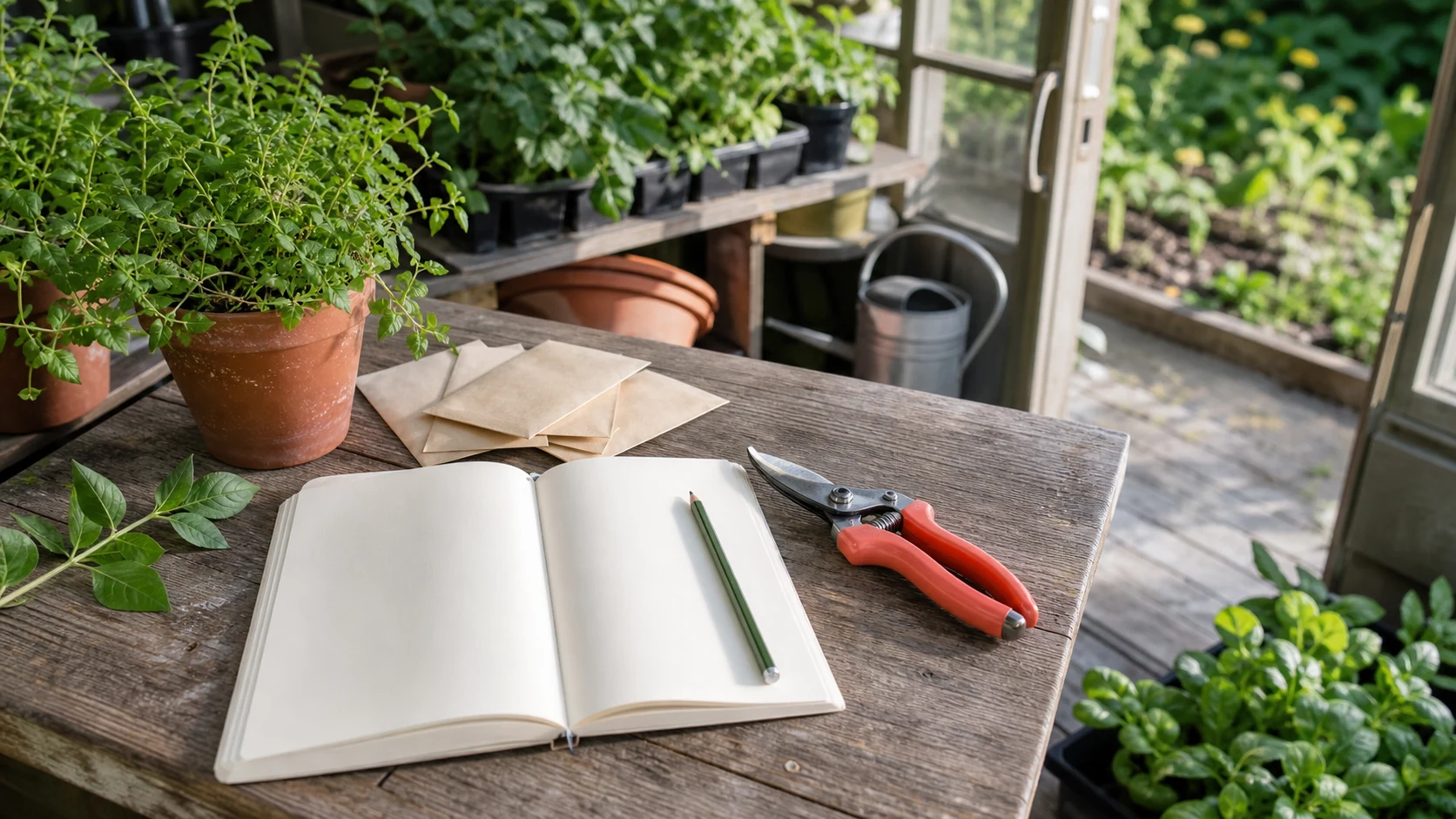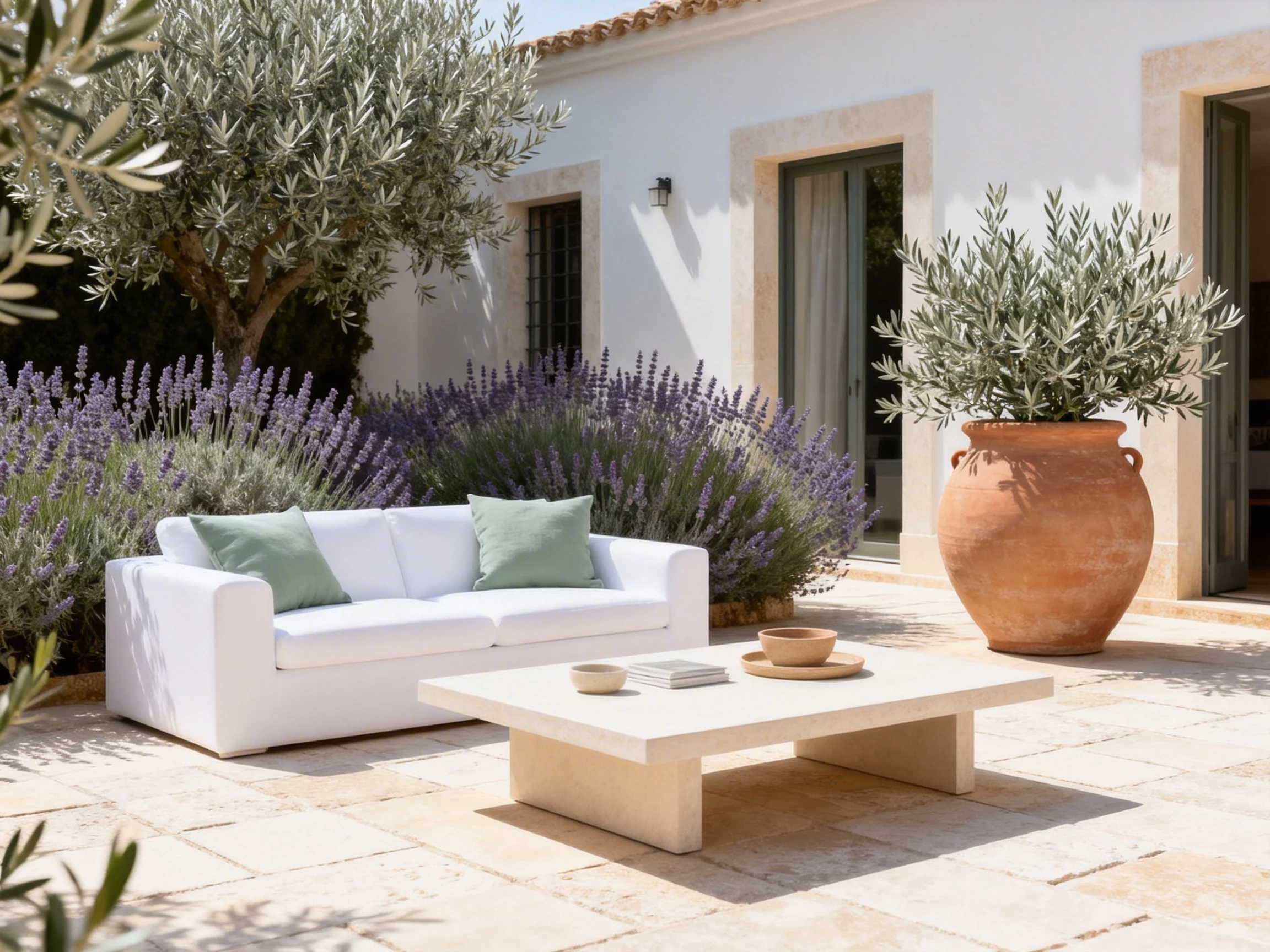
Modern Mediterranean garden design looks relaxed, sunny, and a little bit fancy without trying too hard. It mixes crisp structure with plants that seem totally unfazed by heat, drought, and your occasional neglect. Think pale stone, silvery leaves, terracotta pots, and that effortless “I drink coffee outside every morning” energy. If your dream garden feels like a villa courtyard with better Wi-Fi, you’re in the right place.
What makes a garden feel modern Mediterranean?
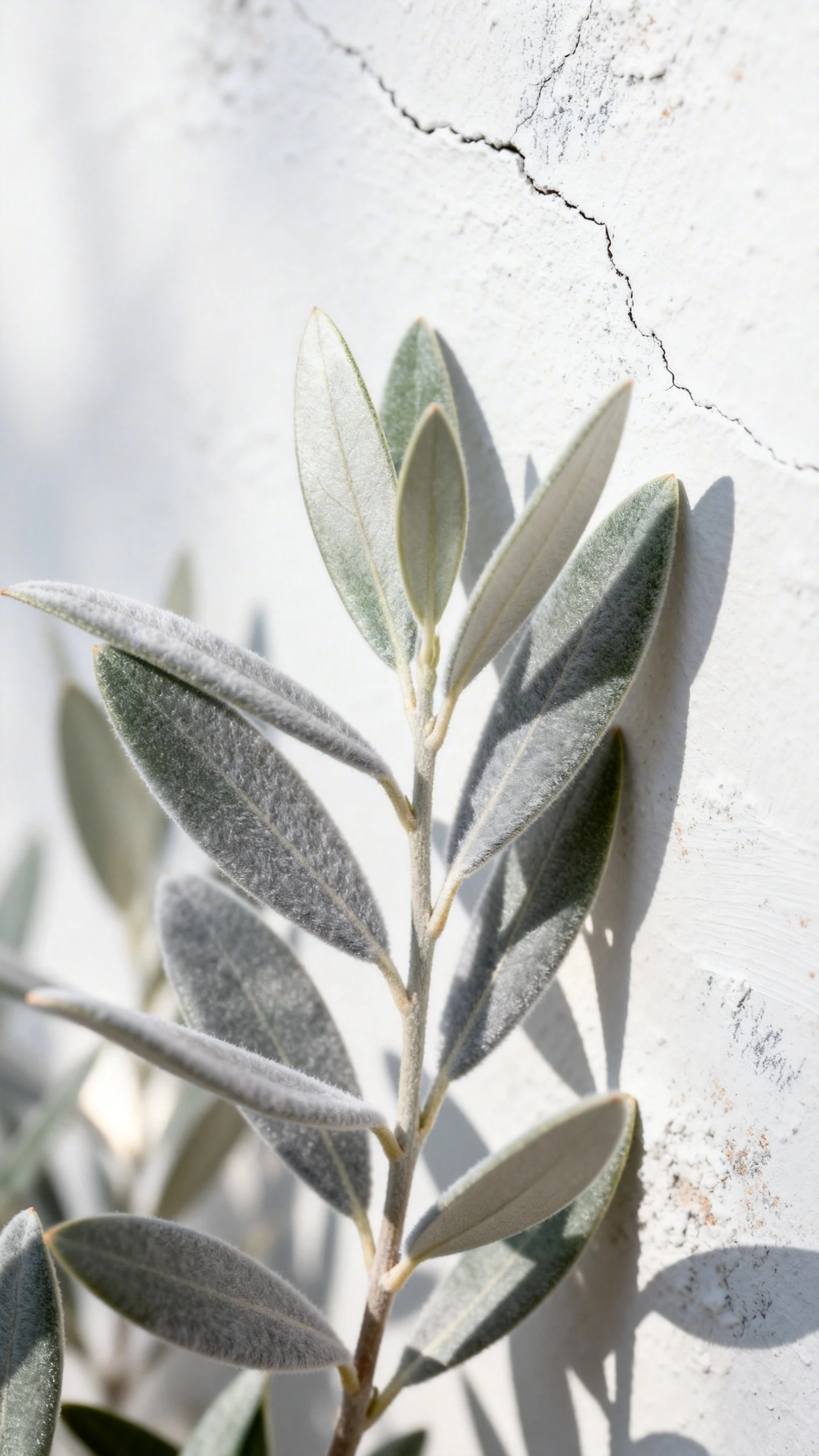
The magic comes from mixing old-world warmth with clean, modern lines. Traditional Mediterranean gardens can feel lush, rustic, and slightly wild in the best way. Modern versions keep the soul but edit the clutter.
You still get the familiar ingredients: olive trees, gravel paths, rosemary, lavender, and sun-baked materials. But the layout feels sharper. Furniture looks simpler. Color palettes stay tighter. Nothing screams for attention, which honestly makes everything look more expensive.
At its core, this style loves sun, texture, and restraint. Not boring restraint, though. More like “I know exactly when to stop buying plants at the nursery” restraint. A rare and admirable skill.
The key ingredients
If you want the look, focus on a few core elements instead of throwing in every vaguely southern-European plant you can find. IMO, that’s where people lose the plot. A modern Mediterranean garden should feel calm, not like a vacation souvenir shop exploded.
- Natural materials such as limestone, gravel, terracotta, and weathered wood
- Drought-tolerant planting with lots of structure and scent
- A restrained palette of greens, silvers, dusty blues, creams, and earthy tones
- Defined spaces for lounging, dining, or just pretending you enjoy pruning
- Architectural shapes from clipped shrubs, spiky plants, and simple hardscaping
Start with the bones: layout, surfaces, and structure
Before you buy a single olive tree, look at the framework. Great Mediterranean-style gardens always have strong bones. Even the relaxed ones hide a lot of planning under that breezy charm.
Use geometry to bring in the modern side. Squares, rectangles, straight paths, and clear edges work really well. That doesn’t mean the whole garden needs to look like a spreadsheet. You just want a sense of order.
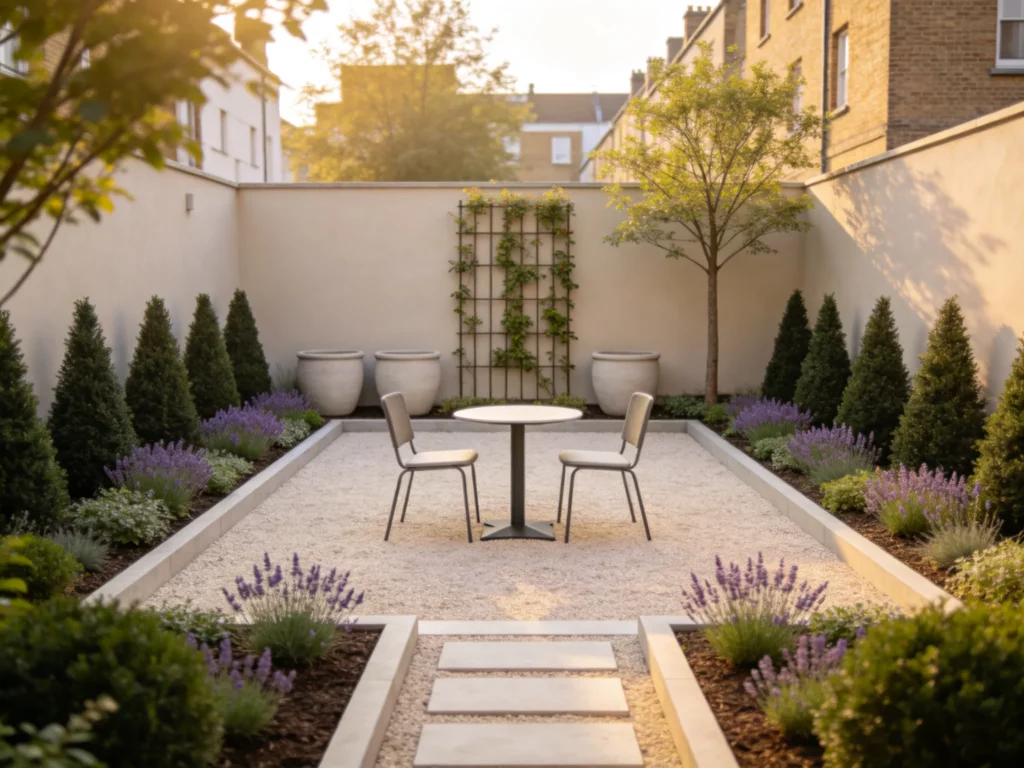
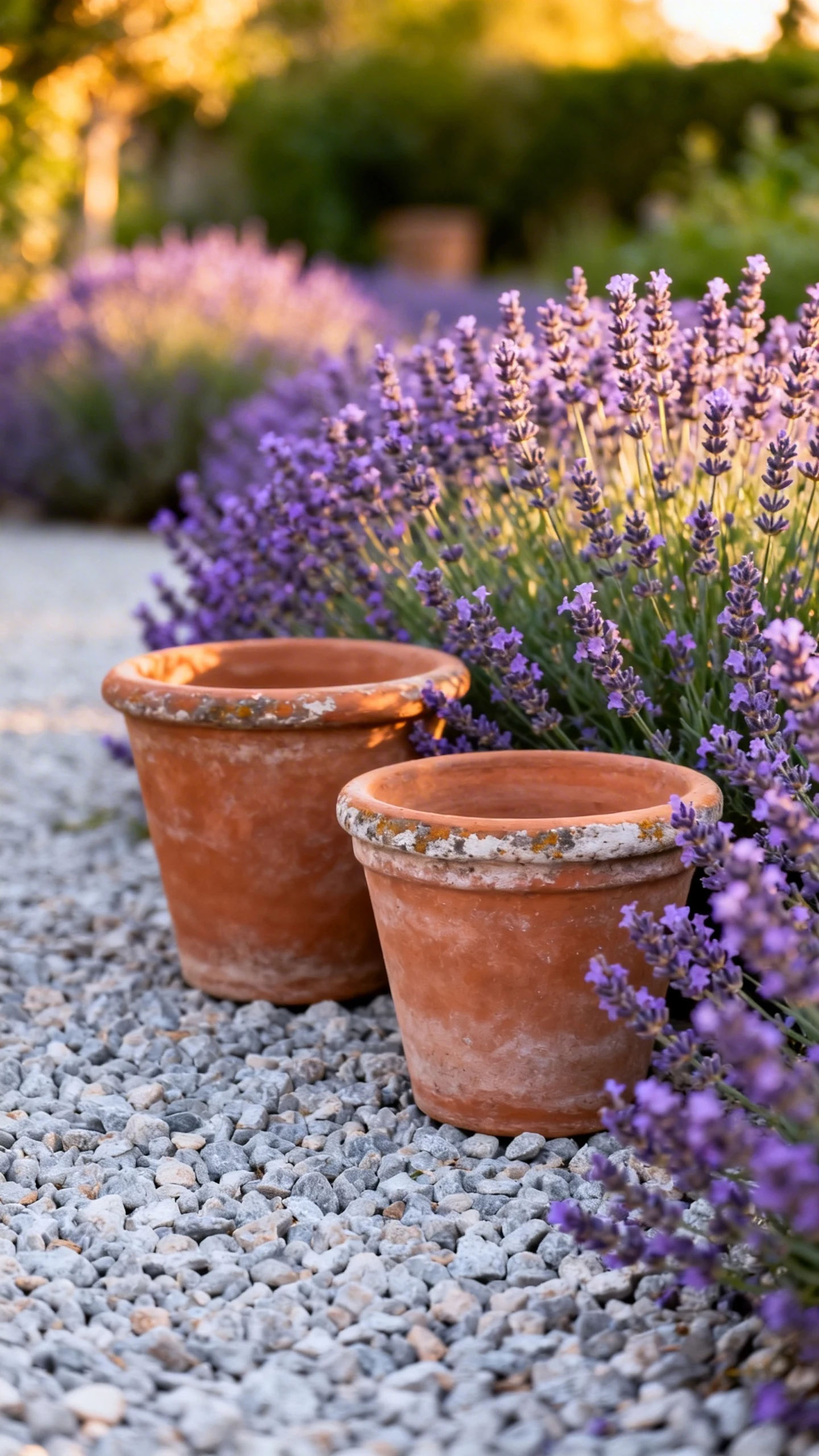
Gravel plays a huge role here, and not only because it looks good. It drains well, handles heat, and gives that dry, coastal feel almost instantly. Pair it with pale paving, rendered walls, or chunky stone steps and suddenly the space starts making sense.
Hardscaping that actually helps
Modern Mediterranean design relies on hardscaping as much as planting. That’s great news if you want a lower-maintenance garden. Plants still matter, obviously, but the built elements do a lot of visual heavy lifting.
- Gravel courtyards create a relaxed, sun-washed base
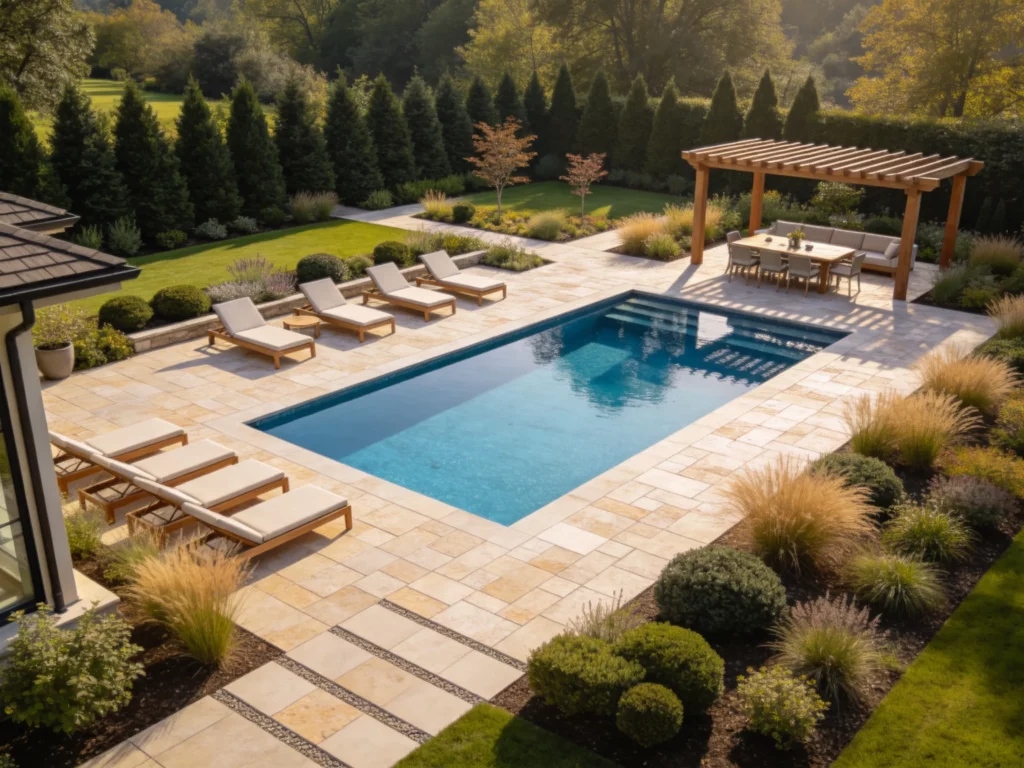
- Stone or porcelain paving adds clean, modern contrast
- Low walls and raised beds shape the garden without fuss
- Pergolas and shade structures make outdoor living possible when the sun goes full drama mode
- Large pots bring instant height, texture, and flexibility
If you have a small garden, this structure matters even more. A few crisp surfaces and one beautifully placed tree can look far better than stuffing every corner with random greenery. Empty space counts. Let it breathe.
Choose plants that look good without begging for attention
The planting style should feel generous but never messy. You want plants with shape, movement, and toughness. Basically, the garden version of someone who always looks polished in linen and never seems sweaty.
Start with evergreen structure. Olive trees, cypress, bay laurel, and evergreen shrubs build the backbone. Then layer in aromatic herbs, soft perennials, and a few sculptural plants for contrast.
Silvery foliage works especially well because it reflects light and instantly gives that Mediterranean mood. Lavender, santolina, artemisia, and teucrium all earn their keep here. Add rosemary and thyme, and your garden starts smelling smug in the best way.
Plants that fit the look
You do not need to live on a Greek island to borrow the palette. You just need plants that handle sun and dry conditions well in your climate. Always check local suitability, FYI, because a sad olive tree in a freezing yard breaks the illusion fast.
- Olive tree for iconic character and soft silver-green foliage
- Lavender for color, scent, and pollinator appeal
- Rosemary for structure and edible bonus points
- Cypress or upright junipers for vertical drama
- Agave or aloe for sculptural punch in warmer regions
- Myrtle, pistacia, or box alternatives for clipped form
- Gaura, salvia, and euphorbia for airy movement
Try repeating the same plants instead of collecting one of everything. Repetition makes the space feel intentional and calmer. It also saves you from that “garden center impulse purchase” chaos, which we have all experienced.
Color, texture, and the art of not overdoing it
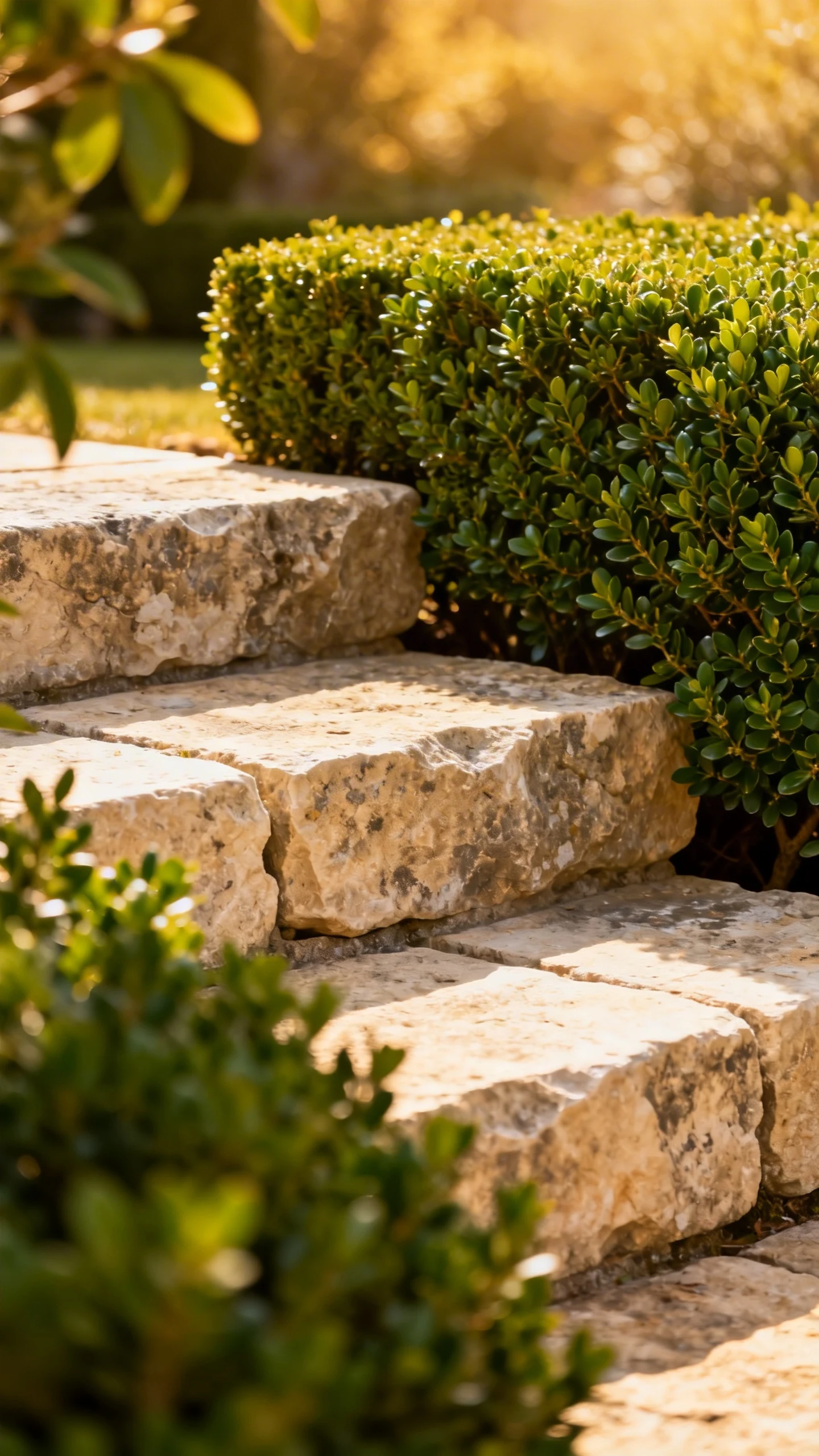
Modern Mediterranean gardens don’t chase bright, complicated color schemes. They lean into a softer, sun-faded palette. Green, silver, terracotta, sand, charcoal, and chalky white do most of the work.
Texture matters just as much as color. Smooth rendered walls, rough stone, feathery grasses, glossy leaves, and crunchy gravel all play together beautifully. That mix creates depth without needing loads of flowers.
When flowers show up, they should feel like accents, not confetti. Purple, white, deep pink, and buttery yellow all fit nicely. Use them in drifts or clusters rather than scattered little dots that make the garden look indecisive.
Why simplicity wins
Restraint gives this style its confidence. Too many colors, too many materials, or too many decorative accessories can kill the vibe fast. You want the garden to whisper, not yell from across the fence.
That means choosing a small set of finishes and sticking with them. One gravel type, one or two paving finishes, and a limited pot palette usually work best. IMO, matching everything perfectly looks stiff, but letting every element freestyle looks worse.
Outdoor living matters just as much as the planting
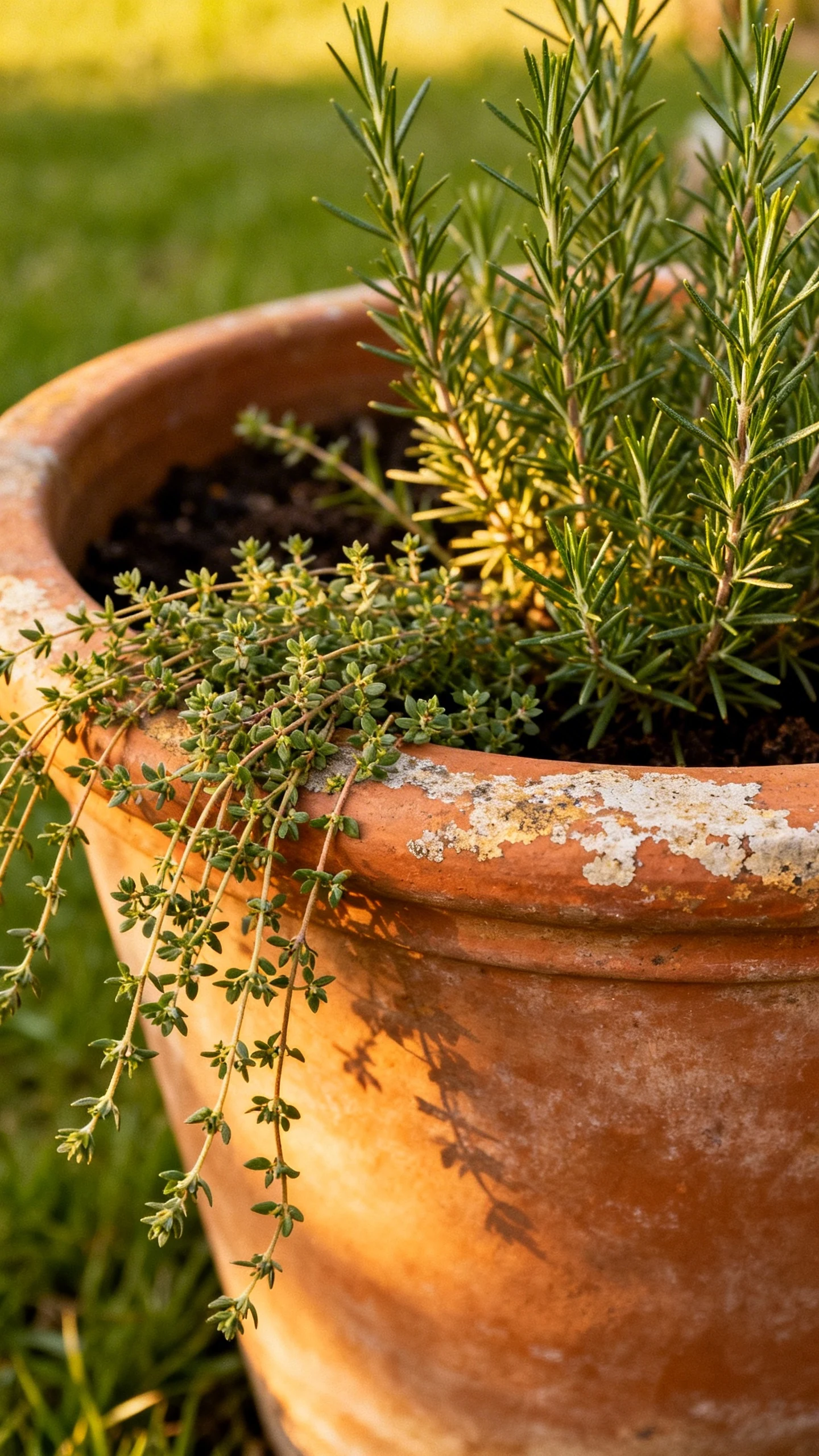
Mediterranean gardens always invite you to actually use the space. This isn’t a style for staring through the window while your patio furniture slowly gathers emotional damage. It should feel easy to sit down, eat outside, and stay awhile.
Create zones that support real life. A dining area near the house works well. A shaded bench under a tree feels dreamy. A gravel courtyard with a couple of oversized pots can become the simplest, chicest seating spot in the whole garden.
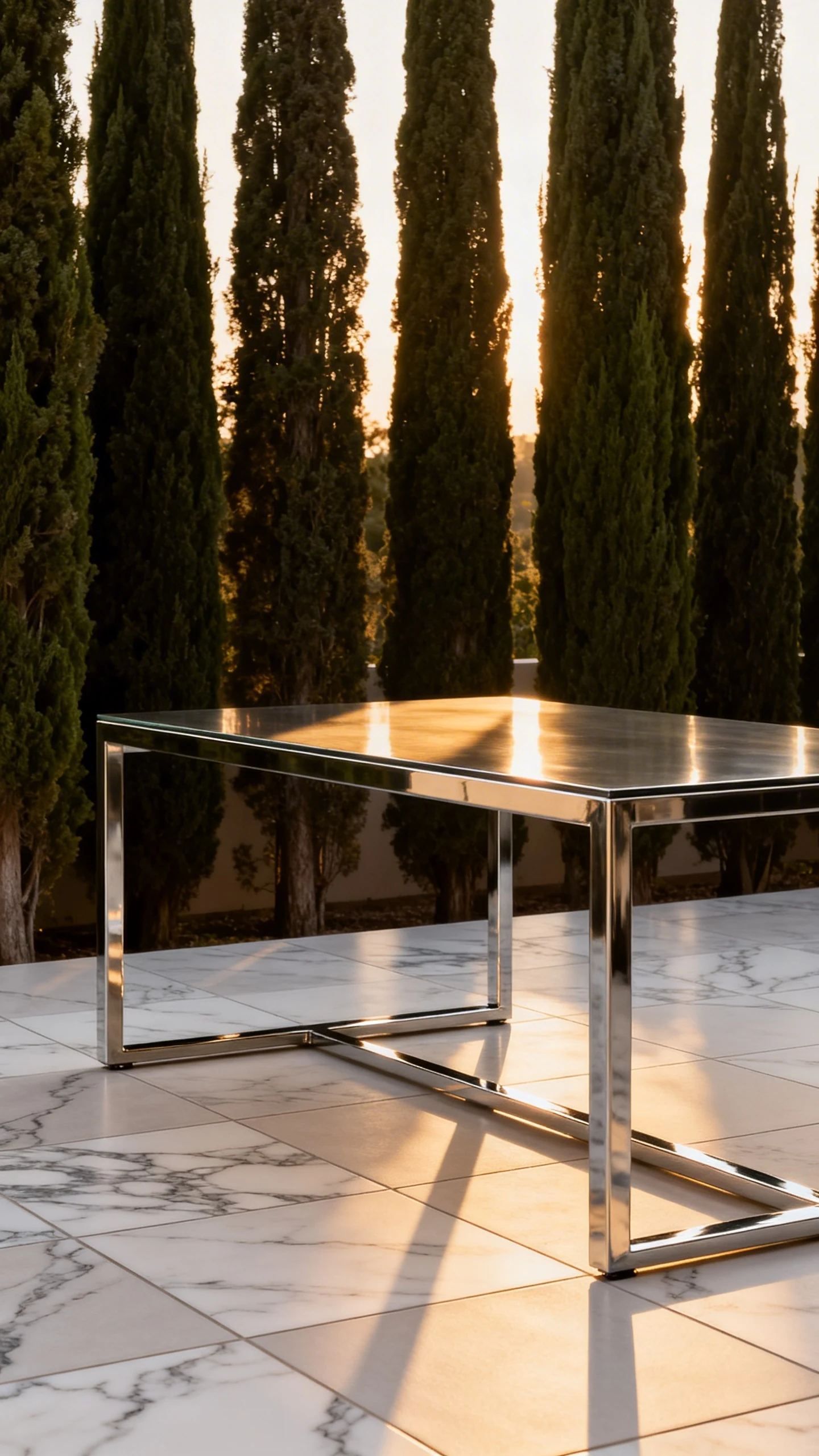
Furniture should look unfussy but solid. Think metal, teak, woven textures, linen cushions, and shapes that don’t feel bulky. If it looks like it belongs at a resort but can survive a spilled glass of wine, you’re on track.
Details that make it feel finished
The finishing touches matter, but keep them edited. A few strong details do more than a pile of decorative nonsense. Nobody needs six tiny lanterns and a ceramic frog trying to steal the scene.
- Terracotta pots for warmth and classic Mediterranean character
- Simple water features for sound and coolness
- Soft lighting to highlight paths, seating, and trees
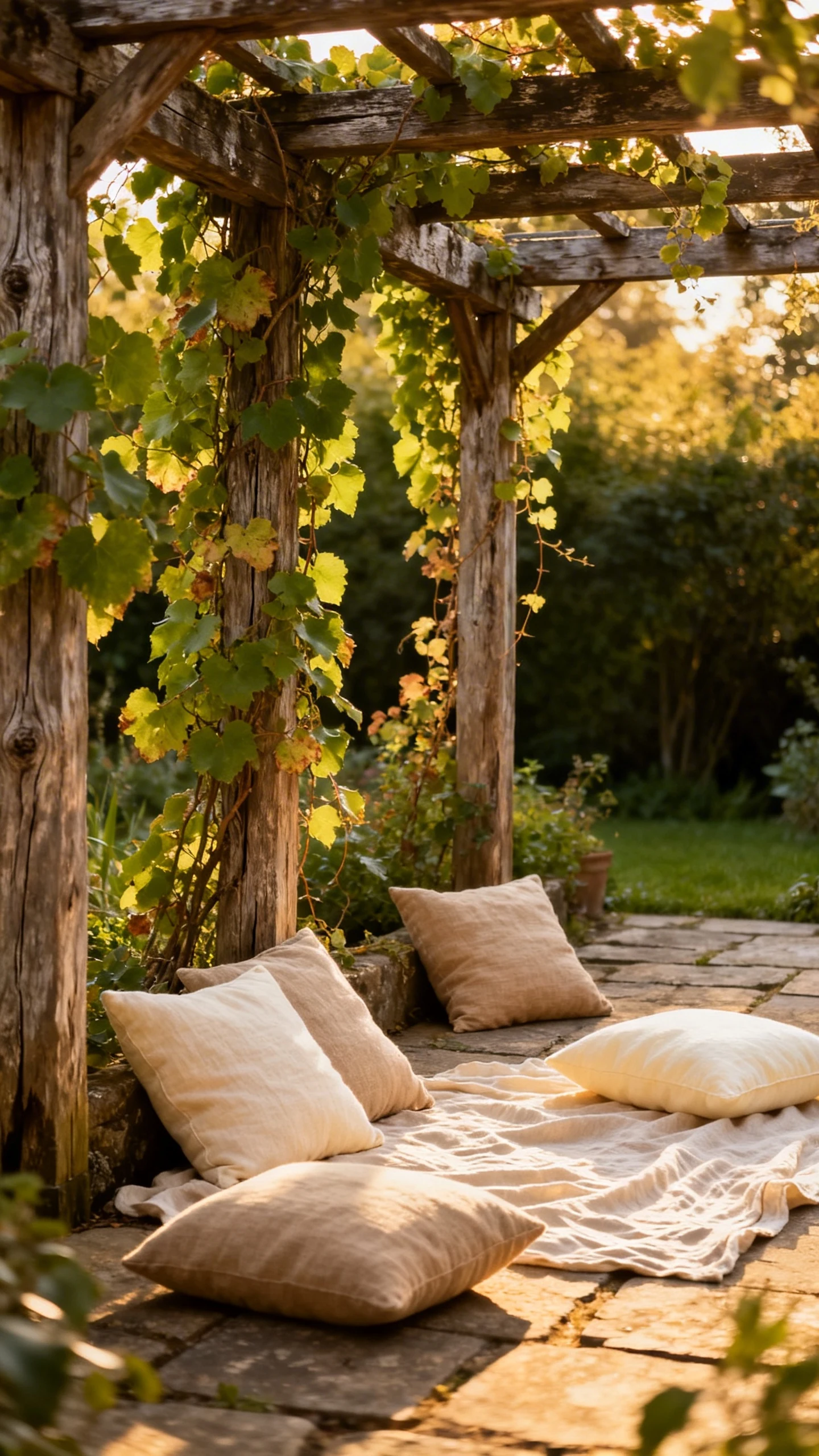
- Pergolas with climbing vines for shade and romance
- Outdoor textiles in neutral tones for comfort without clutter
How to make the style work in different climates
Here’s the truth: not every garden sits under endless sunshine next to a whitewashed wall. But you can still capture the look almost anywhere. The trick lies in adapting the spirit, not copying every plant choice literally.
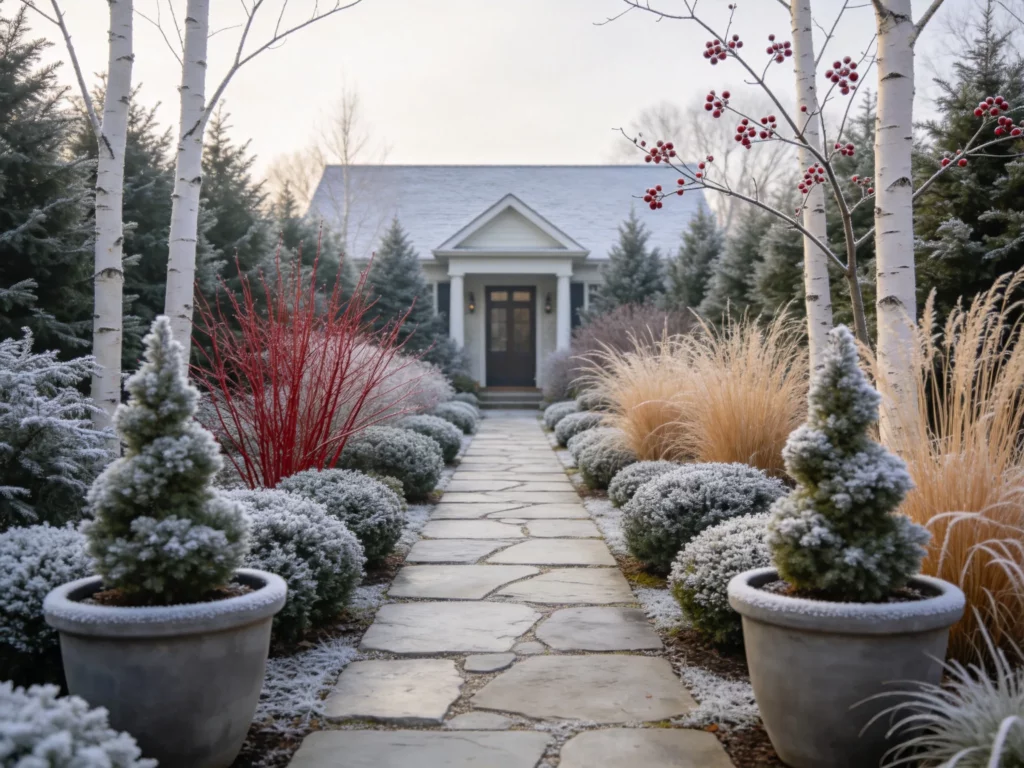
In cooler climates, use hardy plants with a Mediterranean feel. Russian sage, nepeta, euphorbia, ornamental grasses, and upright evergreens can give you the same dry, airy mood. Add gravel, warm-toned pots, and pale walls, and the design still reads clearly.
In rainy areas, focus on drainage. Raised beds, free-draining soil, and covered seating areas make a huge difference. Choose plants that handle moisture better but still bring texture and structure. You want “coastal courtyard,” not “accidental swamp.”
If you live in a hot, dry region, lucky you. This style fits naturally, but you still need shade and smart irrigation. Even drought-tolerant gardens need help while plants establish. A crispy rosemary hedge won’t thank you for your optimism.
FAQ
What defines modern Mediterranean garden design?
It combines Mediterranean materials and planting with a cleaner, more minimal layout. You’ll usually see gravel, stone, terracotta, olive-toned foliage, and drought-tolerant plants arranged in a more structured way. The overall mood feels warm, relaxed, and polished.
Can I create a modern Mediterranean garden in a small space?
Absolutely. Small courtyards, balconies, and compact backyards suit this style really well. Use large pots, a limited plant palette, gravel or pale paving, and one or two standout features like a small tree or built-in bench.
Do I need an olive tree for the look?
No, but it definitely helps if your climate allows it. If not, choose another sculptural tree with a similar vibe, such as bay laurel or a multi-stem evergreen. The look depends more on shape, texture, and materials than one specific plant.
Is modern Mediterranean design low maintenance?
Usually yes, especially compared with thirsty lawns and fussy flower borders. You’ll still need to prune, sweep gravel, water new plants, and keep containers looking decent. But the overall style tends to reward simple upkeep rather than constant garden drama.
Which colors work best in this style?
Stick with earthy, sun-washed tones. White, cream, sand, terracotta, olive green, silver, and charcoal all work beautifully. Use flower color sparingly so the foliage and materials stay in control.
What should I avoid?
Avoid overcrowding the space, mixing too many finishes, or using plants that demand loads of water and babying. Skip overly ornate decor unless you want the garden to slide into theme-park territory. FYI, one bold statement pot usually beats twelve tiny accessories every time.
Conclusion
Modern Mediterranean garden design works because it feels both stylish and livable. It gives you structure without stiffness, beauty without endless fuss, and that sunny holiday mood even when you only stepped outside to take the bins out. Keep the palette tight, choose plants with backbone, and let the space breathe. Do that, and your garden will feel calm, timeless, and just a little bit smug for all the right reasons.