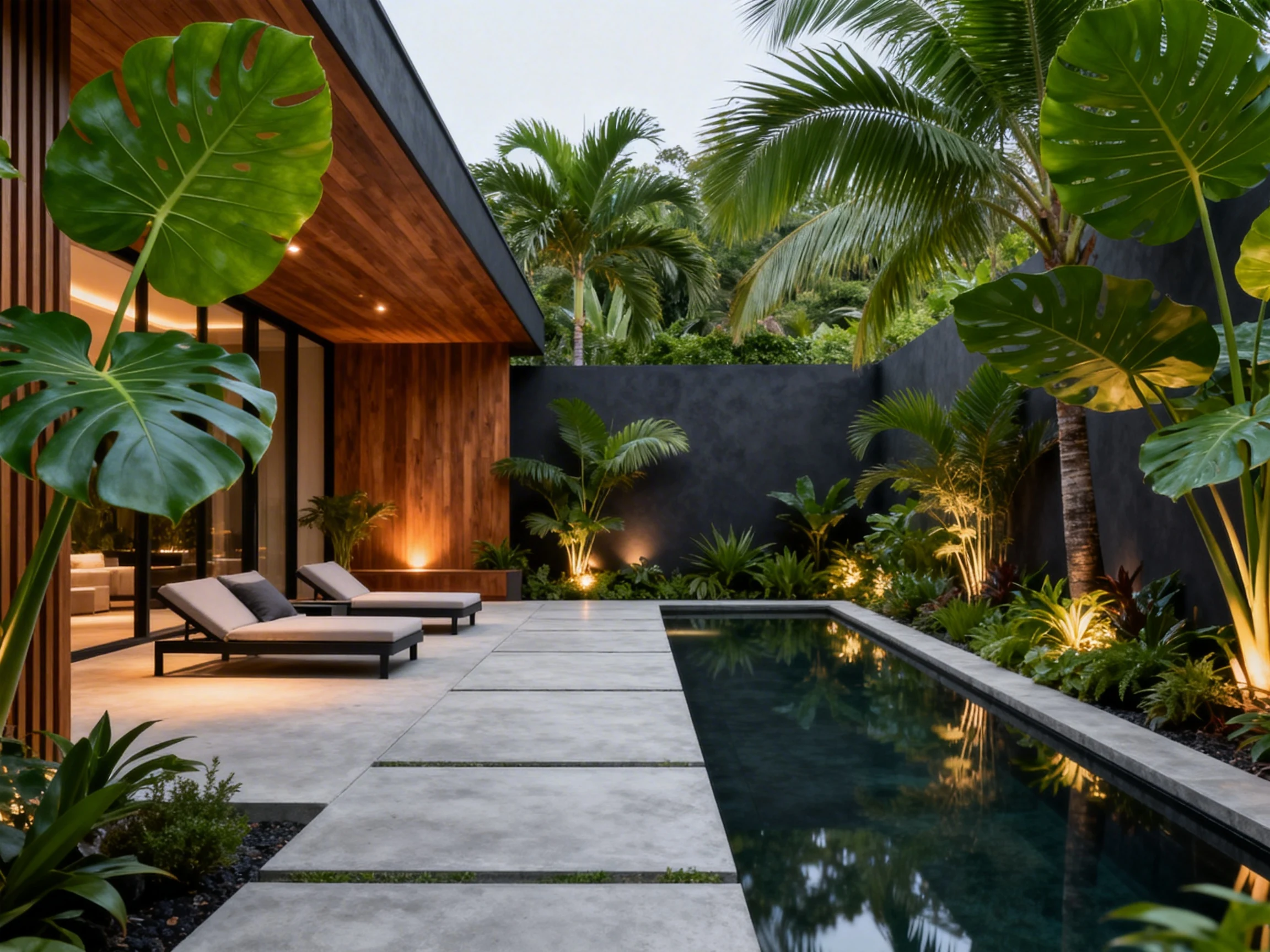
Modern tropical garden design looks lush, relaxed, and a little bit showy in the best way. It mixes bold foliage, clean lines, and outdoor living so your yard feels like a boutique resort instead of a random pile of plants. Think less “wild jungle swallowed my fence” and more “curated escape with great lighting.” If you want a space that feels fresh, layered, and easy to enjoy, this style absolutely delivers.
What modern tropical garden design actually means
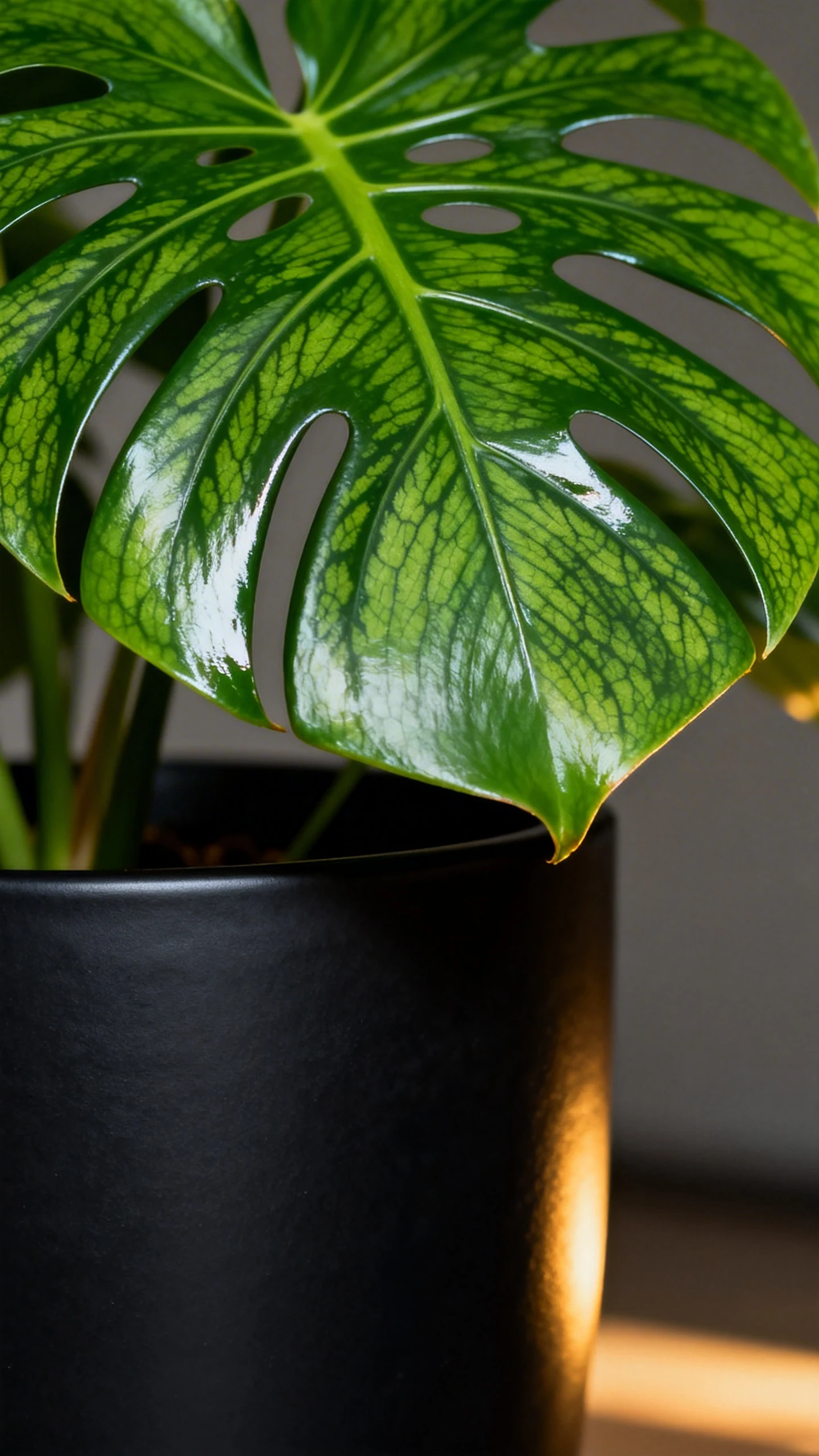
A lot of people hear “tropical garden” and picture chaos. Huge leaves everywhere, vines doing whatever they want, and a suspicious amount of humidity. Modern tropical design takes all that lush energy and gives it structure.
The goal centers on contrast. You pair dramatic foliage with simple hardscaping, restrained color palettes, and layouts that feel intentional. The plants bring the excitement, while the design keeps everything from looking like your yard made questionable life choices.
This style works especially well if you love outdoor spaces that feel immersive. You walk into a modern tropical garden and immediately notice texture, shadows, movement, and that cool layered look. It feels rich without feeling cluttered, which honestly takes some restraint.
The key vibe
Modern tropical gardens feel calm, bold, and polished at the same time. You see oversized leaves, architectural plants, and repeating forms instead of a million tiny flowers fighting for attention. IMO, that mix makes the whole space feel more expensive, even if your budget says otherwise.
Why people love it
It creates a holiday mood without trying too hard. You get privacy, shade, and loads of visual impact from foliage alone. Plus, when you choose the right plants, the garden looks good for long stretches instead of giving you one dramatic week and then ghosting you.
Start with structure before you buy a single plant
This part matters more than people think. If you skip straight to plant shopping, you end up with a cart full of impulse buys and no real plan. Yes, that bright cordyline looks amazing, but where exactly does it go?
Modern tropical design starts with bones. Paths, patios, raised beds, screens, retaining walls, and seating zones come first. Even a small courtyard needs a clear layout, or the whole thing feels messy fast.
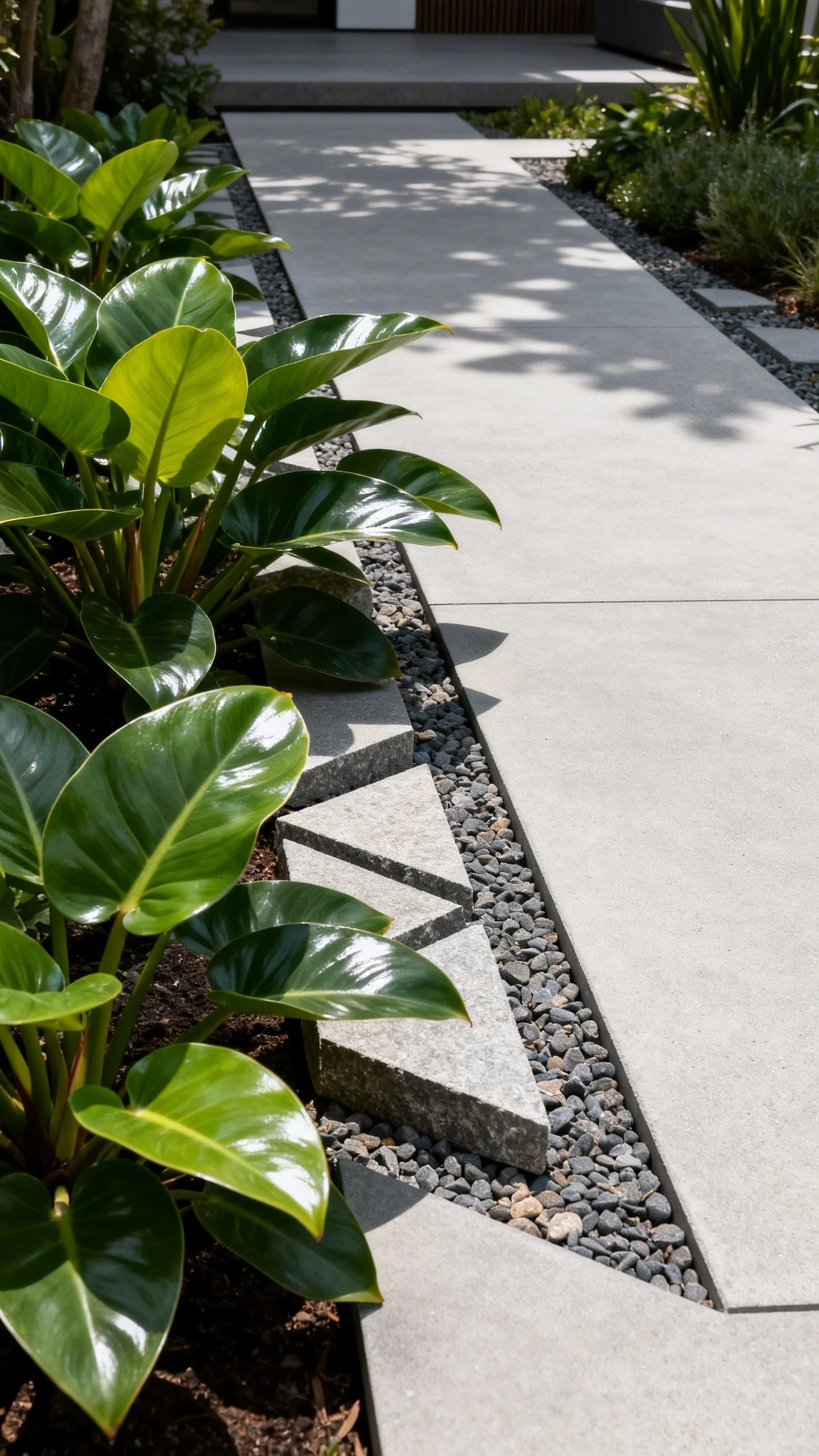
Use simple geometry to anchor all that leafy softness. Rectangles, long lines, and repeated shapes work really well. A crisp concrete path or dark timber deck gives those giant leaves something solid to play against.
Think in layers
The best tropical gardens almost always use layering. Start with tall screening plants or small trees at the back, medium-sized foliage in the middle, and lower groundcovers or sculptural accents near the front. That stacked look gives the garden depth and makes it feel full without cramming every inch.
You also want negative space. Weird concept for a lush garden, right? But blank surfaces like gravel, paving, lawn panels, or a still water feature help your eye rest, and they make the planting look even more dramatic.
Create outdoor rooms
Modern tropical spaces shine when they feel livable. A dining area under filtered shade, a bench tucked behind big foliage, or a plunge pool with planting around it turns the garden into an experience. People don’t just want plants anymore. They want a place to drink coffee and pretend they’re on vacation.
Choose plants with bold shapes, not random energy
Plant choice makes or breaks this style. You want species with strong forms, glossy leaves, and a sculptural presence. Tiny, fussy cottage plants usually don’t fit the brief here.
Focus on foliage first. Flowers can play a role, sure, but leaves do the heavy lifting in a modern tropical garden. Look for plants with large, striped, fan-shaped, upright, or deeply cut leaves.
Some classic choices include philodendrons, alocasias, heliconias, bird of paradise, gingers, palms, cordylines, cycads, and monstera. Depending on your climate, you can also use hardy tropical-look plants that fake the vibe surprisingly well. FYI, plenty of gardens pull off this look without actual tropical weather.
Go for repetition
One secret to a modern look? Repeat plants instead of collecting one of everything. Three clumps of the same grass-like plant look far more polished than seventeen unrelated specimens scattered around like a plant speed-dating event. Repetition creates rhythm, and rhythm makes the design feel intentional.
Use a tighter color palette
Modern tropical gardens usually avoid rainbow overload. Green takes center stage, often with accents of deep burgundy, lime, charcoal, or white. That limited palette keeps the garden sophisticated and lets texture steal the show.
If you want flowers, use them strategically. One bold color repeated in a few places looks sharp. Twenty colors at once starts drifting into theme park territory, and that rarely ends well.
Materials matter just as much as the planting
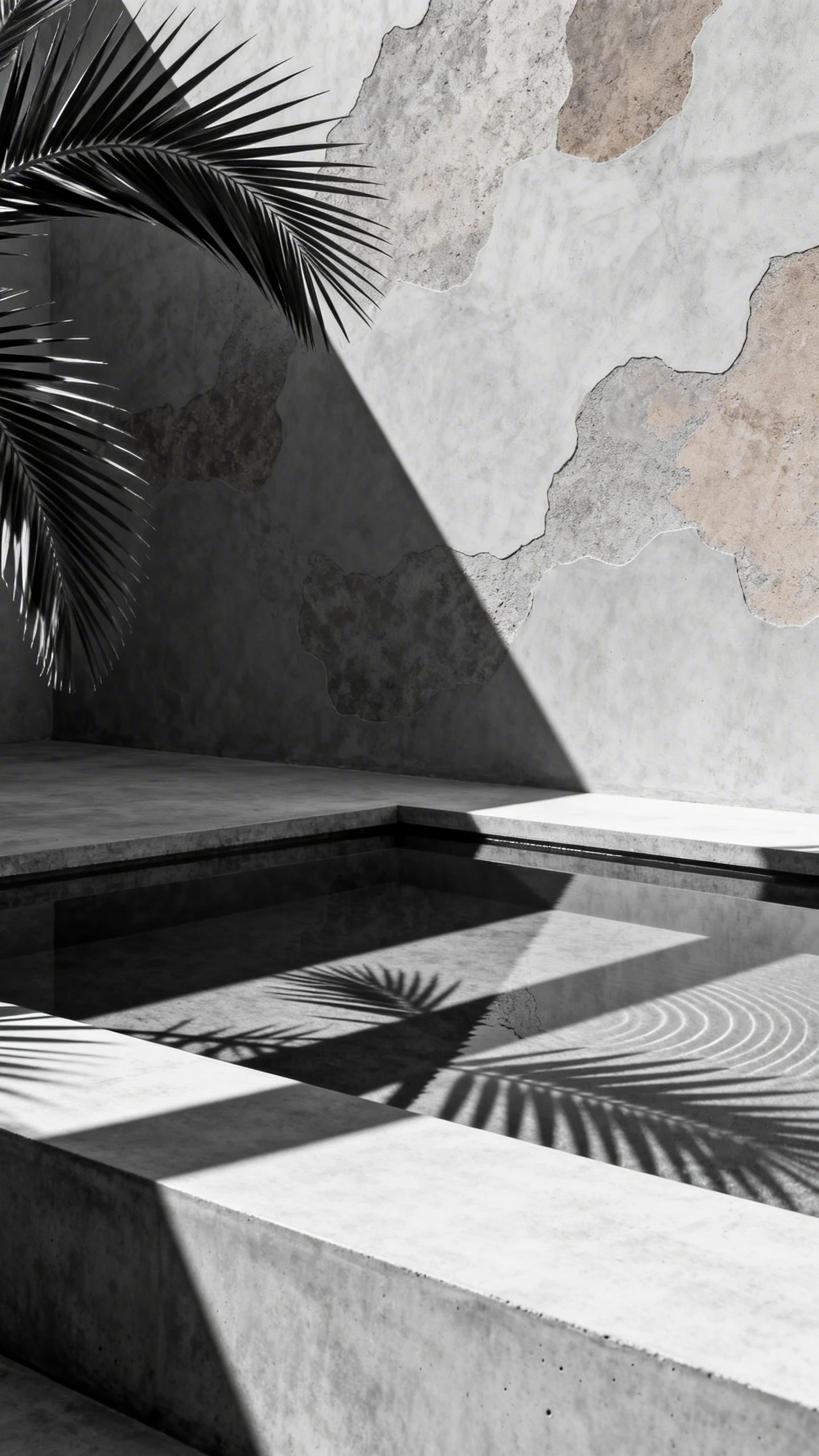
You can fill a yard with gorgeous tropical plants, but if the materials feel off, the whole design loses steam. Modern tropical spaces need surfaces and finishes that feel simple, grounded, and a little luxurious. Nothing too fussy. Nothing too cute.
Great material choices include poured concrete, large-format pavers, dark timber, natural stone, black steel, matte planters, and textured render. These materials balance the lushness and stop the garden from looking overly themed.
Water also plays a big role. A sleek reflecting pond, narrow rill, or simple fountain adds movement and sound without turning the garden into a fake rainforest restaurant. Keep it minimal. You want ambiance, not a soundtrack that competes with your thoughts.
Lighting changes everything
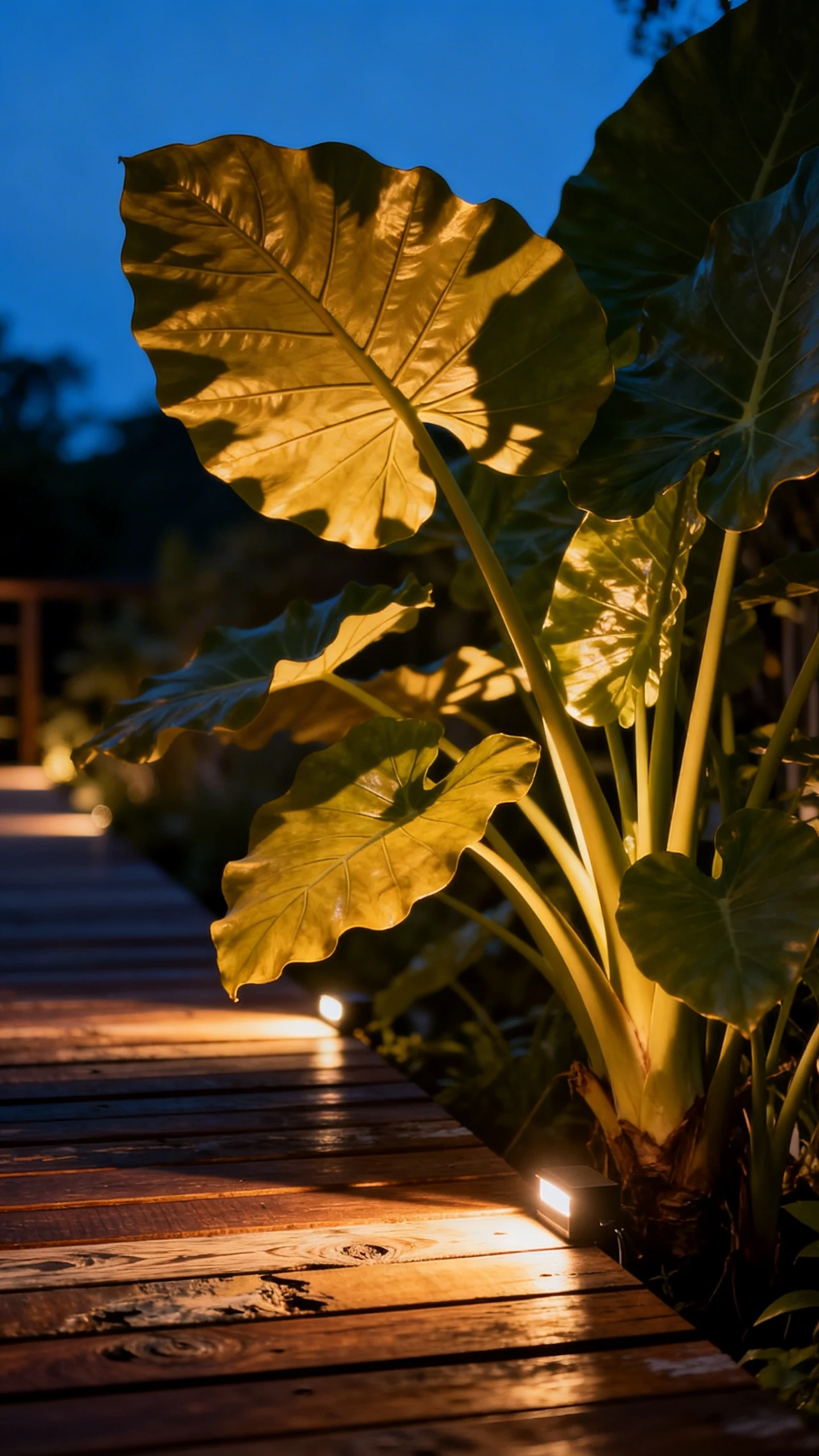
If you ignore lighting, you miss half the magic. Tropical foliage looks incredible at night when uplights catch those big leaves and throw dramatic shadows around. Warm lighting works best because it makes the space feel soft and inviting instead of weirdly clinical.
Light the path, highlight a few hero plants, and add subtle glow near seating areas. You don’t need a stadium setup. You just need enough light to make the garden feel moody and intentional after sunset.
- Best hardscape mood: clean, dark, textured, and restrained
- Best planter style: oversized and simple
- Best lighting approach: warm, low, and focused on foliage
- Best water feature vibe: minimal and calming
Make it feel lush without making it impossible to maintain
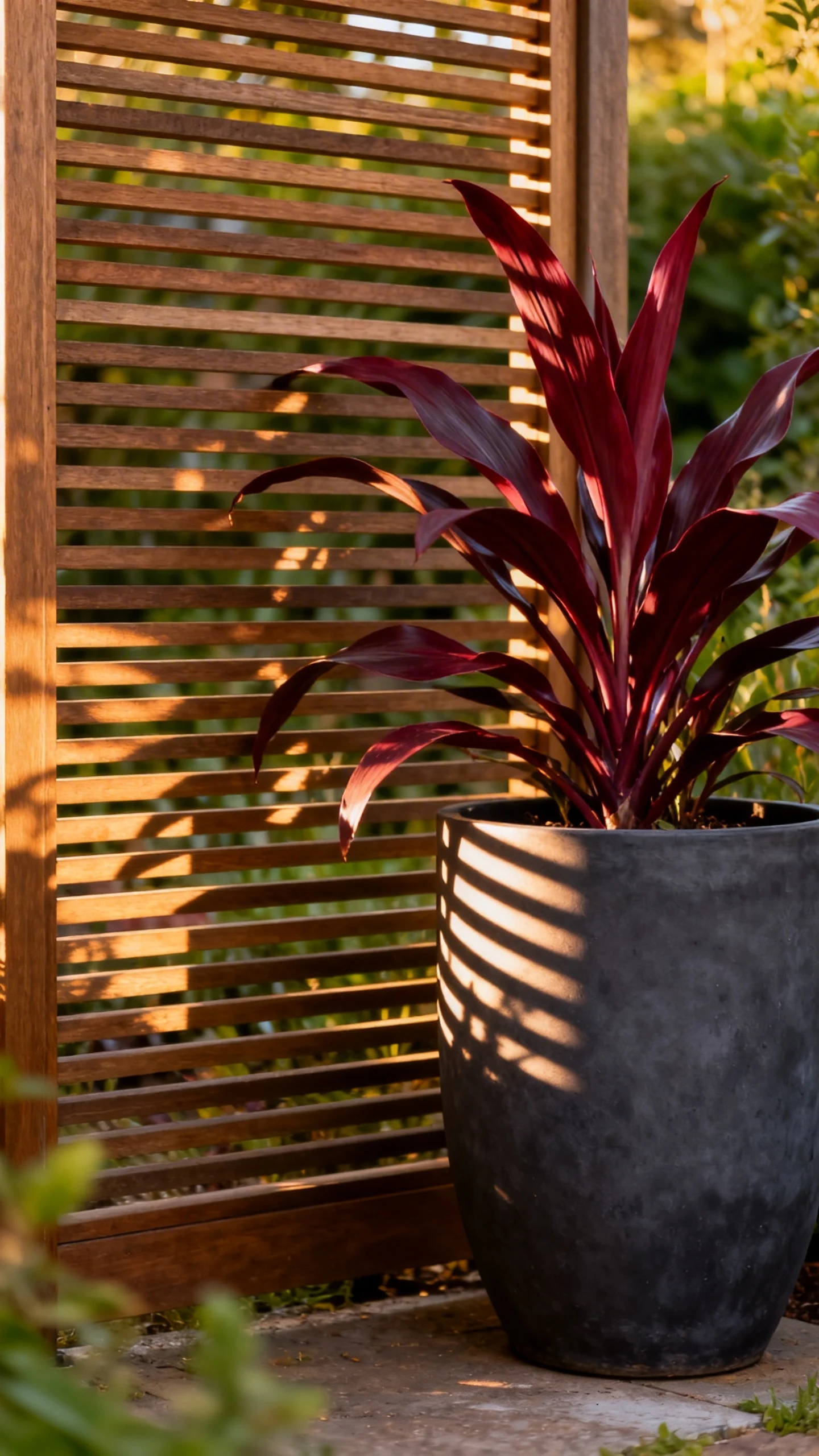
Here’s the part nobody wants to hear during the dreamy planning stage: tropical-looking gardens can get unruly fast. Big leaves grow bigger. Fast growers grow faster. Suddenly your sleek design starts looking like it wants its own weather system.
Low-maintenance success starts with plant discipline. Choose species that suit your climate, soil, light, and available time. A stunning plant that throws a tantrum every month doesn’t belong in your garden unless you enjoy horticultural drama.
Spacing matters too. Young tropical plants look tiny and innocent, but many of them bulk up fast. Give them room to mature, or prepare for a pruning schedule that feels part-time.
Use mulch like you mean it
Mulch makes a huge difference in tropical-style planting. It helps the soil stay cool, holds moisture, suppresses weeds, and gives beds a finished look. Organic mulch usually works best because it supports healthy soil while keeping the garden looking lush.
Irrigation saves your sanity
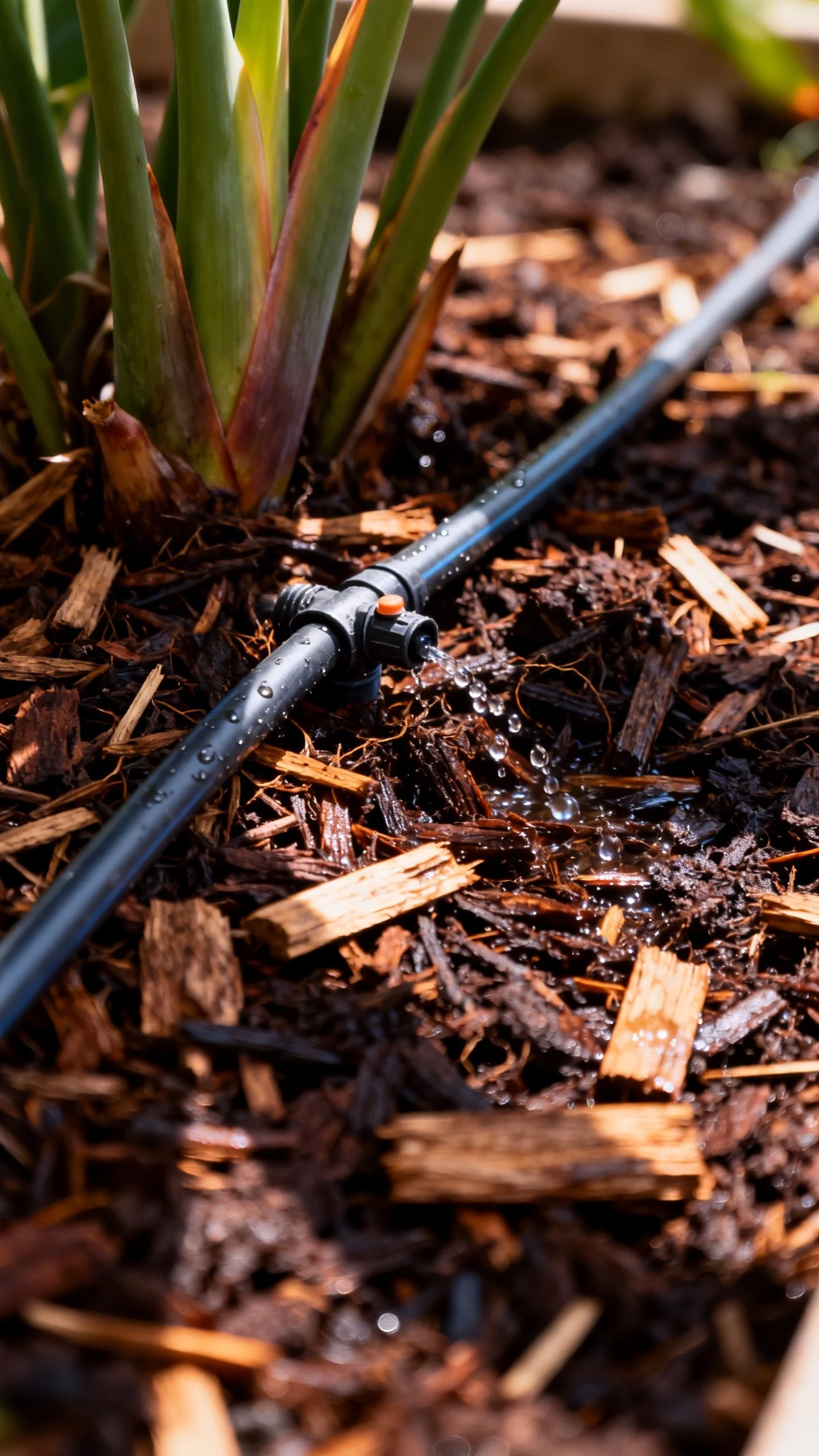
If you live somewhere hot, irrigation helps a lot. Drip lines or soaker systems keep water where it belongs and save you from dragging a hose around while questioning your life choices. Even in smaller gardens, smart watering makes maintenance way easier.
Adapt the tropical look to your climate
Not everyone gardens in a steamy paradise, and that’s fine. You can still create a modern tropical feel with climate-appropriate plants and a smart design approach. The vibe matters more than strict botanical authenticity.
Shape, texture, and layering matter most. If your winters get cold, swap true tropicals for hardy plants with broad leaves or strong architectural forms. Bananas, hardy palms, fatsia, phormium, tetrapanax, bamboo, and evergreen ferns can fake the look beautifully in many regions.
In dry climates, use plants that offer tropical drama without demanding constant moisture. Agaves, aloe, cycads, grasses, and some strappy-leaved plants can create that bold resort feeling when you combine them with shaded seating, dark materials, and dense planting pockets. Different plant list, same attitude.
Containers help a lot
Pots let you push the style further, especially if you need to protect tender plants seasonally. Large containers filled with statement foliage can frame entrances, patios, or pools with almost zero guesswork. They also make a small space feel designed instead of accidental.
Small-space tropical design can look insanely good
You do not need a giant backyard for this style. In fact, courtyards, side yards, and compact urban gardens often suit modern tropical design really well because the style thrives on enclosure. When the space feels wrapped in greenery, it instantly feels more immersive.
Use vertical space if the footprint stays limited. Tall screens, climbing plants, layered pots, and narrow planting beds can create that dense tropical mood without eating the whole patio. Add one strong focal point, like a sculptural palm or dark water bowl, and you’re in business.
Mirrors, slatted fences, and consistent materials also make small gardens feel larger. Keep the palette tight and the plant selection edited. Small spaces handle drama well, but they do not forgive clutter.
FAQ
What defines a modern tropical garden?
A modern tropical garden combines lush, dramatic planting with clean structure and simple materials. You usually see bold foliage, repeated plant forms, restrained color schemes, and outdoor living areas that feel polished. It looks relaxed, but the design always feels deliberate.
Do I need a hot climate for a tropical garden look?
Nope. You can create the look in many climates by choosing plants with tropical character rather than strict tropical origins. Focus on large leaves, architectural shapes, dense layering, and modern hardscaping, and the style still reads clearly.
Which plants work best for modern tropical design?
Great options include palms, bird of paradise, philodendrons, gingers, alocasias, heliconias, monstera, cordylines, and cycads in warm climates. In cooler regions, try fatsia, hardy bananas, bamboo, ferns, phormium, and other bold-leaved or upright plants. The best choices depend on your local conditions, not just your Pinterest board.
How do I keep a tropical garden from looking messy?
Start with a clear layout and repeat plants instead of mixing too many unrelated species. Use strong edging, simple paving, limited colors, and consistent materials. Regular pruning and smart spacing also keep the garden lush but controlled.
Is modern tropical garden design expensive?
It can get pricey if you go big on mature plants, custom lighting, and premium hardscaping. But you can absolutely build the look in stages. Invest first in structure, a few hero plants, and quality materials, then fill in over time as the budget recovers from the emotional damage.
Can I create this style on a balcony or patio?
Yes, and it can look fantastic. Use large containers, layered planting, a tight palette, and a few bold statement plants. Add warm lighting, a simple bench, and maybe a screen for privacy, and even a compact balcony can feel like a mini tropical retreat.
Conclusion
Modern tropical garden design works because it balances lush planting with clean restraint. You get all the drama of oversized foliage and layered greenery, but the space still feels calm, usable, and stylish. Keep the structure simple, choose plants with purpose, and let texture do the talking. The result feels fresh, immersive, and just smug enough to make every outdoor coffee taste better.