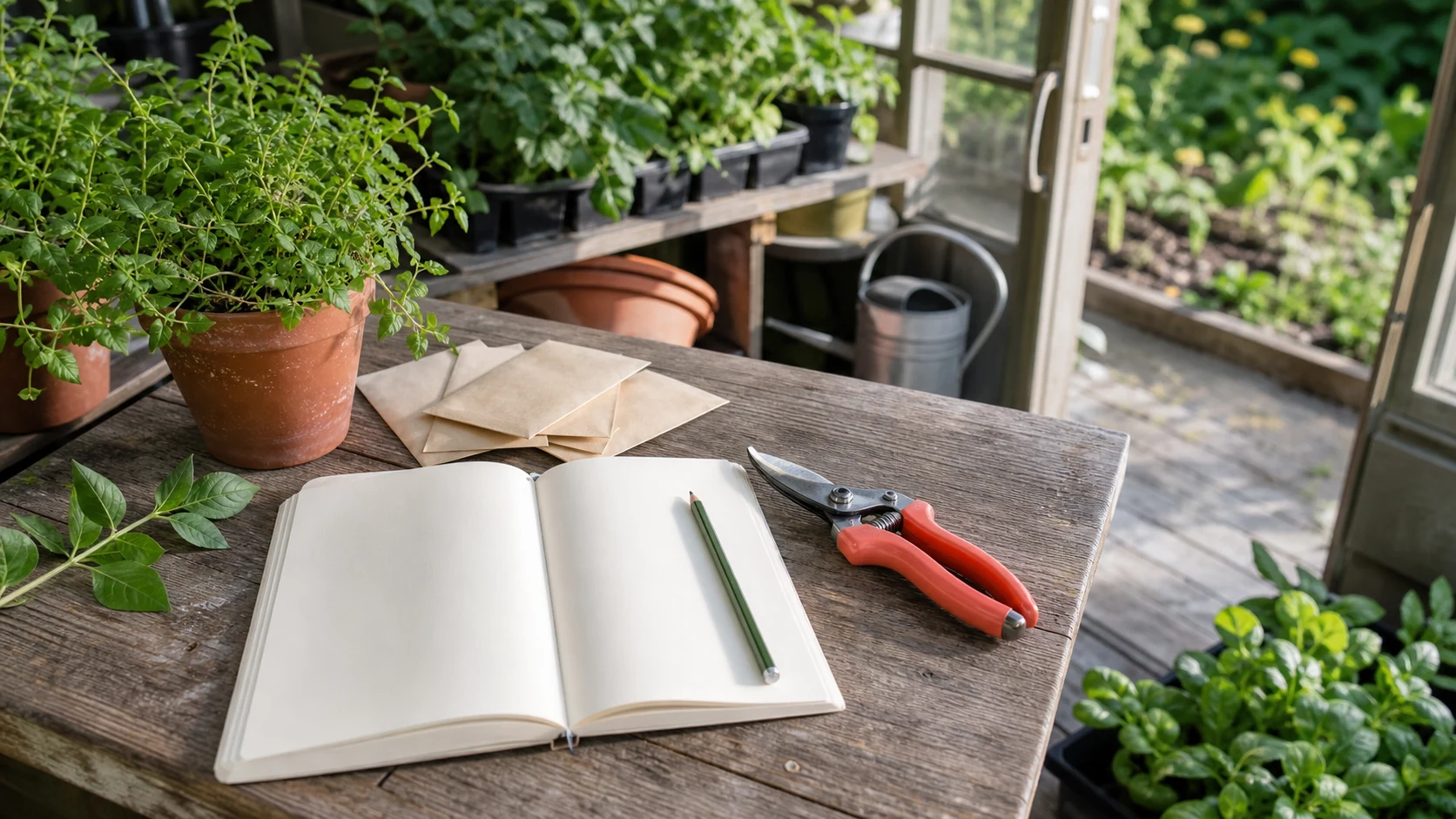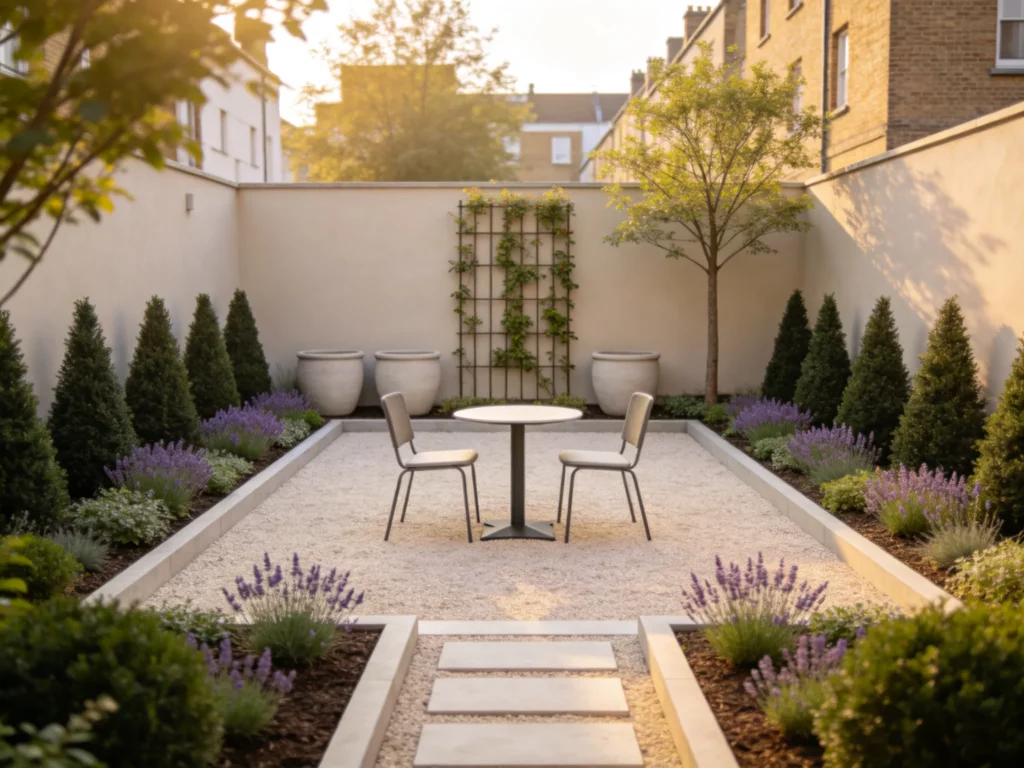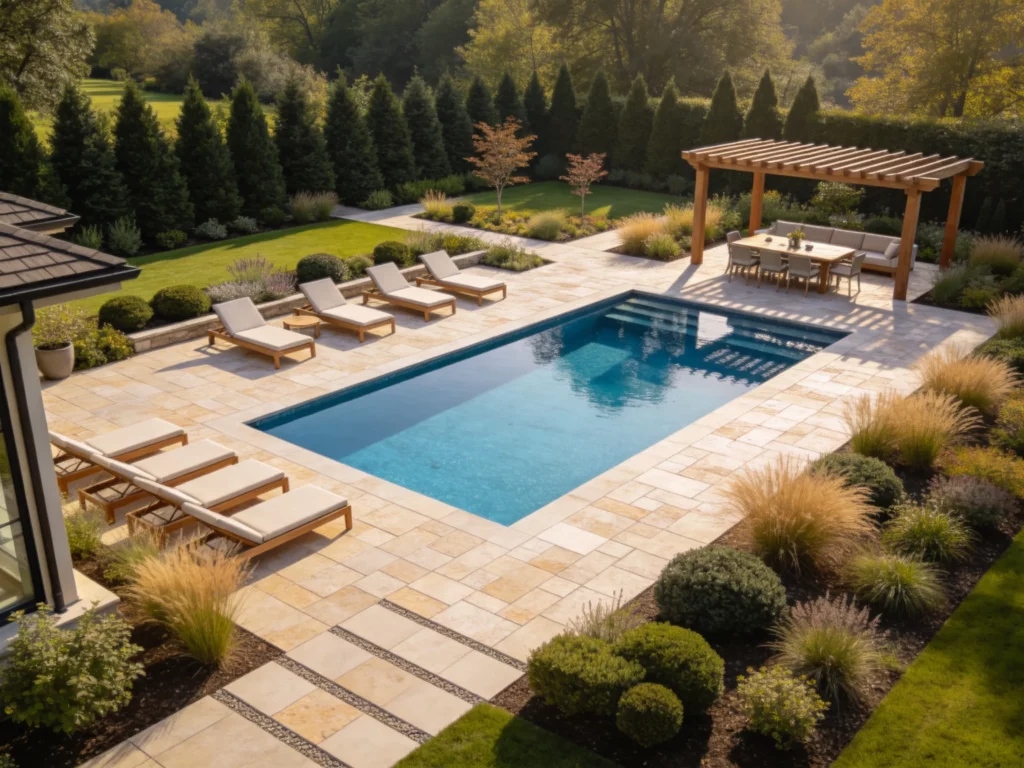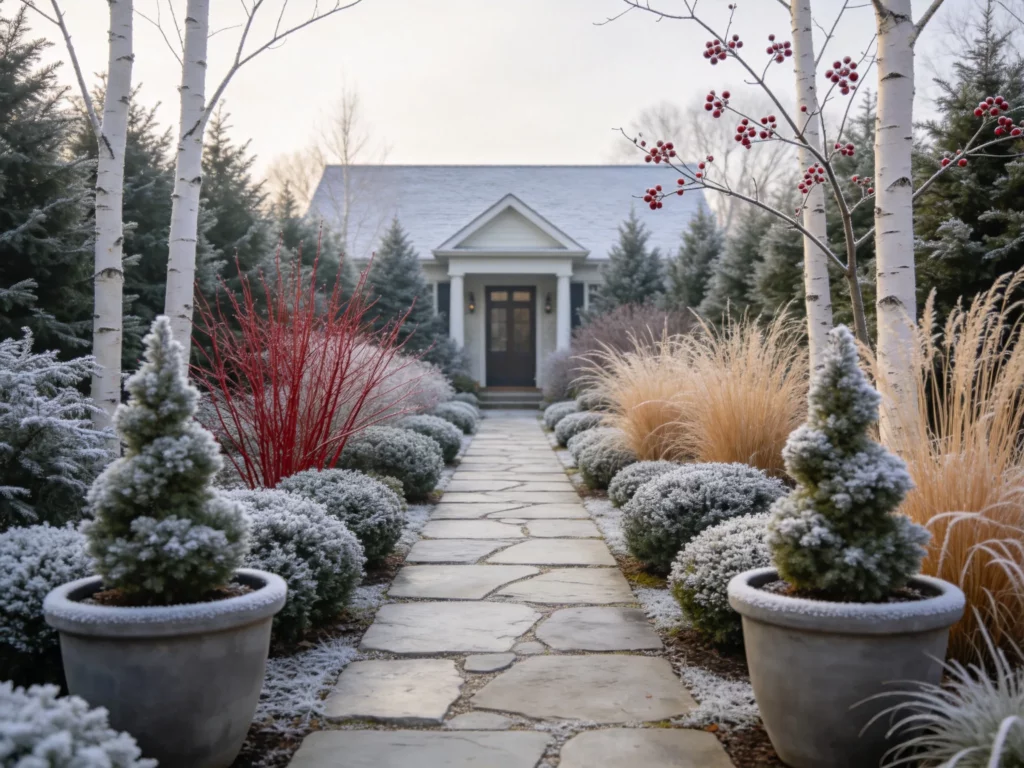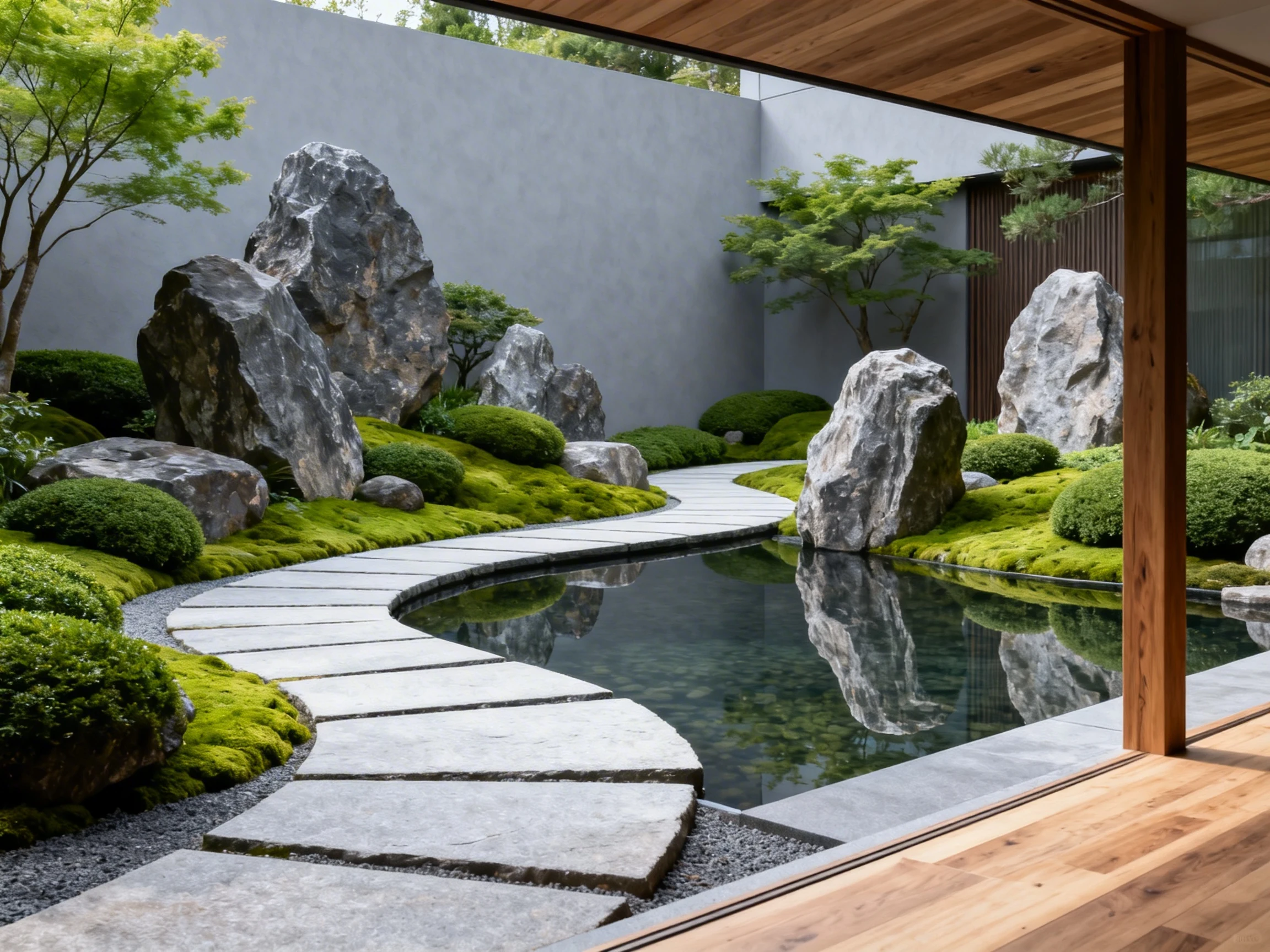
Modern Japanese garden design cuts through visual noise fast. It feels calm, sharp, and intentional without looking cold or boring. You get clean lines, natural texture, and that rare kind of outdoor space that actually lowers your blood pressure instead of asking for more weekend chores. If you want a garden that whispers instead of screams, you’re in the right place.
What modern Japanese garden design actually means
Let’s clear something up first. A modern Japanese garden does not mean tossing a bamboo fountain next to a concrete patio and calling it zen. It blends traditional Japanese garden principles with simpler forms, contemporary materials, and a tighter editing style.
The big idea centers on balance, restraint, and meaning. Every stone, plant, path, and empty space should feel chosen on purpose. Nothing should look random, even when the whole garden feels effortless. That “effortless” look, by the way, usually takes a lot of thought. Rude, honestly.
Traditional Japanese gardens often tell stories about mountains, rivers, islands, and seasons. Modern versions keep that spirit but strip away extra ornament. You still get symbolism and serenity, just with cleaner edges and fewer decorative flourishes.
The key difference from a traditional Japanese garden
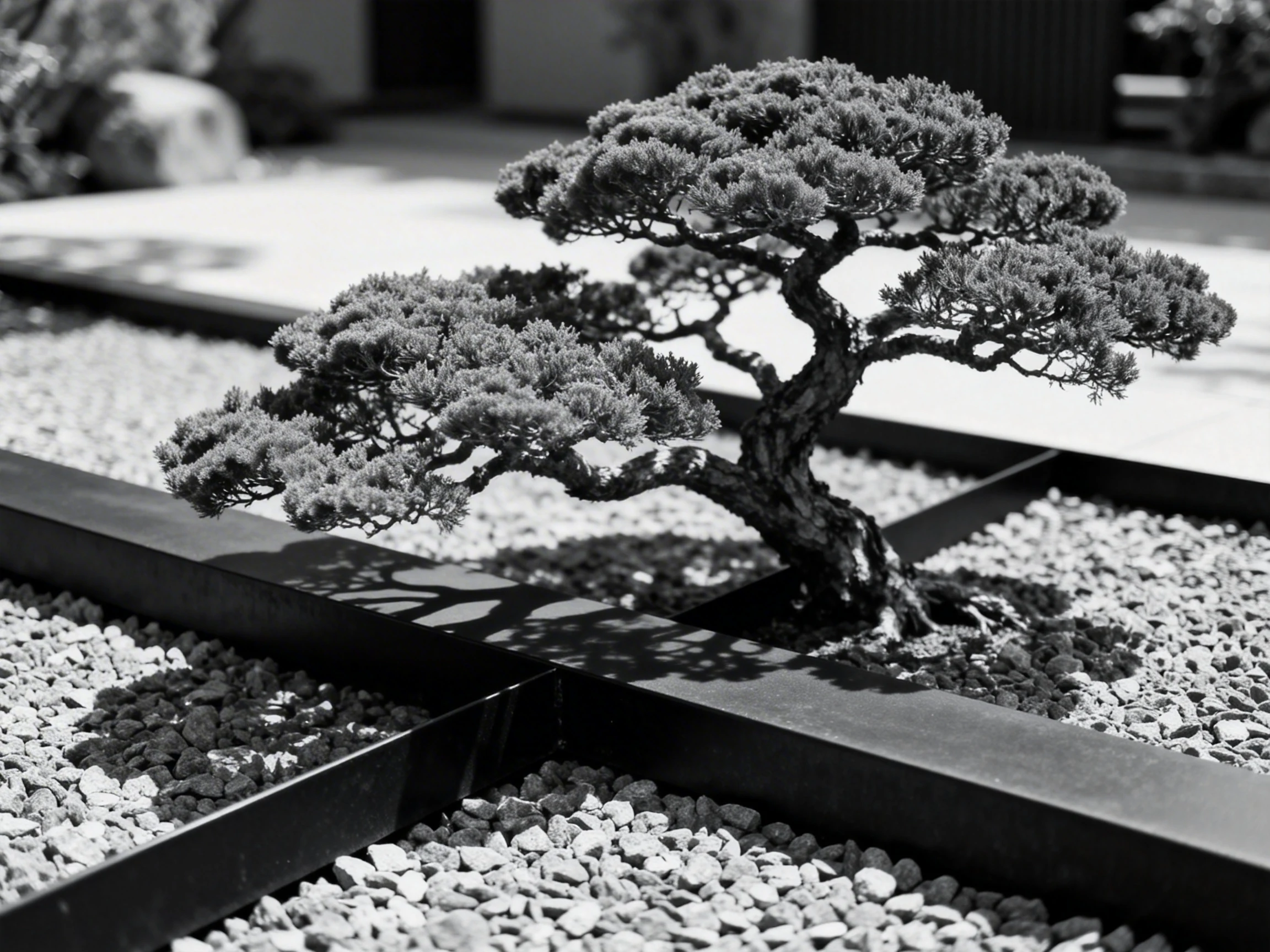
A traditional Japanese garden may feature more elaborate layering, denser planting, lanterns, bridges, and historically specific details. A modern version trims that down. You might see large-format pavers, black steel edging, poured concrete, or minimalist gravel fields paired with carefully pruned pines and moss.
IMO, the magic happens when the space feels timeless instead of trendy. Modern doesn’t mean flashy. It means simple enough to breathe and structured enough to feel intentional.
The core design principles that make it work
If you want this style to look good, don’t start with shopping. Start with principles. Japanese garden design modern spaces live or die by a few ideas, and once you get them, everything becomes easier.
Simplicity over stuff
The first rule? Edit hard. Then edit again. Keep only elements that serve a visual or emotional purpose.
That means fewer plant varieties, fewer materials, and fewer “cute” accessories. Your garden doesn’t need ten focal points. It needs one or two strong moves and enough quiet around them to let them matter.
Asymmetry keeps things alive
Perfect symmetry can feel stiff and overly formal. Japanese design usually leans into asymmetrical balance, where elements feel harmonious without mirroring each other. A single sculptural tree on one side might balance a cluster of stones on the other.
This approach feels natural because nature rarely lines things up like a hotel lobby. A little irregularity gives the garden soul.
Ma, or the power of empty space
Empty space matters just as much as physical objects. In Japanese design, that pause or interval often gets called ma. Think of it as breathing room for the eye.
A patch of raked gravel, an uncluttered wall, or a wide spacing between stepping stones can make the whole garden feel calmer. Not every square foot needs plants. Shocking, I know.
Seasonality and change
A good modern Japanese garden never tries to look identical all year. It welcomes seasonal shifts. Spring buds, summer greens, autumn color, and winter structure all play a part.
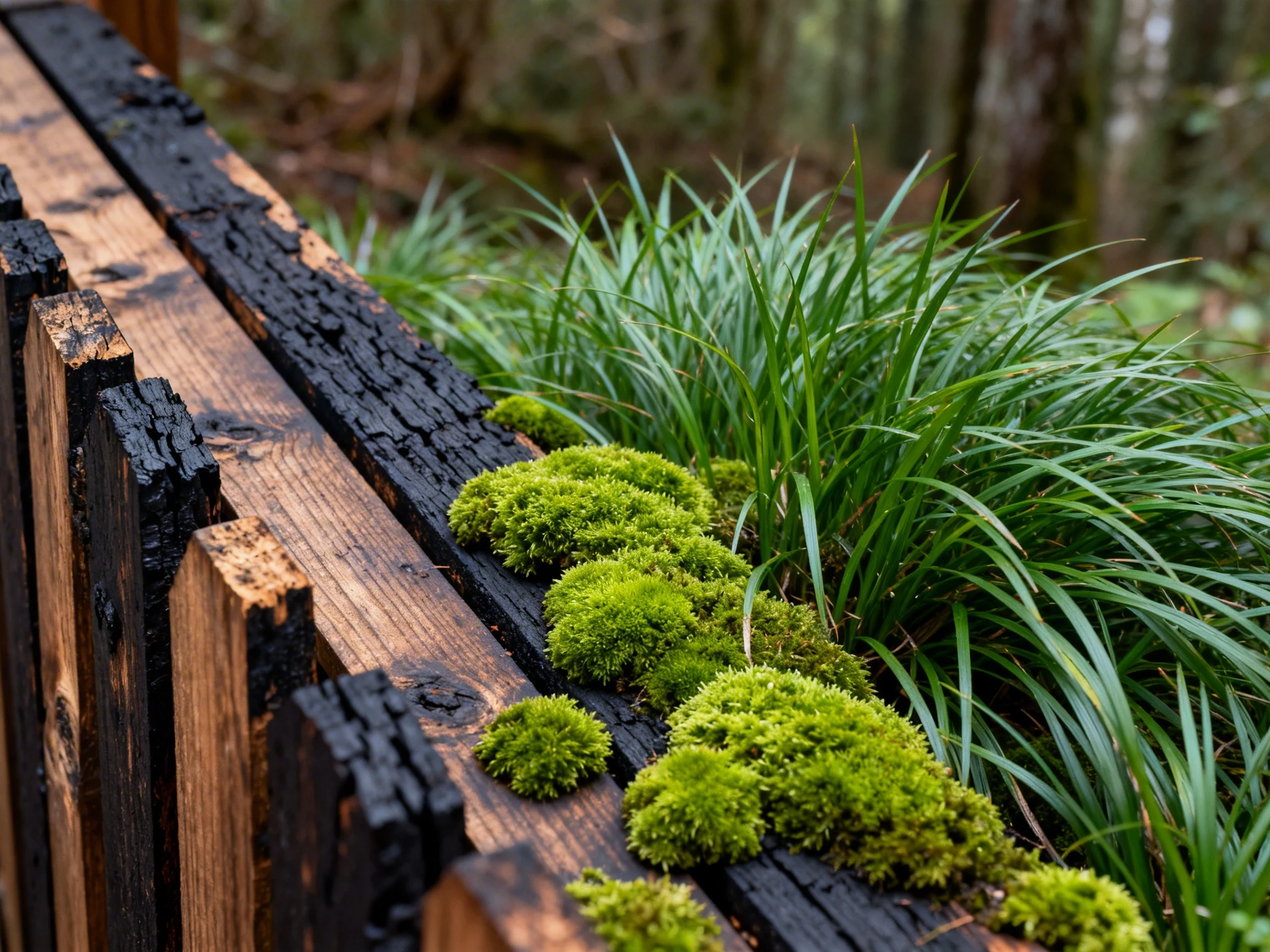
Choose plants and materials that age well. Patina, moss, bark texture, and subtle color changes make the garden richer over time. Perfection looks weird outdoors anyway.
Materials and layout: where the modern look really shows up
This style often succeeds or fails based on materials. You want a restrained palette that feels natural but current. Too many finishes and the whole garden starts looking like a showroom with commitment issues.
Stick to a few materials and repeat them. Stone, gravel, wood, concrete, and dark metal work beautifully together when you use them with discipline. Consistency creates calm.
Stone and gravel do a lot of heavy lifting
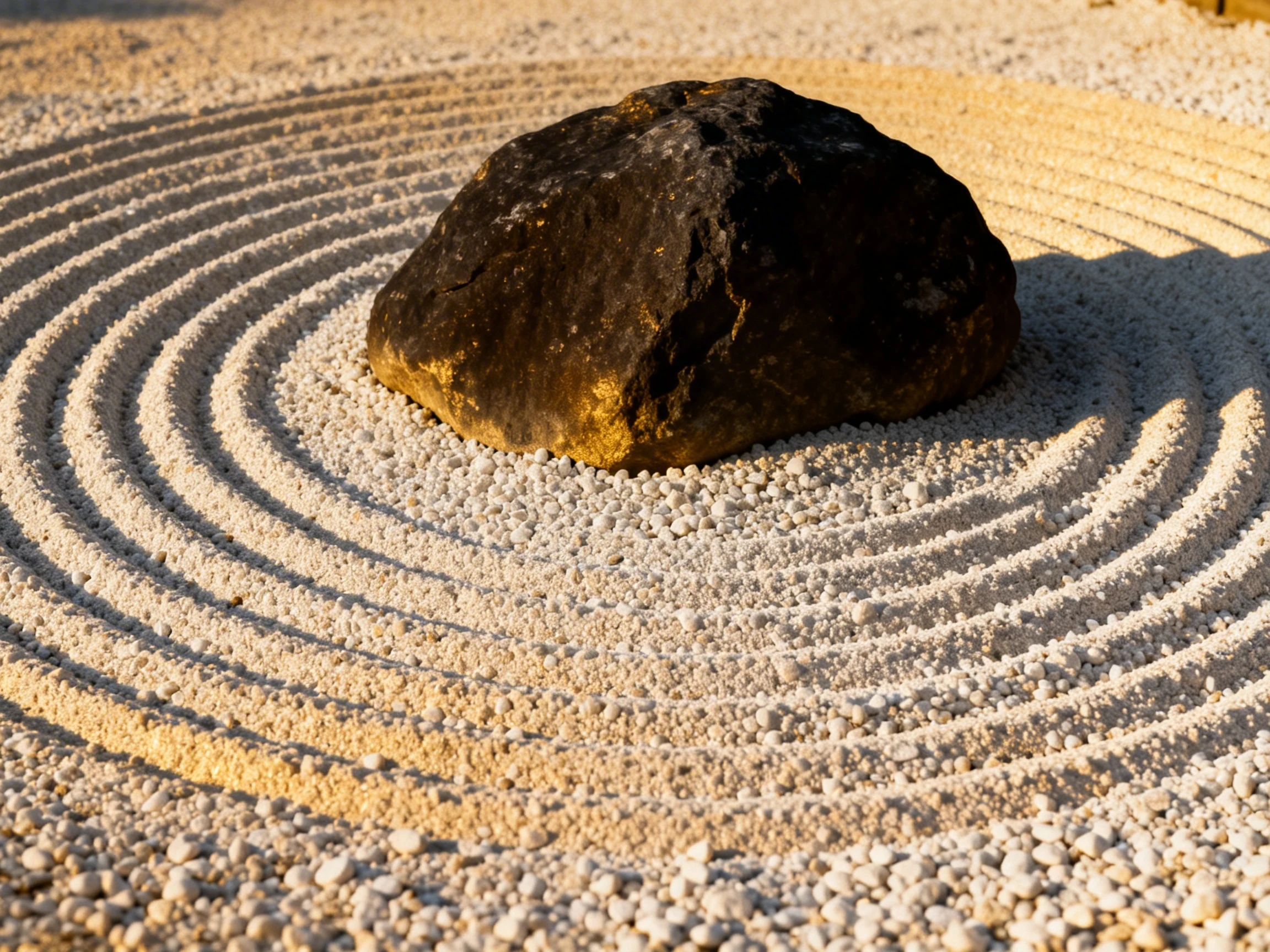
Stone anchors the garden. Use large natural rocks as sculptural focal points, border markers, or abstract “mountains” in the landscape. Gravel can represent water, create negative space, and keep the overall look crisp.
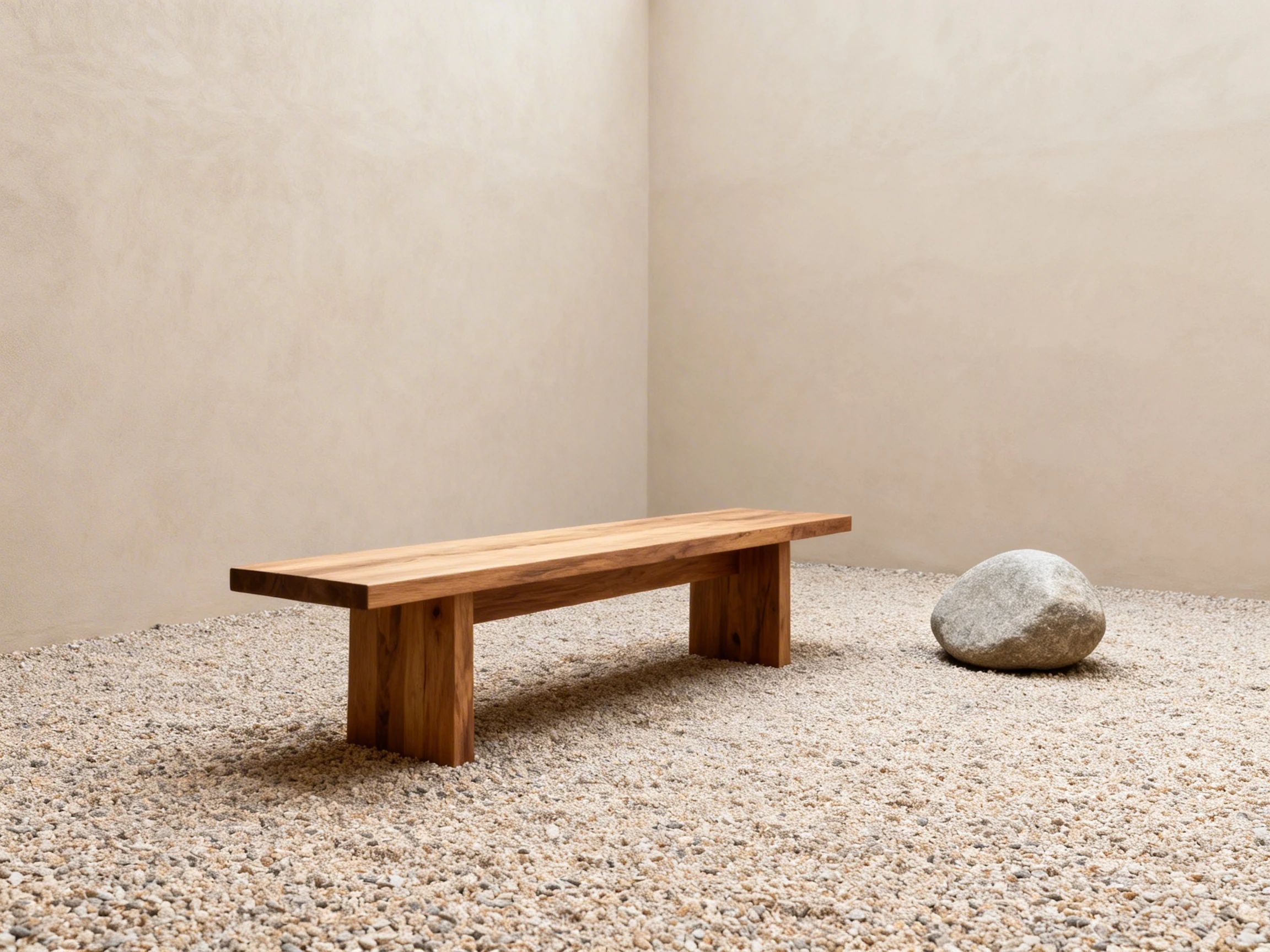
Raked gravel areas instantly suggest Japanese influence, but don’t force them if they don’t fit your space. A simple gravel courtyard with one carefully placed boulder can say more than a dozen decorative statues ever could.
Wood, concrete, and steel for contrast
Modern Japanese gardens often pair organic materials with clean architectural ones. Cedar slat fences, charred timber, smooth concrete pads, and black steel planters all add structure without overwhelming the planting.
The trick lies in keeping the finish palette muted. Think weathered gray, charcoal, soft brown, off-white, and earthy green. Neon cushions and shiny plastic furniture can sit this one out.
Paths should guide, not shout
Layout matters more than people think. Paths should lead the eye gently and reveal the garden in stages. You don’t want every feature visible at once.
Stepping stones, floating pavers, or narrow gravel walks work well. Let movement feel slow and deliberate. This garden style invites wandering, not speed-walking with iced coffee and a phone at 12 percent.
Plants that fit the mood without turning into a jungle
Planting in a modern Japanese garden should feel curated, not crowded. That doesn’t mean sparse in a sad way. It means each plant earns its place.
Focus on form, texture, and seasonal interest more than loud flower color. Green usually does the heavy lifting here, with occasional controlled bursts of red, white, or soft pink.
Go-to plant choices
Popular choices include Japanese maple, black pine, cloud-pruned juniper, bamboo in controlled settings, hakone grass, mondo grass, moss, camellia, and azalea. Ferns can work too, especially in shaded spots where you want softness.
If you live outside Japan, use local plants that mimic the same visual character. That matters more than strict botanical authenticity. FYI, a drought-tolerant grass with elegant movement often works better than a thirsty plant that “looks right” for six minutes.
Pruning matters more than buying
You don’t need a massive plant collection. You need shape and discipline. Pruning creates clarity, and in this style, clarity is everything.
Train shrubs into soft mounds. Lift lower branches on small trees to reveal trunk structure. Let one sculptural specimen become the star while everything else supports it like a very respectful backup band.
Moss, groundcovers, and the low-key stars
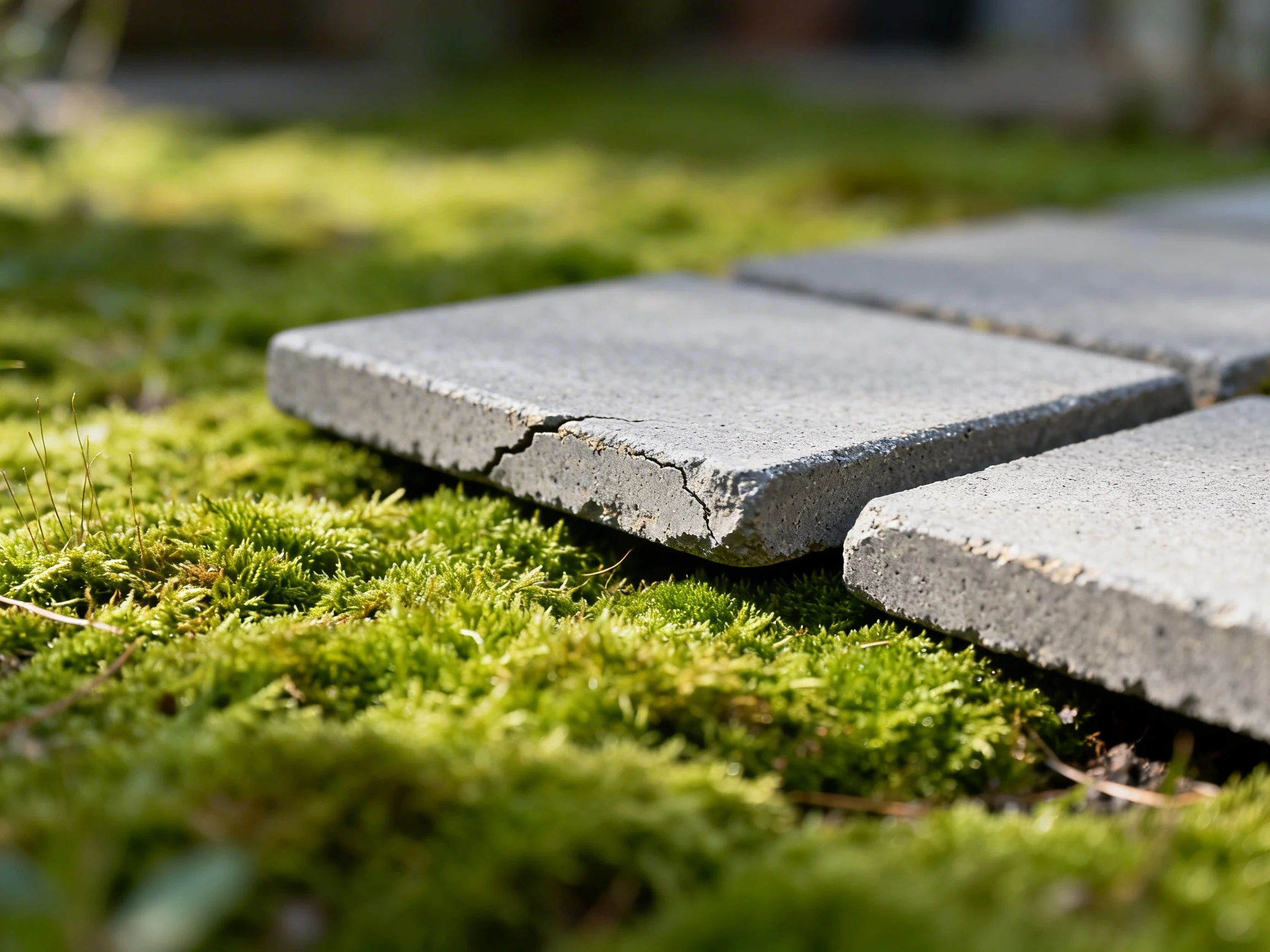
Ground-level texture gives the garden that settled, meditative feel. Moss works beautifully in shady, damp conditions. If moss won’t thrive where you live, use low groundcovers or fine gravel to get a similar visual calm.
Don’t underestimate the value of “green carpet” planting. It ties stones, paths, and trees together and makes the whole garden feel older and wiser than it really is.
Small-space ideas for courtyards, patios, and tiny backyards
You do not need a huge property or a mountain view. A small urban yard can pull off modern Japanese style brilliantly. In fact, compact spaces often suit this approach because they force you to simplify.
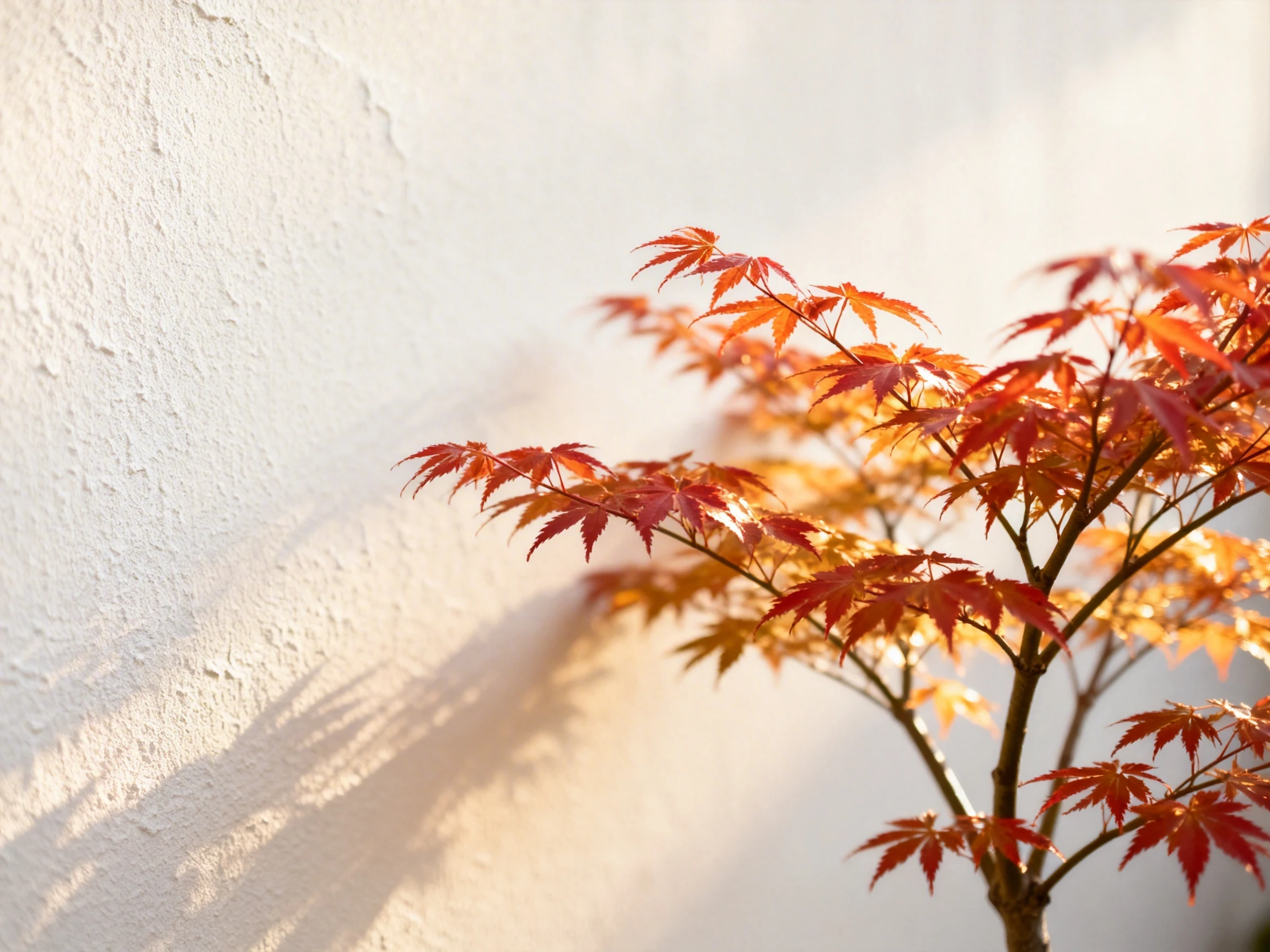
Start with one focal point. That might be a Japanese maple, a stone grouping, or a gravel court with a single bench. Then build around it with layered simplicity.
Use screens and walls to create calm
Privacy makes a huge difference. Slatted wood screens, stucco walls, or dark-painted fences can block visual clutter and frame the garden like a living artwork. Once you hide the neighbor’s trampoline, everything improves.
Plain backgrounds also make delicate planting and stone compositions stand out more. The quieter the backdrop, the stronger the garden feels.
Borrowed scenery still works in modern spaces
If you have a nice tree beyond your fence or a distant skyline element that feels elegant, frame it. Japanese gardens often use borrowed scenery, or shakkei, to make a small space feel bigger.
You can direct the view with a bench, a window-like opening, or the angle of a path. Why fight for space when you can visually steal some? Respectfully, of course.
Keep furniture minimal
One bench often works better than a full lounge set. Choose pieces with clean lines and natural finishes. Low-profile furniture keeps the focus on the garden rather than turning the space into an outdoor living room catalog.
If you add containers, use a few large ones instead of many small ones. Tiny pots everywhere create visual chatter, and this style definitely prefers a lower volume setting.
Common mistakes that ruin the vibe fast
Let’s save you some pain. A modern Japanese garden can go off the rails quickly when people treat it like a theme. You want inspiration, not a movie set.
- Using too many Japanese-style ornaments. One lantern might work. Five lanterns start looking like a garden gift shop.
- Mixing too many materials. Pick a tight palette and repeat it.
- Overplanting. Leave breathing room between elements.
- Ignoring maintenance. Minimalist gardens need regular care because every detail shows.
- Forcing symbols you don’t understand. If a feature has cultural meaning, learn it before dropping it into the design.
The biggest mistake? Chasing “zen” as a visual gimmick. Real calm comes from proportion, restraint, and thoughtful placement. It does not come from randomly adding white pebbles to everything and hoping for enlightenment.
FAQ
What defines a modern Japanese garden?
A modern Japanese garden combines traditional Japanese design ideas with simpler forms and contemporary materials. It focuses on restraint, asymmetry, natural texture, and meaningful space. You’ll usually see fewer decorative elements, cleaner lines, and a stronger connection between architecture and landscape.
Can I create this style on a budget?
Yes, absolutely. Start with gravel, a small number of quality plants, and one or two well-placed stones. A simple fence paint update and better pruning can do more than a shopping spree. IMO, spending carefully on fewer, better elements always beats stuffing the space with cheap decor.
Do I need traditional Japanese plants?
No. You need plants that capture the right mood and shape for your climate. Choose species with elegant structure, fine texture, and seasonal beauty. Local or climate-adapted plants often perform better and keep the garden looking intentional year-round.
Is a modern Japanese garden hard to maintain?
It depends on your design choices. A restrained palette with fewer plants can reduce routine work, but pruning and cleanup still matter. Because the style looks so clean, small messes stand out quickly. The garden won’t maintain itself, sadly, despite its very calm personality.
What colors work best in modern Japanese garden design?
Muted, natural colors usually work best. Think gray stone, brown wood, black or charcoal accents, green foliage, and subtle seasonal color from leaves or flowers. Strong color can work in tiny doses, but the overall palette should feel quiet and grounded.
Can this style work with a very modern house?
Yes, and often beautifully. Modern architecture pairs well with Japanese garden principles because both value line, form, and simplicity. Concrete, steel, glass, and wood can all sit comfortably next to stone, gravel, and sculptural planting when you keep the composition balanced.
Conclusion
Japanese garden design modern style isn’t about copying a checklist. It’s about creating a space that feels calm, edited, and deeply intentional. Use fewer elements, choose them well, and let empty space do some of the talking. The result feels sophisticated, peaceful, and honestly pretty addictive once you get it right.