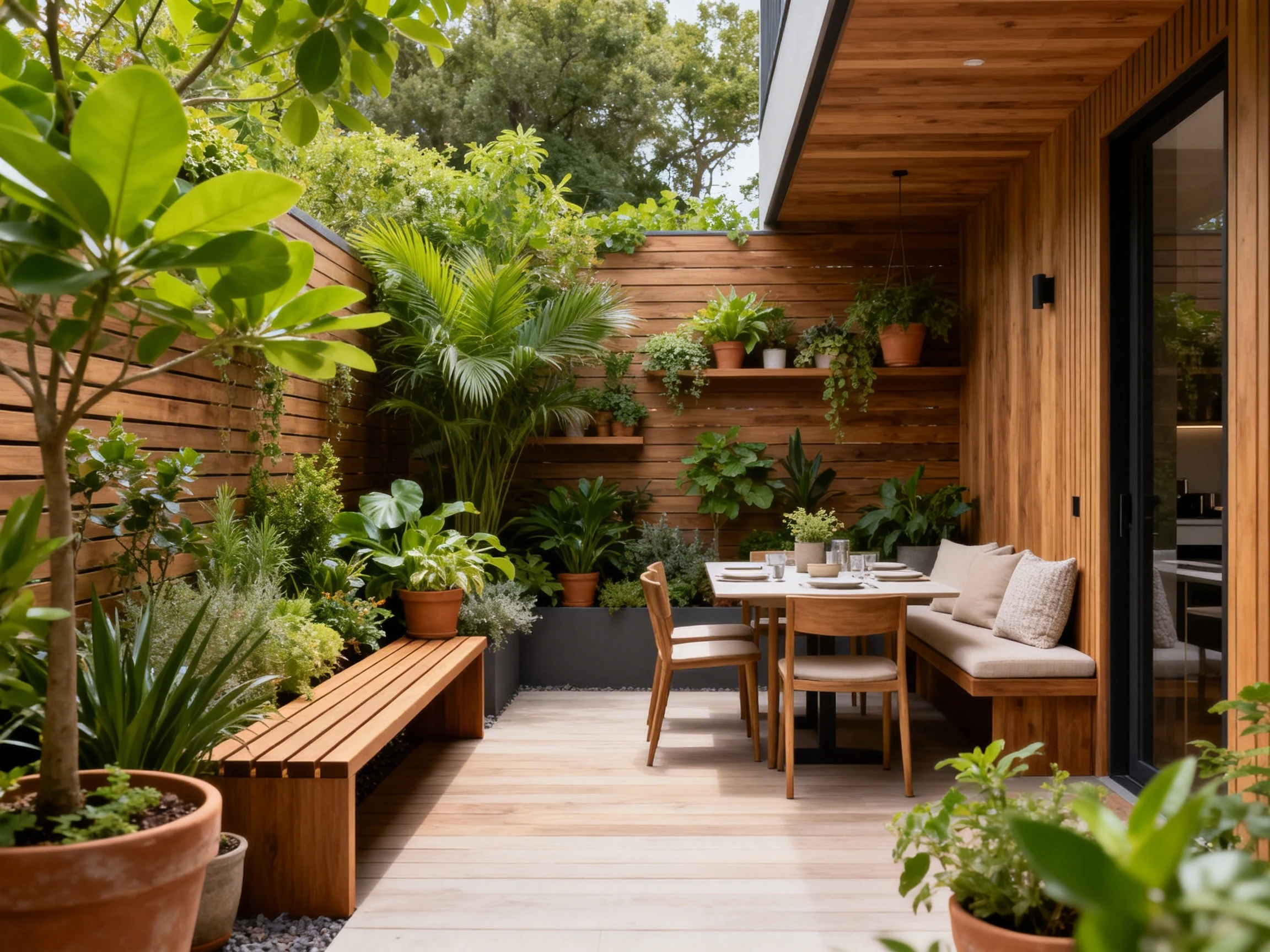
Small outdoor spaces can look amazing. You do not need a huge backyard, a landscape crew, or a suspiciously large budget to build a garden that feels cozy, stylish, and actually useful. You just need a smart plan, a few good design choices, and the willingness to stop buying random plants just because they looked cute at the nursery.
Home garden design for small outdoor spaces works best when you treat every inch like it matters. Because it does. The good news? Tiny gardens often feel more personal, easier to manage, and way less overwhelming than giant yards that somehow demand your entire weekend.
Start with the space you actually have
Before you buy pots, fairy lights, or a tiny olive tree that clearly wants to live in Italy instead of your patio, look at your space honestly. Measure it. Check where the sun hits in the morning and where shade hangs out in the afternoon. Notice how you already move through the area.
A small garden needs a clear purpose. Do you want a place to sip coffee, grow herbs, hide from people, or make the side yard look less depressing? Pick one main goal and one secondary goal. That choice keeps your design focused instead of turning it into a cluttered outdoor storage unit with flowers.
Think about function first
If you love entertaining, make room for seating. If you want fresh basil and tomatoes, prioritize planting space. If you just want something pretty to stare at through the kitchen window, focus on layout and texture. IMO, this step saves more money than any shopping trick ever will.
Small spaces punish bad planning fast. One oversized chair, two awkward planters, and suddenly you need to sidestep like you entered a puzzle game. Keep pathways open and leave enough room to move without knocking over your rosemary.
Work with microclimates
Even tiny outdoor spaces have zones. One corner may bake in full sun while another stays cool and shady. A wall might reflect heat, and a fence might block wind. Use these little climate pockets to place plants where they actually want to live.
This matters more than people think. A happy plant looks expensive and impressive. An unhappy plant looks like it has given up on life, and honestly, that kills the vibe.
Use layout tricks to make a small garden feel bigger
Good design can stretch a tiny space visually. No magic required, just a few smart moves. The trick involves guiding the eye, creating structure, and avoiding visual chaos.
Keep the layout simple. Too many shapes and zones make a small outdoor area feel chopped up. Stick with one strong layout idea, like a central path, a corner seating nook, or a row of raised planters along the edge.
Create depth with layers
Layering makes small gardens feel full instead of flat. Put taller plants or vertical features at the back, medium plants in the middle, and lower plants near the front. Your eye reads that arrangement as depth, which makes the space feel larger.
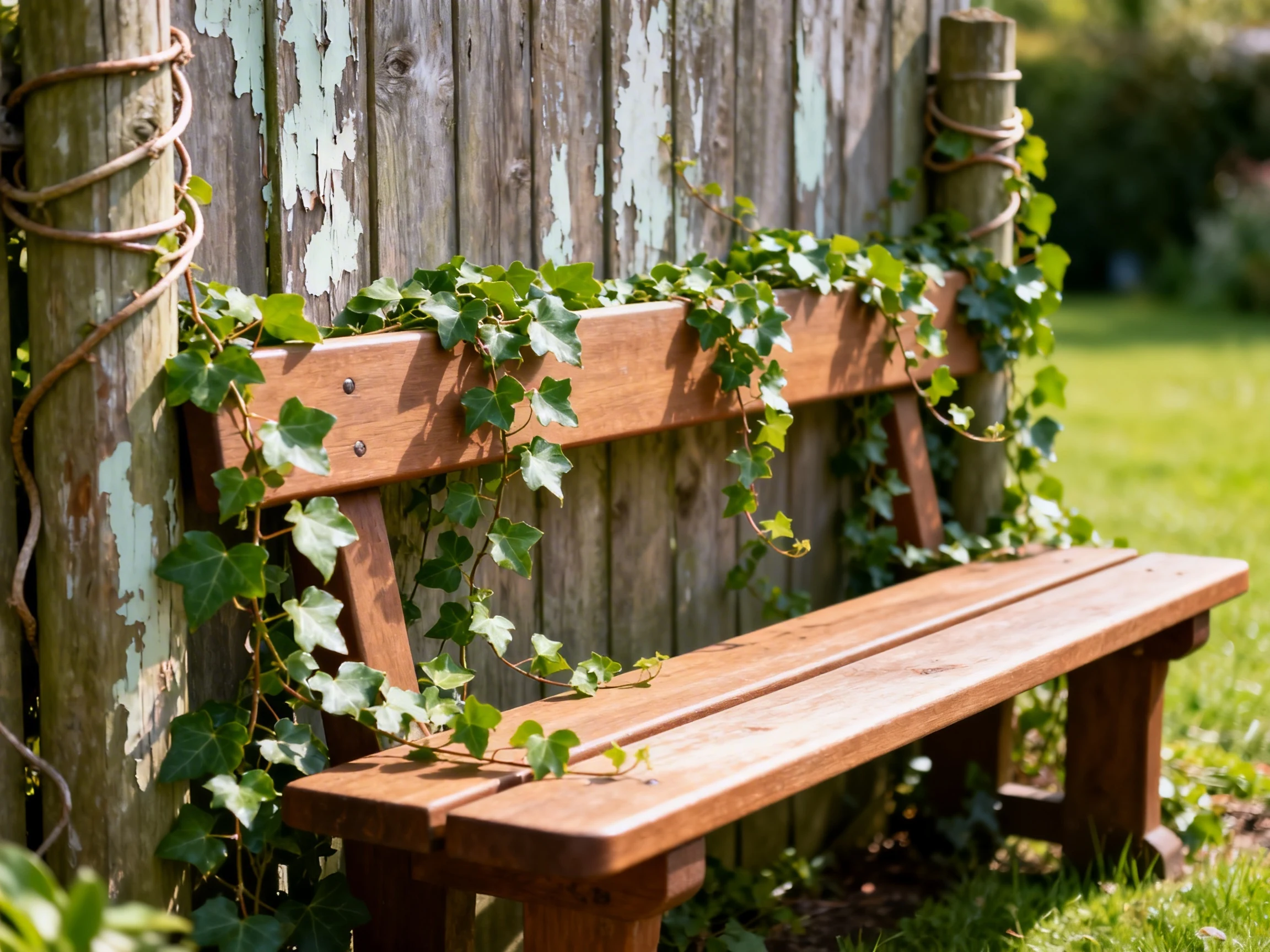
You can layer with more than plants, too. Try a bench against a fence, then place containers around it, then soften the edges with trailing greenery. Suddenly your little patio looks intentional instead of like you dumped garden supplies outside and hoped for the best.
Use diagonal lines and curves carefully
A diagonal path or angled planter can trick the eye into seeing more distance. Curves also soften hard edges and make a tight space feel more relaxed. But do not go wild with five curvy borders in a ten foot courtyard. FYI, small spaces need editing.
One curve? Lovely. Ten curves? Now your garden looks confused. Keep it clean and let one or two design gestures do the heavy lifting.
Go vertical and free up the floor
When square footage runs low, go up. Vertical design works like a cheat code for small outdoor gardens. Walls, fences, railings, and trellises all offer space for planting and style without stealing precious walking room.
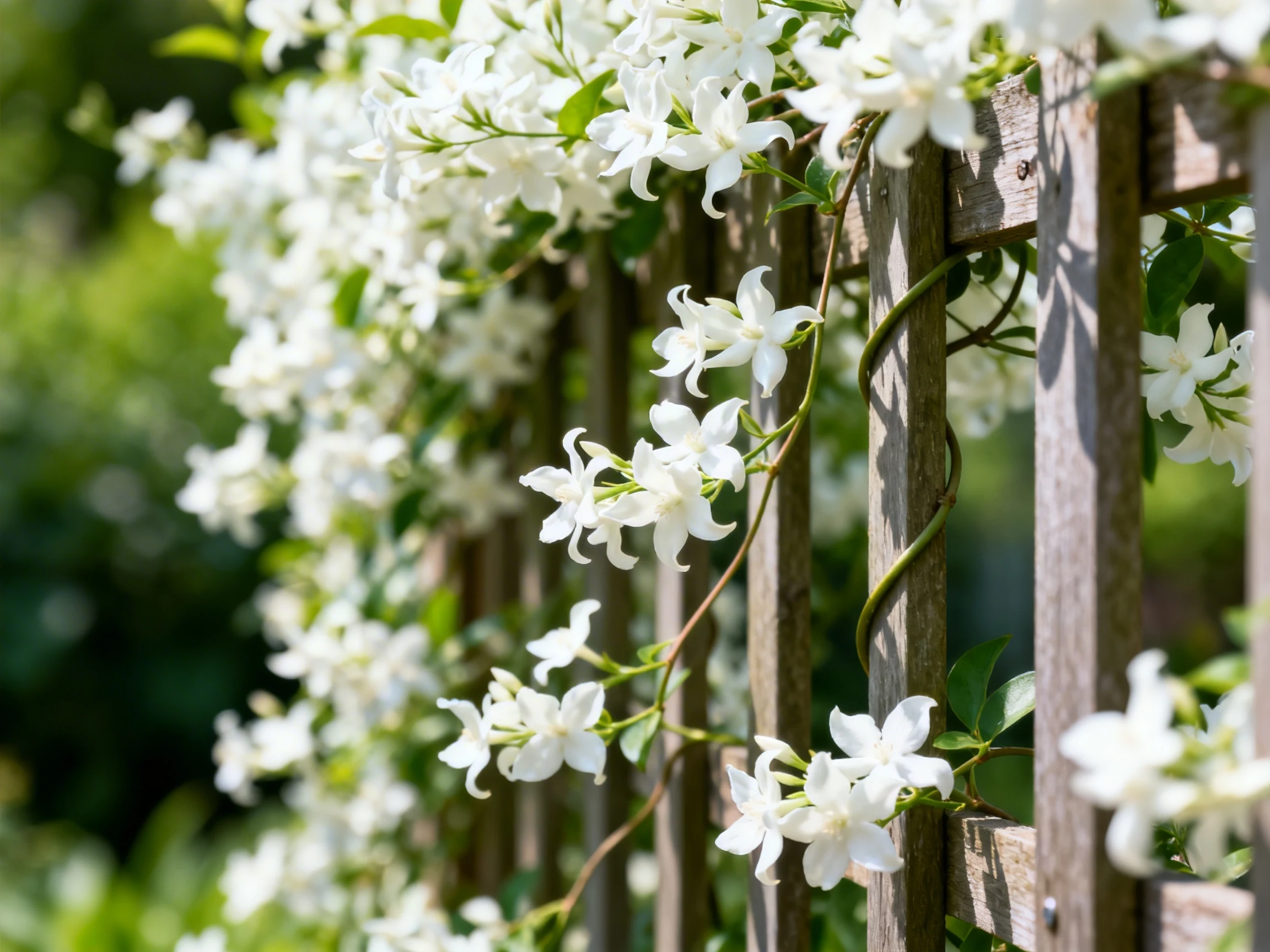
Vertical gardening adds height, privacy, and serious visual interest. It also helps tiny areas feel lush fast. A plain fence with climbing jasmine or a neat grid of mounted planters can completely change the mood of a space.
Best vertical features for small gardens
- Trellises for climbers like clematis, star jasmine, or peas
- Wall planters for herbs, strawberries, or trailing flowers
- Shelving units for pots at different heights
- Obelisks or plant supports for structure in containers
- Hanging baskets for adding softness overhead
Just keep balance in mind. If every single surface holds a pot, the space starts to feel crowded. Mix vertical planting with some open wall space so your eyes get a break.
Privacy without the fortress look
Small outdoor spaces often sit close to neighbors. Fun. Instead of building a solid wall of doom, try slimmer privacy options. Tall grasses in containers, narrow trellises with vines, or a slatted screen can block views while keeping the area light.
Privacy works best when it feels soft and layered. You want “cozy retreat,” not “backyard interrogation room.” A little screening near seating goes a long way.
Choose plants that earn their keep
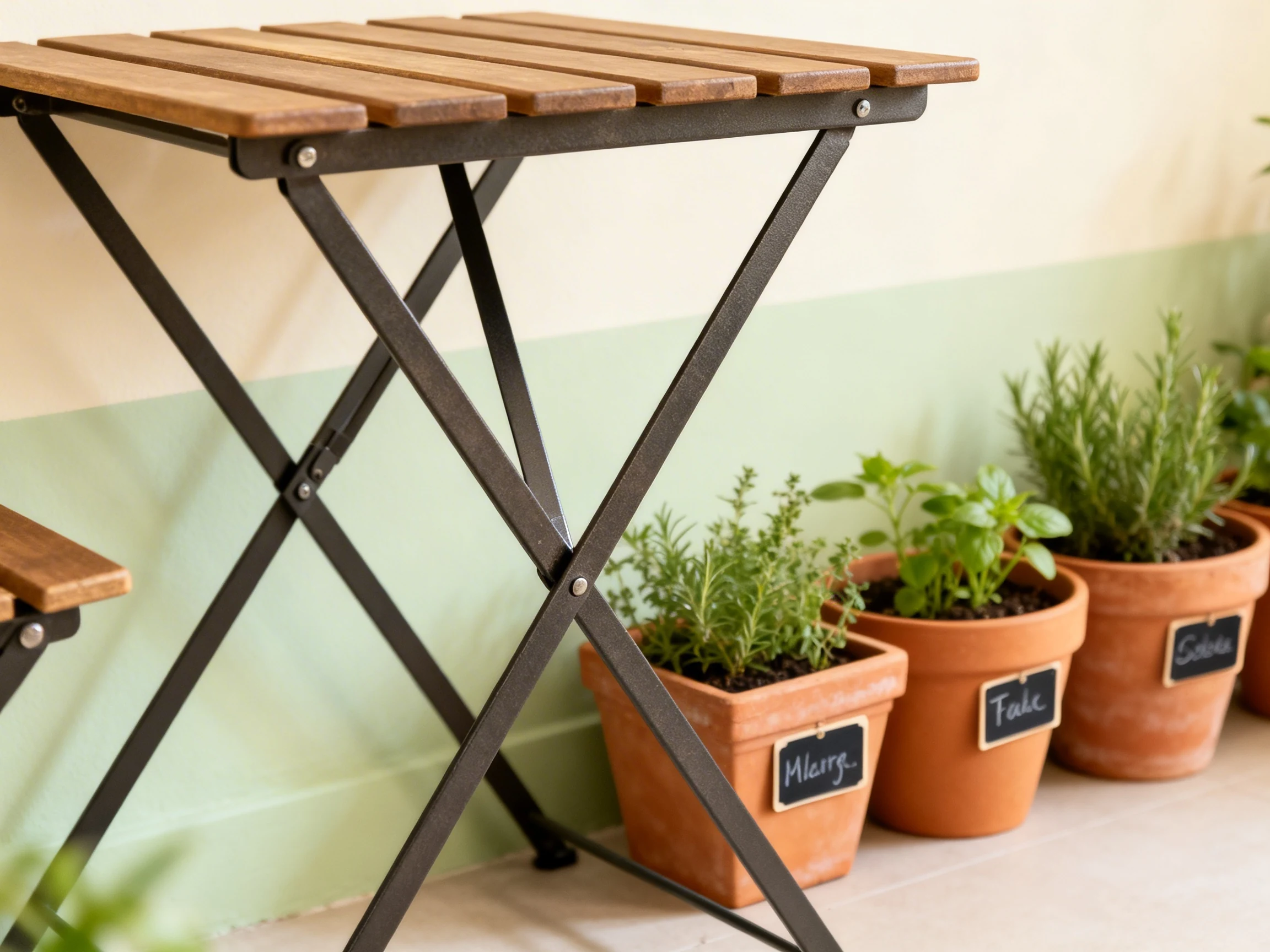
Small garden design gets better when every plant has a job. Some plants add height. Some spill over container edges. Some bring scent, color, or texture. In a limited space, plants need to contribute instead of just existing there rent free.
Pick a tighter plant palette. Repeating the same few plants often looks better than stuffing in twenty different species. Repetition creates calm, and calm looks polished.
What to prioritize in a small outdoor garden
- Compact varieties that stay manageable
- Multi season plants that look good for months
- Evergreens for year round structure
- Fragrant plants near seating areas
- Edibles like herbs, salad greens, or dwarf fruit
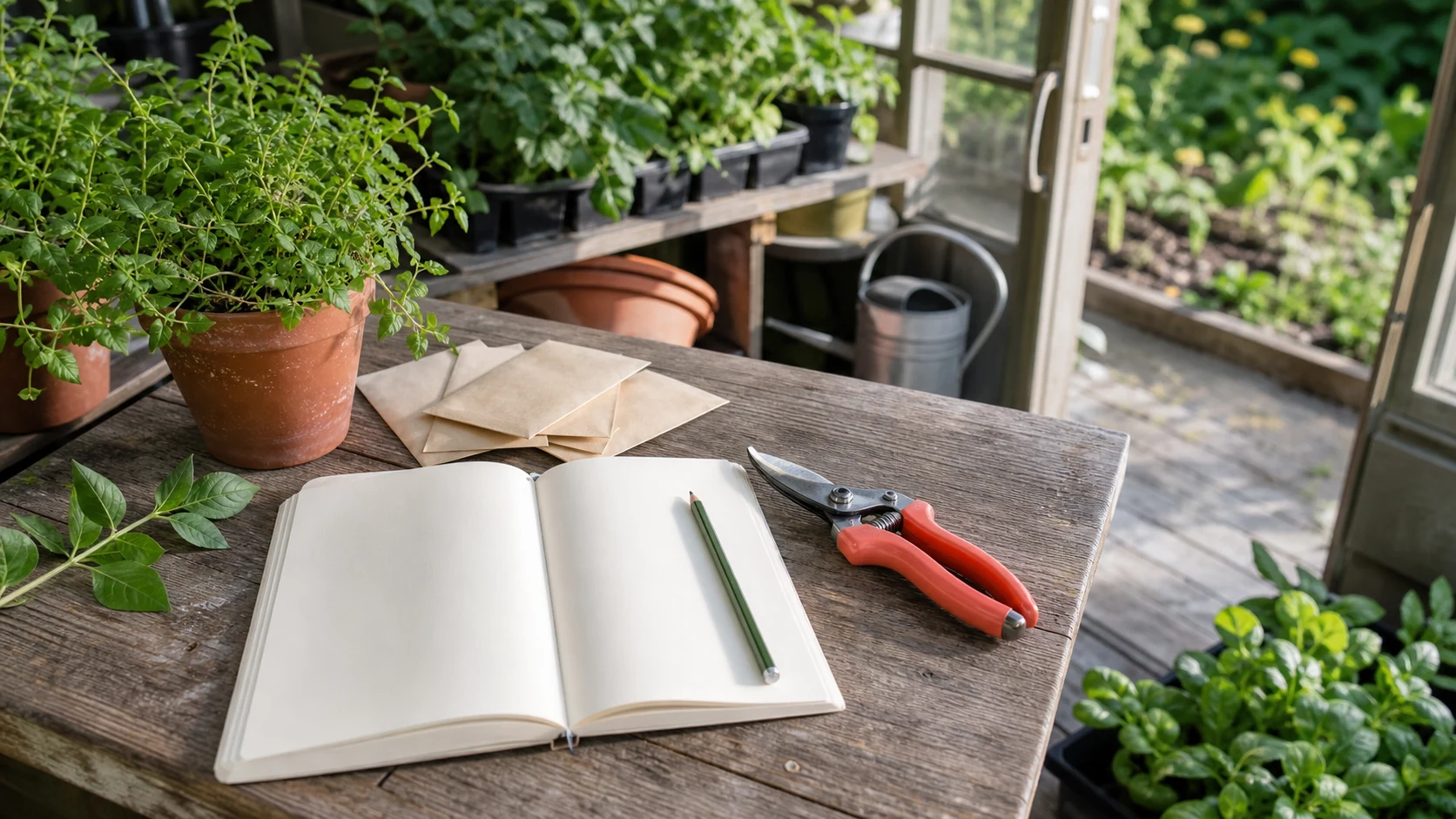
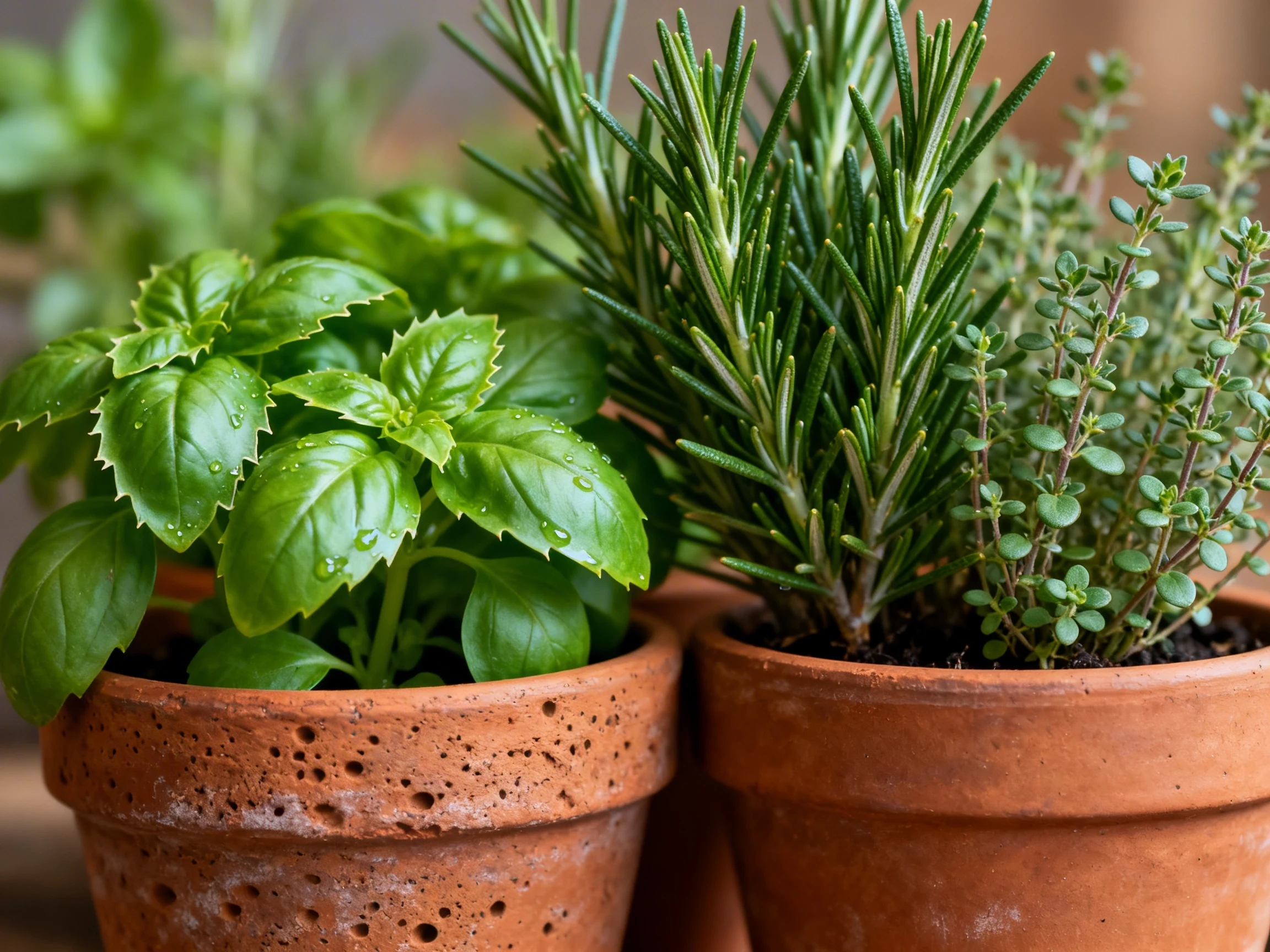
Herbs deserve a special mention because they work ridiculously hard. Basil, thyme, chives, mint, parsley, and rosemary look good, smell great, and end up in dinner. That is solid value, honestly.
If you want easy impact, combine a few reliable categories. Use one upright plant, one mounding plant, and one trailing plant in containers. That combo almost always looks good. Garden designers know this, and now you do too.
Color matters more in a tiny space
Busy color schemes can make a small garden feel chaotic. Stick with a simple palette and repeat it. White and green looks fresh, purple and silver feels calm, and warm pinks with deep foliage bring a cozy cottage vibe.
Do you need bright pops of color? Sure, if that makes you happy. Just place them intentionally. A few strong accents look stylish. Twelve competing colors look like your garden drank too much espresso.
Make hardscaping work harder
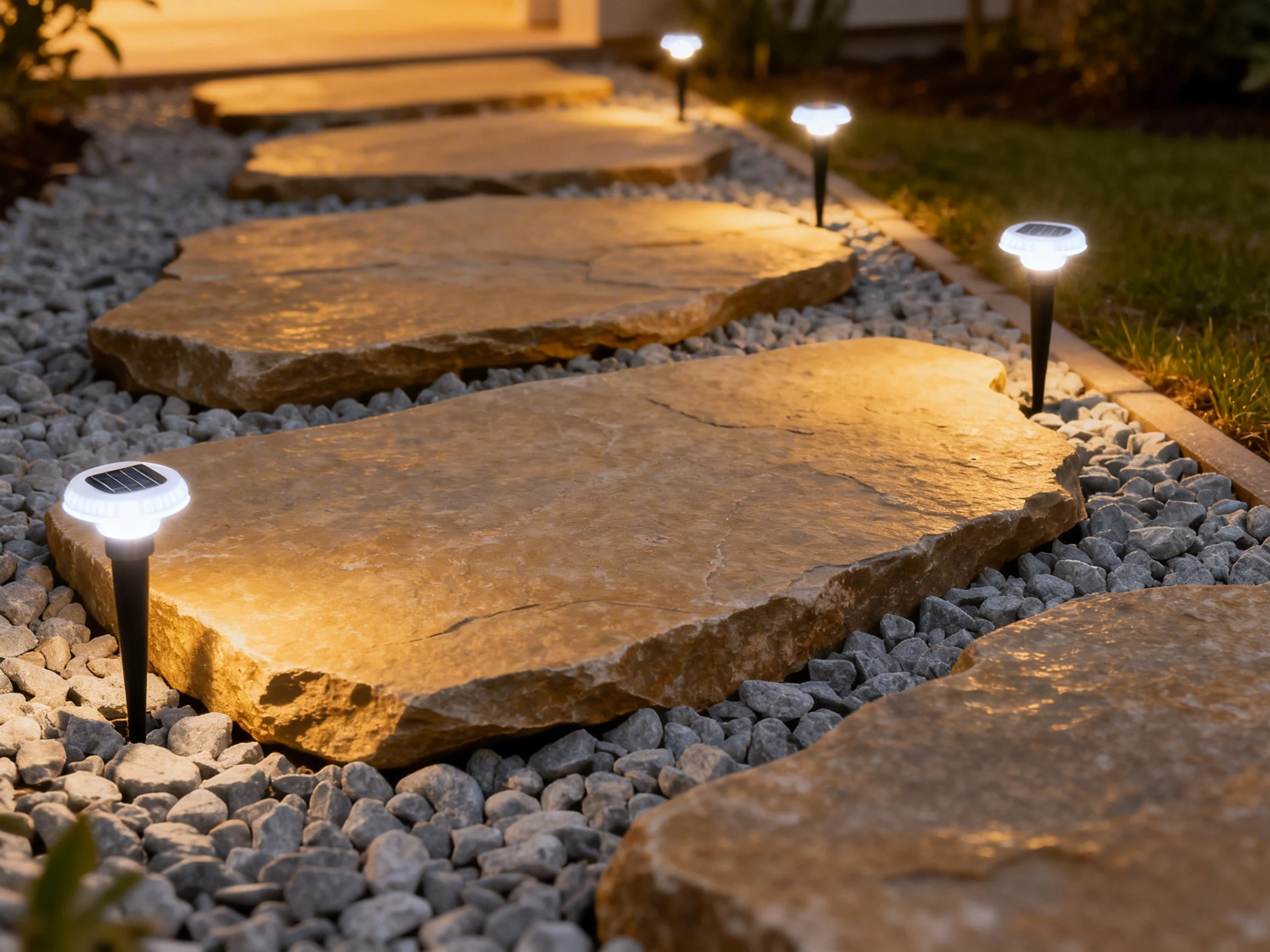
Plants get a lot of attention, but the non plant stuff shapes the whole garden. Paving, gravel, decking, edging, and furniture all affect how spacious or cramped the area feels. In small outdoor design, hardscaping should look simple, useful, and scaled to the space.
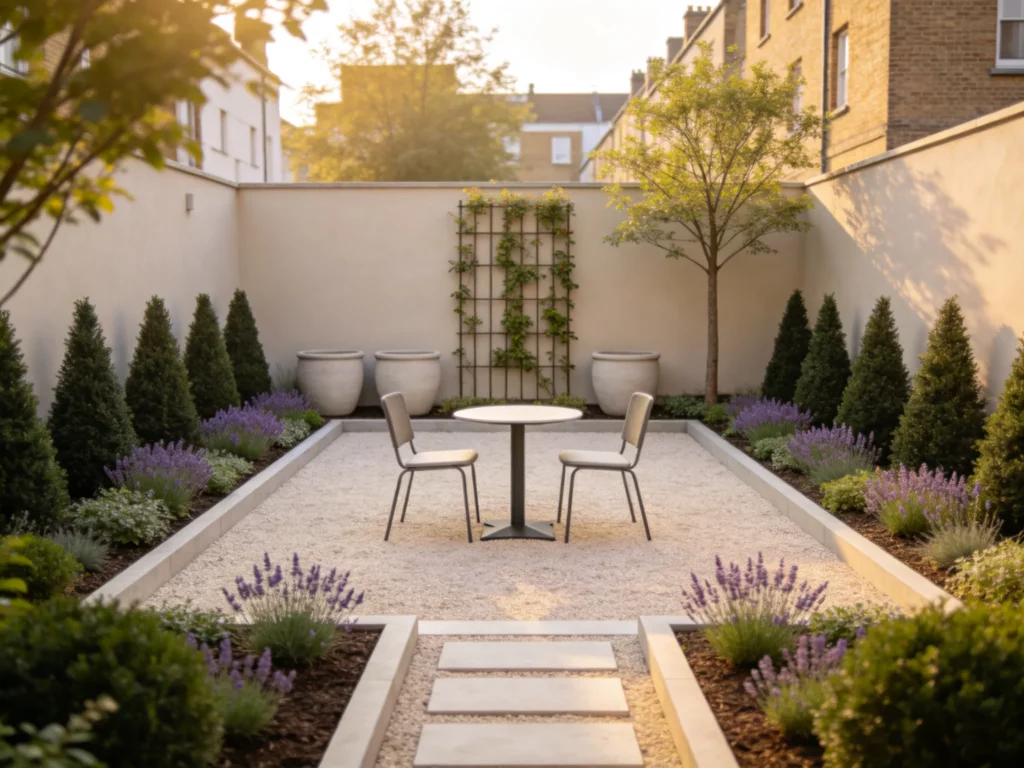
Large pavers can actually make a small area feel bigger because they reduce visual fuss. Gravel adds texture and drainage, and it usually costs less than fancy stone. Decking works well if you want a warm, lounge like feel underfoot.
Pick furniture that fits for real
People ruin tiny patios with giant furniture all the time. It looks great in the store, then arrives home and eats the entire garden. Choose slim chairs, foldable tables, or built in benches with storage if you want your space to stay usable.
Furniture should support the garden, not dominate it. Leave breathing room around each piece. If you need to turn sideways to sit down, that setup has failed.
Containers can anchor the design
Containers do more than hold plants. They define zones, frame entry points, and bring structure to awkward layouts. Matching pots create a neat modern look, while mixed terracotta gives a softer, more relaxed style.
Use fewer, larger pots instead of lots of tiny ones if you want a cleaner result. Small pots dry out fast and create visual clutter. Bigger containers feel more substantial and usually keep plants happier too.
Light, texture, and little details create the mood
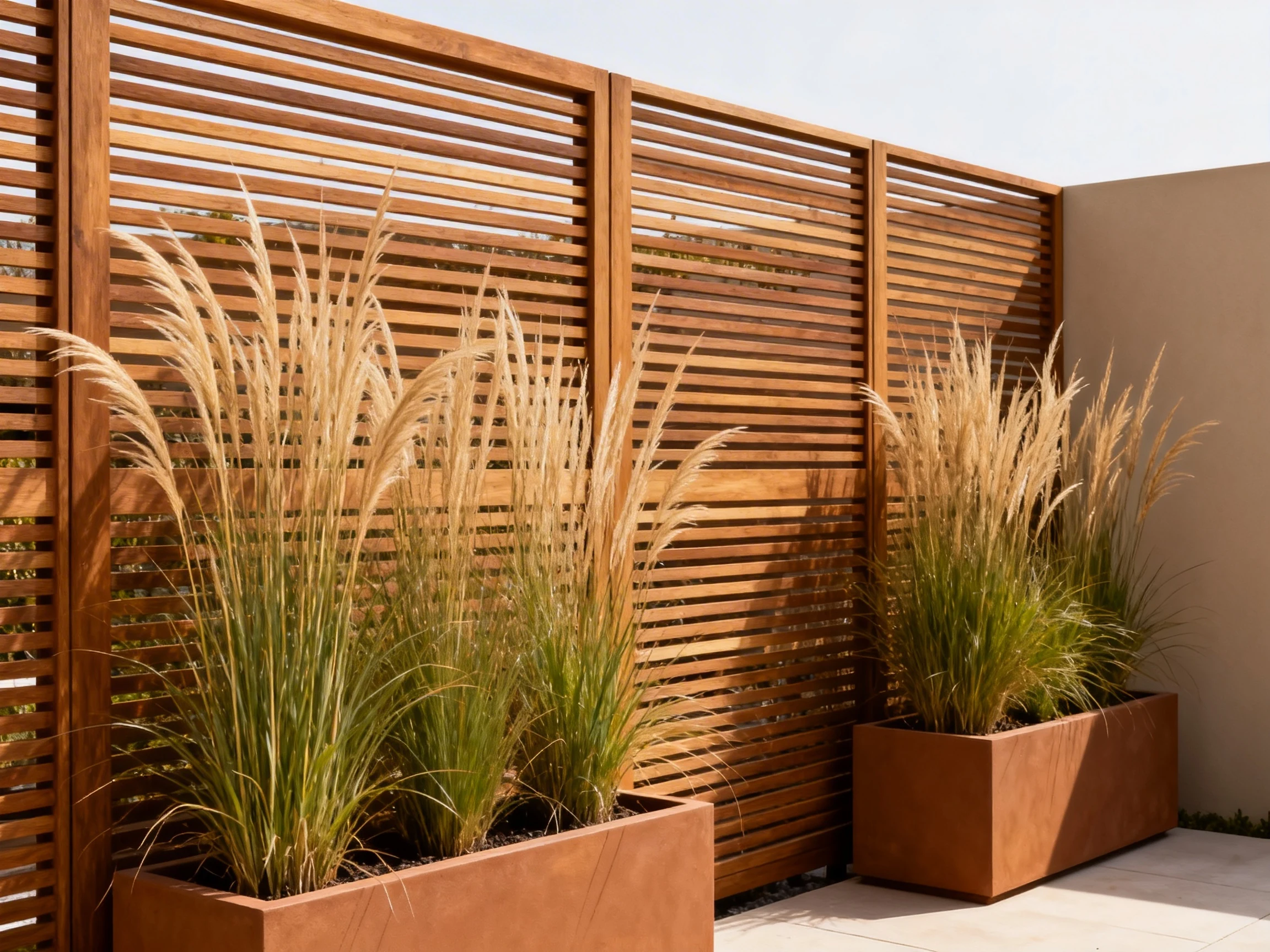
This is where a small garden turns from functional to irresistible. Once you handle layout, plants, and furniture, focus on atmosphere. You want the space to feel good, not just look technically correct.
Texture makes a garden feel rich. Mix glossy leaves with feathery grasses, rough pots with smooth paving, and soft cushions with structured planters. Even in a tiny area, texture adds that layered designer feel.
Outdoor lighting changes everything
If you use your garden in the evening, lighting matters a lot. String lights, solar stake lights, lanterns, and wall mounted fixtures can make a small space feel warm and inviting. Soft lighting also flatters the garden, which, to be fair, we all appreciate.
Avoid blasting the whole area with one harsh light. Use small pools of light instead. Highlight a plant, light a path edge, or glow up the seating area a bit.
Add personality without adding clutter
A small garden still needs some charm. Maybe that means a tiny fountain, a bold painted pot, a weathered stool, or a bird feeder. Keep the extras edited so they feel intentional.
Ask yourself one question before adding decor: does this improve the space or just take up space? Brutal, yes. Helpful, also yes.
FAQ
How do I design a small outdoor garden on a budget?
Start with a simple plan and tackle the space in stages. Focus first on layout, a few key containers, and durable basics like gravel or mulch. Buy smaller plants, divide perennials when you can, and skip impulse buys that look cute for five minutes and annoying for five years.
What plants work best in a small home garden?
Compact, hardworking plants usually win. Look for dwarf shrubs, ornamental grasses, herbs, climbing plants, and repeat flowering perennials. Choose plants that match your light conditions, because no design trick can save a sun lover stuck in deep shade.
How can I make my tiny patio or courtyard feel bigger?
Keep the layout clean, limit your color palette, and use vertical planting to draw the eye upward. Choose scaled down furniture and avoid crowding the floor with too many pots. Mirrors can also help in some spaces, but use them carefully unless you want to confuse birds and maybe yourself.
Should I use raised beds or containers in a small outdoor space?
Both can work. Raised beds suit narrow side yards or permanent layouts, while containers give you flexibility and easier rearranging. IMO, containers make more sense for most small patios because you can adapt them as your garden changes.
How much maintenance does a small garden need?
A well designed small garden usually needs less work than a large one, but it still needs regular attention. Containers dry out faster, climbing plants need some guidance, and fast growers can take over if you ignore them. A few minutes here and there beats one dramatic weekend cleanup every month.
Can I include seating in a very small garden?
Yes, and you probably should if you want the space to feel lived in. Use a compact bench, foldable bistro set, or a built in seat along one edge. Even one good chair can turn a small garden into a destination instead of just a place where your plants happen to live.
Conclusion
Home garden design for small outdoor spaces comes down to smart choices, not big square footage. Keep the layout simple, use height, choose plants with purpose, and let every piece earn its spot. A tiny garden can feel lush, stylish, and wonderfully personal without trying too hard.
So yes, your small patio, courtyard, balcony, or little backyard can absolutely become your favorite place at home. Plan it well, edit ruthlessly, and leave some room for a chair and a drink. That part feels pretty important.