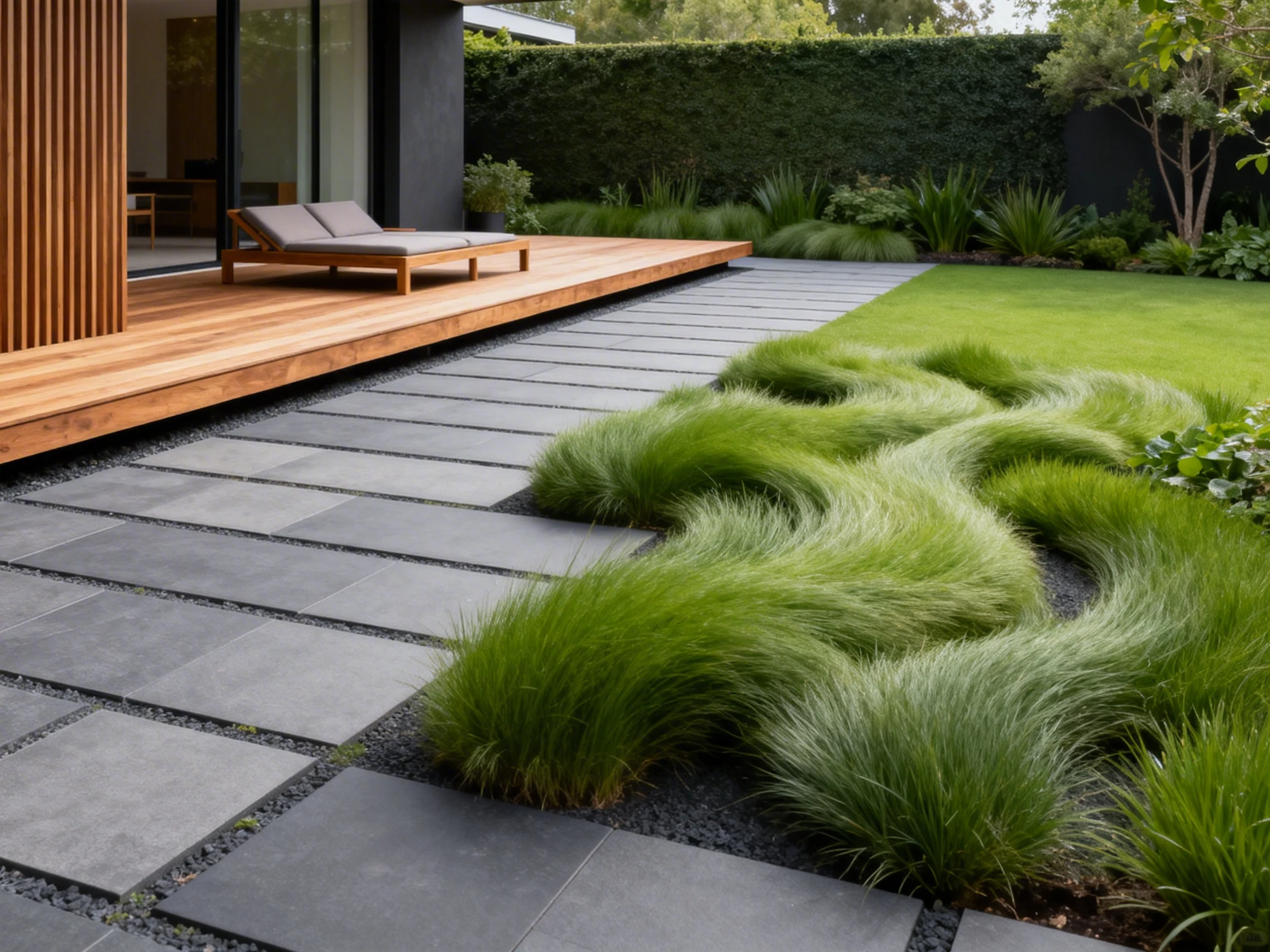
Modern home garden design looks polished, calm, and a little bit smug in the best way. It strips out the fussy stuff, keeps what works, and turns even a tiny yard into a place you actually want to use. Think clean lines, smart planting, and outdoor spaces that feel like an extension of your home. Basically, less chaos, more “wait, this is my backyard?”
What modern garden design really means
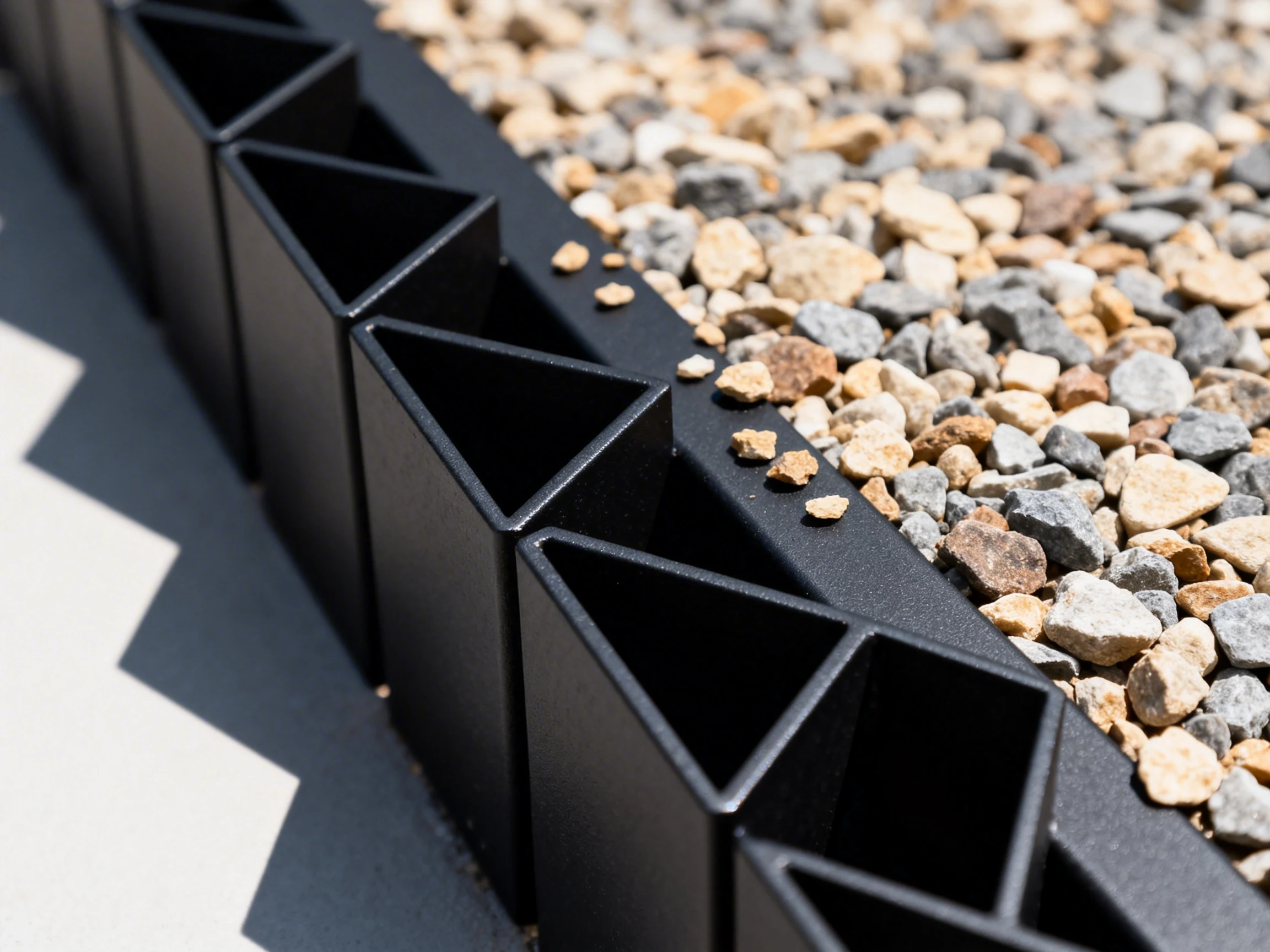
Let’s clear this up first. A modern garden doesn’t mean cold, sterile, or packed with weird concrete cubes that nobody wants to sit on. It means simple structure, intentional choices, and a strong connection between house and landscape.
Modern design loves order, but it doesn’t have to feel stiff. You can still have lush plants, cozy seating, and plenty of personality. The trick lies in choosing fewer elements and using them well instead of tossing in every cute garden idea you’ve ever saved at 2 a.m.
At its core, modern garden design focuses on clean geometry, limited materials, and functional spaces. Paths look crisp, planting feels deliberate, and every area has a purpose. No mystery corners filled with abandoned pots and one suspicious rake.
Start with the layout, not the plants
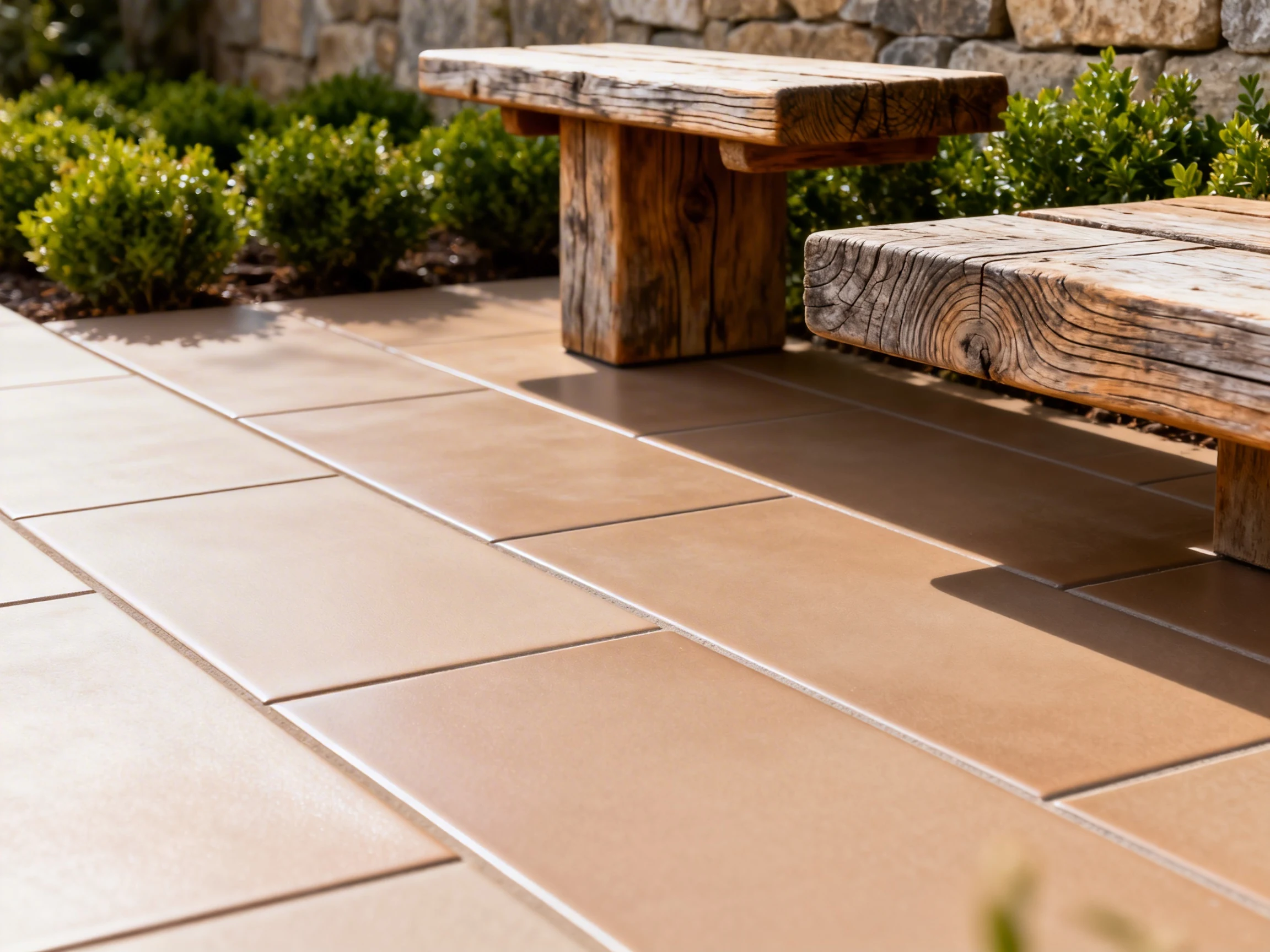
Most people rush straight to the fun part and buy plants first. I get it. Plants feel exciting. But if the layout makes no sense, even the prettiest garden will end up looking like it lost a fight with a garden center.
Start by thinking about how you want to use the space. Do you want a dining area, a reading nook, a fire pit zone, or a patch for kids and dogs to cause chaos? A modern garden works best when you divide it into clear, usable zones.
Look at the lines of your house too. If your home has modern architecture, repeat those shapes outdoors. If your house looks more traditional, you can still add modern garden elements by using strong borders, simple paving, and a restrained planting palette.
Create zones that actually make sense
Modern gardens feel good because they guide you naturally from one area to another. A patio leads to a lawn, a path leads to a bench, and a screen adds privacy without making the place feel boxed in. Everything connects.
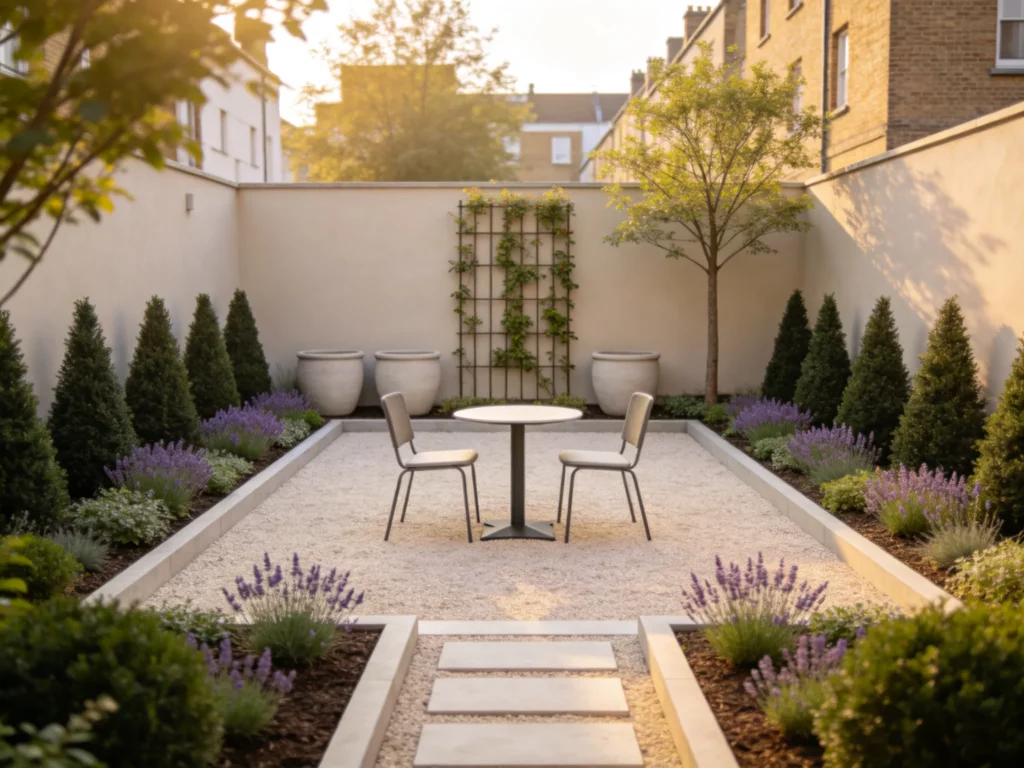
Try using rectangular pavers, gravel strips, low walls, or raised beds to define different spaces. You don’t need a huge backyard either. Even a compact garden can hold two or three zones if you keep the layout tidy.
Think about views from inside
This part matters more than people realize. You’ll probably look at your garden through a window almost as often as you walk through it. So frame the view.
Place a sculptural tree, a sleek planter, or a striking seating area where it catches your eye from indoors. A modern garden should look intentional from every angle, especially from the kitchen window where you stand and question your life choices while doing dishes.
Pick a simple materials palette and stick with it
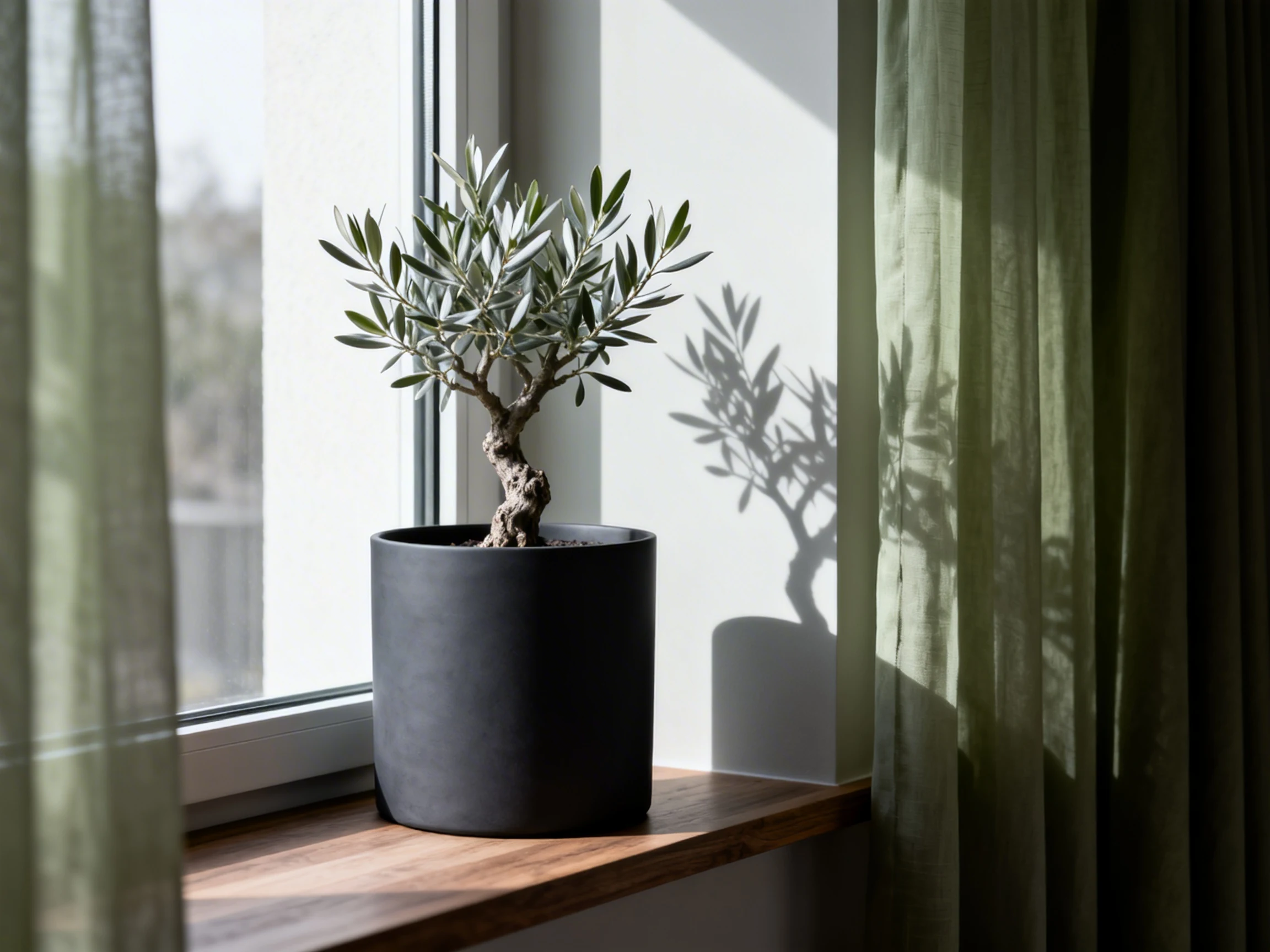
One of the easiest ways to get that modern look? Stop mixing seventeen different materials together. Modern design likes consistency. It rewards restraint.
Choose two or three main materials and repeat them throughout the space. That could mean porcelain pavers, timber decking, and black metal edging. Or maybe gravel, concrete, and corten steel if you want a sharper look.
Repeating materials creates cohesion, and cohesion makes a garden feel more expensive than it probably was. FYI, that’s one of my favorite design tricks because it works almost every time.
Best materials for a modern garden
- Concrete or porcelain paving: clean, durable, and perfect for crisp lines
- Gravel: budget friendly, low maintenance, and great for texture
- Timber: warms up hard surfaces and keeps the space from feeling too stark
- Metal accents: ideal for edging, screens, planters, and lighting details
- Rendered walls or painted fencing: simple backdrops that make plants pop
If you love color, bring it in through cushions, pottery, or foliage instead of using five paving styles. IMO, your garden will look calmer and way more put together that way.
Use plants like a designer, not a collector
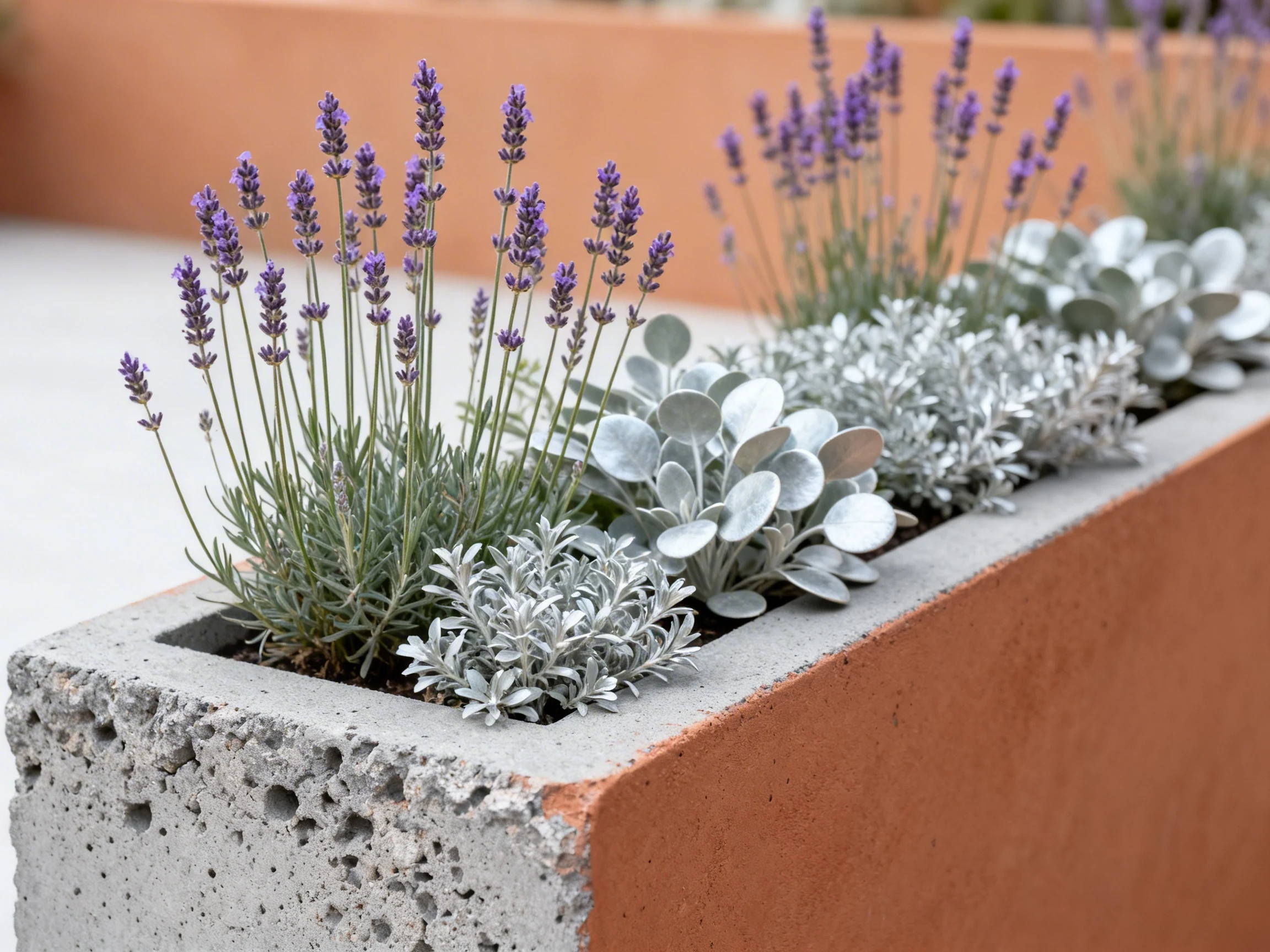
Modern gardens still need plants. Obviously. But they use them differently from cottage gardens or wild, layered landscapes. Instead of cramming in every bloom under the sun, modern planting relies on shape, repetition, and texture.
That means you pick a smaller group of plants and repeat them across the garden. The result looks intentional and soothing. It also saves you from owning forty-seven different plant labels and forgetting what any of them are.
Focus on strong forms. Think clipped shrubs, upright grasses, architectural perennials, and small trees with elegant shapes. A modern garden often looks best when foliage does most of the heavy lifting.
Plants that fit a modern garden vibe
You don’t need a specific climate to get the look, but you do need the right plant attitude. Look for species with clean silhouettes and dependable structure. Bonus points if they behave themselves.
- Ornamental grasses: soft movement without visual clutter
- Boxwood or ilex alternatives: neat evergreen shapes for structure
- Lavender and salvia: tidy mounds with color and scent
- Alliums, agapanthus, or phormium: bold shapes that stand out
- Japanese maple or olive tree: sculptural focal points
- Ferns and hostas: perfect for shaded modern spaces
Keep the color palette under control
Color matters, but modern gardens usually don’t scream. They lean toward greens, silvers, whites, purples, and softer tones with the occasional punch of drama. That limited palette helps the whole space feel balanced.
If you love bright flowers, use them in one contained area instead of scattering them everywhere. A controlled planting palette gives modern gardens their calm, upscale feel. Basically, let your plants flirt, not yell.
Make outdoor living part of the design
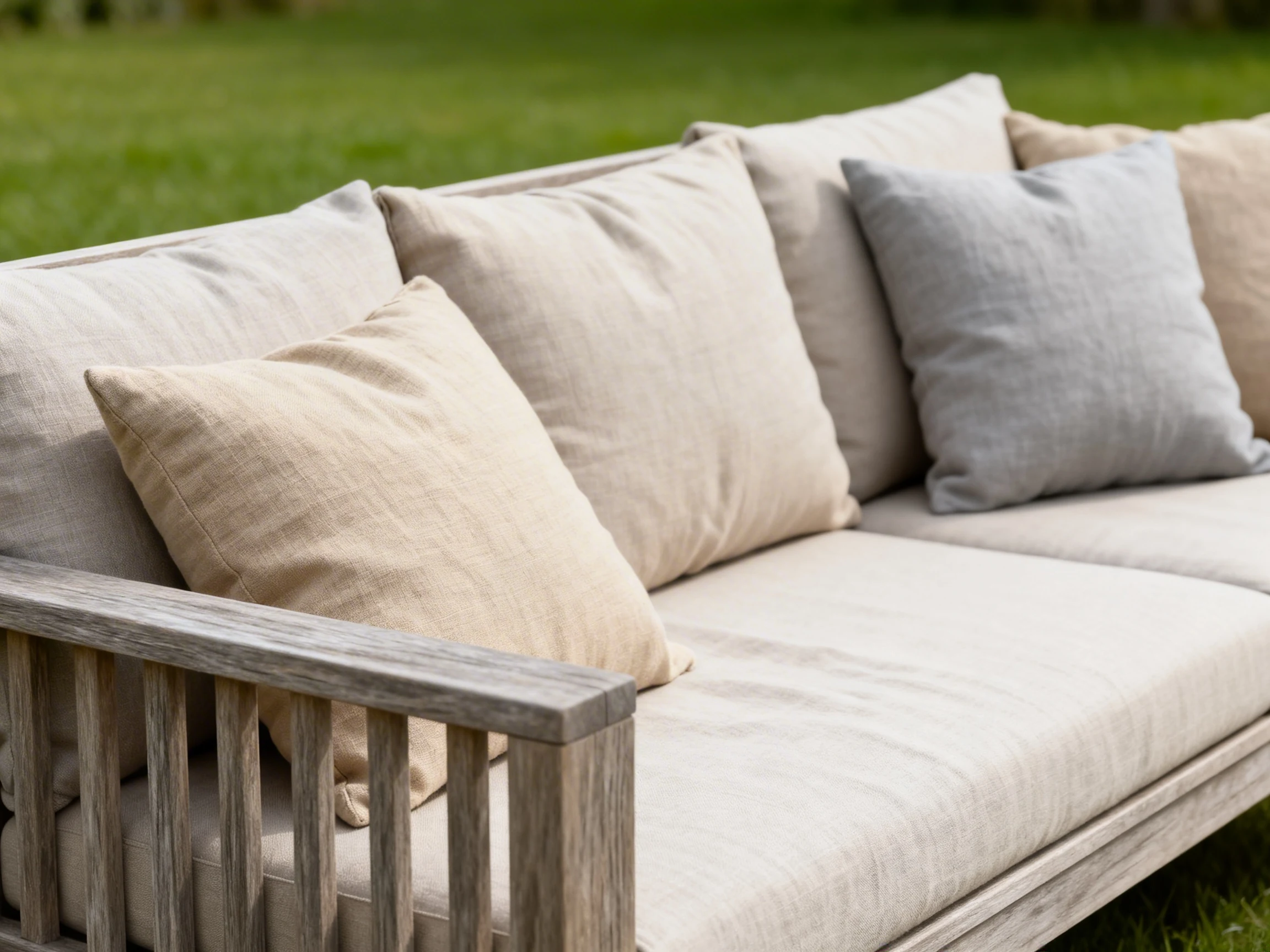
A modern home garden shouldn’t just look good. It should pull you outside. That means comfortable seating, practical surfaces, and enough shade or shelter to make the space useful beyond one perfect Saturday in June.
Think of the garden as an extra room. You wouldn’t throw random furniture into your living room and call it done, right? Same rule here.
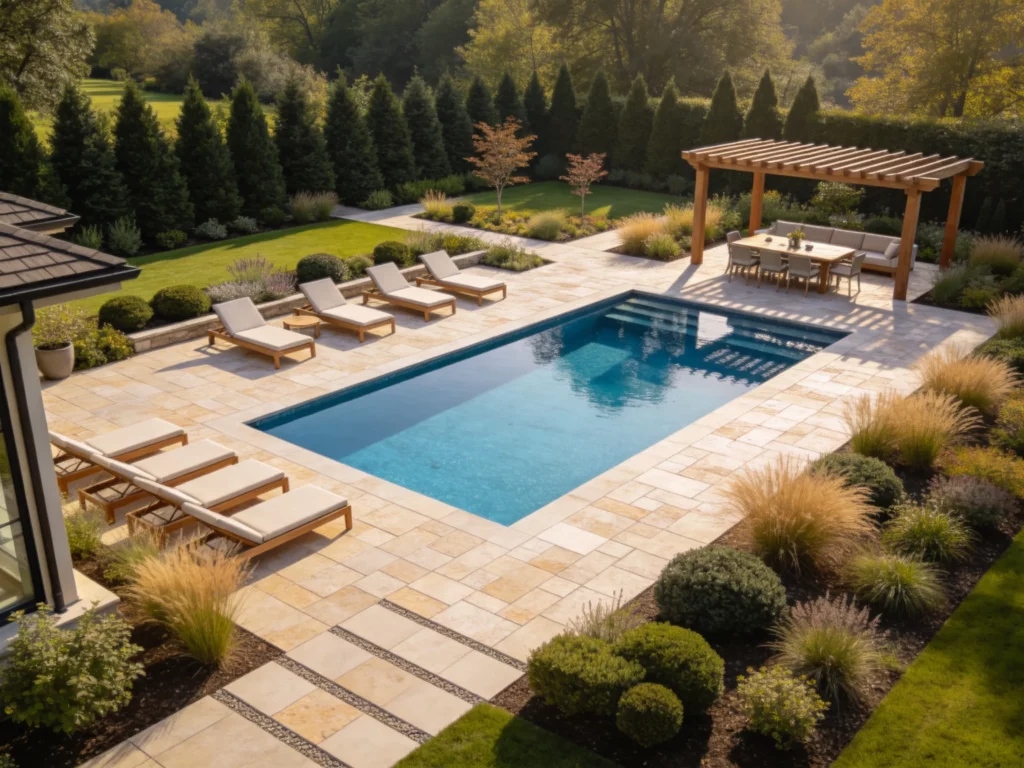
Outdoor living sits at the heart of modern garden design. Dining tables, built in benches, loungers, fire pits, and even outdoor kitchens all fit beautifully if you keep the lines simple and the layout smart.
Easy ways to make the space feel more modern
- Choose low profile furniture with simple shapes and neutral cushions
- Add a pergola or shade sail to define a seating area
- Use built in planters or benches for a sleek, integrated look
- Install subtle lighting along paths, steps, and key features
- Hide clutter with storage boxes or screened utility zones
Lighting deserves extra love here. Good lighting makes a modern garden look expensive, cozy, and slightly magical. Bad lighting makes it look like a parking lot, so choose carefully.
Privacy, boundaries, and the art of hiding ugly stuff
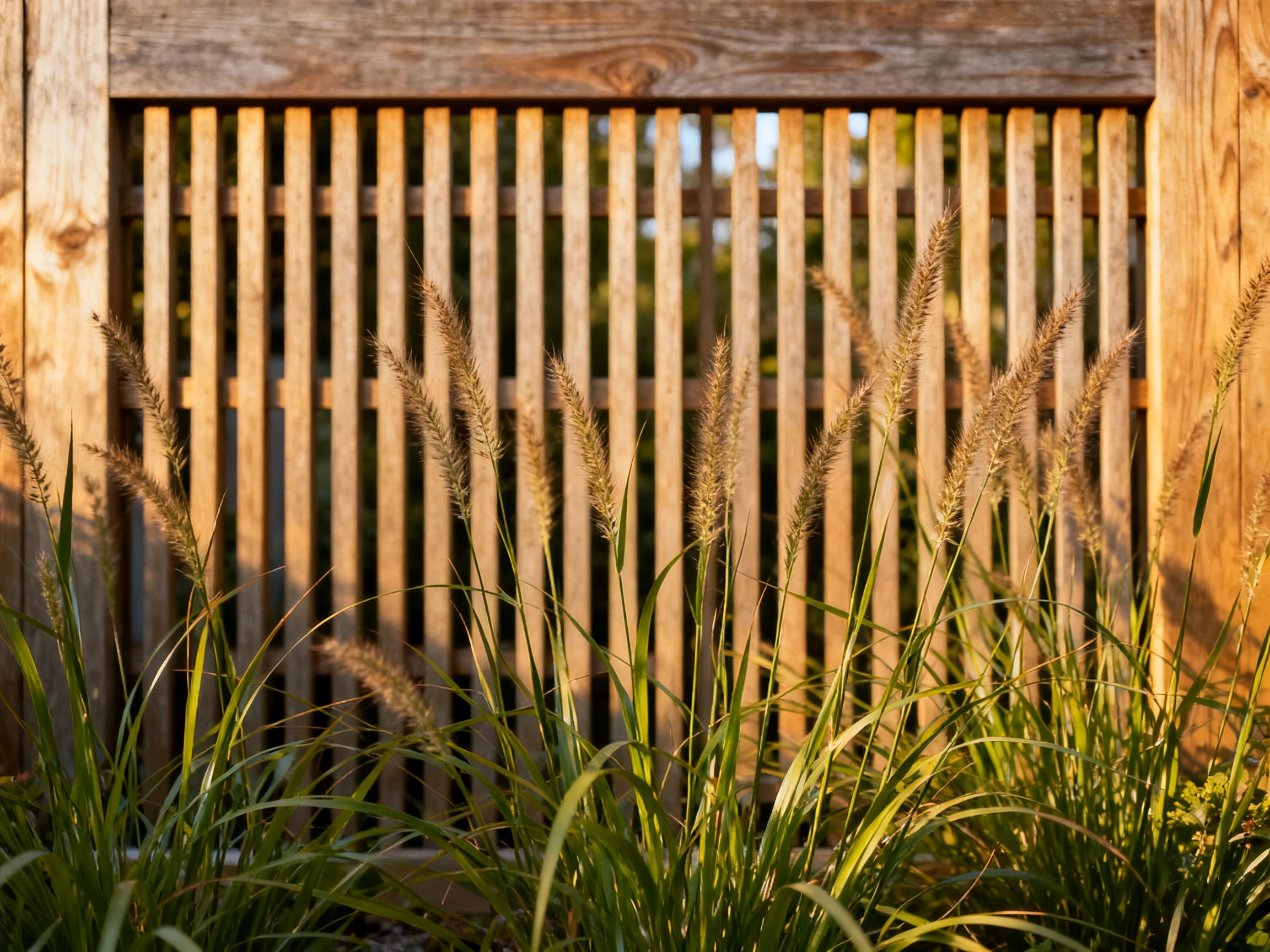
Every garden has something annoying. A bad fence, bins, an awkward view, a neighbor who treats their trampoline like public art. Modern design handles those problems with clean screens, layered planting, and strong boundary treatments.
Use slatted wood panels, metal screens, tall grasses, or evergreen hedging to create privacy without making the garden feel sealed shut. Modern privacy design works best when it filters views instead of blocking everything like a fortress.
You can also use changes in level, planter boxes, and pergolas to make spaces feel sheltered. Even one well placed screen can transform the vibe. Suddenly the garden feels curated instead of exposed.
Hide the practical bits without drama
Bins, hoses, compost, tools, and air conditioning units don’t exactly scream style. So hide them. Build a slim storage area, add a matching screen, or tuck them behind tall planters.
This sounds basic, but it has a huge impact. Modern gardens rely on visual calm, and clutter wrecks that instantly. No one wants their dream patio view interrupted by a fluorescent watering can and three cracked buckets.
Keep it low maintenance, because life happens
A truly modern garden should make your life easier, not hand you a second full time job. That’s one reason the style feels so appealing. It looks sharp, but it doesn’t demand endless fussing if you plan it properly.
Choose durable materials, use mulch or gravel to suppress weeds, and plant in bold groups instead of tiny scattered bits. Install irrigation if your budget allows. Your future self will thank you while holding coffee instead of a hose.
Low maintenance does not mean boring. It means making smarter choices from the start. Less lawn, fewer high drama plants, and more evergreens or reliable perennials usually lead to a happier garden.
Simple maintenance rules that save time
-
Repeat hardy plants that thrive in your local conditions.
-
Use larger planting beds to reduce fiddly edges.
-
Pick furniture and finishes that handle weather well.
-
Avoid tiny decorative features that collect dirt and regret.
-
Refresh the garden seasonally instead of constantly rearranging everything.
Honestly, the best modern gardens don’t look overworked. They look edited. That’s the goal.
FAQ
What makes a garden look modern?
A modern garden usually features clean lines, simple materials, repeated planting, and clear zones. It feels organized without looking stiff. Strong shapes, limited colors, and uncluttered layouts do most of the work.
Can I create a modern garden on a small budget?
Yes, absolutely. Start with a simple layout, stick to two or three materials, and repeat affordable plants for a more designed look. Gravel, painted fencing, and a few large planters can go a long way without wrecking your bank account.
Do modern gardens always need lots of concrete?
Nope. Concrete can work well, but it’s not mandatory. Timber, gravel, stone, and greenery can all create a modern feel if you use them in a clean, consistent way.
Which plants work best in a modern home garden?
Plants with strong form and reliable structure usually work best. Ornamental grasses, evergreen shrubs, lavender, salvia, ferns, and small sculptural trees all fit the style nicely. The key lies in repetition and restraint, not plant snobbery.
How do I make my garden look modern but still cozy?
Add warmth through timber, soft lighting, textured planting, and comfortable seating. Modern design should feel inviting, not like an outdoor showroom where nobody can touch anything. Mix crisp structure with softer natural elements and you’ll hit the sweet spot.
Is modern garden design hard to maintain?
Not if you plan it well. In fact, many modern gardens need less upkeep because they rely on simple layouts, durable materials, and fewer plant varieties. That said, clean lines do show neglect faster, so a little regular maintenance goes a long way.
Conclusion
Modern home garden design comes down to clarity. Use a smart layout, repeat a few great materials, choose plants with purpose, and create spaces you’ll actually use. Keep it simple, keep it intentional, and your garden will feel stylish without trying too hard, which honestly feels very modern.