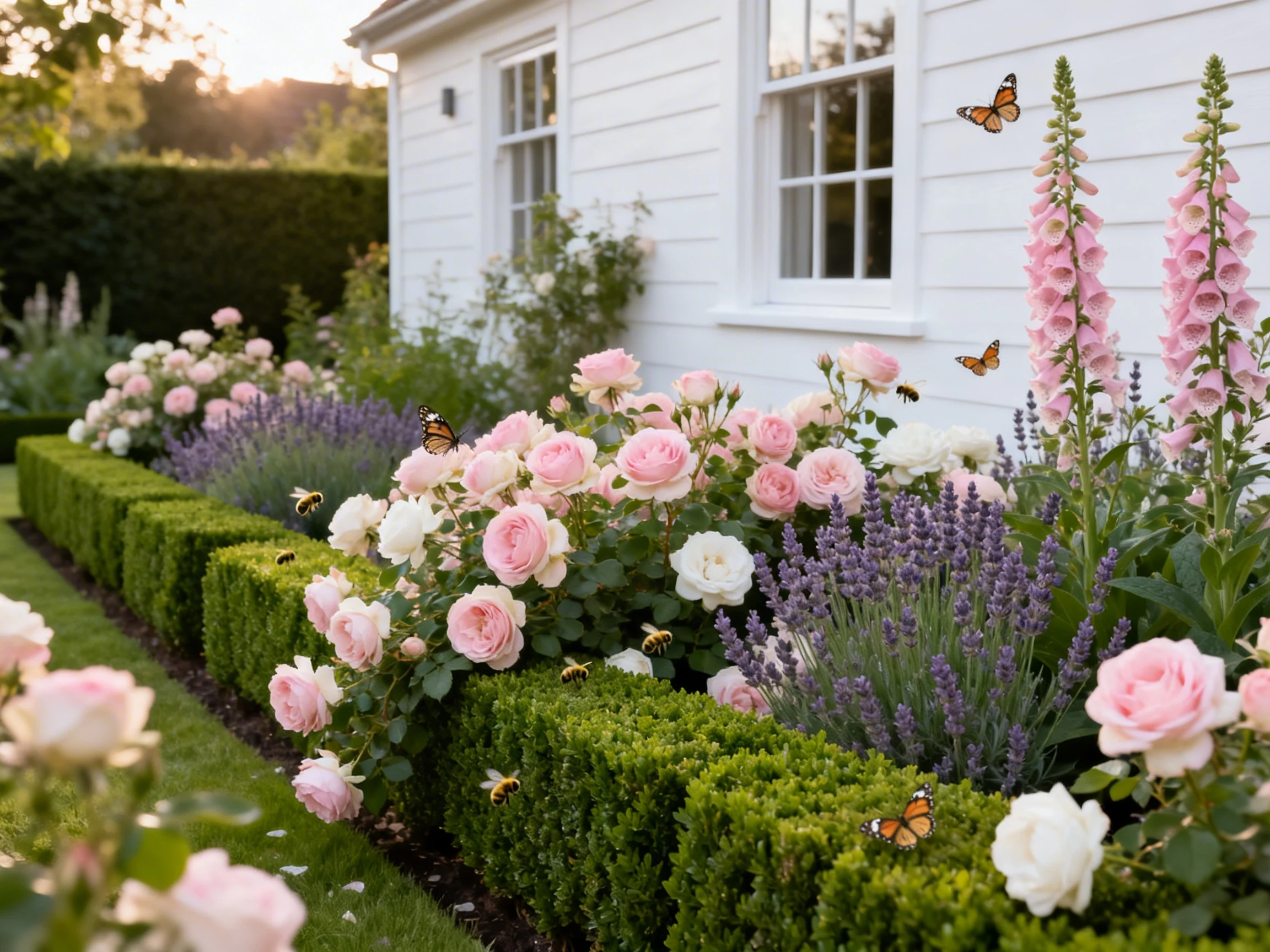
Cottage gardens look like they just “happened,” and that’s exactly the vibe we want. But if you’ve ever tried to create that effortless tumble of flowers without it turning into a chaotic weed convention, you already know the truth. Modern cottage garden design keeps the romance and ditches the mess. You get the charm, the pollinators, and the “wow,” without spending every weekend wrestling brambles like it’s your side hustle.
What “Modern Cottage” Actually Means (And What It Doesn’t)
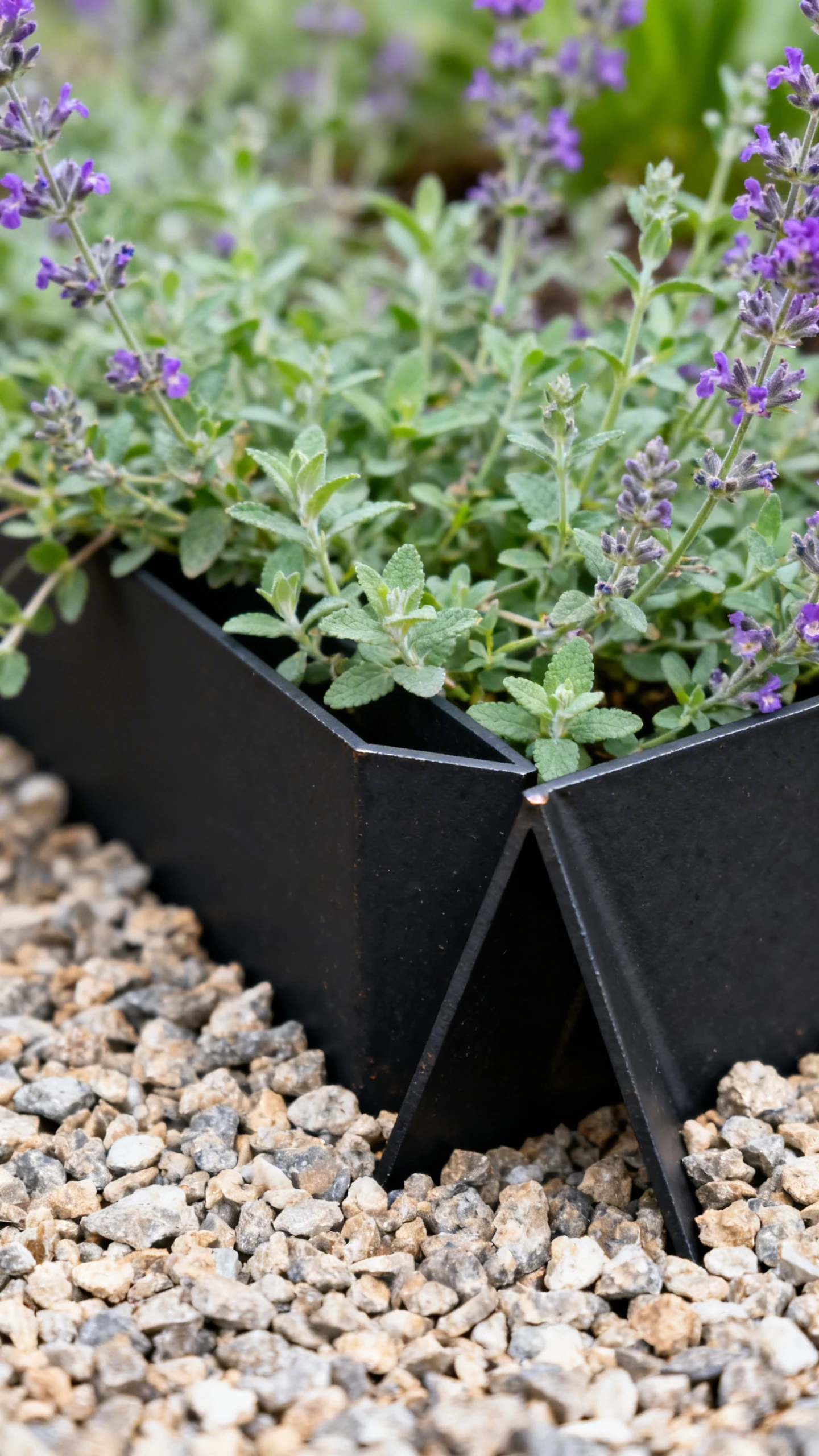
Let’s clear something up: modern cottage garden design doesn’t mean you plant one sad lavender and call it “minimal.” It also doesn’t mean you recreate a historically accurate 1800s potager unless you secretly enjoy homework. You aim for that soft, abundant, flower-filled feel, but you use smart structure so the garden behaves.
Think of it like styling your hair for “messy waves.” You still use a brush, right? Same idea here. You build an underlying framework, then you let the planting feel loose on top.
Modern cottage gardens also lean into longer bloom seasons and lower maintenance choices. You can still grow divas, but you don’t invite only divas. You mix reliable performers with a few drama queens for flair.
The modern twist: structure first, froth second
Old-school cottage gardens often relied on sheer density to keep weeds down and create that lush look. Modern design keeps the density, but it adds intentional lines, repeated shapes, and clearer paths. You give your eye a place to rest, then you let the flowers go a little wild around it.
If you’ve ever looked at a cottage garden and thought, “Gorgeous… but where do I walk?” you already understand why this matters. A modern cottage garden invites you in instead of trapping you in a floral maze.
Start With a Simple Backbone: Paths, Edges, and Anchors

If you want the cottage look without the cottage chaos, you need a backbone. Your backbone includes paths, crisp edges, and a few anchor plants that hold the whole thing together. Without them, everything melts into one big blur by mid-summer.
Paths do more than help you reach your tomatoes without stepping on your own dreams. They also create instant “design.” Even a narrow mulch path can make a garden look intentional, FYI.
Paths that feel casual but work hard
Go for materials that feel natural and unfussy: gravel, bark mulch, brick, stepping stones, or reclaimed pavers. Keep the line mostly straightforward, then add gentle curves if the space needs softness. Avoid overly squiggly paths unless you want your yard to feel like a theme park queue.
Make paths wide enough to walk comfortably. Aim for about two feet minimum, and go wider in high-traffic areas. You’ll thank yourself when the plants lean in like they want gossip.
Edges that quietly save your sanity
Clean edges make everything look intentional, even when plants flop a bit. Use metal edging, bricks, stone, or a crisp spade-cut line. The flowers can swirl and tumble, but the border keeps the whole scene from looking like it escaped.
Anchors matter too. Add a small tree, a shrub, a boulder, an obelisk, or a big ceramic pot to create a visual “pin.” Then you can layer softer plants around it without losing the plot.
Plant Like a Pro: Repetition, Layers, and a Little Chaos
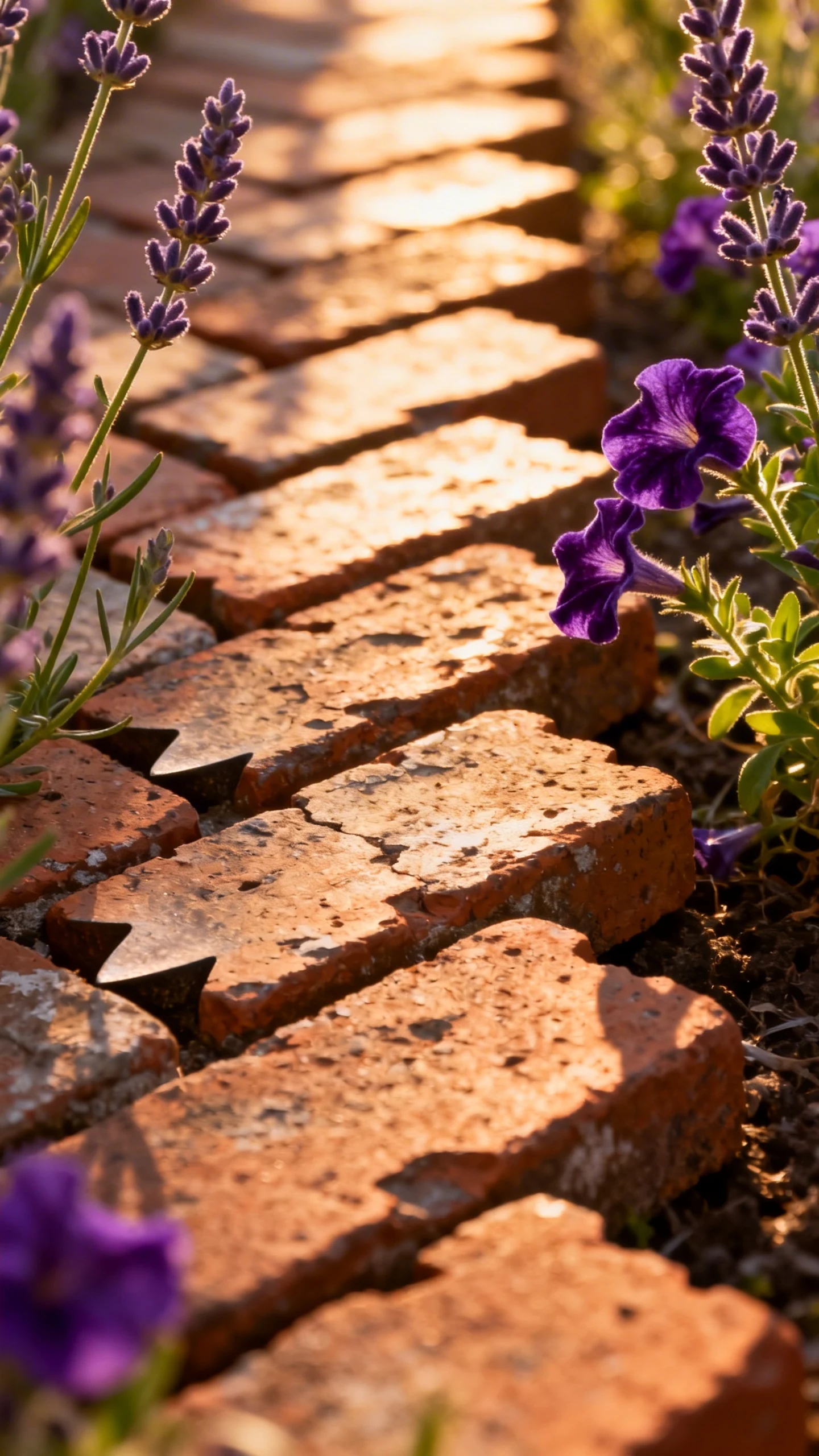
Cottage planting looks random, but it runs on patterns. You repeat key plants and colors, you layer heights like a good outfit, and you let a few things self-seed for that natural vibe. IMO, the magic lives in the balance between control and surprise.
Start by choosing a tight color palette, then break your own rules a tiny bit. Pick two or three main colors, add a supporting neutral like white or green, and sprinkle one accent color for spice. Yes, you can absolutely do a rainbow cottage garden, but you need stronger structure to pull it off.
Layering: tall, medium, and “spill” plants
Build in layers so the garden looks full from every angle. Put taller plants toward the back of borders, or in the middle if you design an island bed. Use medium plants to create bulk, then add low growers to soften edges and spill onto paths.
Layering also helps with weeds because it shades soil and fills gaps. Bare soil invites trouble. Plants behave like polite guests when you don’t leave them a huge empty dance floor.
Repetition: the secret sauce
Repeat your “hero” plants in multiple spots. Use the same salvia three times, the same catmint in drifts, or the same roses at intervals. Your garden instantly looks cohesive, even when everything else acts whimsical.
Try repeating shapes too, not just species. Spiky flowers, daisy shapes, umbels, and airy textures all play different roles. When you repeat a shape, your eye relaxes and stops scanning for meaning.
Modern Plant Picks That Still Feel Cottage (But Won’t Betray You)
You can keep the classic cottage favorites, but you should mix in modern, tougher plants that bloom longer and resist tantrums. That way, your garden looks full without constant babysitting. You still get roses, foxgloves, and delphiniums if you want them, but you support them with reliable workhorses.
Choose plants that earn their keep. Long bloom time, sturdy stems, pollinator value, and disease resistance all count. If a plant needs daily emotional support, maybe skip it unless you enjoy that dynamic.
Reliable perennials for that fluffy, romantic look
Try these as your “foundation” plants, then layer in classics as accents. They offer long blooms, repeat flowering, or easy care, and they still look right at home in a cottage-style border.
- Nepeta (catmint) for soft mounds and long bloom
- Salvia for spikes, bees, and repeat flowers
- Geranium (hardy cranesbill) for groundcover and nonstop charm
- Echinacea for structure and late-season color
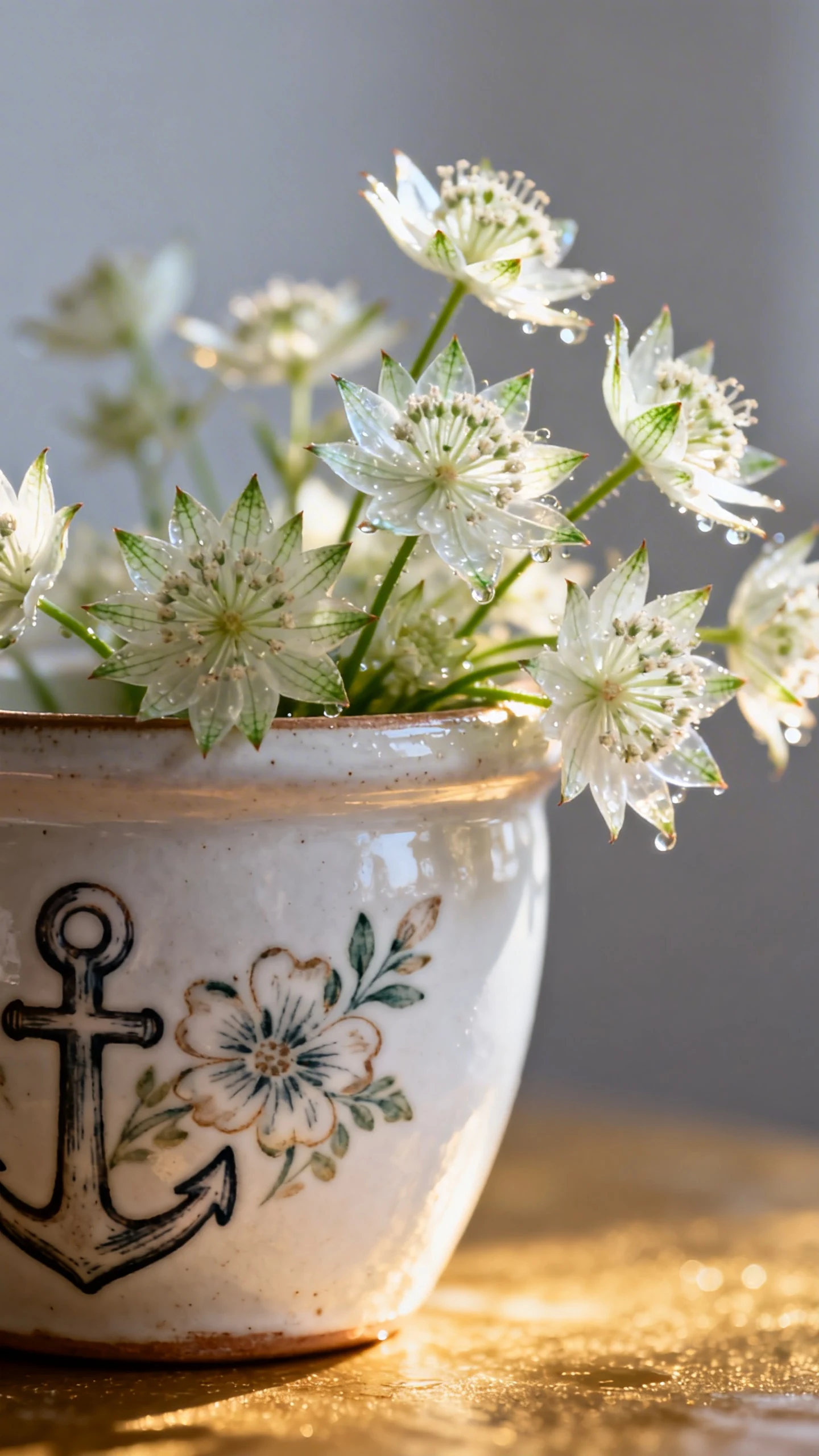
- Astrantia for delicate, fairy-tale texture in part shade
- Alliums for drama that still feels natural
Annuals and self-seeders for that “oops it’s gorgeous” vibe
Annuals give you fast impact, and self-seeders make the garden feel lived-in. Just keep an eye on them so they don’t start a hostile takeover. You want charming spontaneity, not a plant coup.
- Cosmos for airy height and easy blooms
- Nigella for delicate flowers and cool seed pods
- Calendula for cheerful color and edible petals
- Sweet peas for scent and vertical softness
- Verbena bonariensis for see-through height and pollinators
Keep It Lush Without the Maintenance Spiral

Let’s talk reality: you want the lush look, but you also want weekends that don’t involve apologizing to your family because “the garden needs me.” Modern cottage garden design makes maintenance predictable. You plan for growth, you limit the fussiest plants, and you build routines that take minutes, not hours.
Mulch does a lot of heavy lifting. Use compost, shredded bark, or leaf mold to keep soil moist and weeds down. Top it up once or twice a year and call it a win.
Also, water smarter. Group plants with similar needs, and consider drip irrigation under the foliage. Nobody dreams of dragging hoses through a jungle of roses.
Deadheading and cutting back, but make it manageable
Deadheading keeps many cottage plants blooming longer, but you don’t need to obsess. Pick a couple of “high impact” plants to deadhead regularly, like roses and salvias. Let some plants set seed pods for winter interest and wildlife value.
Cut back in waves. Trim early bloomers after they finish, then let later stars take over. This keeps the garden looking fresh without requiring a full weekend makeover.
Mix Old Charm With Modern Features (Yes, You Can Do Both)
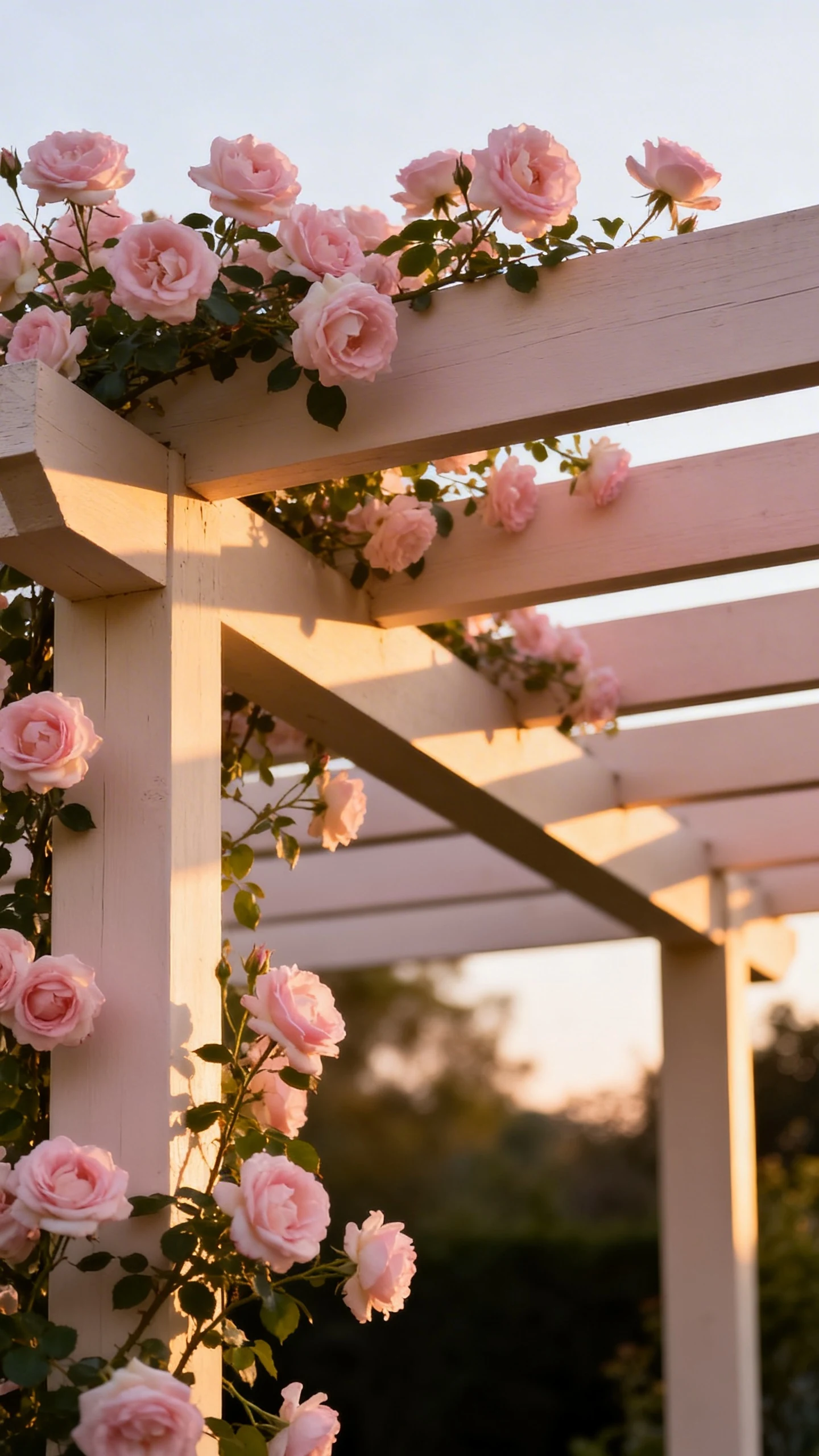
Modern cottage gardens look extra good when you blend in contemporary elements. The contrast makes the softness pop. Add clean-lined planters, a simple bench, or a sleek water bowl, and suddenly the whole garden feels curated instead of accidental.
Hardscape doesn’t have to feel formal. You can keep it simple and still get that “designed” look. The trick involves choosing one or two modern materials and repeating them.
Ideas that feel fresh but still cozy
- Black steel edging with frothy planting spilling over it
- Minimal pergola or trellis covered in climbers like roses or clematis
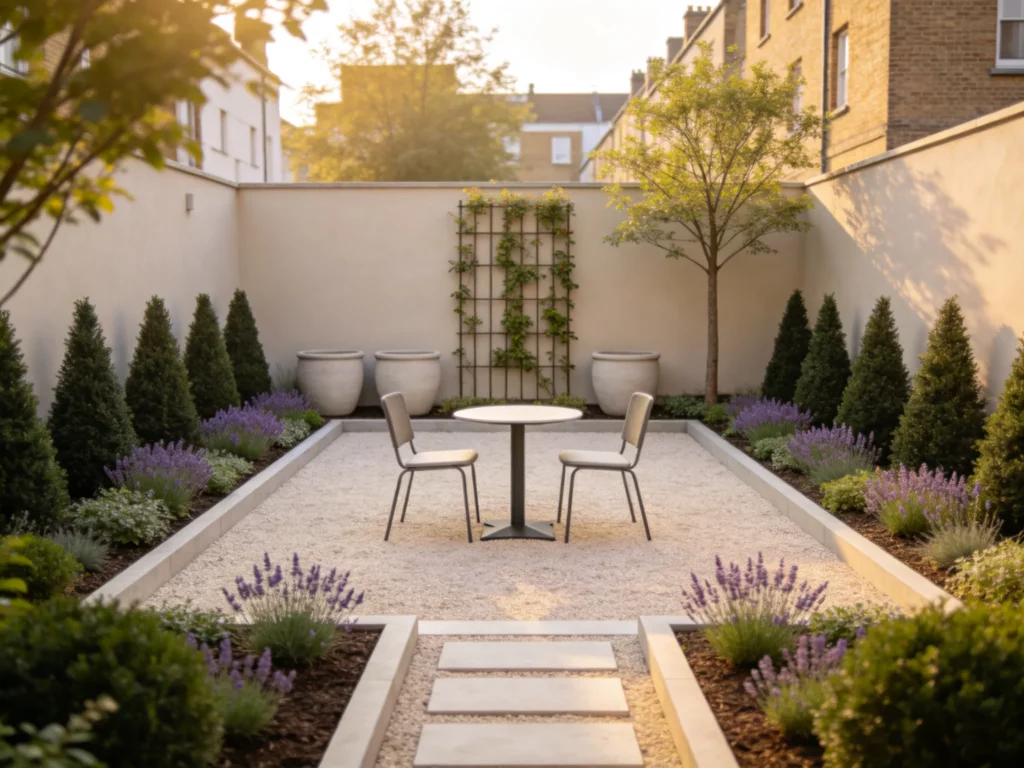
- Gravel patio with informal pots and herbs nearby
- Simple lighting to highlight plants at night without turning the yard into a runway
And yes, you can add a vegetable corner. Cottage gardens always mixed beauty and usefulness. If someone calls it “too practical,” offer them a tomato and move on.
FAQ
How do I keep a cottage garden from looking messy?
Give it a clear structure: paths, crisp edges, and a few anchor plants. Repeat key plants and colors so the planting looks intentional. Then edit aggressively if one plant starts bullying its neighbors.
What’s the easiest modern cottage color palette?
Go with white, soft pink, and purple, then add a little blue for calm. This palette hides awkward transitions and makes almost any plant look like it belongs. Add a pop of deep burgundy if you want a little drama without chaos.
Can I do modern cottage garden design in a small yard?
Absolutely. Use vertical elements like obelisks, trellises, and climbing plants to pack in the lush look without crowding the ground. Stick to a tighter plant list and repeat it more often so the space feels cohesive.
What if I hate weeding with my whole heart?
Same. Start with thick mulch, dense planting, and groundcovers that fill gaps. Also, avoid plants that spread aggressively unless you enjoy policing borders like a garden bouncer.
Do I need roses for a cottage garden?
Nope. Roses scream “cottage,” but you can get the same romantic feel with salvias, catmint, peonies, and flowering shrubs. If you do choose roses, pick modern disease-resistant varieties so you spend more time enjoying them and less time diagnosing leaf problems.
Conclusion
Modern cottage garden design lets you chase that dreamy, flower-packed look without sacrificing your sanity. You start with structure, you plant in layers, and you repeat a few winners so everything feels cohesive. Then you let the garden loosen up just enough to feel alive, generous, and a little cheeky. Because honestly, what’s the point of a cottage garden if it doesn’t look like it might offer you tea and gossip?