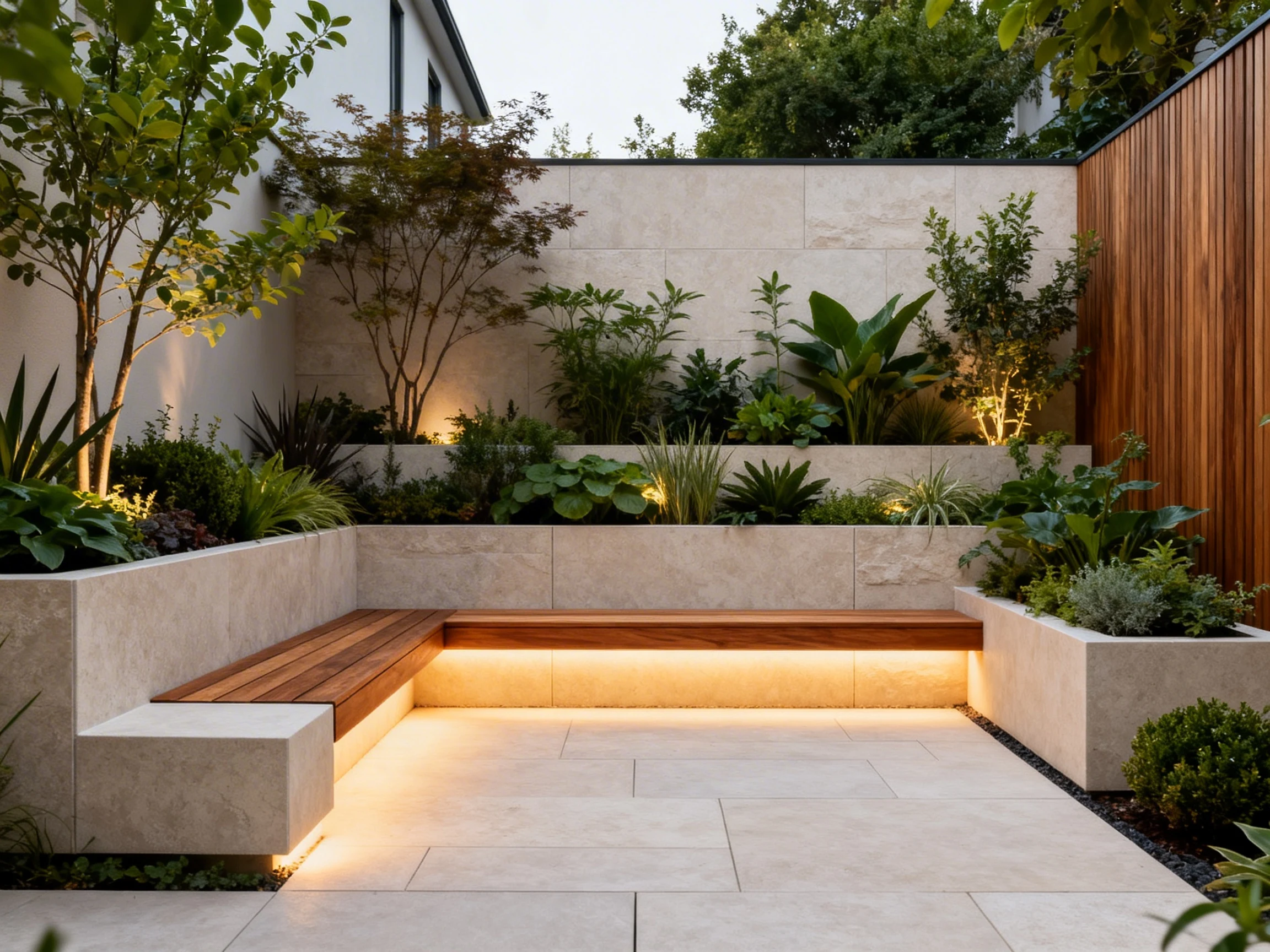
Small gardens can look incredible. You do not need a huge lawn, a team of landscapers, or a secret trust fund to make an outdoor space feel stylish and useful. With the right choices, even a tiny patch of patio or a narrow backyard can feel calm, modern, and surprisingly roomy. Honestly, a small garden often looks better than a giant one because every detail actually matters.
Start with the vibe, not the shopping list
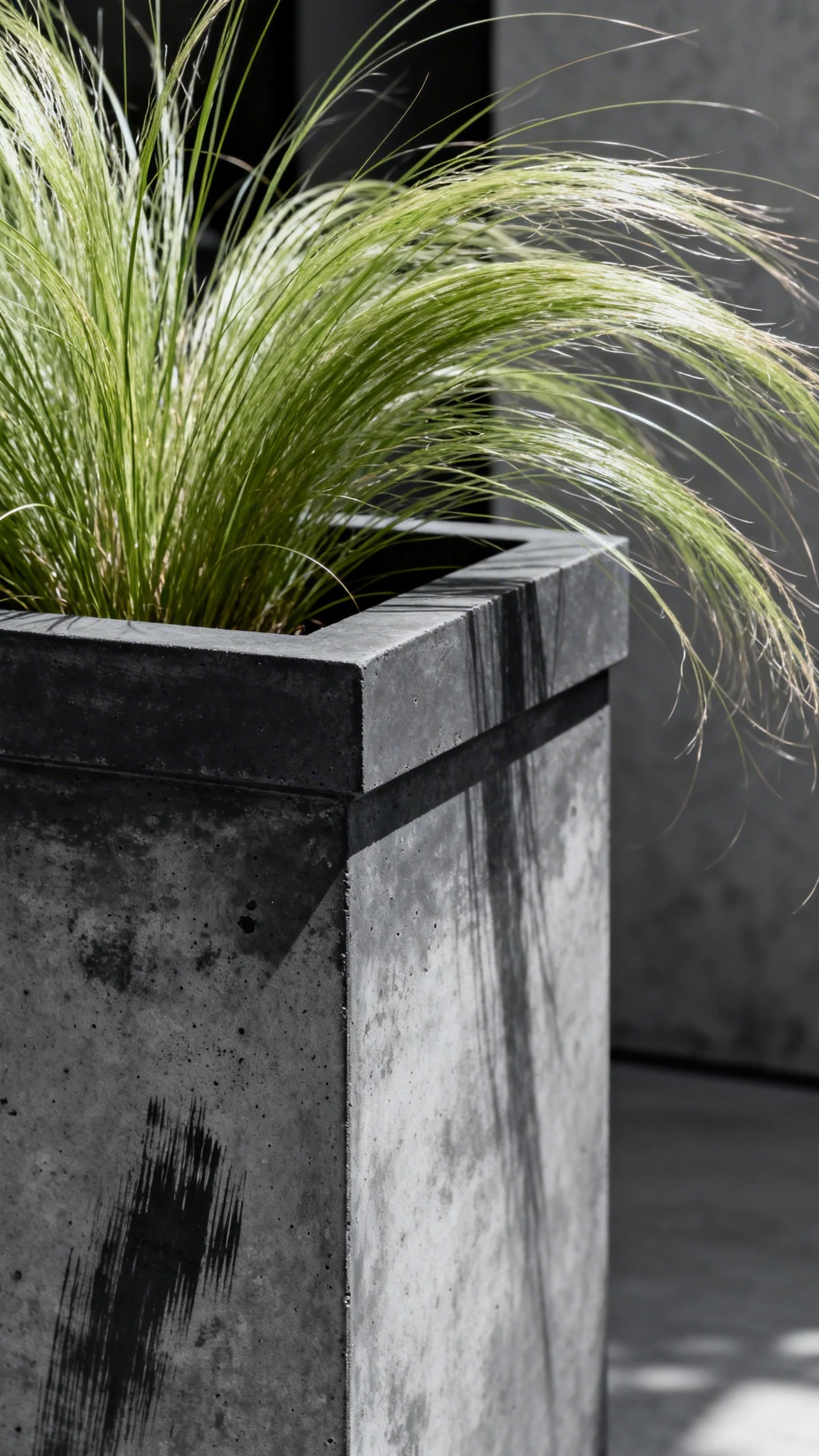
A lot of people jump straight into buying pots, lights, and whatever trendy chair showed up on their feed that morning. I get it. Garden centers have a way of making everyone feel like they urgently need a concrete planter the size of a bathtub.
But modern garden design works best when you start with a clear mood. Do you want the space to feel clean and architectural? Soft and relaxing? A little bit like a boutique hotel courtyard that serves expensive sparkling water? Pick a direction first, and everything else gets easier.
Modern design usually leans on simplicity, structure, and restraint. That means fewer random elements, cleaner lines, and materials that look intentional. In a small space, that approach helps a lot because clutter shows up fast and ruins the whole effect.
Ask yourself a few brutally honest questions
How do you actually want to use the garden? Do you want a coffee spot, a dinner zone, a place for herbs, or just somewhere to stare into the middle distance after a long day? If you try to cram every possible function into a tiny area, the garden starts to look confused.
IMO, the best small modern gardens focus on one main purpose and one supporting purpose. Maybe it serves as a seating area with some planting around the edges. Maybe it works as a plant-focused retreat with a tiny bistro set tucked into one corner. Keep it tight. Keep it believable.
Use a simple layout and make every line count
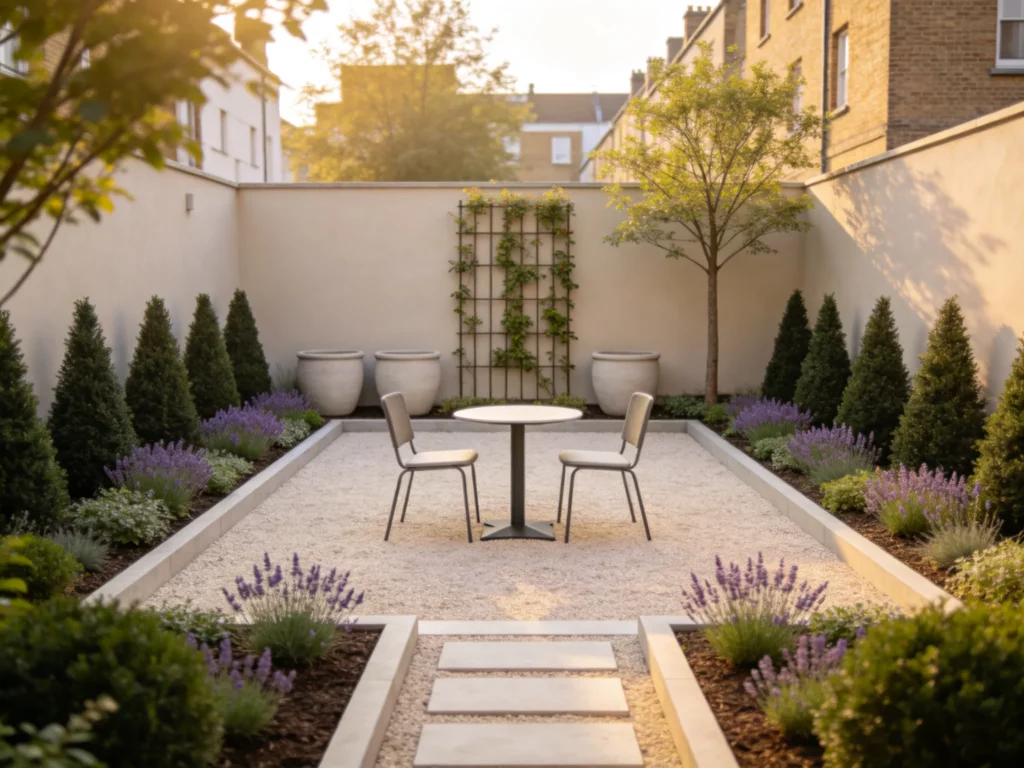
Small spaces love structure. A modern garden usually looks strongest when the layout feels clear and intentional, not like you kept moving pots around until you gave up. Straight lines, repeated shapes, and obvious zones create calm fast.
Strong geometry makes a small garden feel bigger because the eye reads the space more easily. A rectangular patio, a crisp path, or a built-in bench can create order without much effort. Curves can work too, but they need confidence. One elegant curve looks modern. Five awkward ones look like the garden lost an argument.
Create zones without building walls everywhere
You do not need giant dividers to separate functions. A change in paving, a row of planters, or a low bench can signal different areas without making the garden feel chopped up. That matters a lot in a compact space.
Try to keep sightlines open. If you can see across the whole garden, it feels larger and calmer. If every corner has something bulky blocking it, the space starts feeling like a storage yard with ambitions.
Think horizontally and vertically
Modern small gardens use vertical space really well. Wall planters, slatted screens, slim shelving, and climbing plants help you add greenery without sacrificing floor area. FYI, walls count as design opportunities, not just boundaries.
At the same time, avoid creating too many levels underfoot unless you absolutely need them. Steps can look dramatic, but they eat up space and break flow. In a tiny garden, a level surface usually wins.
Choose materials that look clean, calm, and expensive-ish
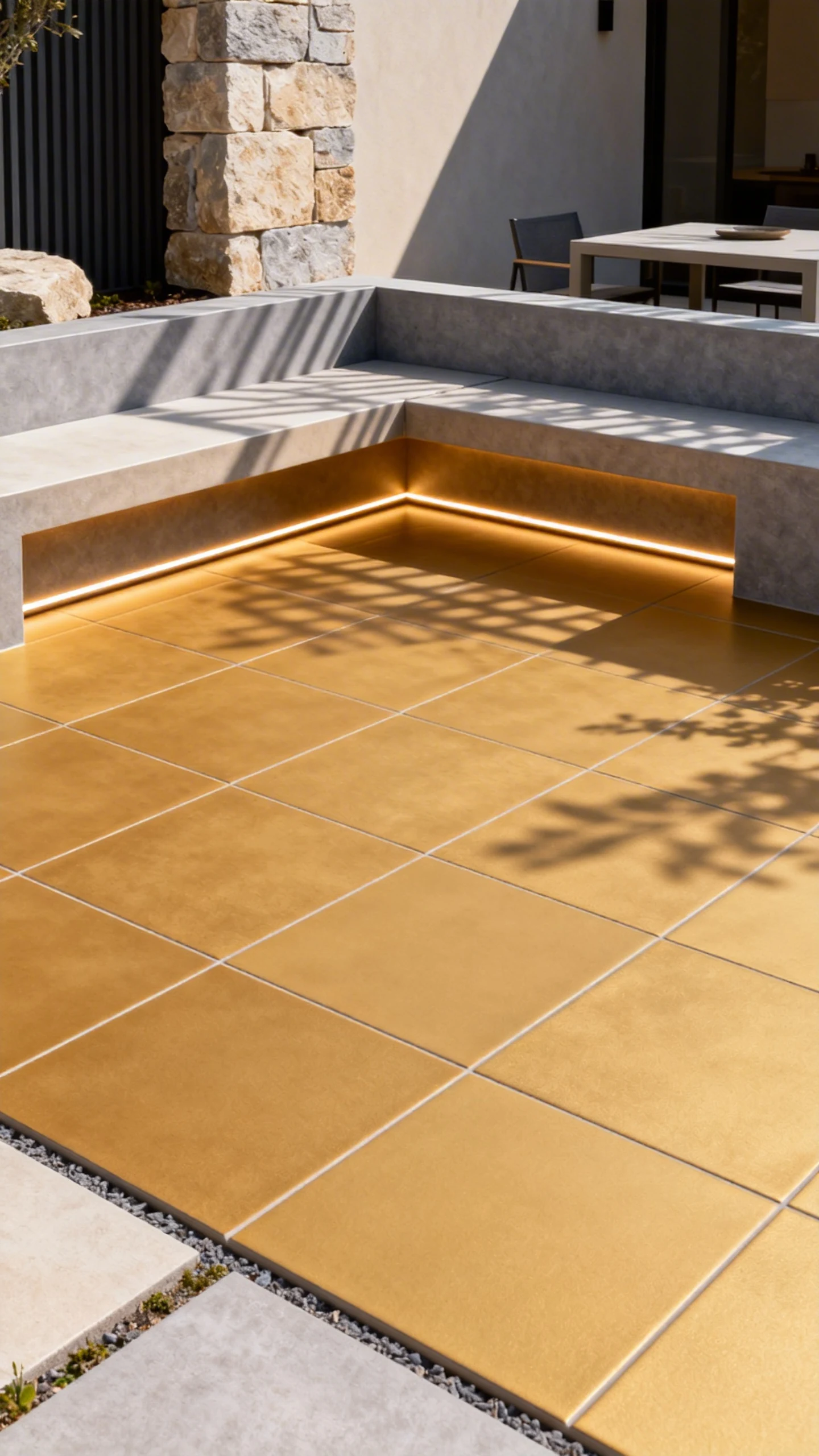
You do not need luxury finishes, but you do need consistency. Modern design depends on a limited palette of materials that work together. Pick two or three main finishes and repeat them throughout the space.
Concrete, porcelain paving, natural wood, gravel, black metal, and matte stone all fit the modern look nicely. The trick lies in mixing them with restraint. Too many textures start fighting for attention, and a small garden has no room for drama.
Color matters too. Soft gray, charcoal, sandy beige, muted green, and warm wood tones create a sleek modern base. Bright colors can work in accessories or plants, but I would not splash five paint shades around and call it minimal. That is not minimal. That is chaos wearing sunglasses.
Why repetition works so well
If you repeat the same paving tone, planter style, or timber finish, the whole space feels larger and more polished. Repetition gives the eye a clear path to follow. It also makes even a budget garden look more designer.
Matching does not mean boring. It means curated. You can still add contrast through plant shape, lighting, and a statement chair or two. Just keep the bones of the garden consistent.
Plant smarter, not fuller
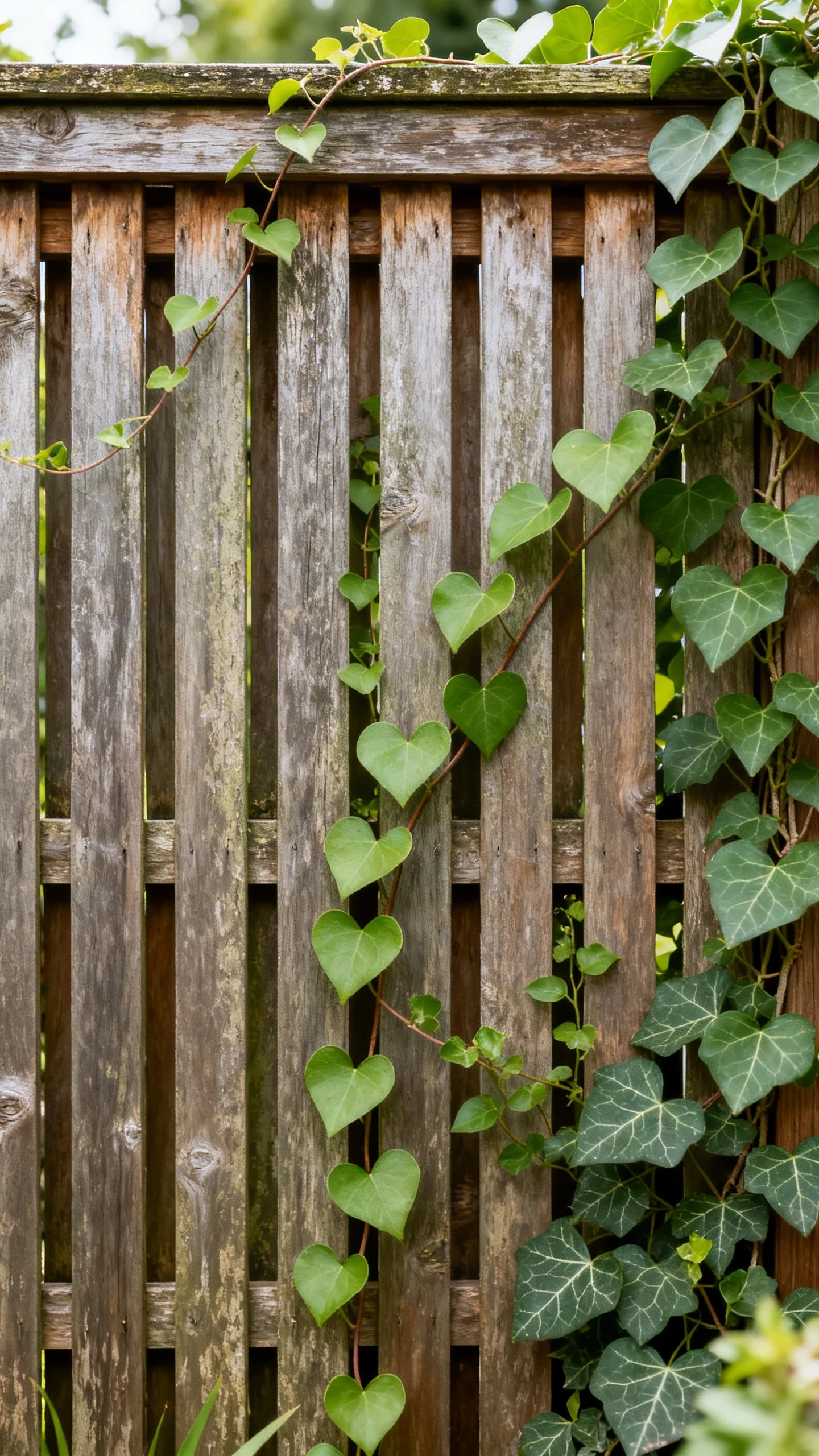
People often think a small garden needs lots of different plants to feel lush. Nope. That approach usually creates visual noise and a maintenance schedule that turns slightly evil by midsummer. A modern garden looks better with fewer plant varieties used more deliberately.
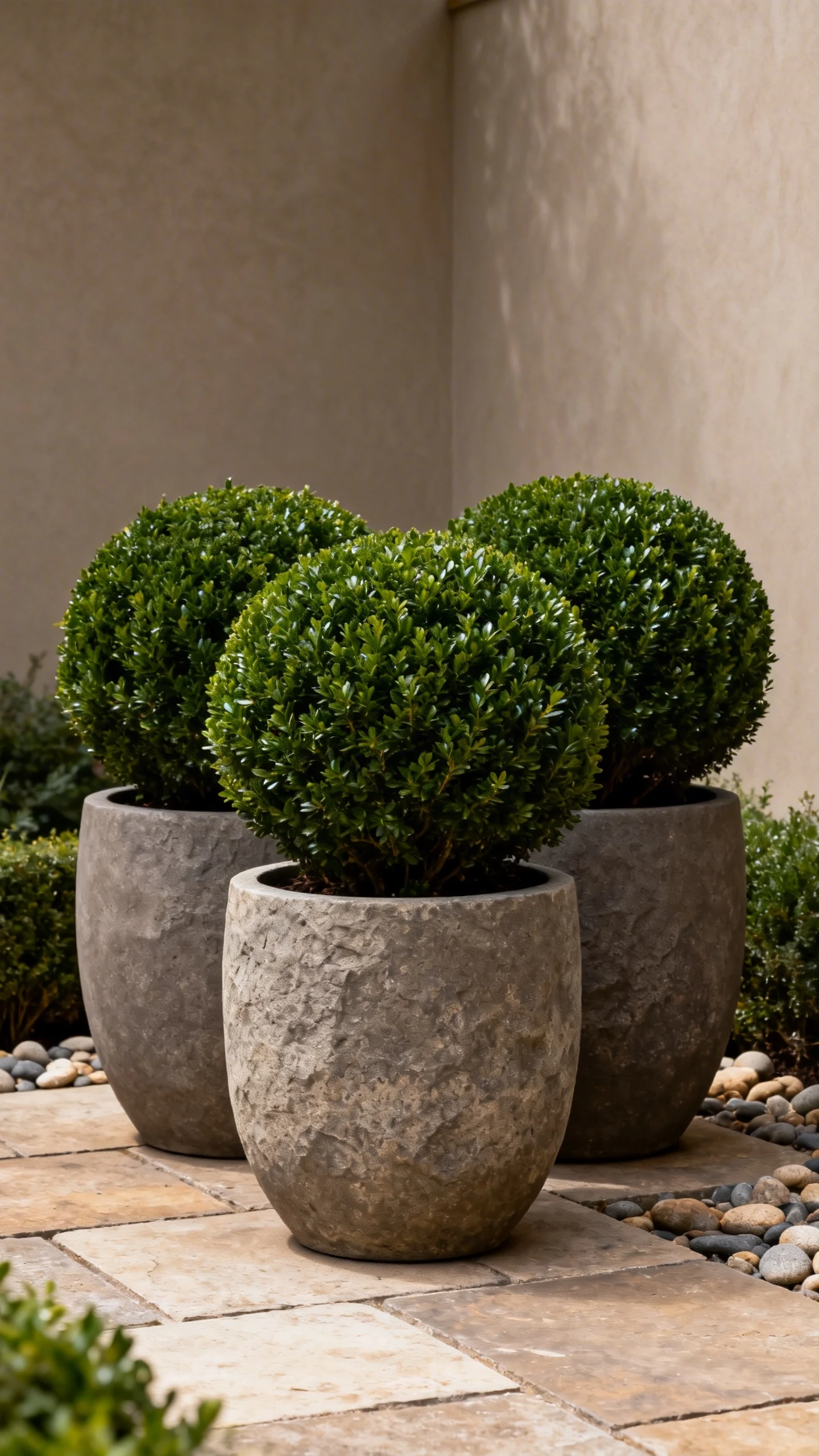
Go for planting that feels architectural and easy to read. Think grasses, clipped shrubs, small multi-stem trees, ferns, agapanthus, bamboo in controlled settings, or evergreen structural plants in simple containers. Strong shapes fit modern design perfectly.
Layer heights carefully. Put taller plants at the back or in corners, medium plants in the middle, and lower growers near paths and seating. That gives the space depth without turning it into a green traffic jam.
The best planting styles for a modern small garden
- Structured evergreen planting for a tidy, calm look all year
- Textural grasses and perennials for a softer modern feel
- Monochromatic planting using greens and whites for a clean palette
- Statement containers with one standout plant each
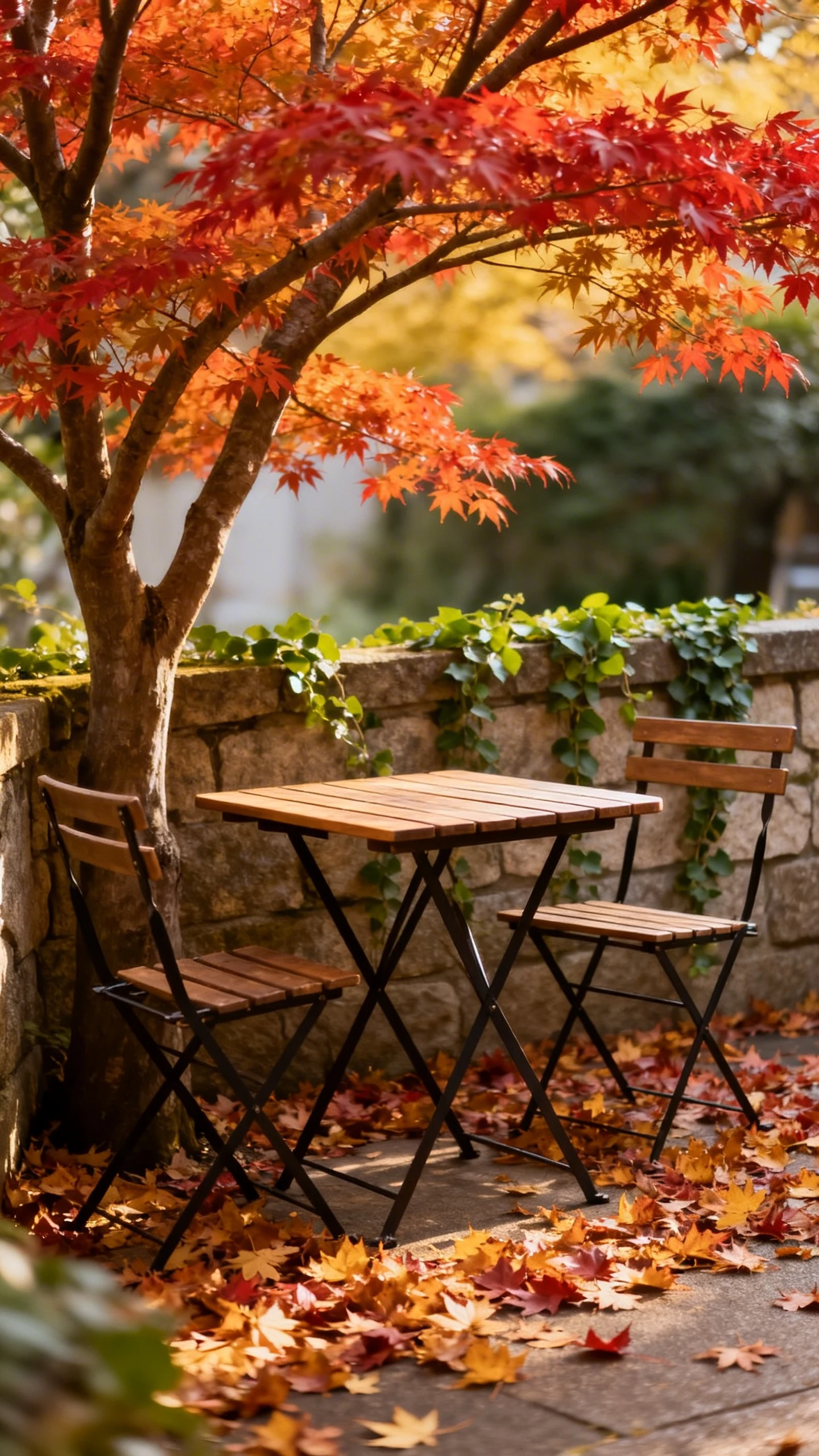
One small tree can change everything. A slim ornamental tree, like olive, amelanchier, or Japanese maple, gives height and focus without eating the whole garden. It also makes the space feel finished, which sounds dramatic, but it is true.
Do not overstuff the pots
Large containers often work better than lots of tiny ones. They look cleaner, dry out less quickly, and create stronger visual impact. A dozen small pots can make the garden feel fussy. Three bold planters can make it feel intentional.
Also, leave breathing room. Modern design loves negative space. Not every inch needs a plant. Sometimes the best design move involves doing less, which feels rude but works.
Furniture should earn its place
In a small modern garden, furniture cannot just sit there looking pretty and blocking circulation. Every piece needs a purpose. If you have to do a sideways shuffle to reach the back gate, the layout needs work.
Choose slim, simple furniture with clean lines. Benches, foldable bistro sets, built-in seating, and compact lounge chairs usually work better than chunky outdoor sofas. Oversized furniture can bully a small garden in about three seconds.
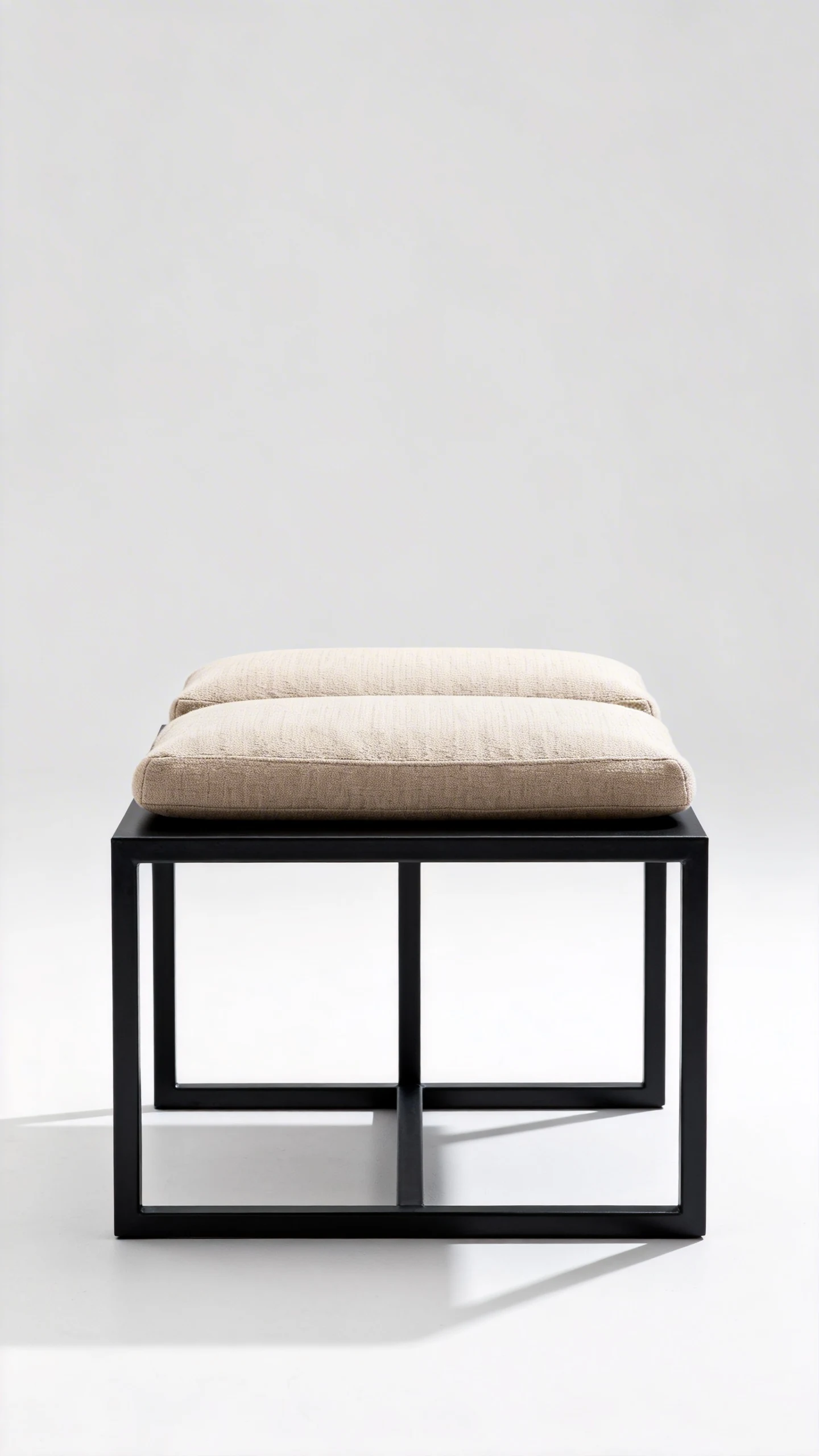
Built-in seating deserves a special mention. It saves space, looks sleek, and doubles as subtle storage if you design it well. Add seat cushions in a neutral tone, and suddenly the garden looks polished instead of improvised.
Less furniture, better comfort
You do not need six seats if only two people ever use the space. Be realistic. A small garden feels far more luxurious when it has one excellent seating zone rather than several cramped, awkward ones.
Think about flow too. Leave enough room to move around comfortably. If the garden feels easy to use, it feels bigger. If you keep bumping into planters and chair legs, no amount of minimalist styling will save it.
Lighting and details make the magic happen
Modern garden design really comes alive in the details. Lighting, edging, screens, and accessories give the space personality without overwhelming it. This is where a small garden can seriously punch above its weight.
Good lighting extends the garden into the evening and makes everything look more expensive. Use warm, soft lighting instead of harsh floodlights that make the patio look like an interrogation set. Wall lights, spike lights, under-bench strips, or small lanterns all work well.
Keep the accessories restrained. One outdoor rug, a few textured cushions, and maybe a sculptural planter can do the job. You do not need a swarm of ornaments. Gnomes have their fans, sure, but they do not exactly scream sleek contemporary retreat.
Privacy without a prison vibe
Many small gardens need privacy, especially in urban spaces. Slatted screens, tall planters, frosted panels, or slim climbers on trellis can create a sheltered feel without making the area dark and boxed in. That balance matters.
If your neighbors seem weirdly invested in your weekend coffee routine, add screening at eye level rather than covering every inch. You want privacy, not a bunker. Let light move through the garden whenever possible.
Common mistakes that make small gardens feel smaller
Some design mistakes show up again and again. The good news? They are easy to avoid once you know what to watch for. The bad news? They often start with very enthusiastic shopping.
- Too many materials that create visual clutter
- Tiny fragmented zones instead of one clear layout
- Oversized furniture that swallows the space
- Too many plant varieties with no visual rhythm
- Poor lighting or no lighting at all
- Ignoring storage until tools and cushions take over
Another big one? Forgetting maintenance. A modern garden looks best when it stays crisp. If your design needs constant pruning, cleaning, and fussing, ask yourself whether you will actually do that in November. Be honest. Your future self deserves better.
FAQ
What colors work best in a small modern garden?
Neutral and muted colors usually work best. Gray, charcoal, black, white, sand, and natural wood tones create a calm base and make greenery stand out. If you want more personality, add one accent color through cushions or pots instead of turning the whole space into a paint sample wall.
How can I make a tiny garden look bigger?
Use a simple layout, limit materials, and keep sightlines open. Choose larger planters instead of lots of small ones, and repeat shapes or finishes throughout the garden. Mirrors can help in some spots too, but use them carefully unless you want to surprise yourself every time you water the plants.
Are modern gardens expensive to create?
They can be, but they do not have to be. Modern design often looks expensive because it feels edited and cohesive, not because every item costs a fortune. Focus your budget on good paving, a few strong planters, and quality seating, then keep the palette simple.
Which plants suit a modern small garden?
Plants with strong form and clean structure usually suit modern spaces best. Grasses, evergreen shrubs, ferns, olive trees, bamboo in controlled containers, and architectural perennials all work well. Stick to a smaller range of plants and repeat them for a cleaner look.
Should I use decking in a small modern garden?
Yes, if it suits the style of your home and you keep it simple. Decking can add warmth and contrast nicely with concrete or stone. Just choose a clean board layout, avoid too many level changes, and make sure the material can handle weather without turning into a maintenance tantrum.
Do I need built-in features for a modern look?
No, but they help a lot. Built-in benches, planters, and storage create a streamlined, custom feel that suits modern design really well. If built-ins do not fit your budget, choose freestanding pieces with the same simple lines and minimal detailing.
Conclusion
Small modern garden design comes down to smart choices, not big square footage. Keep the layout simple, repeat materials, edit the planting, and choose furniture that actually fits the space. When you strip away the clutter and give every element a job, a tiny garden can feel sleek, relaxing, and seriously stylish.
So no, you do not need acres of land to create something beautiful. You just need a plan, a little restraint, and the courage to say no to that seventh decorative pot. Your garden will thank you, and your eyes will too.