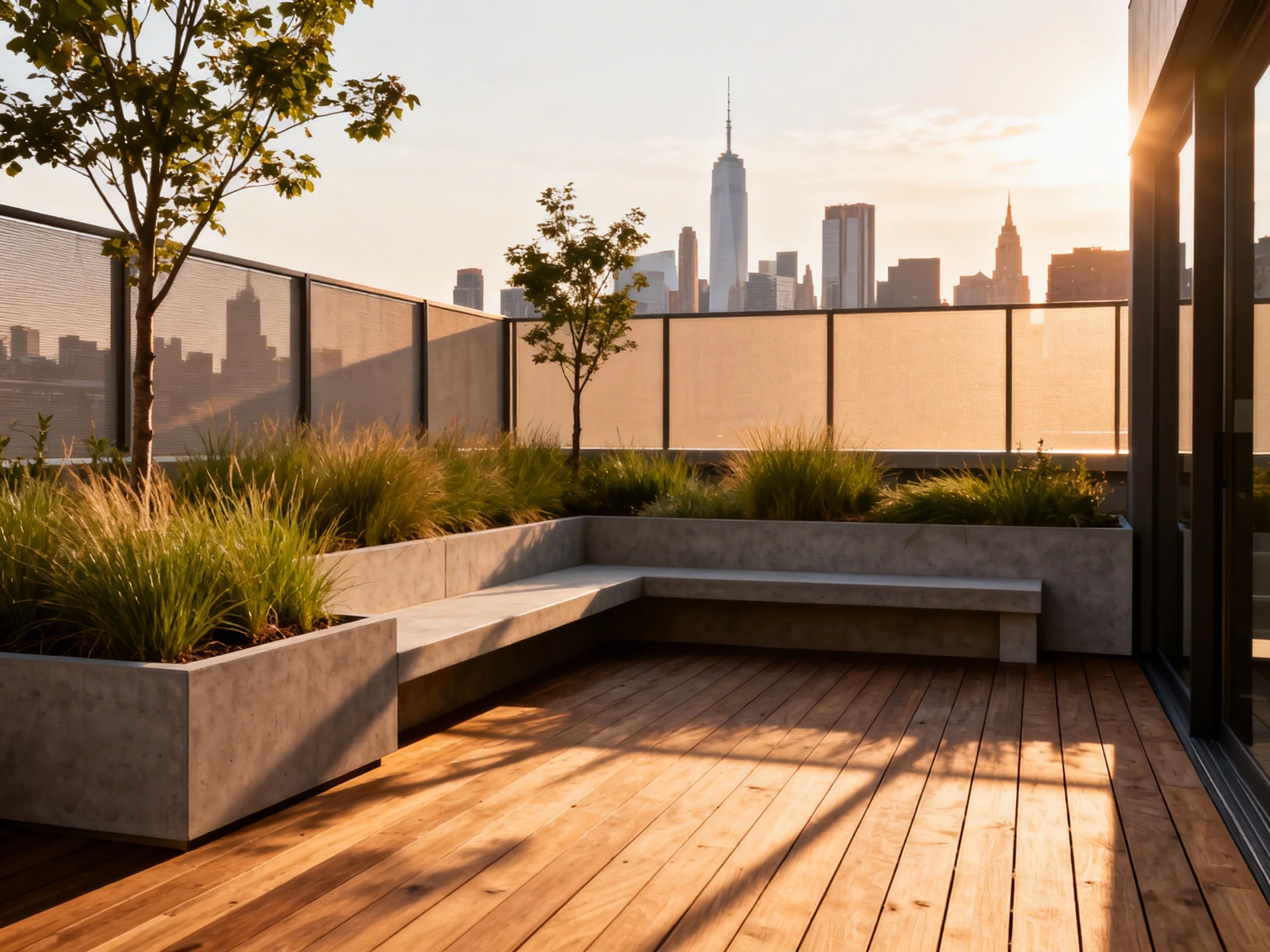
You’ve got a roof. You’ve got sunlight up there. You’ve probably got at least one neighbor who stares out their window like they’re guarding the kingdom. So why not turn that flat, boring rectangle into a rooftop garden that looks sharp and actually feels good to hang out in?
Modern roof garden design hits that sweet spot between “clean and minimal” and “lush little escape.” It also solves a bunch of real-life problems, like heat, noise, and the fact that city living sometimes feels like living inside a toaster. Ready to make your roof the best seat in the house?
Start with the boring stuff: weight, wind, and waterproofing
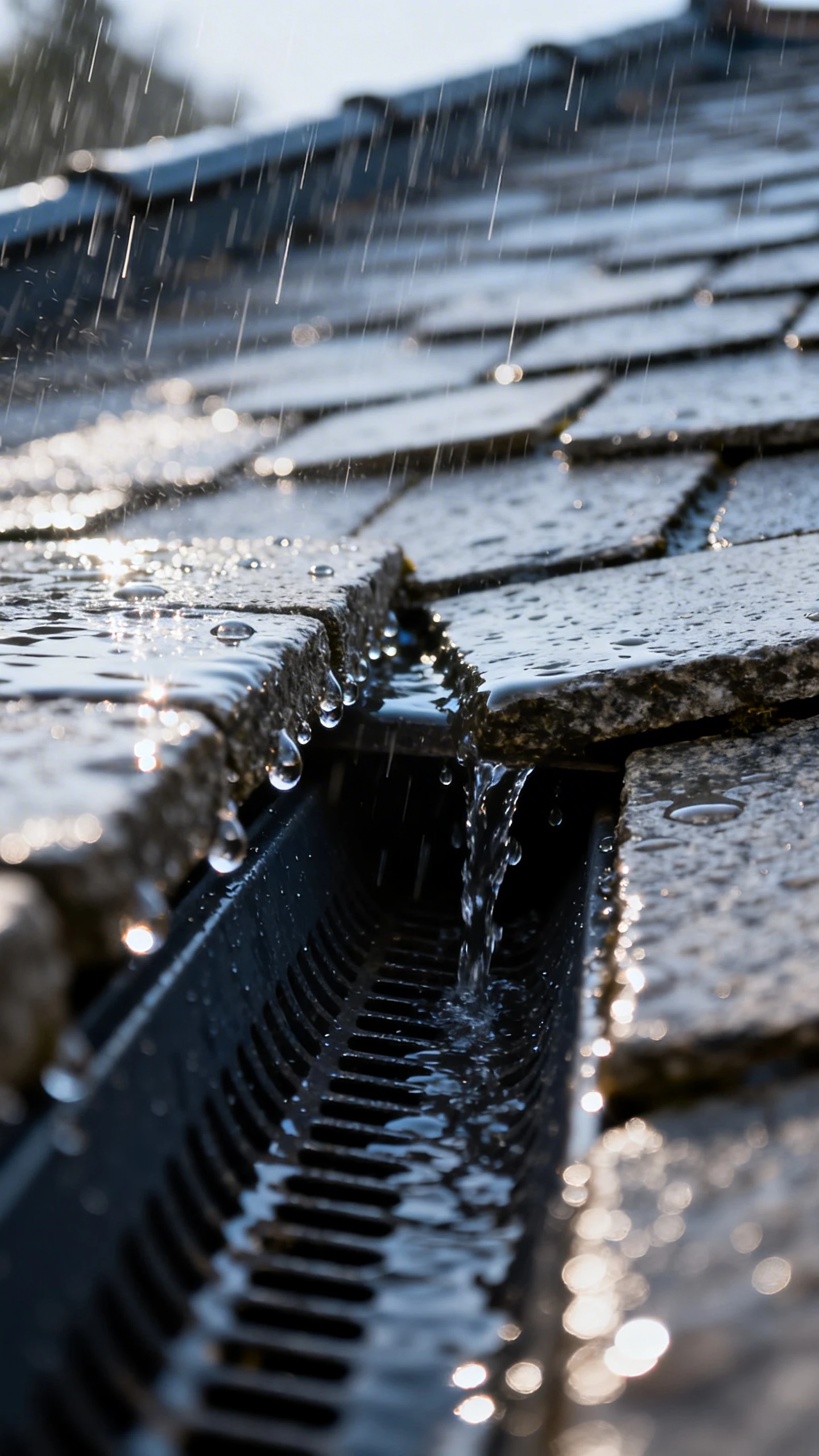
I know, I know. You want the fun part where you pick plants and buy fancy chairs. But rooftops have rules, and ignoring them turns your dream garden into a very expensive puddle.
Modern designs look effortless because someone planned the unsexy details first. You need to think about structural load, drainage, and wind exposure before you bring up a single bag of soil.
Ask these questions before you buy anything
Can your roof handle the weight of wet soil, planters, people, and furniture? Water adds serious weight, and rain never asks for permission. If you don’t know your roof’s capacity, call a structural engineer and save yourself future panic.
Next, where does the water go? Good roof gardens don’t “deal with drainage later.” They handle it from day one with proper slopes, drains, and overflow plans.
Wind will roast your plants and your mood
Rooftops turn breezes into drama. Wind dries containers fast, snaps tall plants, and flips lightweight furniture like it wants attention. Plan for wind screens, heavier planters, and a layout that creates calmer pockets.
FYI, if you’ve ever tried to eat a salad in a gusty rooftop wind, you already understand why this matters.
Define the vibe: modern doesn’t mean “empty”
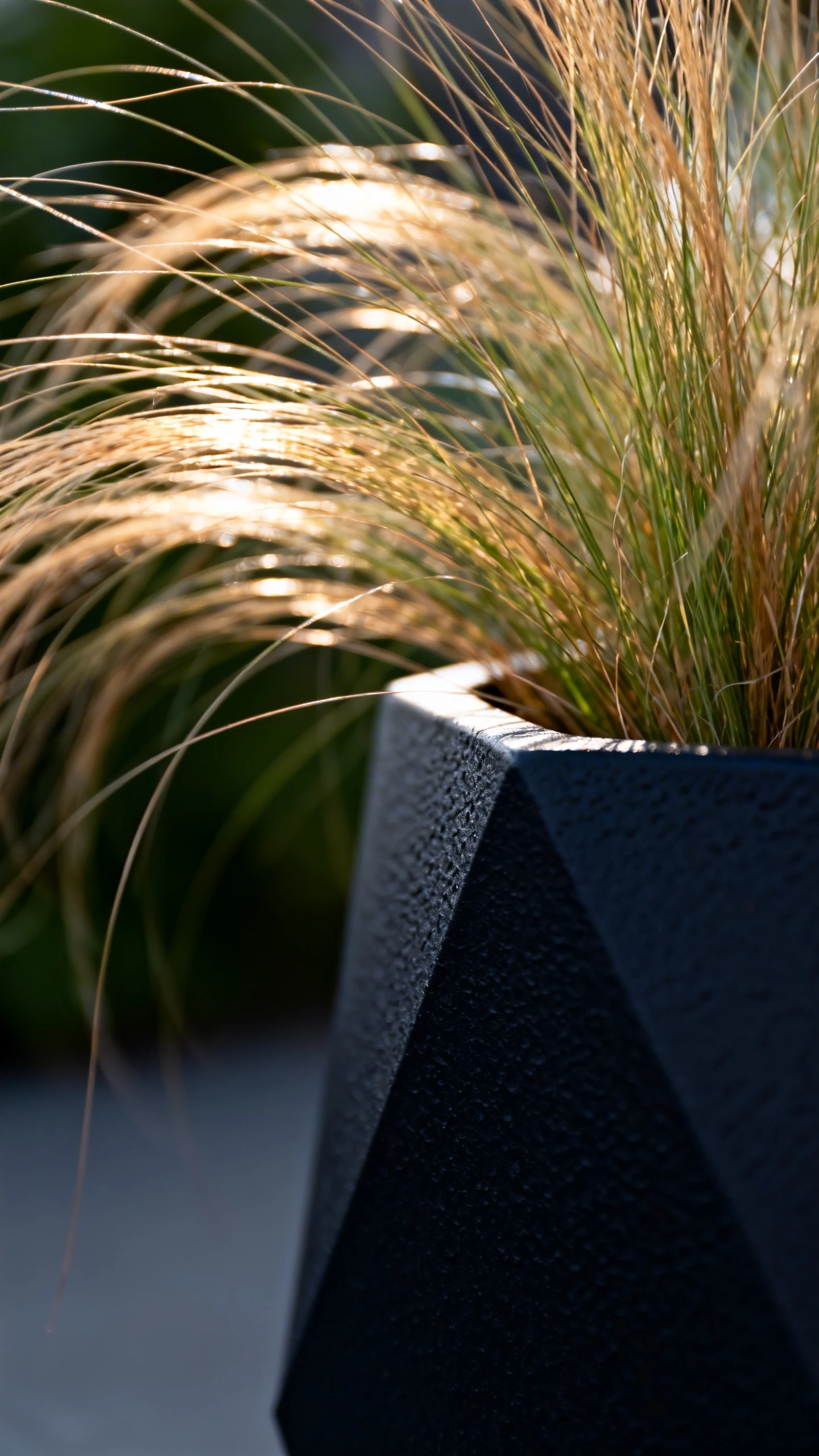
People hear “modern” and imagine a cold concrete box with exactly one sad succulent. Nope. Modern roof gardens can feel warm, layered, and cozy, as long as you keep the lines clean and the choices intentional.
Think of modern style as “edited.” You pick fewer materials, fewer colors, and stronger shapes, then you repeat them like you meant it. Your roof should look like it has a plan, not like a garden center exploded.
Pick a simple palette and repeat it
A modern rooftop usually looks best with two to three core materials max. For example: wood decking, matte black metal planters, and pale stone pavers. Repeat the same finishes across the space and you’ll instantly get that designer look.
For color, stick with greens plus one accent color. You can do white flowers, purple foliage, or warm terracotta tones, but don’t run a full rainbow up there unless you truly want chaos.
Use structure to make plants feel intentional
Modern gardens love strong geometry. Rectangular planters, clean borders, and clear “rooms” make even wild plants look polished. You can still go lush, you just keep the outline crisp.
IMO, the best modern rooftops feel like a lounge first and a garden second. The plants support the hangout, not the other way around.
Layout like a pro: create outdoor “rooms” on the roof
Rooftops often feel exposed, and that makes them weirdly hard to relax in. You fix that with zones. Give yourself a dining area, a lounging spot, and a plant-heavy corner that feels like a mini park.
You don’t need walls to make rooms. You just need edges, pathways, and a little visual separation so your brain stops screaming, “I’m sitting on top of a building!”
Zone ideas that actually work
Try a seating zone with a rug-like deck tile pattern, a dining zone near the door, and a green zone along the perimeter. Let the perimeter plants double as privacy and wind buffering.
Then add a clear path through the space. You’ll move around more, the roof will feel bigger, and your guests won’t awkwardly shuffle through planters like they’re in a hedge maze.
- Perimeter planters for privacy and wind control
- Central seating for conversation flow
- Side path so you don’t trample everything
- One focal point like a fire bowl or sculptural tree
Planting in the sky: choose tough plants that still look stylish
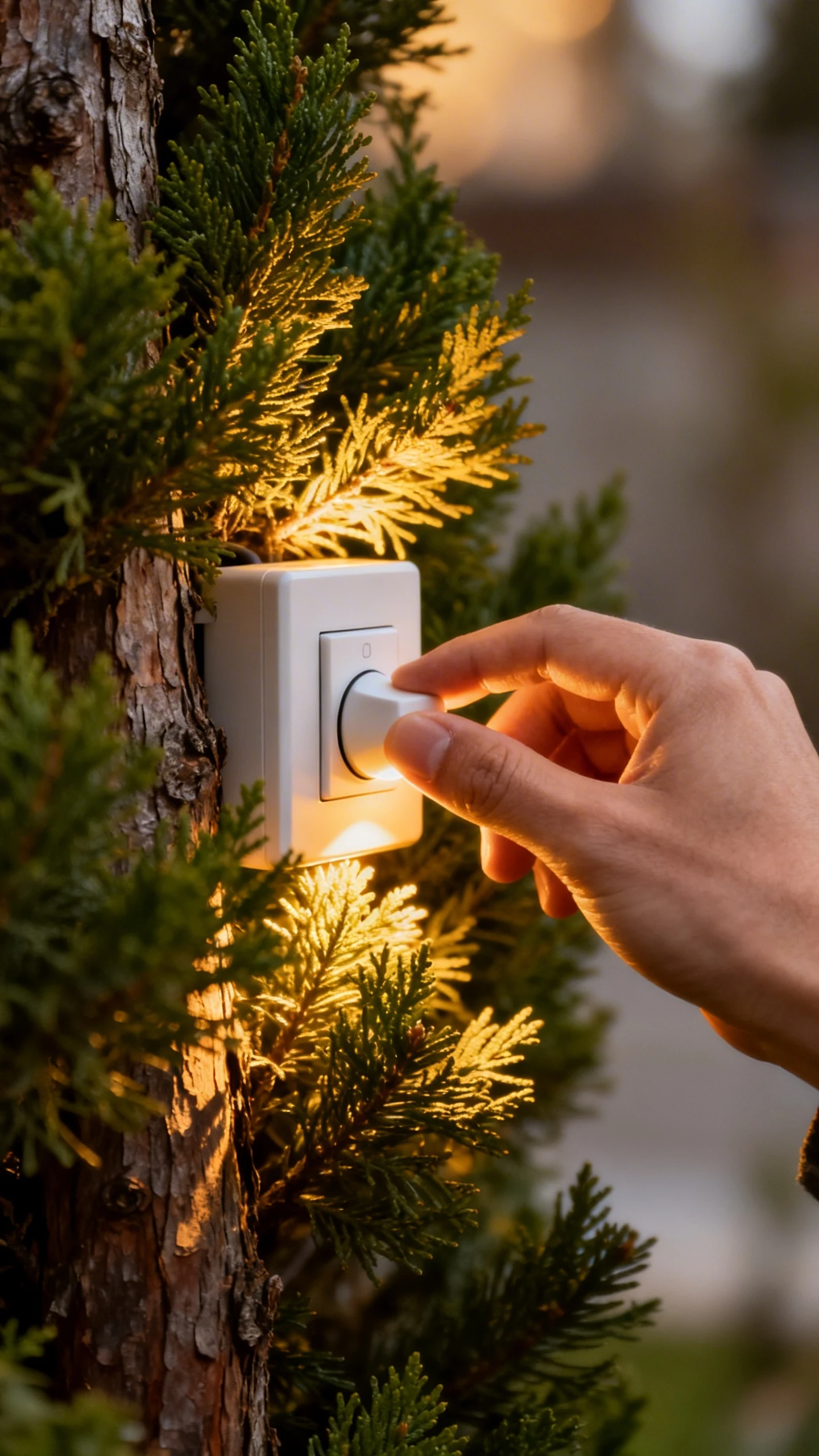
Rooftops run hotter, drier, and windier than ground-level gardens. So if you pick delicate, thirsty plants, you’ll spend your summer watering like it’s your second job. Fun for exactly nobody.
Modern roof garden planting works best when you mix architectural plants with softer fillers. You want shape, texture, and movement, but you also want plants that don’t collapse emotionally the moment it gets breezy.
Go for “architectural” plants for that modern look
Grasses and spiky silhouettes scream modern in the best way. Ornamental grasses sway nicely in the wind, and they add that airy, designer vibe without demanding constant attention.
Also, consider upright shrubs or small trees in large containers. They anchor the whole design and make the roof feel grounded.
- Ornamental grasses for texture and motion
- Evergreen shrubs for year-round structure
- Herbs for useful greenery and good smells
- Drought-tolerant perennials to reduce watering
Container strategy: bigger beats prettier
Bigger planters keep roots cooler and hold moisture longer. Small cute pots look great for about ten minutes, then the plants dry out and you start negotiating with them like, “Please don’t die, I just bought you.”
Choose containers with clean lines, and group them in clusters of matching styles. That repetition looks modern and makes maintenance simpler.
Materials and details that make it feel “designed”
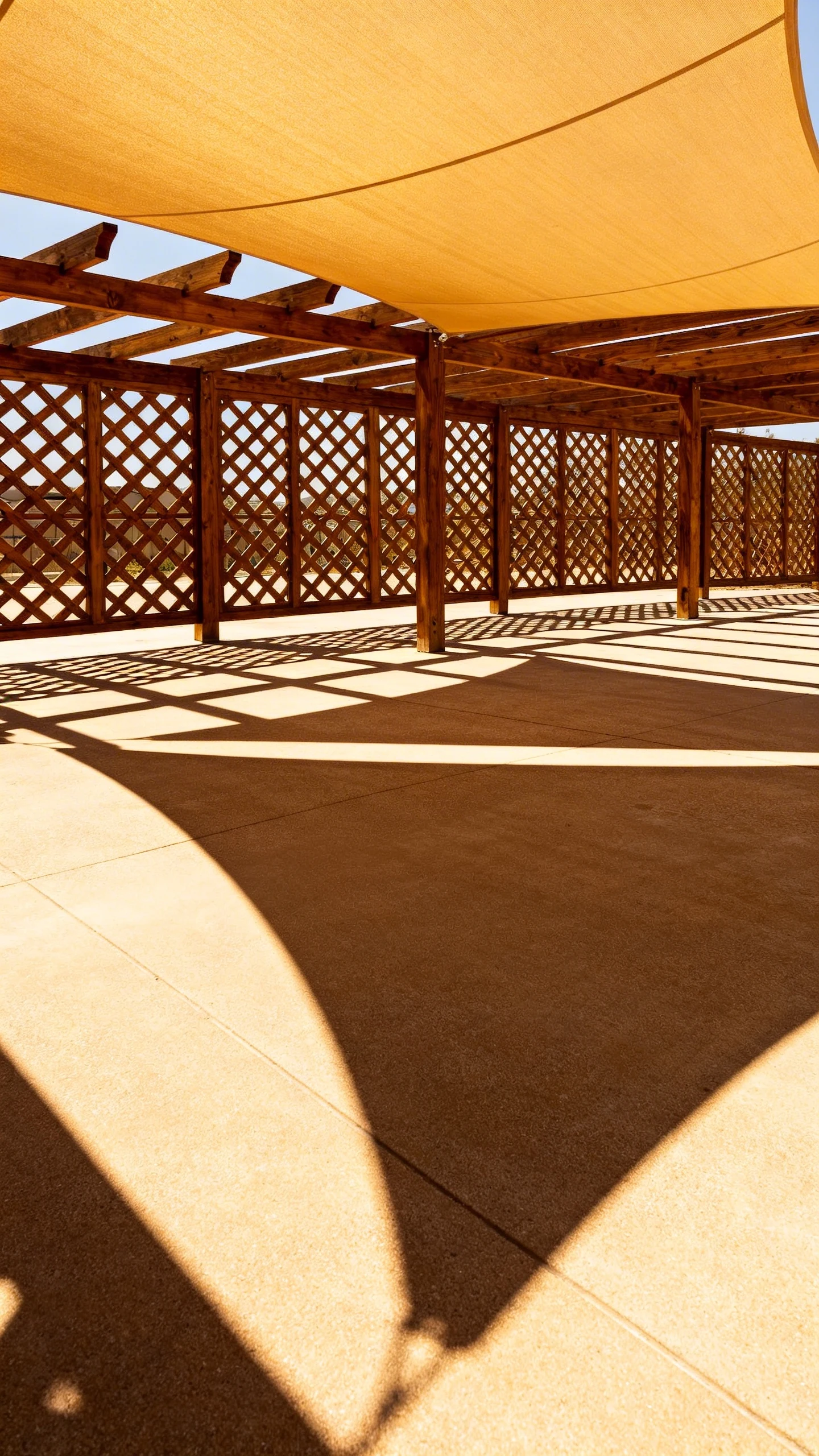
The magic of modern rooftop gardens lives in the details. The right surfaces and lighting can make a basic roof feel like a boutique hotel terrace. The wrong ones can make it feel like an unfinished construction project you accidentally decorated.
Keep your materials durable, low-fuss, and visually calm. Rooftops expose everything to sun and weather, so you need finishes that hold up without turning gross.
Decking, pavers, and surfaces
Composite decking works great if you want a clean look with low maintenance. Porcelain pavers give a sleek, modern feel and handle weather like a champ. If you love real wood, choose a species that can take the heat and seal it properly.
Also, think about foot comfort. You’ll actually use the space more if it feels good to walk on, even in bare feet.
Lighting: the easiest upgrade with the biggest payoff
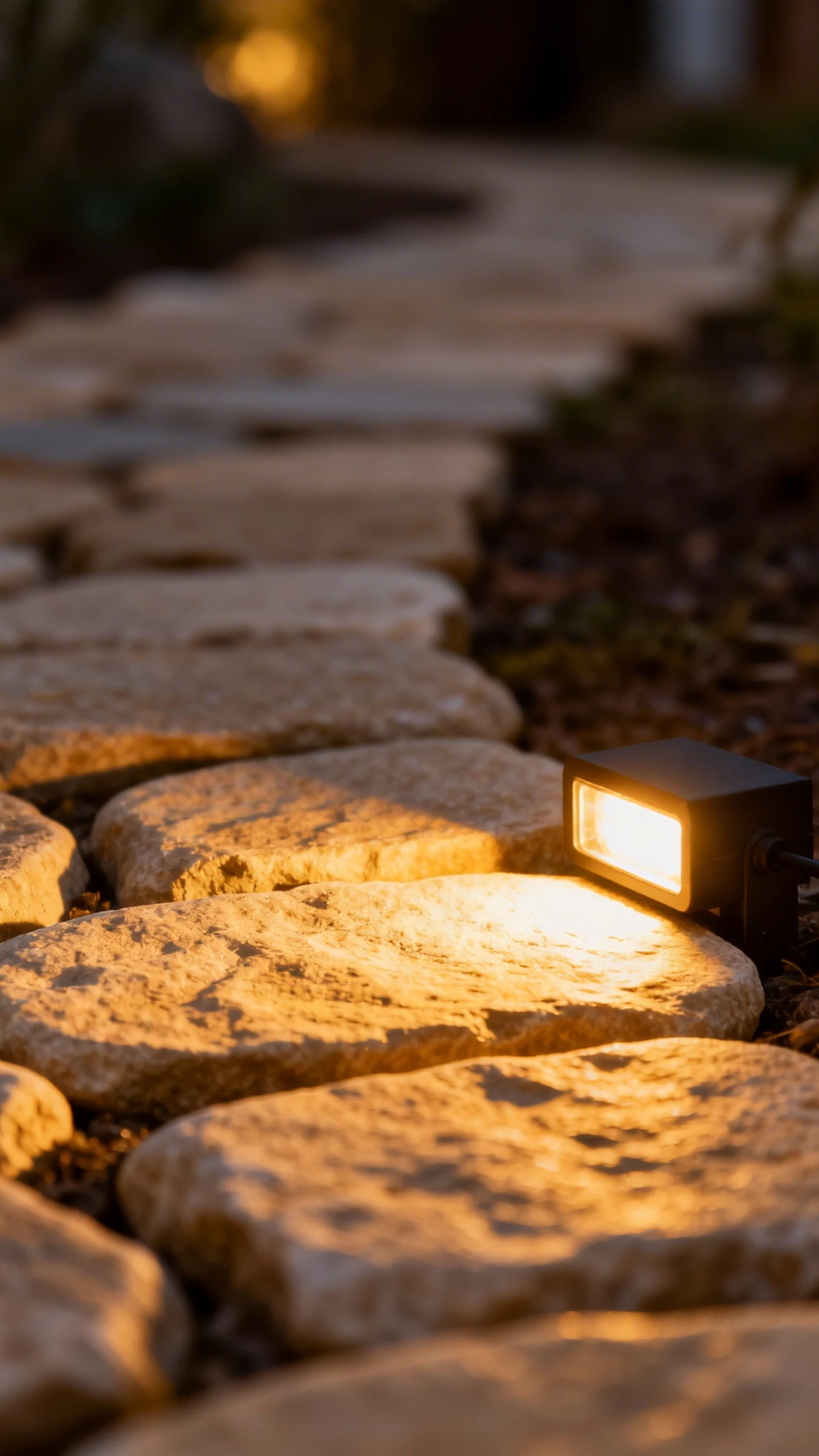
Modern rooftops come alive at night. Use warm, layered lighting: path lights, subtle planter uplights, and one statement fixture over a dining table. Skip the stadium-bright floodlights unless you want your neighbors to file complaints.
Try low-glare lighting that guides people around and highlights plants. You’ll get mood, safety, and that “wow” factor without trying too hard.
- Warm LEDs for a relaxed vibe
- Uplights to show off plants
- Step or path lights to prevent trips
- Dimmer controls for instant ambiance
Comfort features: shade, privacy, and the “stay longer” factor
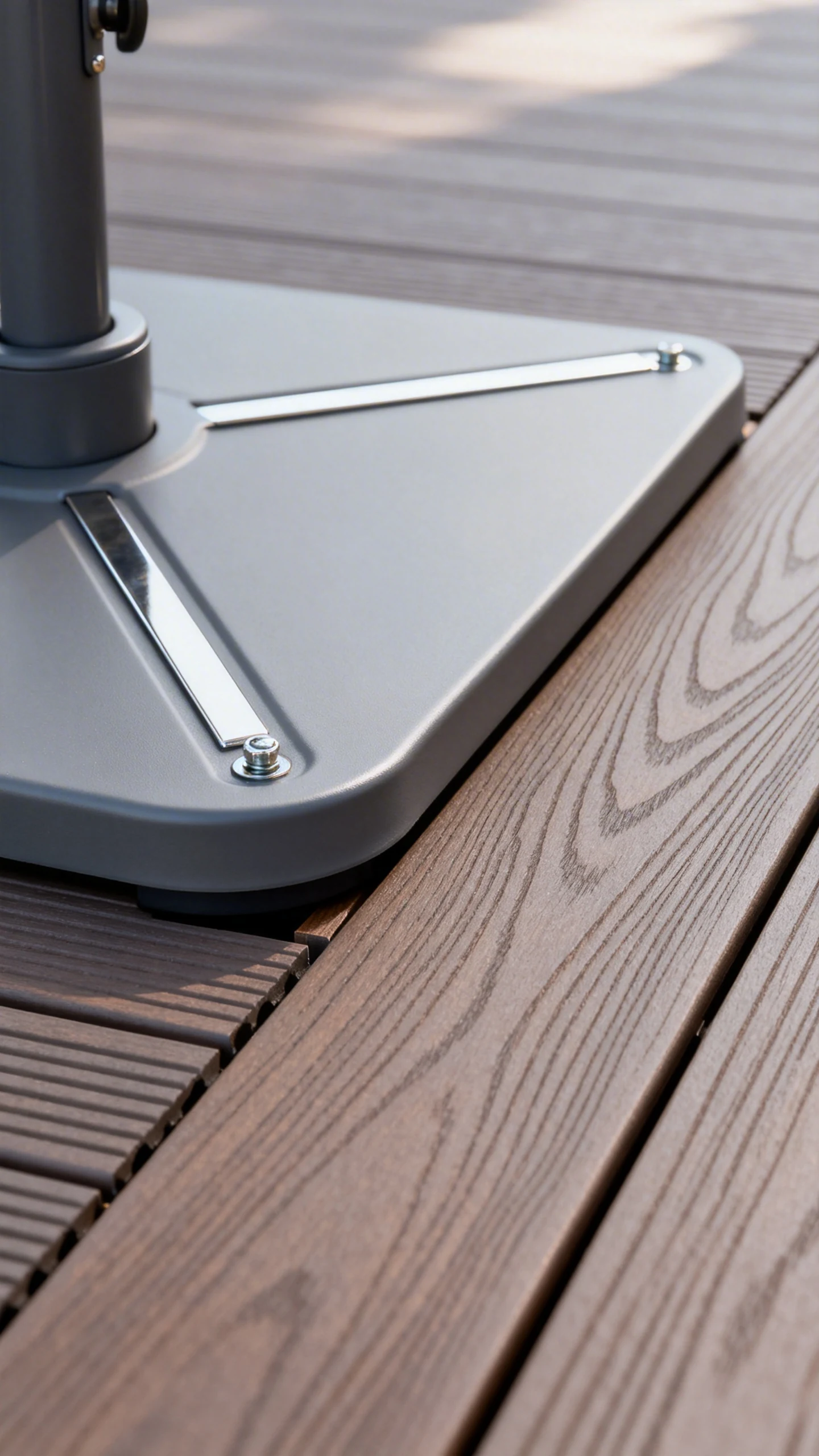
A rooftop garden looks great, sure. But you’ll only love it if you can actually hang out there without melting, getting blasted by wind, or feeling like you’re on display. Comfort turns a pretty roof into your favorite spot.
Modern design handles comfort with clean solutions that blend in. You don’t need bulky stuff everywhere. You need the right pieces in the right places.
Shade that doesn’t ruin the look
Consider a pergola with a simple frame, a cantilever umbrella, or a shade sail with crisp lines. Place shade over seating, not over plants that crave sun. That simple choice makes the whole roof feel intentional.
If your roof gets brutal afternoon sun, treat shade like a core feature, not an accessory.
Privacy without building a fortress
Use tall planters, trellises, and layered greenery to block sightlines. You can also add slatted screens in wood or metal for a modern look. If you want the “green wall” vibe, use climbing plants on a trellis and let them do the work.
Just don’t block all airflow. You want privacy, not a wind tunnel’s evil twin.
FAQ
How expensive does a modern roof garden get?
It ranges wildly. Simple container gardens with a clean layout can stay reasonable, while custom decking, built-in planters, irrigation, and lighting can climb fast. Budget most for the behind-the-scenes essentials like waterproofing and structure, because fixing mistakes costs more than doing it right.
Do I need an irrigation system?
You don’t need one, but you’ll probably want one. Rooftops dry out quickly, and containers demand consistent watering. A drip irrigation setup keeps plants healthier and saves you from becoming a full-time watering intern.
What plants survive the windy rooftop life?
Choose tough, flexible plants that handle sun and drying winds. Ornamental grasses, hardy shrubs, and drought-tolerant perennials usually do well. Skip fragile, floppy plants unless you enjoy replacing them and pretending it was “always the plan.”
How do I keep the roof garden looking modern, not messy?
Limit your materials and repeat them. Choose a tight plant palette, group containers in consistent styles, and keep clear pathways. Trim regularly, and treat maintenance like quick edits, not big dramatic overhauls.
Can I do this on a small rooftop?
Absolutely. Small rooftops often look better with modern design because clean lines make the space feel larger. Focus on one great seating zone, perimeter greenery for privacy, and vertical elements like trellises to add depth without eating floor space.
Conclusion
Modern roof garden design doesn’t ask for perfection, it asks for intention. Handle the structural basics, pick a clean palette, and build a layout that makes you want to actually use the space. Then choose tough plants, add good lighting, and give yourself shade and privacy so you can hang out up there like you own the skyline.
And honestly, once you drink coffee in a rooftop garden you designed yourself, you’ll wonder why you ever wasted time staring at a naked roof.