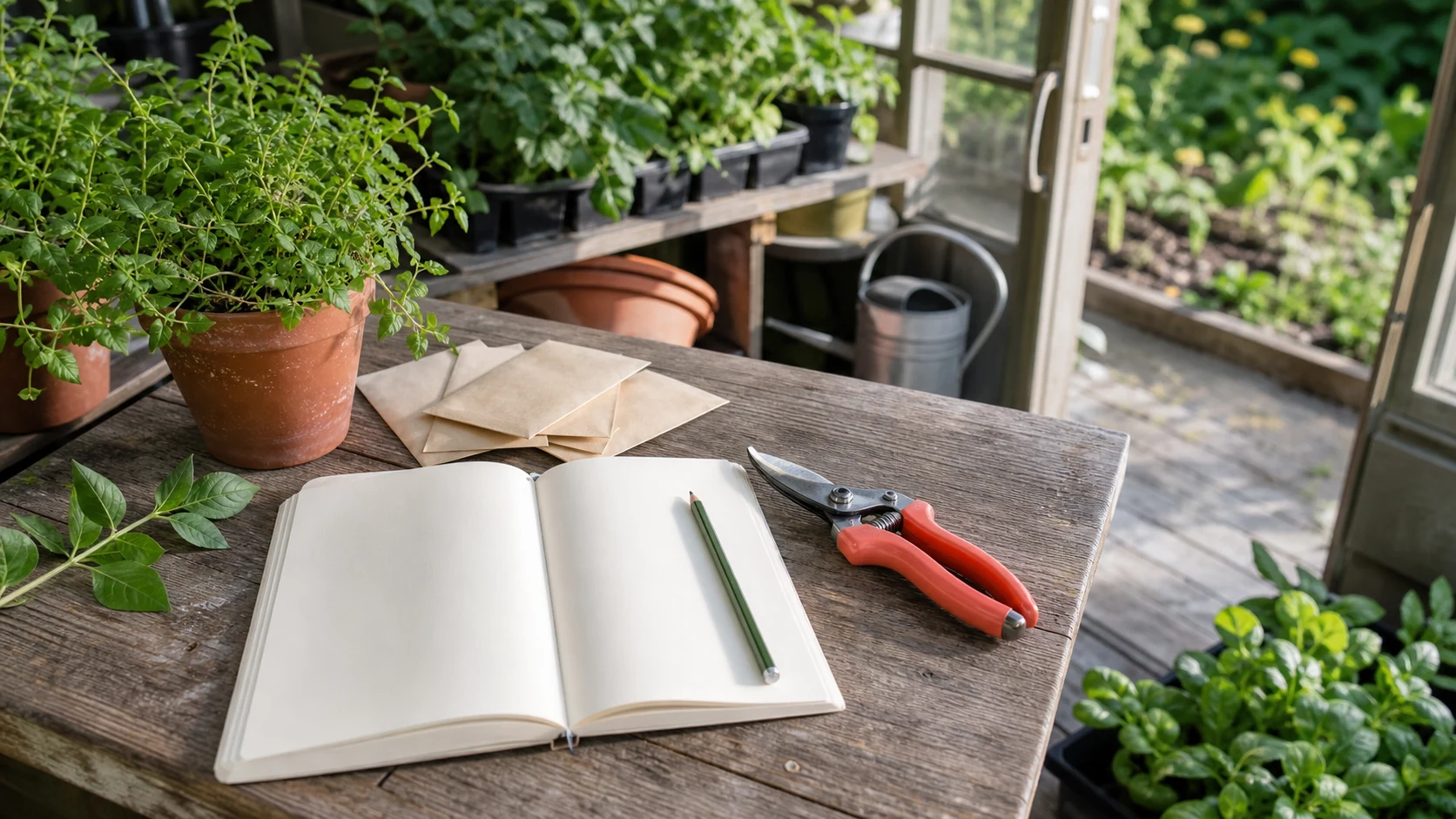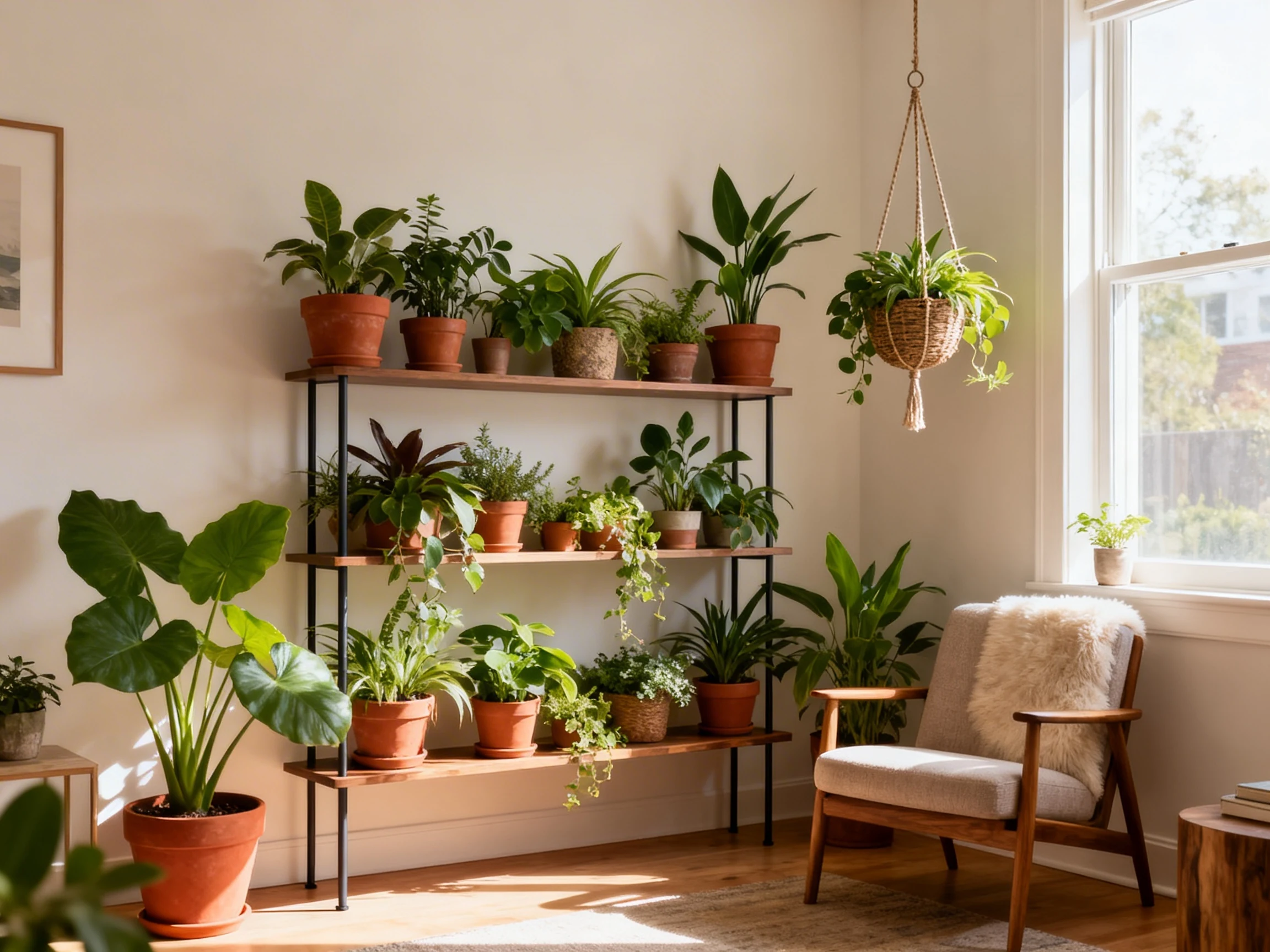
You want a home that feels alive, not like a furniture showroom where plants go to die, right? Interior garden design turns empty corners into little mood-boosting ecosystems. It also makes your space look curated, even if you still eat cereal for dinner. Let’s build you an indoor garden that actually works with your life instead of becoming another guilt project.
Start With the Vibe, Not the Plant Shopping Spree
Before you buy anything, decide what you want the room to feel like. Calm and spa-like? Lush and jungle-ish? Clean and minimal with one dramatic plant that screams “I have my life together”?
Pick a vibe, then match plant shapes and containers to it. Big-leaf plants bring drama and softness. Spiky plants add edge. Trailing plants make everything look intentional, like you planned this weeks ago.
Also, choose your “plant personality level.” Do you want low-effort greenery that survives your occasional neglect, or do you want a hobby that involves misting schedules and emotional attachment? No shame either way, but be honest with yourself.
Design Rule: Repeat and Relax
Interior garden design looks best when you repeat a few elements instead of collecting random pots like souvenirs. Repeat colors, materials, or plant types across the room. Your brain reads that as “cohesive” and gives you an instant style upgrade.
Then relax the layout so it doesn’t feel like a plant army lined up for inspection. Cluster, stagger heights, and let a few leaves overlap. Nature never lines things up, and nature looks pretty good at design, IMO.
Light: The Dealbreaker You Can’t Ignore
Light decides everything. You can buy the prettiest plant on earth, but it will sulk and drop leaves if you stick it in a dark hallway and hope for the best. So let’s talk real light, not wishful thinking.
Walk your space at different times of day. Notice where sun hits directly and where it never shows up. That little pattern tells you what plants you can keep happy without turning your home into a grow-lamp laboratory.
Quick Light Matching (No Botany Degree Required)
Use a simple approach. Bright, indirect light fits most classic indoor plants and makes you feel like a plant whisperer. Direct sun works for sun lovers, but it can scorch delicate leaves if you push it.
- Low light: Choose tough, forgiving plants and keep expectations realistic.
- Medium light: Go for versatile options that grow steadily without drama.
- Bright light: Bring in bigger statement plants and faster growers.
- Direct sun: Use it like a spotlight for sun-hungry plants and herbs.
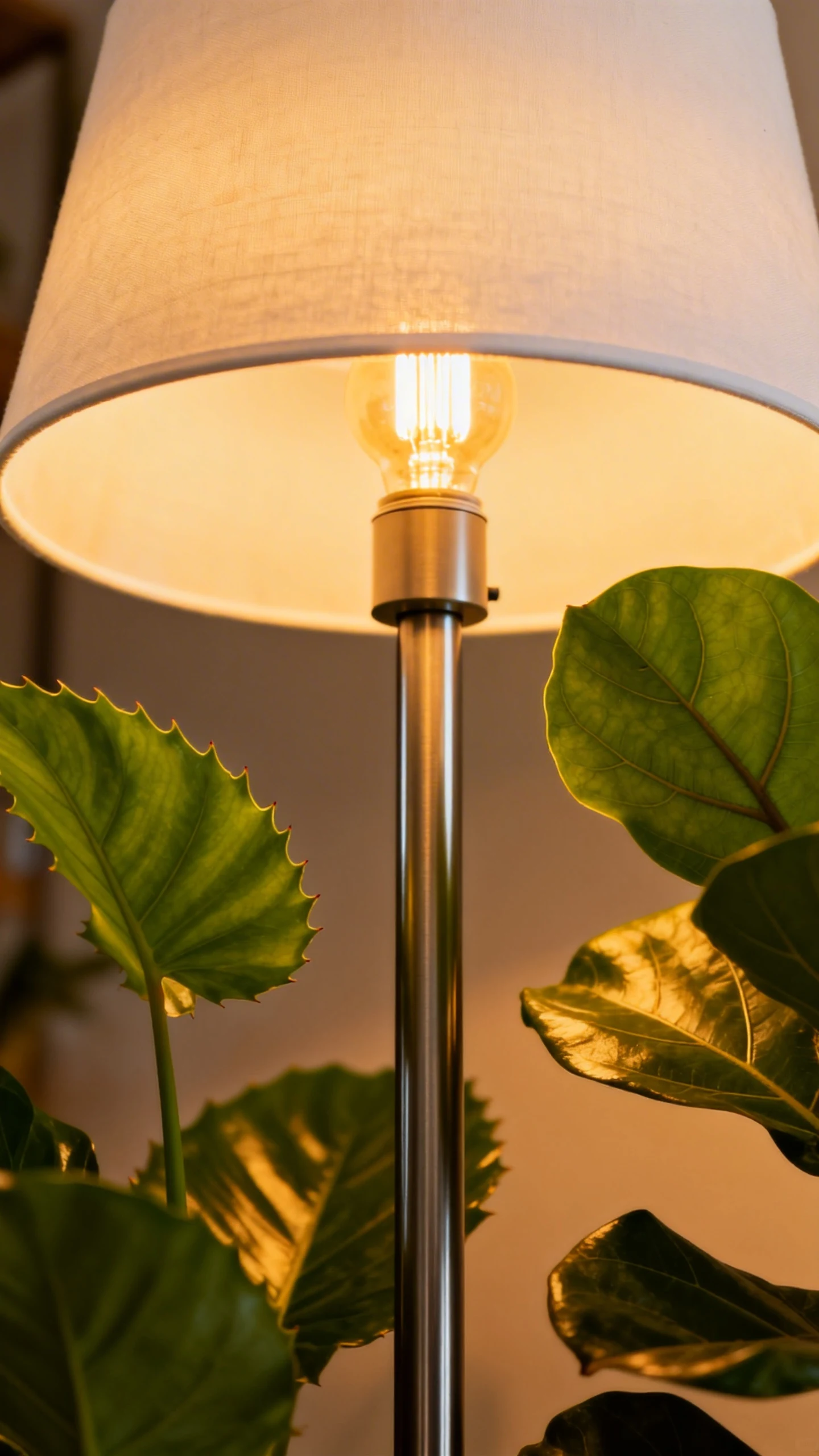
If your place runs dim, you can still win. Add a grow light with a warm bulb and tuck it into a stylish floor lamp. Your plants thrive, and your guests think you did it for ambiance. Sneaky and effective.
Layout Tricks That Make Indoor Gardens Look “Designed”
Interior garden design isn’t just “put plants on windowsills.” You can shape how the room feels by treating plants like furniture. They fill gaps, soften hard lines, and pull attention away from that one weird wall you never figured out.
Start with anchors. Place one larger plant near a sofa, a reading chair, or a console table. Then build smaller layers around it. You create a scene, not a scatter plot.
Use Height Like a Pro
Height changes everything. If all your plants sit at the same level, the display looks flat and a little sad. Mix floor plants, tabletop plants, and elevated plants on stands or shelves.
- Floor level: Tall plants frame furniture and corners.
- Mid level: Plant stands and stools add structure.
- Eye level: Shelves and wall planters bring life into your sightline.
- Ceiling level: Hanging plants add movement and soften ceilings.
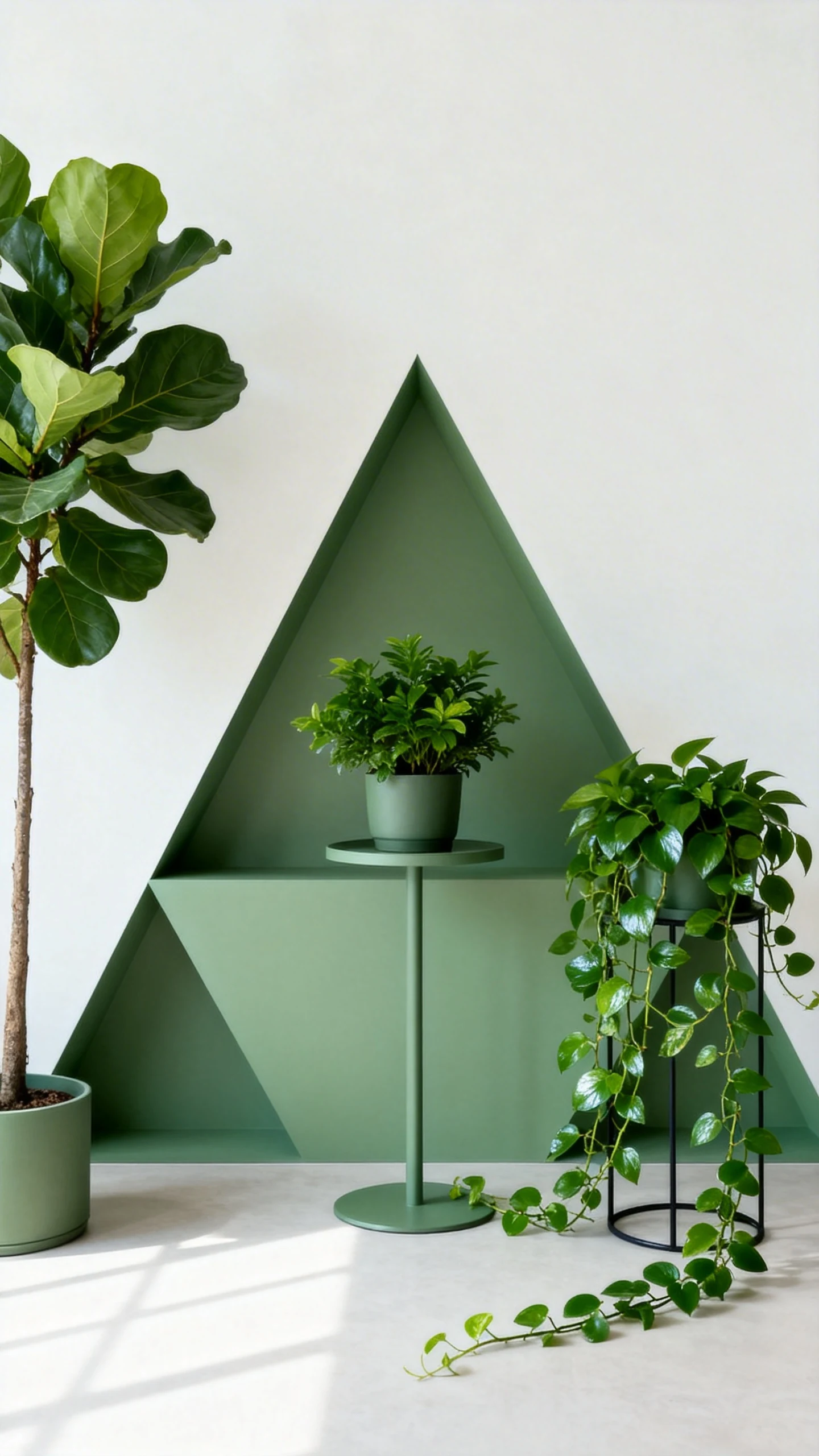
Try a “triangle” arrangement: one tall, one medium, one trailing. Your brain loves this shape. It feels balanced without looking staged.
Make a Plant Moment (Instead of Plant Clutter)
Pick one spot to go big. A plant corner. A kitchen herb shelf. A bathroom jungle ledge. You don’t need greenery everywhere to get the effect.
When you focus the drama, the room feels intentional. Plus, you keep plant care simpler because you water and prune in zones instead of hunting down pots like a scavenger.
Pick Plants That Match Your Life, Not Your Fantasy Self
People choose plants like they choose gym memberships. They imagine a future version of themselves who loves maintenance. Then reality shows up with work, errands, and binge-watching.
Choose plants that fit your habits. If you travel or forget things, pick drought-tolerant options. If you love routines, go ahead and adopt the thirstier divas.
Also, consider pets and kids. Some plants cause trouble if chewed. You can still have a gorgeous interior garden design, but you should avoid turning your living room into a “guess what the cat ate” situation. FYI, placing plants high only works until your cat learns parkour.
My Go-To Plant “Roles” for Home Design
I like to think in roles, not species lists. Roles keep your design consistent even if you swap plants later. You create a system, not a fragile museum exhibit.
- The statement plant: Big leaves, strong shape, instant personality.
- The filler: Medium plants that thicken the look and add volume.
- The trailer: Cascading plants that soften shelves and edges.
- The sculptural accent: Spiky or upright plants that add contrast.
- The “I can’t kill this” plant: Your safety net for confidence.
Mix textures and leaf sizes for contrast. Pair glossy leaves with matte leaves. Combine round shapes with sharp ones. Your garden will look layered and rich instead of random.
Containers, Soil, and Watering: The Unsexy Stuff That Makes It Work
Pots and watering don’t sound glamorous, but they decide whether your indoor garden thrives. You can’t “aesthetic” your way out of root rot. Trust me, you don’t want to smell that surprise.
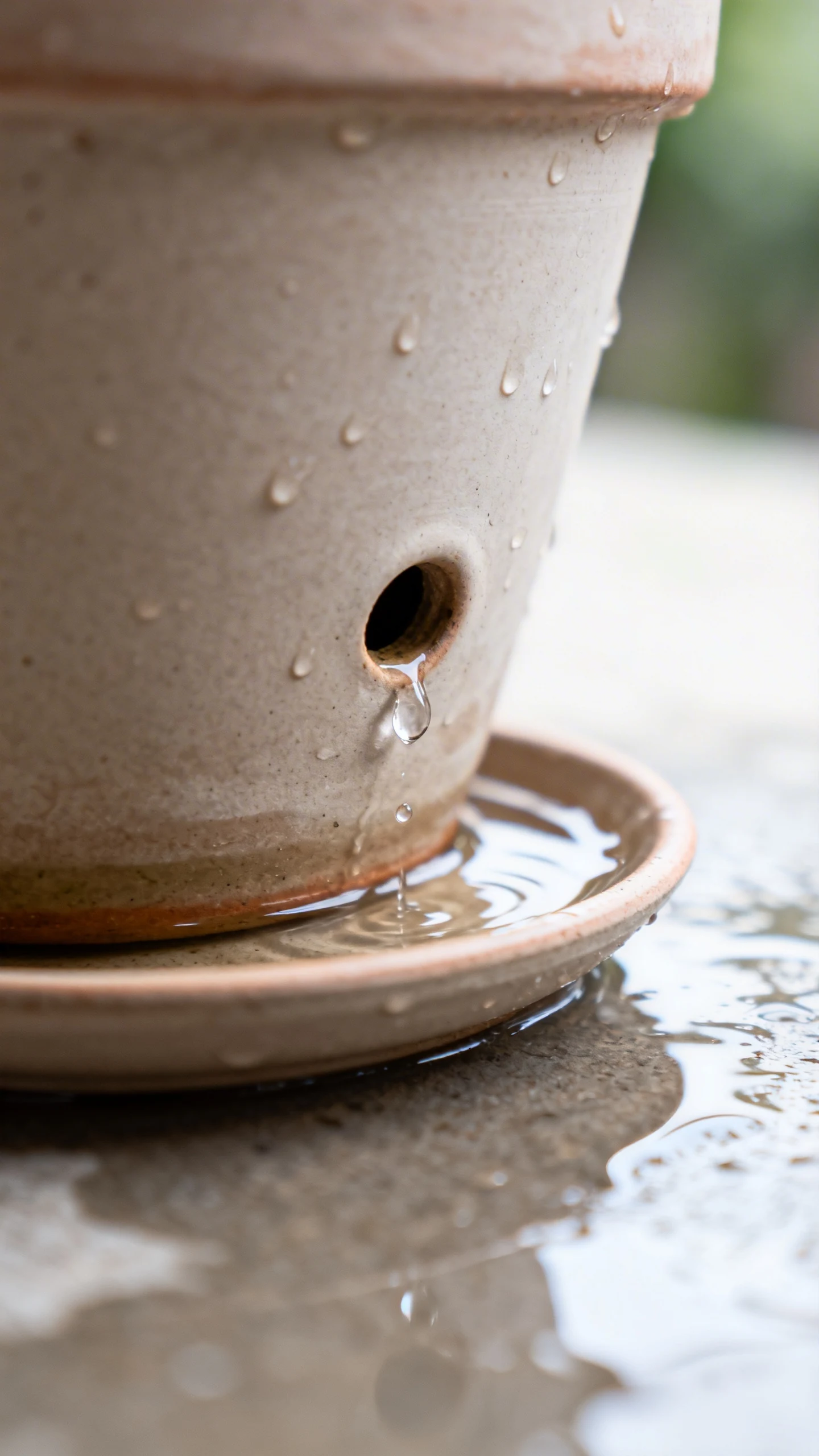
Start with drainage. Use pots with holes or add a nursery pot inside a decorative planter. That setup lets you water thoroughly and dump excess water like an adult who learns from mistakes.
Next, use decent potting mix. Skip mystery dirt from the yard. Indoor plants need airy soil that drains well and still holds some moisture.
Watering Without Overthinking It
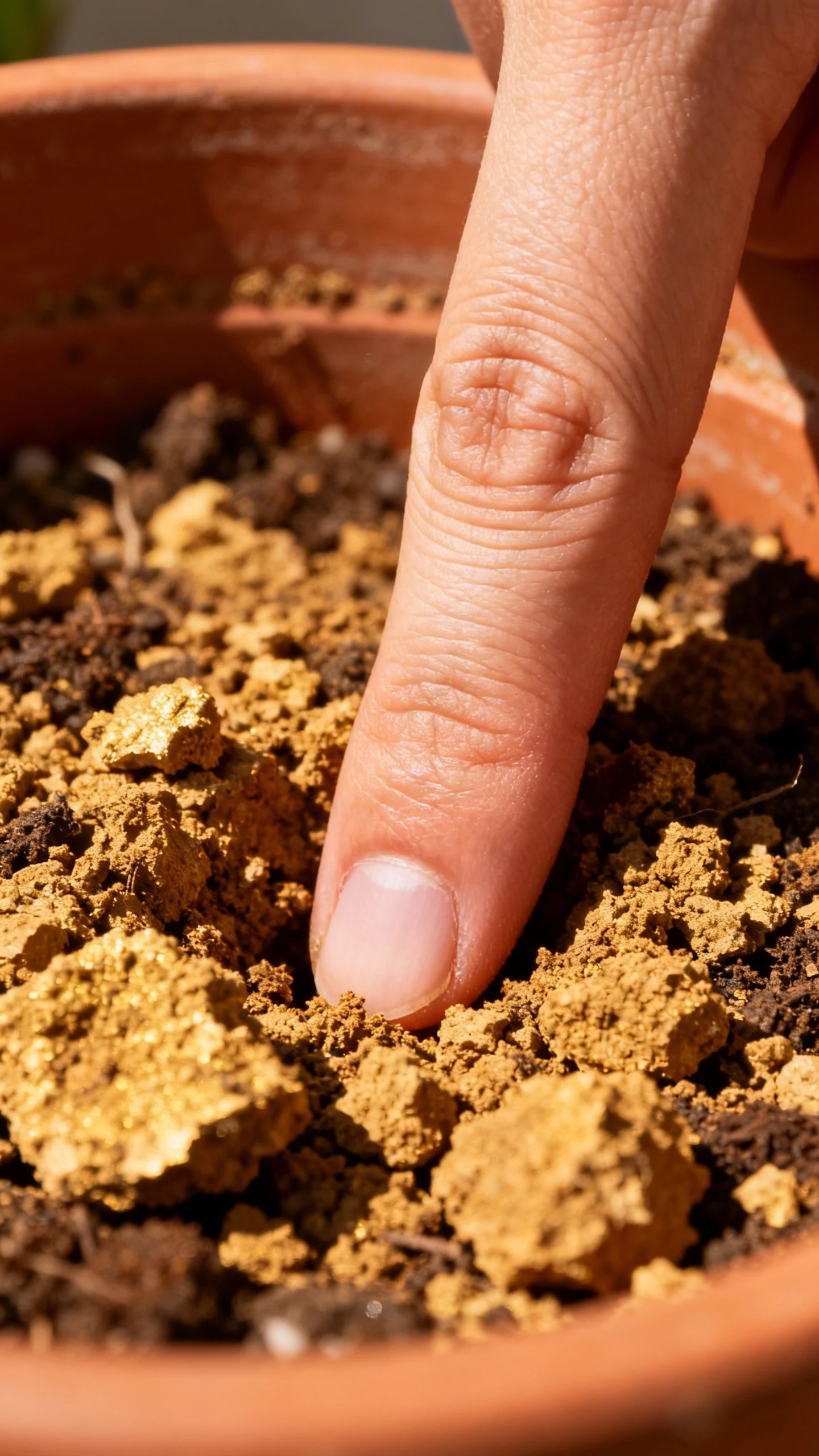
Touch the soil before you water. If the top couple of inches feel dry, water. If it still feels damp, wait. This method beats rigid schedules every time.
Water deeply until it drains, then empty the saucer. Your plant gets a proper drink, and the roots stay healthy. Keep a small watering can nearby so you don’t treat watering like a major expedition.
If you want extra consistency, set a weekly reminder to check plants, not to water them. You show up, assess, and act. That’s the secret.
Room-by-Room Ideas That Actually Make Sense
Different rooms bring different conditions. Light, humidity, and how you use the space matter. So yes, you can put plants everywhere, but you should do it with a little strategy.
Living Room: The “Main Character” Garden
The living room loves statement plants. Place a tall plant near the brightest window and let it anchor the space. Add a smaller cluster on a side table or shelf to echo that greenery.
Use plants to soften tech and sharp lines. A trailing plant near the TV stand works wonders. It distracts from cables and makes the room feel warmer.
Kitchen: Edible and Practical
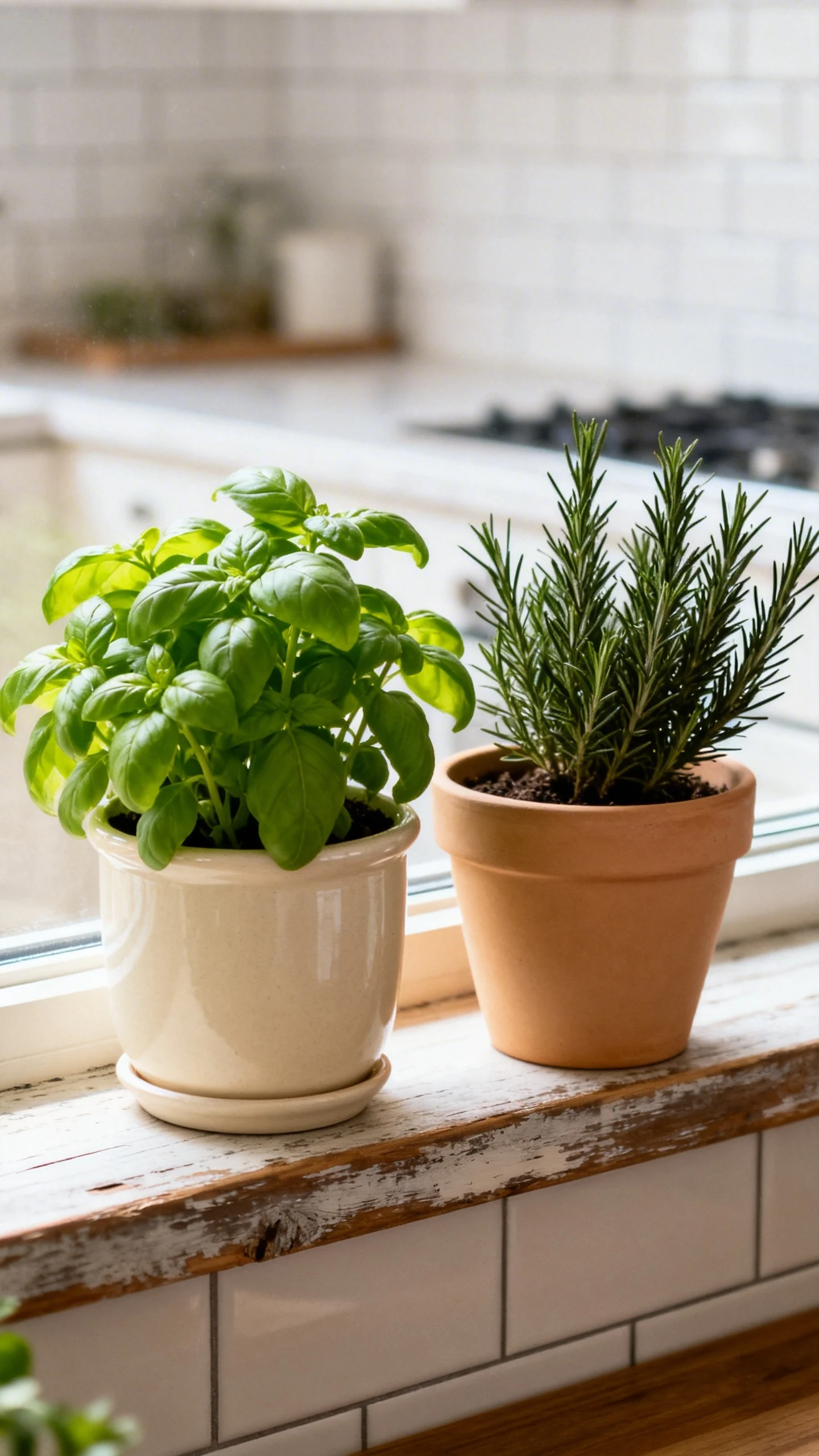
Kitchens work best with herbs and compact plants. Put herbs near a window where you can snip them while cooking. It feels fancy, and it also saves you from buying overpriced “fresh” basil that dies in three days.
Try a small shelf garden or a narrow ledge. Keep it simple so you don’t crowd your prep space. Nobody wants to chop onions next to a jungle.
Bathroom: Spa Energy on a Budget
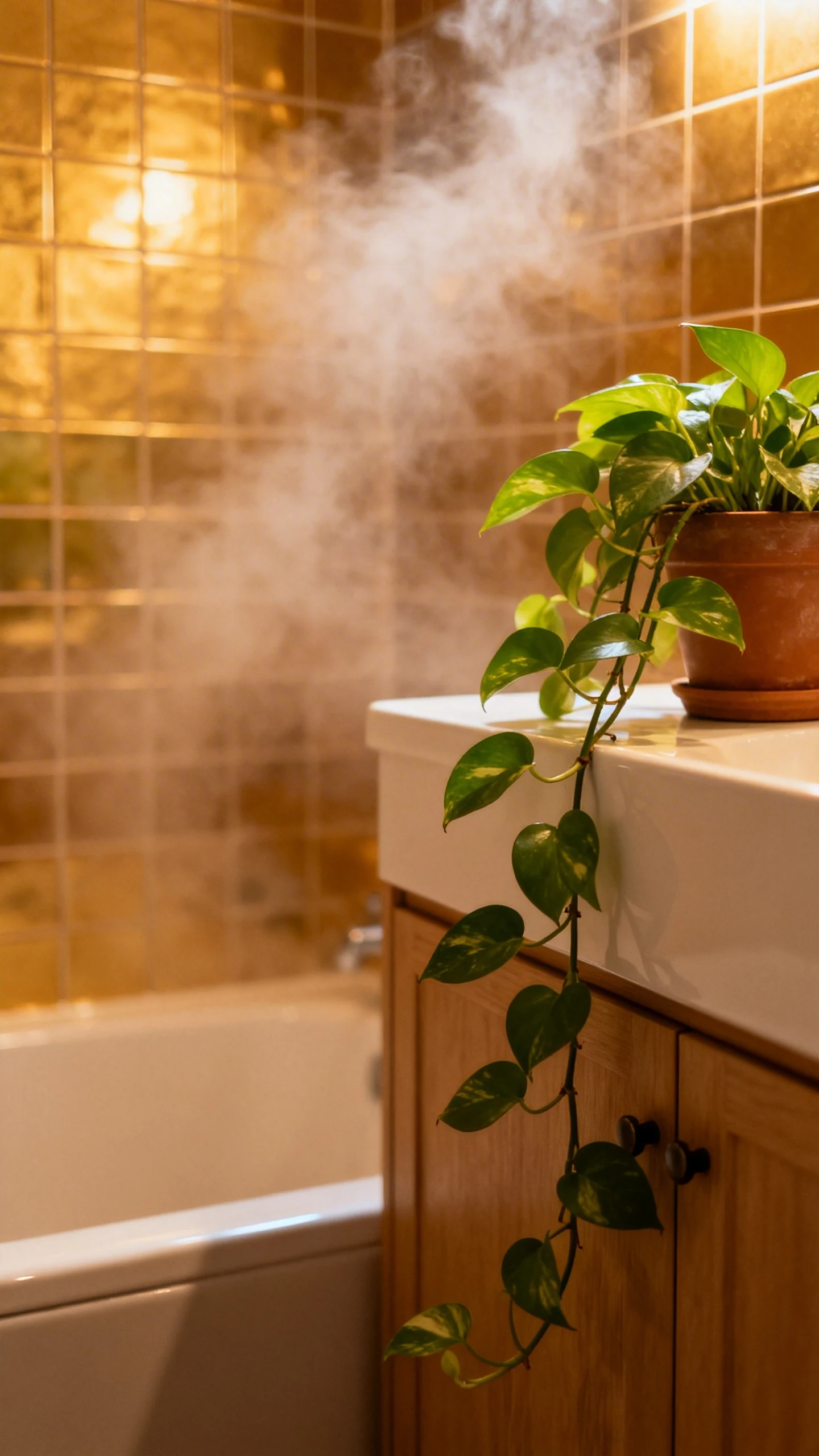
Bathrooms can feel sterile fast, so plants fix that instantly. If you have a window, lean into humidity-loving plants and let them thrive. If you don’t have a window, use a grow light or keep a tough plant that tolerates lower light.
Add one plant on a vanity and one hanging option if space allows. Your bathroom will feel like a boutique hotel, minus the tiny soap bars.
Bedroom: Calm, Not Chaos
In bedrooms, keep the look soothing. Choose a few plants with soft shapes and avoid turning the room into a greenhouse. You want restful, not “I can’t sleep because I’m thinking about spider mites.”
Place plants where you see them in the morning. That little hit of green starts your day nicely. Yes, it sounds cheesy. It also works.
FAQ
How many plants do I need for interior garden design to look intentional?
You can pull it off with as few as three plants if you vary height and shape. One tall anchor, one medium filler, and one trailing plant can create a full “designed” look. More plants help, but layout matters more than quantity.
What if my home has almost no natural light?
You still have options. Use a grow light with a warm tone and aim it at a small cluster. Choose low-light-tolerant plants and keep them closer to your brightest spot. You can also rotate plants between brighter and dimmer areas to keep them happier.
How do I stop my interior garden from looking messy?
Limit your pot styles to a small palette, like matching neutrals or the same material. Group plants in clusters instead of spreading them everywhere. Prune regularly so dead leaves don’t turn your “garden corner” into “plant crime scene.”
Do I need special soil for indoor plants?
You need a quality potting mix that drains well. Many indoor plants hate dense, soggy soil. Pick a mix designed for houseplants and adjust with extra aeration if needed. Healthy soil makes everything easier, including watering.
What’s the easiest way to water without overwatering?
Check the soil with your finger before you water. Water thoroughly only when the top layer dries out, then empty any excess water from the saucer. This simple routine prevents most problems and saves you from guessing.
How do I keep pets from messing with my plants?
Place tempting plants out of reach and use heavier pots that don’t tip easily. Offer a safe “pet grass” option to redirect chewing. If your pet persists, focus on sturdier plants and avoid anything toxic. Your home should feel green and safe, not like a daily negotiation.
Conclusion
Interior garden design at home doesn’t require perfection, rare plants, or a personality overhaul. You just need the right light, a smart layout, and plants that match your actual life. Start small, build a few strong plant moments, and let your space evolve. Your home will feel fresher, calmer, and a little more like you meant to do it all along.