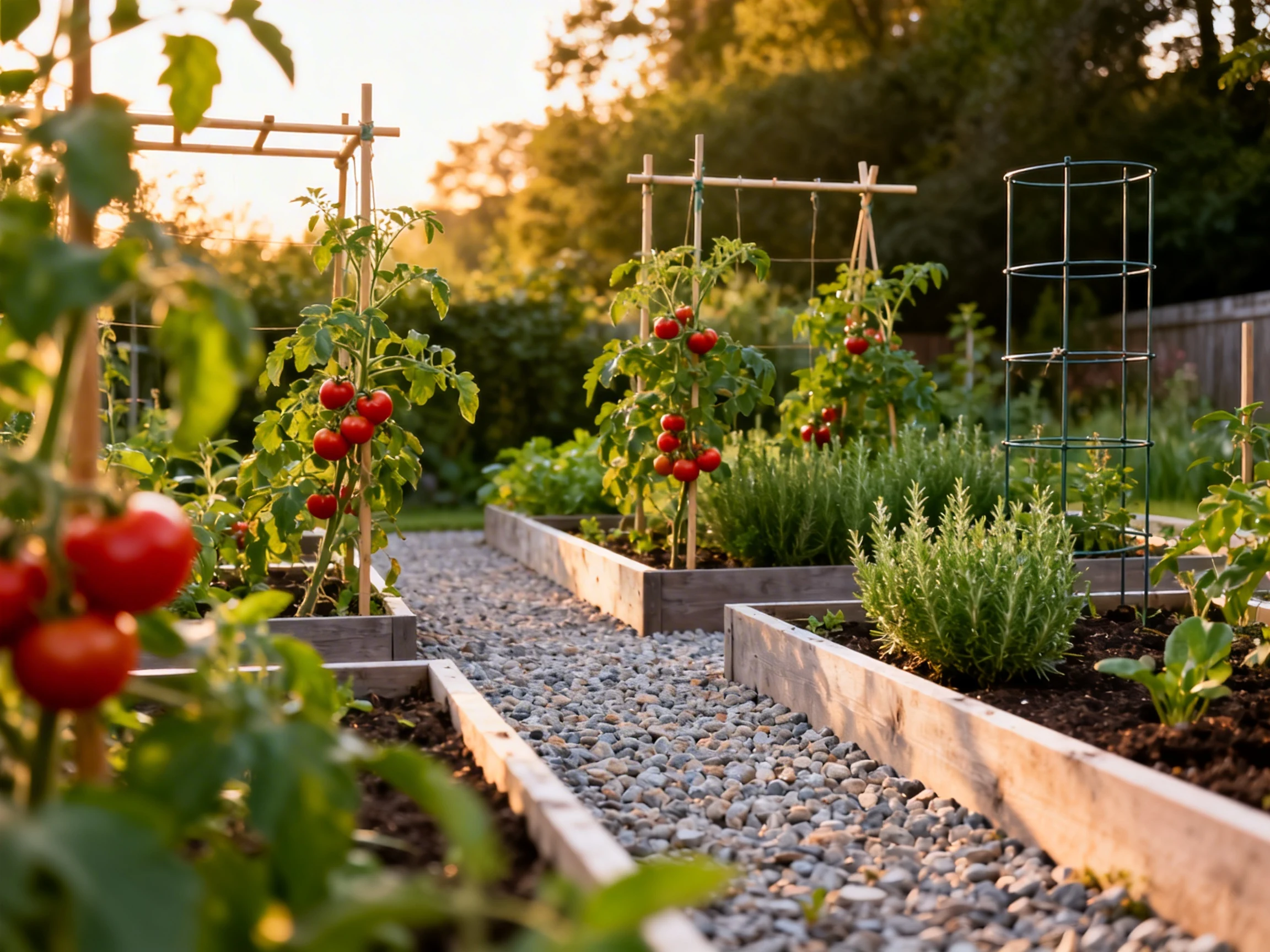
A great vegetable garden doesn’t start with a shovel. It starts with a smart layout that saves your back, helps your plants thrive, and stops your yard from turning into a chaotic jungle of tomato cages and regret. If you want more food and less fuss, the design matters way more than most people think. The good news? You do not need a huge yard or a landscape architecture degree to make it work.
Start with the space you actually have
Before you dream about baskets of perfect carrots and an herb border worthy of a cooking show, look at your real space. Not your fantasy space. Your actual yard, patio, side lot, balcony, or that sunny patch near the fence where weeds currently run the neighborhood.
Walk outside and notice how the sun moves. Most vegetables want at least six to eight hours of direct sun, and fruiting crops like tomatoes, peppers, and squash get especially cranky without it. Leafy greens tolerate a bit less, which helps if your yard has more shade than you hoped.
Also check how water behaves. Does one area stay soggy after rain while another dries out fast? That matters. Roots hate drama, and your garden design should work with the site instead of picking a fight with it.
Take five minutes to map it out
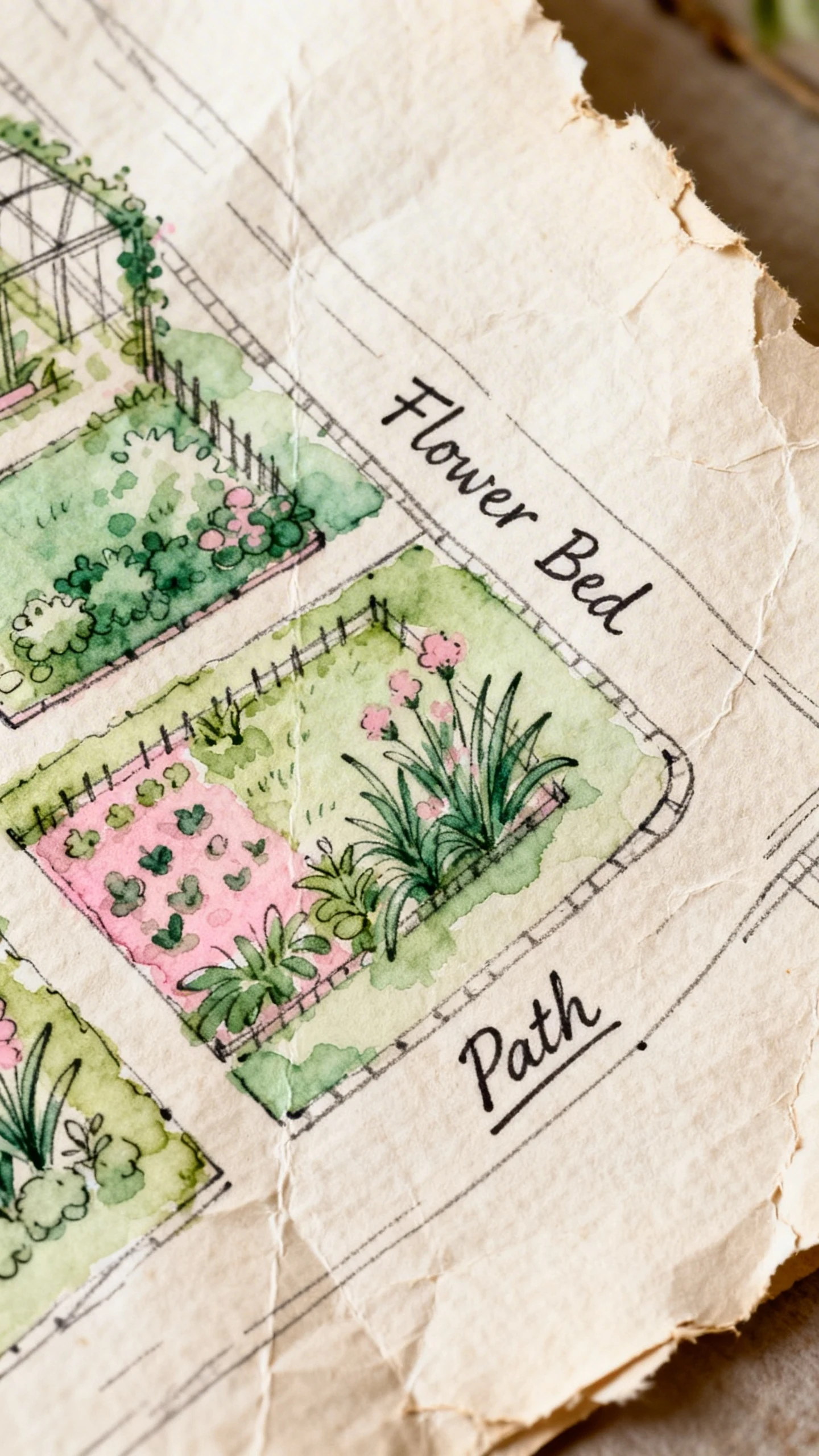
You do not need fancy software. Grab paper and sketch the space, then mark sunny spots, shady spots, paths, fences, hoses, and doors. FYI, placing your garden far from the house sounds fine until you forget to water it for three days because walking out there feels like a quest.
Think about convenience early. If you can see the garden from the kitchen window or pass it every day, you will care for it more often. That one simple choice can make the difference between a productive plot and a sad summer science experiment.
Choose a layout that matches your energy level
Garden design should fit your life, not just your Pinterest board. If you love tinkering outside every evening, you can handle a more detailed setup. If you want fresh vegetables without making gardening your entire personality, keep it simple and efficient.
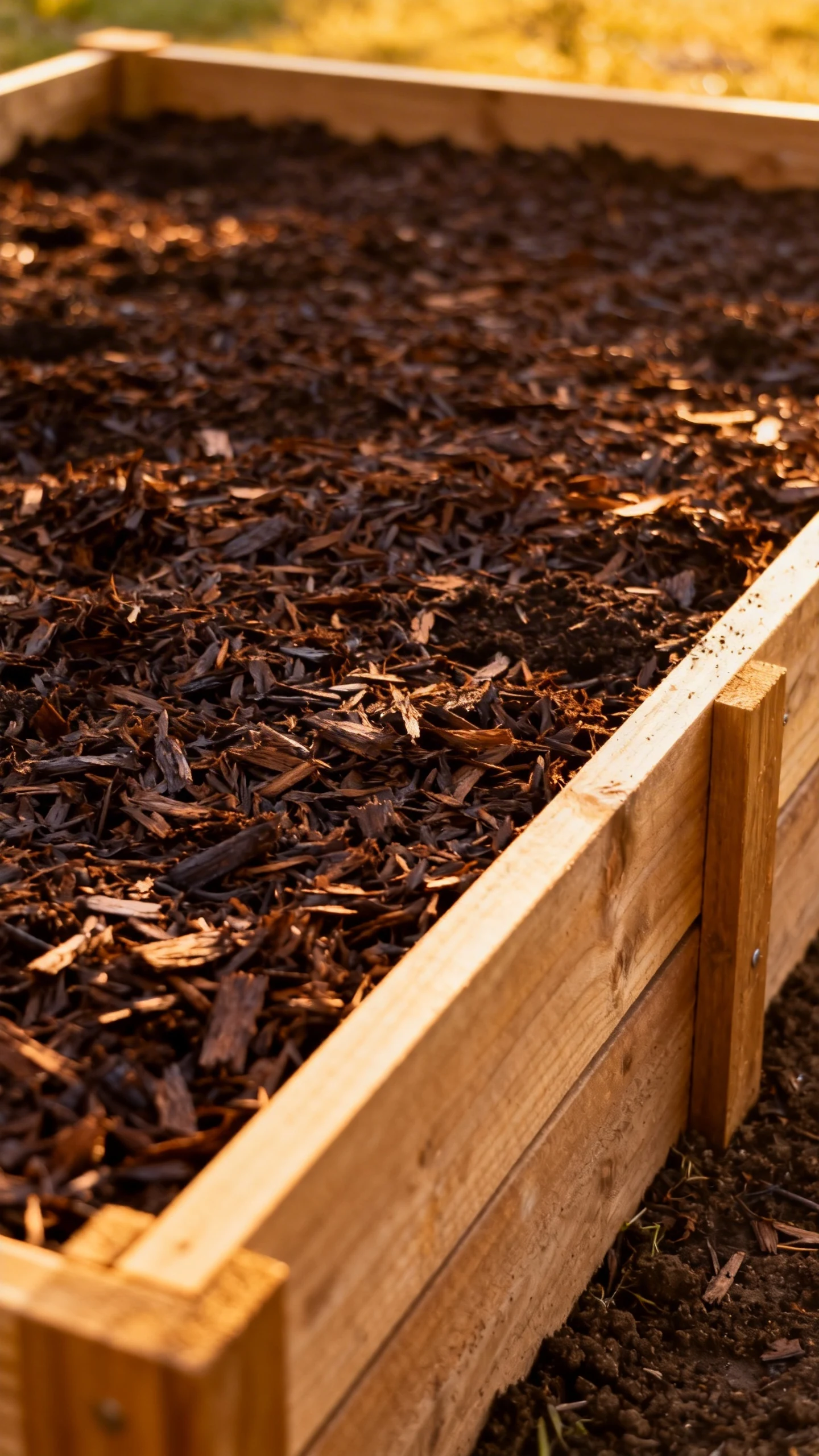
Raised beds work well for a lot of people because they create clear boundaries, improve drainage, and make weeding less annoying. In-ground rows cost less and suit larger spaces, but they can sprawl fast. Containers solve space problems and work great for herbs, lettuce, peppers, and even compact tomatoes.
IMO, the best design often mixes methods. Maybe you use two raised beds for high value crops, a few containers by the door for herbs, and one in-ground patch for sprawling squash. That setup gives you flexibility without turning your yard into a produce-themed obstacle course.
Raised beds: neat, tidy, and kind of addictive
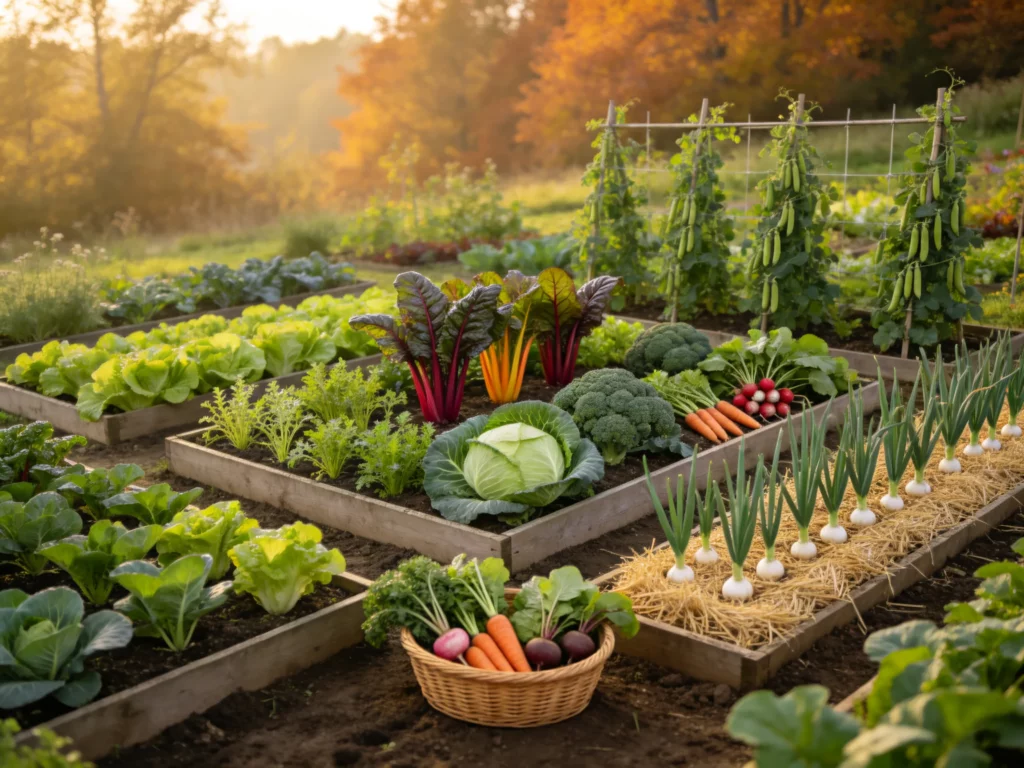
Raised beds look organized, which matters if you like a garden that feels calm instead of chaotic. They also let you control the soil more easily, and that can be a game changer if your native soil feels like brick or drains like a bathtub. Common sizes include 4 by 8 feet because you can reach the middle without stepping on the soil.
Keep the width manageable. If the bed gets too wide, you will end up leaning into it like a gymnast trying to rescue one last beet. Your back deserves better.
Rows, blocks, and little kitchen gardens
Traditional rows make sense in large spaces, especially if you grow a lot of the same crop. But for smaller home gardens, block planting often uses space better. You group plants in sections instead of long lines, which reduces wasted space and makes the garden feel fuller and easier to manage.
If you want something charming and practical, try a kitchen garden style. You place vegetables, herbs, and flowers in a tidy, attractive pattern near the house. It looks intentional, and you can snip basil while dinner cooks. Hard to argue with that.
Plan paths first, plants second
People love to plan what they will grow. Fewer people get excited about paths. Those people make gardening harder than it needs to be.
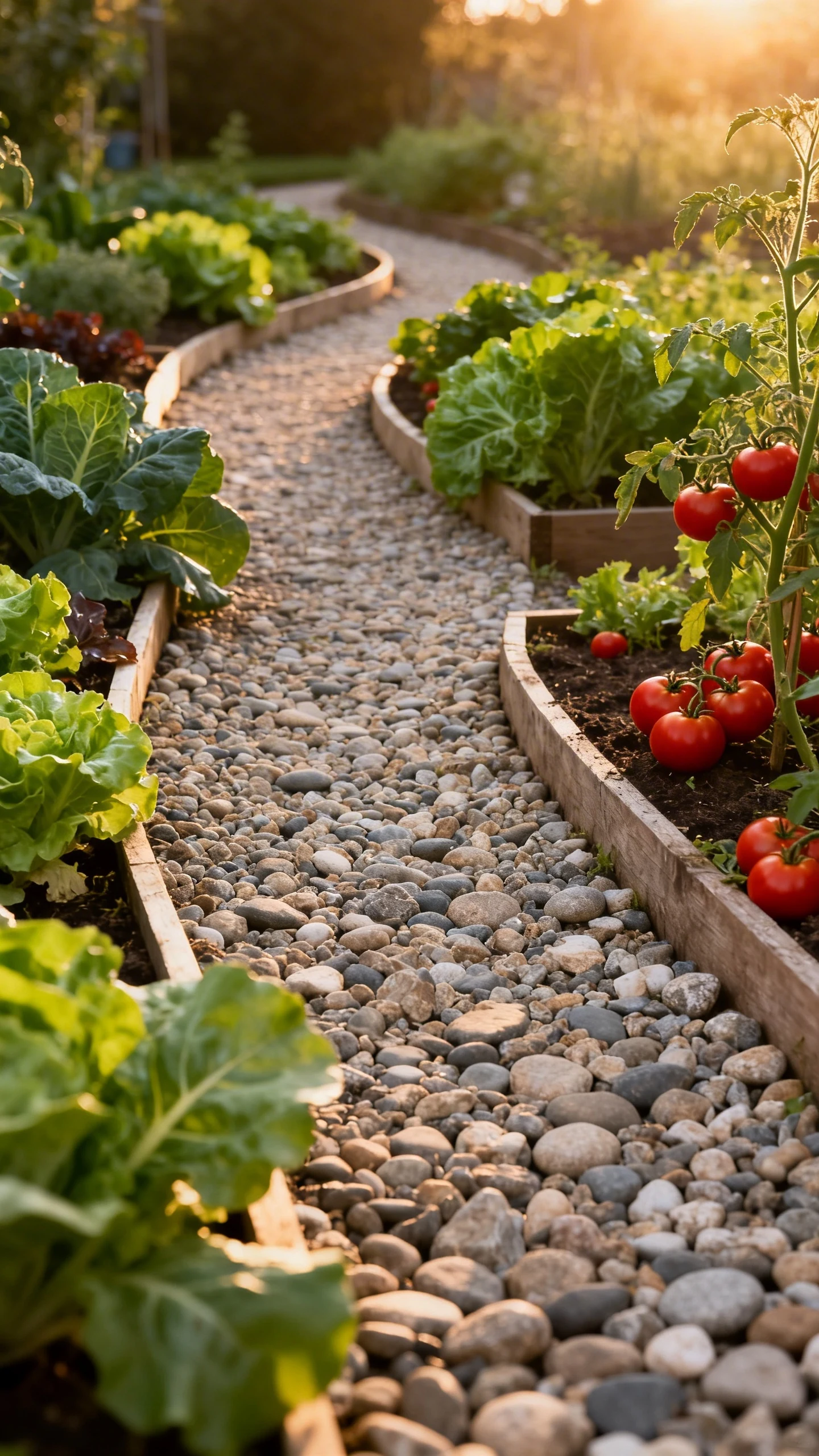
Paths matter because they protect your soil and save your knees. If you step into growing areas all the time, the soil compacts, roots struggle, and maintenance turns awkward fast. Good paths make harvesting, watering, and weeding way easier, especially in midsummer when everything looks huge and mildly threatening.
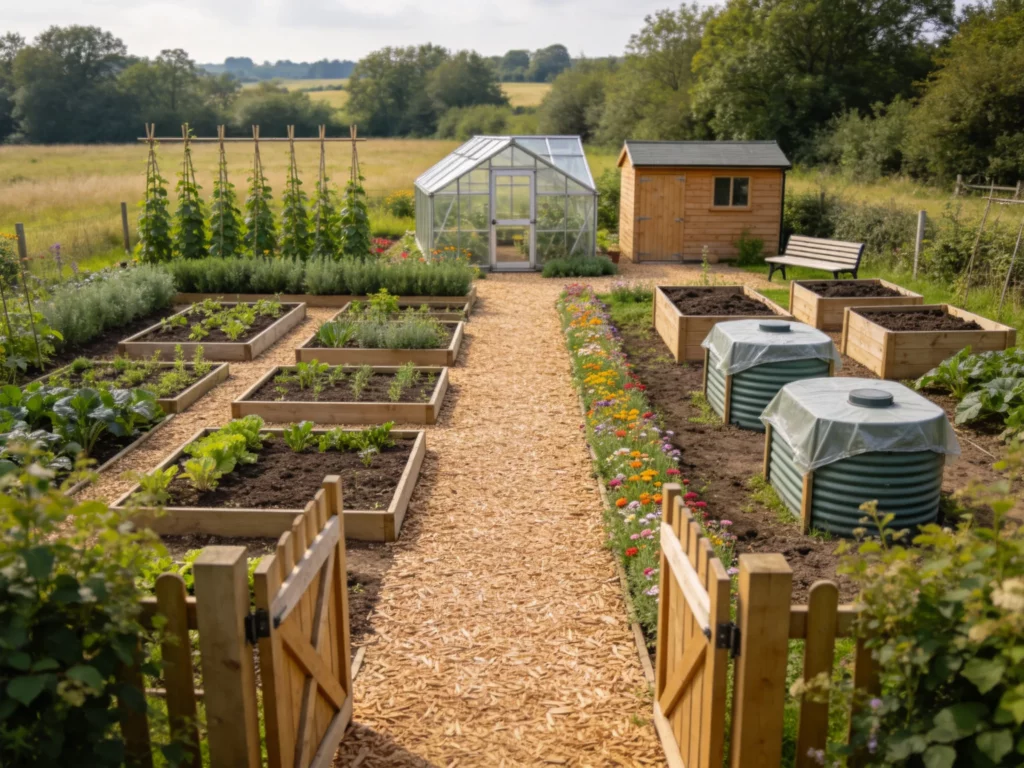
Aim for paths that feel comfortable, not stingy. Around 18 to 24 inches wide works for most home gardens, and wider paths help if you use a wheelbarrow. Mulch, gravel, stepping stones, or even plain grass can work, as long as the path stays clear and obvious.
Make access ridiculously easy
Put the crops you harvest often near the entrance. Herbs, salad greens, cherry tomatoes, and cucumbers deserve prime real estate because you will visit them constantly. Potatoes and pumpkins can go farther out because you do not need to fuss over them every five minutes.
Think about movement, too. Can you carry a watering can through the space without knocking over a pepper plant? Can you reach a hose? If the answer feels iffy, tweak the design now before the jungle phase begins.
Group plants by what they need
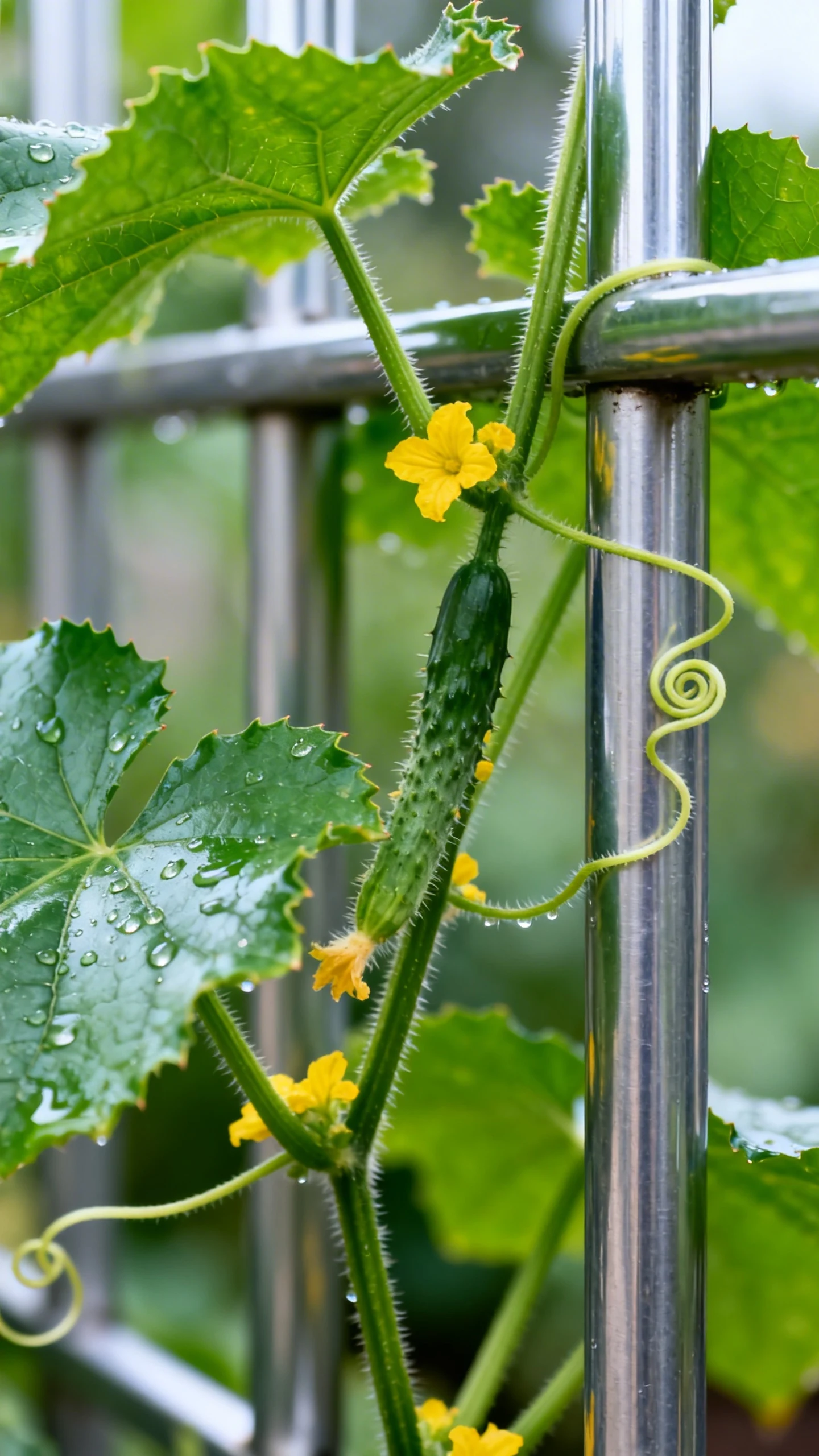
One of the easiest ways to design a productive vegetable garden involves grouping crops with similar needs. Plants that want the same amount of sun, water, and feeding should live together. That makes your routine simpler, and simple routines keep gardens alive.
For example, put thirsty crops like cucumbers and lettuce in the same area. Keep Mediterranean herbs like rosemary and thyme away from vegetables that prefer more moisture. Your basil may love regular watering, but your thyme will absolutely judge you for it.
Height matters too. Place tall crops like corn, trellised beans, or tomatoes where they will not shade shorter plants. In many gardens, that means putting tall plants on the north side so they do not block the sun from everything else.
Use vertical space like a smart person
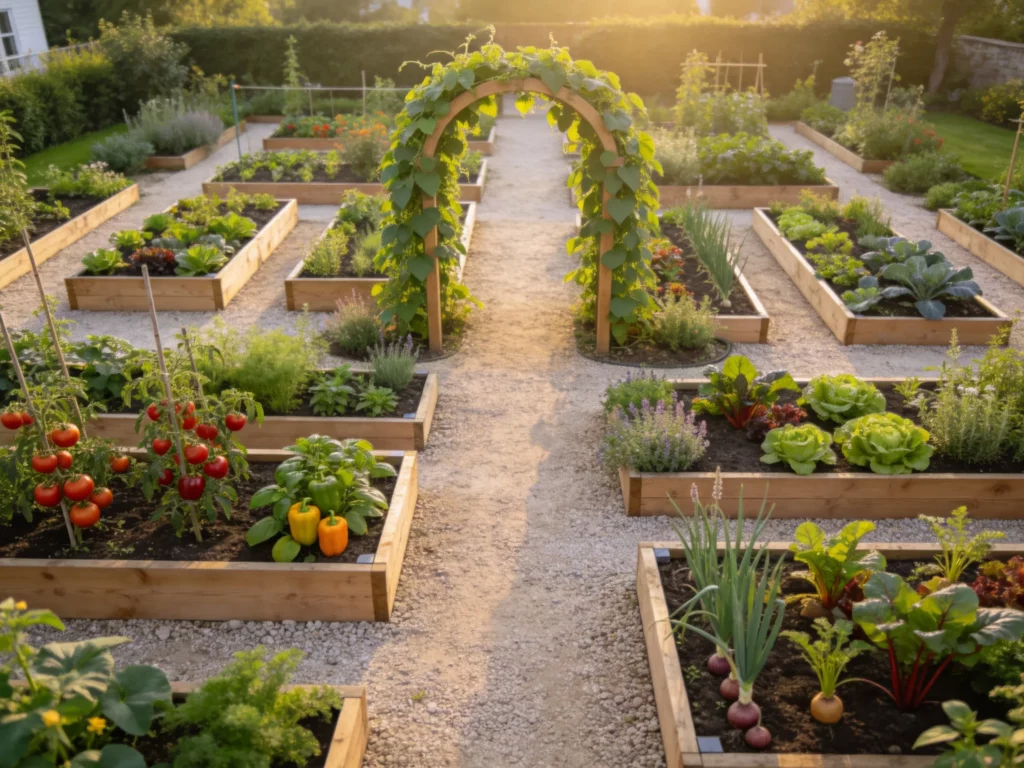
If your garden feels small, go up. Trellises, arches, cages, and stakes let you grow more food in less space. They also improve airflow and make harvesting easier, which means fewer cucumbers hiding under leaves like tiny green escape artists.
Climbers like peas, beans, cucumbers, and some squash varieties thrive on vertical supports. Tomatoes also benefit from cages or sturdy stakes. Vertical growing can turn a compact garden into a surprisingly productive one without making it feel crowded.
Design for beauty too, because ugly gardens get ignored
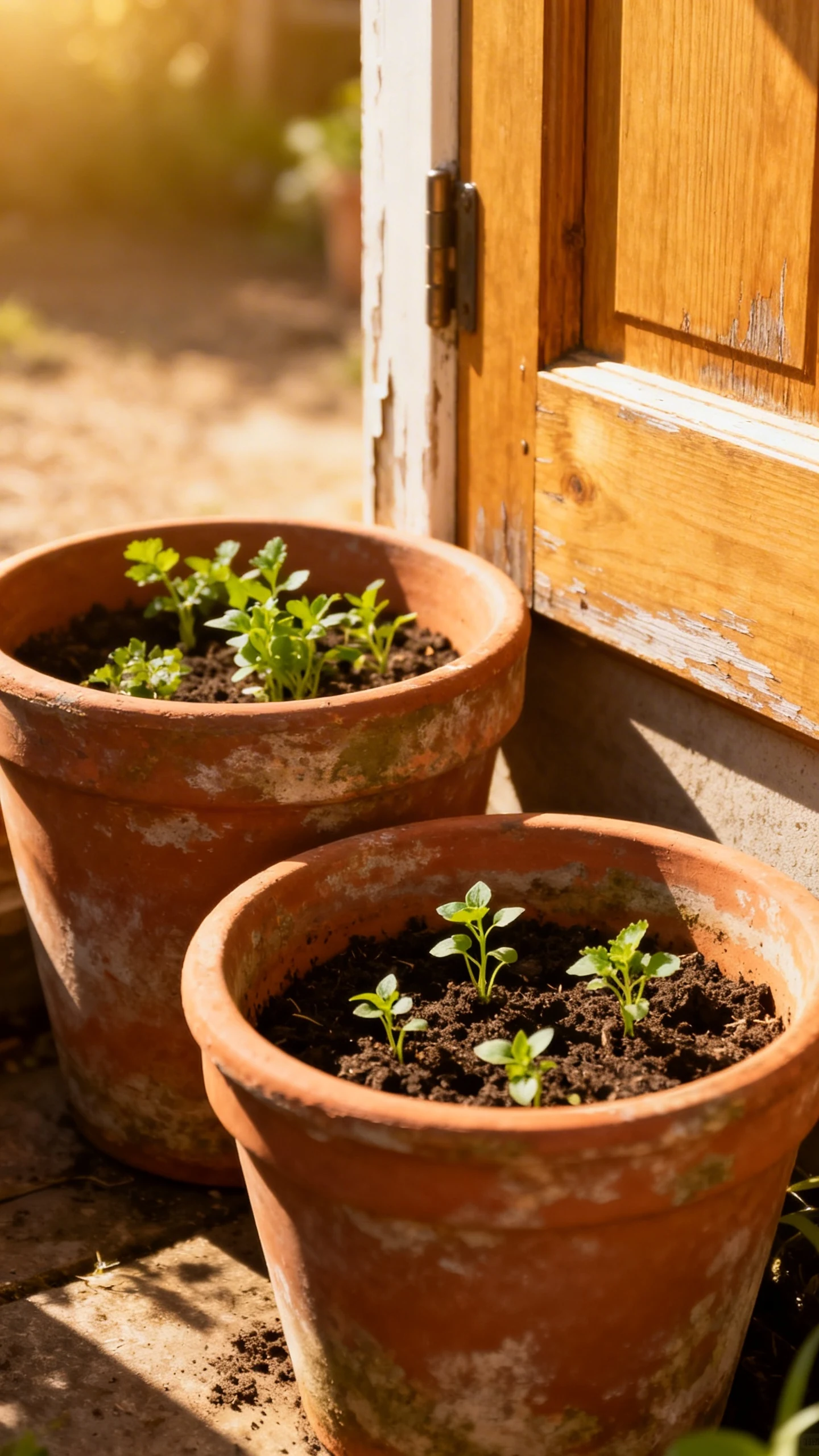
Yes, this is a vegetable garden. Yes, function matters most. But if the space looks good, you will spend more time in it, and that leads to better care. Pretty and practical can absolutely coexist.
Add visual structure with repeated bed shapes, matching containers, or a simple border. Tuck flowers into the design for color and pollinators. Marigolds, nasturtiums, calendula, and zinnias all pull their weight while making the garden look less like a survival exercise.
You can also play with texture and color. Mix frilly lettuce with upright onions, deep green kale with silver sage, or purple basil with bright chard stems. Suddenly your food garden looks intentional instead of accidental, which feels nice, not gonna lie.
Edging, focal points, and little details
A small bench, a birdbath, or even one attractive trellis can give the garden a focal point. Edging materials like brick, stone, or wood create a clean look and help define spaces. These details do not need to cost much, but they make the whole area feel finished.
Lighting can help too if you spend evenings outside. A few solar lights along a path add charm and make late watering sessions less annoying. Also, you avoid stepping on a zucchini the size of a toddler.
Build in easy maintenance from day one
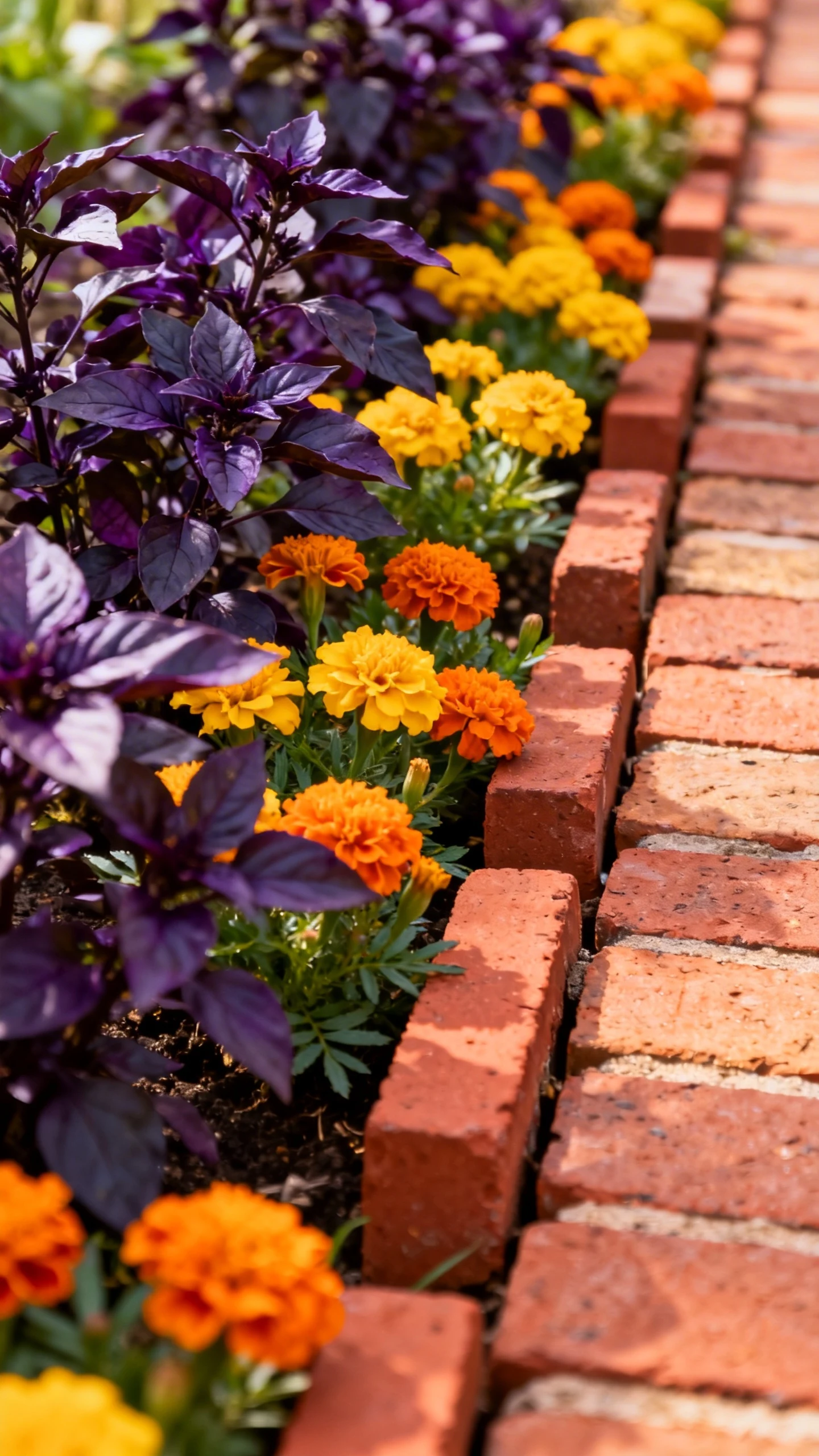
The best garden design makes upkeep feel manageable. If every task requires acrobatics, the system will fall apart by July. You want a garden that welcomes you in, not one that quietly dares you to give up.
Leave room for mulch storage, compost access, and water. Set up a rain barrel if that suits your space. Keep tools nearby in a small bin or bench so you do not have to hunt for pruners every time a tomato starts acting feral.
Mulch deserves a standing ovation. It helps conserve moisture, suppress weeds, and keep soil temperatures steadier. A layer of organic mulch around most crops can save you a ridiculous amount of effort over the season.
Plan for crop rotation, even in a small garden
If you grow the same plant families in the same exact spot year after year, pests and diseases get a little too comfortable. Rotate crops when you can. Move tomatoes, peppers, and eggplants to a new bed next season, and shift brassicas and beans around too.
Small gardens make rotation trickier, but not impossible. Even swapping crops between beds or sections helps. Future you will appreciate the effort, even if present you feels mildly dramatic about making a garden map.
Common design mistakes that make gardening harder
Let’s save you some frustration. A lot of beginner problems start with layout choices, not bad gardening skills. You are not failing if the first plan needs adjustment. You are gardening.
- Making beds too wide so you cannot reach the center easily.
- Cramming plants too close because tiny seedlings look harmless. They lie.
- Ignoring sun patterns and then wondering why peppers sulk all season.
- Forgetting water access and turning every irrigation session into cardio.
- Planting everything at once without considering harvest timing or maintenance load.
- Skipping paths and then stomping through the beds like a confused giant.
The fix usually involves simplification. Fewer crops, better spacing, clear paths, and smart grouping beat an overcomplicated design almost every time. Start with what you can maintain, then expand once you know how the space behaves.
FAQ
What is the best layout for a beginner vegetable garden?
A simple raised bed or two usually works best for beginners. You get clear boundaries, easier soil control, and less wasted space. Keep the design small at first, with straightforward crops like lettuce, beans, tomatoes, and herbs.
How much sun does a home vegetable garden need?
Most vegetables need six to eight hours of direct sun each day. Fruiting plants like tomatoes, peppers, and squash want the most light. If your yard gets less sun, focus on leafy greens, herbs, and a few shade-tolerant crops.
How big should garden paths be?
Most paths should measure at least 18 to 24 inches wide. If you use a wheelbarrow or want easier movement, go wider. Tight paths seem efficient until plants fill out and you start side-stepping through tomato branches like you entered a leafy maze.
Should I use raised beds or plant in the ground?
Both options can work well. Raised beds suit smaller spaces, poor soil, and gardeners who want a tidy setup. In-ground gardens cost less and make sense if you have decent soil and more room to spread out.
What vegetables work best in a small garden design?
Choose crops that produce a lot in limited space. Tomatoes, peppers, lettuce, spinach, beans, radishes, carrots, and herbs all perform well in compact gardens. Add vertical growers like cucumbers or pole beans if you want to squeeze more production from a small footprint.
How do I make my vegetable garden look nice and not messy?
Use repeating bed shapes, defined paths, and a few flowers for color. Keep supports sturdy and intentional instead of random and chaotic. A little structure goes a long way, and IMO, even one neat border can make the whole garden look more polished.
Conclusion
Home vegetable garden design really comes down to one thing: make the space easy to use. If the layout fits your sun, your soil, and your daily habits, the garden will reward you with better harvests and fewer headaches. Start simple, leave room to learn, and do not worry if the first version is not perfect. Gardens evolve, and honestly, that is part of the fun.