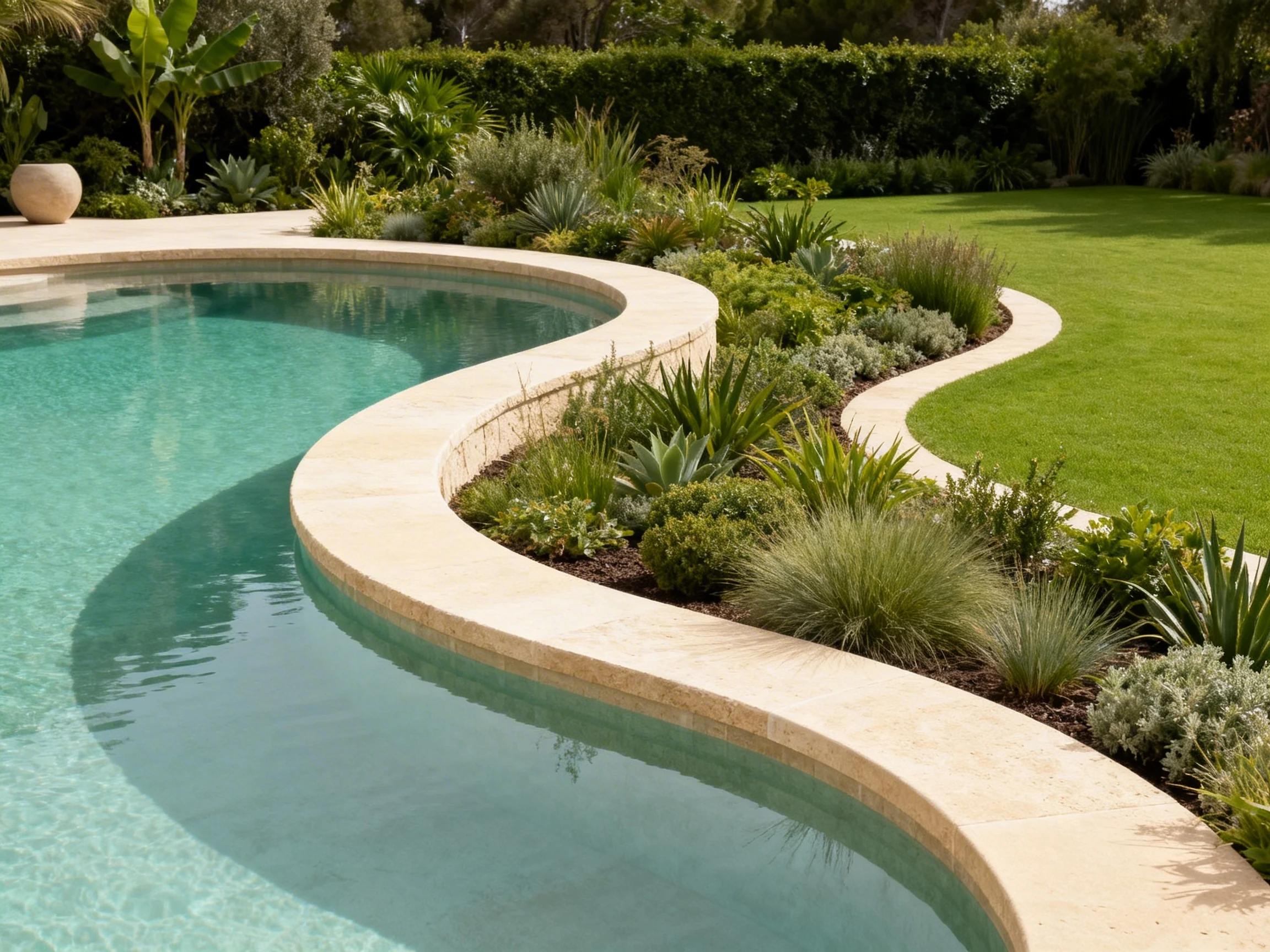
You want a garden pool, but you don’t want it to look like you dropped a giant blue rectangle into your lawn and called it “design.” Fair. A great garden pool should feel like it belongs there, like it grew out of the space (minus the algae, hopefully). The trick comes down to shaping, placement, materials, and a little bit of restraint… which I know, sounds rude.
Start With The Vibe, Not The Pool Shape
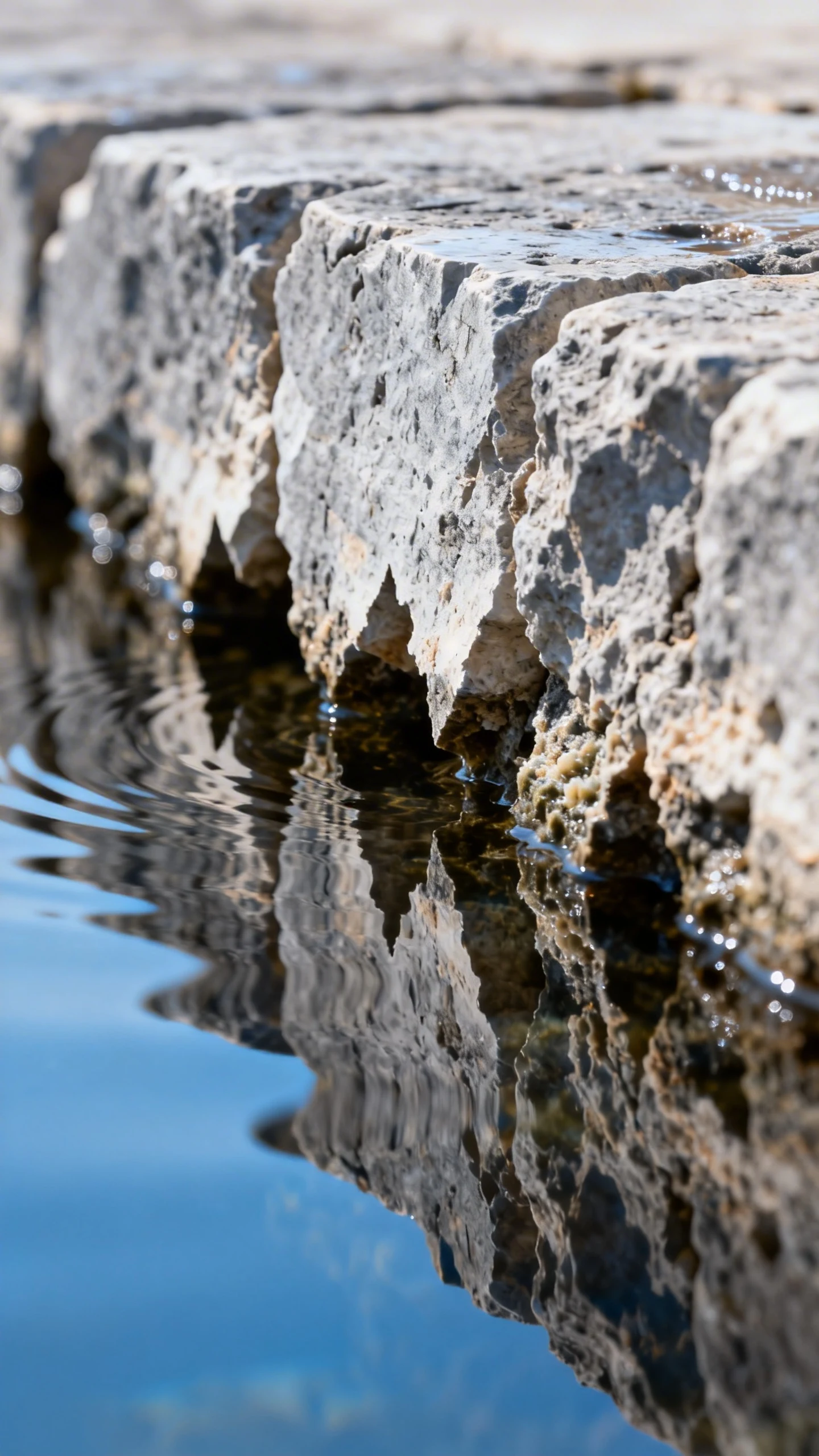
Before you pick tiles or argue about infinity edges, decide what you want the pool to feel like. Do you want a quiet, leafy retreat where you read books and pretend emails don’t exist? Or do you want a “people come over and suddenly I’m hosting” kind of pool?
The vibe controls everything else, from the outline to the plants to the lighting. If you skip this step, you’ll mash together random ideas and end up with a pool that looks like three Pinterest boards fighting in your backyard. Ask yourself one simple question: what would make you actually use it?
Pick A Style Direction (Then Actually Commit)
Garden pool designs usually fall into a few broad lanes: natural pond-like, sleek modern, Mediterranean resort, or cozy cottage. You can blend styles, sure, but blending works best when you keep one clear “main character.” Otherwise, your pool turns into a design identity crisis.
IMO, the easiest way to commit involves choosing two anchor materials and repeating them. For example: pale stone plus dark timber. Or concrete plus black metal. Keep repeating those, and suddenly everything looks intentional.
Placement: Where You Put It Changes Everything
Pool placement doesn’t just affect how it looks. It decides how warm it gets, how much wind hits it, and whether you’ll spend your weekends skimming leaves like it’s your new hobby. Place it badly and you’ll feel annoyed every time you walk outside.
Start by watching your garden for a day. Where does the sun sit around lunchtime? Where do you naturally want to hang out? And where do the trees aggressively dump leaves like they have a personal grudge?
Sun, Shade, And The “Why Is This Freezing” Problem
Sun exposure matters more than people expect. A pool in full sun warms faster and feels inviting longer, especially in shoulder seasons. A pool in deep shade looks moody and gorgeous, but it can feel like an ice bath with better landscaping.
Try for a mix if you can. Put the pool where it gets strong sun for a good chunk of the day, then create shade with a pergola, sail, or planting nearby. That way you control shade instead of letting one giant tree boss you around.
Privacy Without Turning Your Garden Into A Fortress
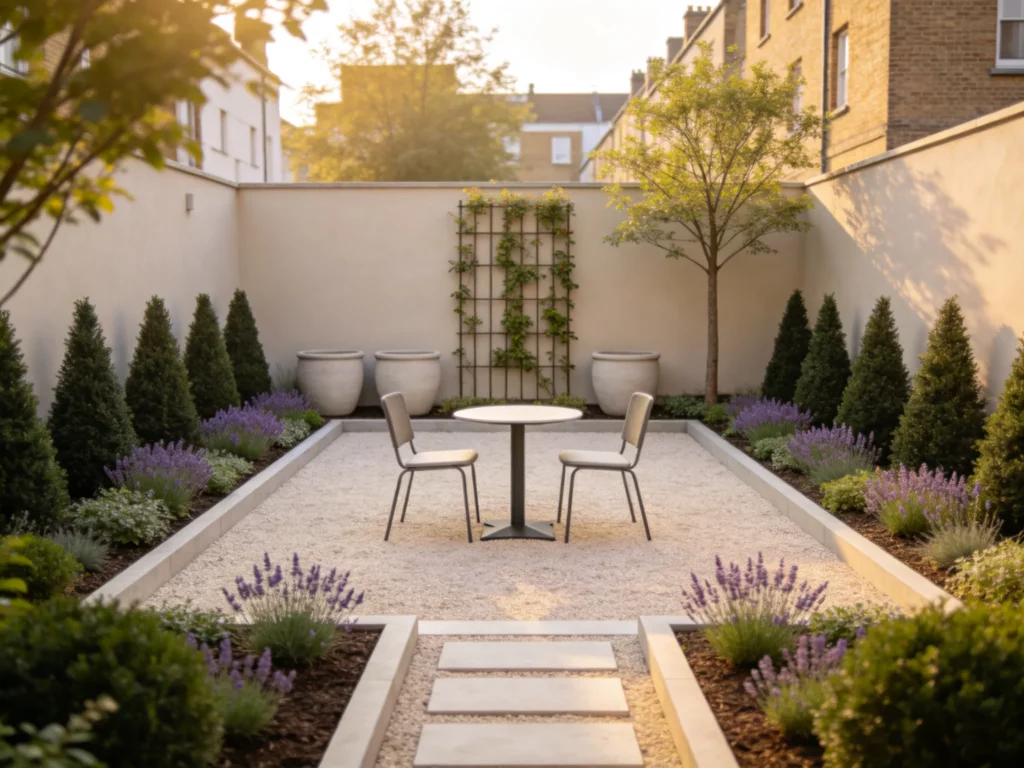
You don’t need a towering fence to feel private. You can use layered planting, screens, and smart angles. A few tall grasses plus a slim slatted screen can block views without making your garden feel closed in.
Think of privacy like soundproofing for your vibe. You don’t want to feel watched while you float around, but you also don’t want to build a medieval wall. Balance, my friend.
Choose A Pool Shape That Matches The Garden
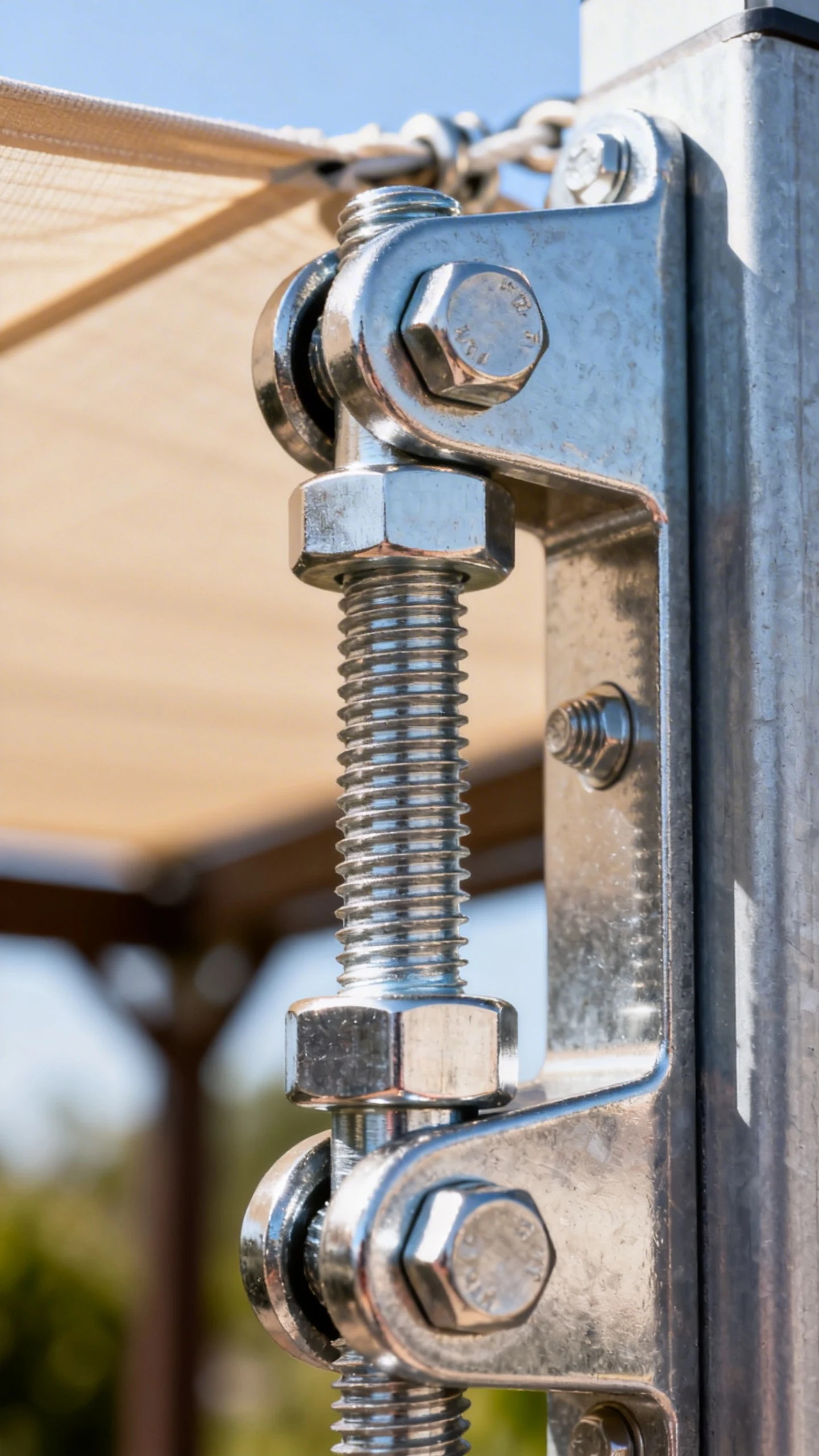
Shape does more than look pretty. It changes circulation space, how people move around it, and how easily you can integrate planting. The best garden pool design usually echoes the geometry already in your yard.
If your garden has straight paths, crisp hedges, and tidy zones, a rectangular or linear pool feels right. If your garden leans wild and leafy, a softer shape can blend better. And yes, you can absolutely make a rectangle work in a natural garden, but you’ll need the right edges and planting to soften it.
Organic Pools: “Natural” Without Going Full Swamp
Organic shapes look relaxed and garden-friendly, especially when you pair them with boulders, planting pockets, and irregular paving. They work great in cottage gardens and woodland-style spaces. Just don’t confuse “organic” with “random.”
Keep a few consistent curves and repeat them. If the outline wiggles in ten different directions, it starts to look like you designed it during a bumpy car ride. Consistency makes organic shapes look calm, not chaotic.
Rectangular Pools: Clean Lines, Easy Wins
Rectangular pools feel timeless and practical. They also make covers, rollers, and automatic cleaners way easier. Plus, a rectangle gives you strong visual structure, which helps gardens that feel a bit messy or undefined.
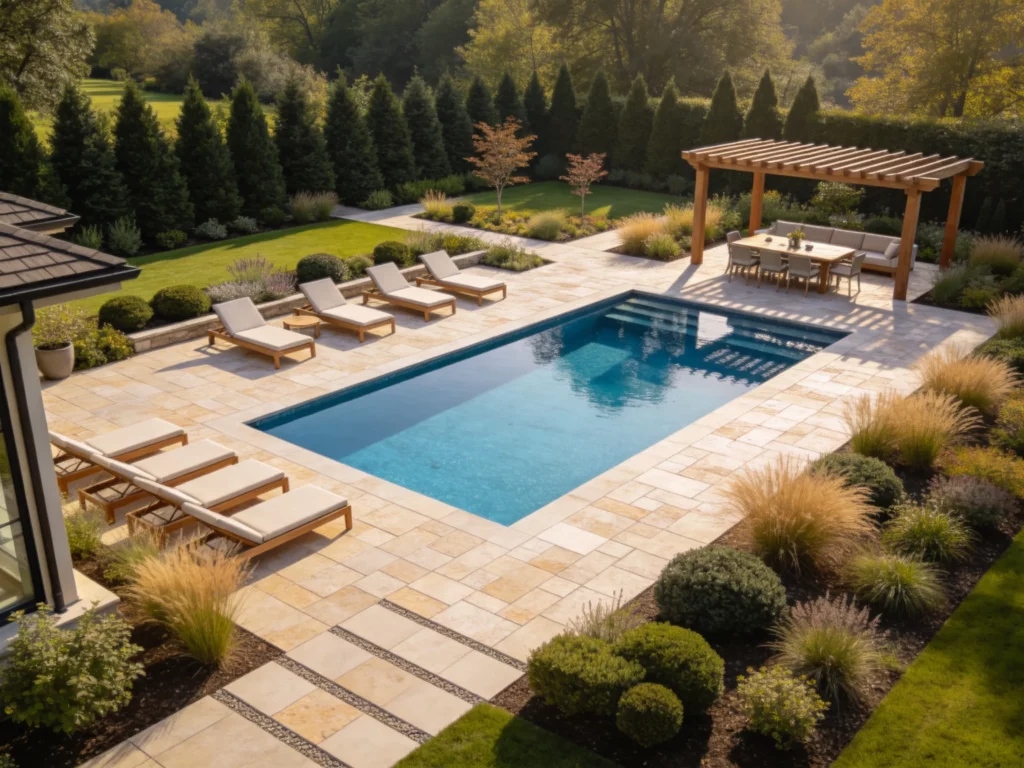
You can warm up the look with planting and materials. Add a timber deck edge, or use limestone pavers, or frame it with soft shrubs. A rectangle doesn’t have to look harsh.
Edges, Coping, And Surrounds: The Secret Sauce
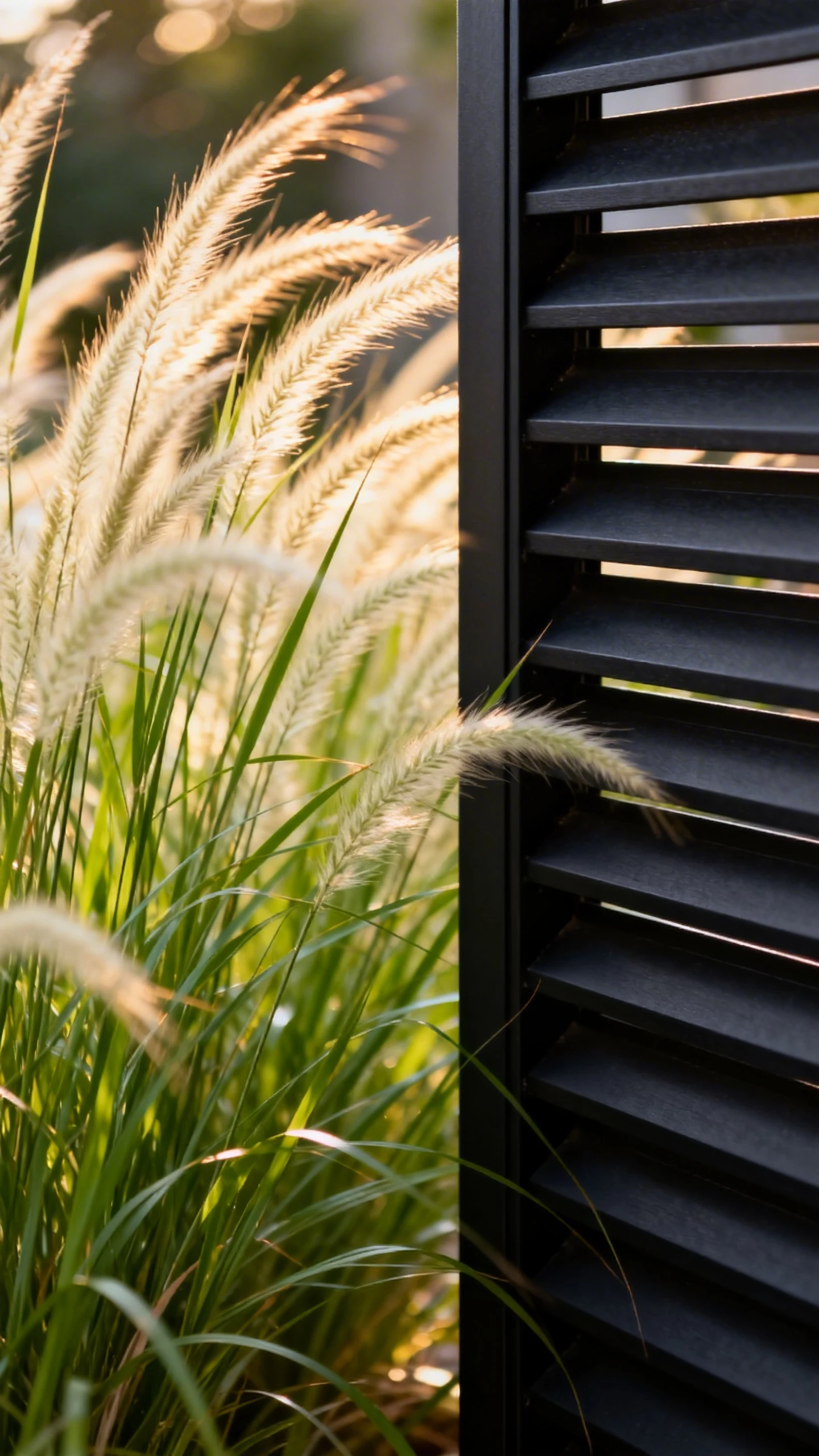
Most people obsess over the water color and forget the area around the pool. That surround zone does the heavy lifting visually. The right edge detail makes the pool look like a polished feature instead of a big tub you parked outdoors.
Pick materials that already live in your garden. If you have brick walls, consider brick accents or warm stone. If you have lots of dark fencing, consider darker coping or charcoal pavers. Match the pool surround to the garden, not the other way around.
Decking Vs Stone: The Honest Trade-Off
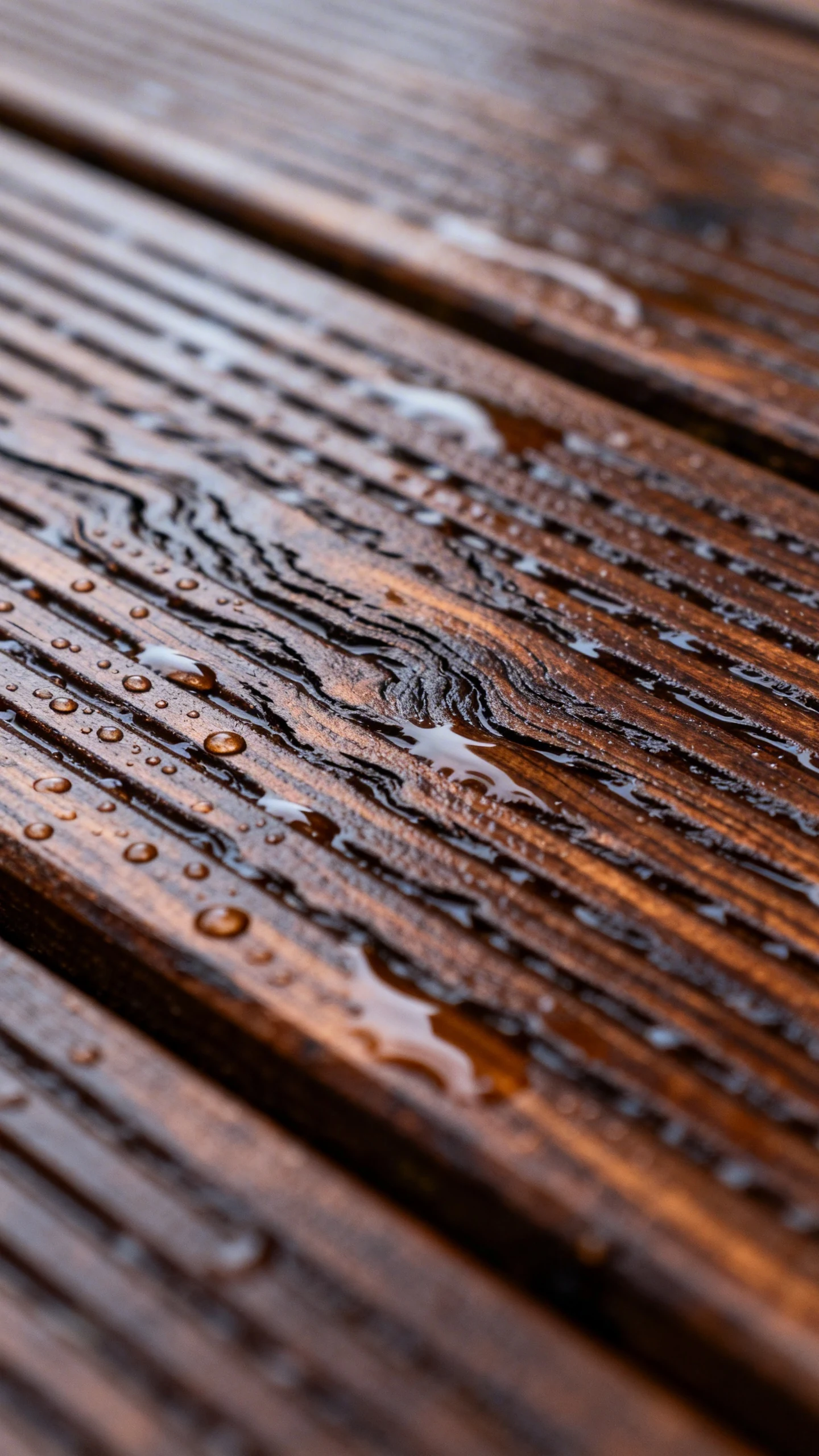
Timber decking feels warm underfoot and looks inviting. It also needs maintenance, and it can get slippery if you ignore it. Composite decking cuts maintenance but can look a bit too “perfect” if your garden feels rustic.
Stone and porcelain pavers look premium and stay stable over time. They can heat up in direct sun, though, so choose finishes and colors carefully. Go slip-resistant, even if the glossy tile looks cute.
Infinity Edges And Mirror Edges (Aka The “Wow” Options)
An infinity edge can look unreal, especially if your garden has a view, a slope, or a dramatic focal point. But it comes with extra build complexity and cost. If you want drama on a budget, consider a “mirror edge” where water sits flush with the coping and reflects the garden.
These sleek edges work best with modern designs. Pair them with clean planting and minimal clutter. And yes, that means hiding the pool toys. Tragic.
Planting Around The Pool: Make It Feel Like A Garden Again
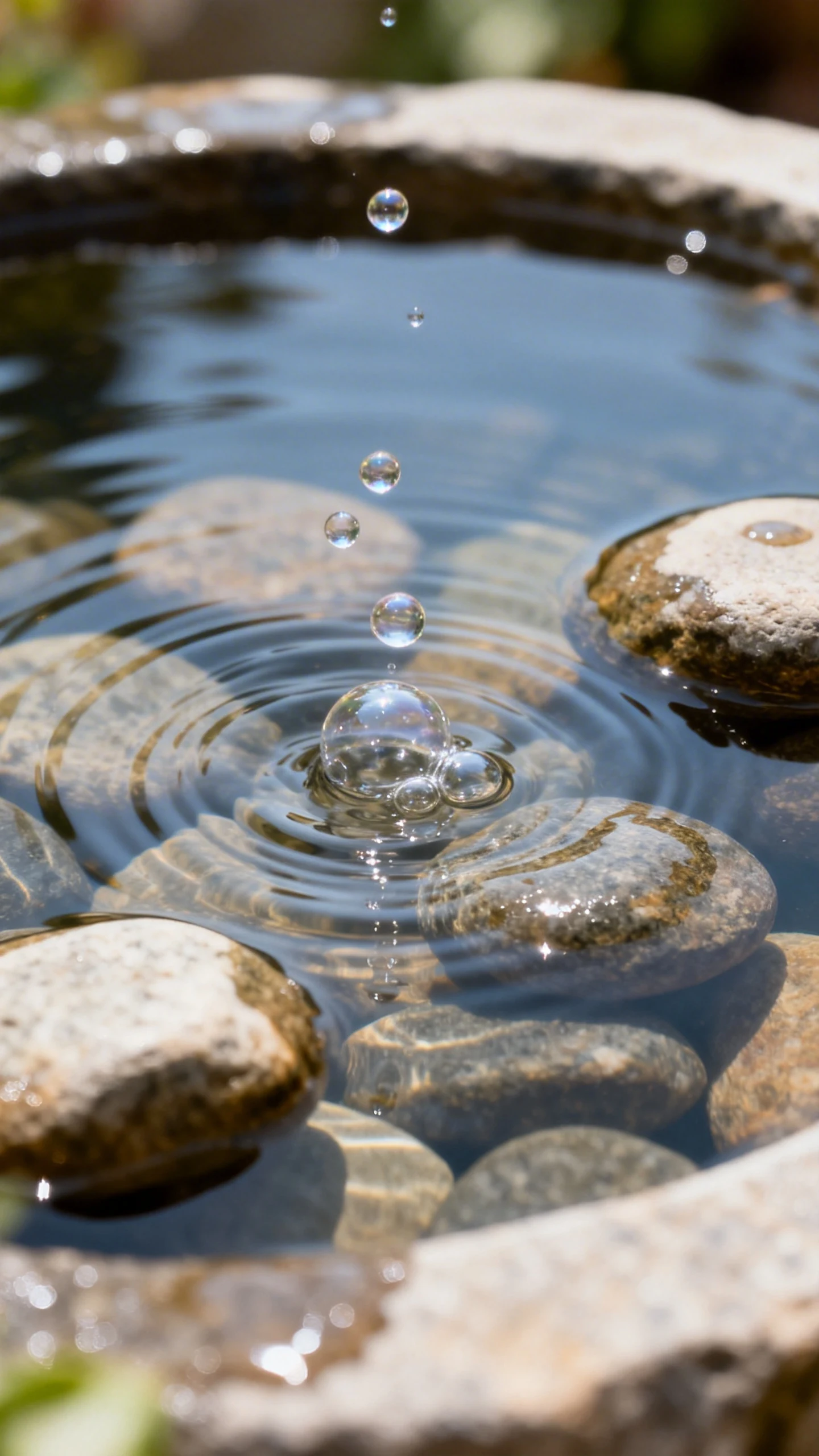
Plants turn a pool area from “outdoor facility” to “oasis.” They soften hard edges, add color, and create privacy. They also drop leaves, attract bugs, and sometimes stab you. So you know, choose wisely.
Keep planting slightly set back from the pool edge so you can walk around without brushing into wet foliage. Use bigger pots or raised planters if you want lushness without roots invading everything. Plan for maintenance, not just the photo.
Best Plant Types For Poolside (Low Drama, High Impact)
Look for plants that stay tidy, handle sun, and don’t shed constantly. Ornamental grasses, agaves, yuccas, dwarf palms, and hardy evergreen shrubs usually behave. Herbs can work too if you like that “I casually pick rosemary in my swimsuit” energy.
Avoid anything that drops sticky sap, endless petals, or needles that clog filters. And maybe don’t plant a fruit tree right by the coping unless you enjoy surprise cleanups. FYI, you will not enjoy surprise cleanups.
Color And Texture Tricks That Always Work
Use texture to make the pool feel intentional. Pair sleek water with spiky plants, or pair stone paving with soft grasses. Add one or two “architectural” plants as anchors, then fill around them with simpler greenery.
Keep flower colors limited. Too many bright blooms can make the pool zone feel busy. Green-on-green with a few accents looks expensive and calming.
Lighting, Water Features, And Extras That Don’t Feel Cheesy
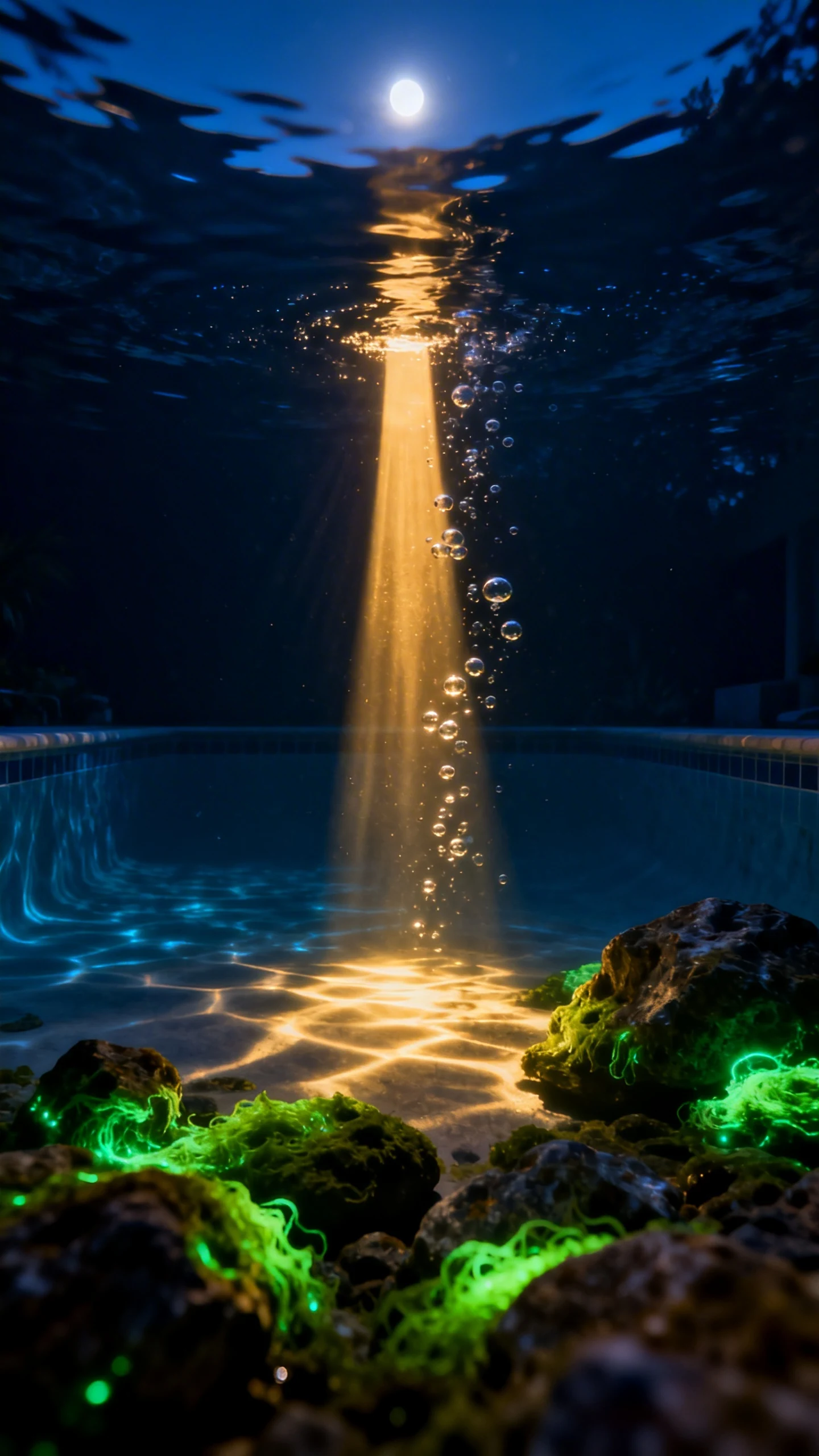
Lighting changes the whole mood. It also helps you avoid tripping into your own shrubbery after sunset, which feels embarrassing even if nobody sees it. Go for a layered lighting plan: a little in the water, a little on paths, and a little in planting.
Water features can add sound and movement, but they can also scream “hotel lobby.” Keep them subtle. A simple sheer descent, a small spillway, or a gentle bubbling stone can feel classy.
Nighttime Glow Without The Las Vegas Energy
Warm-white lighting usually looks best in gardens. Cool white can make the water look icy and clinical. Use low-level path lights and a few uplights on feature plants to create depth.
Inside the pool, place lights where they shine across the water, not directly into seating areas. Glare ruins the vibe fast. And yes, you can dim lights now. Treat yourself.
Heating, Covers, And The Boring Stuff That Saves Money
Heating makes a garden pool way more usable, especially if you don’t live somewhere permanently tropical. A heat pump works well for many setups, and solar can help if you get decent sun. Covers matter too because they reduce heat loss and keep debris out.
A cover also improves safety, which you should care about even if you feel invincible. Budget for a cover early so you don’t “forget” and then regret it later.
FAQ
How big should a garden pool be?
Choose the smallest size that fits how you’ll actually use it. If you want laps, you need length. If you want lounging and cooling off, you can go smaller and still get that “resort” feeling. A well-designed small pool beats a giant awkward one every time.
What’s the easiest pool style to keep looking tidy?
A simple rectangular pool with clean coping and low-shed planting usually wins. Straight edges make cleaning and covering easier, and the surround materials stay consistent. You can still add personality through lighting, pots, and a strong planting palette.
How do I make a pool feel private in an overlooked garden?
Use layers: a screen or trellis, plus tall grasses or shrubs, plus a canopy option like a pergola or sail. Position seating so you face inward toward the pool and planting, not toward the neighbors. You can create privacy with angles as much as with height.
Which materials work best for pool surrounds?
Porcelain pavers offer durability and low maintenance, and they come in finishes that mimic stone or concrete. Natural stone looks amazing but needs smart sealing and slip-resistant finishes. Timber feels cozy but demands upkeep, so pick it if you actually plan to maintain it.
Do I need a water feature?
Nope. A still pool can look sleek and peaceful. If you want sound to mask traffic or neighbors, a small, subtle feature can help. Add features because they support your vibe, not because the brochure told you to.
How do I stop the pool area from feeling like a “patio with water”?
Bring the garden right up to the pool zone with planting pockets, large pots, and layered greenery. Use materials that match the rest of the landscape so the pool looks integrated. And keep a few strong focal points, like one statement tree, a sculptural plant, or a clean pergola line.
Conclusion
Great garden pool design comes down to one thing: integration. You want the pool, the planting, and the lounging space to feel like they belong together, not like you bought them from different planets. Start with the vibe, place it smart, pick materials that match your garden, and let plants do the softening. Then enjoy your backyard like you meant it… and try not to become the person who talks about pool chemistry at parties.