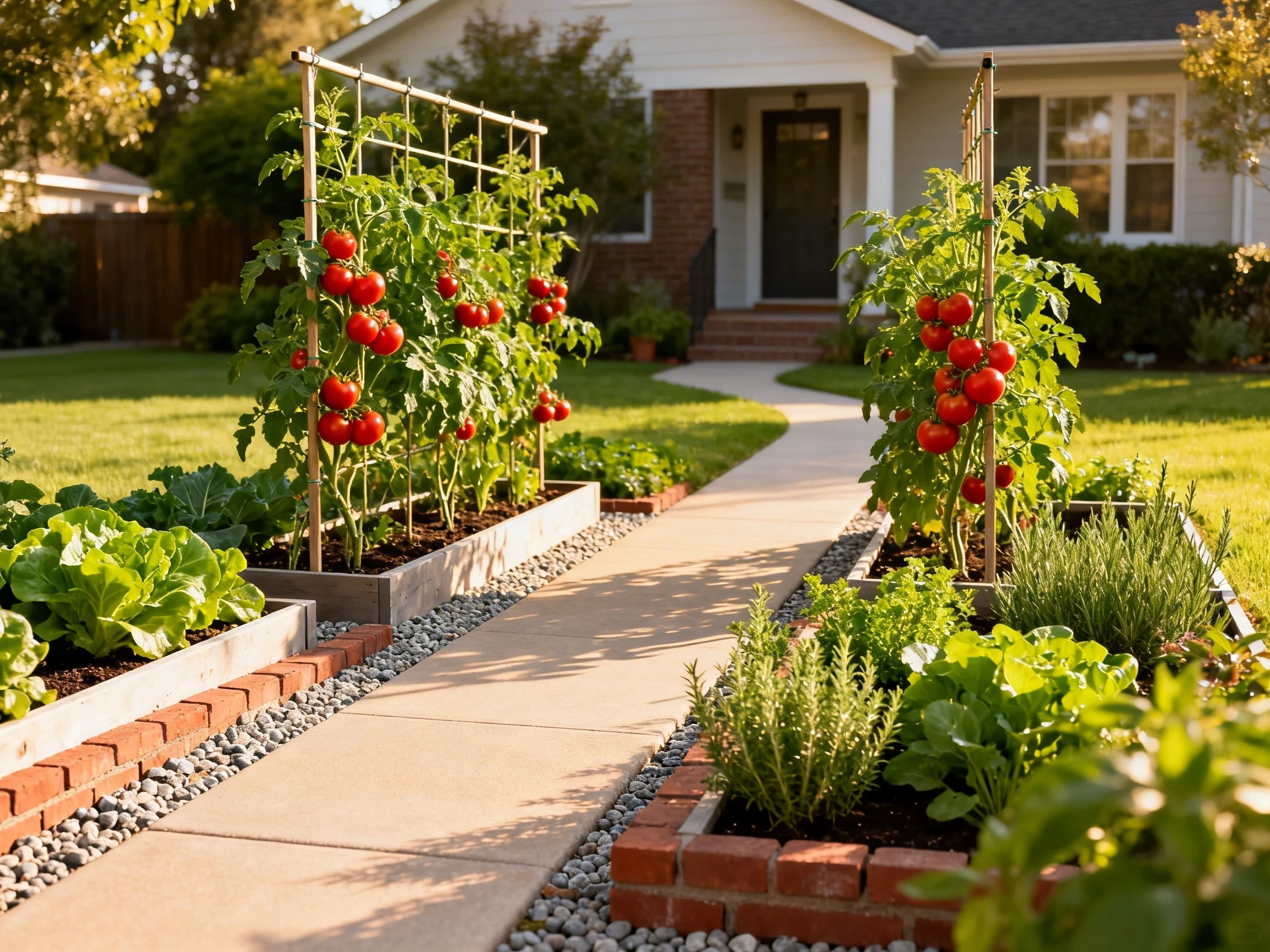
So you want a front yard vegetable garden, huh? Bold move, and I mean that in the best way. You get fresh food steps from your door, your yard looks alive, and your neighbors quietly wonder if they should step up their game. Let’s make it look intentional—not like you tossed tomato cages out there during a weekend panic spiral.
First: Why the Front Yard (and Not the Backyard Hideout)?
Most backyards get the “good stuff” because we treat vegetables like a guilty pleasure. But your front yard usually gets more sun, better airflow, and more consistent attention because you actually walk past it every day. That daily drive-by check saves plants from drying out, getting munched, or turning into a jungle.
Also, a front yard veggie garden nudges you into better design choices. You can’t just slap in random rows and call it a day (unless your aesthetic is “confused farmer”). You get to build something that looks like landscaping and feeds you. That combo feels ridiculously satisfying.
Worried about what people will think? Honestly, people already have opinions about everything. You might as well give them something delicious to talk about.
Start With the “Don’t Get a Citation” Checklist
Before you plan cute raised beds and dreamy trellises, check the boring stuff. HOA rules, city codes, and utility easements can ruin your vibe fast. You don’t want to install a gorgeous garden only to get a letter that basically says, “Nice try.”
Call your local utility marking service before you dig. Not because it’s fun, but because hitting a line turns “garden day” into “life choices day.” And if you rent, talk to your landlord—unless you enjoy awkward conversations later.
Now the practical design checks:
- Sun: Aim for 6–8+ hours for most veggies.
- Water access: If you need three hoses and a prayer, redesign.
- Visibility: Keep taller crops where they won’t block sightlines near driveways.
- Foot traffic: Leave room so people don’t trample basil like it’s a welcome mat.
Design It Like Landscaping (Because Curb Appeal Matters)
The secret to a front yard vegetable garden that looks “on purpose” comes down to structure. You need clear shapes, clean edges, and a layout that reads like a garden bed—not a science experiment. Think of veggies as your “flowers,” and treat your hardscaping like the frame.
Use geometry to your advantage. Rectangles, squares, and tidy curves instantly look more polished than random patches. You can still grow a ton of food, but you’ll do it in a way that looks planned instead of… impulsive.
Pick a Layout That Matches Your Personality
If you love order, go with symmetrical beds and straight paths. If you want cozy cottage vibes, use curved edges and mixed planting, but keep boundaries crisp. If you want maximum yield, raised beds in a grid give you efficiency without sacrificing looks.
Here are a few layouts that work great up front:
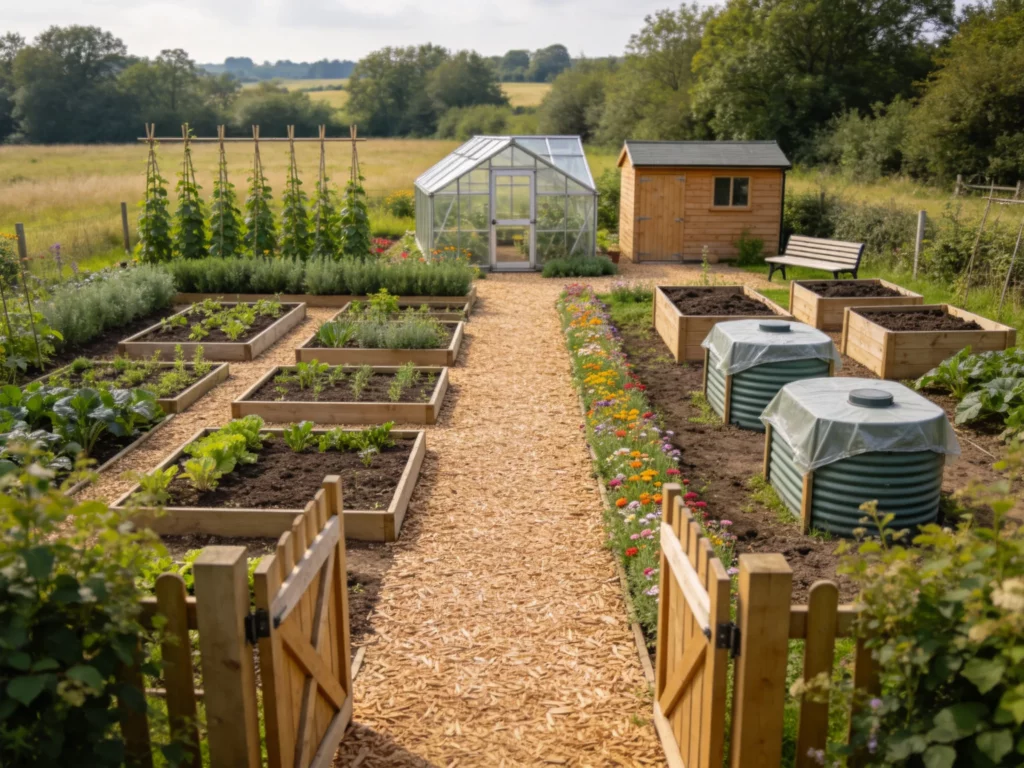
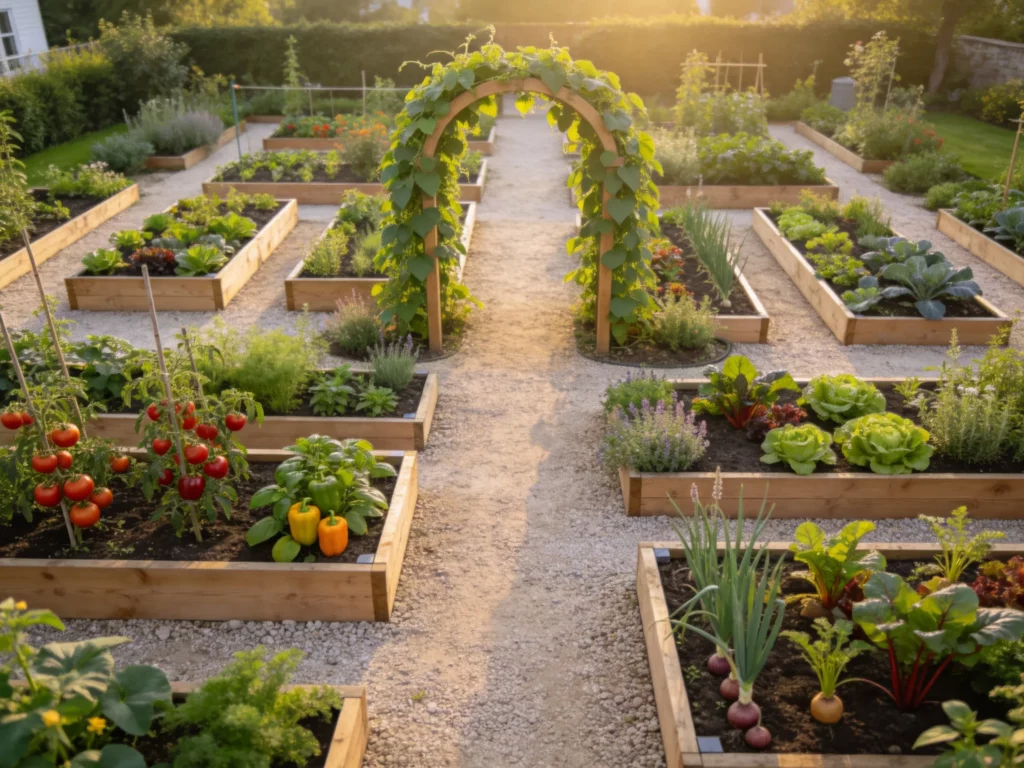
- Classic grid: 2–4 raised beds with paths between.
- Foundation beds: Veggies integrated along the house like ornamental plantings.
- Keyhole bed: A circular bed with a little access notch (cute and practical).
- Border-to-center: Low herbs in front, taller crops behind for a layered look.
Edges Make Everything Look Expensive
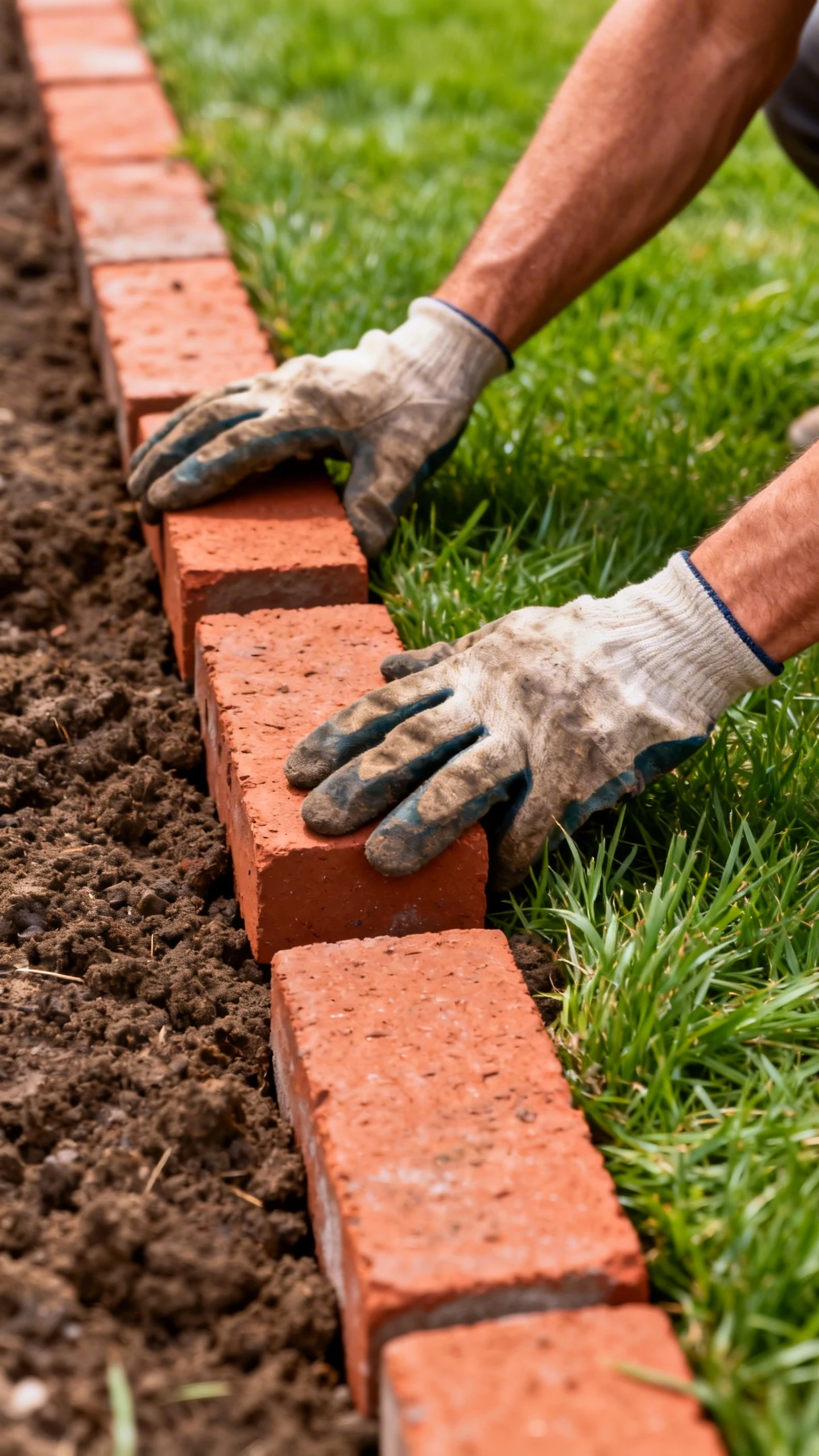
You can grow the most stunning kale on earth, but if it spills into the lawn like a rogue haircut, people notice. Add edging. Use brick, steel edging, stone, or even thick mulch borders if you want a softer look.
FYI, edging also keeps grass from invading like it pays rent. You’ll thank yourself later.
Build the Beds: Raised, In-Ground, or Containers?
All three options can look amazing, so don’t let anyone bully you into one “right” choice. Pick what matches your budget, your soil situation, and your willingness to dig. IMO, the best option is the one you’ll actually maintain.
Let’s break it down quickly.
Raised Beds: The Front Yard Favorite
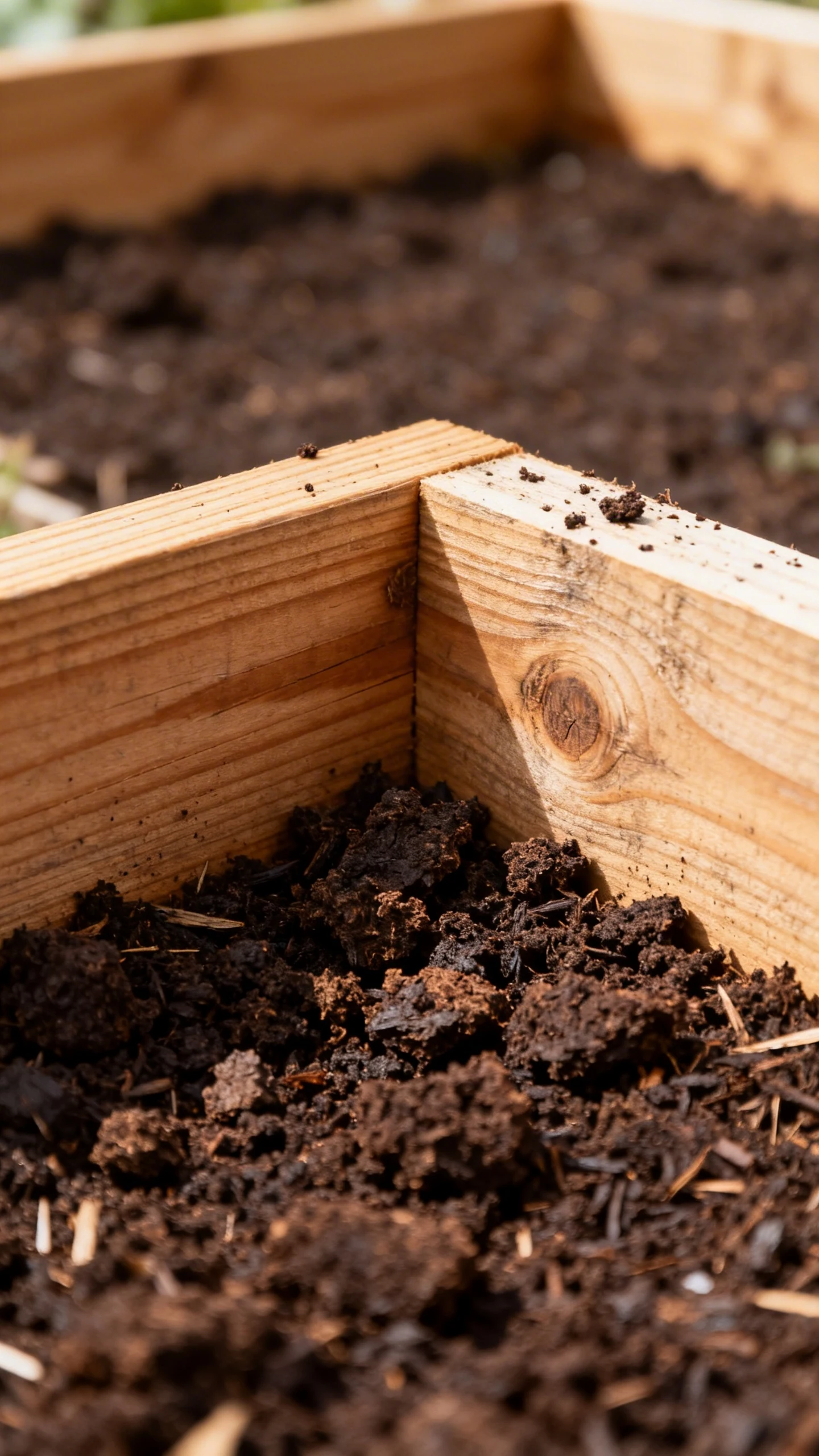
Raised beds look intentional, stay tidy, and let you control soil quality from day one. They also warm up faster in spring, which means earlier harvests. And yes, they give your garden that “I have my life together” vibe—even if you absolutely don’t.
Stick to simple materials: cedar, redwood, composite, or metal. Avoid sketchy treated lumber for food beds. Keep the height comfortable if you hate bending, but don’t go so tall that your yard starts looking like a fortress.
In-Ground: Cheap and Productive (If Your Soil Cooperates)
If your front yard has decent soil and drainage, in-ground beds can thrive. You’ll spend less money upfront and you can scale the garden easily. But you’ll need to define the space carefully so it doesn’t look messy.
Use crisp borders and a thick mulch layer to keep it looking intentional. Nothing says “help” like bare dirt and weeds in the front yard.
Containers: Flexible and Surprisingly Stylish
Containers work brilliantly near walkways and porches. They let you move plants around, swap seasonal crops, and dodge bad soil entirely. You can even use matching pots to make the whole space look curated.
Just remember: containers dry out fast. If you travel a lot, you’ll need drip irrigation or a reliable plant-sitter who won’t forget your peppers exist.
Make Vegetables Look Pretty (Yes, You Can)
People assume vegetable gardens look chaotic because they plant them like mini farms. But veggies can look downright ornamental when you choose the right varieties and place them thoughtfully. Color, texture, and height do most of the work.
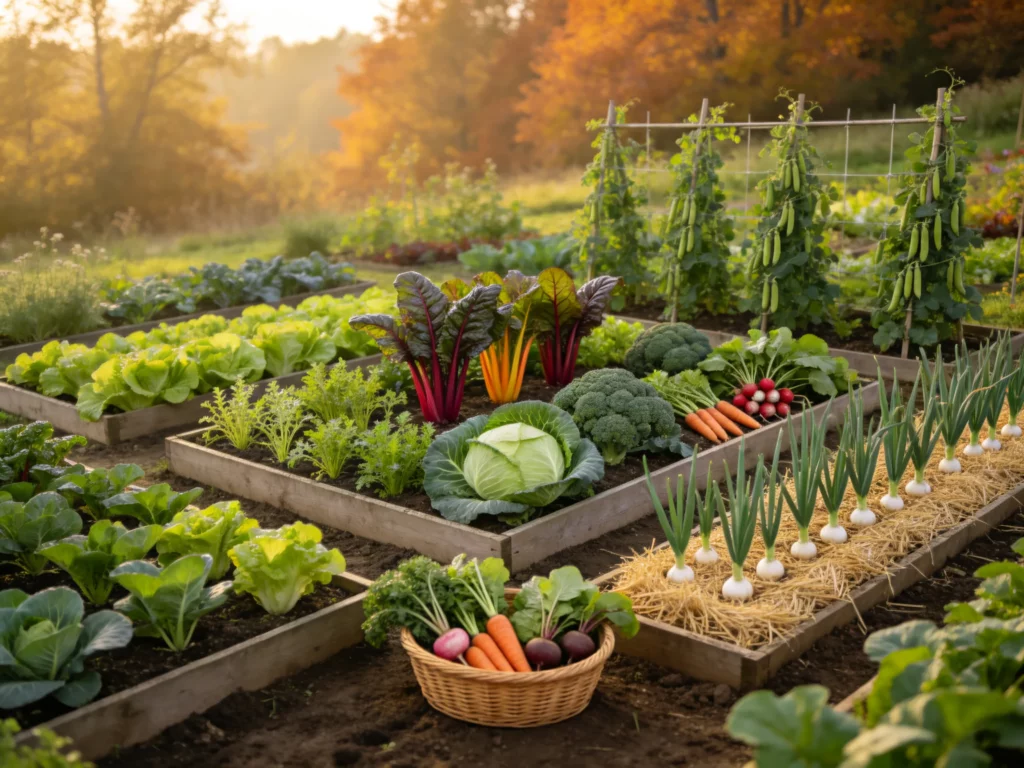
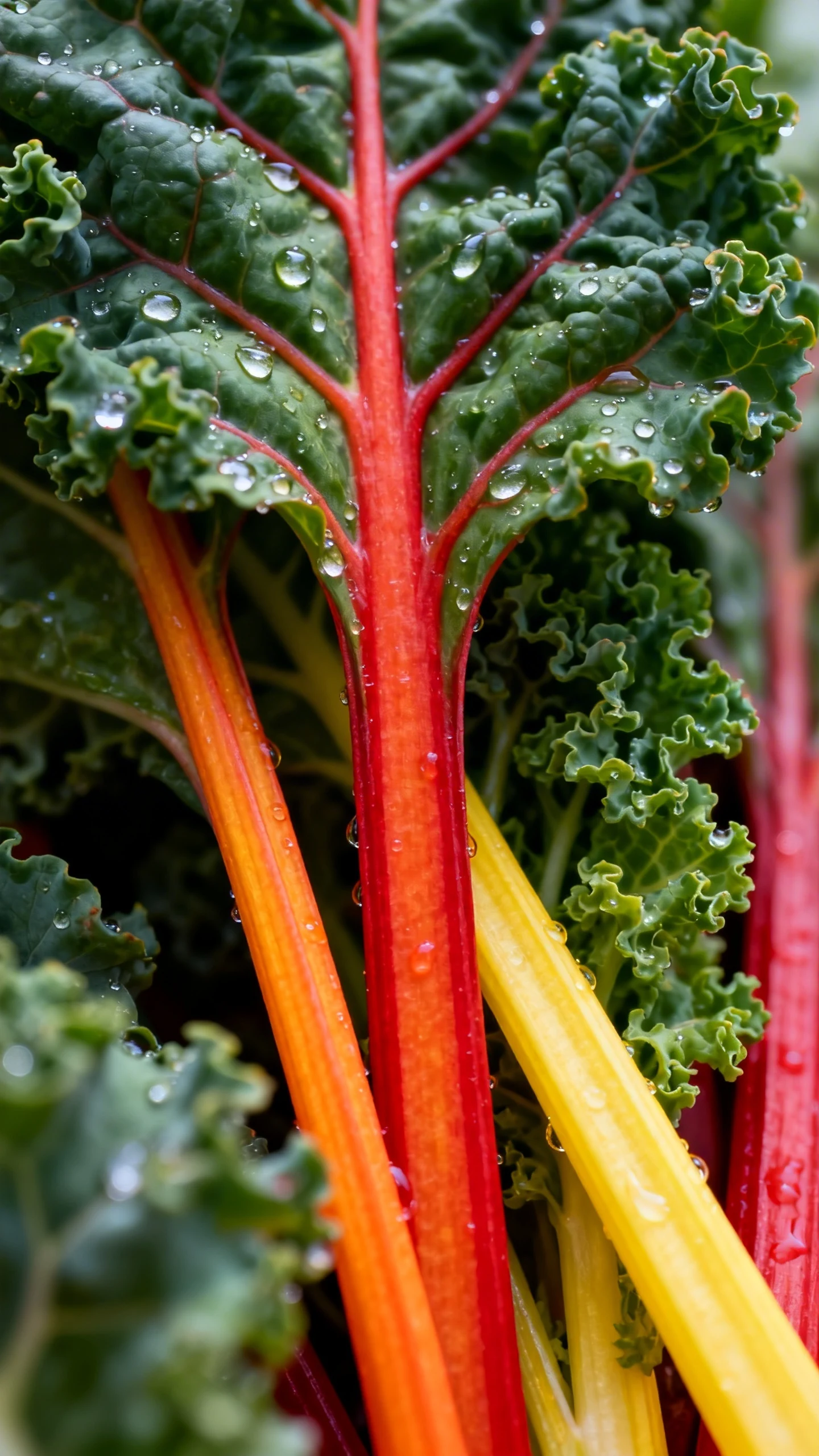
Start by mixing crops that play nice visually. Purple basil, rainbow chard, and curly kale bring instant drama. Even simple stuff like lettuce can look lush when you plant it in repeating patches.
Use Layers Like a Designer
Put low growers near the front edge so you can still see the structure. Place medium plants in the middle, and reserve tall plants for the back or the center of an island bed. That way, the garden looks full and you won’t block everything with corn like you’re building a privacy screen.
Try this basic layering combo:
- Front edge: thyme, chives, strawberries, lettuce
- Mid layer: peppers, bush beans, basil, chard
- Back or center: tomatoes on trellises, pole beans, cucumbers, okra
Add “Permanent” Anchors So It Never Looks Bare
Front yards look awkward when beds sit empty in winter or between plantings. Add a few permanent or long-season elements so the garden always has a backbone. Herbs like rosemary and sage help (if your climate allows). Dwarf blueberries can look stunning and feed you too.
You can also use trellises, obelisks, or arches as year-round structure. Even empty, they look like intentional garden design instead of abandoned ambition.
Paths, Water, and “Please Don’t Steal My Tomatoes” Logistics
A front yard veggie garden needs good circulation. You’ll harvest, weed, and water more often than you think, so make access easy. If you squeeze beds together and hope for the best, you’ll end up stepping on plants and inventing new curse words.
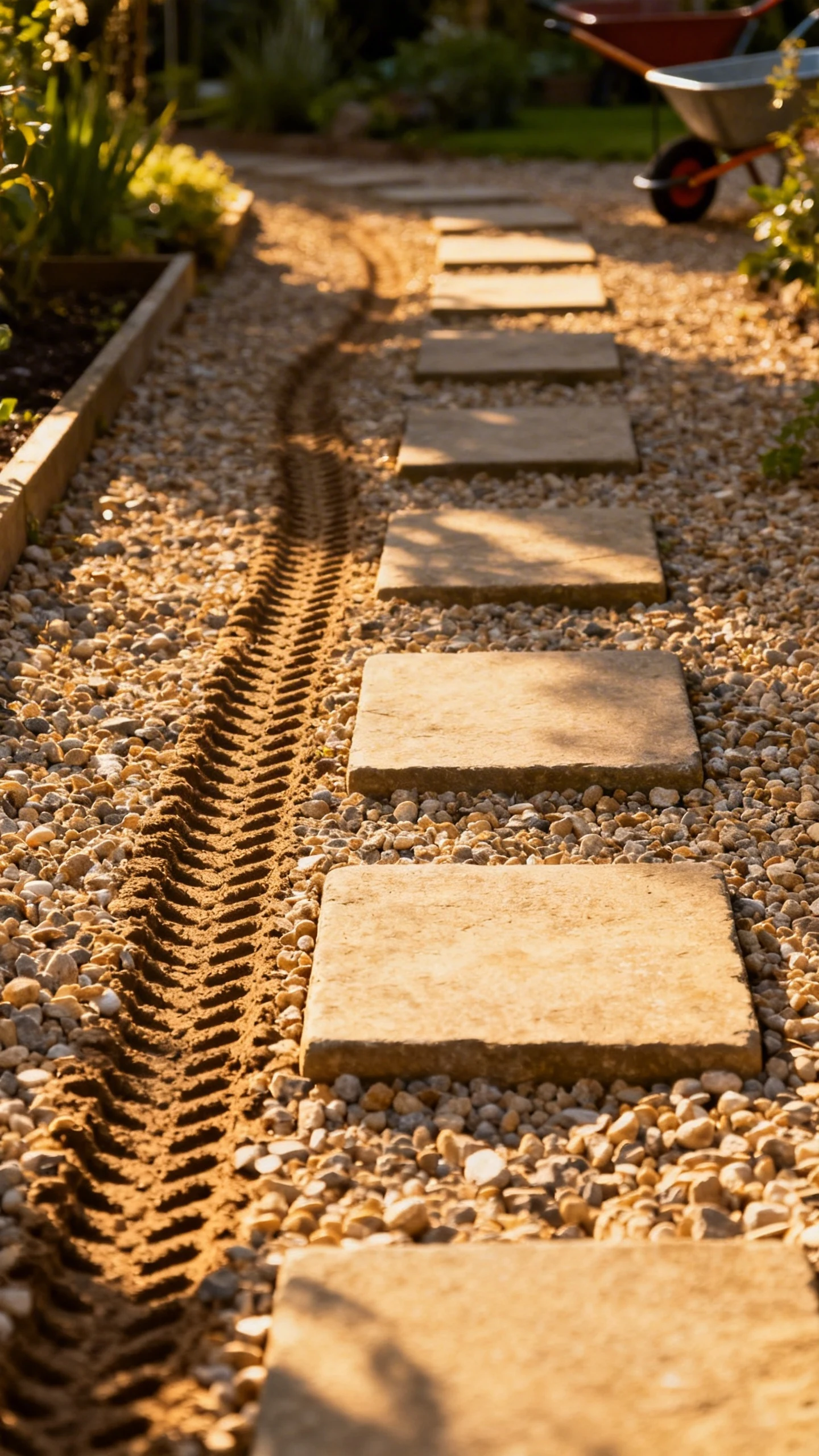
Design paths like you mean it. Two to three feet wide works for most people. If you want wheelbarrow access, go wider. Use mulch, gravel, pavers, or stepping stones—whatever matches your home style.
Watering Without Dragging a Hose Across Your Life
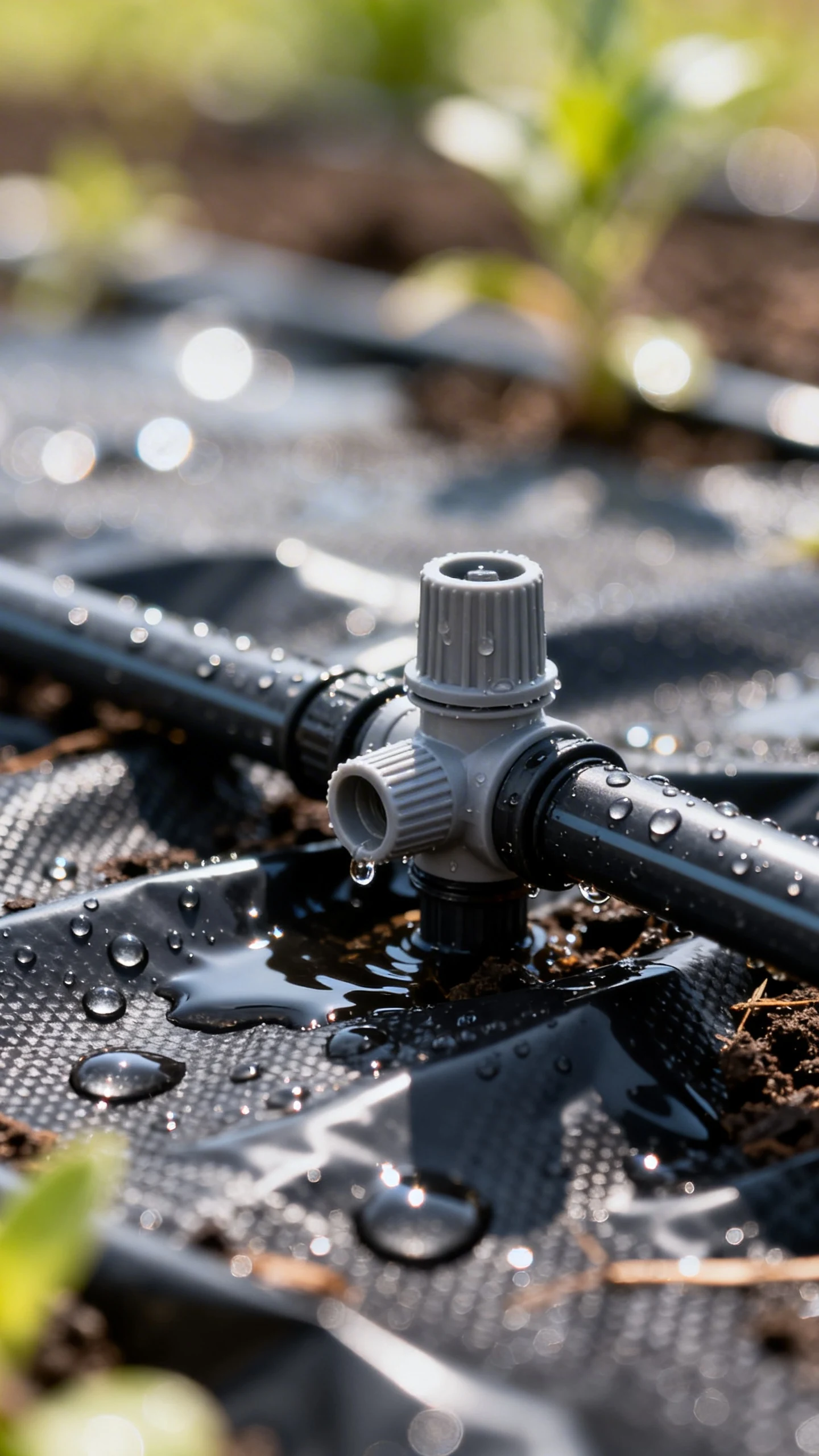
If you hate watering, plan for it now. Install drip irrigation, soaker hoses, or at least position beds close to a spigot. Your future self will feel grateful instead of resentful in July.
Mulch helps too. Add a thick layer of straw, shredded leaves, or wood chips (not touching stems). Mulch cuts watering needs and keeps weeds from throwing a party.
Critters, Curious Humans, and Subtle Deterrents
Let’s talk reality: rabbits, deer, and neighborhood pets will treat your garden like a buffet. And yes, some humans “sample” too when produce sits by the sidewalk. Most people behave, but it only takes one cucumber enthusiast to annoy you.
Use simple, attractive protection:
- Low fencing: Keeps pets and casual nibblers out.
- Deer fencing: Necessary if deer visit regularly (they always do).
- Netting: Protects berries and seedlings without looking intense.
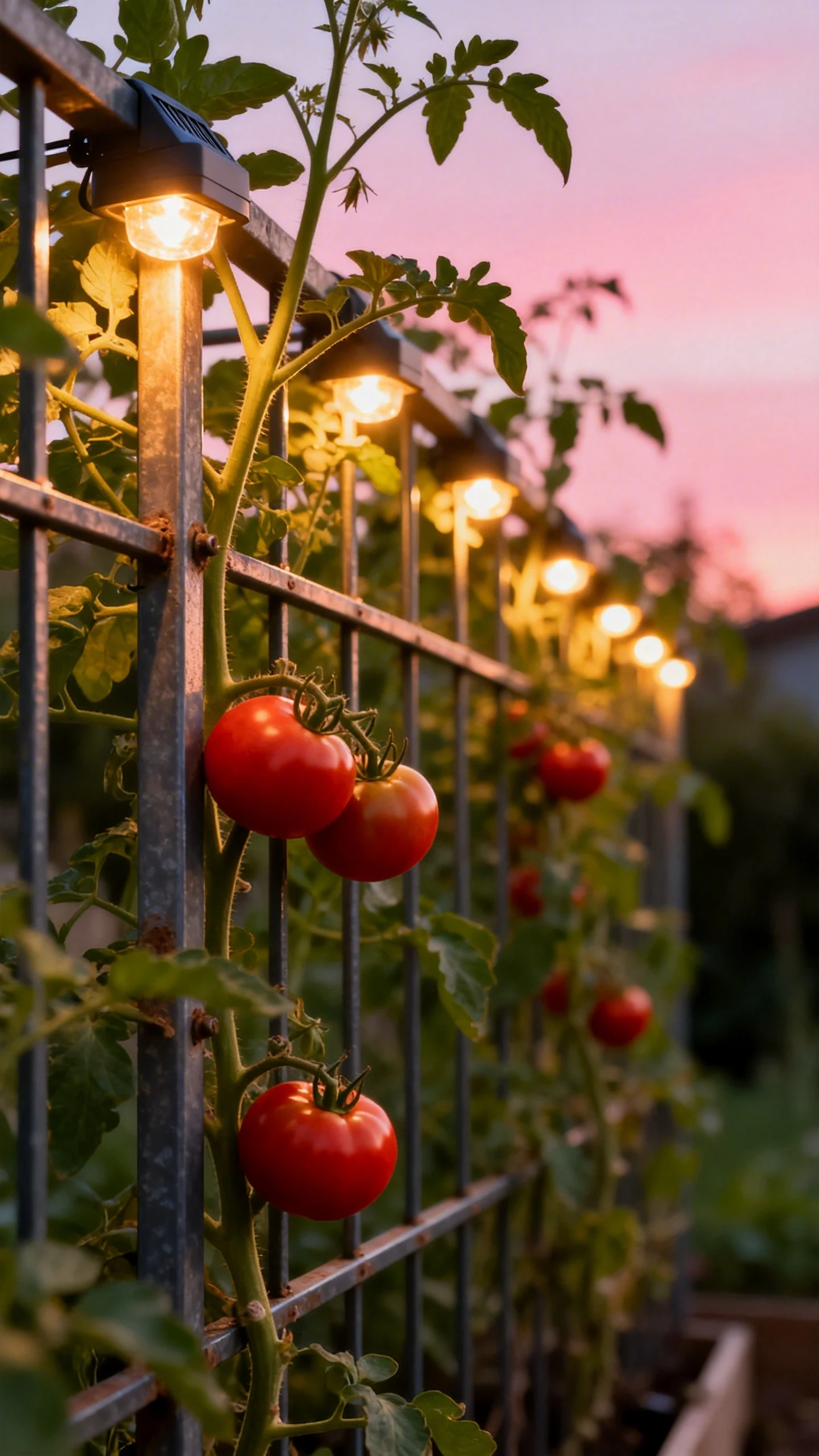
- Lighting: Soft solar lights make it look welcoming and discourage mischief.
If someone asks questions, treat it like a compliment. You’ve officially built a conversation starter that also makes salsa.
FAQ
Will a front yard vegetable garden hurt resale value?
Not if you design it neatly. Clean edges, healthy plants, and defined beds make it look like intentional landscaping. A messy, weedy patch can turn buyers off, so keep it sharp and you’ll stay in the “charming” zone.
What vegetables look best in a front yard garden?
Go for crops with bold color and tidy growth habits. Think rainbow chard, kale, lettuces, peppers, bush beans, and herbs. Train tomatoes and cucumbers on trellises so they grow upward instead of sprawling like they own the place.
How do I keep it from looking messy mid-season?
Plant in repeating blocks, prune aggressively, and keep paths weed-free. Add supports early so plants grow into them instead of flopping. Also, harvest often—nothing looks messier than overgrown, bolting greens that scream “I forgot.”
Can I mix flowers with vegetables in the front yard?
Yes, and you should. Flowers like marigolds, calendula, nasturtiums, and zinnias add color and help bring in pollinators. They also make the garden look more “landscaped” and less like a mini farm plot.
What’s the easiest layout for beginners?
A simple raised-bed grid with mulch paths wins every time. You get clear structure, easy access, and fewer weeds. Start with two beds instead of eight, unless you enjoy learning lessons the hard way.
Conclusion
A front yard vegetable garden can look classy, feel practical, and deliver dinner ingredients with almost no extra steps. Focus on structure first—beds, edges, paths—then fill in with veggies that look as good as they taste. Keep it tidy, give plants support, and plan watering like you actually want to succeed. And if the neighbors stare? Let them. You’re growing tomatoes out front like you mean it.