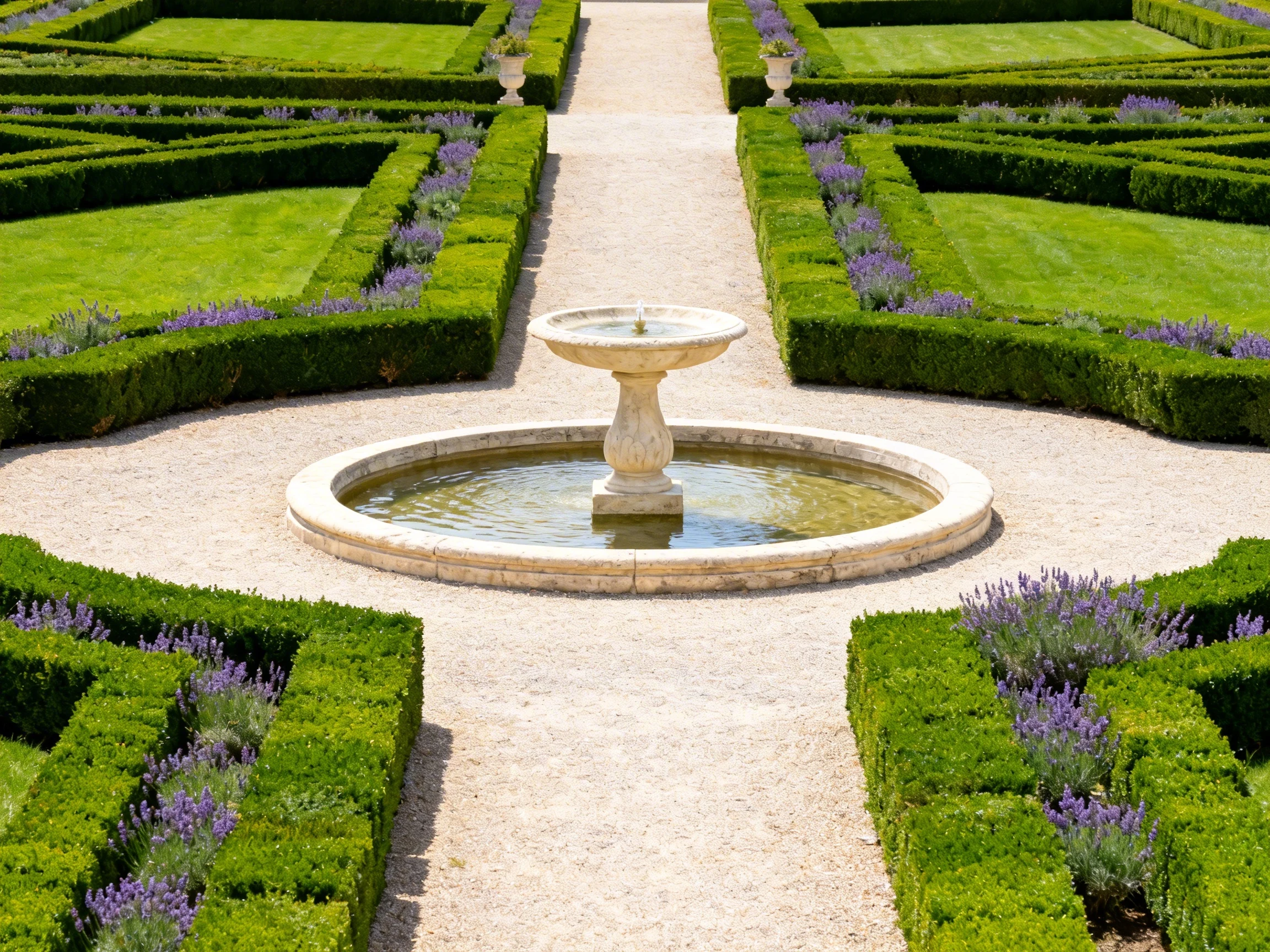
French garden design doesn’t whisper. It strolls up, fixes its cuffs, and says, “Yes, I meant to do that.” You get crisp lines, dramatic symmetry, and just enough flair to make your neighbors suspicious that you hired a team of tiny landscape butlers. And honestly? That’s the vibe.
If you crave a garden that looks polished from every angle, French style delivers. It doesn’t depend on “wild magic” or “happy accidents.” It runs on intention, structure, and a little bit of glorious control-freak energy.
Don’t worry, though. You don’t need a château or a fountain that shoots water into next week. You just need a few smart moves and the confidence to edit your yard like a designer edits a room.
What “French Garden” Actually Means (And Why It Works)
When people say “French garden,” they usually mean the formal style that peaked around the time Versailles decided to become the main character. Think geometry, long views, and a layout that makes your brain feel instantly calmer. It works because your eyes love order, even if your laundry situation says otherwise.
French design leans hard into symmetry, structure, and sightlines. You don’t wander randomly through it. You move through it like the garden planned your whole day, which, honestly, it did.
That said, you can adapt French style to normal-sized spaces. You can pull off the look with hedges, gravel paths, clipped shrubs, and a few strong focal points. You don’t need royal drama, just smart boundaries.
Formal vs. “French-Inspired”
A true formal French garden demands precision. It asks you to prune, edge, sweep, and generally act like a person who enjoys straight lines. A French-inspired garden steals the best parts and relaxes the rules so you still have weekends.
IMO, most home gardens should aim for French-inspired. You get the elegance without turning your yard into a full-time job. Save the Versailles lifestyle for people with staff and wigs.
Start With the Skeleton: Layout, Axes, and Symmetry
French gardens succeed because they start with a plan. Before you buy a single plant, you decide where you want your eye to go. Then you build paths, edges, and shapes that guide everything else.
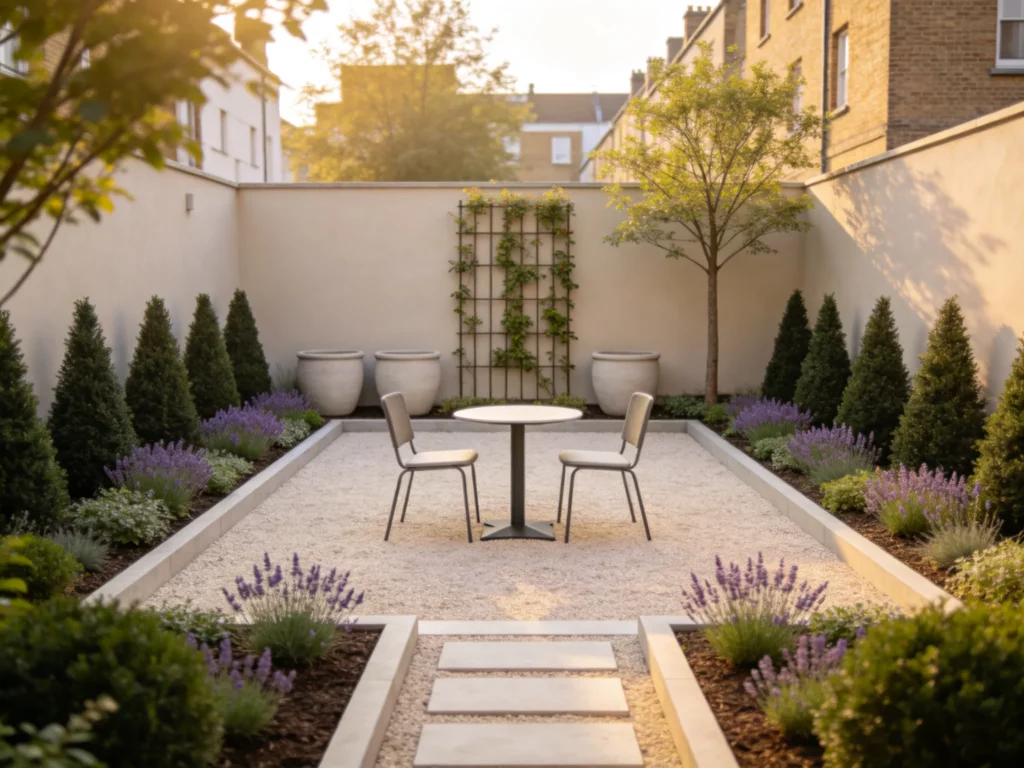
The simplest trick involves a central axis. You draw an imaginary line from your door straight into the garden. Then you place something interesting at the end of that line, like a bench, a pot, or a sculpture you swear looks tasteful.
Next, you mirror elements on both sides. You don’t need perfect twins, but you do need balance. Your brain loves symmetry like it loves a perfectly aligned gallery wall.
Easy Symmetry for Real-Life Yards
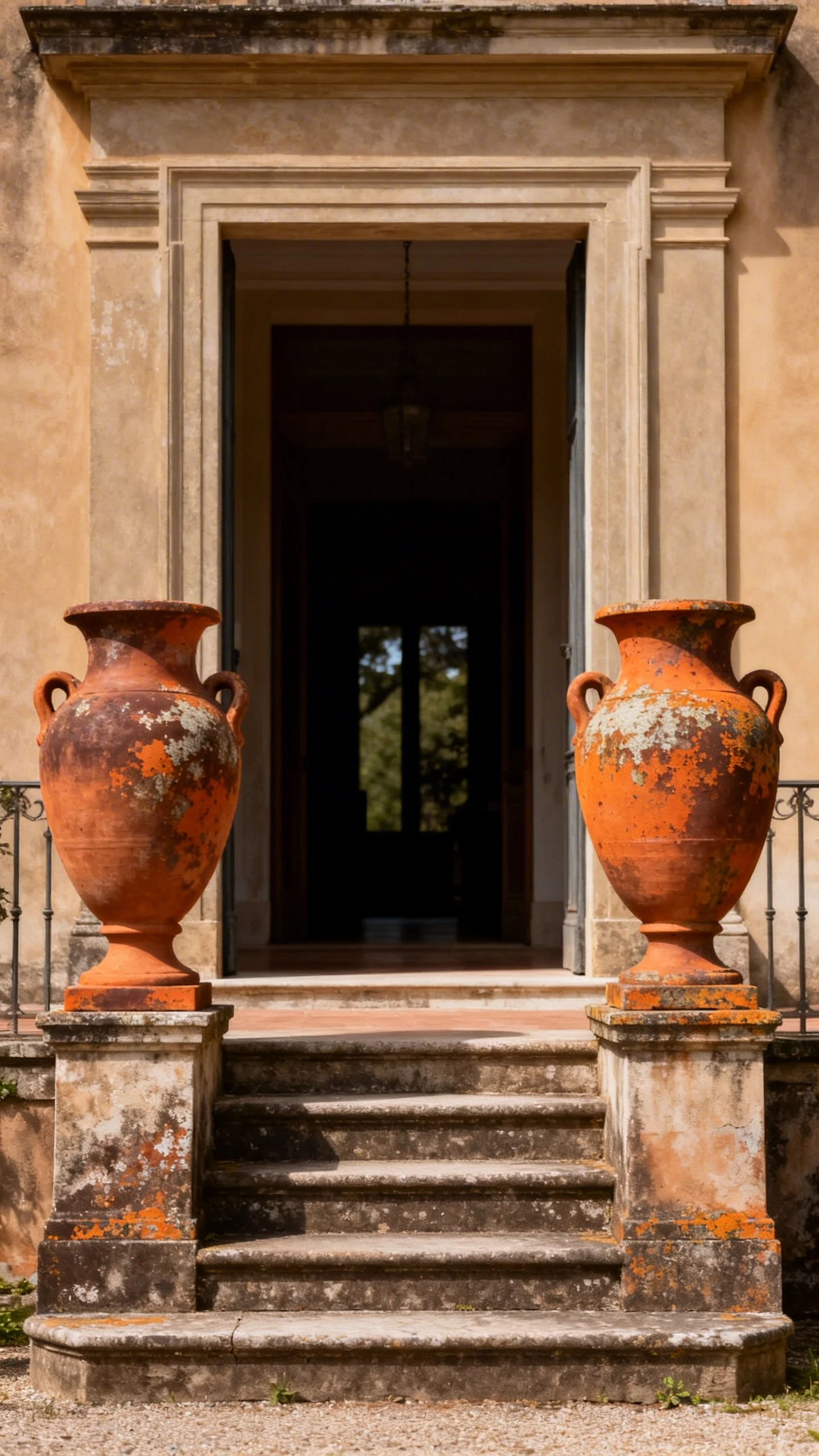
If you have a small space, keep it simple. Match two planters by the front steps. Repeat the same shrub on both sides of a path. Create two identical beds and fill them with the same backbone plants.
You can also use repetition as “soft symmetry.” Repeat the same shape, color, or plant every few feet. Your garden will look intentional even if you planted everything while wearing pajamas.
Parterres, Borders, and the Power of a Crisp Edge
Parterres sound fancy because they are fancy. They involve low hedges or borders that outline patterns, usually filled with gravel, groundcover, or seasonal flowers. They basically turn your garden into living embroidery.
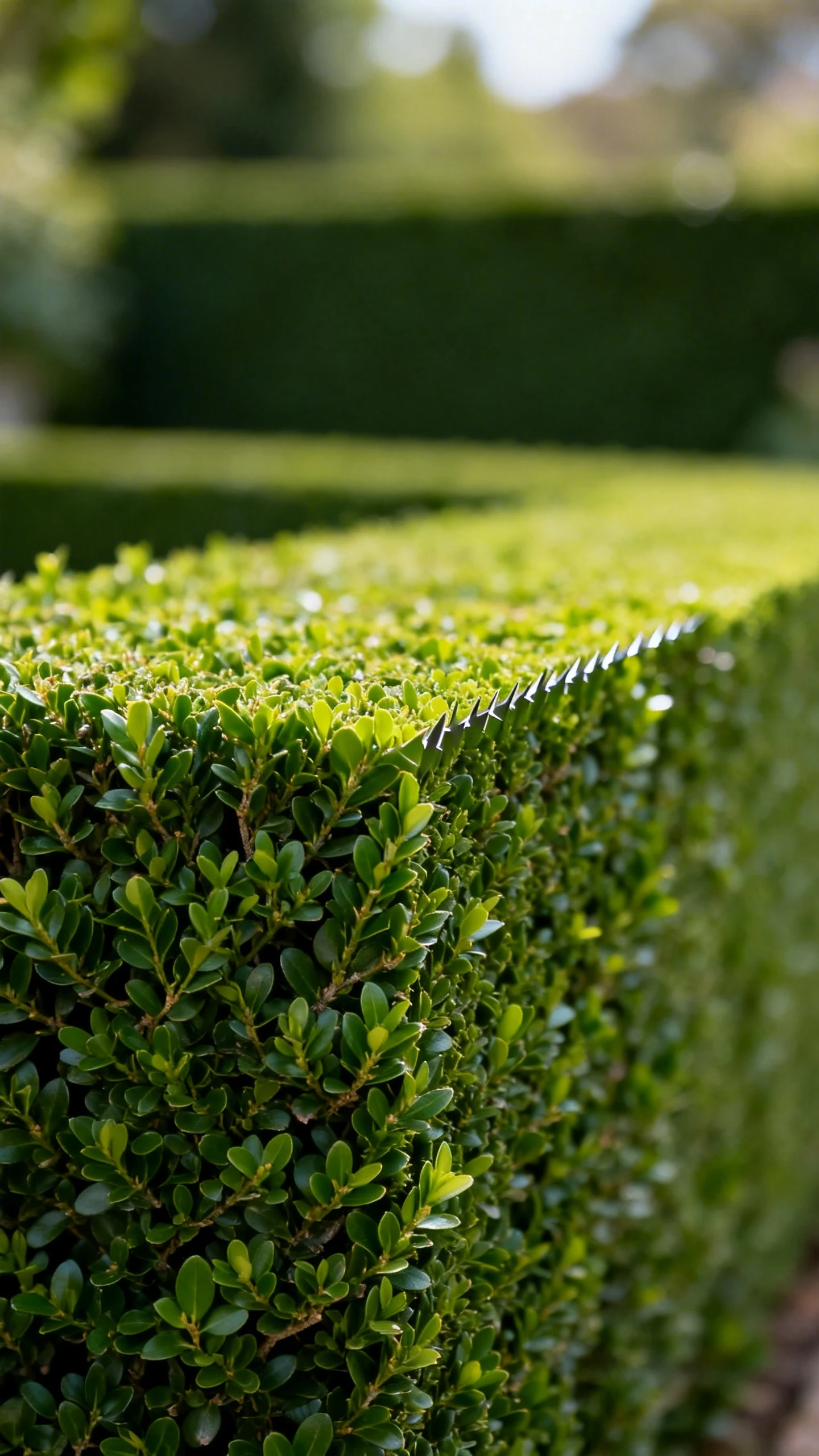
You don’t need complex scrollwork. You can create a simple rectangle, circle, or diamond and still hit the French look. The real secret involves clean, sharp edges. Edges make everything look expensive, even if you bought your plants on sale.
Try boxwood if you want tradition, but don’t feel trapped by it. You can use dwarf yaupon holly, lavender, rosemary, or even clipped grasses depending on your climate. Pick something that clips well and doesn’t throw a tantrum in your region.
A Simple “Mini Parterre” Recipe
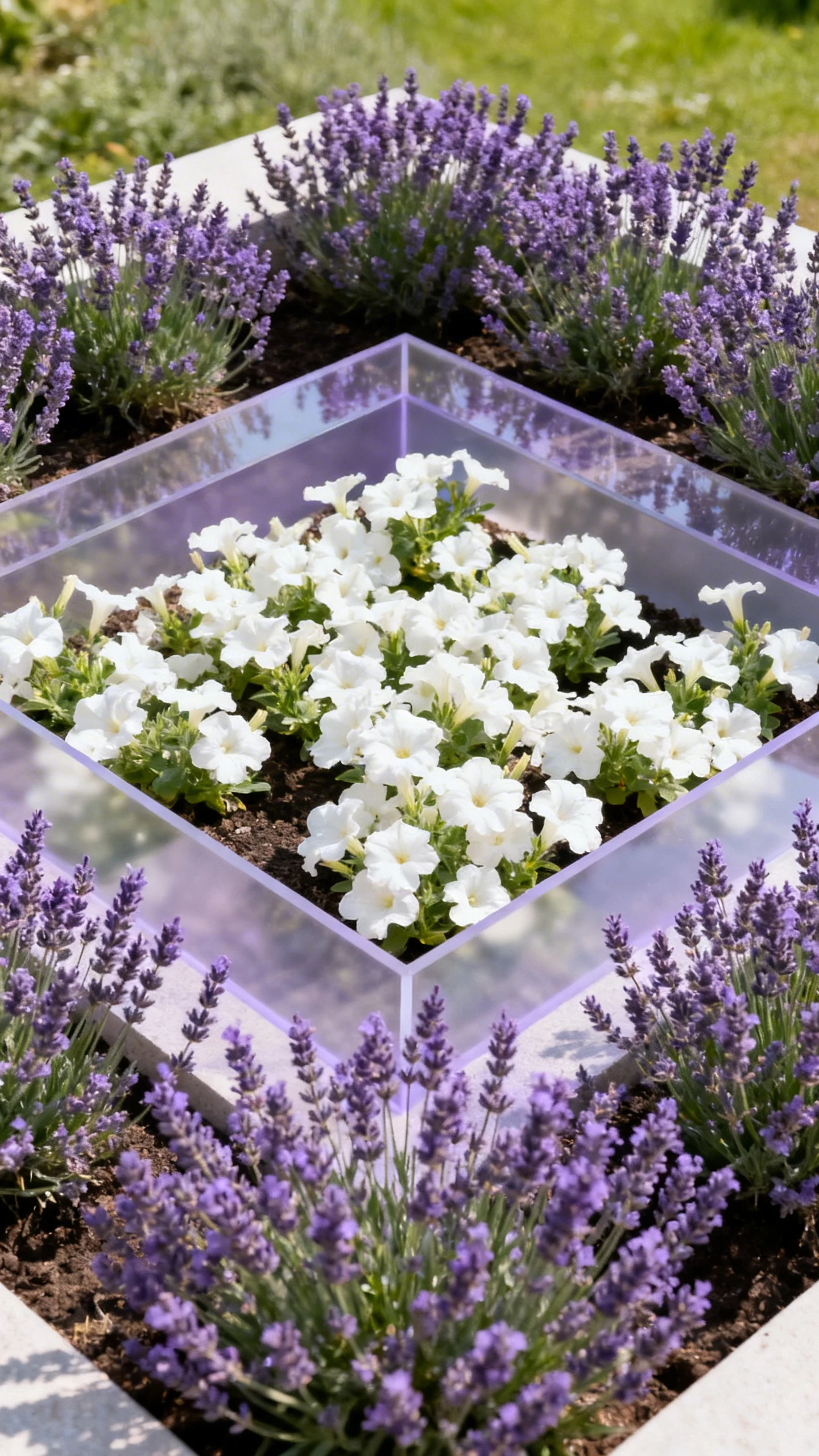
Want the vibe without a headache? Build one strong bed and treat it like a statement piece. Start with a border plant you can shape, then fill the inside with something low and tidy.
- Border with boxwood, lavender, or dwarf holly
- Fill with white flowers for a classic look
- Add gravel paths around it for instant polish
- Repeat the shape somewhere else for harmony
Focal Points: Statues, Fountains, Urns, and Other Main Characters
French gardens love a focal point. They don’t just hope you notice something cool. They point at it and say, “Look. Right there.” You can do that with water, sculpture, a sundial, an urn, or even a dramatic tree.
Place focal points at the end of a path or at the center of a symmetrical layout. You can also anchor a seating area with something strong behind it. The goal involves creating moments that feel composed.
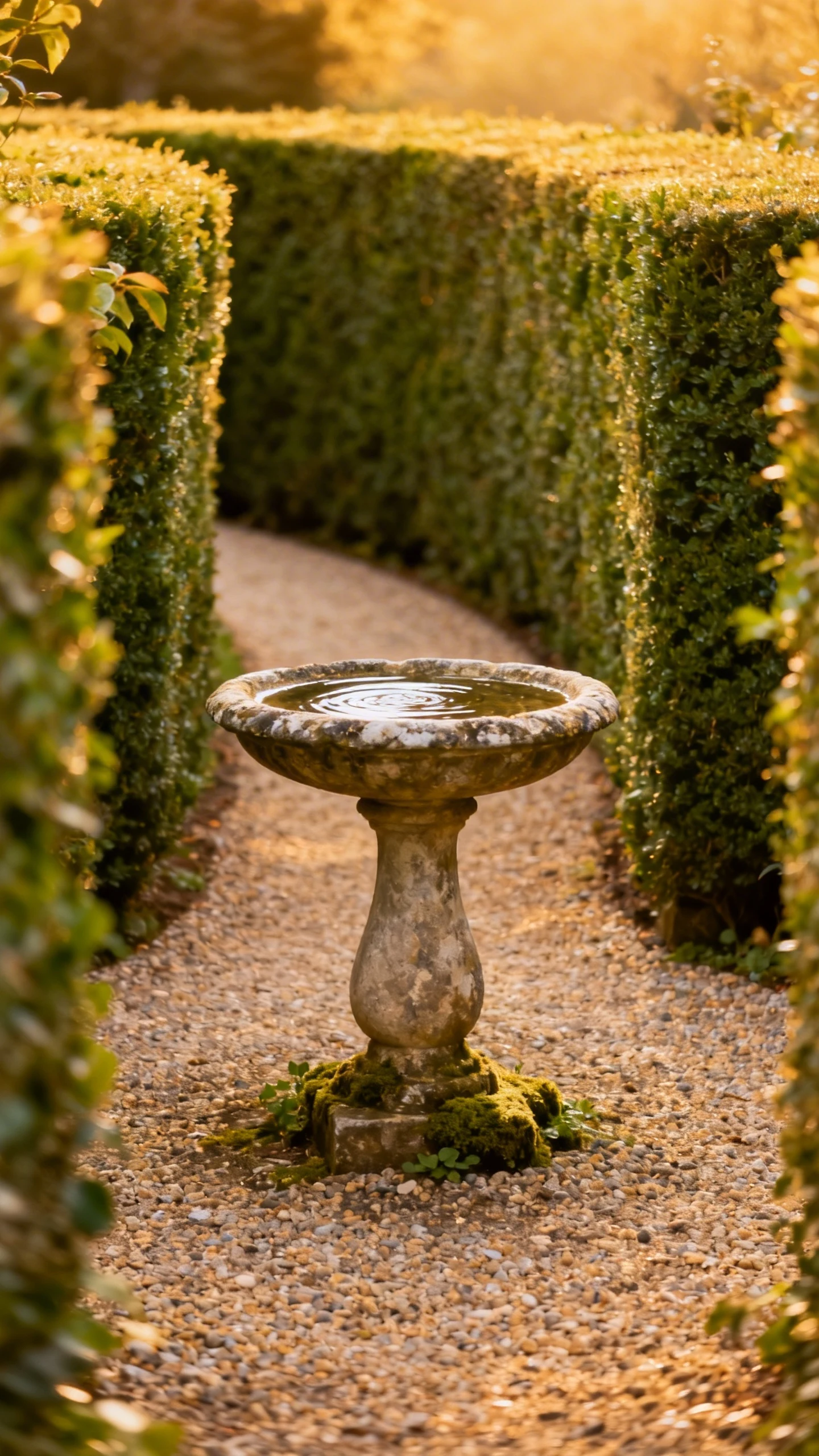
FYI, “focal point” doesn’t mean “buy a giant marble goddess immediately.” You can start small with a weathered pot, a simple sphere, or a birdbath that doesn’t look like a plastic pancake.
How to Pick the Right Feature
Match the scale to your space. A tiny courtyard needs a small fountain or a wall-mounted spout, not a lake situation. A bigger yard can handle a stronger centerpiece, especially if you frame it with hedges or trees.
Keep materials consistent. Stone with stone, metal with metal, terracotta with terracotta. When you mix too many finishes, your garden starts to look like it joined five different design trends at once.
Plants That Nail the French Look (Without the Drama)
French style doesn’t depend on rare plants. It depends on shapes, layers, and restraint. You want a few dependable structural plants, then you sprinkle in softer textures and seasonal color.
Start with evergreen structure. Clipped hedges, topiary cones, and round shrubs deliver that formal backbone all year. Then you add perennials and annuals for charm, fragrance, and “oh wow” moments.
Classic choices include boxwood, yew, hornbeam, roses, lavender, and hydrangeas. You can also use catmint, salvia, and thyme to soften edges and add pollinator appeal. You get elegance and bees, which feels like winning.
Roses, But Make Them Manageable
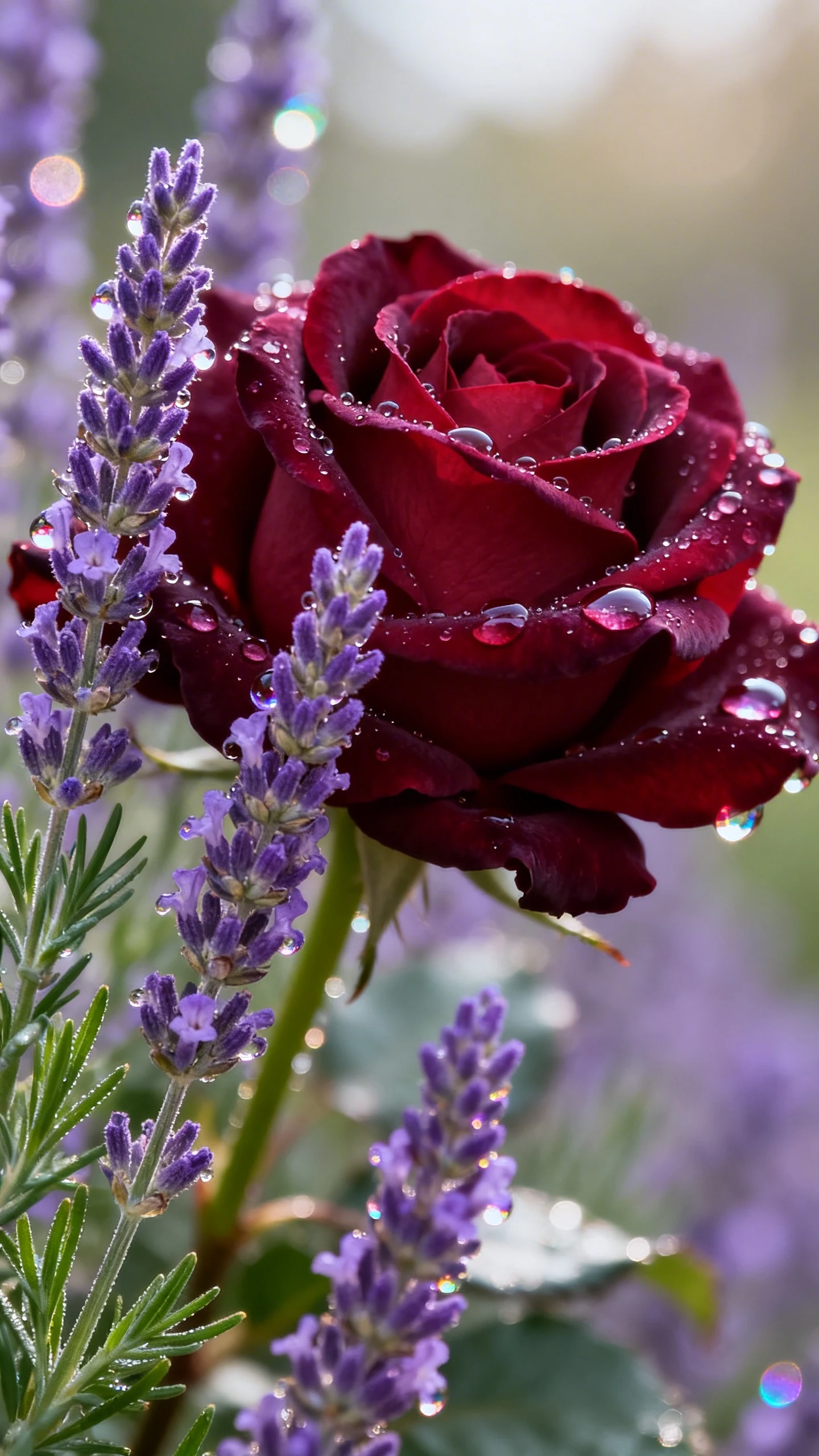
Roses scream French garden, but they also demand attention. If you love them, go for it. Choose disease-resistant varieties and give them airflow, sun, and regular pruning.
If you want the romantic look without constant fuss, mix in lavender and hardy geraniums around them. Those plants play nice, fill gaps, and make the whole bed look lush. Plus, lavender smells like you have your life together.
Paths, Gravel, and That Satisfying Crunch Underfoot
French gardens treat pathways like essential architecture, not afterthoughts. Paths create order, define beds, and set the pace. They also help you avoid trampling your plants like a confused giant.
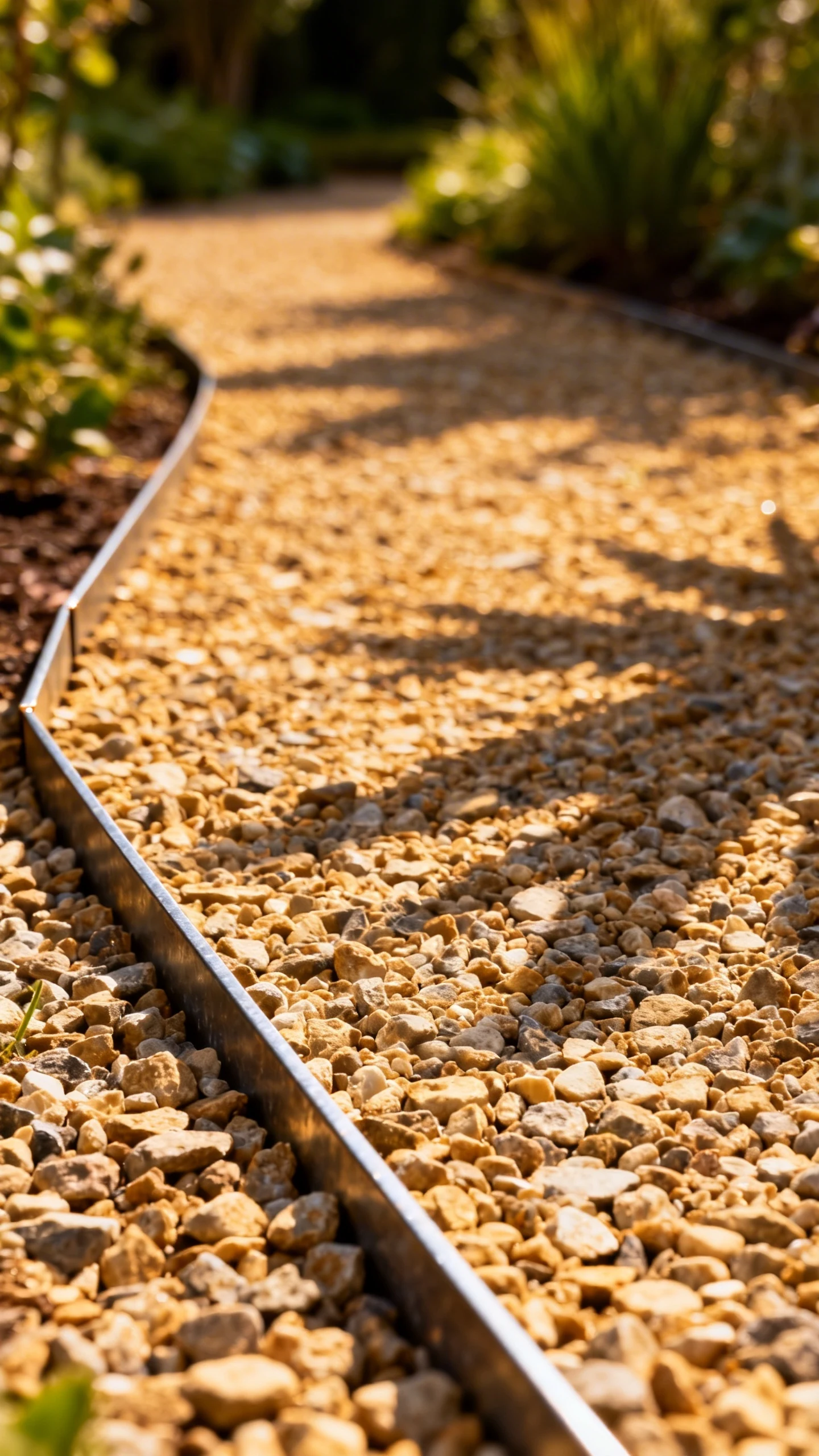
Gravel works like a cheat code here. It looks classic, drains well, and instantly reads “European.” It also makes that crunchy sound when you walk, which feels weirdly powerful.
Pair gravel with crisp edging. Use metal, stone, brick, or even a tight strip of clipped groundcover. Edging keeps gravel from migrating across your yard like it pays rent.
Don’t Ignore the Maintenance Reality
Gravel needs occasional raking and weeding. It also needs a good base layer and landscape fabric or a well-compacted sub-base, depending on how you build it. If you skip prep, weeds will throw a party and invite their cousins.
For a lower-maintenance alternative, use pavers or brick laid in a simple pattern. You still get that structured feel, and you don’t spend your Saturday pulling tiny weeds with existential dread.
FAQ
Can I do French garden design in a small backyard?
Yes, and it can look amazing. Focus on one axis, one strong focal point, and a couple of symmetrical elements. Use clipped shrubs and a simple gravel or paver path to make everything feel intentional.
Do I need boxwood for a French-style garden?
Nope. Boxwood offers tradition, but plenty of alternatives deliver the same tidy structure. Try dwarf hollies, yew, privet, rosemary, or lavender, depending on your climate and how much clipping you want to do.
What colors feel most “French” in planting beds?
Go classic with whites, soft pinks, purples, and blues, then add green structure behind them. Keep the palette tight so the layout stays the star. If you love bold color, use it in containers so you can edit easily.
How do I make it look formal without spending a fortune?
Spend your effort on edges and repetition. Add two matching planters, repeat the same shrub shape, and keep paths clean. You can also use gravel and simple terracotta pots to get that French vibe on a sane budget.
How much maintenance should I expect?
More than a wild garden, less than a full-time job if you design smart. Clipped shapes need seasonal pruning, paths need tidying, and beds need consistent edging. If you keep the design simple, upkeep stays manageable.
Conclusion: French Style, Minus the Versailles Lifestyle
French garden design brings calm, elegance, and a little theatrical flair. It rewards structure, repetition, and clean lines, and it makes even a basic yard look thoughtfully designed. You don’t need a palace, just a plan and the willingness to keep edges crisp.
Start small, pick one focal point, and build outward with symmetry and strong shapes. Then add fragrance, softness, and a few flowers that make you smile. Your garden will look polished, and you’ll still have time to actually enjoy it, which feels like the whole point.