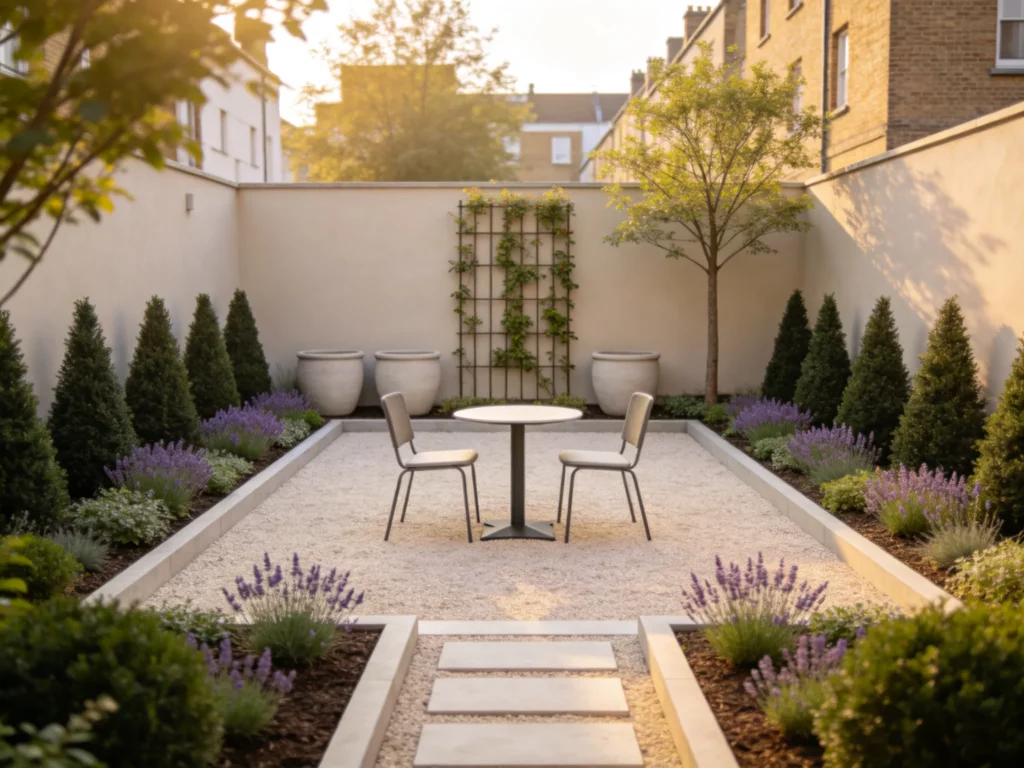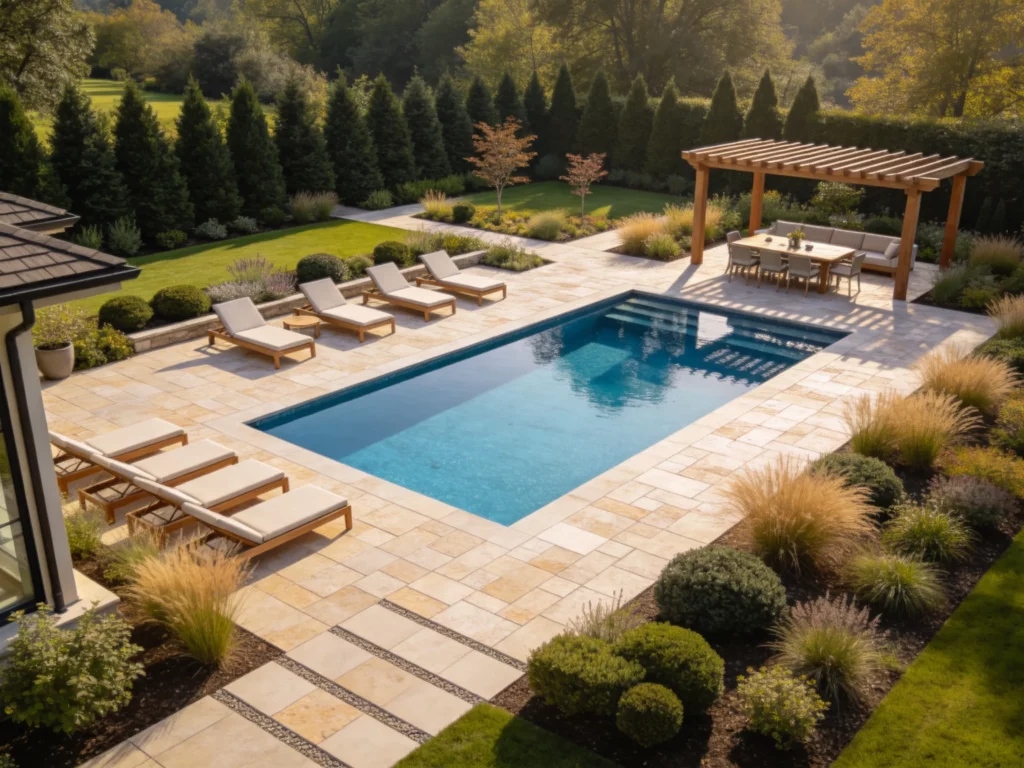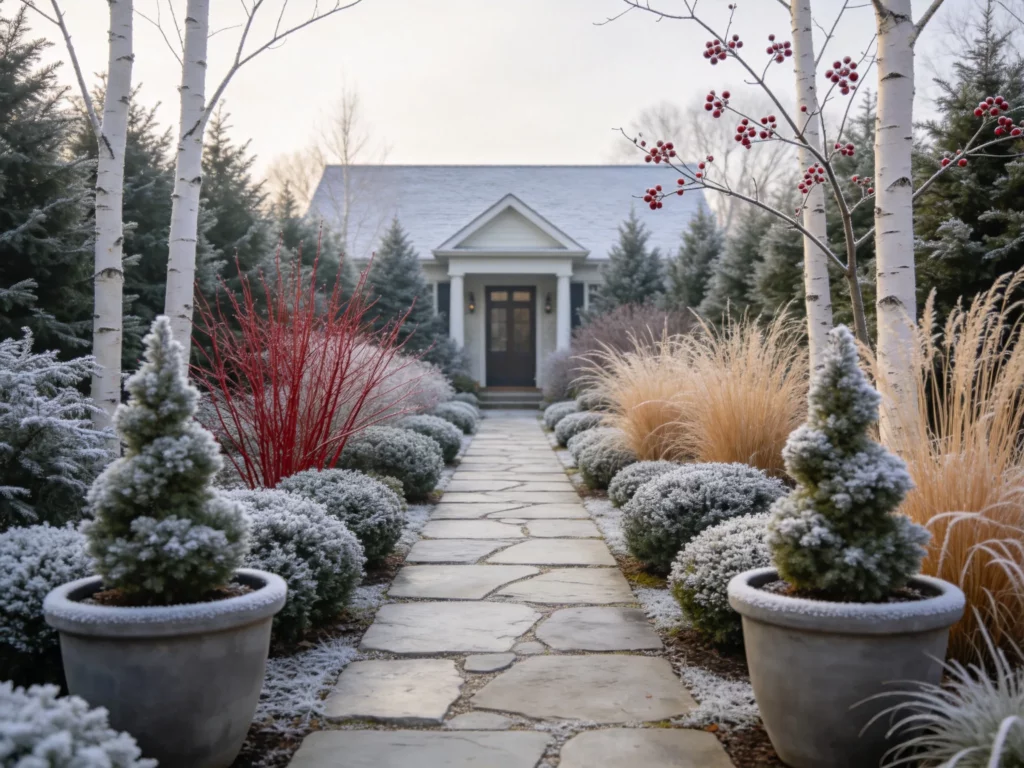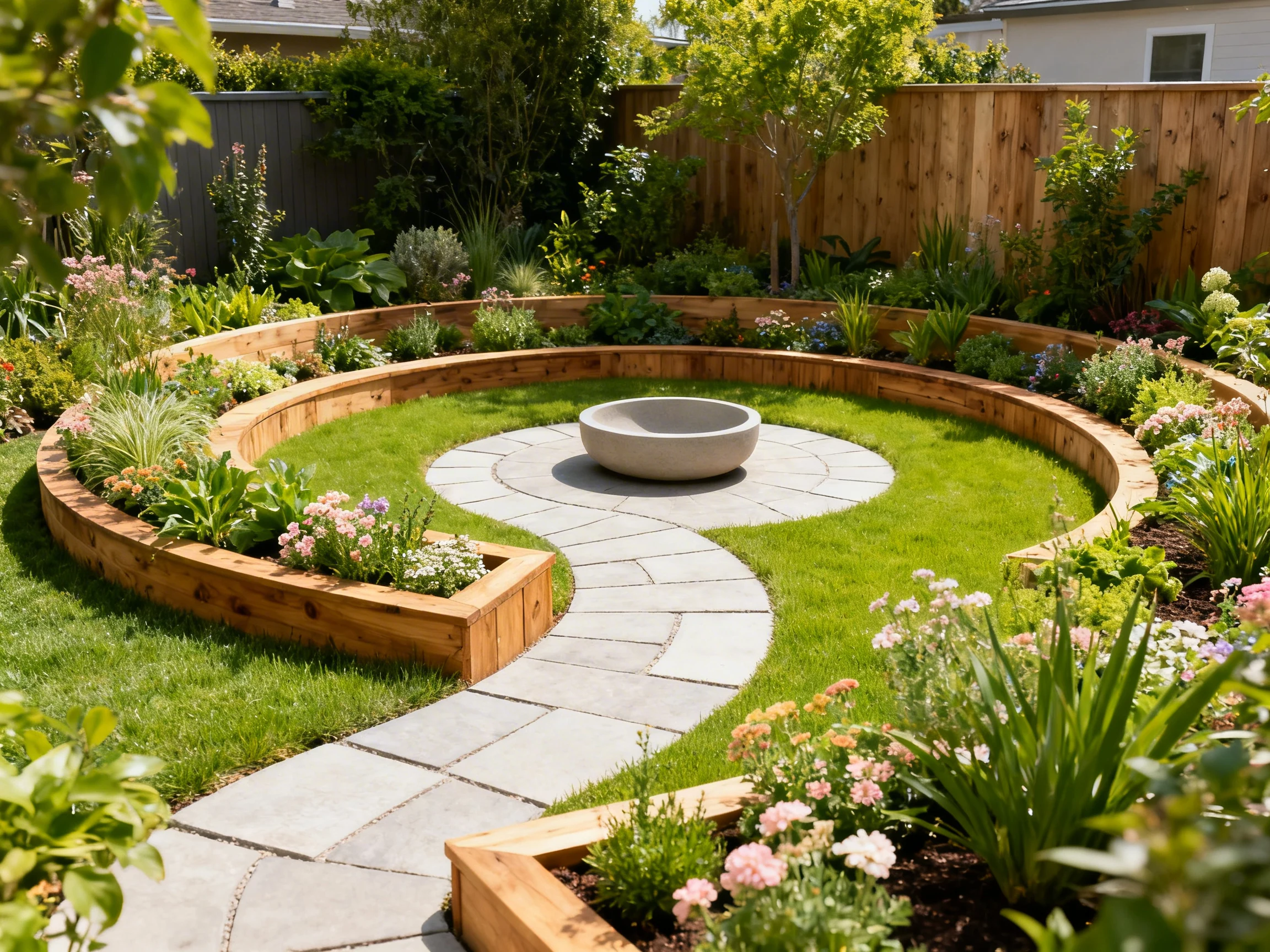
A circular garden grabs attention fast. It feels intentional, like you planned the whole thing instead of tossing plants wherever they fit. And honestly, it makes even a small yard look like it has a “design concept” (fancy). If you want a garden that looks organized but still feels playful, circles deliver.
Why circles just work (and why your yard loves them)
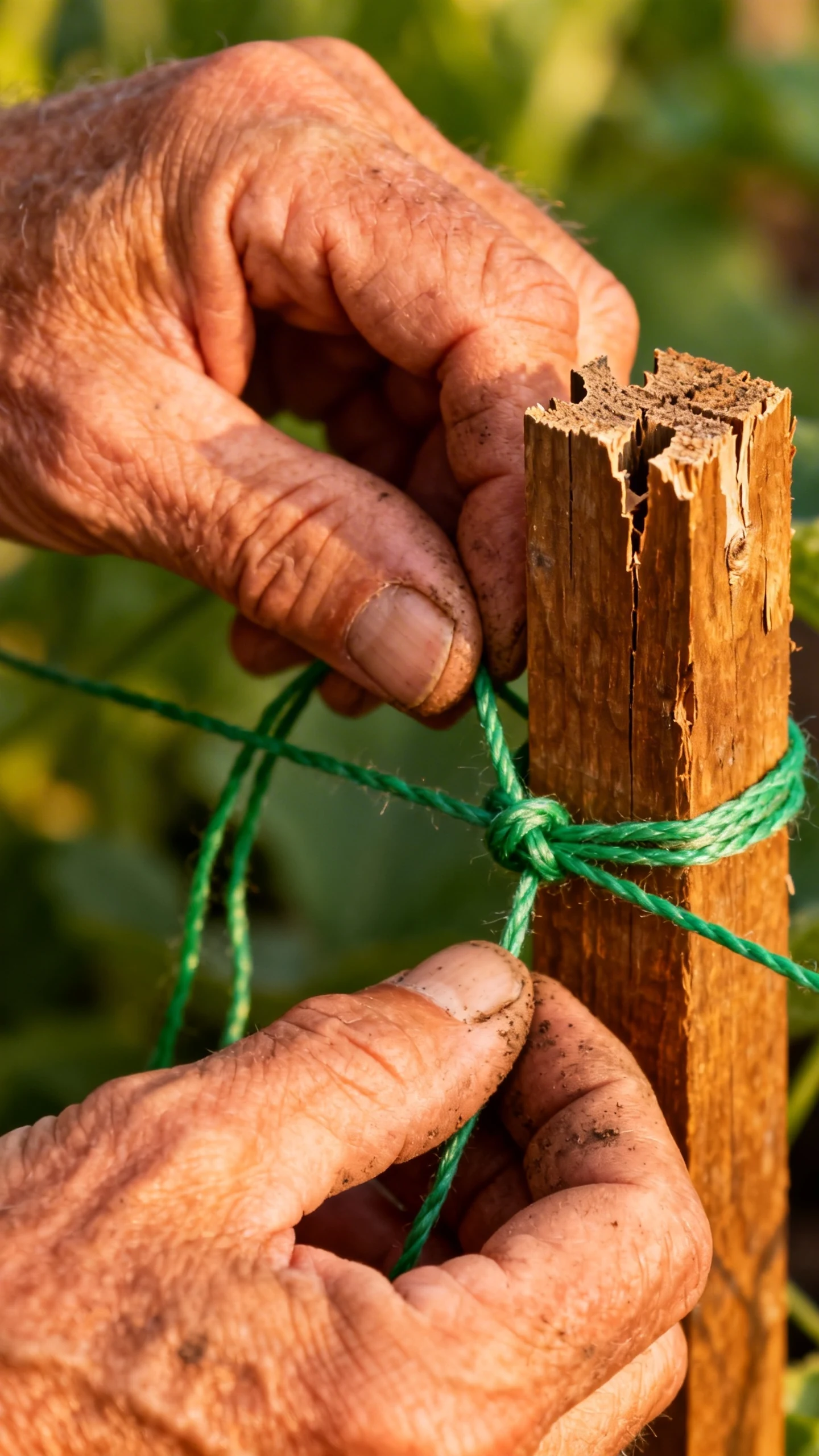
Straight lines act bossy. They tell your eye exactly where to go and where to stop. A circle does the opposite: it keeps your gaze moving and makes the space feel softer and more relaxed.
Circles also fix awkward spaces. Got a lumpy lawn, a weird corner, or a patio that never quite fits? A round shape can “edit” the mess by giving everything a clear center and a clean boundary.
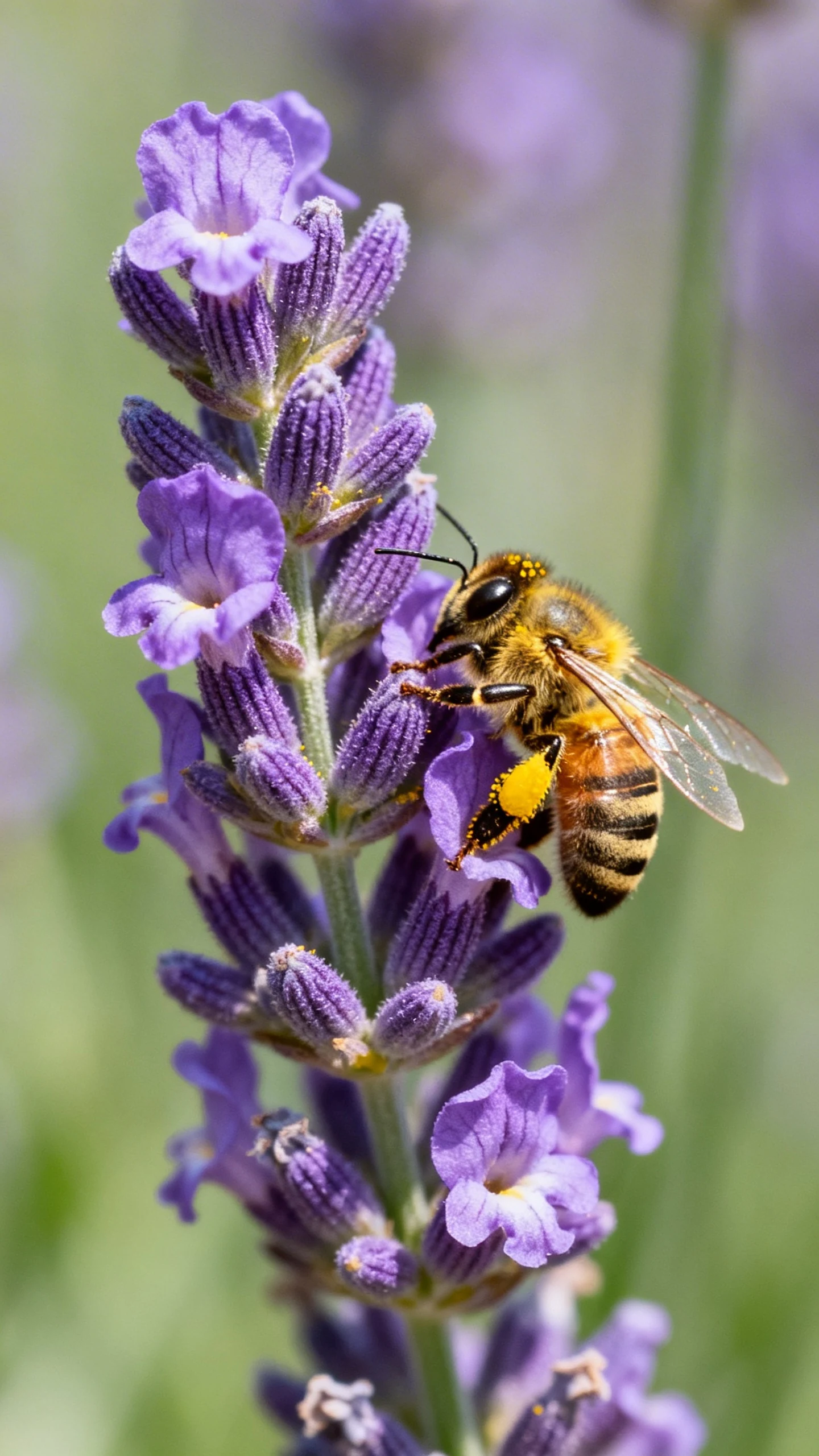
Plus, circular layouts make you slow down. You don’t just march from Point A to Point B. You wander. You look. You notice the little stuff, like the bee doing overtime on your lavender.
Circles make small gardens feel bigger
A circle tricks the eye because it doesn’t show you long, obvious edges. Your brain can’t measure the space as easily, so it feels roomier. That sounds like nonsense until you try it and suddenly your tiny yard feels like it belongs in a magazine.
FYI, you don’t need a huge yard for this. A simple round bed in the middle of a lawn can completely change the vibe.
Pick your center: the “anchor” that makes the whole design click
Every good circular garden needs a center point. Think of it as the plot twist that makes the story interesting. Without it, the circle can look like you just drew a random ring and hoped for the best.
Choose something that deserves attention. It can look dramatic, practical, or both. Just make it feel like the circle formed around it on purpose.
- A small tree like Japanese maple or olive (climate permitting)
- A fountain for instant “I have my life together” energy
- A birdbath for low effort, high charm
- A sculpture if you enjoy confusing your neighbors
- A fire pit if you want the garden to actually get used
Centerpieces that stay cute year-round
Some focal points look great in June and sad in February. If you want the circle to hold up all year, pick something with structure. Evergreens, stone, metal, and water features all keep their shape when the flowers clock out for the season.
IMO, a single evergreen shrub in the center can beat a complicated centerpiece if you style it well. Add lighting and suddenly it looks intentional instead of “I gave up.”
Layout options: from simple rings to full-on garden drama

You can design circular gardens in a bunch of ways, and none of them require a landscape architecture degree. Start with how you want to move through the space. Do you want to walk into the circle, around it, or just admire it from a chair while sipping something cold?
Here are a few layouts that work almost anywhere. Pick one based on your space and your patience level.
- Single circle bed: one round planting area with a centerpiece or layered plants
- Concentric circles: multiple rings that step up in height or change plant types
- Circle with cross paths: two paths that intersect at the center for a classic look
- Keyhole circle: a circular bed with one path “bite” so you can reach everything
- Spiral path: a walkway that winds inward like a chill little maze
Concentric circles: the easiest way to look fancy
Concentric rings create instant structure. You can do an inner ring of taller plants, then medium, then low edging. Or you can mix materials: gravel ring, planting ring, stepping-stone ring, and so on.
This style also helps with maintenance. You can keep the outside ring neat and forgiving, then play around with the inner rings without the whole garden looking chaotic.
Spiral paths: whimsical, but don’t wing it
Spirals look magical when you plan them. They look like a confused snail trail when you don’t. If you want a spiral, mark it carefully and keep the path width consistent so people can actually walk it without doing that awkward sideways shuffle.
Use a spiral if you love discovery. Each curve can reveal a new plant group, a bench, or a tiny water bowl. Yes, it sounds extra. Yes, it looks amazing.
Planting a circular garden: height, layers, and the “don’t block the view” rule
Circular planting succeeds when you respect sightlines. Your eye should glide across the circle, not crash into a wall of plants that hides everything behind it. Think in layers and use height changes like you mean it.
Most circular beds look best with taller plants near the center and shorter ones near the edge. That gives you a natural dome shape and keeps everything visible. You can flip the pattern in a very formal garden, but you need strong structure to pull it off.
Also, repeat plants. Repetition makes the circle feel designed instead of random. You don’t need 27 different plant species to prove you own a shovel.
Go-to plant combos that look good without trying too hard
Pick plants with different textures, not just different colors. You want contrast between spiky, soft, airy, and chunky shapes. That mix gives the circle depth even when nothing blooms.
- Pollinator party: salvia, lavender, echinacea, ornamental grasses
- Shade-friendly: hostas, ferns, heuchera, hydrangea
- Mediterranean-ish: rosemary, thyme, sage, rockrose (check your zone)
- Modern clean look: boxwood (or a substitute), alliums, sedum, black mondo grass
Edging and groundcovers: the secret to a crisp circle
A circle looks sharp when you define the edge. If you skip this, the shape blurs and the design loses its punch. Use metal edging, brick, stone, or even a tight band of low plants.
Groundcovers also help. They fill gaps, reduce weeds, and make the whole thing look lush. Just choose one that won’t sprint across your yard like it pays rent there.
Paths, materials, and how to actually draw a circle (without crying)

Let’s talk logistics. You can’t “eyeball” a circle unless you possess magical powers. You need a center point, a string, and something to mark the outline. This part feels overly simple, but it saves you from creating an accidental oval that haunts you forever.
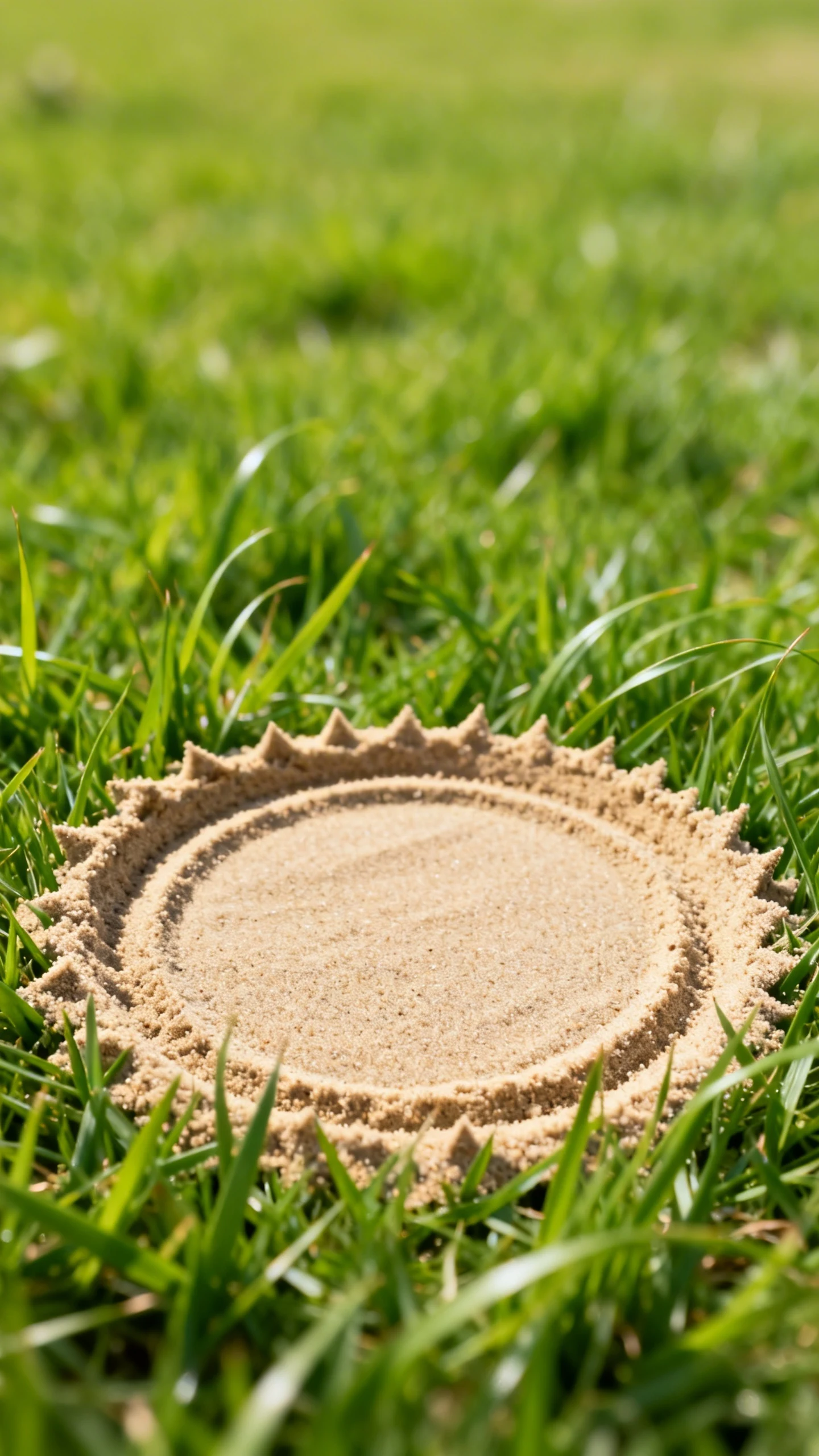
Push a stake into the center. Tie a string to it. Measure the radius you want, keep the string taut, and walk the circle while you mark the line with sand, flour, or spray marking paint. Congratulations, you just did geometry voluntarily.
Now pick materials that match your style and your maintenance tolerance. Gravel looks great but wanders. Pavers look polished but cost more. Mulch looks friendly but needs topping up.
- Gravel: casual, great drainage, needs edging to behave
- Brick: classic, charming, can feel formal
- Stone: natural, sturdy, often pricey
- Pavers: clean and modern, very predictable
- Mulch paths: soft and cheap, refresh yearly
Don’t forget the “where does the water go” question
Circles can accidentally create weird drainage, especially if you mound the center. Water will run off and pool around the edge if you build too steeply. Grade gently, and consider a permeable path material if your yard already turns into a swamp after rain.
If you want extra points, add a subtle swale or a gravel band to guide runoff. Your plants will thank you by not rotting in protest.
Common mistakes (so you don’t build a pretty circle of regret)

Most circular gardens fail for boring reasons, not dramatic ones. People pick plants that outgrow the shape, skip edging, or forget that humans need space to move. Then they blame the circle, even though the circle did nothing wrong.
Keep it simple and scale everything to your yard. A giant circle crammed into a tiny space will feel like you parked a UFO in your lawn.
- Wrong scale: the circle overwhelms the yard or looks too tiny to matter
- No access: you can’t weed or prune without stepping on plants
- Too many plant types: it looks messy instead of lush
- Ignoring mature size: the “cute” shrub becomes a monster
- Weak edging: the circle loses definition fast
FAQ
How big should a circular garden be?
Pick a size that fits the space and still leaves room to walk around it. In a small yard, a circle around 6 to 10 feet wide can look bold without eating everything. In a larger yard, you can go bigger, but keep the proportions balanced with nearby patios, trees, or fences.
Do circular gardens require more maintenance?
No, not if you design them smartly. They actually can reduce chaos because the shape forces structure. Just plan access paths or stepping stones so you can reach the center without trampling plants like a garden villain.
What’s the easiest circular design for beginners?
Start with a single circular bed and a simple centerpiece. Use three layers: tall in the middle, medium next, and low edging. Repeat a few plant types, mulch well, and you’ll look like you know what you’re doing.
Can I make a circular garden in a corner of my yard?
Yes, and it can look awesome. You can use a partial circle, like a “pie slice,” tucked into the corner with the center just outside the fence line. The curve softens the corner and makes the space feel more designed.
What if my yard slopes?
Work with the slope instead of fighting it. Use terracing or a slightly raised center with gentle grading so water doesn’t collect in the wrong places. If the slope feels steep, add low retaining edges in segments to hold soil in place.
Which plants look best in a circular layout?
Plants with clear shapes and repeatable patterns work best. Ornamental grasses, salvias, lavender, sedum, and neat shrubs all behave nicely in circles. Avoid plants that flop outward unless you love the “everything spills everywhere” look.
Conclusion
Circular garden design gives you instant structure, better flow, and a yard that feels more intentional. You can go simple with one round bed or get fancy with rings and spirals, and the circle still does the heavy lifting. Keep the edges crisp, choose a strong center, and layer your plants like you mean it. Then sit back and enjoy the fact that your garden looks designed on purpose, which honestly feels great.