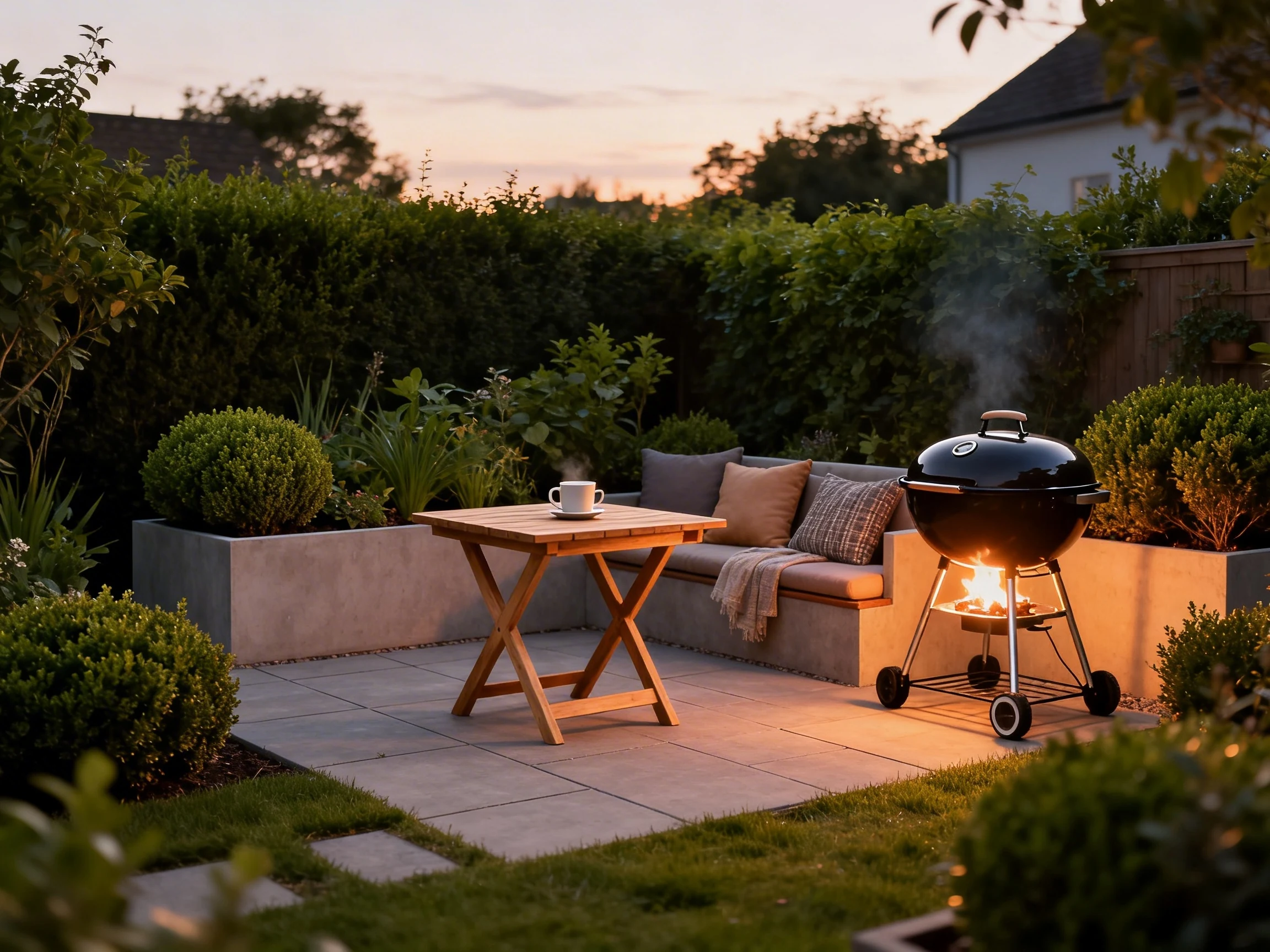
Your back garden doesn’t need to look like a sad patch of grass with a lonely plastic chair. You can turn it into a space you actually use, whether that means morning coffee, loud BBQs, or hiding from everyone for “fresh air.” The trick isn’t spending a fortune—it’s making a few smart choices that fit how you live. Ready to stop apologizing for your garden?
Start With How You Actually Want to Use It
Before you buy a single plant, ask yourself one question: what do you want to do back there? Eat outside? Grow stuff? Let the kids burn energy? Pretend you’re the main character in a slow indie film while you water herbs?
Be honest, because your design should match your lifestyle, not your Pinterest fantasy. If you never host, you don’t need a dining set that seats twelve. If you hate mowing, don’t create a lawn the size of a football pitch.
IMO, the best gardens feel like outdoor rooms. You wouldn’t set up your living room with one chair facing a wall, so why do it outside?
Pick Your “Non-Negotiables”
Choose two or three must-haves, and let everything else support them. This keeps you from creating a garden that tries to do ten things and does none of them well. Also, it saves you from impulse-buying a fire pit you’ll use exactly twice.
- Relaxing zone: a comfy seat, shade, and somewhere to put a drink
- Dining zone: table space plus lighting that doesn’t feel like an interrogation
- Planting zone: beds or pots that you can actually maintain
- Play zone: open space that stays clear of fragile “look-don’t-touch” plants
Measure, Map, and Stop Guessing
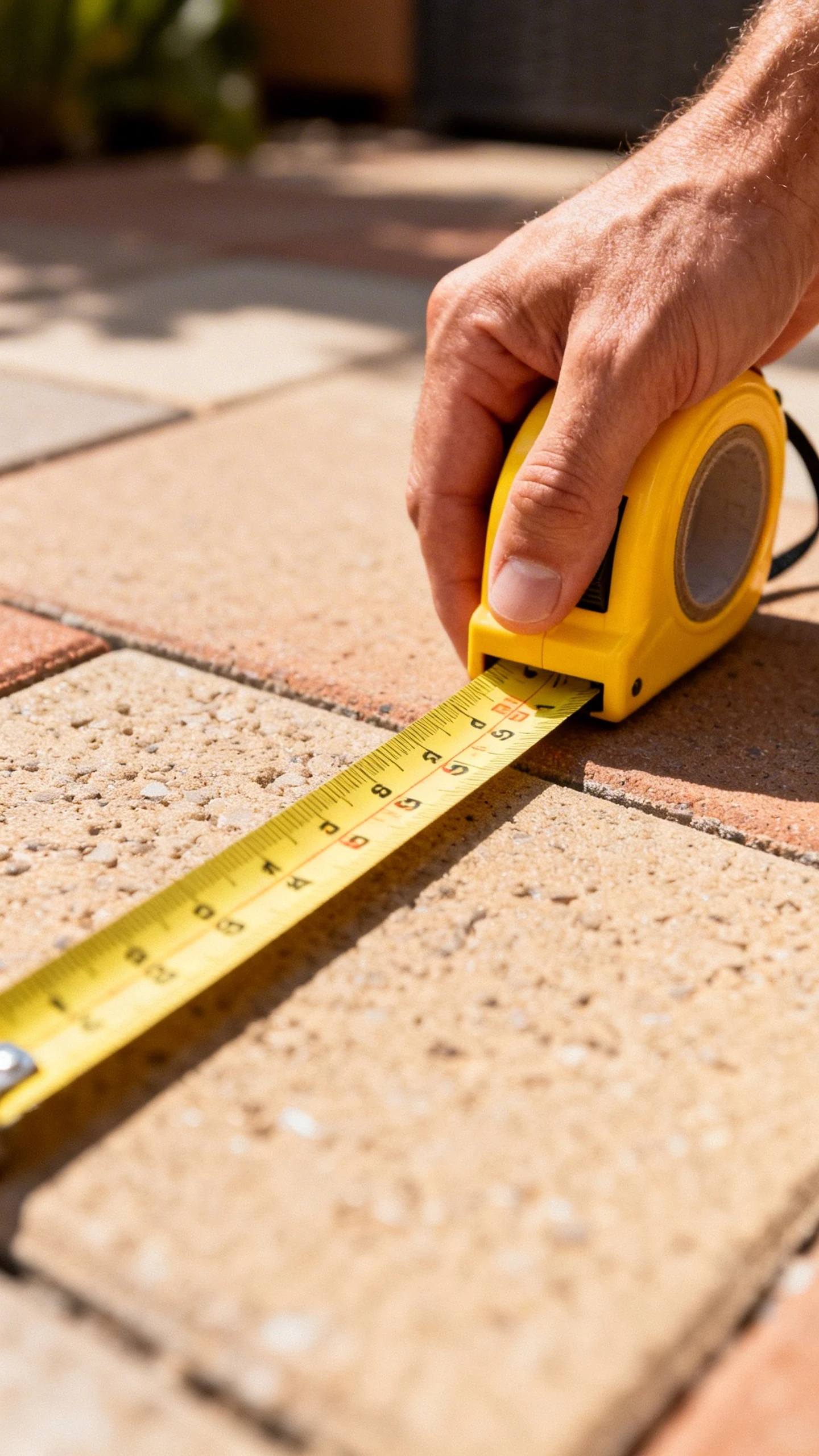
Grab a tape measure and do the boring part first. Yes, it’s less fun than buying plants. No, you won’t regret it when your new sofa actually fits and doesn’t block the back door.
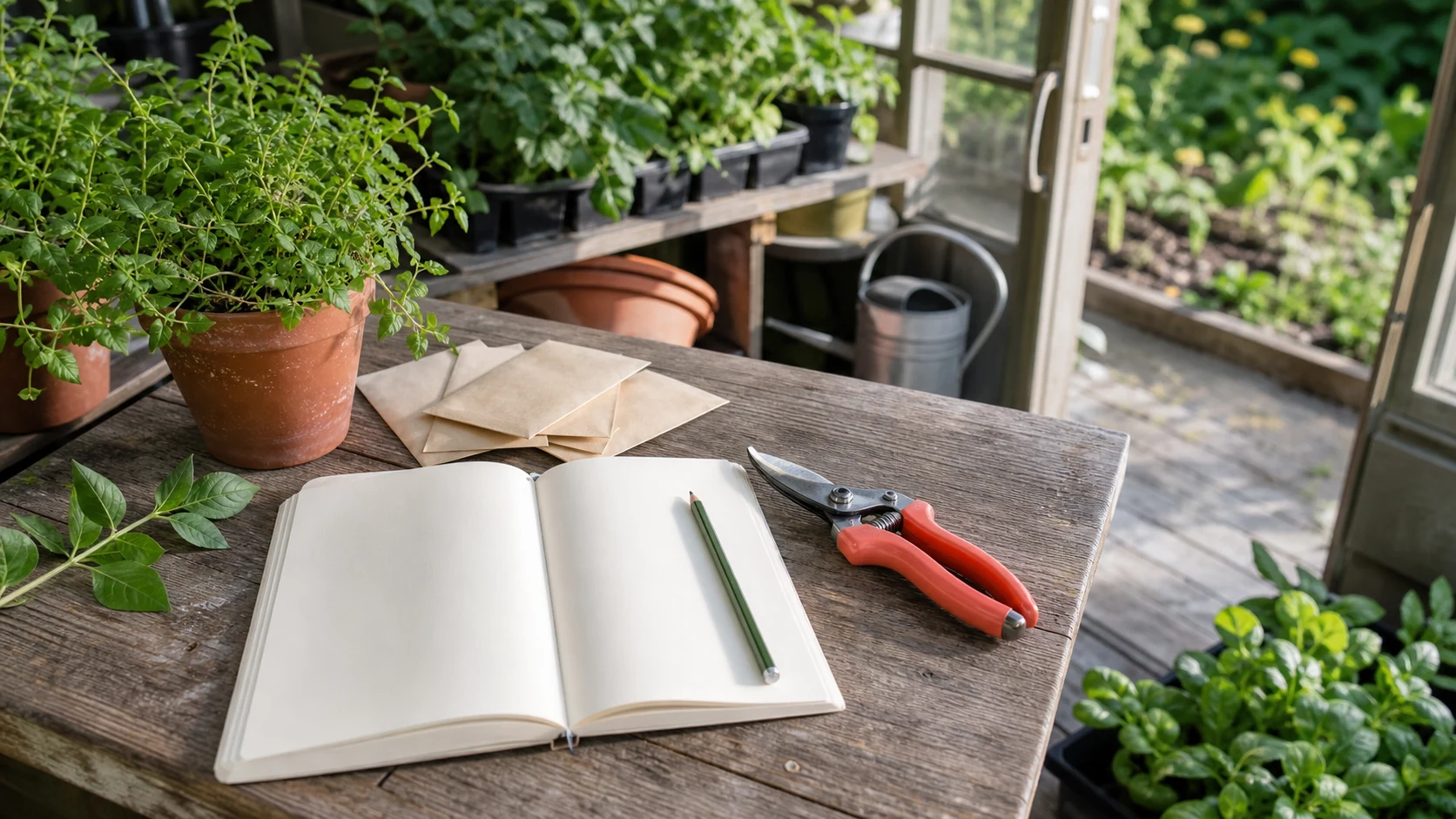
Sketch a quick plan, even if your drawing looks like it came from a stressed-out squirrel. Mark doors, windows, drains, and any awkward corners. Then note where the sun hits throughout the day, because sunlight decides everything and doesn’t accept complaints.
Work With What You’ve Got
Some gardens come with “character,” and some come with a weird concrete patch and a fence that leans like it’s tired. Either way, you can design around it. You can cover ugly areas with planting, screens, or a trellis, and you can turn awkward corners into features.
FYI, that annoying shady spot might become your best summer seating area. Shade isn’t a flaw when the temperature climbs and your patio turns into a frying pan.
Create Zones So It Feels Bigger (and Way More Put-Together)
Zoning sounds fancy, but it basically means giving areas a job. Your garden instantly looks more intentional when you separate “eating,” “lounging,” and “planting” instead of letting everything float around randomly.
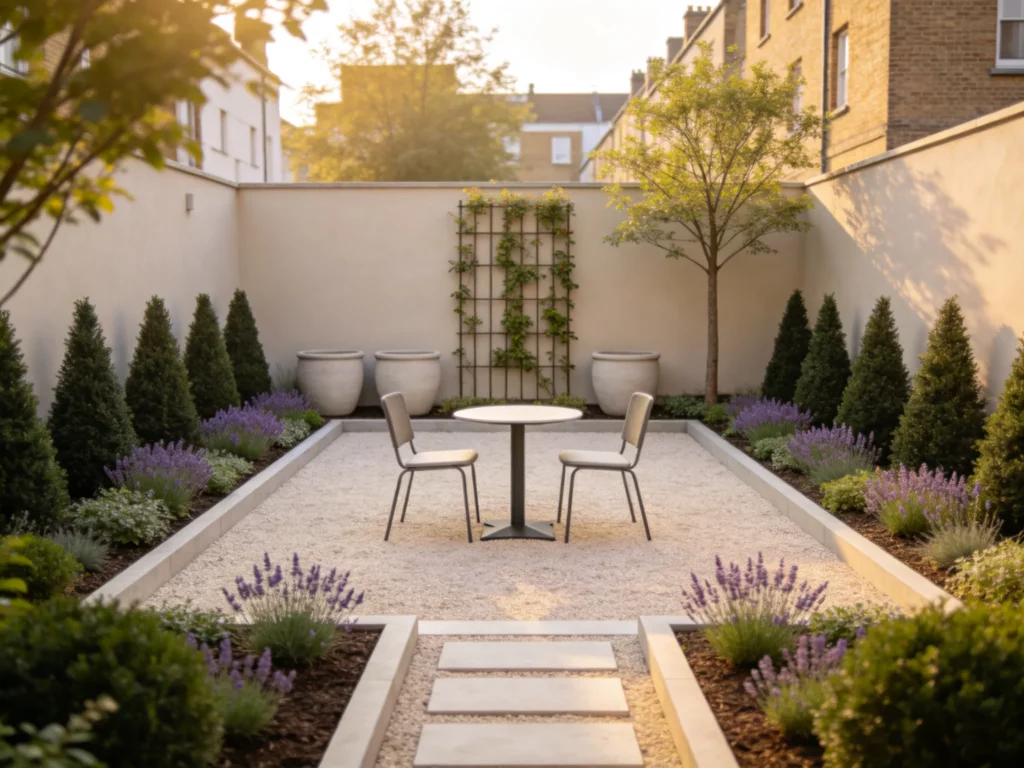
Want your space to feel bigger? Don’t try to see the entire garden from one glance. Add a curve, a screen, or a change in level so the garden reveals itself in parts. You know, like a little backyard plot twist.
Easy Ways to Define Zones
You don’t need walls. Small visual cues do the work, and they look more relaxed. Plus, they let you change things later without ripping out half the garden.
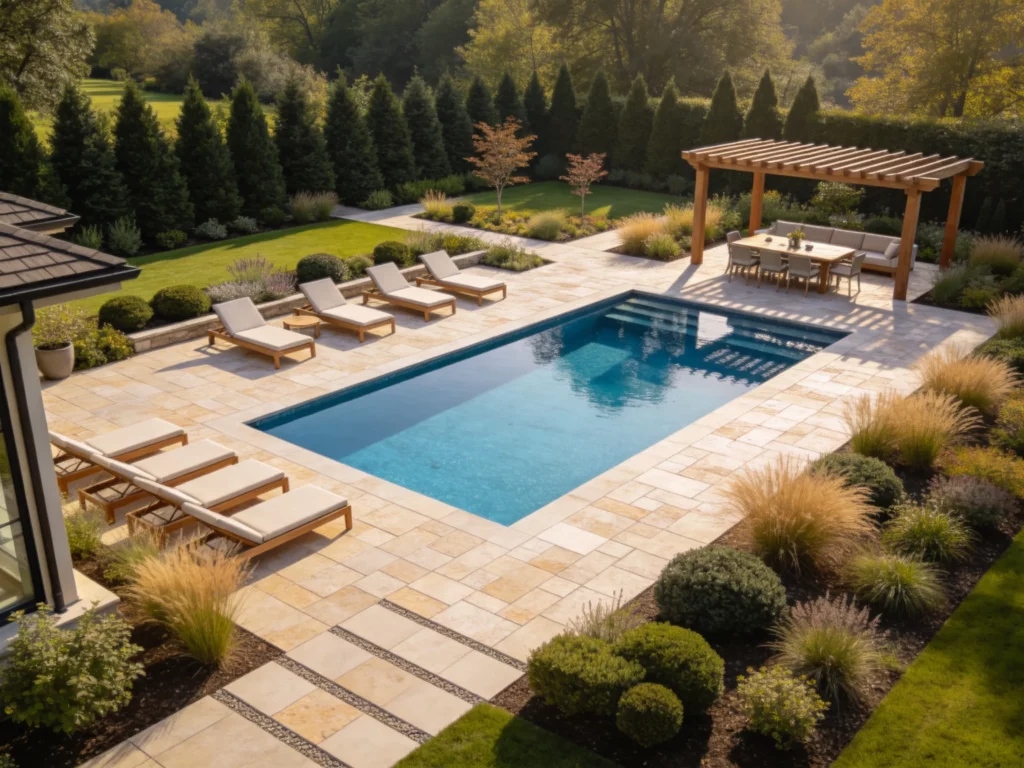
- Different surfaces: patio for dining, gravel for a chill corner, lawn or mulch for play
- Planters and raised beds: they act like borders without feeling heavy
- Pergola or canopy: instant “room” vibes outdoors
- Outdoor rug: yes, it works, and yes, it feels oddly satisfying
Choose Hardscaping That Won’t Make You Miserable

Hardscaping means patios, paths, decking, edging, and all the non-plant stuff. It sets the tone, and it decides how easy the garden feels to use. If walking to the shed feels like an obstacle course, you’ll stop going out there. Simple.
Pick materials that match your maintenance tolerance. If you hate scrubbing algae, avoid surfaces that show every mark. If you live somewhere rainy, you’ll want good drainage and non-slip textures, unless you enjoy surprise skating.
Pathways: The Secret MVP
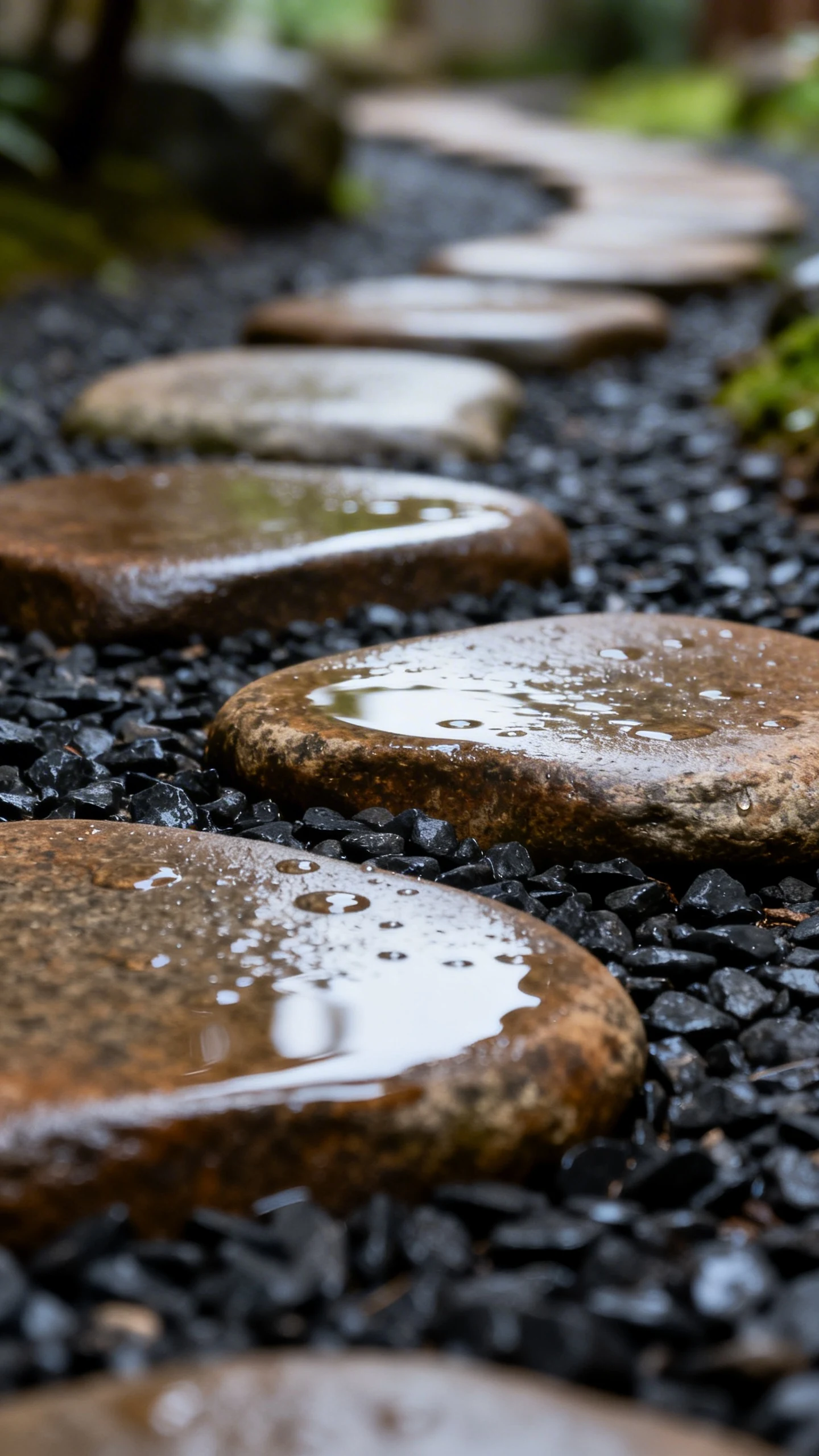
Paths feel unglamorous, but they make your garden functional. They guide movement, protect plants, and stop you from trampling everything after it rains. Even a simple stepping-stone path can make the whole space feel designed.
Aim for enough width to walk comfortably. If you expect two people to pass each other, give it space. Your garden shouldn’t force awkward sideways shuffles like a crowded bus.
Planting That Looks Great Without Demanding Your Entire Weekend
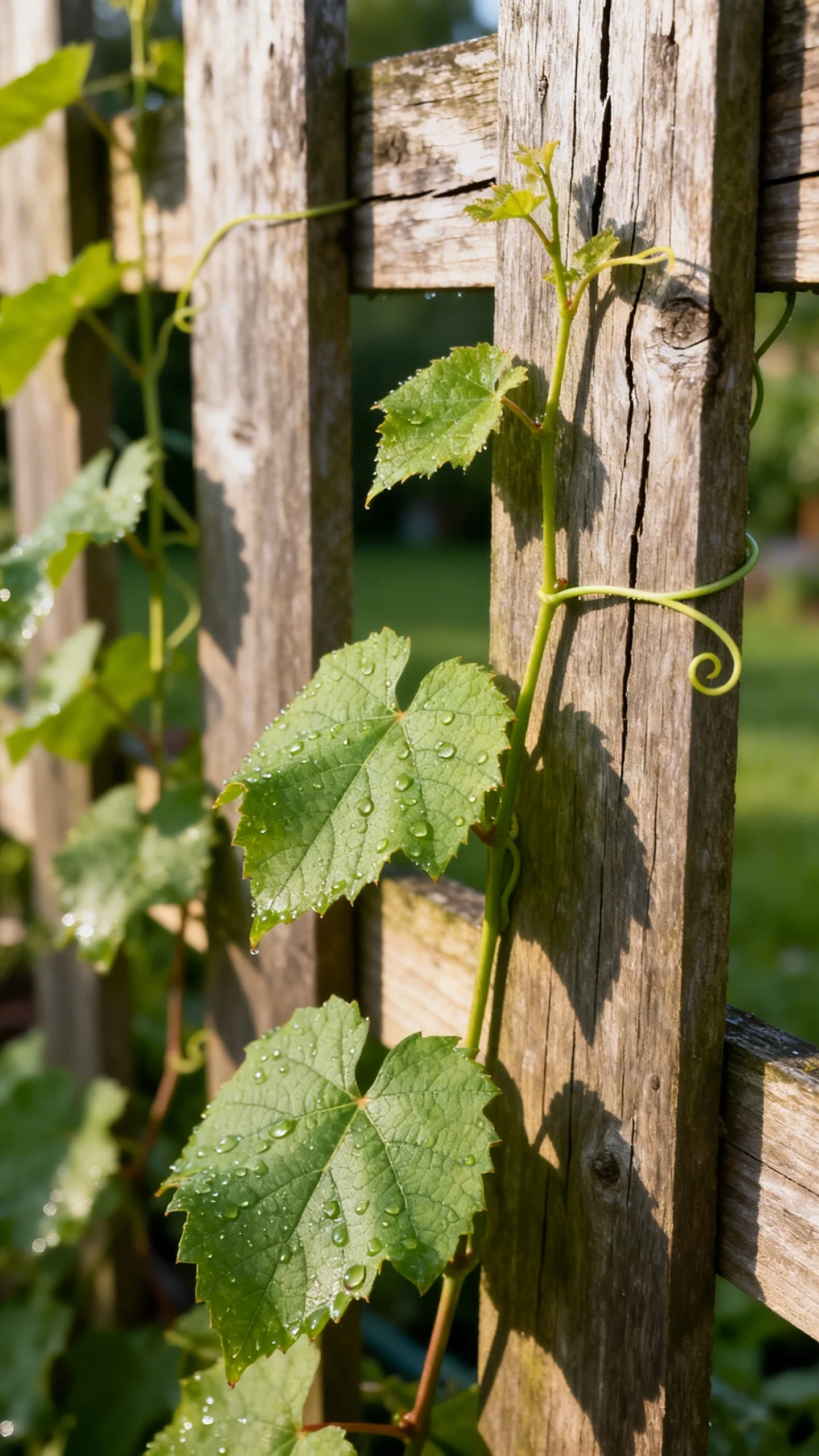
Plants bring the magic, but they also bring responsibility. Choose them like you choose pets: based on your actual ability to care for them. If you forget to water houseplants, go for drought-tolerant options and larger pots that hold moisture longer.
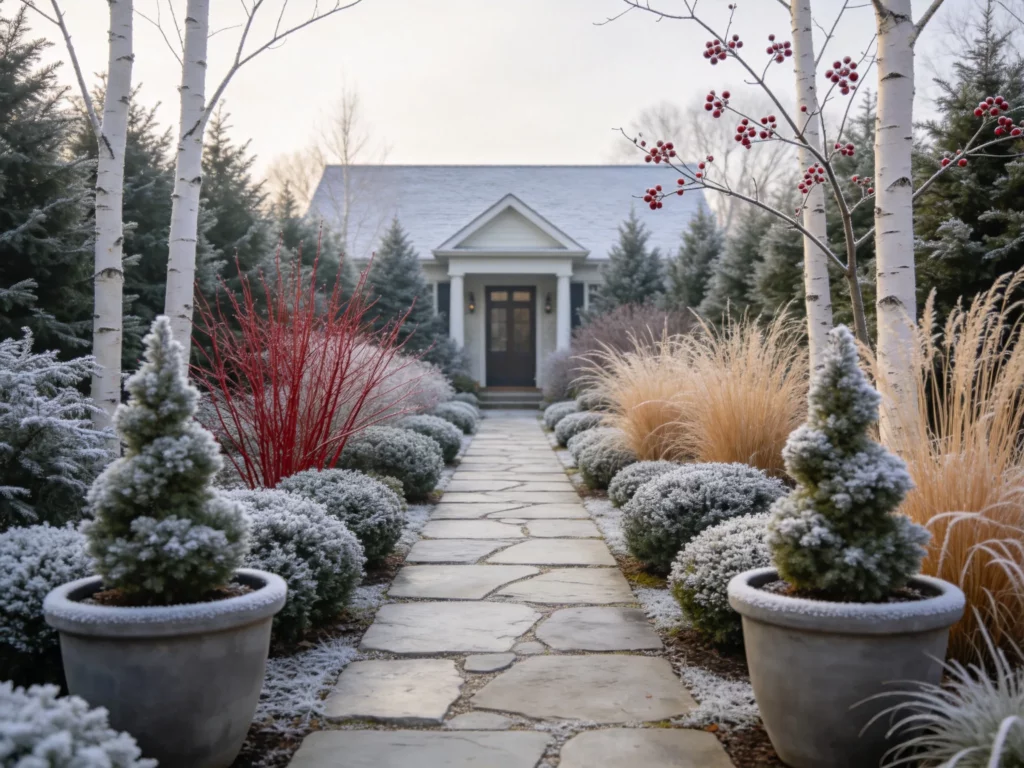
Mix structure and softness. Evergreens and shrubs give you year-round shape, and flowers add seasonal color. This combo keeps the garden from looking incredible for two months and then tragic for ten.
A Simple Planting Formula That Works
Keep it easy with a layered look. You’ll get depth and that “wow” feeling without needing a horticulture degree. You can repeat the same few plants for a cohesive look, which also makes shopping and maintenance simpler.
- Back layer: taller shrubs or small trees for privacy and height
- Middle layer: medium perennials and grasses for texture
- Front layer: low plants or ground cover to soften edges
- Accents: pots with bold plants near seating or doors
Privacy Without Building a Fortress
Most people want privacy, but nobody wants their garden to feel like a prison yard. Use planting to soften boundaries and add height gradually. Bamboo screens can work, but pick clumping types unless you want it taking over your entire postcode.
Try trellises with climbers, tall grasses, or a small tree that blocks a view without blocking light. You can also angle seating so you don’t stare directly at the neighbor’s kitchen window. Nobody needs that kind of intimacy.
Lighting, Seating, and “Little Extras” That Make It Feel Finished
Here’s the thing: your garden can look great in daylight and still feel useless after 7 p.m. Lighting fixes that. It also adds warmth and makes the space feel intentional instead of “we forgot it gets dark.”
Then you need seating that makes you want to stay. Comfort wins every time. If your chairs feel like punishment, you’ll go back inside and your garden will become an expensive view.
Lighting That Doesn’t Look Like an Airport Runway
Go for layers, not one mega-bright light. Add soft ambient lighting, a little task lighting for cooking or steps, and a few highlights on plants or features. You’ll create mood without blasting your neighbors with a spotlight.
- String lights: instant cozy, minimal effort
- Path lights: safety that also looks classy
- Wall lights: great near doors and seating zones
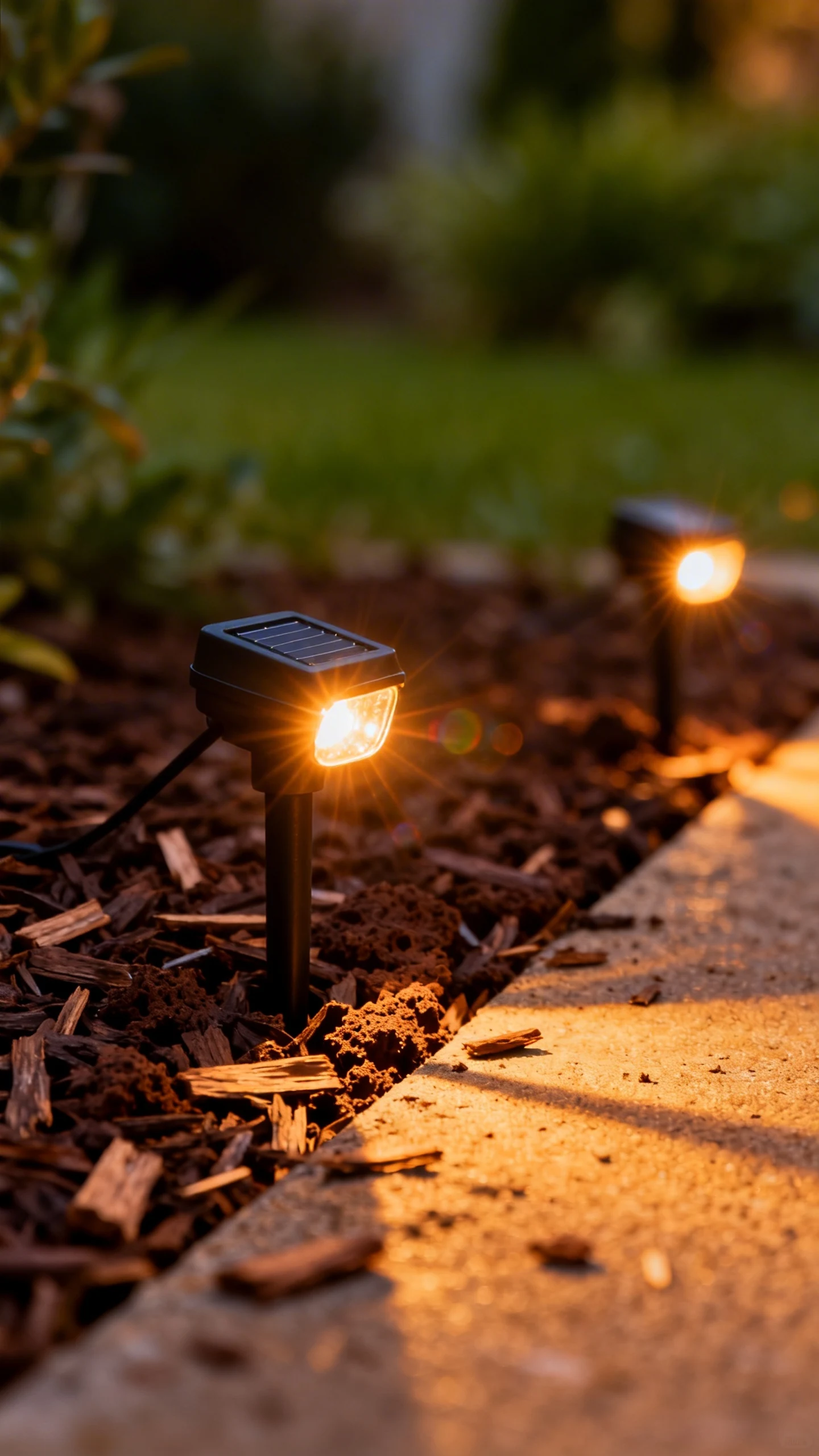
- Solar stakes: cheap and cheerful, just don’t expect miracles
Make Maintenance Almost Lazy-Proof
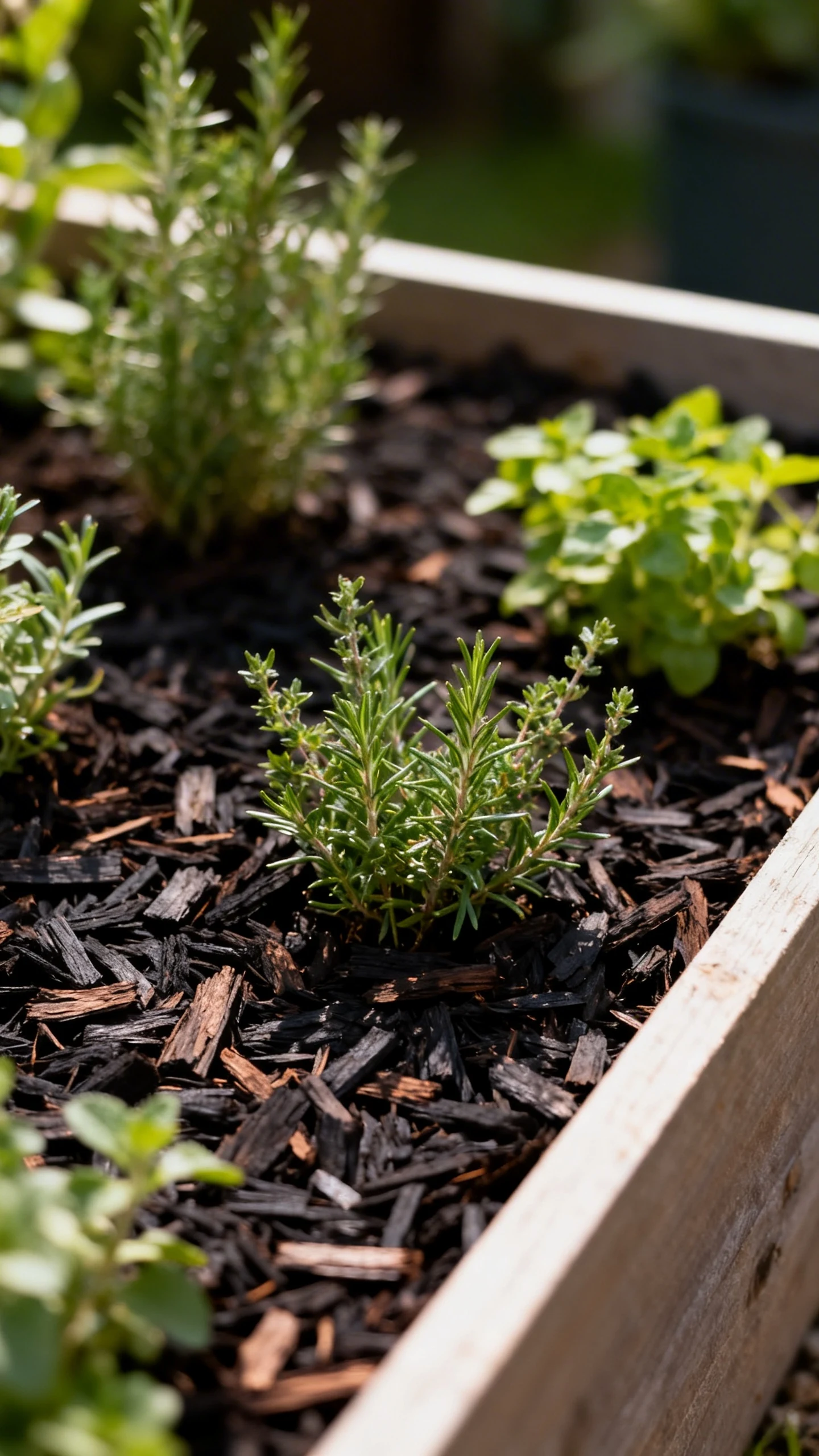
Design for the version of you that has a busy week and low motivation. You know the one. Use mulch to reduce weeds, choose tough plants, and keep water access easy.
If you can, add a water butt or a simple irrigation setup. The less friction you create, the more likely you’ll keep everything alive. And yes, your future self will thank you.
FAQ
How do I design a small back garden so it feels bigger?
Use zones, keep a clear pathway, and avoid clutter. Choose a few bigger planters instead of lots of tiny pots, and add vertical elements like trellises. You can also use mirrors on fences carefully, but place them where they won’t reflect harsh sun into someone’s face.
What’s the cheapest way to upgrade a back garden fast?
Declutter, add seating, and define one area with gravel or a simple patio kit. Then bring in a few large plants in pots for instant impact. Fresh paint or stain on fences also changes everything for relatively little money.
Decking or patio: which works better?
Pick decking if you want warmth underfoot and you can handle the upkeep. Pick patio if you want durability and easier cleaning. Both can look great, but patio usually wins for low drama in wet climates.
How can I make my garden more private without losing light?
Use layered planting and semi-transparent screens rather than solid fences. Try trellis panels with climbers, tall grasses, or a small tree with an airy canopy. You’ll block sightlines while keeping the space bright.
What plants work best for low-maintenance back garden design?
Go for tough perennials, grasses, evergreen shrubs, and herbs that don’t act precious. Choose plants that match your sun and soil conditions, and repeat them for an easy, cohesive look. The right plant in the right spot beats “rare beauty” that constantly sulks.
How do I keep a back garden looking good year-round?
Mix evergreens for structure with seasonal flowers for color. Add winter interest with grasses, seed heads, and bark textures, and keep borders tidy with edging. A little routine maintenance beats a massive cleanup panic every spring.
Conclusion: Make It Yours, Not Perfect
Back garden design works best when you build it around real life, not a showroom fantasy. Start with how you want to use the space, zone it smartly, and pick materials and plants you can actually keep up with. Add lighting and comfy seating, and suddenly your garden turns into your favorite “room.” And if it looks a bit imperfect sometimes? Congrats, it means you actually live there.