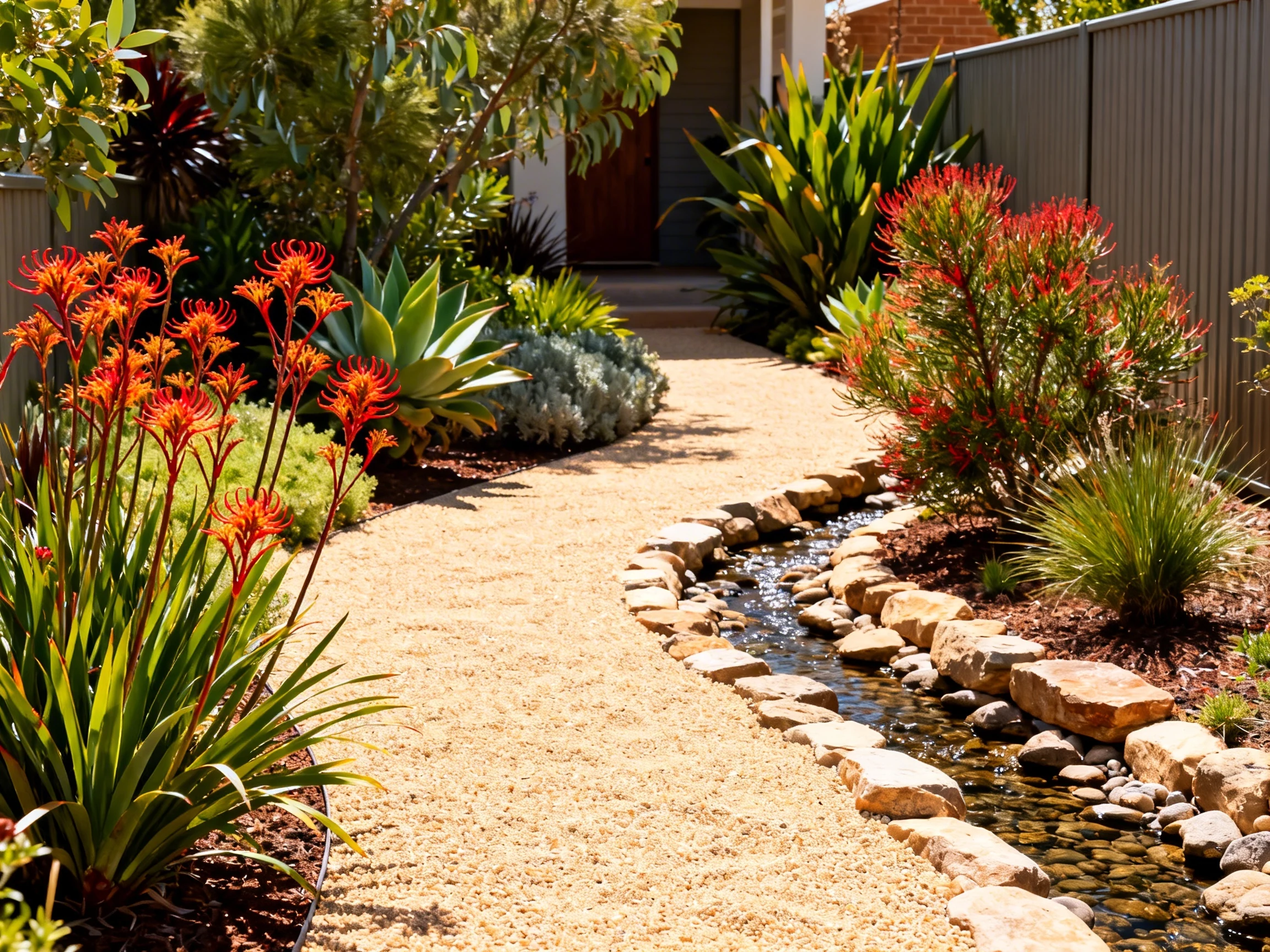
Your front yard does a lot of heavy lifting. It sets the vibe, hints at your personality, and quietly judges the neighbours (and yes, they judge back). Australian front yards also need to survive heat, random downpours, water restrictions, and the kind of sun that feels personal. So let’s design something that looks amazing and doesn’t demand your entire weekend.
Start With the Real Aussie Front-Yard Challenges

Before you buy plants because they look cute on Instagram, take a quick look at what your front yard actually deals with. Does it bake all day? Does it turn into a swamp when it rains? Do you get sea winds that slap everything sideways?
Australian garden design shines when it works with the conditions instead of fighting them. That means you pick plants and materials that handle your climate, your soil, and your lifestyle. You want a front yard that thrives, not one that acts like a high-maintenance houseguest.
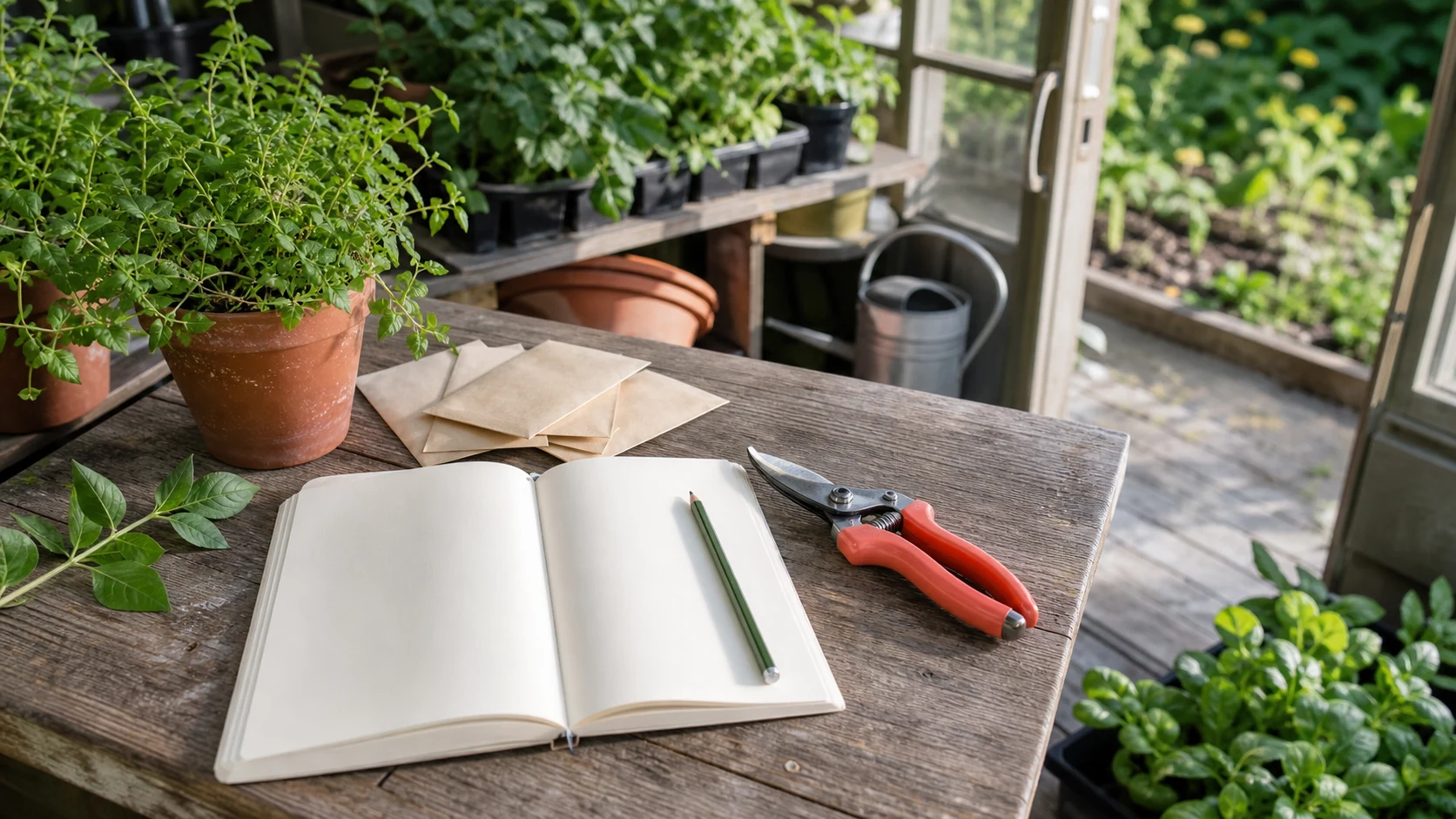
Also, be honest about time. If you love gardening, great. If you barely remember to take the bins out, you need a design that won’t spiral into chaos after two weeks.
Do a Two-Minute Site Check
You don’t need a surveyor and a drone. Walk outside and notice the basics. You’ll make smarter choices instantly, and you’ll avoid the classic “why is everything dying” moment.
- Sun: Full sun, part shade, or deep shade?
- Soil: Sandy, clay, or something in between?
- Drainage: Does water sit around after rain?
- Wind: Do you get strong gusts or salty air?
- Foot traffic: Do people cut across the lawn like it’s public land?
Pick a Style That Fits Your Home (Not a Random Trend)
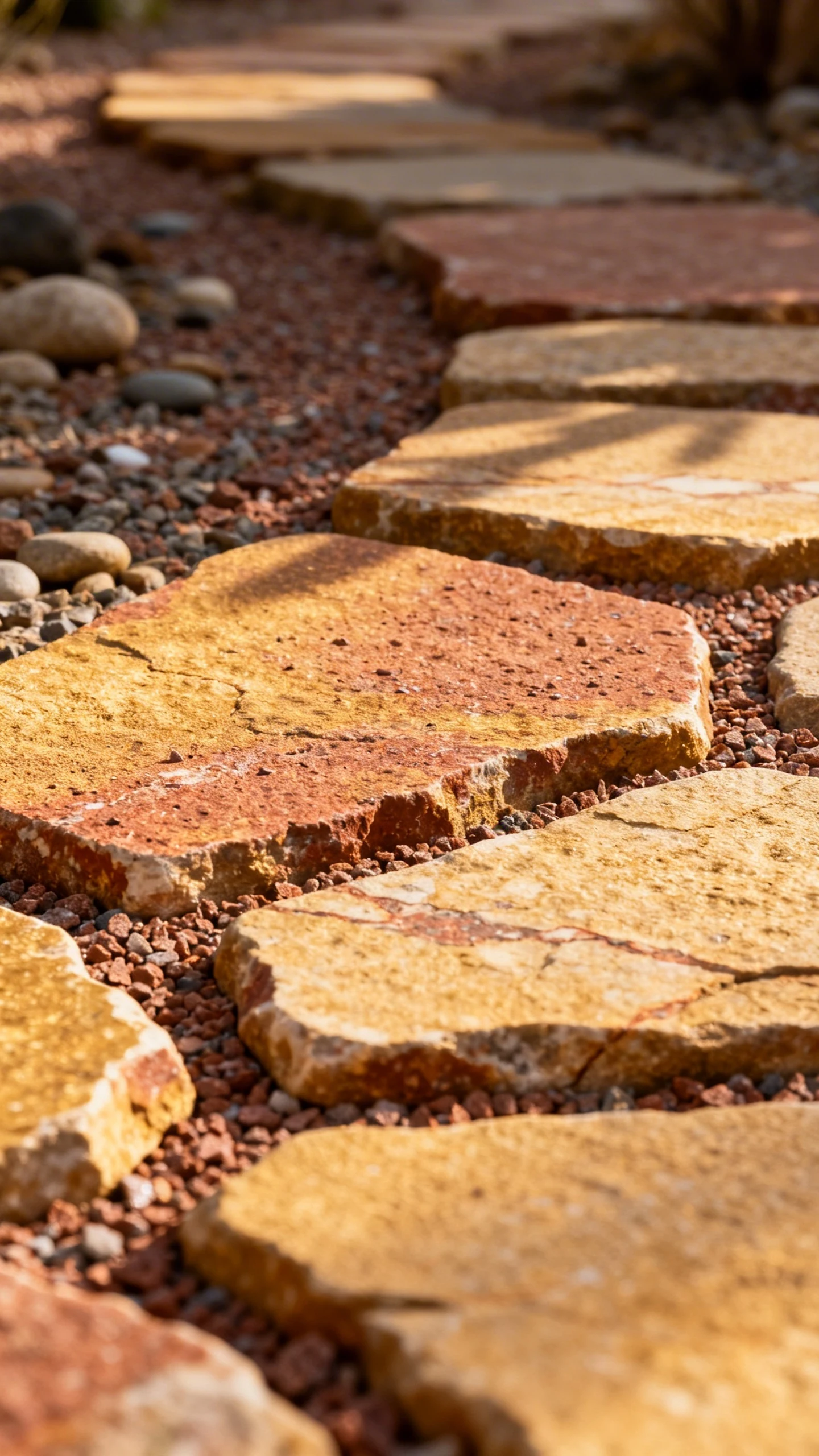
Your front yard should match your house, not clash with it like a bad outfit. A sleek modern home looks odd with a cottage garden exploding in every direction. A charming weatherboard also won’t love a harsh, ultra-minimal gravel desert.
Australian front yard design usually lands in a few happy zones: coastal, native, contemporary, or Mediterranean-inspired. You can mix styles, but keep one “main character” so the whole thing feels intentional. Otherwise, you end up with a yard that looks like a plant clearance aisle.
IMO, the best front yards feel simple from the street and interesting up close. People should notice shape, texture, and a few standout plants. They shouldn’t need a map to understand what you tried to do.
Three Easy Aussie-Friendly Style Directions
Not sure where to start? Pick one of these and you’ll already feel more confident. Each style plays nicely with Australian conditions and doesn’t demand constant pampering.
- Modern Australian: Clean lines, sculptural plants, gravel or mulch, bold feature tree.
- Coastal: Soft grasses, silvery foliage, sandy tones, plants that handle wind and salt.
- Native bush vibe: Layered natives, natural mulch, habitat-friendly choices for birds and bees.
Build Your Layout Like a Pro (Without Overthinking It)
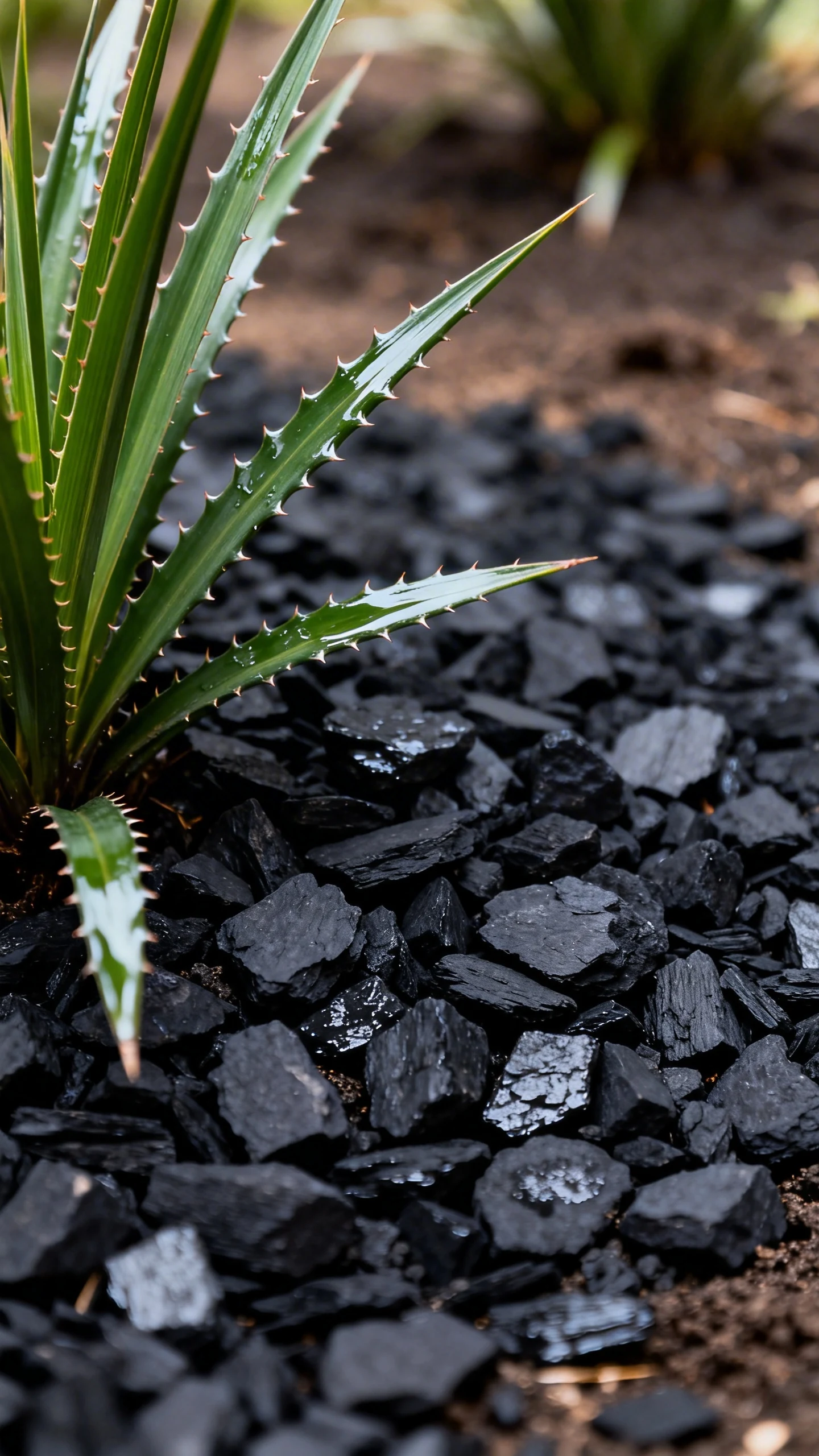
Layout matters more than individual plants. Seriously. A great layout can make basic plants look designer, while a messy layout can make expensive plants look like you gave up halfway through.
Start with paths and shapes. Decide how people move from the street to your door. Then create planting beds that support that movement instead of fighting it. If visitors trample your garden to reach the front door, your design needs a better path, not better flowers.
Use curves if you want a softer, welcoming vibe. Use straight lines if you want sharp and modern. Either works, as long as you commit and repeat shapes so the yard feels cohesive.
The “Big, Medium, Small” Planting Trick
If you want your front yard to look designed, you need layers. You can’t just scatter shrubs around and hope for the best. Think of it like building an outfit: you need a base, a jacket, and accessories.
- Big: One feature tree or large shrub to anchor the yard.
- Medium: Structural shrubs and clumping plants to fill space.
- Small: Groundcovers and grasses to soften edges and stop weeds.
Repeat a few plants in groups instead of planting one of everything. Grouping looks intentional and makes maintenance easier. Your future self will thank you.
Choose Plants That Handle Australian Life (Heat, Drought, and Neglect)
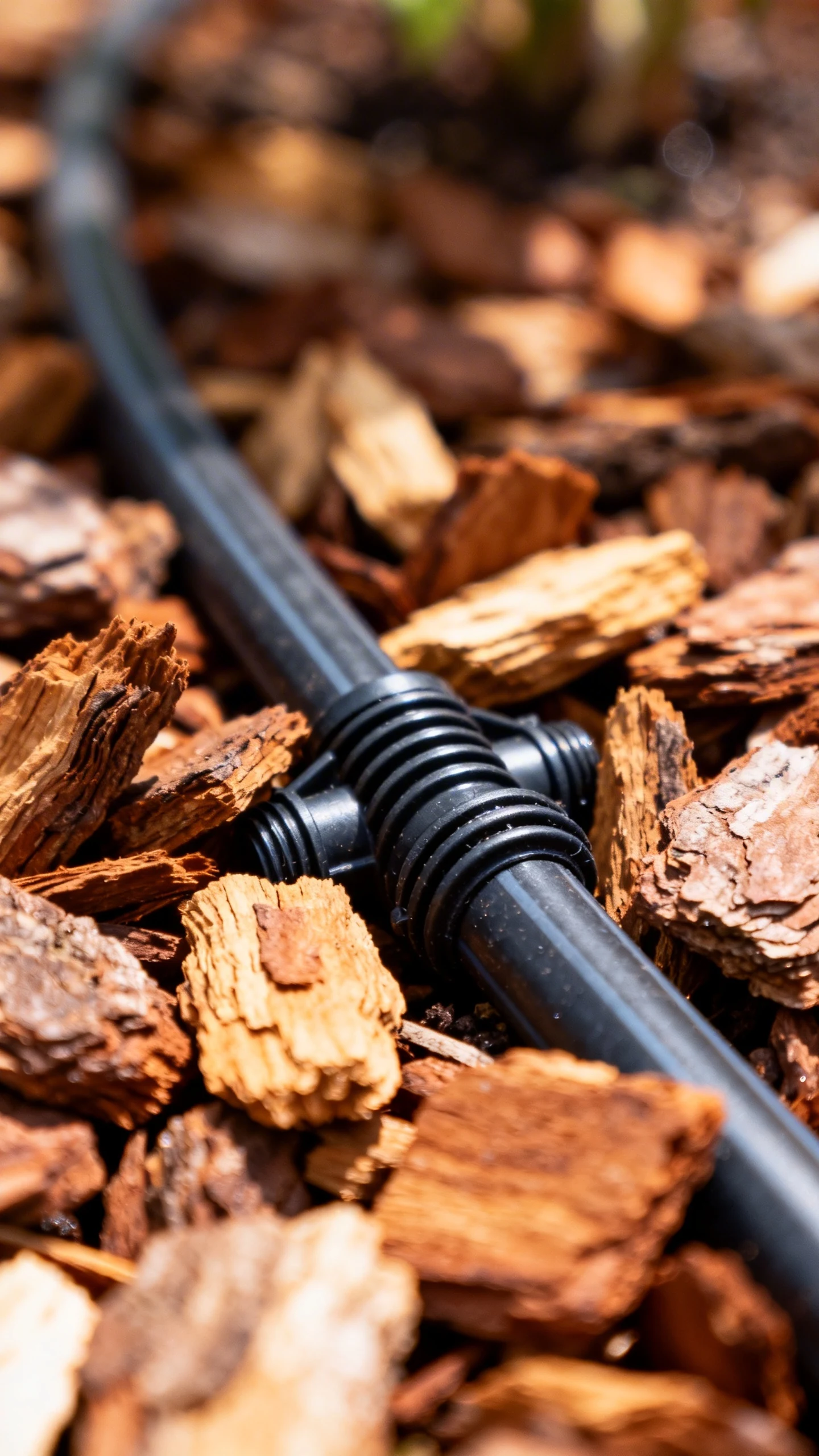
Front yards often face the harshest conditions. They get more sun, more wind, and more visual scrutiny. So you want plants that look good even when you forget about them for a bit, because life happens.
Australian natives work brilliantly, but you don’t need to go full bushland if that’s not your thing. Many Mediterranean-style plants also thrive here, especially in hot, dry areas. Just avoid thirsty plants that demand constant watering unless you love paying water bills for fun.
FYI, local nurseries usually stock plants that suit your region better than random online carts. Ask what performs well in your suburb, not just what looks pretty in a studio photo.
Reliable Aussie Front-Yard Plant Ideas
You’ll still need to match plants to your exact climate and soil, but these options work as solid starting points. They also look great in modern and native-style front yards.
- Feature trees: crepe myrtle, ornamental pear (cooler areas), lilly pilly varieties, olive (where appropriate).
- Structural shrubs: westringia, callistemon cultivars, grevillea shrubs, dwarf lilly pilly.
- Grasses and strappy plants: lomandra, dianella, kangaroo grass, mondo grass for shade.
- Groundcovers: myoporum, native violet (shade), creeping thyme in mild zones.
Want instant polish? Pick a simple palette and repeat it. Three to five main plant types can look wildly more “designer” than a chaotic mix of fifteen.
Hardscaping: The Secret Sauce for a Front Yard That Looks Expensive
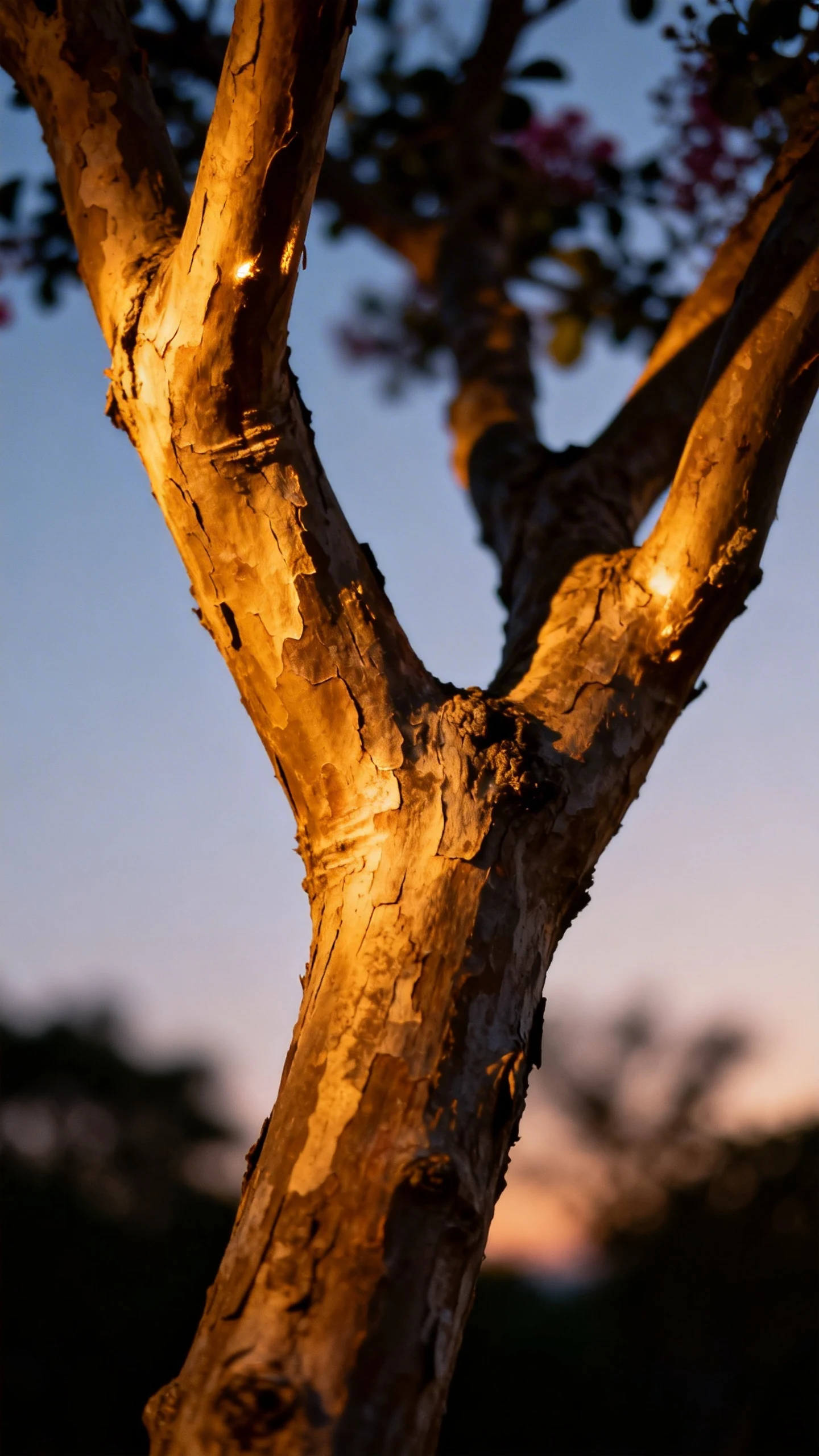
Plants change constantly, but hardscaping sets the stage. Think edging, paths, gravel, retaining walls, letterboxes, and lighting. Nail these, and your front yard looks finished even before the plants mature.
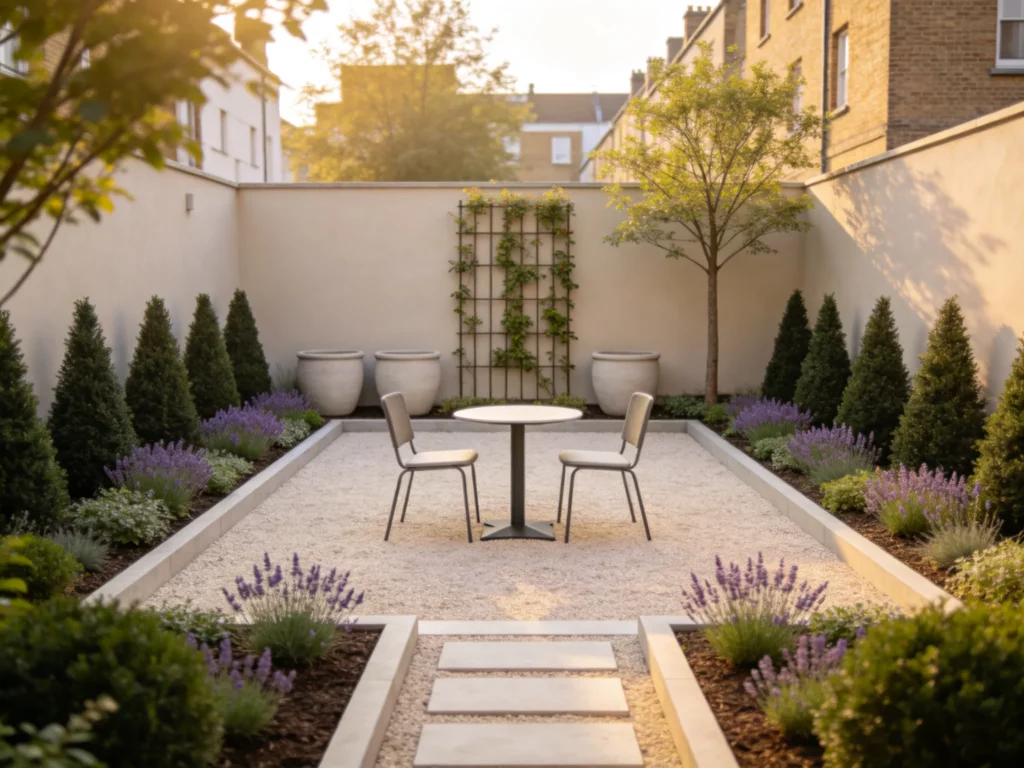
Pick materials that match your home’s colours and textures. Warm bricks love warm-toned gravel and timber. Cool modern façades love charcoal stone and crisp concrete. And yes, you can mix materials, but don’t treat it like a free-for-all.
Also, edging matters more than people admit. Clean edges make everything look neat. Messy edges make even a beautiful garden look like it lost a fight.
Low-Key Upgrades With Big Impact
You don’t need a total renovation to level up your front yard. A few targeted upgrades can change the whole vibe fast. Try one or two and see what happens.
- Define beds: steel edging, brick edging, or a crisp spade-cut edge.
- Add a path: stepping stones, decomposed granite, or pavers to guide visitors.
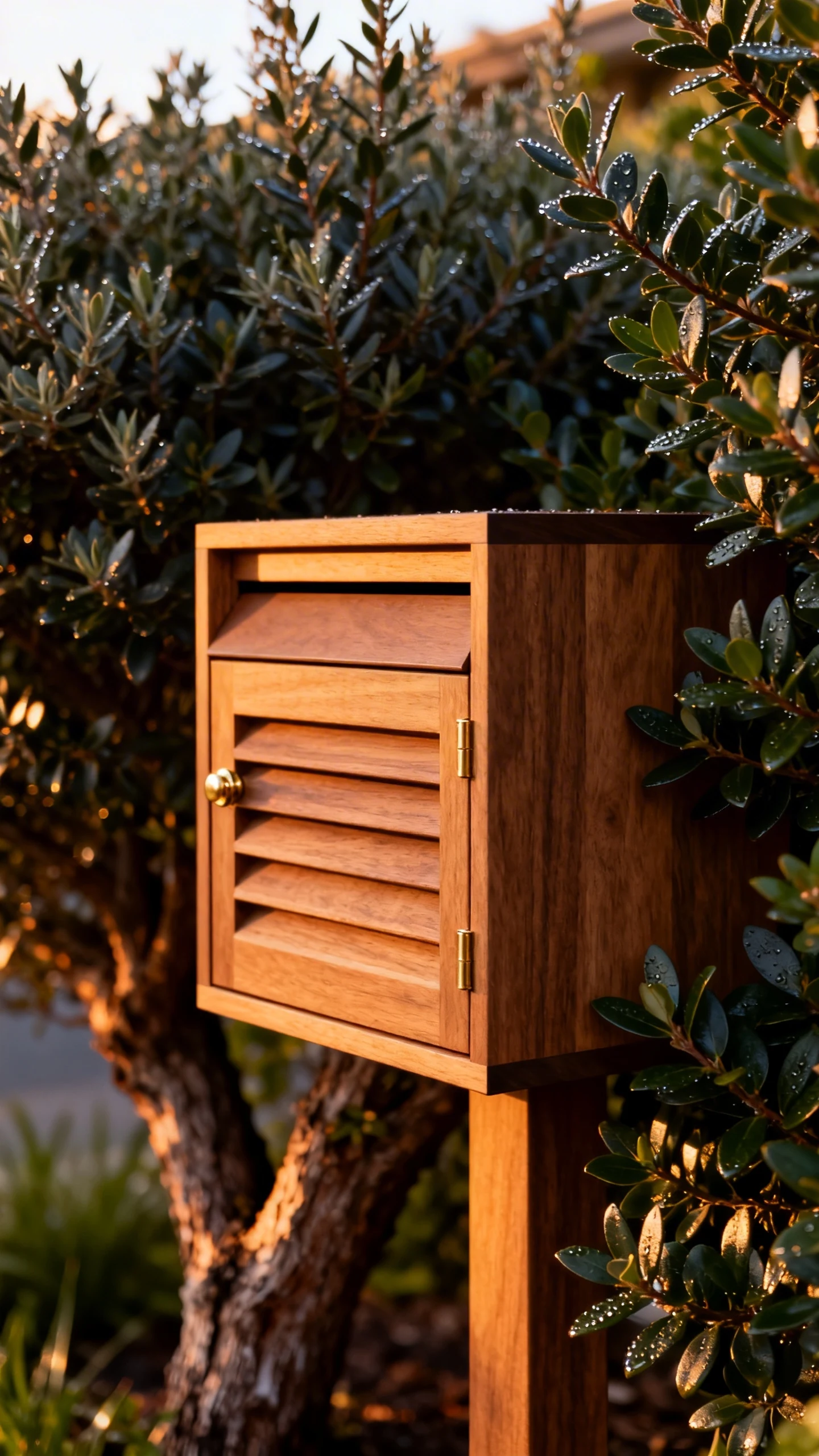
- Upgrade the letterbox: it’s the front-yard “profile picture,” so make it count.
- Install lighting: subtle path lights or uplights on a feature tree.
Make It Low-Maintenance Without Making It Boring
Low-maintenance doesn’t mean lifeless. It means smart choices: fewer plants, better spacing, and materials that reduce weeds and watering. You can still have texture, colour, and seasonal interest without signing up for constant pruning.
Start with mulch. Mulch keeps soil cooler, reduces evaporation, and stops weeds from throwing a party. Choose chunky mulch for a natural look, or gravel for a modern vibe, but keep it consistent so the yard feels calm.
Then set up irrigation if you can. Even drought-tolerant plants need help while they establish. A basic drip line can save you so much time and drama.
Front Yard Maintenance Rules That Actually Work
You don’t need to obsess over it. You just need a few habits that keep the garden from turning into a jungle. Think of it like brushing your teeth, but for plants.
- Water deeply, less often: it trains roots to grow down.
- Prune lightly and regularly: avoid brutal “once-a-year panic cuts.”
- Weed early: small weeds feel easy, big weeds feel personal.
- Feed only when needed: too much fertiliser can cause weak, floppy growth.
FAQ
How do I make a small front yard look bigger?
Use simple shapes, repeat a limited plant palette, and keep the middle area open. Add one strong focal point like a feature tree or a sculptural plant. You can also use diagonal lines in paths or paving to stretch the space visually.
Are native plants always the best choice for Australian front yards?
Natives often win because they handle local conditions and support wildlife, but they don’t automatically suit every spot. Some natives still need specific drainage or pruning to look tidy. Mix natives with other drought-tolerant plants if that fits your style and your microclimate.
What’s the easiest way to get instant street appeal?
Clean edges, fresh mulch, and a clear path to the front door give you quick wins. Add a couple of larger feature pots near the entry if you want fast impact. People notice structure first, not your rare collector plant hiding in the back corner.
Can I do a front yard with no lawn?
Absolutely, and it can look amazing. Use groundcovers, gravel, stepping stones, and layered planting to create softness. Just plan for how people move through the space so you don’t end up with random dirt tracks.
How do I design for Australian water restrictions?
Choose drought-tolerant plants, group plants with similar water needs, and use mulch to reduce evaporation. Install drip irrigation for targeted watering, especially during establishment. FYI, the “right plant, right place” rule saves more water than any fancy gadget.
Conclusion: Design It Once, Enjoy It for Years
Your front yard doesn’t need to act like a high-maintenance show garden to look great. Focus on layout, pick plants that handle Australian conditions, and use hardscaping to make everything feel intentional. Then keep it simple, repeat what works, and let the garden grow into itself. You’ll end up with a front yard that welcomes you home and quietly flexes on the street, which honestly feels great.