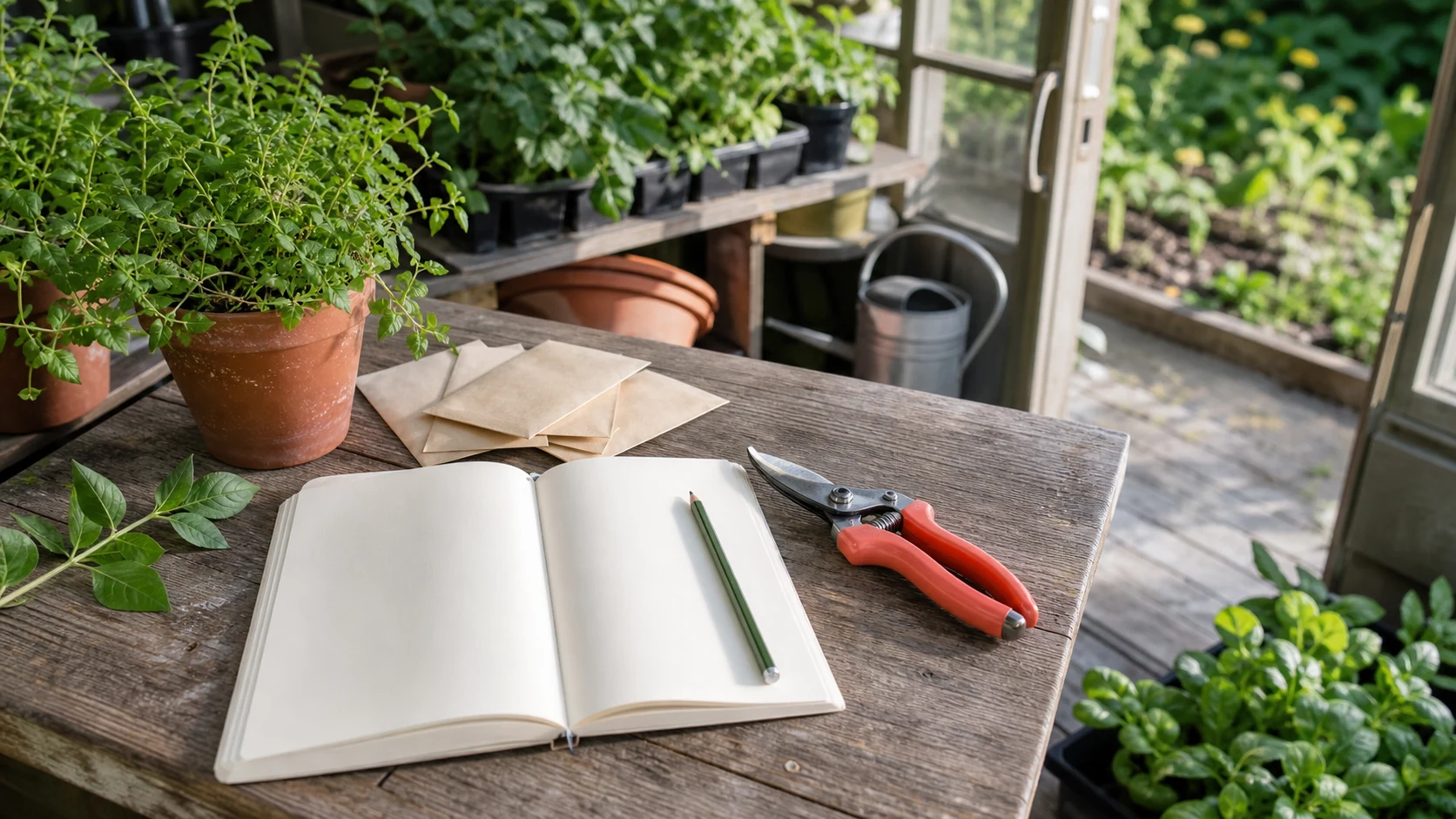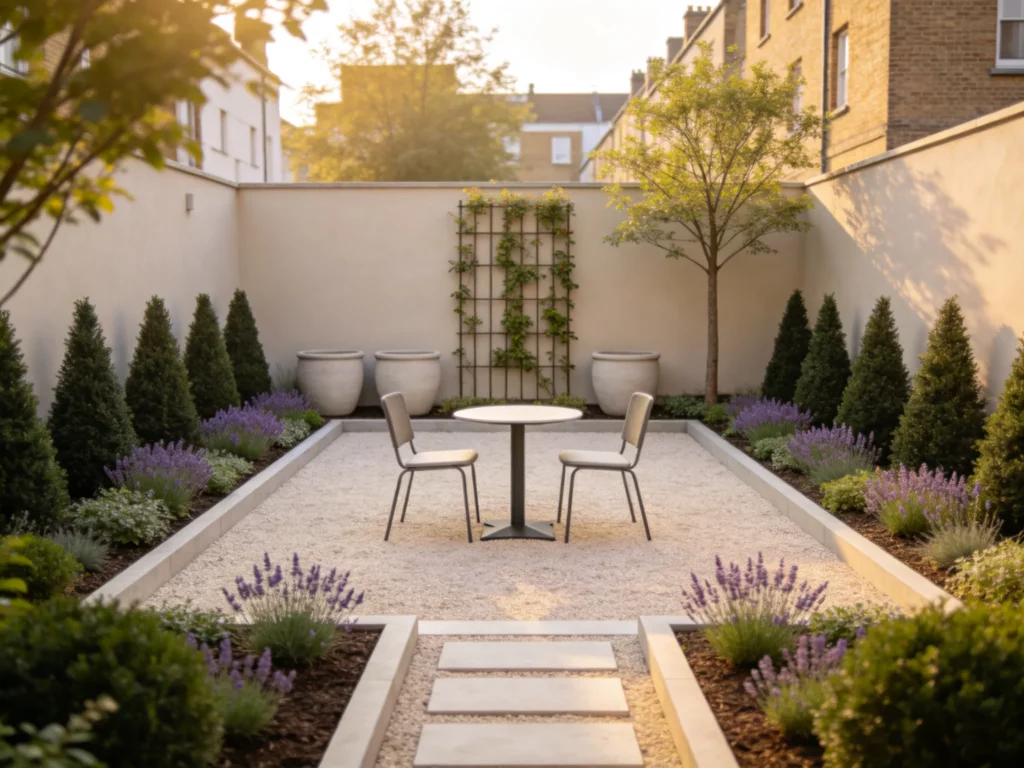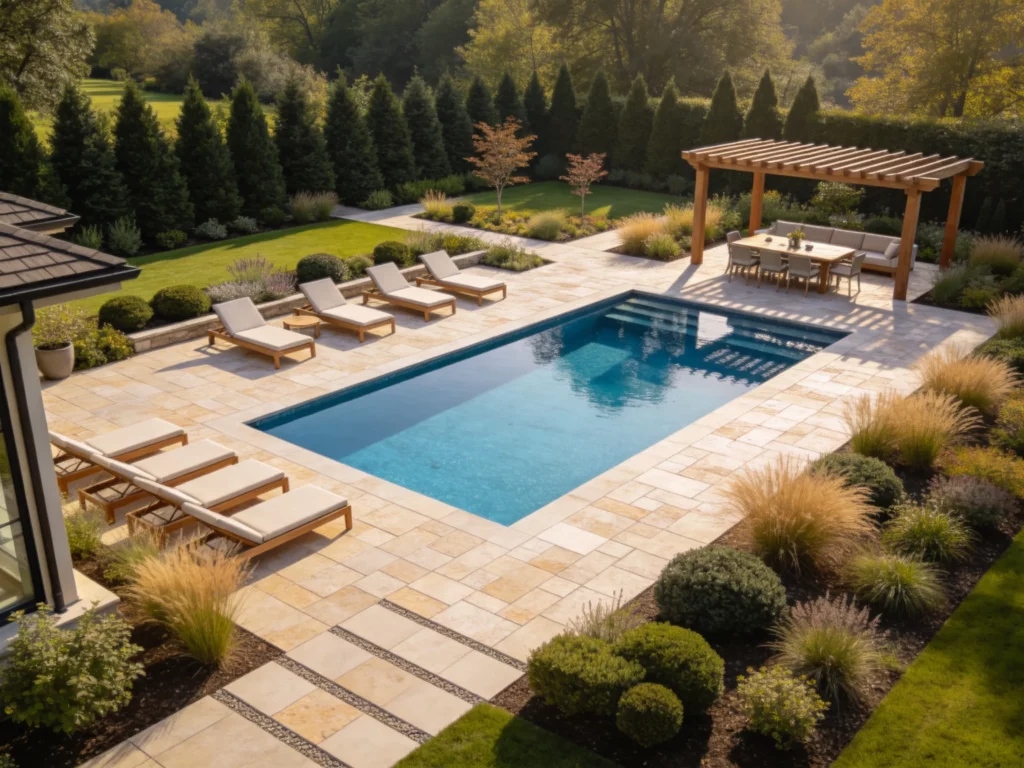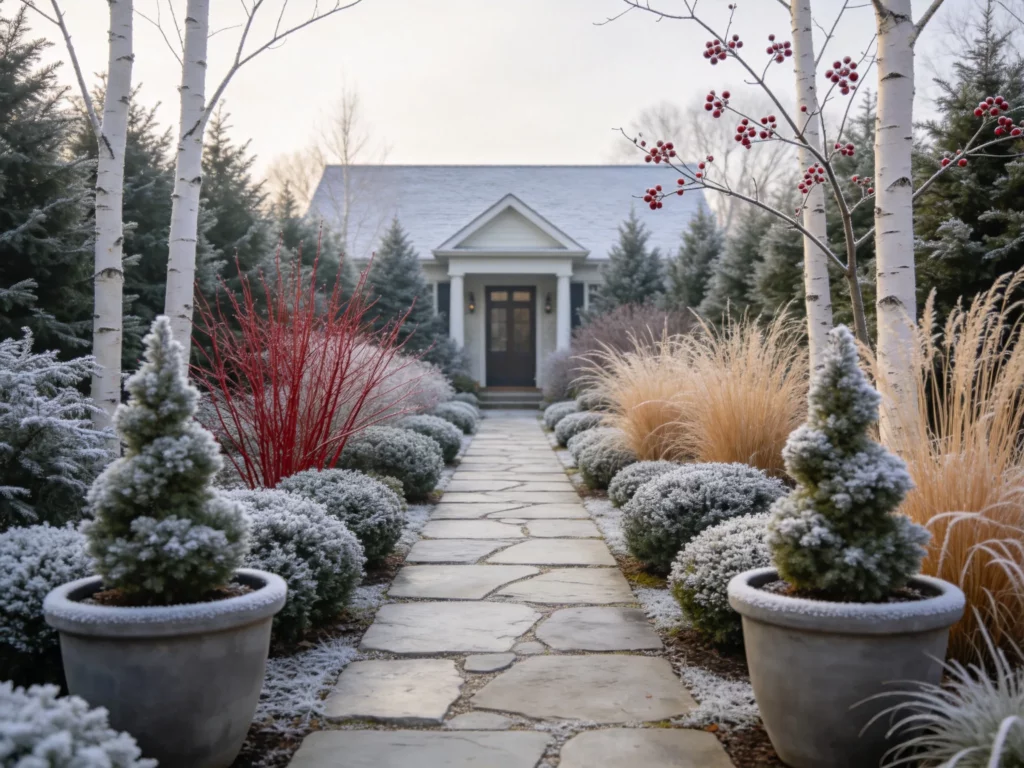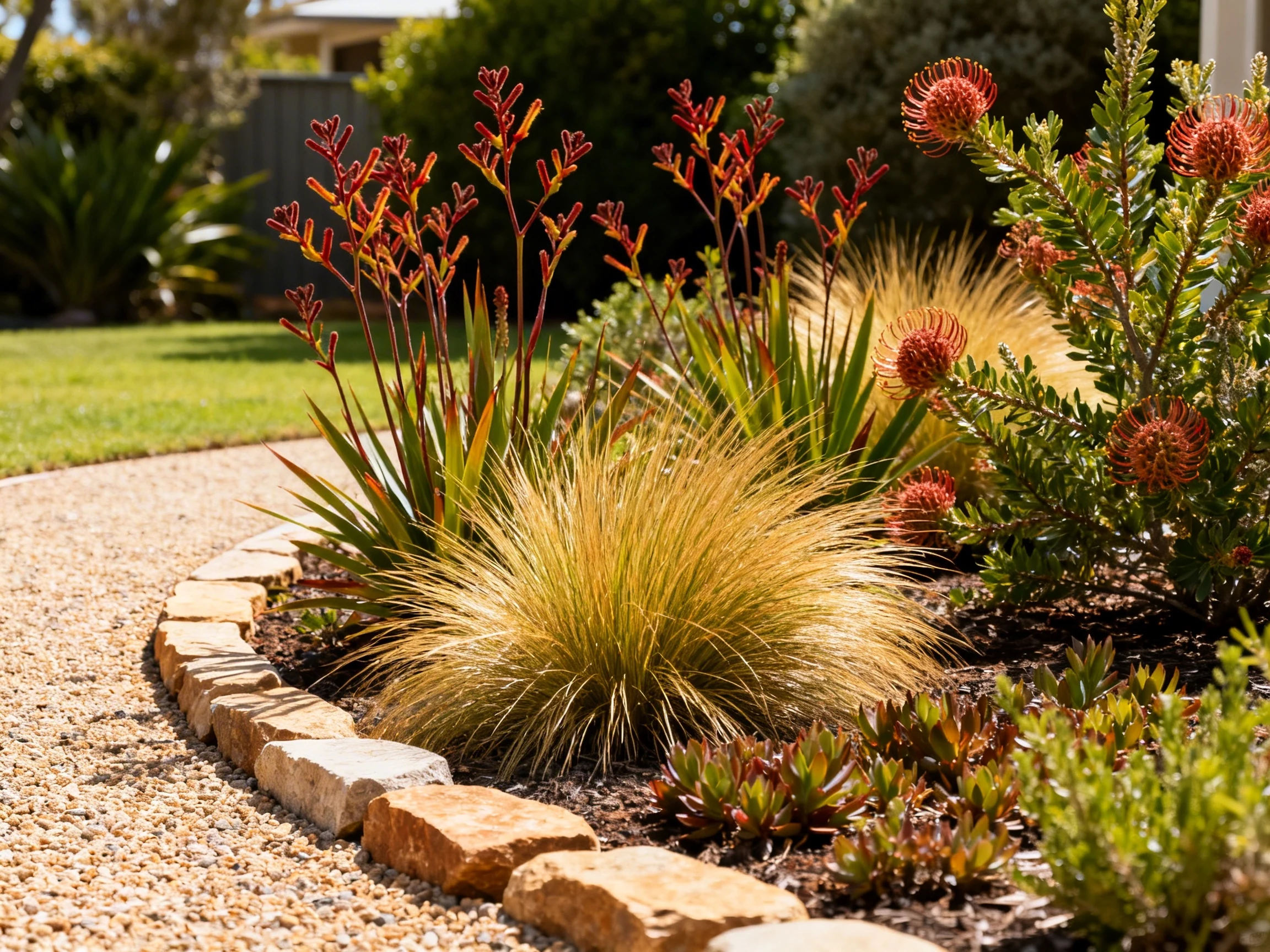
You know that awkward patch of lawn out the front that you mow out of guilt, not love? Yeah, your front yard deserves better. An Australian native front garden looks amazing, handles our “surprise” heatwaves like a champ, and doesn’t demand your weekends in exchange for staying alive. Plus, it actually makes sense for the place we live in. Wild idea, right?
Why go native in the front yard (besides bragging rights)?
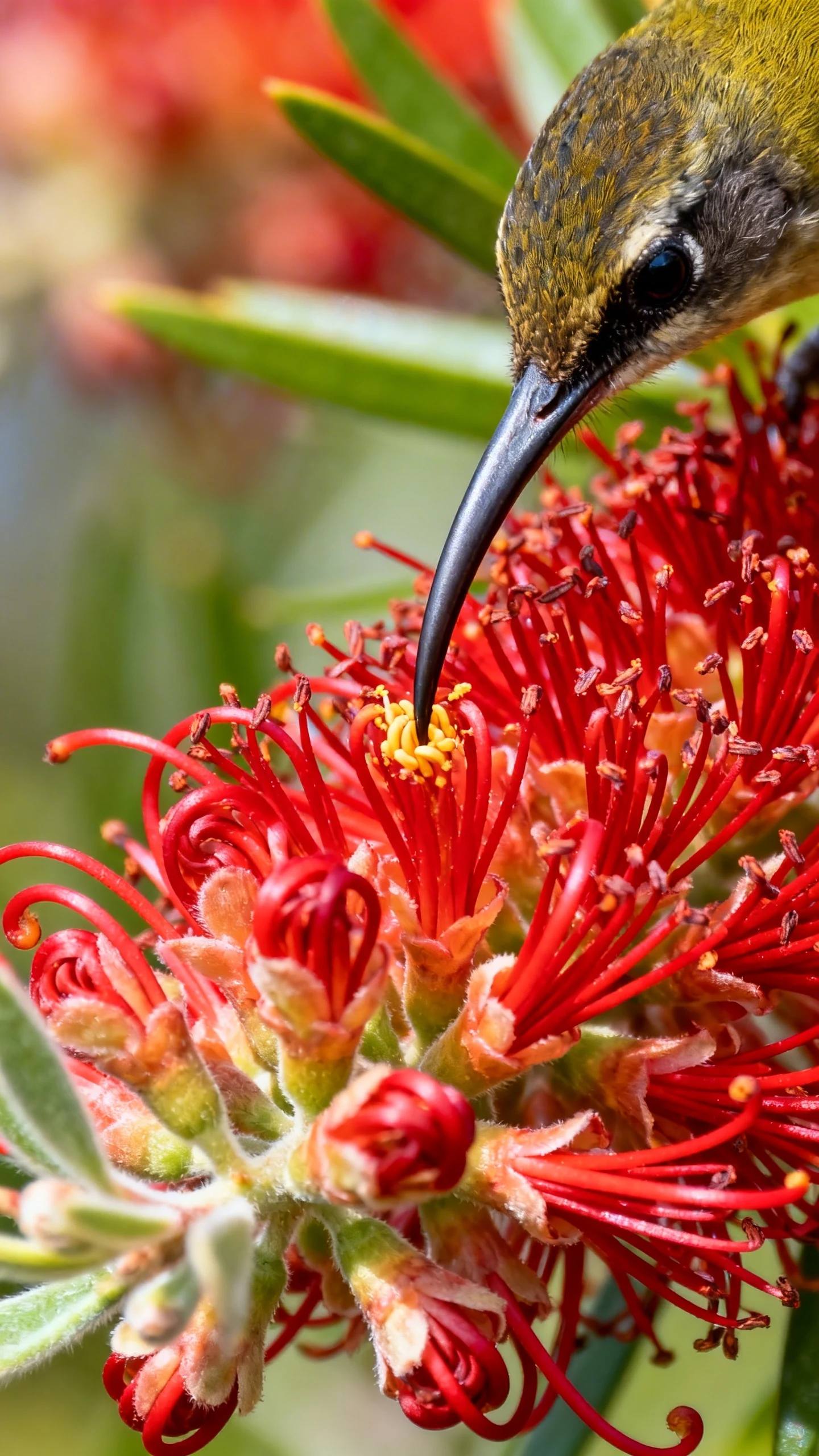
Native garden design isn’t just a vibe; it’s a practical flex. Australian plants evolved for Australian conditions, so they tend to deal with dry spells, sandy soils, and that one week in summer where everything feels like an air fryer. You can still water and care for them, but they won’t collapse dramatically the second you miss a day.
You also get instant biodiversity points. Birds, bees, butterflies, and lizards show up like you sent them an invite. And honestly, watching a flock of honeyeaters bounce around your grevilleas beats staring at a thirsty lawn that looks permanently disappointed in you.
Another perk: natives can boost street appeal in a way that feels modern and local. Your front yard becomes a mini “welcome to Australia” moment, instead of a copy-paste garden that could sit anywhere on Earth. IMO, that’s the whole point of front-yard design.
Start with the boring stuff: site, soil, and rules
Before you fall in love with a photo of a dreamy native garden, check what you’re actually working with. Front yards come with constraints: council rules, visibility for driveways, and the reality of footpaths and nature strips. If you skip this step, you’ll end up redesigning everything after you’ve already planted it. Fun.
Look at sun first. Does the space bake all day, or do you get shade from a big tree or the house? Then check drainage. If water sits in puddles after rain, you’ll need plants that tolerate wet feet or you’ll need to tweak the soil levels.
Do you need council approval?
Sometimes, yes. Councils often care about heights near driveways and corners, and they can get picky about what you plant on a verge. Keep plants lower near sightlines and save taller shrubs for spots that won’t block views. If you plan hardscaping, edging, or changing levels, check local rules so you don’t end up in a polite but annoying email war.
What’s your soil actually doing?
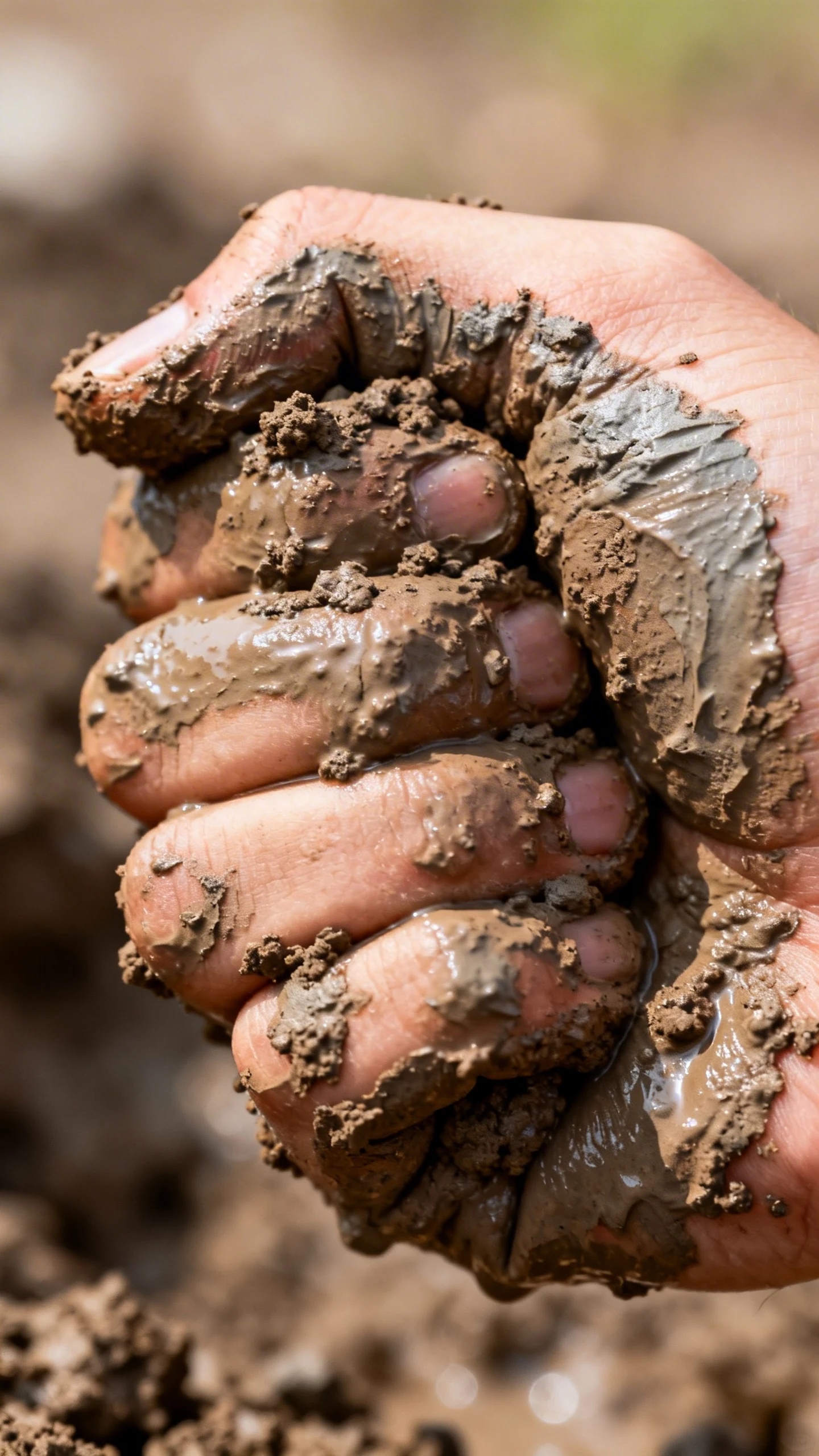
Grab a handful, give it a squeeze, and see what happens. Clay feels sticky and holds shape; sand falls apart; loam feels like the Goldilocks option. Most natives handle “not perfect” soil, but they still appreciate smart prep. Add compost for structure, use gypsum for heavy clay if needed, and avoid over-fertilising like you’re feeding a hungry lawn.
Designing the layout: make it look intentional, not like a bushwalk
People worry native gardens will look messy. They don’t have to. You just need a plan that looks deliberate from the street, even if it turns into a tiny ecosystem behind the scenes.
Start with structure. Choose a few larger shrubs or small trees as anchors, then layer mid-height plants, then groundcovers. Repeat plant groups so the garden reads as a design, not a random assortment from the nursery where you blacked out and woke up at the checkout.
Give yourself clean edges. Use a defined path, a crisp garden border, or a band of gravel to frame the planting. Sharp lines make native gardens look modern and tidy, even when the plants grow with that natural, slightly wild character.
Use layers like a pro
Think of it like an outfit. You need a base layer (groundcovers), a middle layer (grasses and medium shrubs), and a statement piece (feature plant or small tree). This approach adds depth, blocks weeds, and stops your front yard from looking flat. Also, it makes your garden look “designed” even when you put minimal effort into it later. FYI, that’s the dream.
Plan for real-life movement
Front yards need practical flow. You’ll walk from the driveway to the door, take bins out, maybe carry groceries like a hero with too many bags. Leave stepping stones or a clear path so you don’t stomp through plants. Design for how you actually live, not how you pretend you live on a Sunday morning.
Choose the right native plants (without creating a maintenance monster)
Plant choice matters more than almost anything. Pick the wrong plant for the wrong spot and you’ll spend months babysitting it. Pick the right one and you’ll mostly just enjoy it and occasionally trim it so it doesn’t try to eat your letterbox.
Mix textures for that “wow” factor. Combine fine grasses with bold-leaf shrubs, and add a few flowering heroes for colour. Use plants that naturally stay within your desired size, because nobody wants to prune every weekend just to keep a shrub from blocking the front window.
Here’s a handy way to think about plant roles in front yards:
- Feature plants: small trees or statement shrubs near the entry
- Screening: shrubs that soften fences without creating a jungle
- Fillers: mid-height plants that repeat in drifts
- Groundcovers: living mulch that suppresses weeds and covers bare soil
Easy wins for many Australian front yards
You’ll find different “best” plants depending on your region, but some genera show up again and again for good reason. Grevilleas attract birds and bring colour. Westringia behaves nicely and handles coastal conditions. Lomandra and dianella give you tidy, hardy strappy texture.
Want a front-yard feature? Consider a small grafted eucalyptus, a bottlebrush that fits your space, or a compact banksia. Choose cultivars bred for smaller gardens if you don’t want a future wrestling match with a plant that thinks it belongs in the bush.
Hardscaping and materials that make natives look sharp
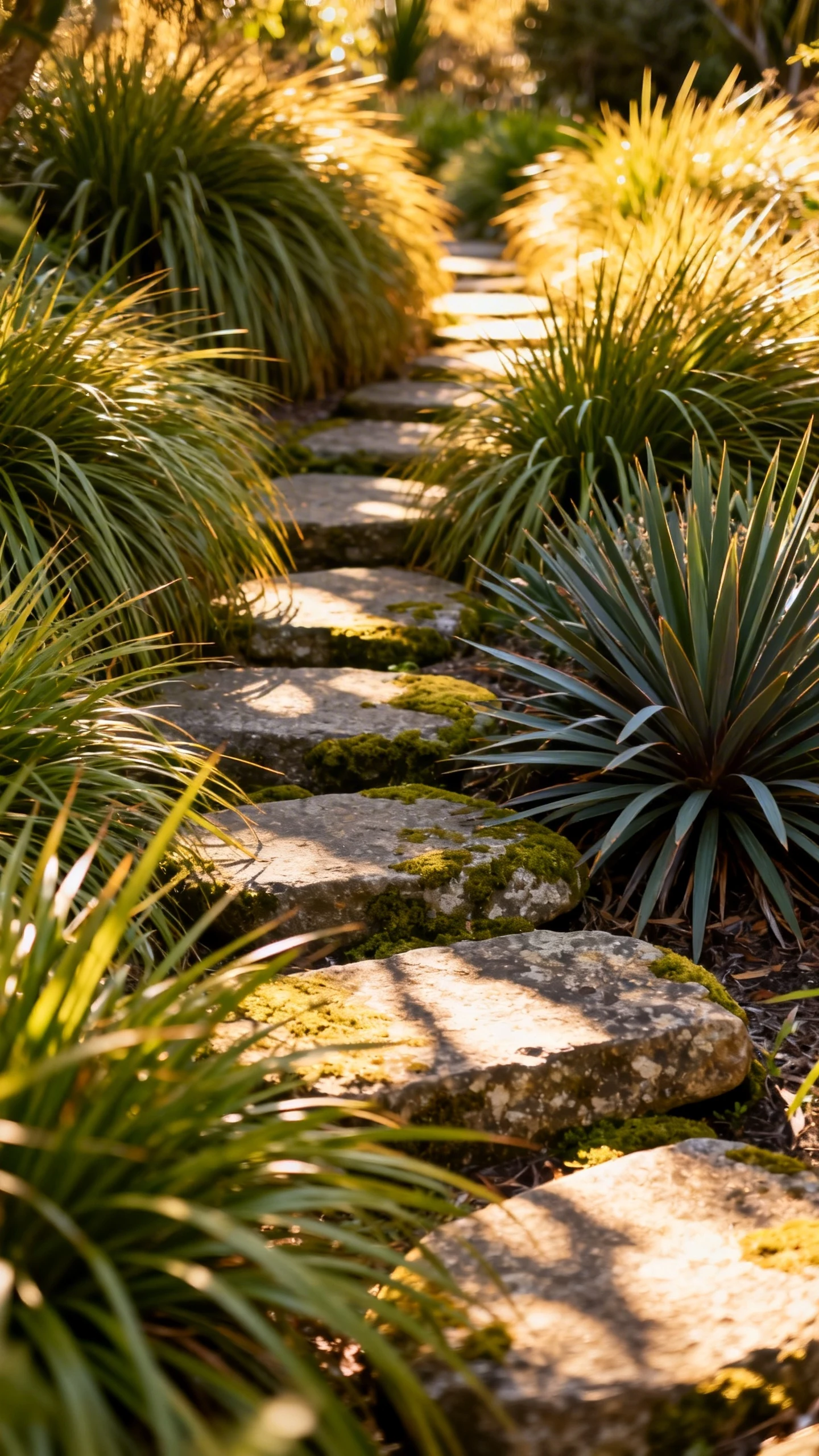
Hardscaping turns “nice plants” into “cohesive front yard.” The trick involves picking materials that work with native planting instead of fighting it. Natural stone, gravel, decomposed granite, and timber accents all play nicely with the earthy tones of natives.
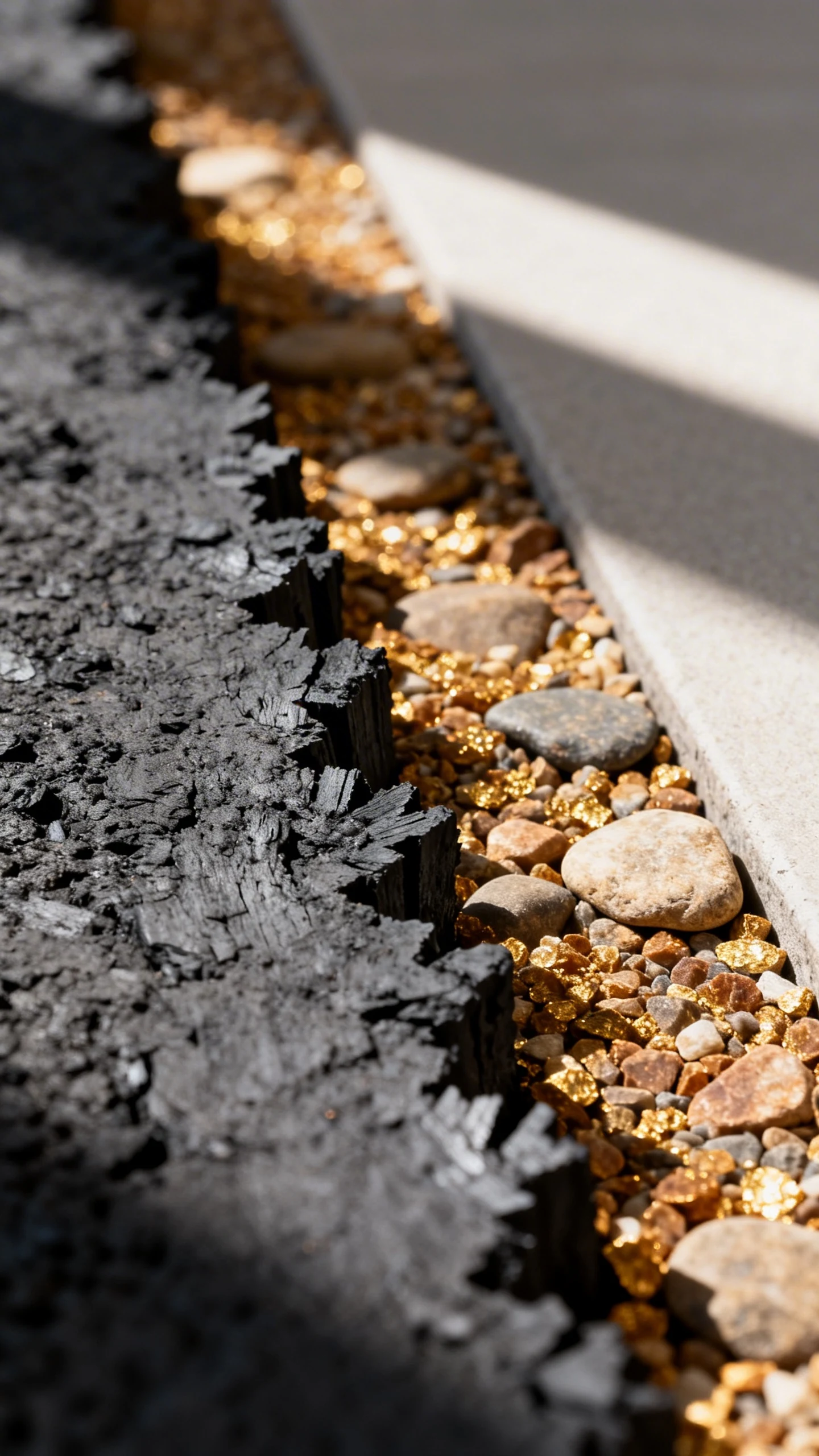
Gravel and mulch matter more than people admit. A neat gravel band along a path instantly reads as modern. Mulch keeps moisture in, reduces weeds, and makes the whole garden look finished instead of “I planted this yesterday and ran away.”
Keep colours simple. Choose two or three material tones and repeat them: maybe warm gravel, charcoal edging, and natural timber. If you add five different pavers plus shiny river rocks plus bright red mulch, your front yard will look like it can’t commit to a personality.
Mulch: the underrated MVP
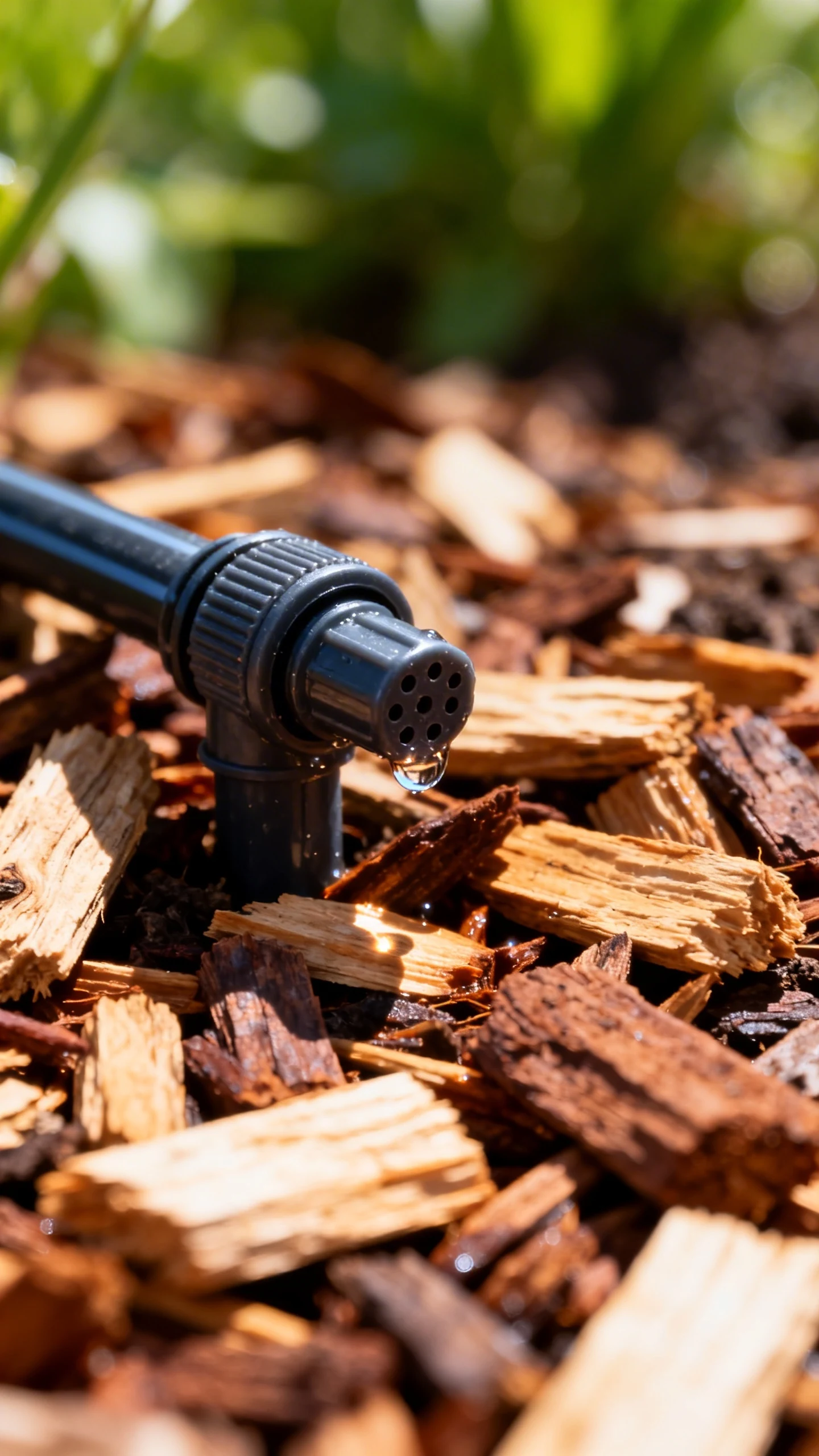
Go for chunky organic mulch or leaf litter style mulch that suits natives. It holds moisture and gradually improves soil. Keep mulch clear of plant stems so you don’t invite rot. And yes, mulch will blow around a bit in wind, because Australia loves chaos.
Water-wise design that still looks lush
You can absolutely make a native front yard look full and green without turning your water bill into a horror story. You just need smart plant grouping and a sensible watering setup.
Group plants by water needs. Put thirstier plants closer to the house where you can water easily, and use tougher plants on the edges. Use drip irrigation if you want to be fancy and efficient, or just water deeply and less often so roots grow down instead of sulking near the surface.
Design for drought, not just for the good months. If your garden looks amazing in spring but collapses in late summer, you’ll hate it by February. Choose resilient plants and give them space to establish properly.
New garden reality check
Even natives need help at the start. Plan for an establishment period where you water regularly for the first year, especially through hot spells. After that, many native gardens settle into a low-fuss rhythm. If someone tells you “natives never need water,” they’ve either got magical soil or they’re being a bit optimistic.
Keeping it tidy without ruining the natural look
Front yards sit on display, so a little grooming goes a long way. The goal isn’t to turn it into a hedged formal garden. You just want it to look intentional and cared for from the street.
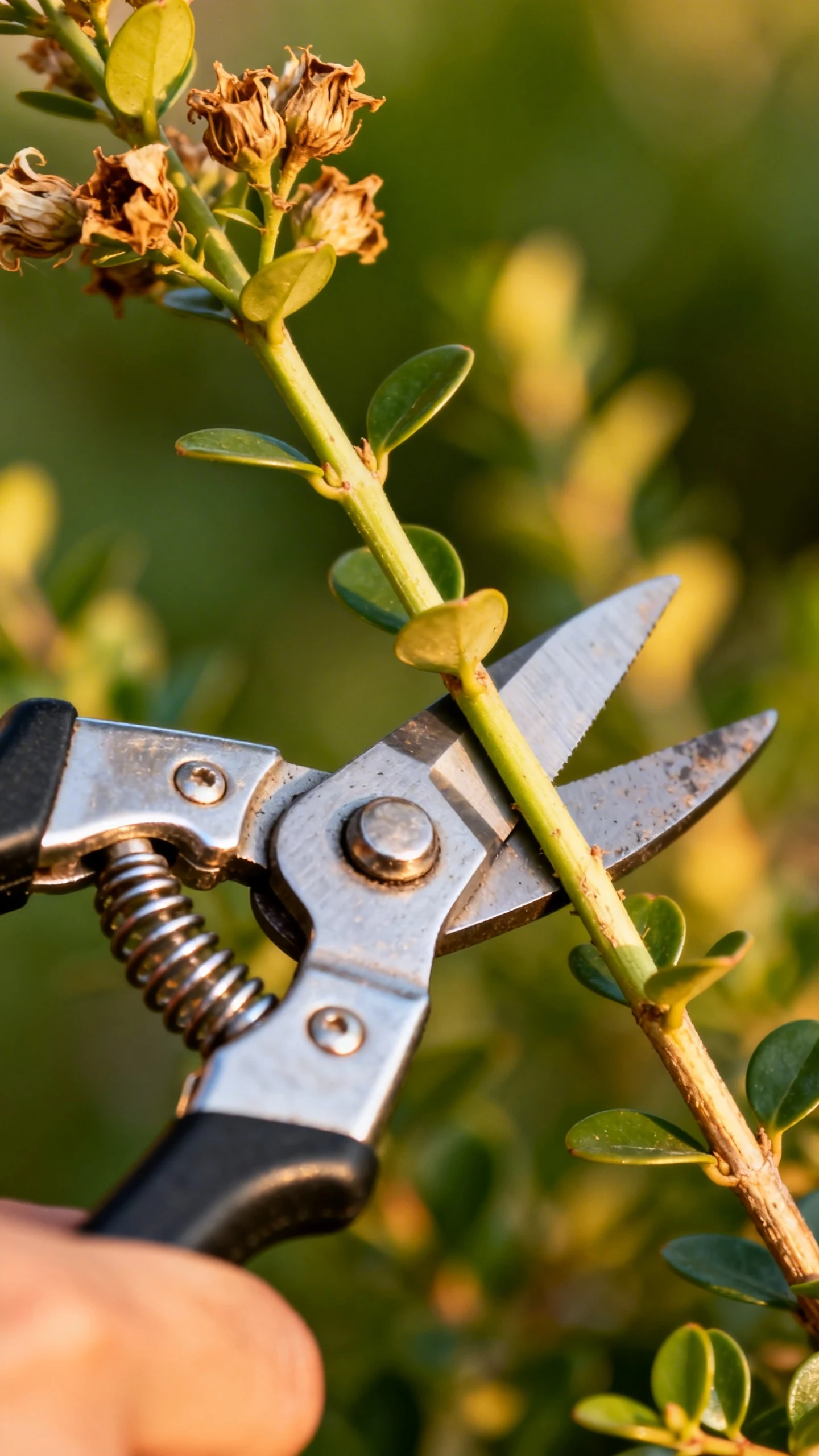
Do light pruning after flowering to keep shrubs dense. Remove dead bits, shape gently, and step back often so you don’t overdo it. Small, regular trims beat dramatic hack jobs that leave plants looking offended.
Weed control stays easiest when you keep soil covered. Use groundcovers, mulch, and tight plant spacing. Once plants fill in, they shade out weeds and your workload drops. That’s the kind of “lazy” gardening I fully support.
FAQ
Will a native front garden look messy?
Not if you design it with clear structure. Use repeating plant groups, defined edges, and a simple path. Add one or two feature plants and keep sightlines open near driveways. A native garden only looks messy when it lacks a plan or when plants outgrow their spot.
Do Australian natives really save water?
They usually do, but they won’t survive on vibes alone. Water them consistently while they establish, then shift to deeper, less frequent watering. Choose drought-tolerant species suited to your local climate and soil, and you’ll see a big difference compared to lawn-heavy designs.
What if my front yard gets full sun all day?
Full sun makes native design easier in many regions. Lean into sun-loving plants like grevilleas, kangaroo paws, and hardy grasses, depending on your area. Use mulch and groundcovers to protect soil, and consider a small tree for dappled shade near the house.
Can I mix natives with non-native plants?
Yes, and it can look great. Keep the palette cohesive so the garden still feels intentional. Match water needs so you don’t end up overwatering natives just to keep a thirsty exotic happy. If you want wildlife benefits, make natives the backbone and add a few “guest stars.”
How do I stop natives from taking over the path and mailbox?
Choose compact varieties and give plants the space they need from the start. Place fast growers away from tight areas, and use low plants near paths and edges. Do a quick prune a couple of times a year, and you’ll stay in control without turning gardening into a full-time job.
What’s the simplest native front yard layout for beginners?
Pick one feature shrub or small tree near the entry, then plant two or three repeating mid-height shrubs in drifts, and fill gaps with grasses and groundcovers. Add a clean edge and mulch everything. That simple structure looks polished and gives you room to adjust as the garden grows.
Conclusion
An Australian native front yard doesn’t need to look like a wilderness documentary. You can design it to feel crisp, welcoming, and low-maintenance while still supporting local wildlife and handling our weather without drama. Start with a simple layout, pick the right plants for your conditions, and use clean edges to keep everything looking sharp. Then enjoy the smug satisfaction when your neighbours ask how you made it look so good with so little effort.