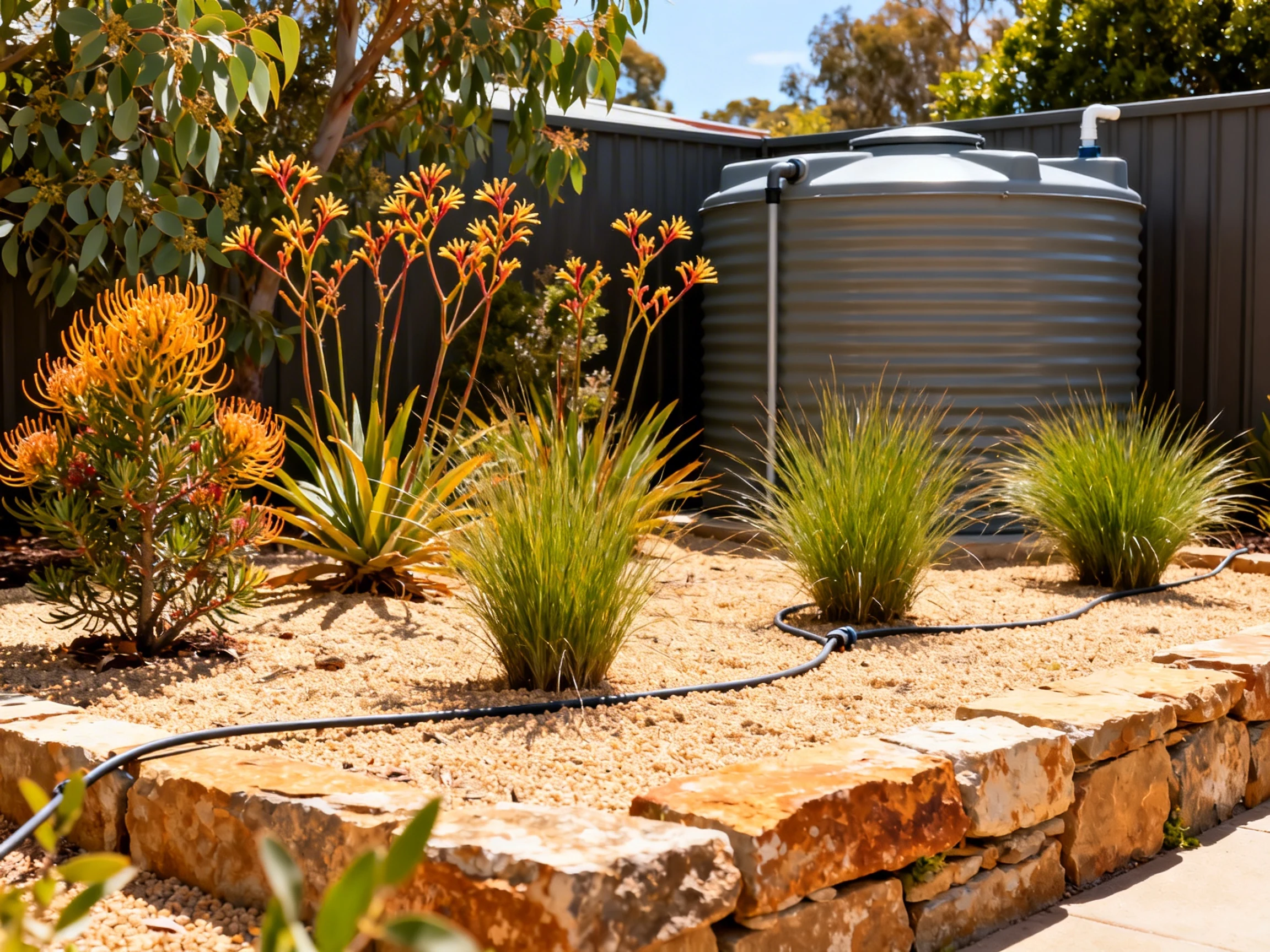
Australian garden design doesn’t mess around. One minute you’ve got blazing sun and crunchy soil, the next you’re dealing with a sudden downpour like the sky got bored. The secret sauce sits in working with the climate, not throwing a tantrum against it. Want a garden that looks great and doesn’t demand you sacrifice every weekend to it?
Designing for Australia’s “Choose Your Own Adventure” Climate
Australia doesn’t hand out one neat little weather pattern. You might live with humid summers, dry winds, salty coastal air, or frosty nights that show up uninvited. So before you buy plants because they look cute on Instagram, ask the boring-but-important question: what does your garden actually deal with day to day?
Start by watching your space for a week. Where does the sun hit hardest? Which corners stay damp? Where does the wind try to audition as a leaf blower? Good Australian garden design starts with observation, not a trolley full of impulse purchases.
Microclimates: The Sneaky Little Zones in Your Backyard
Your yard contains mini climates, even if it looks like one flat rectangle. A north-facing wall bakes like an oven, while a shaded side path stays cool and moody. That means you can grow different plant styles in the same garden if you plan it right.
Use these microclimates like cheat codes. Put thirstier plants in low spots that collect water. Tuck delicate plants near walls that block wind. FYI, this one habit saves more plants than “remembering to water” ever will.
Think in Seasons, Not Just “It’s Hot”
Plenty of places get hot. Australia adds extra spice with long dry stretches and sudden weather swings. Choose plants that handle stress without drama, and your garden will keep its vibe year-round.
Also, don’t design only for the “perfect” season. A garden needs to look decent in the messy months too. That means structure, hardy foliage, and a few reliable performers that don’t ghost you in summer.
Native Plants: Not a Requirement, Just a Brilliant Shortcut
Some people treat natives like a moral crusade. I treat them like a smart decision that keeps my weekends free. Australian native plants suit the climate, attract wildlife, and often need less water. That combo feels almost unfair.
Natives don’t mean “everything looks like bushland,” either. You can build sleek, modern designs with natives that look architectural and sharp. You just need to pick the right ones and space them properly.
Go-To Native All-Stars (That Won’t Break Your Spirit)
Here’s the thing: not every native behaves nicely in a suburban garden. Some grow fast, sprawl, and take over like they pay rent. But plenty play well with others and still look amazing.
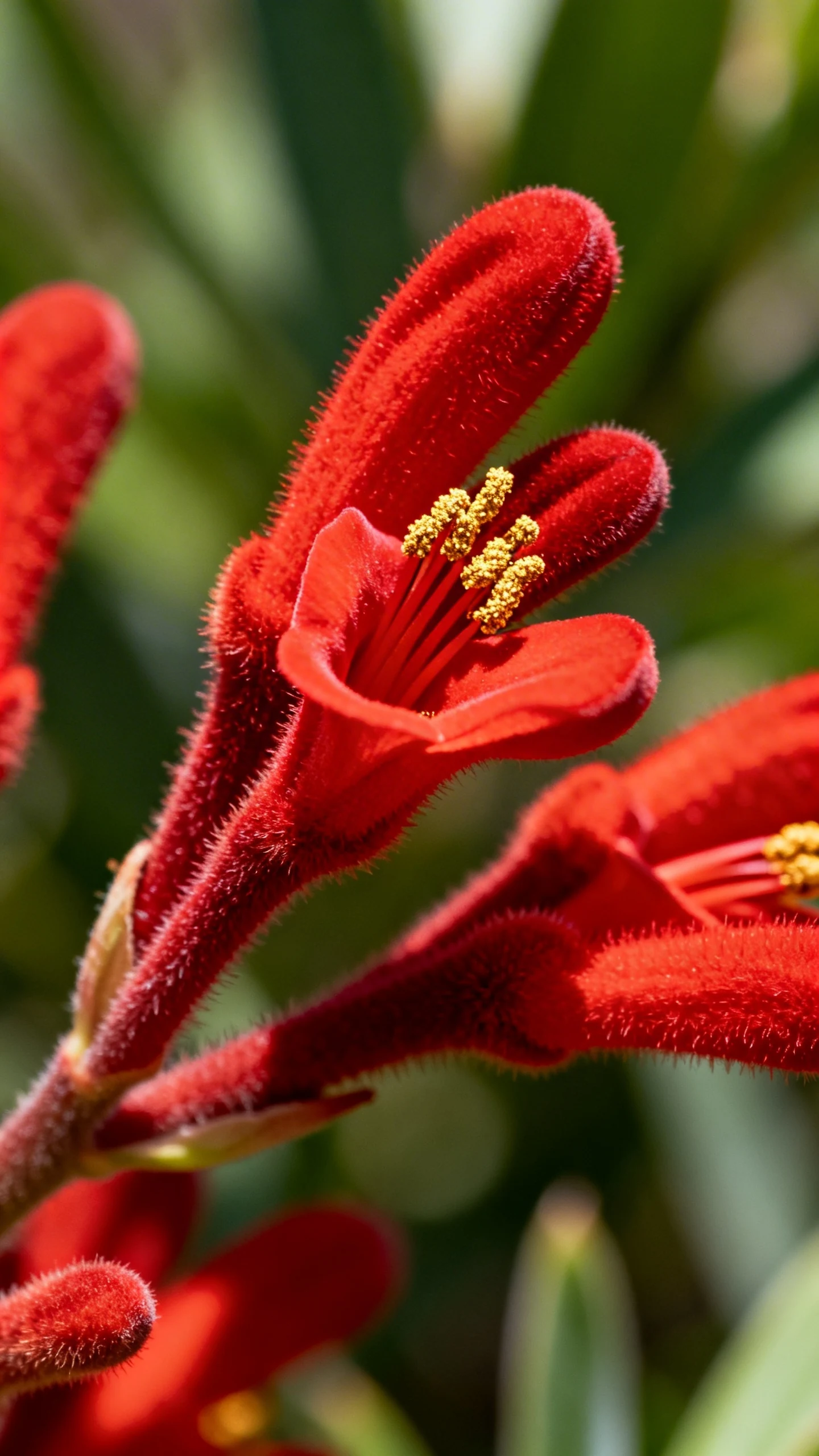
- Kangaroo paw: bold flowers and serious “wow” energy.
- Westringia (coastal rosemary): tough, tidy, and great for hedging.
- Grevillea: bird magnet, lots of shapes and sizes.
- Correa: shade-friendly and quietly gorgeous.
- Lomandra: the reliable friend who always shows up.
Mix these with a few non-natives if you want. IMO, the best gardens look curated, not like a plant ID lecture.
Wildlife-Friendly Design (Without Turning Your Yard into Chaos)
If you add a few nectar-rich plants, birds will show up like you opened a café. You can also support bees and butterflies with a mix of flowering seasons. Aim for year-round food and shelter, not one flashy bloom moment.
Keep it balanced, though. Too much dense planting can turn into a hiding spot for pests. Give your garden airflow and light, and you’ll avoid the “why is everything sticky and sad?” problem.
Structure First: The Backbone That Makes Everything Look Intentional
Plants change constantly. Some grow, some flop, some surprise you, and some just die out of spite. So you need structure that holds your garden together even when the plants do their chaotic thing.
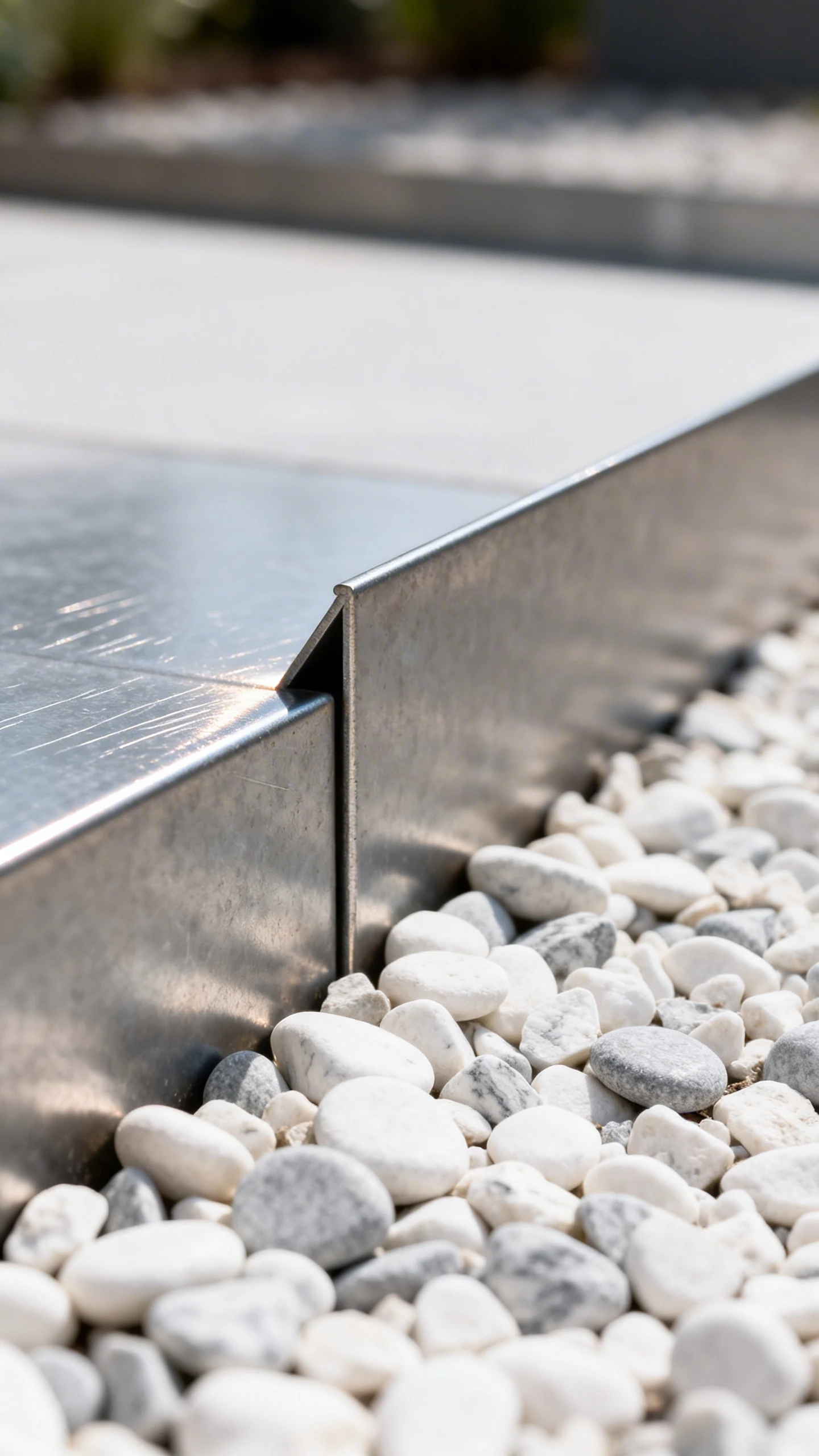
Think paths, edges, levels, and focal points. A clean line of edging can make a simple garden look designer-level. A small raised bed can add depth without a full landscaping saga.
Hardscaping That Suits the Aussie Outdoors
Australia loves outdoor living, so your hardscaping matters. You want surfaces that handle heat, rain, and the occasional barbie disaster. Choose materials that look good in harsh light, because Australian sun highlights every flaw like it’s doing product photography.
Consider gravel for a relaxed look and good drainage. Use paving for seating areas and main paths. Add stepping stones through planting for that “I planned this” vibe, even if you designed it during a coffee-fueled weekend.
Focal Points: Give Your Eyes Somewhere to Land
Without a focal point, a garden can feel like a plant dump. A statement pot, a small tree, a sculptural rock, or a birdbath can anchor the whole scene. Pick one main hero per area and let everything else support it.
Ask yourself: where do I look when I step outside? Design that view on purpose. Your future self will thank you every time you wander out with a drink and pretend you’re on a lifestyle show.
Water-Wise Doesn’t Mean Boring (Promise)
Water restrictions and high temps force everyone to get smarter. Luckily, water-wise design can look lush and stylish without guzzling resources. You just need the right plant choices and a little strategy.
Group plants by water needs. Don’t stick thirsty plants next to drought lovers and then try to keep everyone happy. That turns into a never-ending compromise where nobody thrives.
Mulch, Drip Lines, and Other Unsexy Heroes
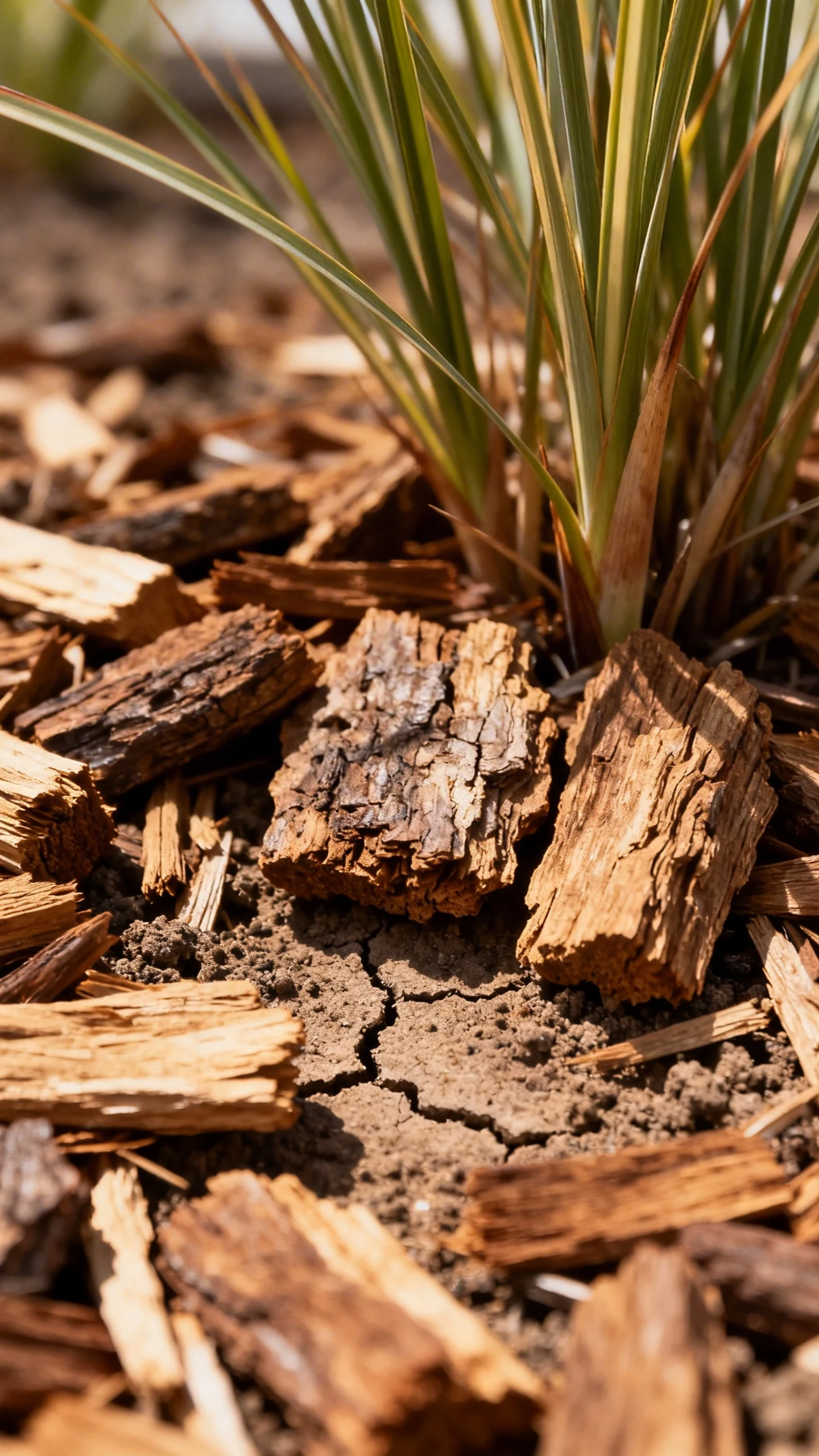
Mulch sounds boring until you realize it saves water and stops weeds from throwing a party. Use chunky mulch that stays put and doesn’t turn into dust. Keep it away from plant stems so you don’t invite rot to dinner.
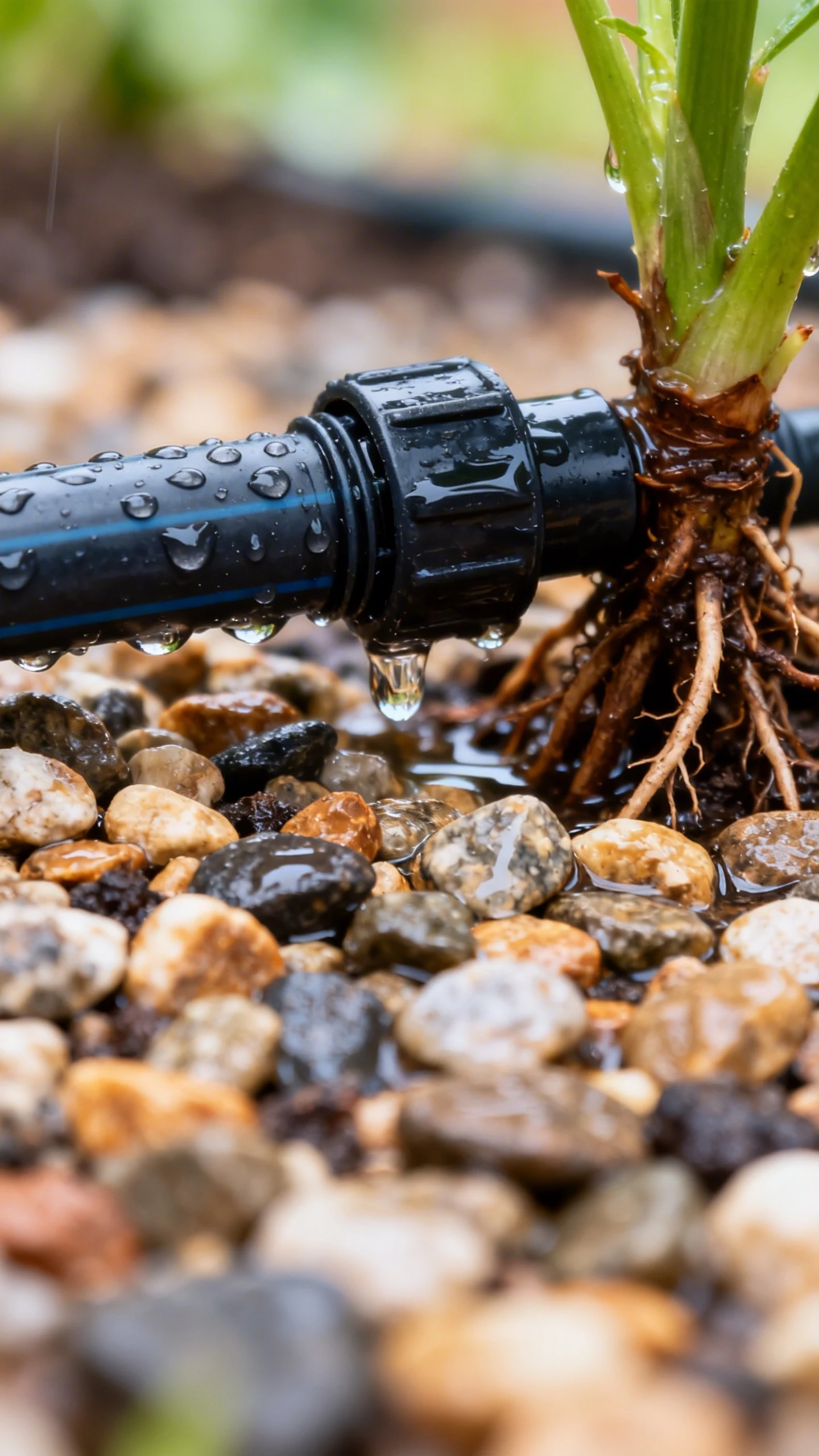
Drip irrigation also makes life easier. It delivers water where roots need it, not where evaporation wants it. Add a simple timer and suddenly you look responsible, even if you still forget your own appointments.
Smart Planting for Shade and Cooling
In hot areas, shade doesn’t just help people. Shade helps plants, soil, and even your outdoor furniture that always feels like a frying pan. Use small trees and tall shrubs to create layered shade and reduce heat stress.
Try planting in layers: groundcovers, mid shrubs, then canopy. That approach cools the soil and cuts down water loss. Plus it looks rich and dense without needing constant watering.
Coastal, Courtyard, or Big Backyard? Match the Style to the Space
Australian garden design changes wildly based on your setting. A coastal garden deals with salt and wind. A courtyard fights shade and tight corners. A big backyard begs for zones so it doesn’t look like an empty paddock.
Design for how you actually live. Do you want a hangout space, a veggie patch, a dog zone, or all of the above? If you try to cram everything everywhere, you’ll end up with a cluttered layout and zero chill.
Coastal Gardens: Salt-Tolerant and Chill
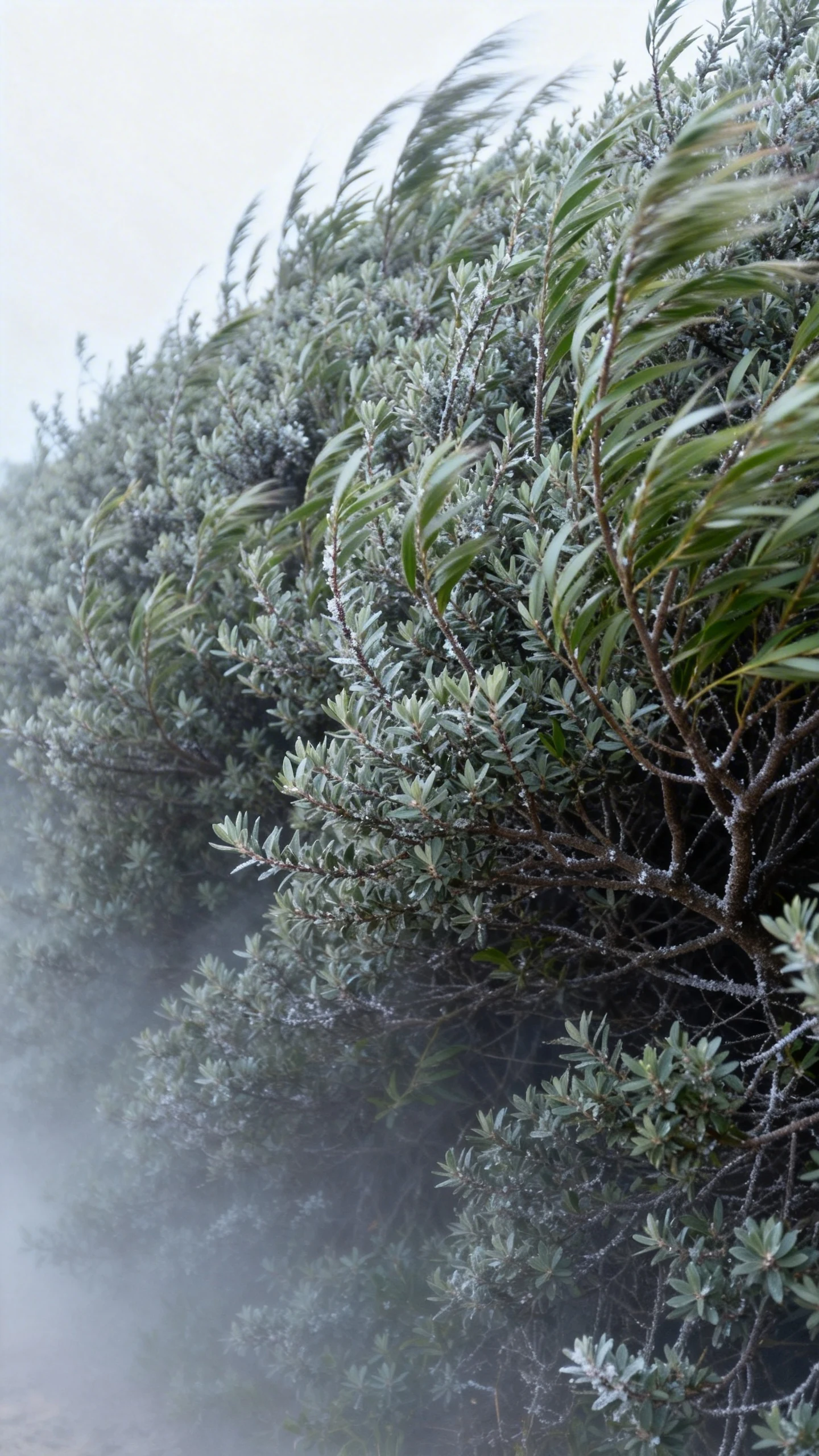
Coastal air can crisp plants like they wandered too close to a giant invisible toaster. Choose hardy, salt-tolerant plants and build wind protection with shrubs and screening. You’ll also want materials that won’t corrode or stain easily.
Keep the palette simple: silvers, greens, and soft textures look amazing by the beach. Add pops of color with flowers, but don’t rely on delicate bloomers to carry the whole show.
Courtyard Gardens: Small Space, Big Energy
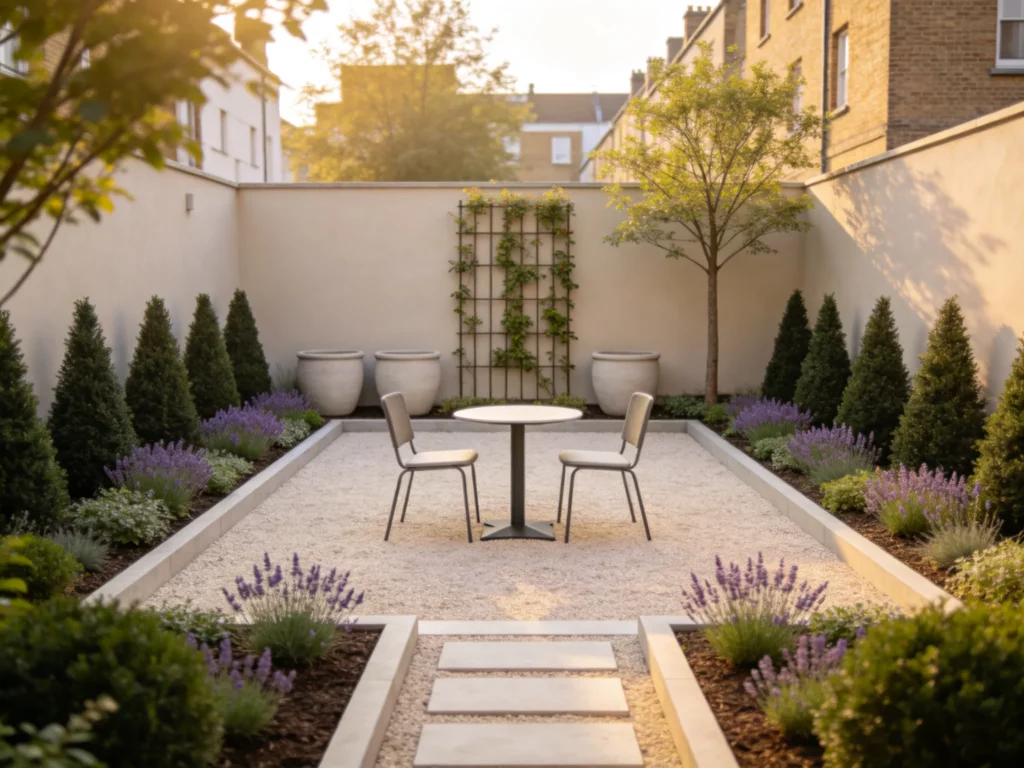
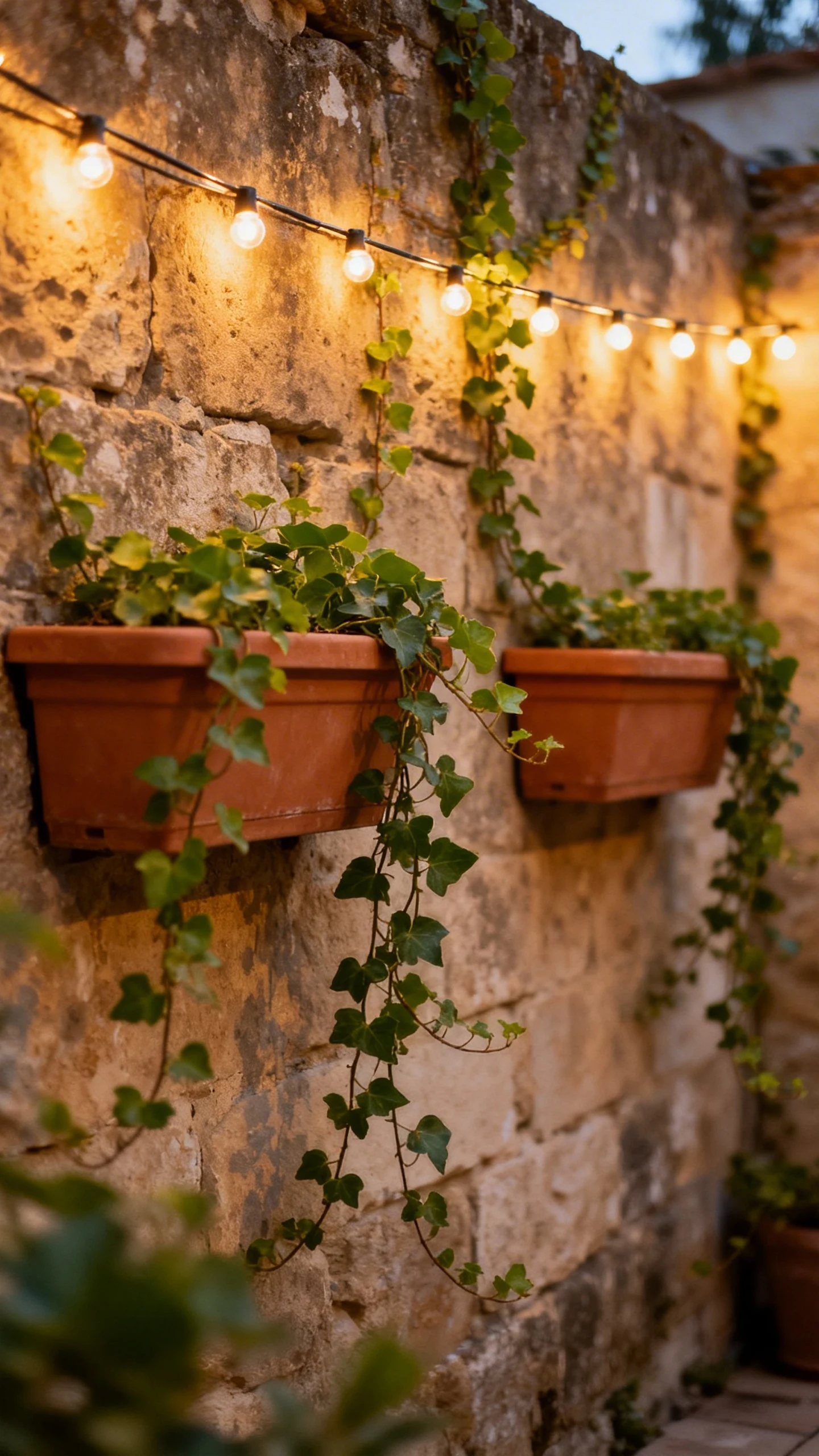
Courtyards force you to think vertical. Use climbers, wall planters, and tall pots to create height without losing floor space. Pick a tight plant palette so the space feels intentional instead of chaotic.
Also, lighting matters more in small spaces. Warm lighting can turn a plain courtyard into an evening hangout. Add a bench, a couple of statement pots, and suddenly you’ve got a vibe.
Big Backyards: Zone It or Lose It
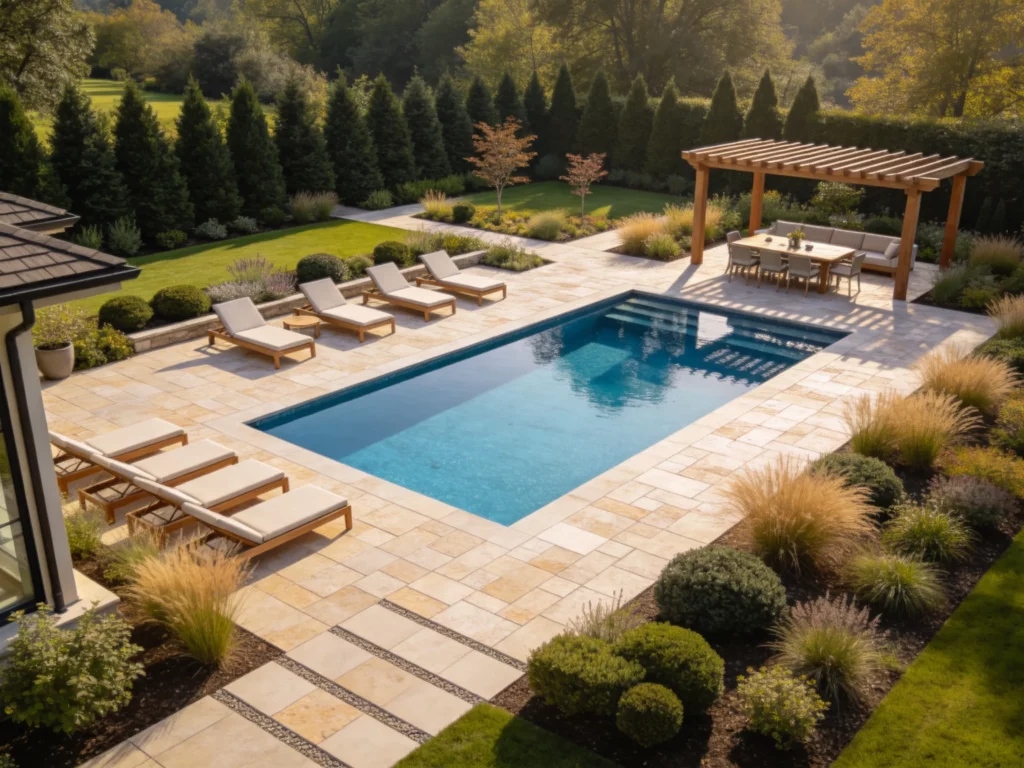
Large spaces need structure, or they feel empty and unfinished. Create zones with hedges, paths, pergolas, or changes in planting style. You can make a “wild” zone, a clean entertaining zone, and a practical zone without it feeling like three different houses share the yard.
Use repetition to tie it together. Repeat a plant type, a material, or a color across zones. That one move makes everything feel cohesive, even if you add to it over time.
FAQ
Do I need to use only native plants for an Australian garden?
Nope. You can mix natives with non-natives as long as you choose plants that suit your climate and soil. Natives simply make life easier in many parts of Australia, especially if you want low-maintenance results.
What’s the fastest way to make my garden look “designed”?
Add clear edges, repeat a few plant varieties, and create one focal point. Then mulch everything so it looks finished. Structure plus repetition makes even a small garden feel polished.
How do I design a low-maintenance garden that still looks lush?
Pick hardy plants, group them by water needs, and use layers for shade and coverage. Install drip irrigation if you can. Also, avoid high-drama plants that demand constant pruning or perfect conditions, because they will bully you.
What plants work best for hot, dry areas?
Look for drought-tolerant choices like westringia, grevillea, lomandra, and some hardy succulents. Add mulch and shade where possible. Even tough plants need smart support if the heat goes full savage.
Can I still have a lawn in an Australian garden design?
Sure, if you keep it realistic. A small patch for kids or pets can make sense, but a huge lawn can turn into a water-hungry chore. Consider alternatives like groundcovers, native grasses, or a smaller “feature lawn” area.
How do I handle terrible soil?
Start with a soil test if you want to get serious. Improve soil with compost, choose plants that tolerate your conditions, and use raised beds for sensitive plants. Work with your soil, not against it, unless you enjoy disappointment.
Conclusion
Australian garden design works best when you lean into the climate, pick tough plants, and build strong structure. You don’t need a massive budget or a perfect yard, just a plan that makes sense for your space. Keep it simple, stay flexible, and let the garden evolve. And if a plant dies, don’t take it personally, it probably had issues.