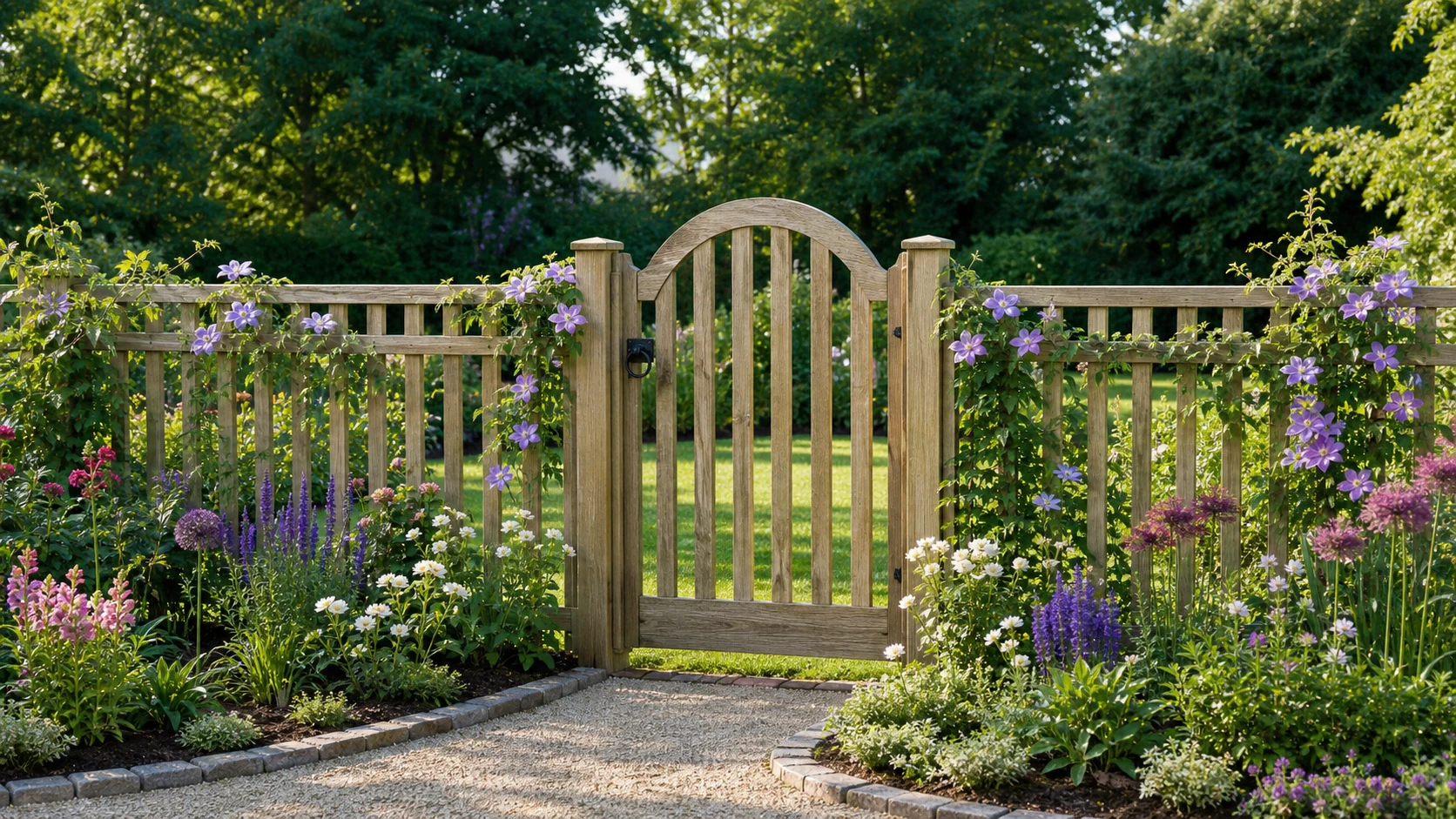
You don’t need a blank white picket fence to have a charming yard. You need a fence with personality—one that shows off your style, frames your plants, and keeps the nosy neighbor’s dog from auditioning for parkour. Ready to turn your fence into the star of your garden instead of a background extra? Let’s dig into decorative fence ideas that look good and work hard.
Set the mood: style, height, and function first
You design from the vibe you want, not from the hardware aisle. Do you need quiet privacy, light screening, pet containment, or a statement backdrop for plants? Pick your mission, then match materials and details to it. The result feels intentional, not like you just stapled wood to a property line.
Think about:
- Form + function: Soft screening for patios, solid privacy for bedrooms, or transparent panels to show off a view.
- Height and scale: Taller near seating areas, lower along front yards so your garden still shines.
- Maintenance tolerance: Be honest. You either love oiling cedar annually or you don’t. FYI, plenty of choices look great with less fuss.
- Budget range: Simple slats cost less; mixed materials and custom metalwork cost more.
Classic materials, fresh looks
Old favorites still deliver, but you can dress them up in smarter ways. You can tweak spacing, add texture, and mix materials to keep things from feeling cookie-cutter. Your fence can look custom even if you buy off-the-shelf panels.
Wood that ages gracefully
Cedar and redwood give you warmth, workability, and natural decay resistance. You can run boards horizontally for a modern, spa-like feel or vertically for a taller, classic look. Add a slim shadow gap between boards for a clean architectural finish and airflow.
Pressure-treated pine offers a budget-friendly option. Stain it a rich color and add cap-and-trim boards to hide cut ends. Details matter, so upgrade hardware to black powder-coated screws and hinges for a designer finish.
Metal for modern edges
Wrought iron feels romantic and timeless, especially with finials and gentle curves. For a sleeker vibe, use powder-coated steel or aluminum panels with clean lines. You can combine metal posts with wood slats for a durable frame that still feels warm.
Perforated metal screens give you privacy while filtering light in beautiful patterns. Choose a geometric or botanical cutout that echoes your planting style. Strong posts + proper footings keep heavier panels straight and sturdy.
Vinyl and composite that keep weekends free
If you want a low-maintenance fence, composite or vinyl delivers. You get color-through material, realistic wood textures, and no annual staining ritual. Choose board-and-batten for cottage charm or narrow slats for a contemporary look.
Add interest with alternating panel widths or a lattice topper. Composite posts with metal inserts boost strength without changing the look. IMO, vinyl shines when you add thoughtful trim so it reads “custom,” not “contractor special.”
Living and natural fences
Love the soft look of greenery? Pair a low timber or wire fence with a hedge or bamboo screen. Choose clumping bamboo only, and use root barriers if you value your sanity. Willow hurdles and woven hazel panels bring a storybook vibe with texture for days.
You can also go hybrid: a simple wire-mesh frame with vines, or espaliered fruit trees on tensioned wires mounted to posts. That gives you harvests and privacy. Plants + structure = the best of both worlds.
Color, stain, and finish tricks
Paint and stain work like makeup for fences—they define features and hide flaws. You can pull your fence forward as a focal point or make it disappear so your plants take the lead. Choose the role, then pick the finish.
Go bold without regrets
Deep charcoal, inky navy, or forest green makes foliage pop like you planned it. Dark fences recede visually, which makes small spaces feel bigger. Try color blocking: dark lower boards for grounding, lighter lattice on top to keep things airy.
Want drama? Paint only the frames dark and leave slats natural. That small contrast looks bespoke. High-quality exterior paint pays off with better coverage and longer life.
Two-tone and pattern play
Alternate the direction of slats every other panel for subtle rhythm. Or use two stains—warm brown and weathered gray—for a dimensional, custom look. You can stencil a simple geometric pattern on solid panels for a garden mural without going full graffiti artist.
Ombre stains from dark at the base to light at the top draw your eye upward. That helps fences feel taller without building higher. Keep the palette to two or three tones so it stays chic, not chaotic.
Natural finishes that glow
Love the grain? Use penetrating oils or clear sealers that showcase wood texture. Cedar shifts to a silvery gray if you leave it untreated, and that can look coastal and calm. You can also use a light semitransparent stain for UV protection without heavy color.
For a rustic twist, try charred wood (Shou Sugi Ban) on accent panels. The texture looks luxe and needs minimal upkeep. Test finishes on a spare board before you commit across the yard.
Decorative details that make neighbors jealous
You can keep the main panels simple and invest in small upgrades that shout custom. These touches cost less than a full rebuild and add real personality.
Post caps and finials
Swap flat caps for copper, pyramid, or solar-lit versions. Caps protect end grain and look finished. Finials give metal fences that romantic, old-world edge without feeling fussy.
Lattice and trellis toppers
Add a 12–24 inch topper above solid sections to soften the line and increase height legally in many areas. Choose diamond lattice for cottage gardens or square lattice for modern patios. Paint the topper a contrasting color for a crisp frame.
Cutouts, inlays, and peekaboo panels
Laser-cut metal inserts turn a plain section into art with botanical or geometric motifs. Wood cutouts—circles, arches, or narrow windows—break up long runs. Strategic peekaboo panels let breezes in and keep drama out.
Mixed materials for texture
Try wood slats with a low gabion base filled with river rock. Pair smooth composite boards with slim steel posts for contrast. A few Corten steel accent panels bring warm patina that plays beautifully with grasses and succulents.
Lighting that flatters
Solar post caps, low-voltage up-lights, or LED strip lighting under top rails change everything after dark. Highlight climbers or art panels so your yard glows, not glares. Keep cables tidy with conduits and rated clips for a clean, safe install.
Plant-forward: turn your fence into a garden feature
Plants love structure, and fences love company. Bring them together and the yard transforms from “nice” to “wow.” The trick? Pick plants that suit your light and climate, then give them the right support.
Climbers that actually climb
Roses, clematis, jasmine, star jasmine, and honeysuckle cover fences with fragrance and flowers. In shade, try climbing hydrangea or evergreen climbing figs if your climate allows. Add stainless eye screws and wire to guide growth without smothering panels.
Space anchors every 12–18 inches so vines distribute weight. Leave airflow gaps to prevent mildew. Prune lightly after flowering so you keep blooms coming and boards breathing.
Vertical planters and pocket gardens
Mount modular planter panels, terracotta pockets, or even repurposed gutters for strawberries and herbs. Use a French cleat or rail system so you can remove planters for watering or winter. Line wood planters to protect the fence from damp soil.
Group plants by water needs to keep care simple. Drip lines or self-watering inserts make these systems almost foolproof. FYI, succulents and trailing thyme love sunny pockets with fast drainage.
Espalier and edible elegance
Train apples, pears, or figs flat against a fence with horizontal wires. You gain fruit, structure, and a living sculpture. Start young trees, tie gently, and prune a couple of times a year to maintain the pattern.
You can mimic the look with non-edible shrubs like camellia or photinia for year-round structure. Edibles + ornamentals mix beautifully when you repeat shapes and colors across the yard.
Wildlife-friendly touches
Attach bee hotels, birdhouses, and bat boxes to posts, not thin slats, for stability. Plant nectar-rich climbers near them to create a mini habitat. Add a tiny water dish or bubbler nearby for bonus bird traffic.
If you like night pollinators, include white flowers and soft lighting. Keep cat perches away from nest boxes for safe neighbors. Everyone wins.
Privacy without the bunker vibe
You want privacy, not a fortress. You can block views while keeping air and light with smart panel choices and layering. The yard feels cozy instead of claustrophobic.
Try horizontal slats with consistent 1/2-inch gaps for a modern look. Louvered panels angle slats so you see out, but passersby don’t see in. Staggered panels at different depths add interest and break long runs.
Soft screens help too:
- Bamboo or reed roll screens over existing chain link for instant texture.
- Freestanding planters with tall grasses to raise the “green ceiling.”
- Trellis screens with fast climbers near patios for seasonal privacy.
Want quieter space? Dense, solid sections help with noise, but you can also tuck a layer of mass-loaded vinyl behind slats where looks matter. Add thick shrubs like laurel or viburnum for a natural sound baffle. High style, lower street noise.
Small yards, big statements
Tight space? Perfect. Small gardens make details shine. Choose fewer, better moves and repeat them for cohesion.
Paint fences a deep tone—charcoal or olive—to make boundaries recede. Use narrow slats or slatted screens so light filters through. Vertical lines read taller, while horizontal lines read wider; pick based on what you need visually.
Design tricks that deliver:
- Arched or extra-pretty gates as focal points.
- Mirrored panels in sheltered spots to double the greenery (avoid direct sun glare).
- Diagonal or herringbone slats on one feature panel for texture.
- Fold-down bar or potting shelf mounted to posts for utility without clutter.
Keep hardware consistent and minimal so the space feels calm. Repeat one metal finish and one wood tone to tie zones together. IMO, restraint looks expensive.
Budget-savvy upgrades that look custom
You don’t need a full rebuild to level up. Small, strategic changes add style fast and keep your wallet friendly.
- Cap-and-trim kit: Add a top rail and side trims to plain panels for an instant tailored look.
- Accent panel: Swap one center section for a decorative screen to create a focal wall.
- Hardware glow-up: Replace tired hinges and latches with black or brass powder-coated sets.
- Stain refresh: Clean, sand rough spots, and apply a rich semitransparent stain to unify old and new sections.
- Post wraps: Box in 4×4 posts with cedar to beef them up visually without replacing structure.
You can phase upgrades by zone—patio first, side yard later. That keeps the yard usable while you transform it. Little by little still gets you to “wow.”
Smart planning and build tips
Design pretty, build strong. A gorgeous fence that leans after one winter does not spark joy. A few technical choices keep it straight and stylish.
- Sturdy posts: Use proper post depth and drainage at footings. Gravel at the base helps shed water.
- Hidden fasteners: Use pocket screws or backer rails to keep faces clean on showpiece panels.
- Consistent gaps: Use spacers for even slats; your eye notices wobbly spacing immediately.
- Protection: Seal cut ends and drill pilot holes to prevent splits.
- Plant clearance: Keep soil and mulch a couple of inches off wood to avoid rot.
Think about maintenance access too. Hinged screens or removable planter panels mean you actually clean and repaint when needed. Future you says thanks.
FAQs: Decorative garden fences
What fence material looks great and needs the least maintenance?
Composite and powder-coated aluminum win for low maintenance with style. Composite mimics wood grain and holds color, while aluminum stays straight and resists rust. Vinyl also works if you prefer a clean, classic look. Choose solid brands with UV protection so color stays consistent.
How tall should a decorative fence be for privacy?
For seated privacy on a patio, 5–6 feet usually feels comfortable. For full backyard privacy, 6–7 feet blocks most sightlines without feeling oppressive. You can add a 12–24 inch lattice or louvered topper to gain height and lightness. Layer planters or vines if you want more softness and sound buffering.
Can I mix different fence styles in one yard?
Yes, and it often looks better. Keep one element consistent—same stain, same post style, or same slat width—so it reads cohesive. Use the more decorative style near the entertaining area and a simpler, budget-friendly style along long property runs. Transition with a gate or a feature panel so the change feels intentional.
What colors work best for small gardens?
Dark neutrals like charcoal, espresso, and deep green make boundaries recede and plants glow. Warm medium stains also keep things calm and cozy. Use one accent color sparingly on gates or planter boxes to add personality without visual clutter. If you crave brightness, try it on furniture instead of the fence.
How do I add plants to a fence without damaging it?
Use screw-in eyelets and stainless wire to guide vines instead of stapling stems directly to boards. Mount planters on a rail or cleat system so you spread weight and can remove them for watering. Add plastic or rubber spacers behind trellises for airflow, which protects both plants and wood. Water smartly so soil and moisture don’t sit against the fence.
What’s a rental-friendly way to get a decorative “fence” look?
Build freestanding slatted screens in planters that you can move when you go. Use bamboo rolls zip-tied to temporary frames for quick coverage on balconies or patios. Modular metal screens with bases create instant backdrops with zero digging. Keep fasteners off existing structures unless your lease says otherwise.
Wrap-up
A decorative garden fence does more than mark a boundary—it sets the tone for your whole outdoor space. Choose materials and colors that match your vibe, then layer in a few smart details that whisper “custom.” Plants, lighting, and texture bring it to life so it feels like a room you actually want to hang out in. Build it well, keep it simple, and enjoy the compliments when your fence goes from background to main character.