Black fences don’t whisper. They set a mood. They push the boundaries back, let foliage glow, and make every bloom look styled on purpose. If your garden needs instant drama with zero fuss, a black fence delivers that clean, modern backdrop that makes plants pop—no spotlight required.
Why Black Works Like Magic in the Garden

Black recedes visually, so your perimeter fades while your planting takes center stage. That trick makes small spaces feel deeper and more intentional. You get gallery vibes outdoors—lush leaves and bright blooms look saturated and crisp.
It also ties together mixed materials effortlessly. Got concrete, timber, gravel, and a few terracotta pots? A black fence anchors the scene. You create a cohesive frame without shouting about it.
Bonus: black hides garden scuffs and age better than lighter colors. Dirt reads like texture instead of mess. Your weekend self will thank you.
Picking Your Perfect Black: Undertones, Finish, and Light
Not all blacks behave the same. Undertones shift the mood from moody to cozy. Finish also changes how the fence plays with light and texture.
Undertones that Change the Vibe
- Charcoal/soft black: Gentle, smoky, and forgiving. Great for small courtyards and shady plots.
- Blue-black: Sleek and urban, amazing with stainless steel, slate, and cool-toned plants.
- Brown-black: Warm and earthy—pair with cedar, terracotta, and grasses for a grounded look.
- Graphite: A hair lighter than black, still dramatic, but easier on hot, bright sites.
Always test swatches along your fence at different times of day. Morning cool light favors blue tones. Late sun warms everything. Paint three large patches and live with them for a week. Trust your eyes over the tiny card.
Finish and Texture: Matte vs Satin vs Gloss
- Matte: Soft, design-forward, hides imperfections, gives that “disappearing boundary” effect. IMO it suits most gardens.
- Satin: Slight sheen, easy to wipe, nice for family yards and higher-traffic zones.
- Gloss: Bold and reflective. Use on gates or metal details rather than full runs unless you want high drama.
Match finish to surface: matte on rough timber, satin on smooth planed boards, gloss on metal gates. You’ll get the cleanest, most intentional look.
What You’re Painting: Wood, Metal, Masonry, or Composite
Different materials ask for different products and prep. Nail this part and your fence stays sharp for years, not months.
Prep Like a Pro (the fast version)
- Clean: Hose off dirt, scrub algae with a stiff brush and a mild exterior cleaner.
- Repair: Replace rotten boards, tighten fasteners, sand splinters.
- Dry: Let timber dry fully. Paint sticks to dry surfaces, not damp drama.
- Prime: Use exterior primer for bare wood and rust-inhibiting primer for metal.
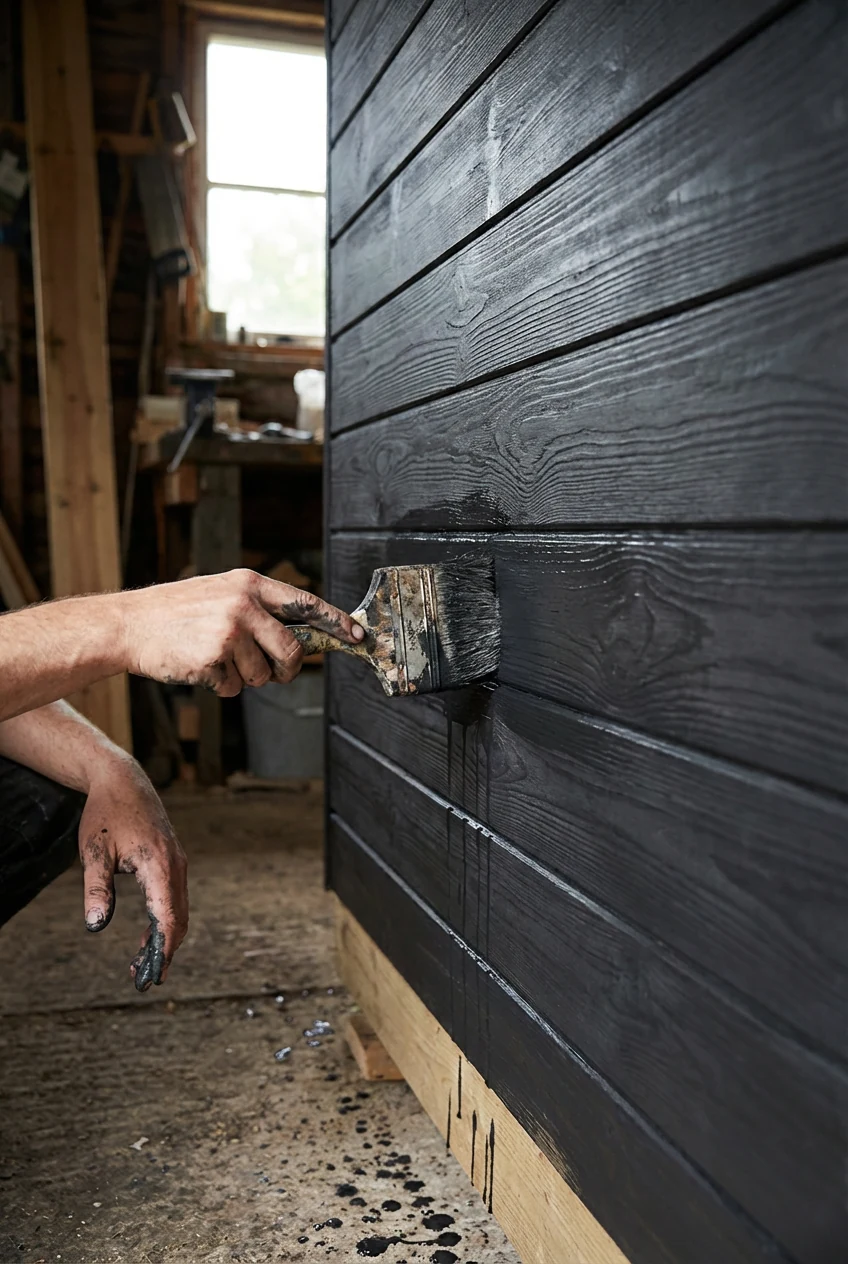
- Paint: Two coats of a quality exterior paint with UV protection. Keep strokes long and consistent.
Paint vs Stain vs Oil
- Paint: Maximum color depth and coverage. Great when you want true black and a modern, uniform finish.
- Stain: Shows wood grain while going dark. Choose an opaque/solid stain for near-black with a natural vibe.
- Oil: Deepens wood tone, adds water resistance. For a black look, pair with a pigment-rich product; otherwise you’ll land nearer espresso.
For metal fences, pick a rust-inhibiting system and finish with satin or gloss. For masonry walls, use breathable masonry paint to avoid trapped moisture and peeling.
FYI: dark colors absorb heat. In blazing climates, choose charcoal over pure black and favor a satin finish to reduce thermal stress on boards.
Planting Against Black: Palettes That Pop
Here’s where black fences flex hardest. They boost contrast so even budget plants look designer. Choose bold foliage and blooms, then watch the backdrop do the heavy lifting.
Plant Palettes That Slap (in a good way)
- Neon and chartreuse: Euphorbia, Hakonechloa ‘Aureola’, Heuchera ‘Lime Marmalade’, Nicotiana ‘Lime Green’. Black turns these electric.
- Silver and white: Stachys byzantina, Artemisia, olive trees, white roses, gaura. You get clean, moonlit contrast day and night.
- Jewel tones: Dahlia ‘Arabian Night’, salvia, alliums, cannas, penstemon. Saturation reads luxe against black.
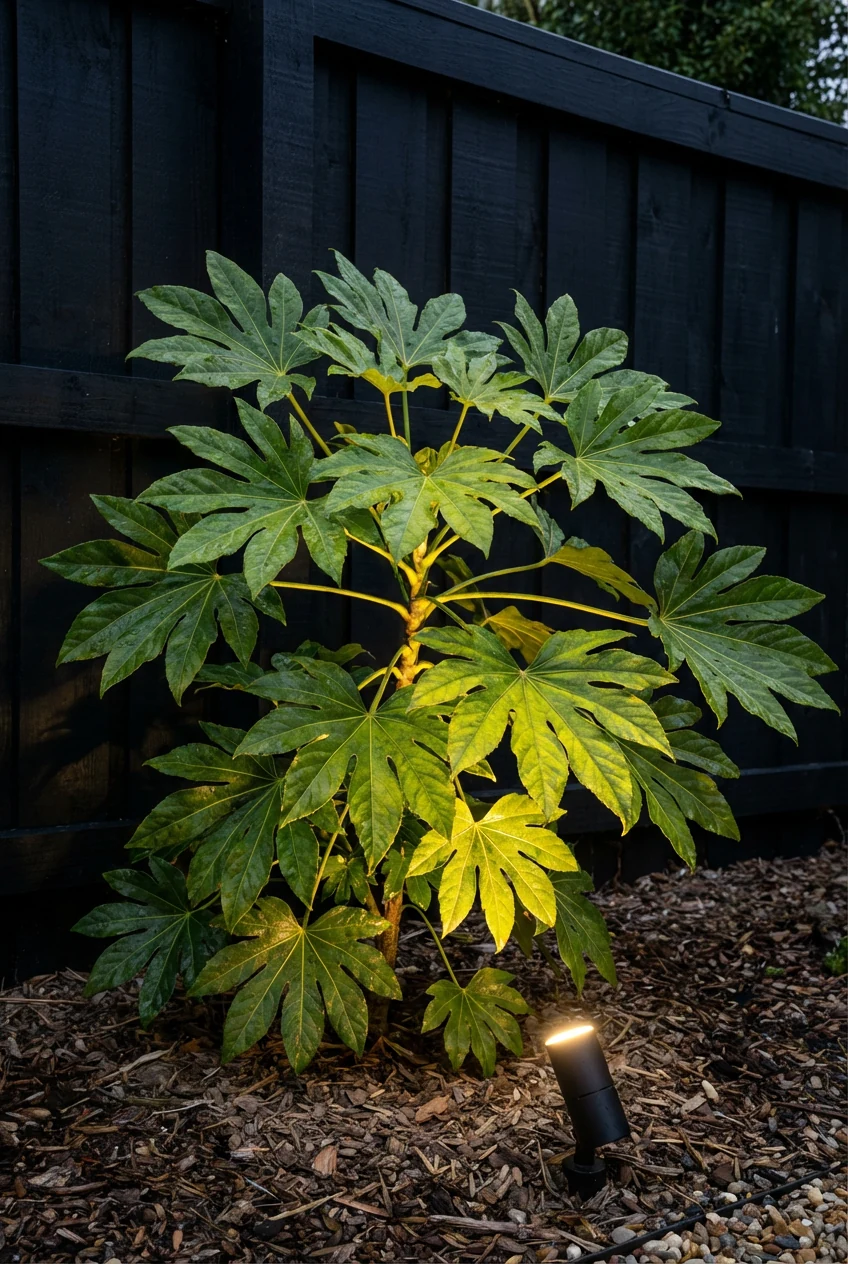
- Tropical lush: Fatsia japonica, colocasia, hosta, bamboo. Big leaves + black = resort energy.
- Pastel cottage: Lavender, foxglove, peonies, astrantia. Soft colors feel intentional instead of washed out.
Climbers and Trellis Tactics
Create vertical drama with climbers and paint the trellis black to let foliage float. Use clematis, jasmine, star jasmine, or climbing roses for fragrance and texture. If your summers scorch, keep delicate climbers off south-facing metal fences to prevent leaf scorch.
Pro tip: mount a slim, painted battens-and-wire trellis system. You’ll keep plants off the fence for airflow and easy repainting later.
Fence Styles and Design Combos That Look Intentional
Think of your fence like the frame for your showpiece. Style the boards and lines to match your garden’s personality. You’ll elevate everything from paving to furniture.
Modern Minimal
Go horizontal slats in a deep matte black. Keep gaps consistent for rhythm and breeze. Add a single species hedge or grasses for a calm, sculptural look.
Cottagecore, But Make It Chic
Use a picket or board-on-board fence painted soft black or graphite. Layer roses, foxgloves, and geraniums. The black adds edge so the sweetness reads curated, not twee.
Japandi Calm
Choose vertical battens, black stain, and warm cedar accents. Add gravel, mossy planters, and maples. Keep decor minimal and let light and shadow do the talking.
Urban Industrial
Mix black steel panels with slatted screens. Introduce concrete planters and a single bold neon sign or house numbers. Plants with architectural foliage will finish the look.
Mediterranean Courtyard
Paint masonry walls black-blue. Layer terracotta, olives, rosemary, and white bougainvillea. Hang a few geometric lanterns for golden evening light.
Lighting and Details: From “Nice” to “Whoa”
Black eats light, which helps you sculpt night mood. You decide what glows and what fades into mystery. That control makes small gardens feel dramatic and curated.
Lighting That Flatters Black
- Warm white LEDs (2700–3000K): Warmth balances the coolness of black. Your greens look lush, not icy.
- Uplights on foliage: Aim from the base to graze leaves and throw patterns on the black surface.
- Downlights on pathways: Keep glare low. Light the floor, not your neighbors’ bedrooms.
- String lights or festoons: Minimal lines pop crisply against black. Instant party without effort.
Decor That Stands Out
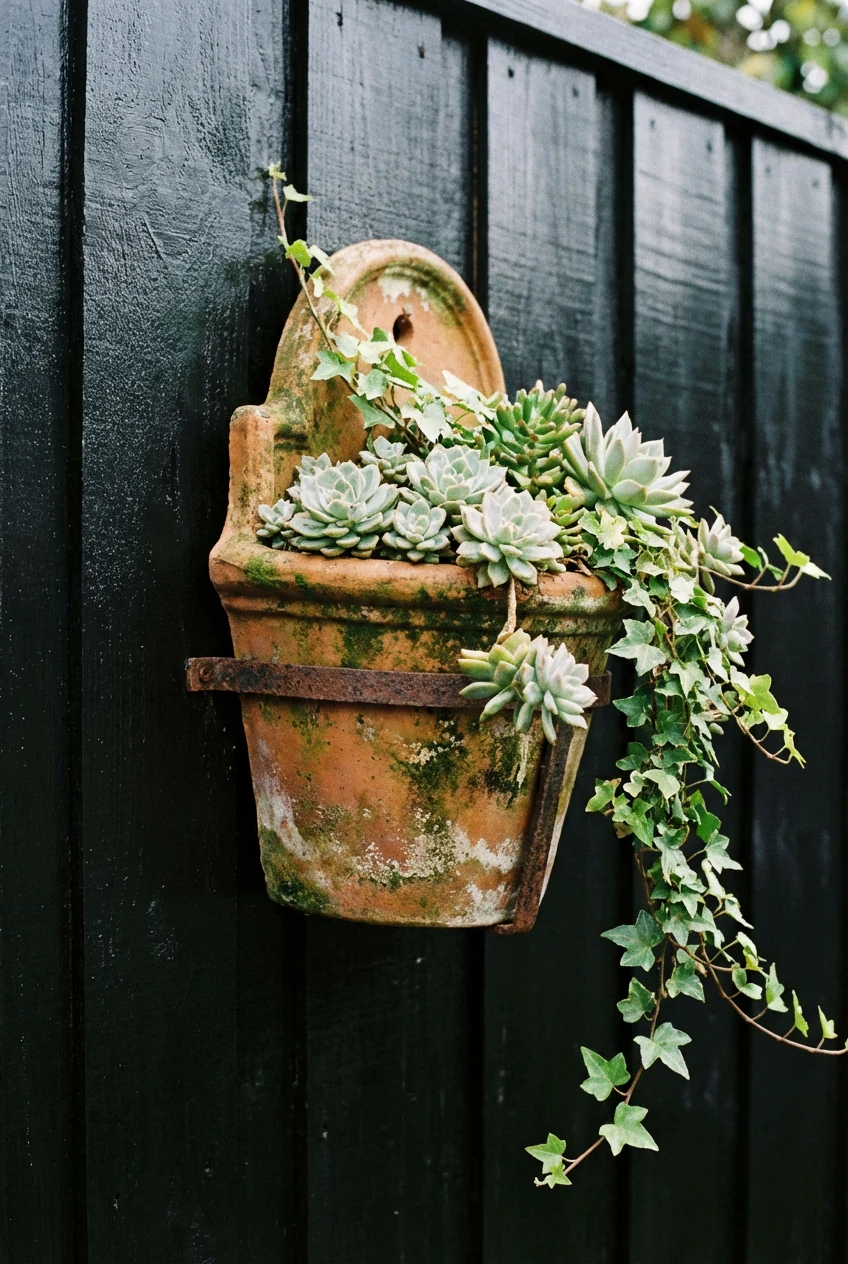
- Wall planters: Terracotta or brass looks fantastic against black.
- Outdoor mirrors: Use sparingly to bounce light and create depth. Secure well, because wind exists.
- Hardware accents: Black fence + bronze or stainless latches creates subtle luxe moments.
- Shelves: Paint them black to disappear, then let your plants and objects shine.
Keep clutter low. Let negative space work. That restraint makes the plant color read louder.
Heat, Weather, and Maintenance (the stuff that keeps it looking sharp)
Dark fences look crisp, but they need smart care. Plan for heat, UV, and moisture. You protect the finish and the structure, and you avoid weekend repaint purgatory.
Climate-Savvy Choices
- Hot climates: Choose charcoal over jet black. Opt for satin finishes and ventilated slats to reduce heat buildup.
- Wet/coastal areas: Use breathable coatings on wood and corrosion-resistant systems on metal. Rinse salt monthly.
- High UV: Buy exterior products with UV absorbers. They keep black from fading to patchy brown.
Care Routine (quick and painless)
- Spring: Rinse, check joints, touch up chips before water sneaks in.
- Summer: Trim climbers off the surface so the paint can breathe.
- Autumn: Clear leaves, wash algae-prone areas, spot treat with exterior cleaner.
- Every 3–5 years: Recoat high-sun faces. Shade sides usually last longer.
Keep plants 2–3 inches off the fence with spacers or trellis. You’ll stop trapped moisture and keep repaint days easy. FYI, that gap also discourages slugs—tiny win.
Color Pairings and Accents That Elevate Black
Black plays nice with many shades. You decide the mood with accent colors and materials. Use repetition to make the space feel polished.
- Warm wood + black: Cedar benches, teak planters, or acacia decking bring balance.
- Muted neutrals: Greige paving and off-white cushions keep things calm.
- Brass and copper: Lighting, numbers, and hose guides add glow and patina.
- Bold pops: Cobalt pots, paprika cushions, or chartreuse foliage plants jump out against black.
Repeat one accent color at least three times. You’ll create rhythm and avoid the “random yard sale” vibe. Less chaos, more cohesion.
Quick Build and Application Tips
Work smart so you spend more time sipping and less time sanding. A few pro habits make a big difference.
- Sprayer vs brush: Use a sprayer for big runs and a brush for edges. Mask hard and go steady.
- Work in shade: Paint on cool panels so you avoid drag lines and lap marks.
- Mind gaps: Small, consistent gaps between slats look modern and ventilate the fence.
- Ground clearance: Keep timber off soil by at least 2 inches. Moisture loves wood shoes.
- Neighbors and rules: Check property lines and permissions. Keep good vibes on both sides of the fence—literally.
IMO, a trial panel saves headaches. Paint one section fully and live with it for a week. Then commit with confidence.
FAQ
Will a black fence make my garden feel smaller?
Quite the opposite. Black recedes, so boundaries visually disappear and depth increases. Plants read brighter and more dimensional. You end up with a space that feels larger and more curated.
What shade of black works best for a shady garden?
Go with charcoal or soft black in matte. You’ll keep depth without killing what little light you get. Pair with silver foliage and white blooms to brighten the scene.
Will a black fence overheat my plants or the fence itself?
Black absorbs heat, so it warms up more than light colors. Space climbers off the surface and water deeply in heatwaves. Choose charcoal or satin finishes in hot zones to reduce stress on timber and leaves.
Should I paint or stain a wooden fence black?
Paint gives the strongest, most uniform black and a modern look. Solid-color stain shows a hint of grain and handles movement in wood well. If you love natural texture, pick stain; if you want bold and sleek, pick paint.
How long will a black fence finish last?
With solid prep and quality exterior products, you usually get 3–5 years on sun-baked sides and longer in shade. Clean yearly, touch up chips fast, and keep plants off the surface. That routine extends the life of the finish.
Can I mix black with another fence color?
Absolutely. Use black for the main runs and a warm wood or a muted color for gates or feature panels. Keep the palette tight and repeat accents so it reads intentional, not patchwork.
Conclusion
A black garden fence gives instant polish and drama with barely any design homework. It frames your plants, cleans up visual noise, and makes color sing. Pick the right undertone and finish, pair it with bold foliage and good lighting, and you’ll turn your garden into a living gallery. Grab a tester, paint a swatch, and let your plants steal the show.