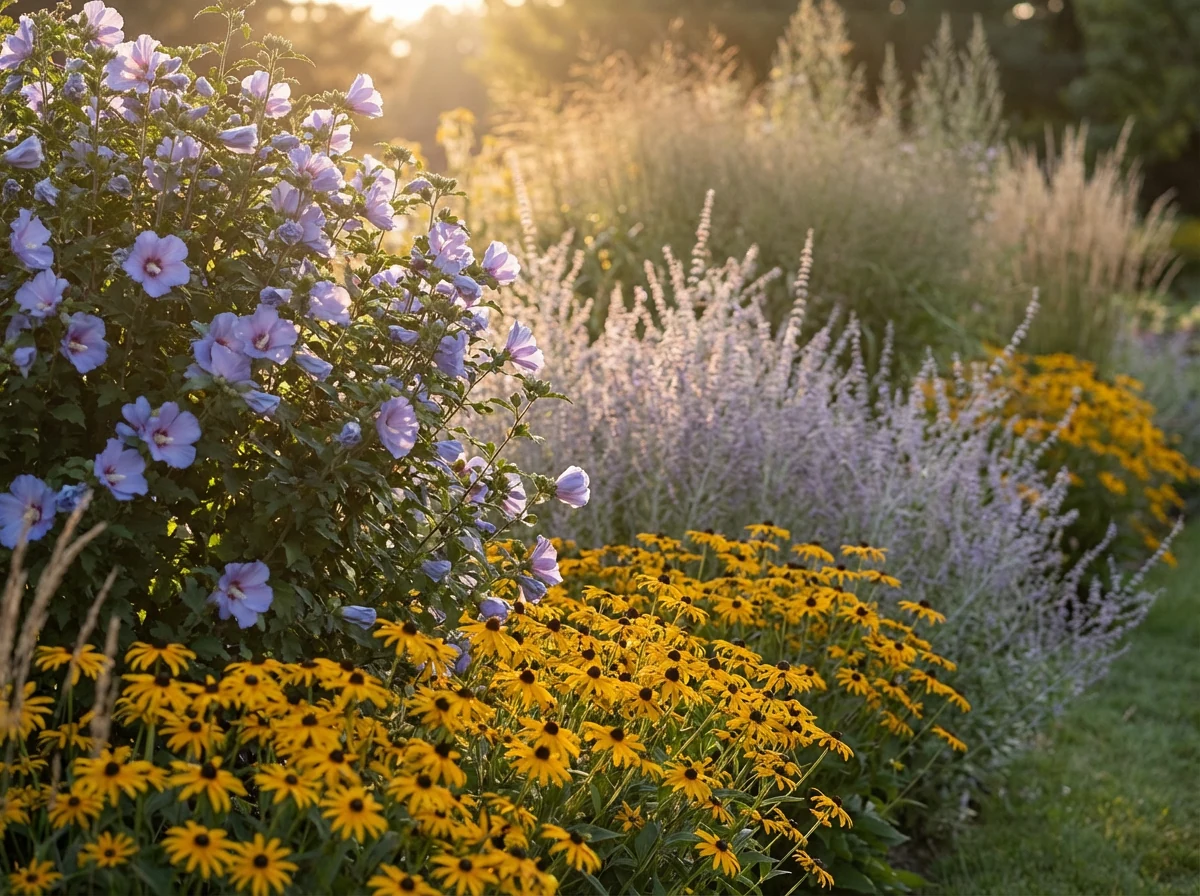
You want Rose of Sharon to headline your garden and keep the color going for months? Same. This summer-to-fall bloomer can carry a border like a pro, but it sings louder with the right backup singers. Think smart color pairings, bloom succession, and textures that make your hibiscus pop. Ready to build a long-blooming combo that slaps (in a wholesome, pollinator-friendly way)?
Meet Rose of Sharon: The Bloom Machine With Swagger
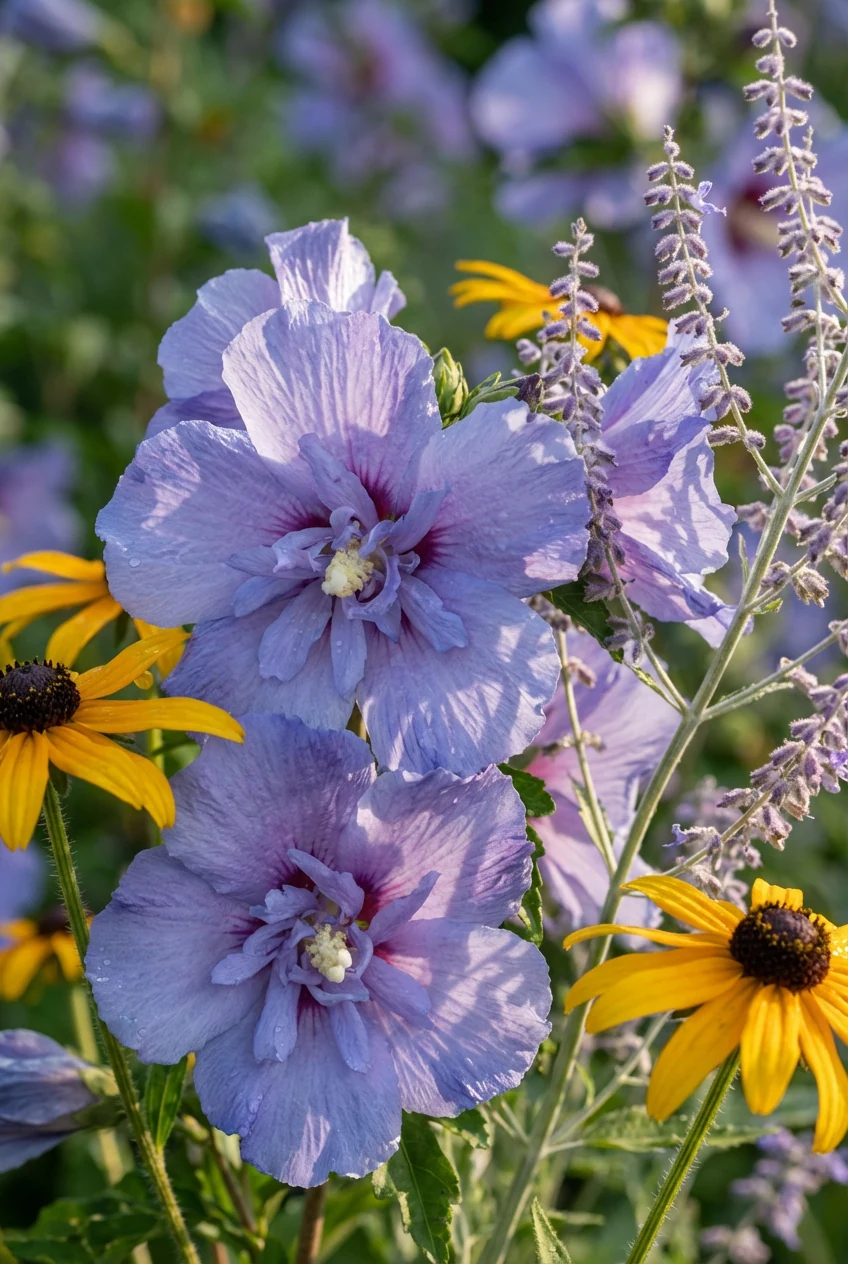
Rose of Sharon (Hibiscus syriacus) packs flowers for days, handles heat, and shrugs at less-than-perfect soil. You get peak bloom in mid to late summer, then encore right into fall. Give it full sun and decent drainage and it rewards you with a fireworks show.
It grows in USDA zones 5–9, usually 8–12 feet tall and 4–8 feet wide, although dwarfs stay closer to 3–5 feet. It thrives with regular water during year one, then handles dry spells like a champ. Prune in late winter or very early spring, because it blooms on new wood.
Choose the Right Cultivar (and Avoid the Seedling Stampede)
Some varieties toss seedlings like confetti. If you don’t want a thousand baby hibiscus, look for reduced-seed or sterile cultivars:
- ‘Azurri Blue Satin’ (blue-purple, low seeding)
- ‘Diana’ (pure white, largely sterile)
- Chiffon series (double flowers, typically fewer seeds)
- ‘Lil’ Kim’ (dwarf forms, great for small spaces and containers)
Pick colors you actually love seeing every day. Blue-lavender, pure white, soft pink, deep magenta—there’s a mood for every garden.
Design Goals: Build a Long-Blooming Wave, Not a One-Hit Wonder
You want color from spring to frost, right? The trick: layer plants by season, height, and texture. Let Rose of Sharon dominate midsummer-fall, then stack spring bulbs, early perennials, and late-season anchors around it.
Think about:
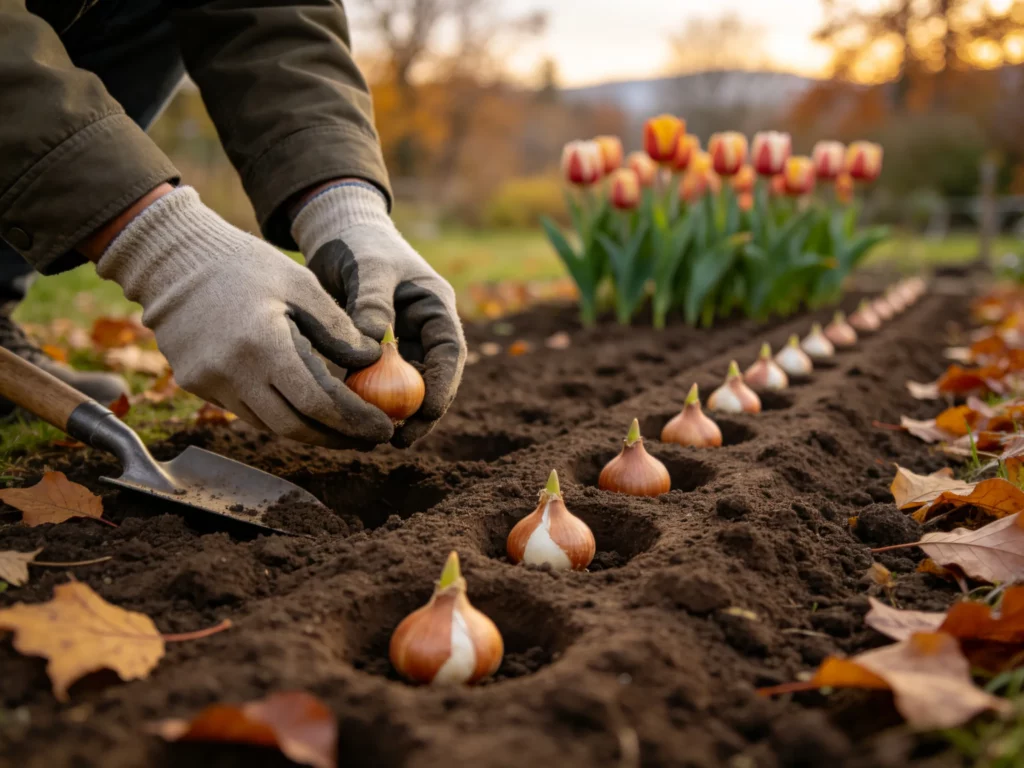
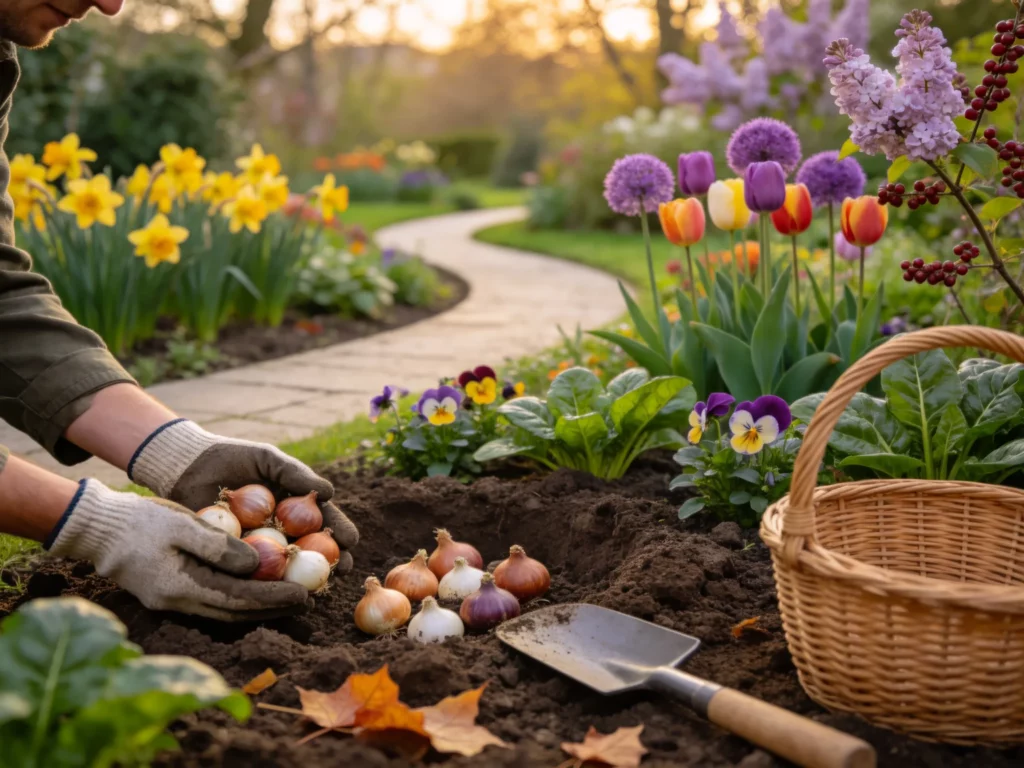
- Bloom succession: bulbs (spring) + early perennials (late spring) + summer workhorses + fall finishers
- Height tiers: tall hibiscus, mid-height perennials/shrubs, low edging/groundcovers
- Texture balance: big hibiscus petals + airy grasses + spiky salvias
- Pollinator appeal: tubular, daisy, and cluster flowers to feed different visitors
Also, leave room. Crowding suffocates everyone and invites mildew faster than you can say “watering can.”
Quick Color Theory That Actually Helps
Color shock or harmony—your call.
- Complementary (opposites): Blue hibiscus + golden companions = instant drama.
- Analogous (neighbors): Pink hibiscus + lavender + magenta = dreamy and cohesive.
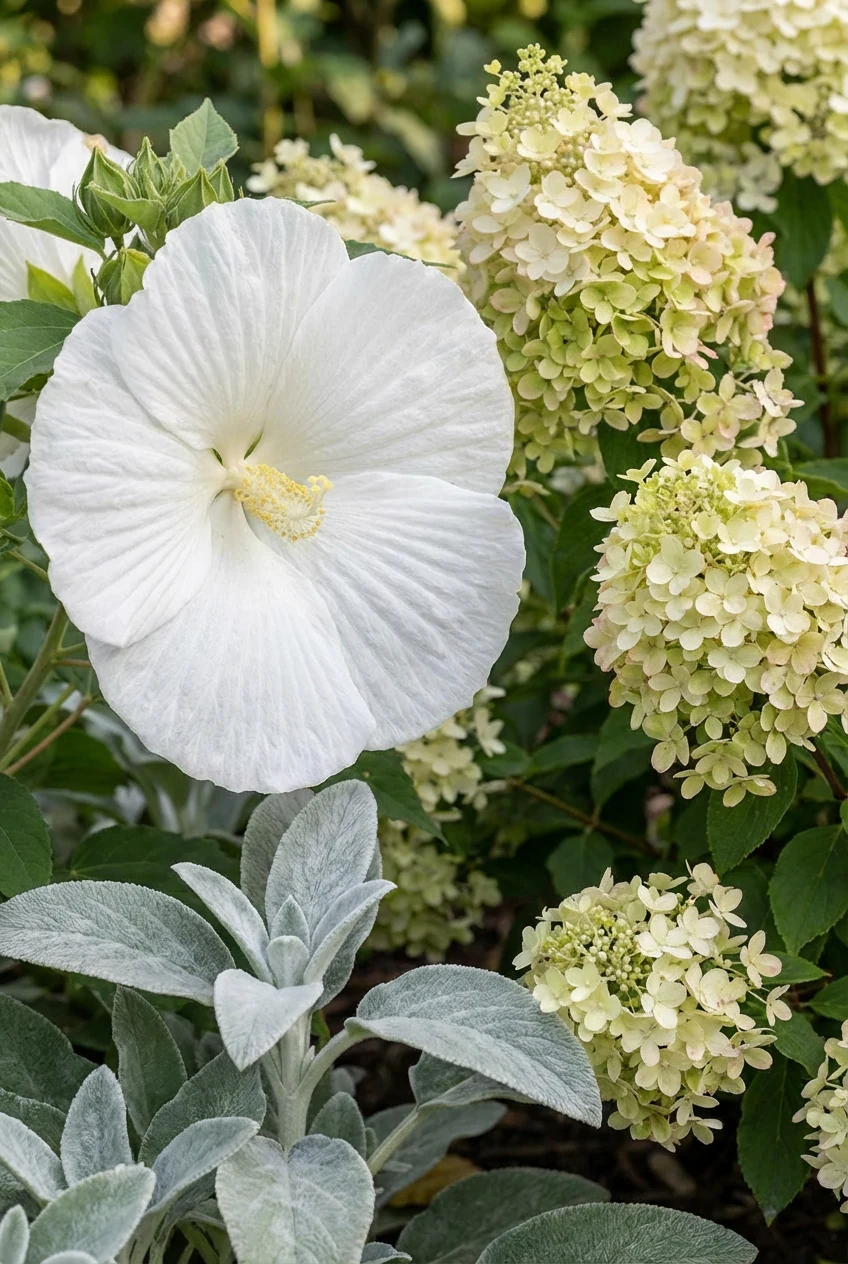
- Monochrome: White hibiscus with whites/silvers = calm, classy, a little bougie.
FYI: foliage does half the work. Silver, chartreuse, or burgundy leaves make blossoms look intentional, not random.
Best Companion Plants by Vibe (and Bloom Window)
You don’t need a plant encyclopedia here. Just pick from these proven players and group them in threes or fives. Boom—instant pro-level border.
Cool Blues and Purples (Chill Pairings for Pink/White Hibiscus)
These create a breezy, coastal vibe and stretch bloom time.
- Russian sage (Salvia yangii): airy spires, July–September, drought-tough
- Catmint (Nepeta ‘Walker’s Low’): long bloom, pollinator magnet, easy to shear and rebloom
- Bluebeard (Caryopteris): late-summer blue flowers just when you need them
- Spike speedwell (Veronica): tidy spires, repeat with deadheading
- Ornamental alliums (late spring bulbs): keep the show going before hibiscus kicks in
Sunny Golds and Oranges (High-Contrast With Blue or Magenta Hibiscus)
Want color that pops in photos? Do this.
- Black-eyed Susan (Rudbeckia fulgida ‘Goldsturm’): late-summer workhorse
- Coreopsis (threadleaf types): fine texture, nonstop yellow daisies
- Helenium: punchy oranges/reds, late-summer fireworks
- Blanket flower (Gaillardia): hot colors, thrives in heat
- Daylilies (Hemerocallis): early-to-mid summer bridge into hibiscus season
Romantic Pinks and Whites (Soft Garden, Big Impact)
This combo looks expensive with very little effort.
- Garden phlox (Phlox paniculata): tall clouds of pink/white, choose mildew-resistant types
- Panicle hydrangea (Hydrangea paniculata): creamy white cones that blush pink
- Gaura (Oenothera lindheimeri): airy wands, months of bloom
- Hardy geranium (Geranium ‘Rozanne’): long bloom, soft purple-blue tie-in
- Sweet alyssum (annual): honey scent, low edging that flowers its heart out
Native Pollinator Magnets (Beauty With a Purpose)
These bring the bees, butterflies, and beneficials—no ticket required.
- Echinacea (purple coneflower): iconic, seedheads feed birds in fall
- Monarda (bee balm): hummingbird candy, choose mildew-resistant varieties
- Agastache (hyssop): fragrant spikes, long bloom in heat
- Solidago (compact goldenrod): late-summer glow without the weeds
- Asters: fall finishers that keep the party going
IMO, mix two natives into every trio of companions for the healthiest, happiest borders.
Texture and Structure: Grasses and Evergreens That Frame the Show
Rose of Sharon does “flowers,” but you need bones and movement too. Enter grasses and evergreens. They hold space in winter and make hibiscus petals look even bigger.
- Switchgrass (Panicum virgatum ‘Northwind’): upright, clean lines, fall color
- Little bluestem (Schizachyrium scoparium): blue-green summer, copper fall, wildlife-friendly
- Fountain grass (Pennisetum alopecuroides): soft plumes, late-summer charm
- Korean feather reed grass (Calamagrostis brachytricha): shade-tolerant-ish, silky plumes
- Inkberry holly (Ilex glabra): native evergreen, tidy dark green backdrop
- Dwarf boxwood or compact junipers: low-maintenance edging and winter structure
Low, Easy Groundcovers That Keep Weeds Out
Skip the bare mulch look and plant a living carpet.
- Creeping thyme: sun-loving, fragrant, bee-approved
- Stonecrop (Sedum ‘Angelina’, S. spurium): drought-proof color splash
- Heuchera (coral bells): shade-tolerant leaves in burgundy, amber, or silver
- Sweet woodruff (for part shade): starry flowers, gentle spreader
Keep groundcovers slightly away from the hibiscus trunk. Let air circulate so everything stays healthy.
Color Combos That Slap (Match the Hibiscus You’ve Got)
If You Grow Blue-Lavender Hibiscus (‘Blue Chiffon’, ‘Blue Bird’)
Go for golden contrast with a cool undercurrent.
- Front layer: Coreopsis + creeping thyme
- Mid layer: Rudbeckia ‘Goldsturm’ + Russian sage
- Back layer: Switchgrass ‘Northwind’ as a columnar screen
Add white alliums in spring for a prelude before the hibiscus starts.
If You Grow Pure White Hibiscus (‘Diana’, ‘White Chiffon’)
Lean into clean lines and subtle blush notes.
- Front: Sweet alyssum border + Sedum ‘Autumn Joy’ for the fall flush
- Mid: Garden phlox in pale pink + hardy geranium for groundcover bloom
- Back: Panicle hydrangea ‘Limelight’ for a white-on-white-on-white moment
Silver foliage (lamb’s ear, artemisia) brings the couture vibe. Yes, your yard can look like a magazine spread.
If You Grow Pink to Magenta Hibiscus (‘Minerva’, ‘Lucy’)
Dial up the heat with complementary purples and oranges.
- Front: Gaillardia + purple basil (annual, bonus fragrance)
- Mid: Agastache ‘Blue Fortune’ + Helenium
- Back: Little bluestem for color shift in fall
IMO this combo reads playful and big-energy without screaming for attention.
If You Grow Variegated or Bicolors (‘Sugar Tip’)
Keep it chic; let the foliage do the talking.
- Front: Heuchera (plum tones) + white alyssum
- Mid: Bluebeard + catmint
- Back: Inkberry holly for deep green contrast
Variegated leaves already shine, so avoid overly busy patterns around them.
Planting Layout and Care Tips (So Everything Actually Thrives)
I love pretty pictures, but I love plants that live even more. Set them up right, and maintenance drops to “sip-coffee-and-stare-at-flowers” levels.
- Sun: 6–8 hours per day for hibiscus and its sun-loving entourage.
- Spacing: Give Rose of Sharon 4–8 feet, depending on cultivar; companions 12–24 inches.
- Soil: Loamy to average soil works; mix in compost at planting for a gentle boost.
- Water: Keep new plants evenly moist the first season; ease off once established.
- Fertilizer: Use a spring slow-release balanced fertilizer or compost. Skip heavy nitrogen or you’ll get leaves, not flowers.
- Mulch: 2–3 inches around, not touching the stem. Mulch donuts, not volcanoes.
Pruning and Deadheading Schedule
You don’t need a horticulture degree—just a calendar.
- Late winter/early spring: Prune Rose of Sharon to shape. It blooms on new wood.
- Spring: Shear catmint after the first flush to coax a second bloom.
- Summer: Deadhead coneflowers if you want more flowers, or keep the seedheads for birds.
- Fall: Cut back grasses in late winter, not autumn, so you get winter texture.
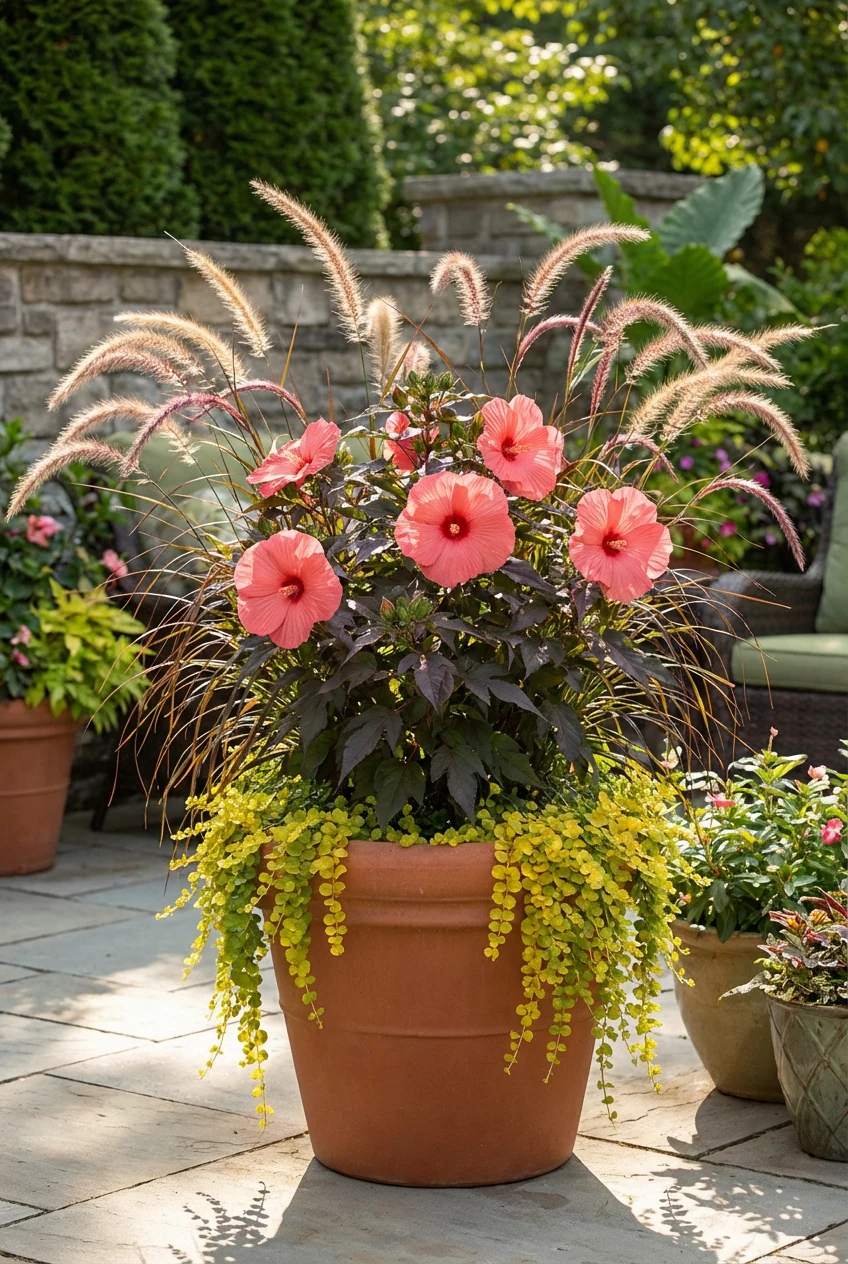
Container Combos for Small Spaces
Got a balcony or a patio? Dwarf hibiscus to the rescue.
- Dwarf Rose of Sharon (‘Lil’ Kim’) in a 18–24″ pot with drainage
- Thrillers: small fountain grass or purple fountain grass (annual in cold zones)
- Fillers: calibrachoa, lantana, or dwarf agastache
- Spillers: sweet potato vine, creeping Jenny, or trailing verbena
Use high-quality potting mix, water consistently, and feed every 4–6 weeks in summer. Container combos give you instant-coffee-level gratification, but prettier.
Pitfalls and Fixes (Learn From Our Oops Moments)
Let’s be honest—every gardener has “learning experiences.” Here’s how to dodge the classics.
- Too few blooms? You probably have too much shade or too much nitrogen. Move to more sun or switch to compost-based feeding.
- Seedling takeover? Choose reduced-seed cultivars and deadhead pods before they dry.
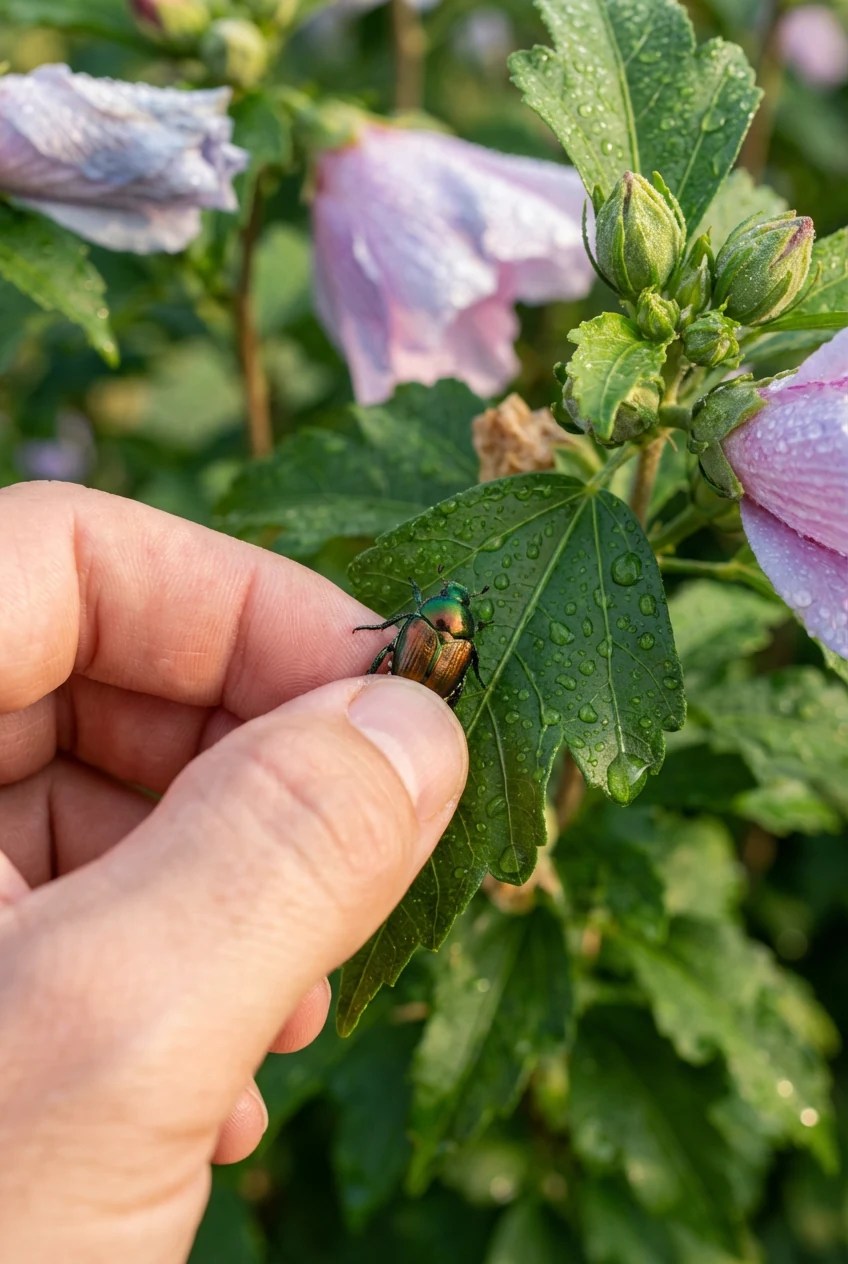
- Pest drama? Japanese beetles and aphids love hibiscus. Hand-pick beetles in the morning; blast aphids with water, then use insecticidal soap if needed.
- Floppy perennials? Cut back catmint/russian sage by one-third in late spring to bulk them up. Stake tall phlox early if wind exposure bites.
- Water stress? Add a 2–3″ mulch layer and water deeply but less often to encourage stronger roots.
- Invasive “companions”? Check your region before planting. When in doubt, pick named cultivars of well-behaved species.
FAQs
How much sun does Rose of Sharon need for the best bloom?
Aim for a minimum of 6 hours of direct sun. More sun equals more flowers and tighter growth. In light shade, it still survives, but the bloom count drops and stems stretch.
Can I plant Rose of Sharon with other shrubs, or just perennials?
Mix it up! Pair with late-summer shrubs like caryopteris, abelia, or panicle hydrangea for layered interest. Then weave in perennials and grasses to soften the edges and extend bloom time.
What soil does Rose of Sharon prefer?
It tolerates a wide range, from slightly acidic to slightly alkaline, as long as drainage doesn’t stink. Add compost at planting for structure and steady nutrition. Keep it simple—no need to micromanage pH unless your soil sits at an extreme.
When should I prune, and how hard can I go?
Prune in late winter or very early spring. Shape it, remove crossing branches, and reduce height by up to one-third if needed. It blooms on new wood, so you won’t lose flowers when you prune at the right time.
Which companions bloom longest with the fewest headaches?
For a set-it-and-forget-it vibe, try catmint, Russian sage, coreopsis, Rudbeckia, and switchgrass. They handle heat, bloom for weeks, and play nice with hibiscus roots. Add Echinacea for pollinators and seedheads for birds.
Can I grow Rose of Sharon in containers?
Yes—choose dwarf varieties and a large pot with good drainage. Use a premium potting mix, water consistently, and feed lightly through summer. In cold zones, park the pot against a protected wall for winter.
Conclusion
Rose of Sharon can absolutely anchor a long-blooming garden, but the real magic happens when you pair it with the right cast. Layer seasons, mix textures, and play with color contrasts that make your hibiscus shine. Start with a few of the combos above, tweak them to your taste, and enjoy a border that looks intentional from spring bulbs to fall grasses. IMO, once you see those color waves rolling all season, you won’t plant any other way.