Picture this: a glossy hibiscus throwing giant blooms like it’s auditioning for a beach party, and a squad of sun-loving companions backing it up with nonstop color. You want drama in a container, not high-maintenance chaos. Good news—you can absolutely build full sun combos that look lush, bloom hard, and don’t throw tantrums when the heat hits. Let’s pick plants that keep up, play nice, and make your patio look like vacation.
Know Your Hibiscus: Tropical vs Hardy
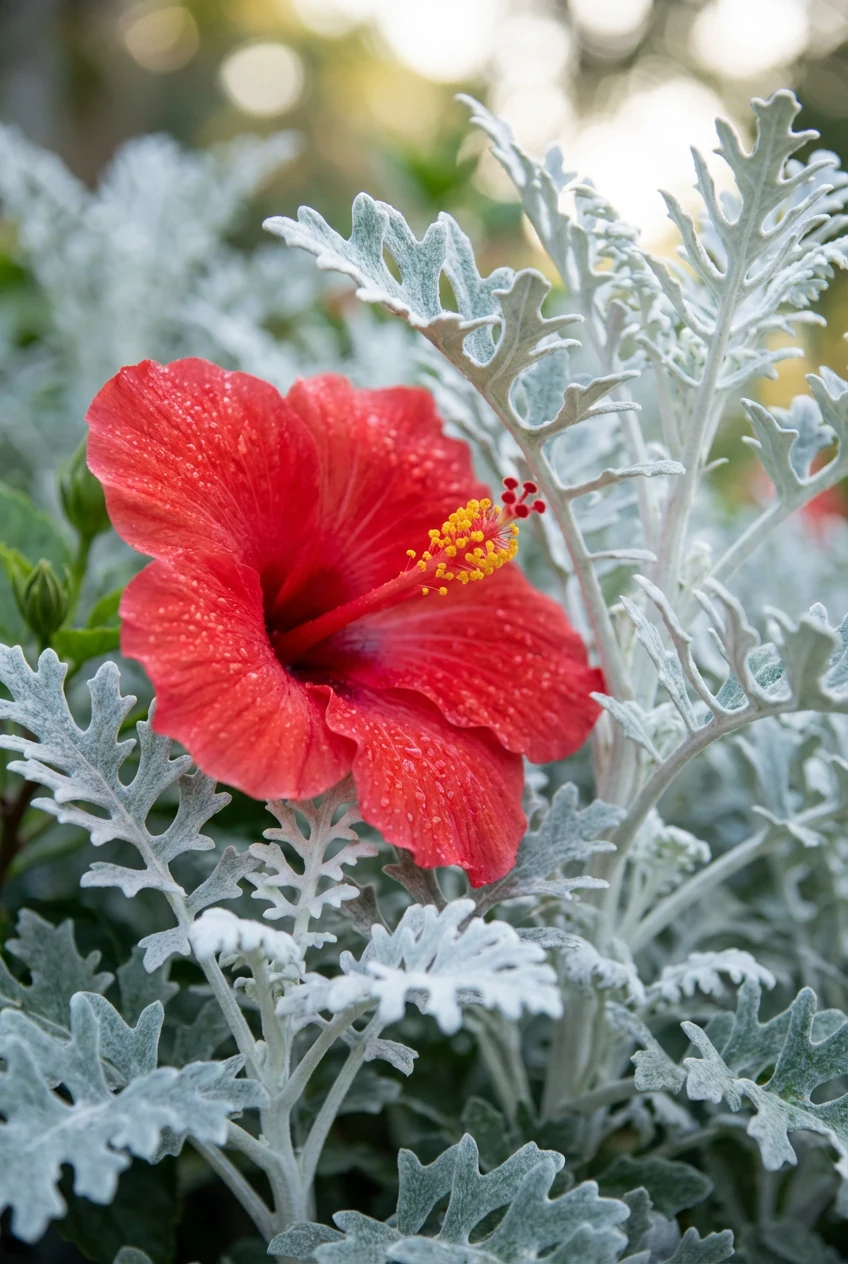
Tropical hibiscus (Hibiscus rosa-sinensis) loves warm weather, glossy leaves, and flashy flowers. Hardy hibiscus (Hibiscus moscheutos and friends) grows bigger, blooms huge, and tolerates cooler nights better. You can use both in containers, but you need to match companions to their vibe and watering needs.
Tropical hibiscus stays evergreen in warm climates and thrives when you feed it regularly. Hardy hibiscus pushes new growth fast in summer, then sleeps in winter. Want container glory all season? Pick one type per pot, then build the supporting cast around it.
Sun, Pot Size, and Root Behavior
Give your hibiscus full sun for at least 6–8 hours. Don’t play the half-sun game and expect fireworks. Use a large container—at least 18–24 inches wide for tropical hibiscus and even bigger for a hardy variety. You want room for roots, airflow, and companions that won’t suffocate each other.
Hibiscus drinks like an athlete in July. Group it with plants that enjoy frequent watering. If a plant loves dry soil, skip it for this combo. Your hibiscus won’t babysit a cactus.
The Full Sun Color Crew: Companions That Keep Up

You can build a gorgeous container with the classic “thriller, filler, spiller” formula. Hibiscus plays your star “thriller.” Then mix bold fillers and trailing spillers that thrive in heat and sun. Keep the cast tight and compatible.
Heat-Proof Bloomers (Filler All-Stars)
- Angelonia (summer snapdragon): Vertical spikes, purple/pink/white, thrives in heat and humidity.
- Lantana: Butterflies can’t resist it; blooms in citrusy clusters all season.
- Verbena: Mounds of color; choose heat-tolerant varieties for nonstop bloom.
- Calibrachoa (Million Bells): Petunia vibes without the drama; excellent in full sun containers.
- Euphorbia ‘Diamond Frost’: Airy white cloud that softens bold hibiscus blooms.
- Vinca (Catharanthus): Clean, glossy leaves and tidy flowers; loves heat.
- Salvia (annual or perennial): Blue spikes add cool contrast and bring pollinators.

Trailing Spillers That Shine
- Sweet potato vine (Ipomoea batatas): Chartreuse or deep purple leaves; fast grower and dramatic drape.
- Dichondra ‘Silver Falls’: Waterfall of silver leaves; the perfect cool accent.
- Scaevola (fan flower): Heat-tough trailing blue/purple blooms; absolutely reliable.
- Creeping Jenny (Lysimachia): Chartreuse trailing foliage; give it consistent moisture.
Thrillers and Foliage Friends
- Purple fountain grass: Feathery plumes add motion and height; fabulous with tropical color.
- Cordyline: Spiky, burgundy foliage; instant drama in a compact footprint.
- Croton: Variegated leaves that scream “tropical”; place it where you can baby it a bit.
- Dusty miller: Silvery foliage that makes your hibiscus blooms pop.
Match water needs. Hibiscus, angelonia, verbena, calibrachoa, lantana, and scaevola play nicely in the same moist-but-well-drained container. Save drought divas for another pot.
Designing Color Combos That Slap (in a classy way)
Want color combos that turn heads? Lean into contrast, repeat colors, and layer textures. Keep it simple and strong. IMO, three to five companion plants per big pot hit that sweet spot.
Tropical Sunset (Warm Tones)
- Hibiscus: Orange or coral.
- Lantana: Red/orange/yellow mix.
- Angelonia: White for a clean pop.
- Sweet potato vine: Chartreuse to brighten the whole show.
- Euphorbia ‘Diamond Frost’: Light, airy finishing touch.
You get sunset vibes and a ton of texture. The chartreuse foliage makes those warm hibiscus petals glow.
Citrus Electric (Bold and Sunny)
- Hibiscus: Yellow or golden.
- Verbena: Tangerine or red.
- Salvia: Blue spikes for contrast.
- Dichondra ‘Silver Falls’: Cool silver to balance the heat.
Blue and silver cool down the yellows so the container looks intentional, not chaotic.
Berry Cooler (Pink and Purple)
- Hibiscus: Hot pink or fuchsia.
- Angelonia: Deep purple.
- Calibrachoa: White or pale blush for relief.
- Cordyline: Burgundy spikes for structure.
You get high saturation with just enough softness. That cordyline lifts the eye and frames the hibiscus.
Fire and Ice (Red Meets Silver)
- Hibiscus: True red.
- Dusty Miller: Silver foliage.
- Scaevola: Blue/purple trailing blooms.
- Sweet potato vine: Dark purple for mood.
Red blooms explode against silver and purple. It’s bold without looking loud. FYI, this combo photographs insanely well.
Container Setup: Soil, Water, Food
You build a great container like a great sandwich: strong base, fresh layers, perfect seasoning. Don’t skimp on the basics or your plants will roast and sulk.
Soil:
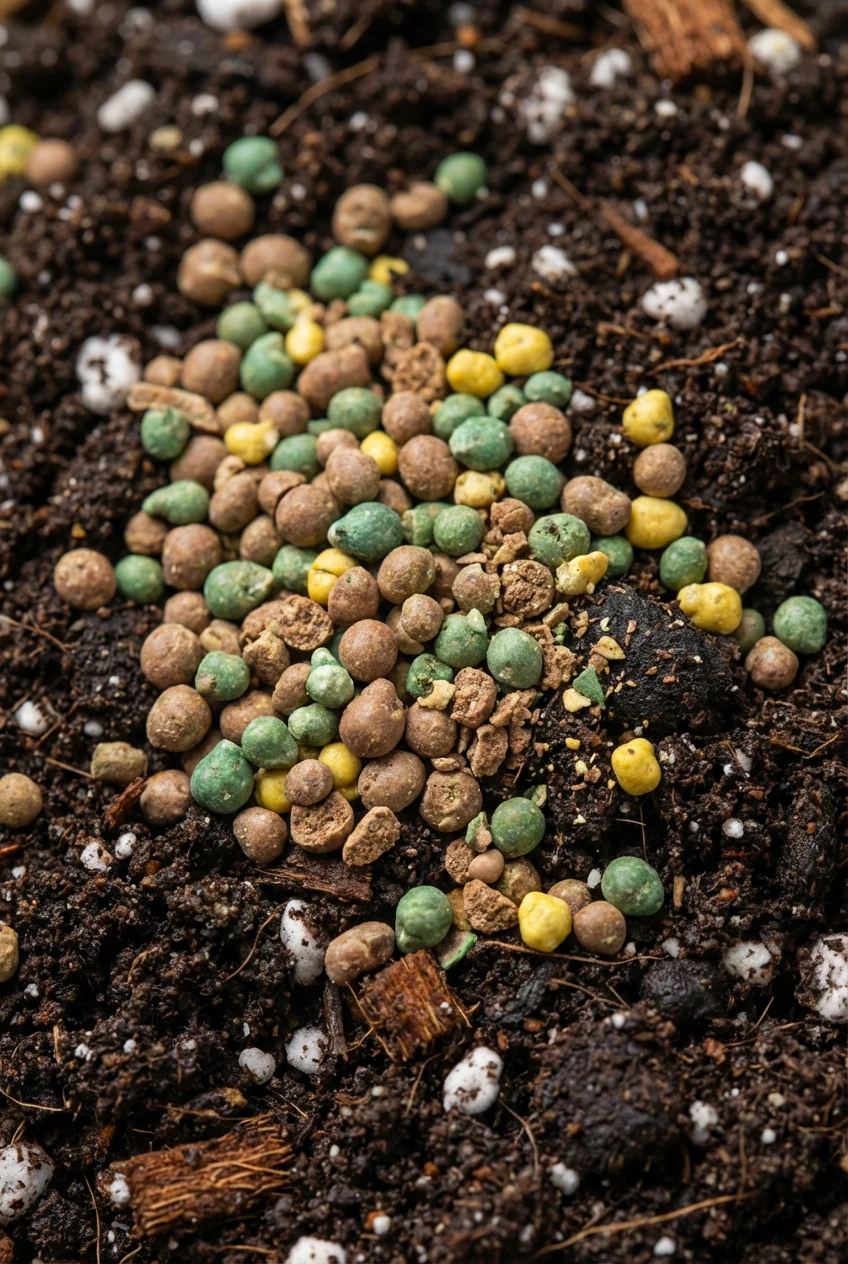
- Use high-quality potting mix only. Skip garden soil—it compacts and chokes roots.
- Blend in slow-release fertilizer to keep blooms coming.
- Add perlite or pine bark for extra drainage if your pot stays wet too long.
Container:
- Pick a pot with big drainage holes. No drainage = root drama.
- Choose light-colored containers in brutal sun to reduce heat stress.
- Go wider over deeper to give companions room to spread.
Water:
- Water deeply until it drains from the bottom, then let the top inch dry before you water again.
- Expect daily watering in peak summer, especially for tropical hibiscus.
- Group sun containers near the hose. Lazy watering kills more plants than heat does.
Food:
- Feed with a bloom-forward fertilizer (think higher middle number) every 2–3 weeks.
- Don’t blast plants with nitrogen only. You’ll get leaves, not flowers.
- Flush the container once a month to prevent salt buildup.
Sun, Heat, and Maintenance Without Meltdown
Full sun makes hibiscus happy, but extreme heat still tests containers. You can keep your combo thriving with a few simple moves that don’t eat your weekend.
Smart Watering Hacks
Water early morning for best uptake and lower midday stress. Mulch the soil surface with decorative pebbles or bark to slow evaporation. Angle spillers to shade the pot edges—yes, that trick actually lowers root temps.
Use a moisture meter if you overwater, or your finger if you don’t overthink things. Keep consistent irrigation, then enjoy the fireworks.
Deadheading and Pruning
Pop off spent blooms and yellow leaves so energy goes into new growth. Trim angelonia lightly to push more spikes. Pinch calibrachoa and verbena if they get leggy.
Rotate the container weekly for even sun and balanced shape. Your hibiscus will face forward like a diva; give the back row some light too.
Pollinator Party (and Pests You Don’t Invite)
Hibiscus feeds bees and hummingbirds, and so do many of its companions. Build a container that looks gorgeous and hosts a tiny wildlife parade. Win-win.
Pollinator magnets:
- Lantana, salvia, verbena, and scaevola draw butterflies and bees.
- Euphorbia ‘Diamond Frost’ adds nectar-rich interest without overwhelming the mix.
Pest control:
- Check for aphids, whiteflies, and spider mites on hibiscus. Act fast before they throw a rave.
- Use a strong water spray first, then neem or insecticidal soap if needed.
- Avoid broad-spectrum pesticides. You’ll nuke your pollinators and still miss the real culprits.
Seasonal Swaps and Overwintering Moves
Containers evolve. You can refresh color and keep momentum without tearing the whole thing apart. Think seasonal swaps, not wholesale replacements.
In late summer, slide in tough fall players like ornamental peppers or compact mums around your hibiscus. Keep the spillers if they still look great, or trade them for deeper tones like purple sweet potato vine. Balance hot bloom colors with richer foliage as the light shifts.
Tropical hibiscus overwinters indoors if you bring it inside before temps drop below 50°F. Give it bright light, reduce watering, and expect lighter bloom. Hardy hibiscus prefers a cool dormancy; tuck the pot into a protected spot, water occasionally, and restart in spring.
FAQ
Can I plant tropical and hardy hibiscus together in one container?
You can, but I don’t recommend it. Tropical hibiscus stays active longer and wants consistent feeding, while hardy hibiscus runs on a different seasonal schedule. Mix them, and you juggle two sets of needs in one pot. Give each its own spotlight and tailor companions accordingly.
What container size works best for a hibiscus combo?
Go big. Aim for at least 18–24 inches wide for tropical hibiscus and up to 24–30 inches for hardy types. Large volume stabilizes moisture, cools roots, and gives your fillers and spillers room to breathe. Bigger pots also stay beautiful longer because plants don’t crowd each other as fast.
How often should I water a full-sun hibiscus container?
Water deeply, then monitor. In hot weather, you’ll likely water daily. On cooler days, water when the top inch dries out. If your pot drains well and your mix stays airy, you’ll avoid soggy roots and get strong, consistent blooms.
Which fertilizer keeps hibiscus blooming?
Use a balanced feed with extra emphasis on phosphorus and potassium for flowering. Apply a slow-release granule at planting, then layer liquid feed every 2–3 weeks for high bloom production. Too much nitrogen = leafy shrub, not flower machine.
What companions repel pests naturally?
Lantana and salvia attract beneficials that help keep pests in line. Strongly scented herbs like rosemary can offer some deterrence near the container, though they don’t love the same watering schedule. Focus on plant health, frequent checks, and quick action—those strategies beat gimmicks every time.
Can I keep hibiscus and companions in full sun all day?
Yes. Hibiscus thrives in full sun, and so do angelonia, lantana, verbena, scaevola, and sweet potato vine. If you live where summers scorch, choose lighter-colored pots, mulch the surface, and water early. You’ll keep roots cooler and blooms happier.
Conclusion
Great hibiscus containers don’t happen by accident—you build them with tough, sun-loving companions that match the hibiscus’ energy. Choose plants that drink at the same pace, layer bold color with smart contrasts, and keep your setup simple and well-fed. FYI, your patio will look like a tropical postcard, and you won’t spend your weekends rescuing wilted drama queens. Pick your combo, water like you mean it, and let that hibiscus headline all summer.