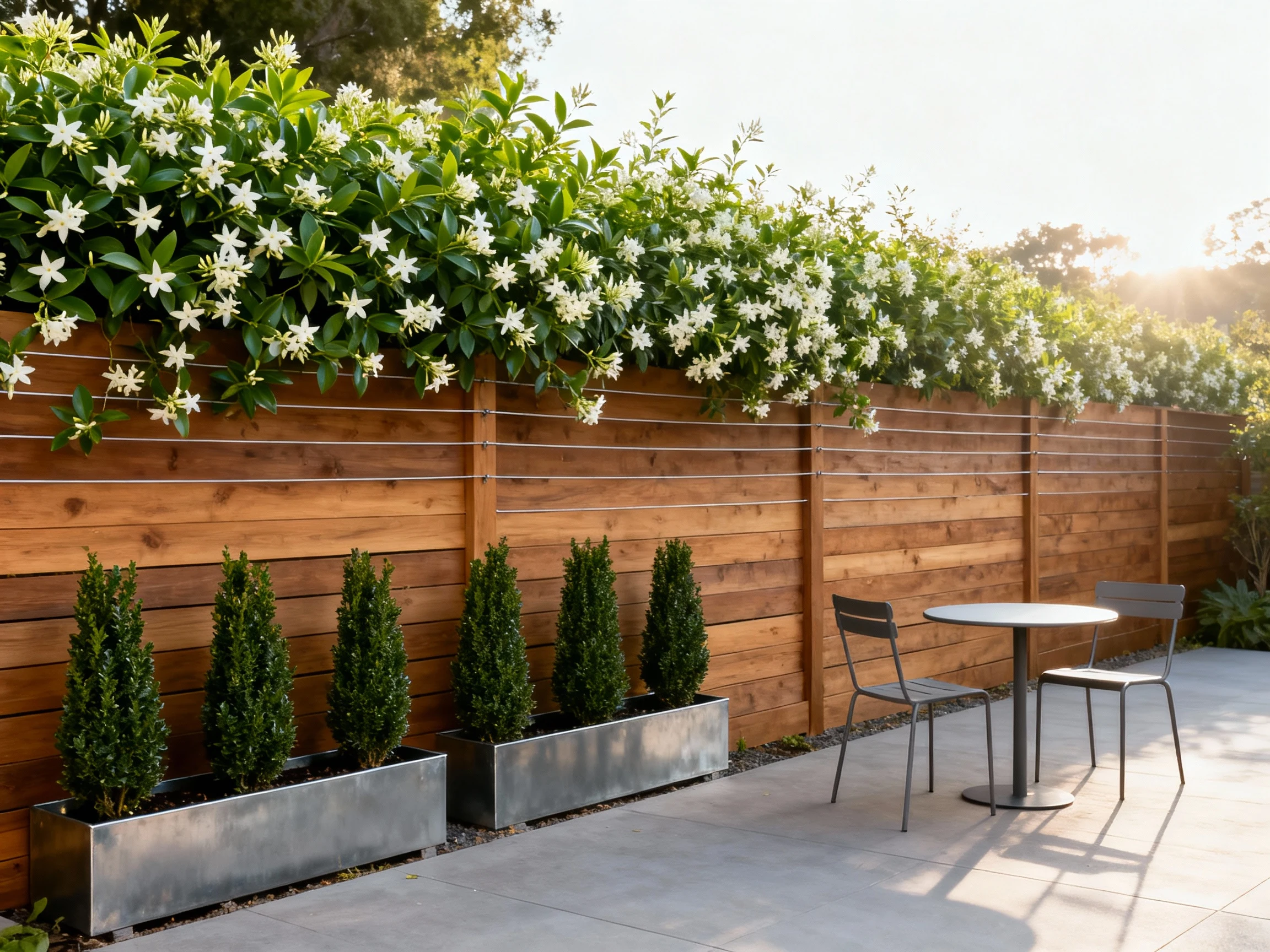
You want a lush fence line, but your yard barely fits a grill, two chairs, and that one herb pot you keep forgetting to water. Good news: narrow hedges and well-behaved vines turn tight spaces into green, private, ridiculously charming backdrops. Think of your fence as a vertical garden wall that steals zero square footage from your patio. Ready to grow tall, stay slim, and keep neighbors from seeing your unwatered basil?
Why Go Vertical When Your Yard Stays Tiny
You need privacy, but you don’t want your yard to feel like a hedge maze. Vertical plantings give you height without stealing floor space. You build green walls with tidy hedges or trainable vines and still keep room for chairs, grills, and that small kiddie pool you swear you only inflated once.
Vines and skinny shrubs also soften hard fences fast. They hide scuffs, mute noise a bit, and bring pollinators right to your coffee mug. Plus, you garden at eye level, so you enjoy blooms and scent without crawling around in the dirt.
Key idea: Treat the fence like a trellis framework, not a backdrop. You guide plants up, keep them flat, and aim for depth under 18 inches.
Narrow Hedge All-Stars: Slim Plants That Behave
You want hedges that stay skinny without constant wrestling. Pick varieties that naturally hold a narrow profile and take pruning like champs.
Evergreen Pencil-Profile Choices
- Ilex crenata ‘Sky Pencil’ (Sky Pencil holly): Grows tall and narrow (up to 8–10 feet), holds a 1–2 foot width. Needs full sun to part shade. Great for corners and rhythm along fences.
- Taxus x media ‘Hicksii’ (Hicks yew): Dense, upright columns. Tolerates shade better than many. Keep it to 18–24 inches with light trims. Note: yews don’t love wet feet.
- Buxus microphylla (Dwarf boxwood): You clip it to any shape. Form a tidy 12–18 inch hedge that lines the fence base and pairs well with vines above. Give it morning sun and airflow.
- Podocarpus macrophyllus (Yew plum pine): Great in mild climates. Train it flat to a fence for a sleek green wall. Drought tolerant once established.
- Thuja occidentalis ‘Degroot’s Spire’: Narrow, elegant, and friendly to small spaces. Protect from heavy snow loads where winters hit hard.
Flowering and Seasonal Hedging
- Loropetalum ‘Purple Pixie’: Mounding habit, rich foliage color, spring fringe flowers. Keep it to 18 inches deep. Looks awesome against lighter fences.
- Lavender (Hidcote, Munstead): Not a classic hedge, but it forms a fragrant, low ribbon. Keep 12–16 inches from the fence for airflow. Loves full sun and lean soil.
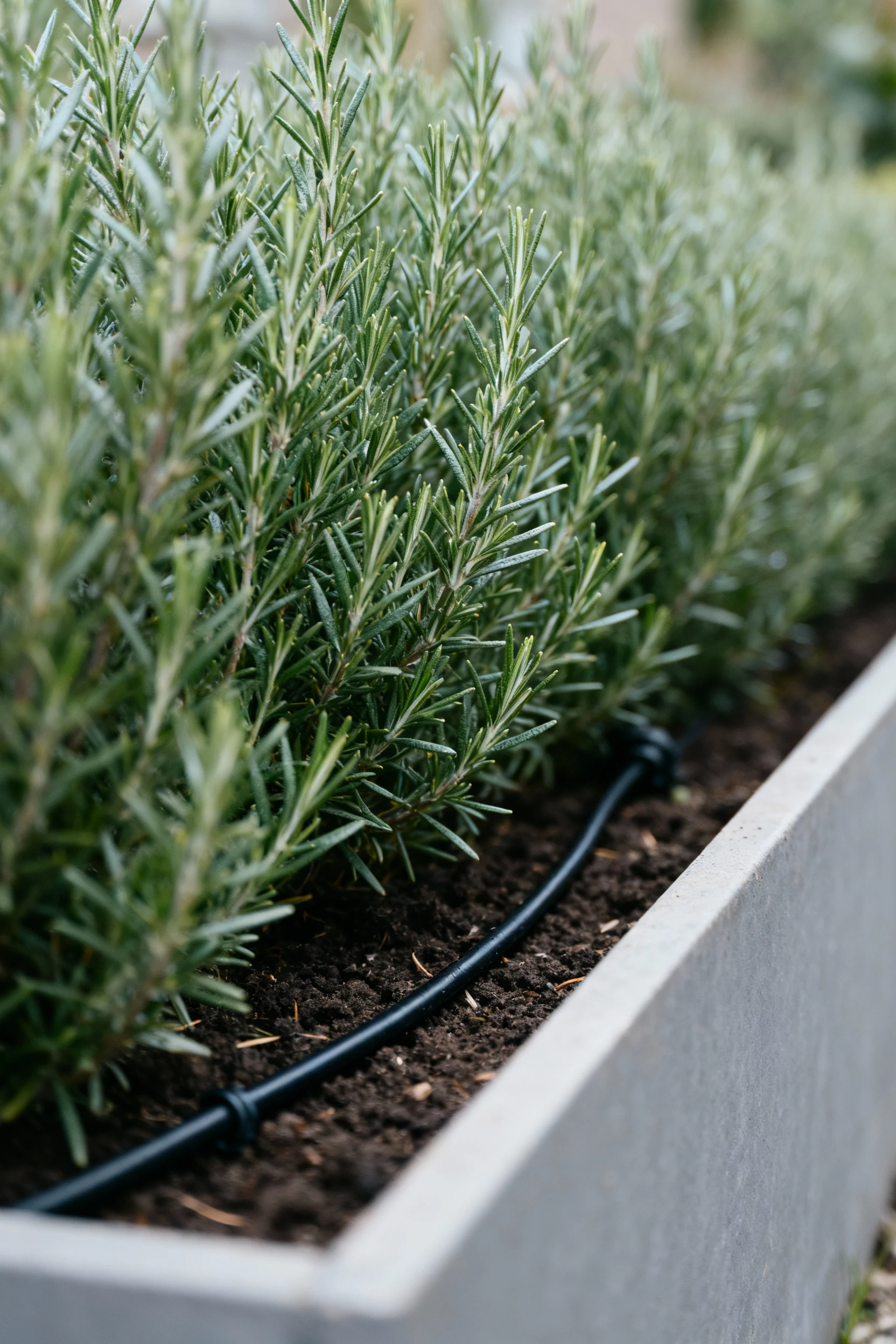
- Rosemary ‘Tuscan Blue’ or ‘Barbeque’: Forms a tidy edible hedge with scent and bees. Prune lightly after bloom to stay tight.
- Escallonia ‘Compacta’: Blooming evergreen for coastal climates. Train flat with a light hand and steady trimming.
Edible Hedges (Because Snacks)
- Blueberries (narrow cultivars): Use ‘Northsky’ or ‘Sunshine Blue’ for smaller footprints. Acidic soil and morning sun keep them happy.
- Rosemary and thyme combo: Layer a rosemary hedge with cascading thyme at the base. You season dinner without leaving the patio.
- Chilean guava (Ugni molinae): Tiny leaves, fragrant, edible berries. Works in mild climates; protect from deep freezes.
Pro tip: Choose plants with a mature width under 24 inches, or plan to shear twice a year. Your back will thank you.
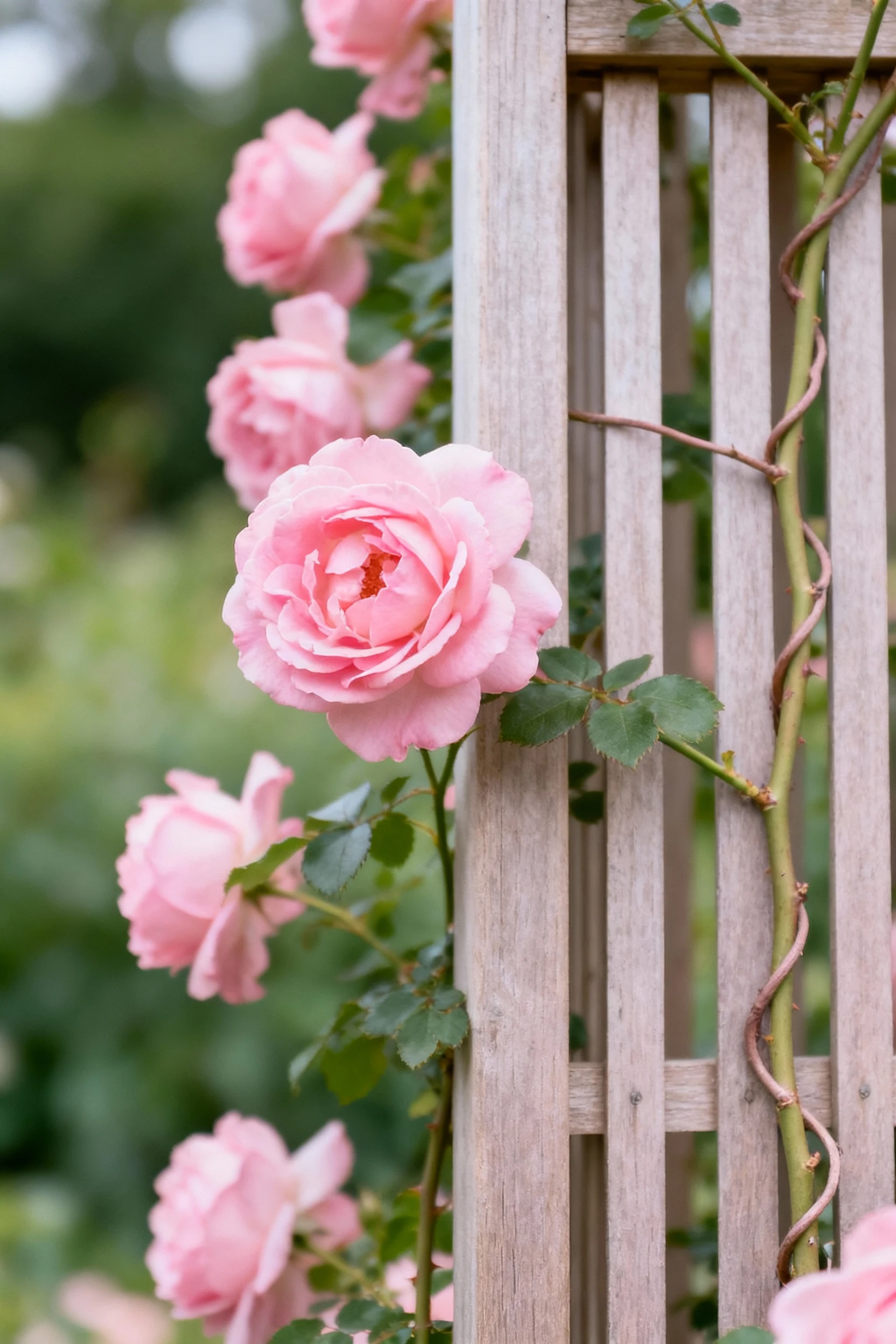
Vines That Love Fences (and Don’t Take Over)
Some vines act like angels. Others plan a coup. You want climbers that respond to pruning, cling gently (or with help), and resist a takeover.
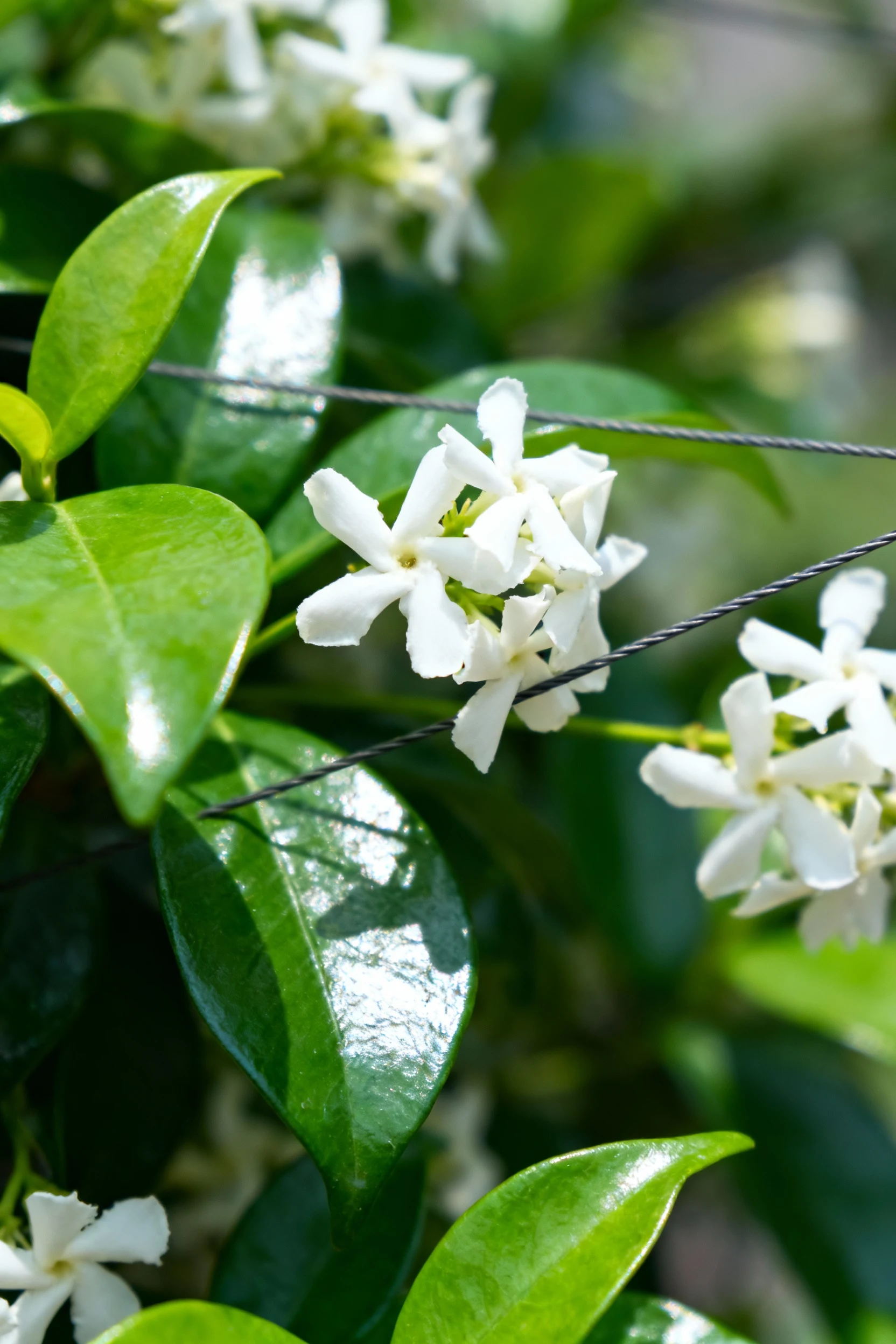
- Star jasmine (Trachelospermum jasminoides): Evergreen foliage, intoxicating late-spring bloom. Train it on wires for a flat, 6–12 inch depth. Delivers scent without chaos.
- Clematis (compact varieties): ‘Arctic Queen,’ ‘The President,’ or ‘Niobe’ bring big blooms on a small frame. Pair with a wire grid or a slim trellis.
- Climbing roses (short climbers): ‘Climbing Pinkie,’ ‘Cecile Brunner’ (polyantha) handle tight training. Feed well and deadhead to keep blooms rolling.
- Hardenbergia (Purple coral pea): Evergreen vine with winter blooms in mild climates. Handles tight training beautifully.
- Honeysuckle (non-invasive cultivars like Lonicera periclymenum): Pick well-behaved selections. You enjoy scent without a neighborhood takeover.
Skip the bullies: Wisteria, trumpet vine, and English ivy can overwhelm small yards and fences. FYI, check local invasive species lists before you plant anything that climbs like it owns the place.
Self-Clingers vs. Twining Vines
- Self-clingers (with aerial roots or suckers) grab onto surfaces. They can damage wood. Use them sparingly.
- Twining vines (like jasmine and clematis) prefer wires or slender supports. You guide them easily and keep a slim profile.
Sun, Shade, and Bloom Timing
- Full sun: star jasmine, bougainvillea (dwarf selections), climbing roses.
- Part shade: clematis (cool roots), honeysuckle, hardenbergia.
- Shade tolerant: climbing hydrangea grows slowly and wants strong support; use it only if you accept patience.
Trellises, Wires, and Tricks: Train Plants Flat
You want a plant “screen,” not a plant “blob.” Use hardware that keeps growth close to the fence and easy to trim.
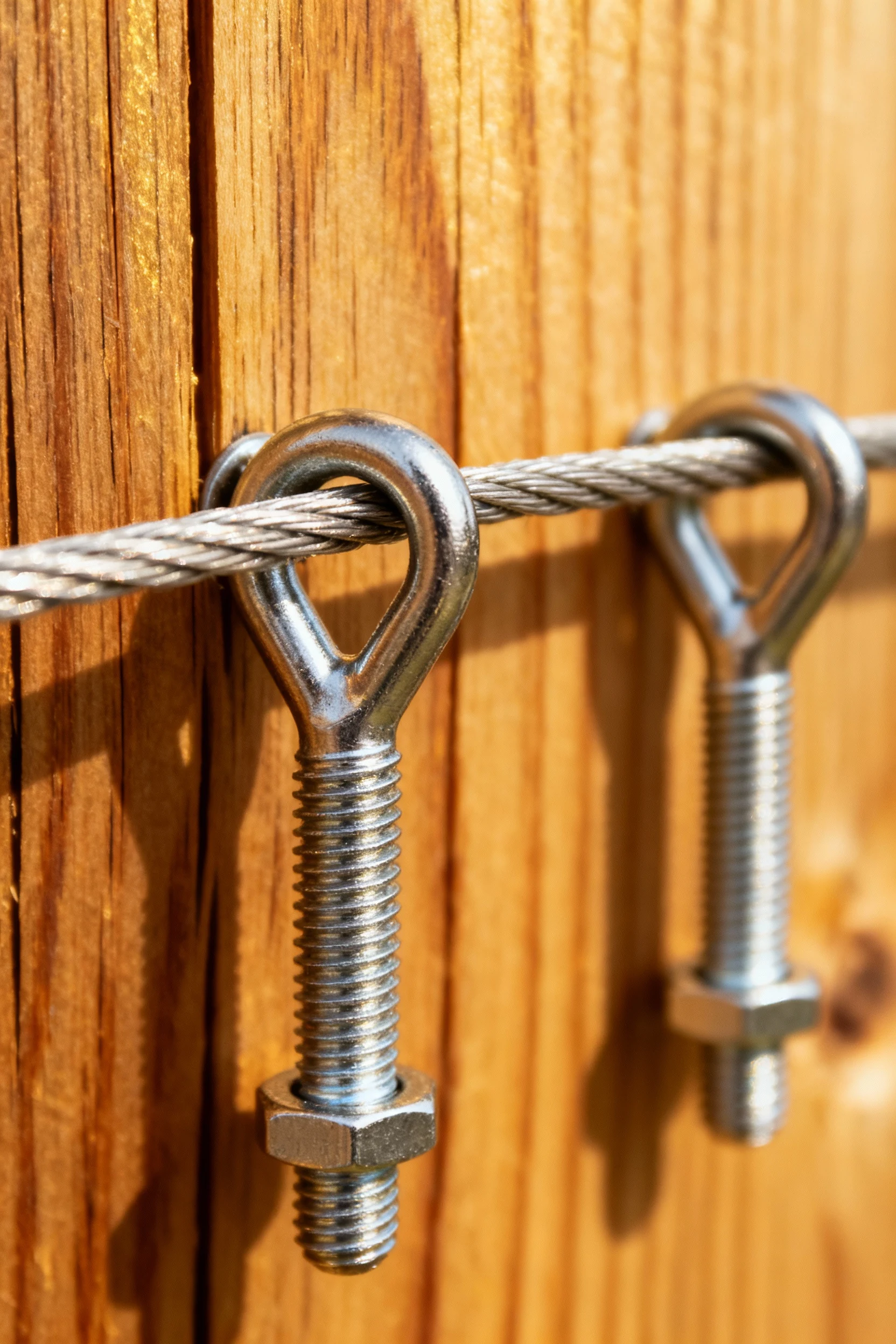
- Stainless steel eye screws + wire: Run horizontal wires 12 inches apart across the fence. This setup works for jasmine, clematis, and small roses.
- Slim modular trellises: Choose panels 1–2 inches off the fence. Panels let you remove vines for paint or repairs without tears.
- Bamboo or cedar slats: Create a tight lattice with 6–8 inch openings. Great for espalier and cucumbers if you sneak in edibles.
Simple Wire System: Quick How-To
- Mark wire rows at 12, 24, 36, and 48 inches from the ground.
- Install eye screws into studs or posts. Use anchors for masonry.
- Thread 1/16-inch stainless wire and tension it. Keep it snug, not guitar-string tight.
- Attach young vines with soft ties. Space stems every 12–18 inches.
Pruning Calendar (Cheat Sheet)
- Late winter: shape hedges, remove dead wood, thin congested stems.
- After first bloom: tip-prune vines to spur side shoots and more flowers.
- Mid-summer: light shear to maintain the flat plane. Avoid hacking.
- Fall: tidy lightly, mulch, and set up irrigation checks for next year.
Golden rule: Train early, prune lightly, and repeat often. Big cuts create big headaches.
Containers Along the Fence: Skinny Planters, Big Impact
No soil strip? No problem. You run a fence garden with containers and not lose a single picnic bench.
- Trough planters: Choose 10–12 inches wide, 12–16 inches deep. Run them along the fence base for hedges of rosemary, lavender, or boxwood.
- Wall-mounted planters: Use brackets anchored to studs. Keep the total weight in check. Aim for herb pockets or shallow succulents.
- Vertical pockets: Plant ferns, strawberries, or small trailing herbs. Mix textures for a living tapestry vibe.
Watering matters most in containers. Install a micro-drip line with 0.5 gph emitters for each planter. Add a smart timer, then brag about your “automated hedge” like the plant nerd you now are.
Soil, Water, and Roots: Keep Neighbors Happy
You want beauty, not boundary disputes. Set plants a safe distance from fences and foundations.
- Distance: Plant shrubs 12–18 inches from the fence. Give vines 8–12 inches to breathe at the base.
- Root control: Install a root barrier for vigorous shrubs within 24 inches of concrete. You protect pads and footings.
- Irrigation: Use drip lines, not sprinklers. Drip keeps fences dry and reduces rot and mildew.
- Mulch: Lay 2–3 inches of mulch, but keep it 2 inches away from trunks to prevent rot.
- Soil prep: Mix compost into the top 8–12 inches. Aim for a crumbly, well-drained bed that roots actually enjoy.
Heads up: Confirm property lines and HOA rules before you plant along shared fences. A quick check now beats a grumpy text later.
Design Combos That Work in Tight Spaces
You want combos that look intentional and stay narrow. These lineups nail it.
Modern Minimal (Full Sun)
- Fence wires + star jasmine for a glossy green wall and spring perfume.
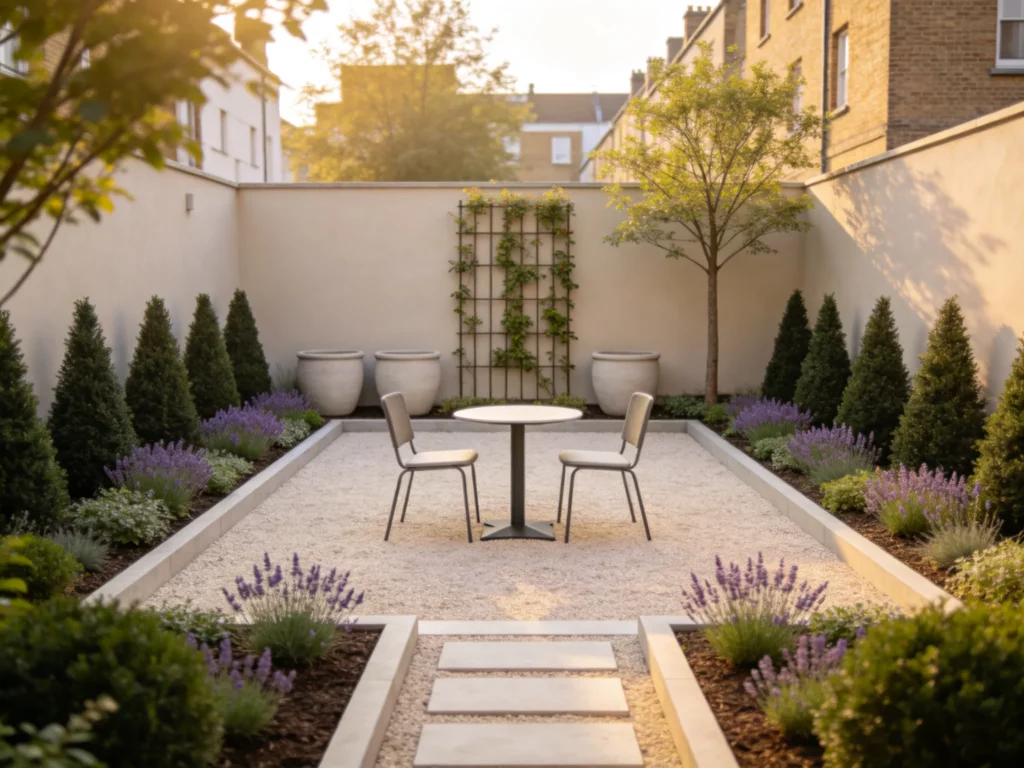
- Trough planter with ‘Sky Pencil’ hollies every 4 feet as slim punctuation.
- Underplant with blue fescue or dwarf lomandra for texture.
Mediterranean Patio (Hot, Dry)
- Rosemary hedge in troughs along the fence.
- Clematis on wires weaved between rosemary tops (choose heat-tolerant varieties).
- Terracotta pots with lavender and thyme to echo the palette.
Romantic Cottage (Part Sun)
- Climbing rose ‘Cecile Brunner’ trained flat on a slim trellis.
- Low boxwood hedge for structure.
- Perennial accents: salvia, nepeta, and violas tucked between.
Shady Side Yard
- Hicks yew hedge clipped to 18 inches deep.
- Clematis varieties for shade (like some montanas) paired with lighter pruning.
- Heuchera and Japanese forest grass along the front edge.
Tropical Courtyard (Mild Winters)
- Podocarpus trained into a flat screen.
- Hardenbergia for winter blooms on wires.
- Ginger in containers for seasonal pop and easy restraint.
IMO: Repeat plants in a small space. Repetition reads as calm and intentional, not cramped and chaotic.
Maintenance Playbook for Narrow Plantings
You keep it tidy with quick, regular care. Skip the yearly chop and go for mini sessions.
- Water: Deeply and less often for in-ground plants; 2–3 times a week for containers in heat. Adjust with weather.
- Feed: Use a slow-release balanced fertilizer in spring. For roses and heavy bloomers, add a liquid feed after the first flush.
- Prune: Pinch soft growth monthly in growing season. Remove crossing stems and anything that pokes into your walkway.
- Check ties: Loosen or shift vine ties every few months so stems don’t girdle.
- Pest patrol: Flip leaves, look for aphids and scale. Blast with water or treat with horticultural oil early.
IMO: Five minutes a week beats five hours of crisis pruning in August.
Common Mistakes (And Easy Fixes)
We all plant something that wants to become a dragon. You still win if you course-correct fast.
- Planting too close: If a shrub sits 6 inches from the fence, move it out to 12–18 inches now. Your airflow improves and mildew sulks elsewhere.
- Skipping support: Don’t let a vine guess where to grow. Add wires or a trellis early and guide stems along a grid.
- Heavy, infrequent pruning: You shock plants and lose bloom. Clip lightly and often to keep form and flowers.
- Overwatering: Soggy soil invites root rot. Check moisture 4–6 inches down before you water.
FAQ
How close should I plant hedges to my fence?
Give shrubs 12–18 inches from the fence to the center of the plant. That space allows airflow, easy maintenance, and a healthier hedge. For vines, leave an 8–12 inch planting strip and train growth on wires just off the fence.
What vines stay manageable in a small yard?
Star jasmine, clematis (compact types), hardenbergia, and select honeysuckles stay polite with regular training. They climb on wires, respond to light pruning, and hold a narrow profile. Skip wisteria and trumpet vine unless you enjoy yearly wrestling matches.
Can I grow a hedge in containers?
Yes, and it looks sharp. Use long trough planters at least 12 inches deep, fill with high-quality potting mix, and set a drip line on a timer. Boxwood, rosemary, and dwarf loropetalum thrive in this setup with light trims.
How do I train a plant flat against my fence?
Install a grid of horizontal wires 12 inches apart. Tie young stems to the lowest wire and fan them out as they grow. Keep snipping any growth that tries to leap out from the plane, and nudge new shoots horizontally first, vertically second.
What should I do about invasive plants?
Research before you buy. Many regions restrict privet, English ivy, and certain honeysuckles. Choose non-invasive alternatives, and ask local nurseries for native or regionally safe options. Your yard looks better, and your ecosystem breathes easier.
Do I need to fertilize hedges and vines?
Yes, but go light. Apply a slow-release balanced fertilizer in early spring and refresh mulch. For heavy bloomers like roses and clematis, add a liquid feed after the first major bloom for continued color.
Conclusion
Small yards don’t limit your style; they focus it. When you choose narrow hedges, polite vines, and smart hardware, your fence turns into a living wall that stays trim and gorgeous. Start with the right varieties, train early, and keep quick, regular touch-ups. You’ll sip coffee under flowers, enjoy privacy, and save space for the grill—because priorities, right?