Sun blazes, hose stays off, and your border still looks lush? Yes, you can pull that off. Drought-tolerant shrubs love full sun, flaunt color and texture, and ask for very little. You set them up right, then sip something cold while they basically take care of themselves. Ready to build a border that keeps its cool when the forecast screams “no rain”?
Why build a drought-tolerant shrub border?
You save water and your sanity at the same time. These shrubs handle heat, shrug off dry spells, and stay good-looking through the hottest months. You dodge the crispy-plant drama and still enjoy flowers, fragrance, and foliage color.
You also anchor the yard with structure that lasts year-round. Shrubs create bones for the border, then perennials and groundcovers fill the gaps. That combo turns a strip of soil into a real destination.
Bonus: wildlife shows up. Bees, butterflies, and songbirds love nectar, berries, and shelter. You plant once, then watch nature move in.
Sun-loving, water-sipping shrubs to anchor the border
Think “backbone first.” Choose tough shrubs with long seasons of interest. Then add bloomers and silvery foliage for contrast and light.
Evergreen backbone (texture + structure)
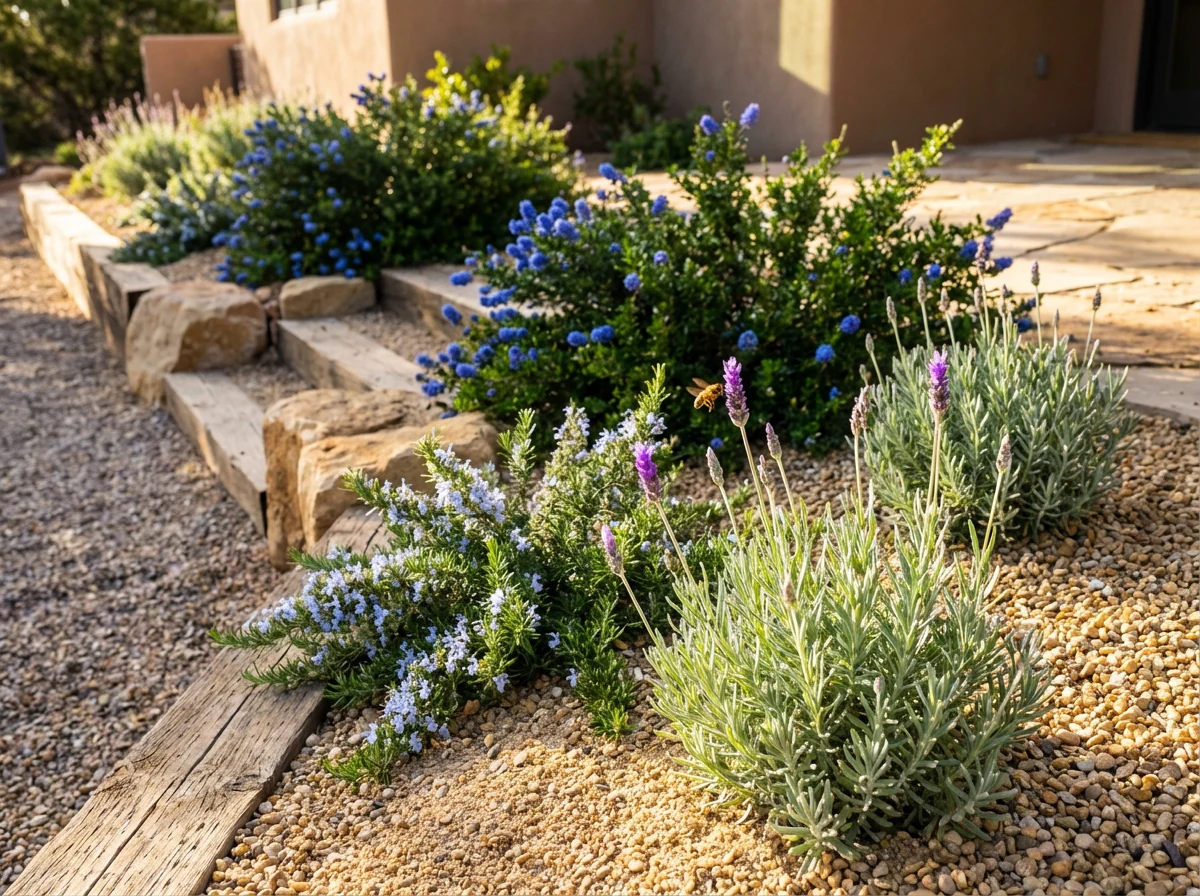
- Rosemary (Salvia rosmarinus): Fragrant, edible, and tough. Choose upright forms for screens or prostrate forms for edges.
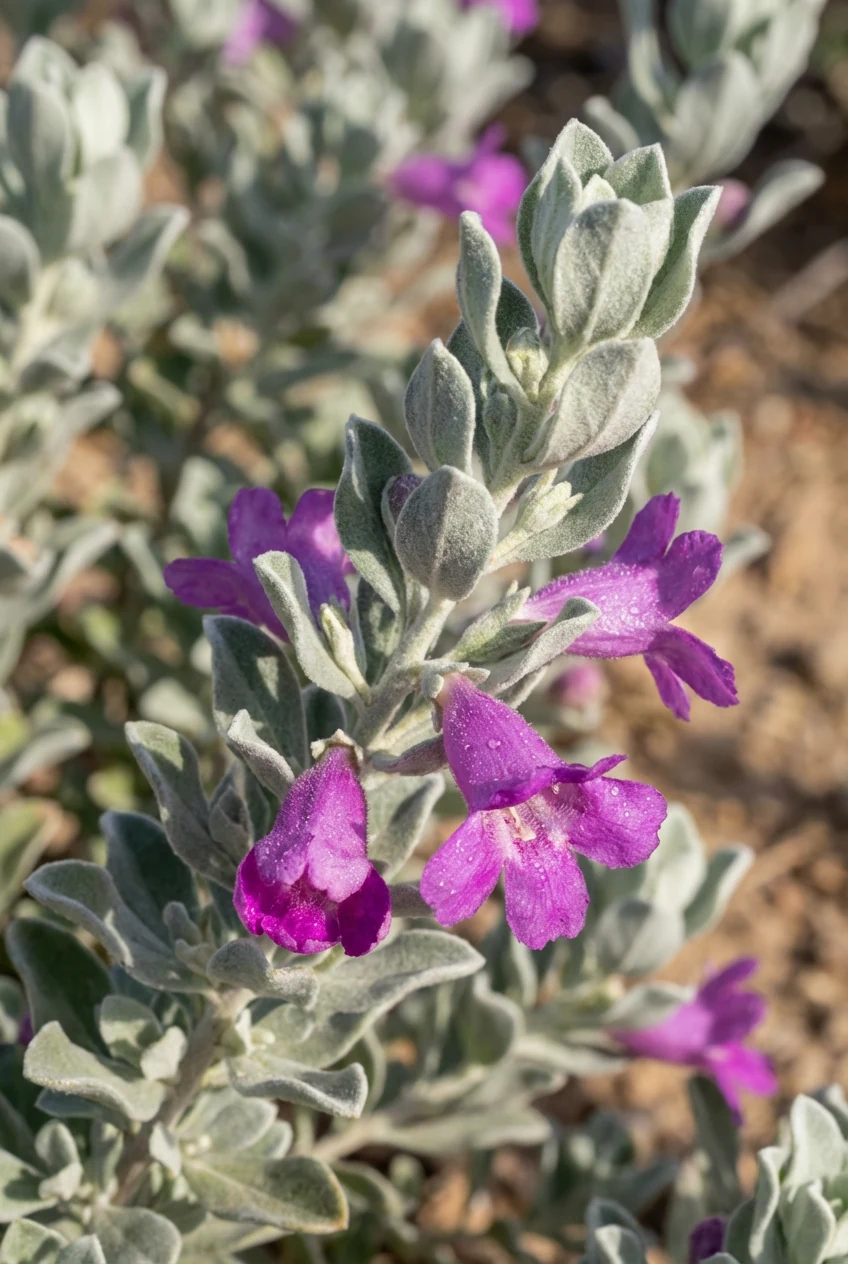
- Texas sage (Leucophyllum frutescens): Silvery leaves, purple blooms after heat or humidity pulses. Loves full sun and neglect.
- Ceanothus (California lilac): Electric blue spring flowers. Plant in well-drained soil and resist overwatering.
- Artemisia (many species): Silvery, feathery foliage that cools hot palettes. Prune lightly to keep shape.
- Juniper (compact varieties): Durable evergreen forms, great for bones and contrast with finer textures.
- Choisya (Mexican orange blossom): Glossy leaves, citrus-scented white flowers. Handles heat with a mulched root zone.
Bloom machines (color + pollinators)
- Rockrose (Cistus): Crinkled papery blooms, long flowering season. Thrive in hot, dry sites.
- Lantana: Continuous color in warm climates. Choose sterile cultivars where needed.
- Buddleja (butterfly bush): Fragrant spires that pull in butterflies. FYI: check local lists; some regions flag it as invasive.
- Abelia: Soft arching habit, long bloom window, hummingbird magnet.
- Euryops (African bush daisy): Bright yellow daisies on evergreen foliage in mild climates.
- Potentilla: Compact shrubs with long summer bloom, solid in colder zones.
Silver foliage champs (light + drought performance)
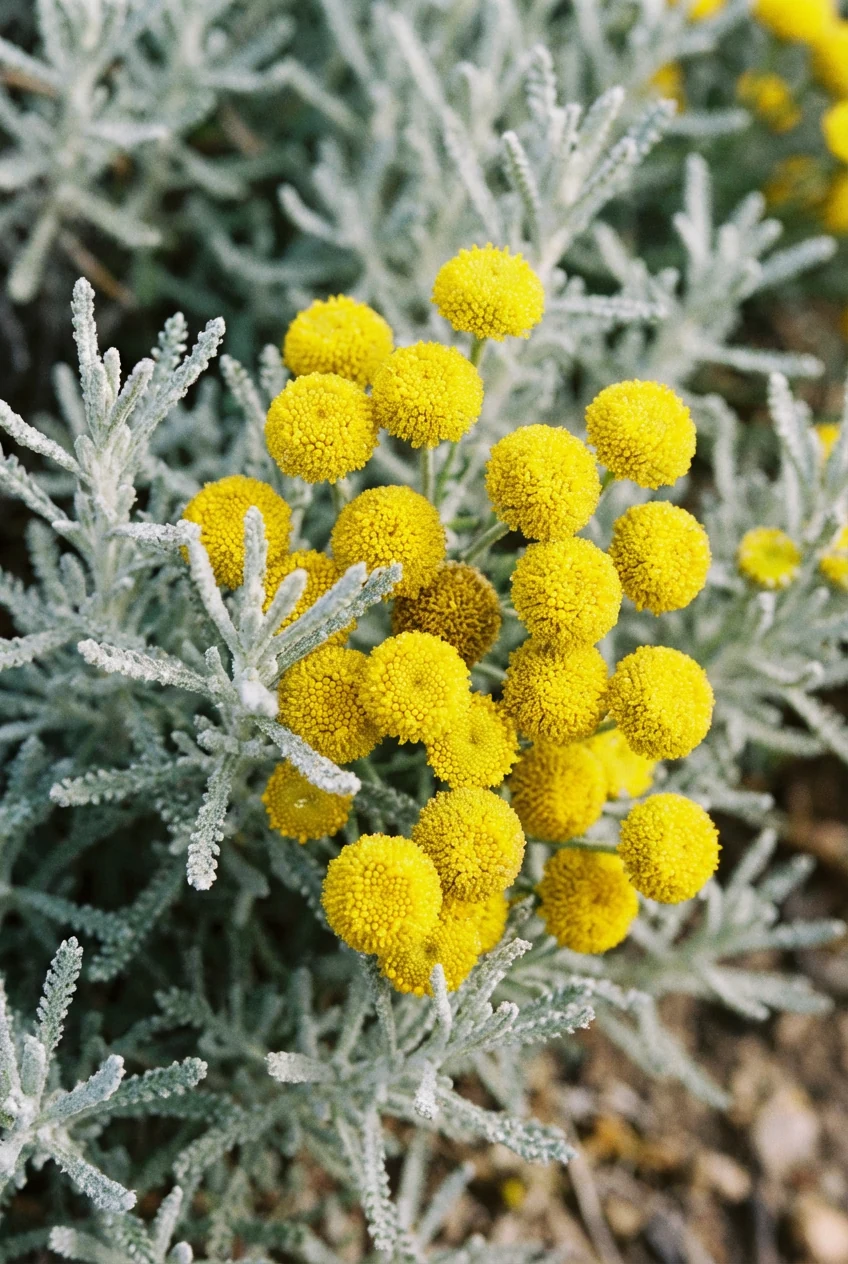
- Santolina (lavender cotton): Button-like yellow flowers, fantastic edging plant.
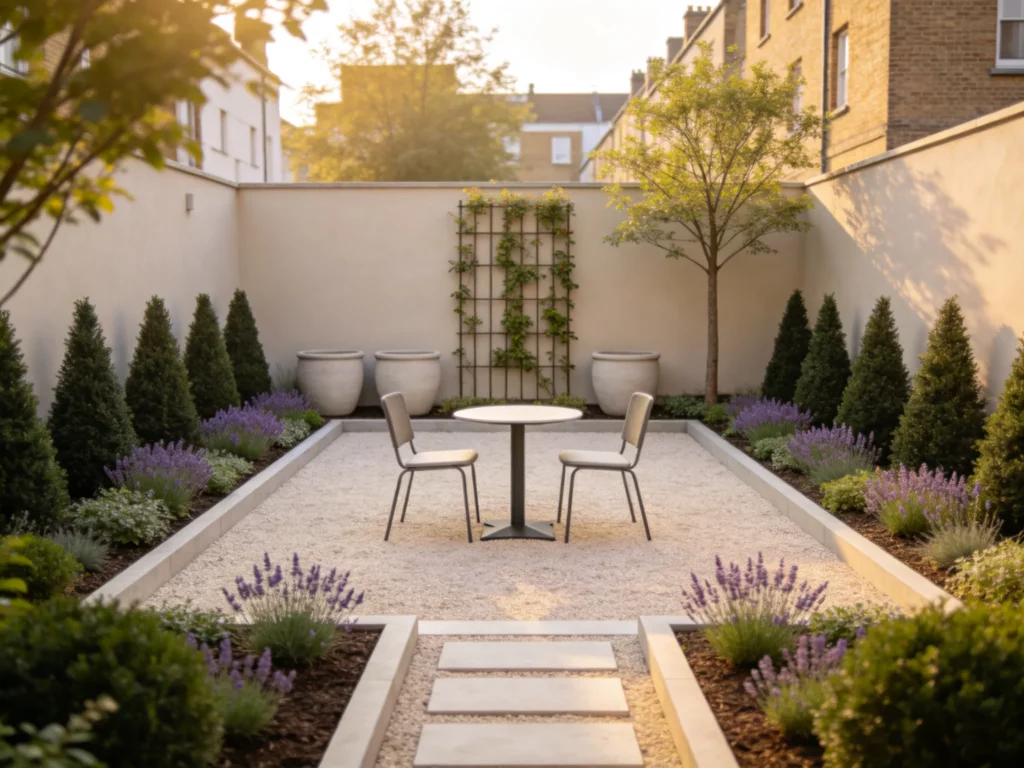
- Lavender (Lavandula): Classic scent, pollinator heaven, and beautiful with gravel and stone.
- Helichrysum italicum (curry plant): Needlelike silver foliage; pairs well with deep greens and purples.
Pro tip: mix evergreen structure with seasonal flower power. You keep the border interesting every month, not just spring.
Design moves that make the border pop
Design doesn’t need drama. You set height tiers, repeat colors and textures, and let strong shapes lead.
Tier your planting for depth
- Back row (4–8 ft): Ceanothus, Texas sage, smoke bush (Cotinus), taller rosemary.
- Middle row (2–4 ft): Abelia, Rockrose, Lantana, compact junipers.
- Front row (1–2 ft): Santolina, Lavender, low-growing Artemisia.
Repeat plants in odd-numbered groups. You create rhythm and avoid the “one of everything” jumble.
Color stories that work
- Coastal cool: blues and silvers. Ceanothus + Artemisia + Lavender.
- Sunset glow: oranges, magentas, and golds. Lantana + Abelia + Euryops.
- Classic Mediterranean: greens and whites. Rosemary + Rockrose + Santolina.
IMO: pick one palette and commit. Your border will look intentional, not chaotic.
Texture and movement
Mix needlelike foliage with broad leaves and airy blooms. You create contrast that reads from the sidewalk. Add grasses like Stipa tenuissima or Pennisetum near the front for sway and softness.
Use boulders or gravel ribbons to break up planting. Hardscape anchors the design and reflects heat away from roots.
Soil, watering, and mulch: set them up to thrive
Drought-tolerant doesn’t mean “drop in, walk away” on day one. You prep well, water to establish, then dial back.
Soil prep that shrubs appreciate
- Test drainage: dig a hole, fill with water, watch it drain. Slow drainage? Add grit or consider raised berms.
- Loosen the root zone: work the soil 12–18 inches deep. Break compaction so roots push outward.
- Go light on rich compost: use a thin layer or mix sparingly. Overly rich soil can push weak, thirsty growth.
Water smarter (especially the first year)
- Establishment watering: water deeply once or twice weekly for the first season. Then reduce frequency.
- Deep, infrequent sessions: soak the root zone, then let it dry. You drive roots down, not sideways.
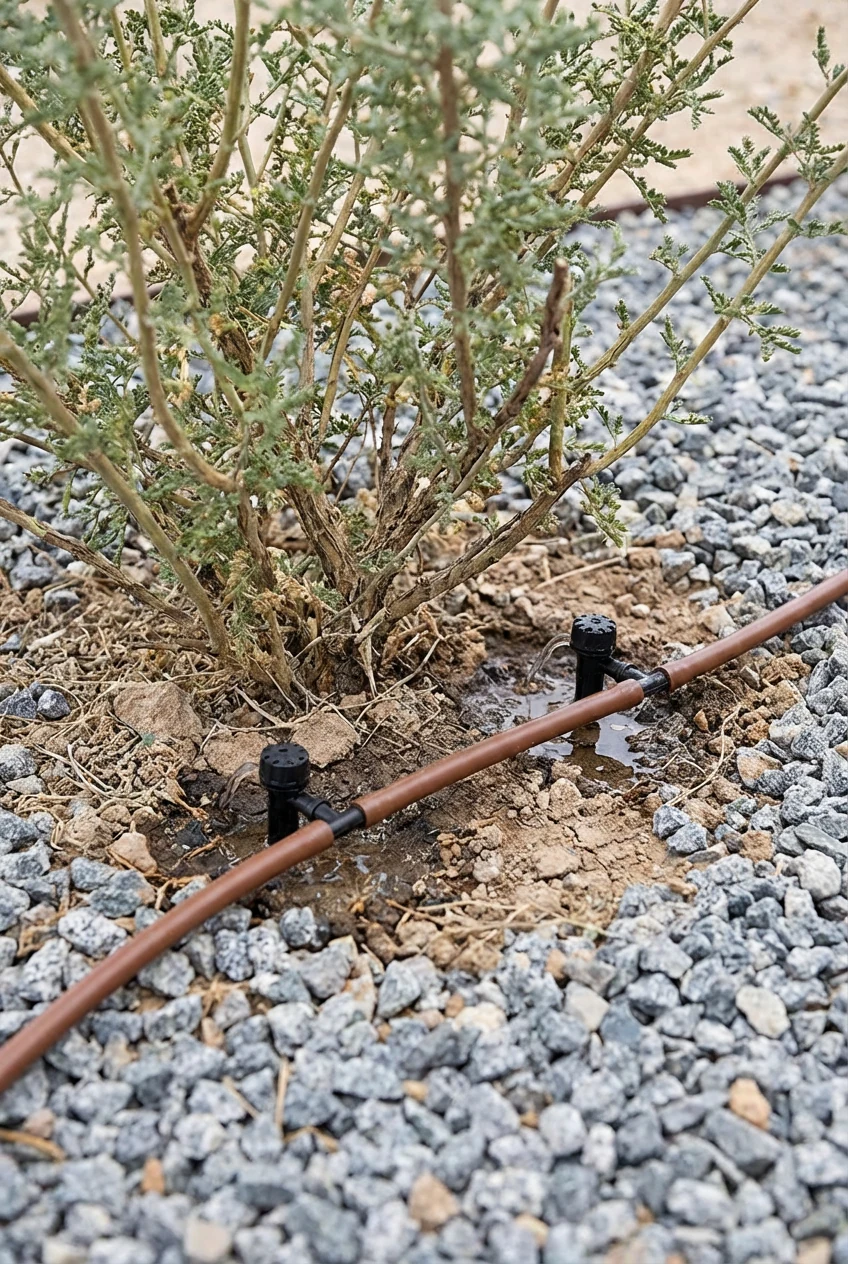
- Drip + emitters: place emitters at the drip line, not jammed against the trunk. Plants drink where roots explore.
Mulch the right way
- 2–3 inches of mulch: use gravel or coarse bark for hot borders. Gravel reflects light and suits Mediterranean plants.
- Clear the crown: keep mulch a few inches off stems. You prevent rot and pest hideouts.
- Weed fabric caution: skip solid fabric under shrubs. It chokes soil life and traps heat.
Key reminder: once shrubs establish, reduce water gradually. You train resilience, not dependency.
Care and pruning with a light touch
You don’t need a full-time job to keep this border happy. A few quick routines keep everything fresh.
Annual quick-check
- Spring: check for winter damage, trim tips, refresh mulch, inspect drip lines.
- Mid-summer: deadhead heavy bloomers like Rockrose or Abelia to tidy and encourage more flowers.
- Fall: shape gently, remove crossing branches, and clear debris that invites pests.
Pruning basics (keep it simple)
- Shape, don’t scalp: snip lightly to maintain natural form. Hard cuts trigger stress.
- Time it with bloom: prune spring bloomers right after they finish. Prune repeat bloomers more flexibly.
- Refresh wood: remove a few older stems each year to encourage new growth inside the plant.
FYI: some shrubs sulk after heavy shearing. Gentle shaping wins every time.
Wildlife perks, tough realities, and the watchlist
Nature loves a drought-tolerant border, but you still plant wisely. You invite the good, and you dodge the headaches.
Pollinator party
Lavender, Abelia, Ceanothus, and Buddleja pull in bees and butterflies. Rosemary blooms in cool seasons and feeds early pollinators. Lantana and Euryops keep color rolling and nectar flowing.
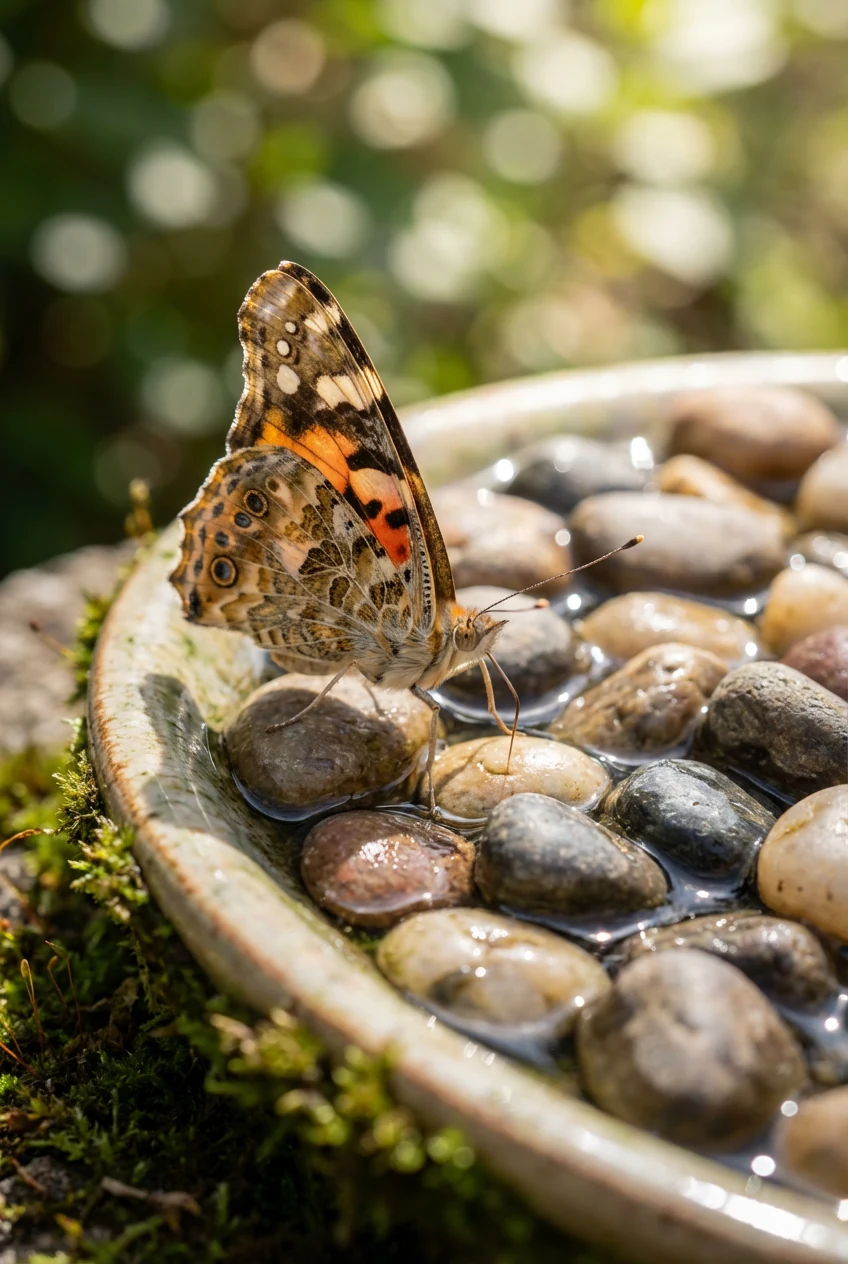
Add a shallow water dish with stones. Butterflies and bees need safe landing spots for sips.
Deer and rabbit considerations
No plant laughs off hungry deer every time, but you stack the deck. Deer often avoid Rosemary, Santolina, Artemisia, and Texas sage. Rabbits prefer tender new growth, so protect fresh plantings with temporary cages.
Note: smell and texture help. Aromatic or fuzzy foliage usually gets fewer nibbles.
Watchlist: invasives and toxins
Check regional invasive lists before you plant Buddleja, Lantana, or certain Berberis. Choose sterile or non-invasive cultivars where needed. Consider local natives like Arctostaphylos (manzanita) or Rhus (sumac) for strong performance and ecological value.
Also flag toxicity. Oleander handles drought and sun but packs serious toxins. If kids or pets play nearby, pick safer options.
Sample border plans you can copy
Need a starting point? Try these layouts that match climate and style. Adjust heights based on cultivar and pruning.
Mediterranean-sizzle border (Zones 8–10)
- Back row: Ceanothus ‘Dark Star’, Texas sage, upright Rosemary.
- Middle row: Abelia ‘Kaleidoscope’, Cistus ‘Sunset’, Buddleja (sterile cultivar).
- Front row: Lavender ‘Phenomenal’, Santolina, Helichrysum italicum.
- Accent: boulders with gravel mulch and a ribbon of Stipa tenuissima for movement.
You get blue spring fireworks, summer fragrance, and silvery calm that reads beautifully under full sun.
High-plains tough border (Zones 5–7)
- Back row: Cotinus ‘Grace’ (smoke bush), Juniper ‘Skyrocket’ for verticals.
- Middle row: Potentilla ‘Goldfinger’, Spirea ‘Magic Carpet’ (heat-tolerant cultivars), Abelia in warmer microclimates.
- Front row: Lavender ‘Hidcote’, Artemisia ‘Powis Castle’, Santolina in well-drained spots.
- Accent: decorative gravel bands with stepping stones to break wind and reflect light.
This combo balances cold winters with hot summers while keeping water needs low.
Coastal wind-and-salt border (Zones 8–11)
- Back row: Elaeagnus ‘Quicksilver’ (salt-tolerant), Leucophyllum, taller Lantana.
- Middle row: Rockrose varieties, Prostrate Rosemary, Euryops.
- Front row: Santolina, Helichrysum, low Juniper forms.
- Accent: driftwood or low stone walls to buffer wind and anchor the theme.
Salt spray doesn’t faze these shrubs, and the silver foliage turns bright light into sparkle.
Planting tip: stagger heights and set plants slightly off-center from each other. You avoid stiff rows and create easy, natural flow.
Spacing, staging, and the long game
Plants want room. Crowded shrubs fight for air and create mildew drama. Space according to mature size, not the cute size in the nursery.
Use this simple approach:
- Measure mature width: give at least 70–80% of that measurement between plants in the same row.
- Stagger rows: offset plants so foliage interlocks without choking.
- Leave pockets: reserve gaps for seasonal perennials like Gaillardia or Salvia.
You design with patience. The border grows in and looks better Year 2 and Year 3. Resist the urge to overfill on day one.
IMO: bigger mulch rings beat extra plants. Roots stretch, weeds drop, and the border breathes.
FAQ
How often should I water after the first year?
Water deeply every 2–4 weeks in summer, then pause if plants look perky and soil holds some moisture. Watch the foliage, not the calendar. If leaves droop and soil turns bone dry, give a slow soak and then let roots rest.
Can I mix natives with Mediterranean shrubs?
Yes, and you should. Natives add ecological value and often handle local drought better. Match sun and drainage needs, then blend textures for a natural look.
What simple drip layout works for a shrub border?
Run a main line along the back edge, tee branches to each plant, and place two emitters at the drip line. Use 1–2 gph emitters for most shrubs. Adjust runtime to deliver deep moisture without constant wet feet.
Do I need fertilizer for drought-tolerant shrubs?
Usually no. Overfeeding pushes soft, thirsty growth. If plants need a nudge, use a light, slow-release formula in spring and stop once you see healthy new growth.
Which shrubs stay compact for narrow borders?
Look at Rosemary ‘Blue Spire’, Abelia ‘Little Richard’, Cistus ‘Sunset’, Lavender ‘Hidcote’, Santolina, and dwarf Junipers. They keep tidy shapes and won’t swallow the walkway.
What if my soil holds water and drains slowly?
Build raised berms with sandy, gritty mix, or install French drains along the border. Choose plants that tolerate moisture less (Lavender and Ceanothus prefer fast drainage), and focus on shrubs that handle heavier soils, like Juniper or Potentilla.
Conclusion
Full sun and low water don’t equal boring. With tough shrubs, smart spacing, and a little style, you create a border that thrives through heat and drought. Anchor with evergreens, weave in bloomers, and let silver foliage bounce light. Then kick back and enjoy the show while the hose takes a long vacation.