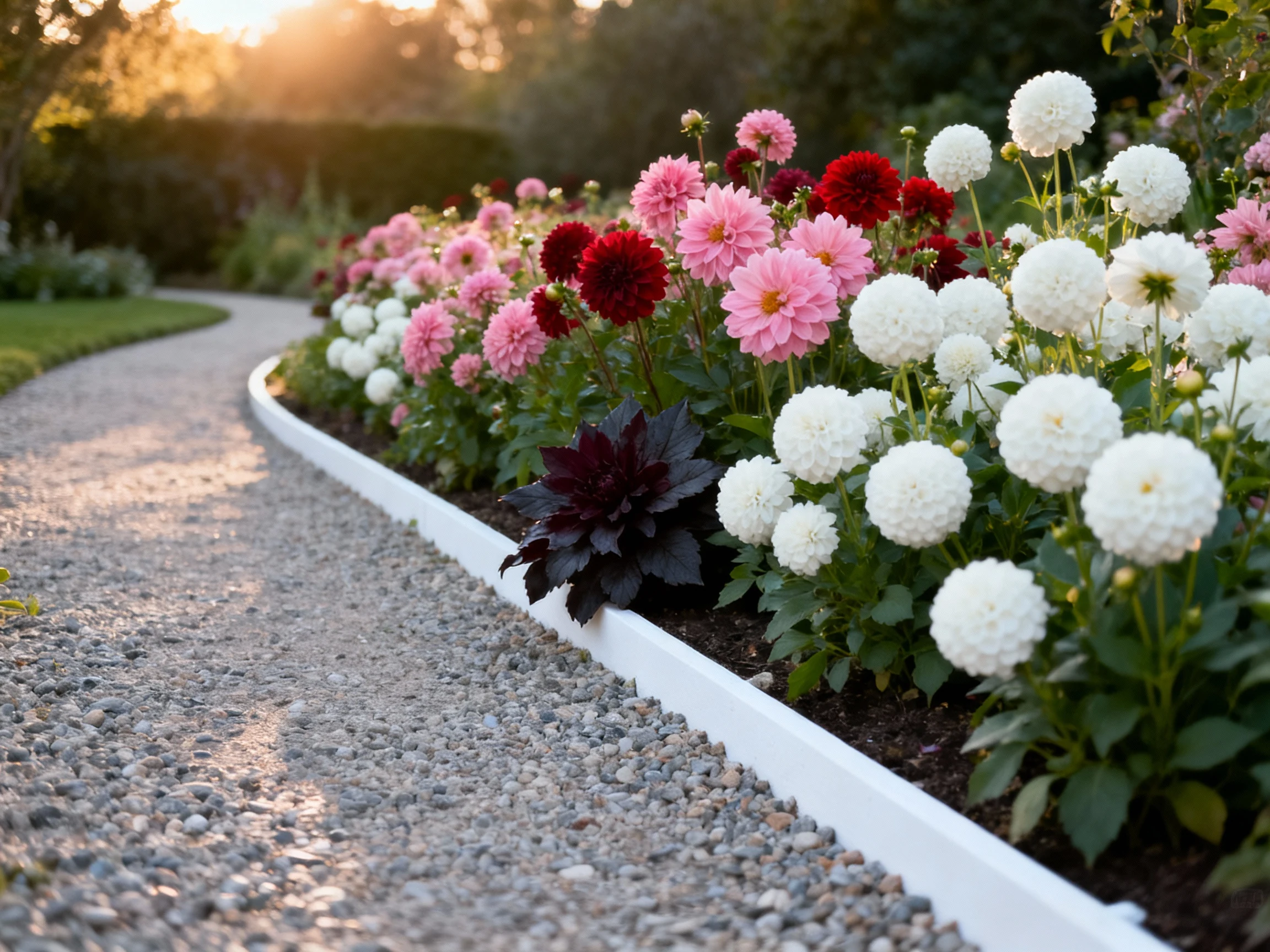
Craving a garden that hits you with color the second you step outside? Pink, red, and white dahlias bring that drama, that sweetness, and that crisp balance all at once. You get romance without saccharine, boldness without chaos, and instant “who planted this?” compliments from neighbors. Ready to build a show-stopping combo that blooms for months? Let’s play with petals.
Why Pink, Red & White Just Work
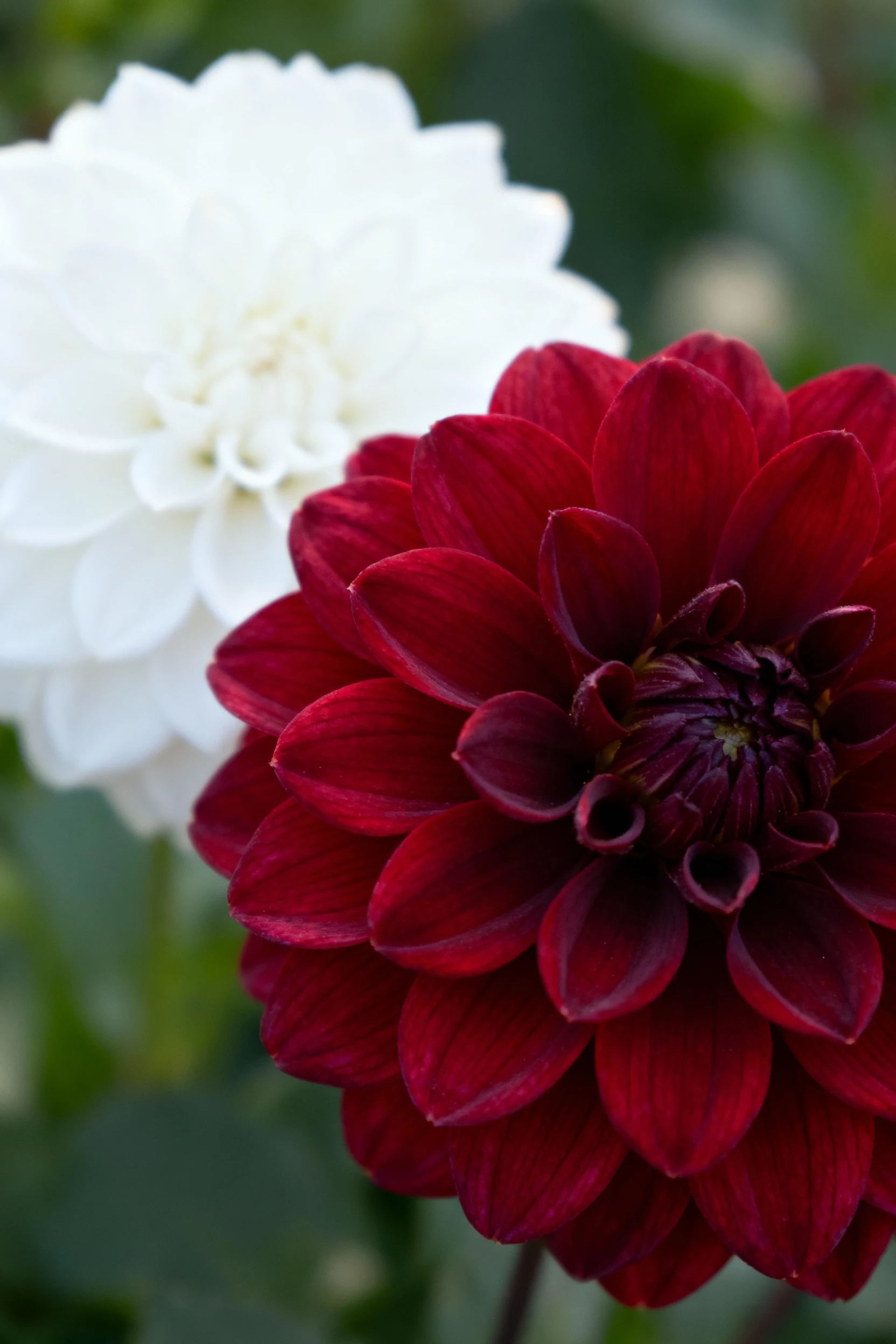
Pink softens the vibe. Red brings heat and punch. White cleans everything up and ties it together like a fresh shirt with a great outfit. Mix them right and you get a border that looks curated, not chaotic.
Want cottage charm? Lean into blush pinks and creamy whites. Want bold and modern? Go deep red, hot pink, and crisp white. You can do either in the same bed with smart placement and the right cultivars.
Color Chemistry 101
- Undertones matter: Cool pinks (blue-leaning) look dreamy with cool reds (crimson). Warm pinks (peachy) sit better with scarlet reds.
- White keeps you honest: Choose crisp white for high-contrast drama, or cream/ivory for softer, romantic blends.
- Balance saturation: If you go neon with red or pink, anchor it with a few calm whites to stop the “clown garden” effect.
- Bloom size counts: Big dinnerplates dominate. Use them as focal points and support with medium and ball dahlias for rhythm.
Pick Your Players (Reliable Cultivars)
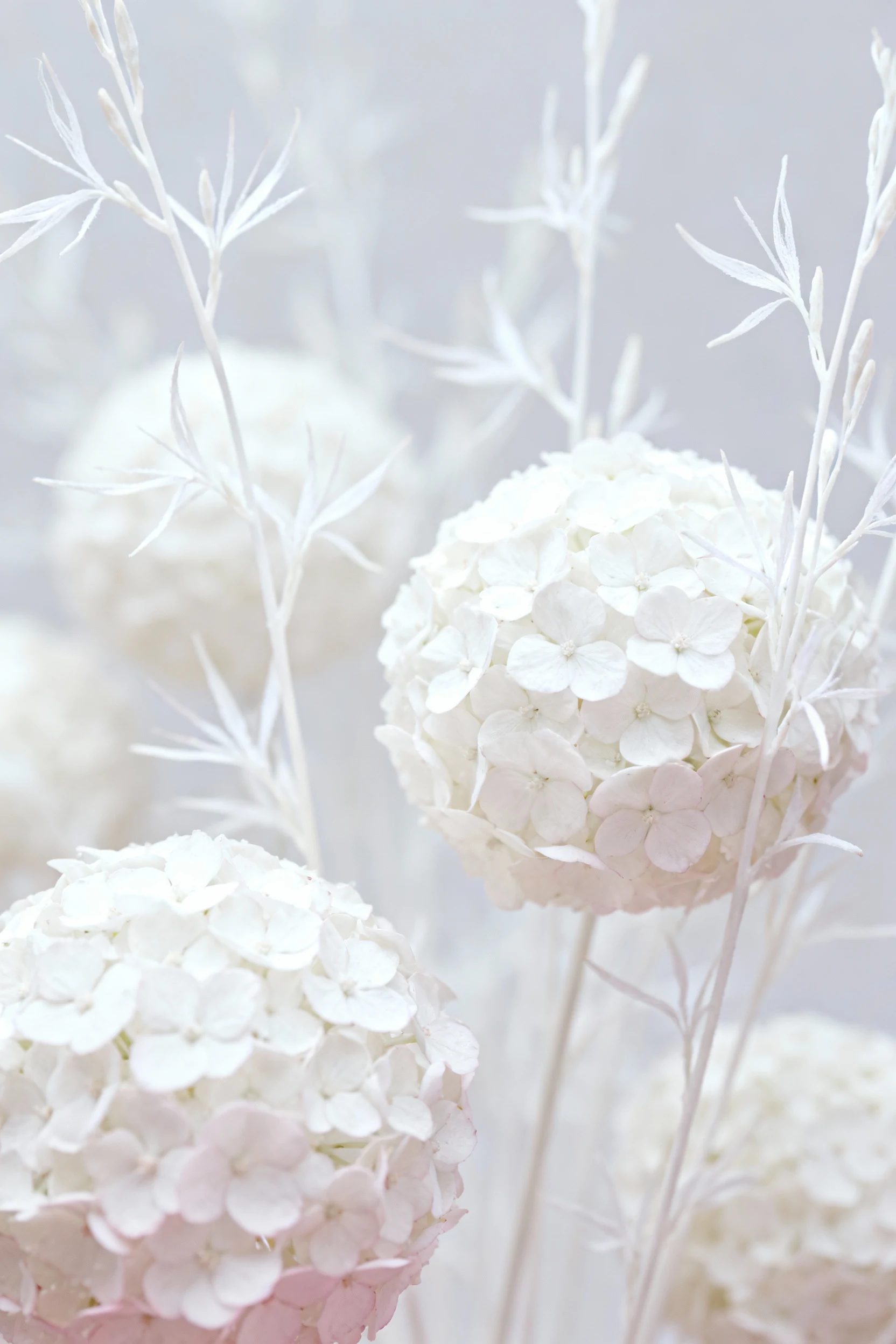
You want personality and performance. Try these pink, red, and white winners that play well together:
- Pink: ‘Otto’s Thrill’ (huge bubblegum dinnerplate), ‘Gerrie Hoek’ (waterlily blush), ‘Wizard of Oz’ (soft pink ball), ‘Jowey Winnie’ (peachy-pink ball), ‘Linda’s Baby’ (blush/peach pink), ‘Myrtle’s Folly’ (shaggy pink-raspberry).
- Red: ‘Arabian Night’ (velvety maroon), ‘Cornel’ or ‘Cornel Red’ (perfect ball red), ‘Spartacus’ (giant deep red), ‘Bishop of Llandaff’ (single red with dark foliage), ‘Karma Choc’ (near-black burgundy, FYI, total showoff).
- White: ‘Fleurel’ (classic white dinnerplate), ‘My Love’ (decorative white), ‘White Onesta’ (semi-cactus white), ‘Snowcap’ (small white ball), ‘Eveline’ (white with a faint lilac edge for nuance).
Mix forms for texture. Balls hold up in weather and look tidy. Waterlilies and decoratives stretch petals for elegance. Singles bring pollinators in style.
Design Recipes You Can Steal
Steal these layouts. Tweak the plants. Pretend you invented them. I won’t tell.
Berry Sorbet Border
Vibe: Juicy, joyful, polished. Use bold red for depth, blush pink for sweetness, and white for pop.
- Back row (tall anchors): ‘Spartacus’ (red), ‘Fleurel’ (white), ‘Otto’s Thrill’ (pink). Space 30–36 inches apart.
- Mid row (rhythm + repetition): 3–5 ‘Cornel’ (red balls) alternated with ‘Gerrie Hoek’ (pink). Space 18–24 inches.
- Front edge (light + airy): ‘Snowcap’ (white balls) every 18 inches. Fill gaps with airy companions like white gaura.
Plant in repeating groups of odd numbers. You get movement and cohesion. Add a dark-leaved ‘Bishop of Llandaff’ near the middle for that moody leaf contrast.
Moonlight & Merlot
Vibe: Sophisticated and calm with moments of “wow.” Think dinner party, not disco.
- Palette: 60% white, 30% blush pink, 10% deep burgundy.
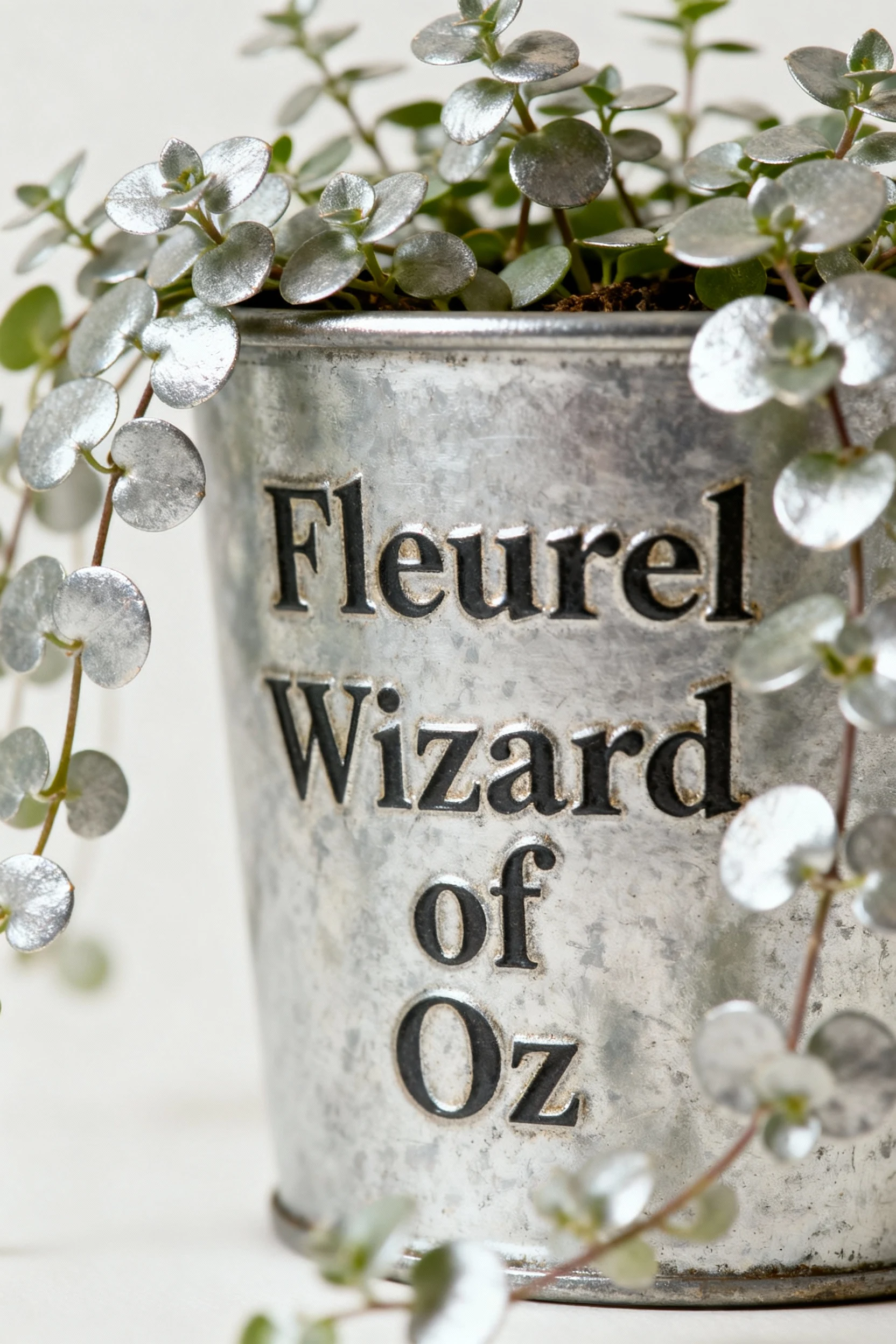
- Players: ‘Fleurel’ and ‘My Love’ (white), ‘Linda’s Baby’ and ‘Wizard of Oz’ (soft pink), ‘Arabian Night’ or ‘Karma Choc’ (deep accent).
- Layout: Drift whites through the bed; cluster pinks in pockets; drop in single burgundy plants as exclamation points.
White centers keep the eye moving. Burgundy acts like eyeliner for your border. Elegant with minimal effort, IMO.
Tropical Punch Pathway
Vibe: Bright, energetic, “I drink spritzers at noon” energy.
- Back row: ‘Spartacus’ (red) and ‘Myrtle’s Folly’ (raspberry-pink shaggy).
- Mid row: ‘Jowey Winnie’ (peachy-pink ball) and ‘Cornel’ (red ball).
- Front edge: ‘Snowcap’ or ‘White Aster’ (small white pompons) for neatness and light.
Thread a few variegated grasses or white cosmos along the path. You get sparkle and that breezy, movement-heavy look that makes everything feel alive.
Structure Your Beds Like a Pro
Good color needs good structure. You can’t just fling tubers at the soil and hope for magazine spreads. Think height, form, and repetition.
Height & Form Stacking
- Back row (4–6 feet): Big decoratives and dinnerplates like ‘Otto’s Thrill’, ‘Fleurel’, ‘Spartacus’.
- Mid row (3–4 feet): Balls and waterlilies like ‘Cornel’, ‘Gerrie Hoek’, ‘Linda’s Baby’.
- Front row (2–3 feet): Smaller balls, singles, and compact varieties like ‘Snowcap’, ‘Bishop of Llandaff’.
Mix petal forms. Shaggy + ball + waterlily looks deliberate and layered. Repeat plants every 2–3 clumps for a rhythm your eye can follow.
Proportions & Rhythm
- Use 60/30/10: Let one color dominate, one support, and one accent. It always looks intentional.
- Stick to 3–5 cultivars: You avoid color chaos and you simplify maintenance.
- Plant in drifts: 3–7 plants per group beats a checkerboard any day.
Companions That Make Dahlias Look Extra
Dahlias love the spotlight. But even divas need backup dancers. Use foliage and airy bloomers to frame those big flowers.
Foliage & Texture Contrast
- Dark leaves: ‘Bishop of Llandaff’ dahlias, purple basil, and dark heuchera make pinks glow and whites pop.
- Silvers: Dusty miller and artemisia add cool contrast that tames hot reds.
- Grasses: Pennisetum or Panicum add movement and a soft halo behind big blooms.
Low-Maintenance Fillers
- White drifts: Euphorbia ‘Diamond Frost’, white gaura, and white cosmos ‘Purity’ keep things light.
- Cutting fillers: Ammi (false Queen Anne’s lace) and dill add lacy texture between stems.
- Grounders: Low-growing thyme or creeping jenny spill at the edge without competing for the spotlight.
Containers, Patios, and Tiny Yards
No yard? No problem. You can still get that color hit on a balcony or small patio. Just choose the right pot and the right variety.
- Pot sizes: 10–15 gallons for big varieties; 5–7 gallons for mid-size balls and decoratives.
- Drainage: Use a high-quality, chunky potting mix. Add compost for nutrients and perlite for airflow.
- Sun: 6–8 hours minimum. More sun = more flowers. Shade = sulky stems.
Thriller-Filler-Spiller Combos
- Chic Neutral: ‘Fleurel’ (thriller) + ‘Wizard of Oz’ (filler) + silver dichondra (spiller).
- Bold Balcony: ‘Cornel’ (thriller) + white lobularia (filler) + variegated vinca (spiller).
- Romantic Blush: ‘Linda’s Baby’ (thriller) + euphorbia ‘Diamond Frost’ (filler) + ivy (spiller).
Rotate pots every week so plants grow evenly. Stake early or your thriller will faceplant on the first windy day.
Care Cheatsheet So They Actually Bloom
I love a design plan. I love actual flowers more. Nail these basics and your dahlias will crank out blooms from midsummer to frost.
- Sun: Full sun. 6–8 hours minimum, 8–10 for monsters.
- Soil: Fertile, well-draining, slightly acidic to neutral. Work in compost before planting.
- Water: Deep soak 1–2 inches per week. Water at the base to keep foliage dry.
- Feed: Start with a low-nitrogen fertilizer (like 5-10-10). Re-feed every 3–4 weeks in-ground; weekly liquid feed in containers.
- Spacing: 18–24 inches for medium; 30–36 inches for giants. Airflow fights mildew, FYI.
Quick Staking Methods
- Single-stake: One sturdy stake per plant with soft ties. Great for big dinnerplates.
- Corral system: Corner stakes with twine around a row. Fast and neat.
- Horticultural netting: Net at 18–24 inches high. Plants grow through, then you tie the divas that misbehave.
Stake at planting. Waiting equals broken stems. Ask me how I know.
Keep Blooms Coming
- Pinch: When plants reach 12–16 inches, pinch out the growing tip above the 3rd or 4th set of leaves. You get more stems.
- Deadhead: Remove spent blooms regularly. Cut down to a strong leaf pair to redirect energy into new flowers.
- Disbud (optional): For giant blooms, remove side buds and keep the central one. Great for showy stems and photos where you pretend you woke up like this.
Overwinter Without Tears
- Zones 8–11: Mulch and leave tubers in ground if soil drains well and stays frost-free.
- Zones 3–7: After frost blackens foliage, cut stems, lift tubers, label by color/cultivar, cure 1–2 weeks in a cool dry spot, then store at 40–50°F in slightly moist peat, vermiculite, or wood shavings.
- Divide in spring: Each division needs an eye. Bigger clumps do not equal more flowers.
Pests and Problems happen, but you can stay ahead:
- Slugs/earwigs: Trap early. Use bait or rolled newspaper traps. Protect young shoots like your sanity depends on it.
- Aphids/spider mites: Blast with water, then use insecticidal soap or horticultural oil if needed.
- Powdery mildew: Improve airflow, water early, and remove infected leaves. Space plants properly to dodge the white fuzz.
FAQ
Will red dahlias overpower pink and white?
No, not if you manage proportions. Use red as an accent or as a back-row anchor. Keep whites threaded through the bed to balance the punch, then let pinks bridge between the two. If things feel harsh, add one more white and one less red. Done.
Which pink, red, and white varieties bloom longest?
Balls and small decoratives usually bloom nonstop. Try ‘Cornel’ (red) and ‘Wizard of Oz’ or ‘Linda’s Baby’ (pink) for marathon performance, then pair with ‘Snowcap’ or ‘My Love’ (white). Dinnerplates like ‘Spartacus’ and ‘Fleurel’ deliver fewer but larger “wow” flowers, so mix both types for show and stamina.
How closely should I plant dahlias for a full look?
Give medium plants 18–24 inches and giants 30–36 inches. Tight spacing creates mildew and spindly growth. For a lush look without problems, group in odd-numbered clumps and tuck airy companions like gaura or euphorbia between. You get fullness and airflow.
Do white dahlias look dingy next to bold reds?
They can, if you choose creamy whites with warm reds. For high contrast, pick crisp whites like ‘Fleurel’ with cool reds like ‘Arabian Night’. If you love cream and scarlet together, add silver foliage (dusty miller) to bridge the tones so whites read intentional, not dirty.
Can I grow these combos in containers?
Yes. Use a 10–15 gallon pot for big varieties or 5–7 gallons for balls. Plant one focal dahlia per pot, then add white fillers and a trailing spiller. Stake early, feed weekly, and rotate the pot for even growth. You’ll get patio-level fireworks without digging a bed.
How long do dahlias bloom?
With pinching, deadheading, and regular feeding, you’ll get flowers from midsummer until frost. In warm zones with early planting, you can stretch that window even further. Keep the water steady and the fertilizer balanced, and they’ll keep showing up like the overachievers they are.
Conclusion
Pink, red, and white dahlias can look sugary, moody, or modern depending on how you mix them. Choose your undertones, pick a few reliable cultivars, and stick to smart proportions. Layer heights, repeat plants, and thread whites for balance. Do that, and your garden will look curated all season—no gatekeeping needed, IMO.