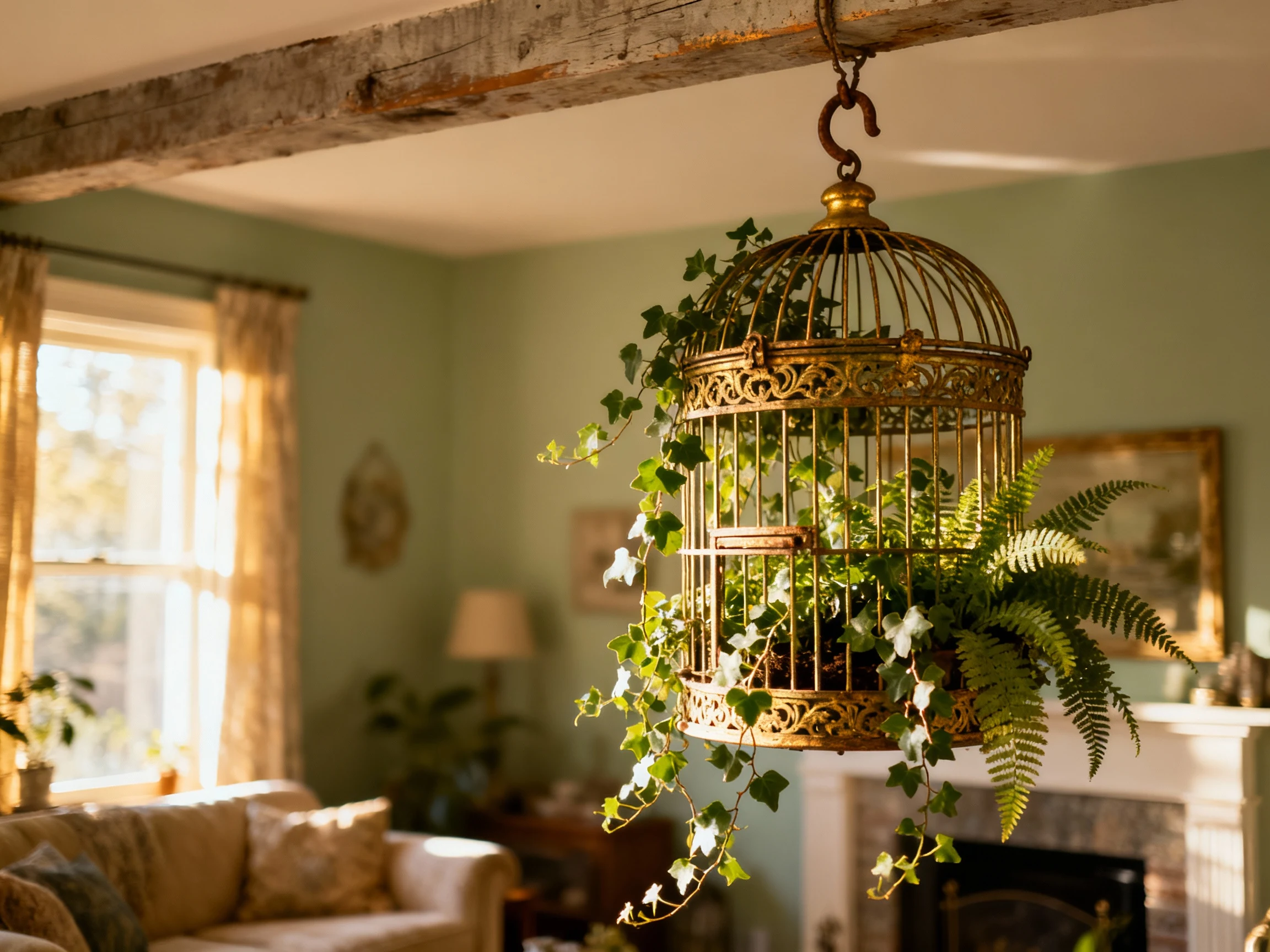
Got a dusty old bird cage sitting in your attic? Or maybe you just spotted one at a thrift store and thought, “That’s cute, but… what would I even do with it?” Well, plot twist: those vintage cages might be your new favorite plant holders. They’re quirky, charming, and frankly, way cooler than a basic flower pot. Let’s talk about how to give them a colorful second life.
Why Bird Cages Make Amazing Plant Holders
First off, they’re basically built to showcase beauty. The open bars let light pour through, giving plants all the visibility they deserve. Plus, they already have a certain old-school charm that feels straight out of a fairy tale—or at least an indie coffee shop with overpriced lattes.
You’ll avoid that cookie-cutter houseplant look. Instead, you’ll have a conversation piece. Trust me, guests won’t be asking “Where’s the bathroom?” first—they’ll be saying “OMG, where’d you get that cage planter?”
Choosing the Right Cage
Not all bird cages are created equal, and that’s fine. You just need to pick one that aligns with your vibe—and the type of plants you want to house.
Material Matters
- Metal: Sturdy and timeless, but might need rust-proofing if you plan to water often.
- Wood: Lightweight and rustic, though it could warp if exposed to too much moisture.
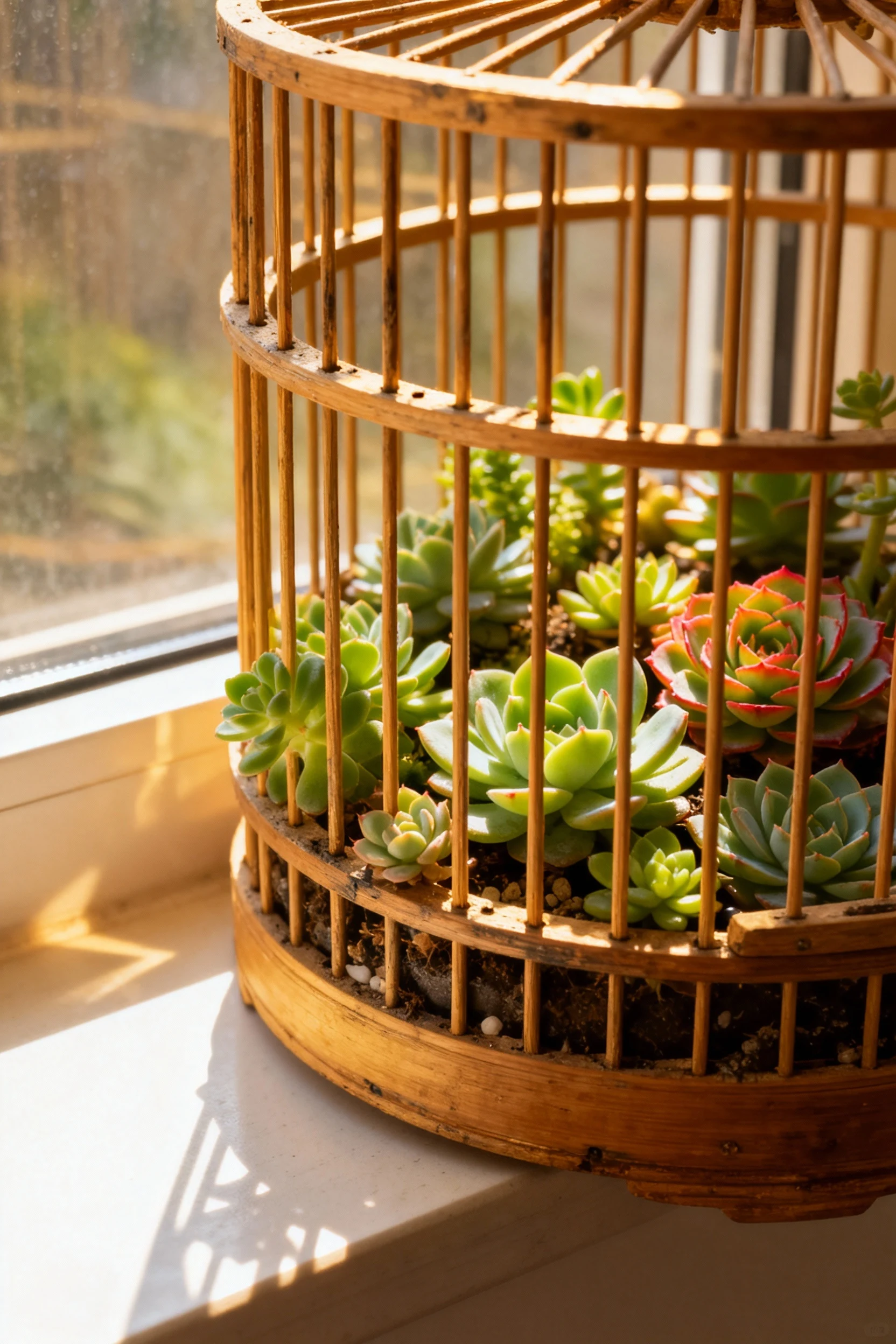
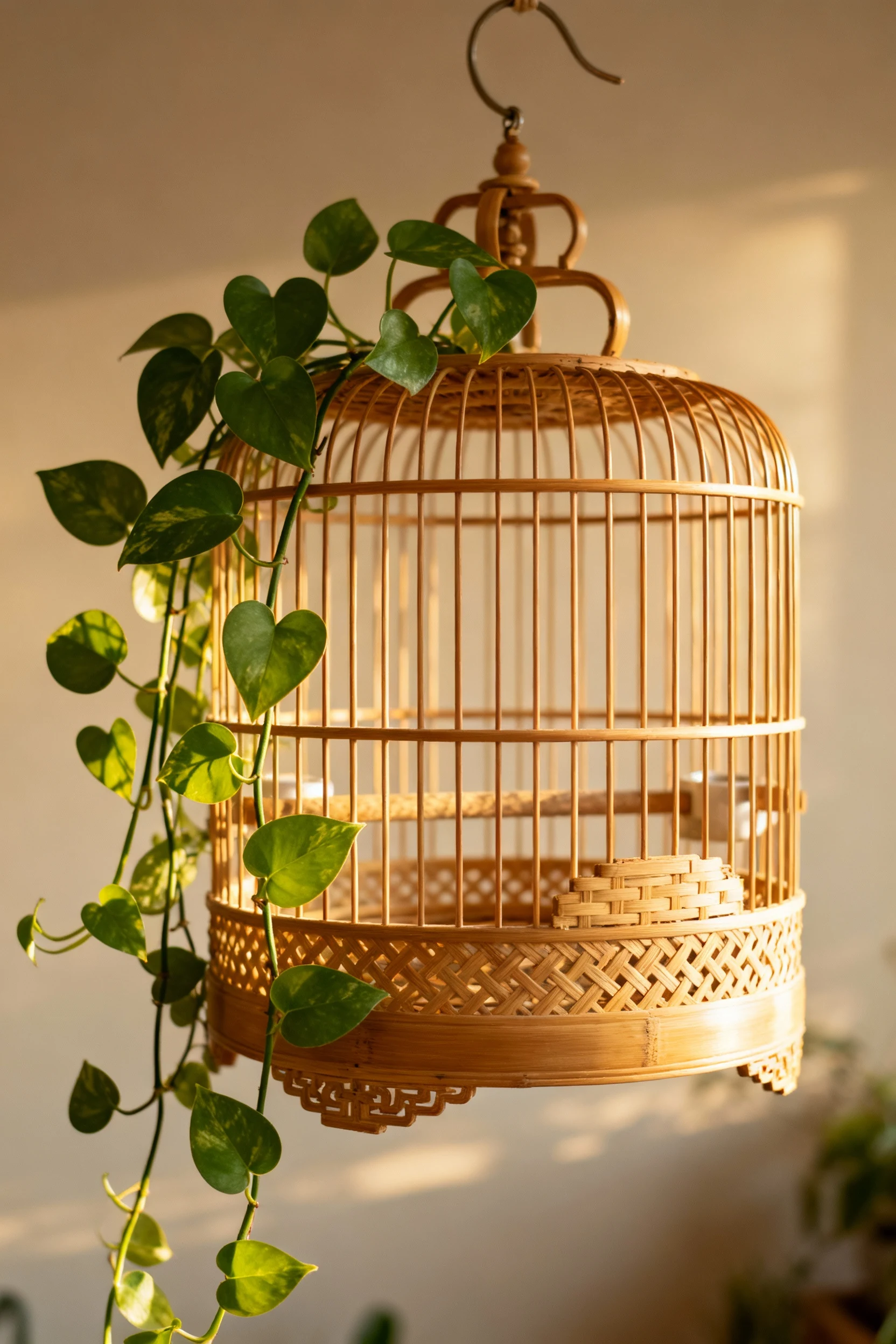
- Bamboo: Super trendy right now—plus it’s lightweight and earthy.
Size & Shape
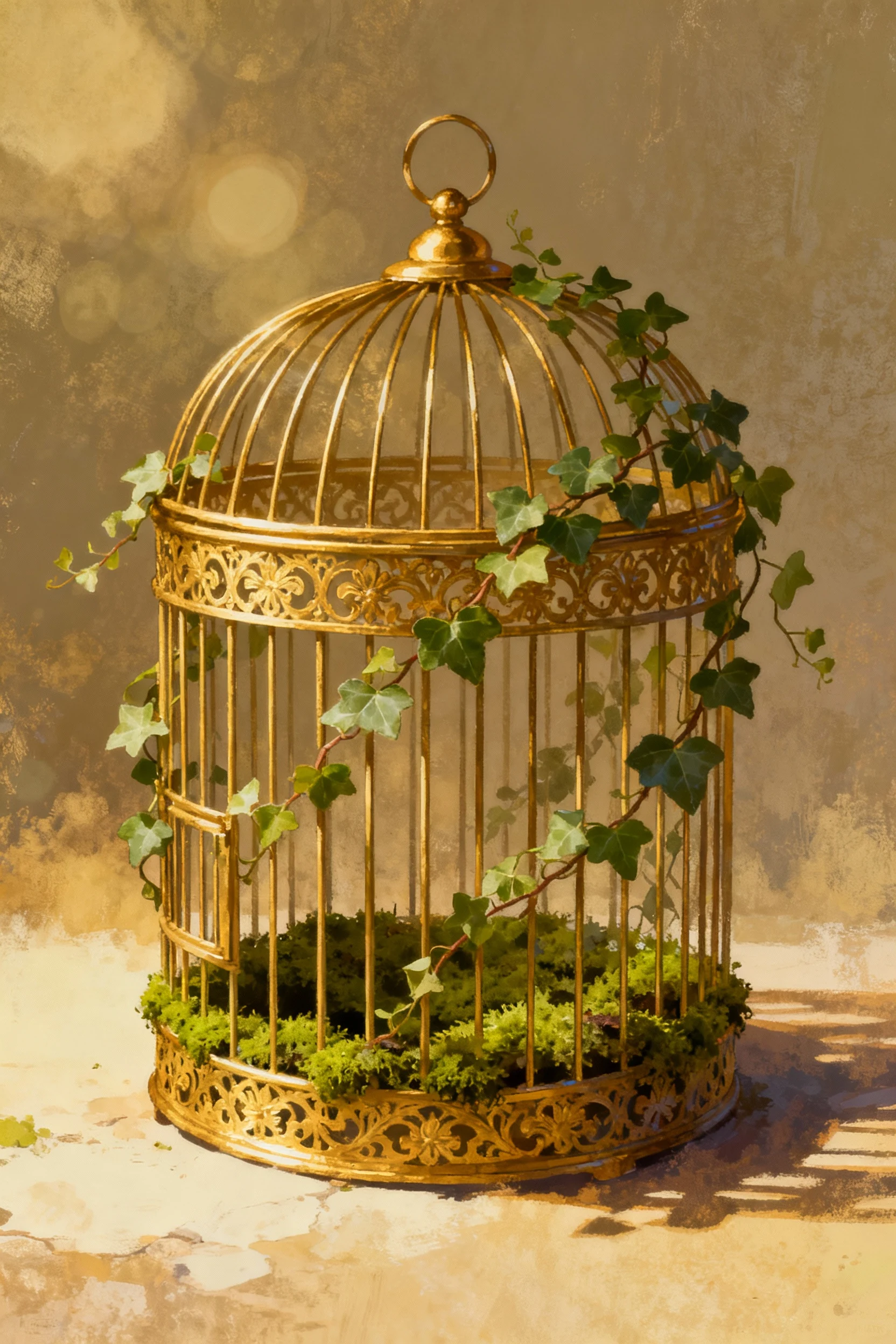
If your cage is tiny, think succulents or air plants. On the flip side, a grand, round cage can hold trailing ivy and lush ferns. And if the cage door is functional? Even better—you can switch plants easily without a game of “Operation.”
Cleaning and Prepping
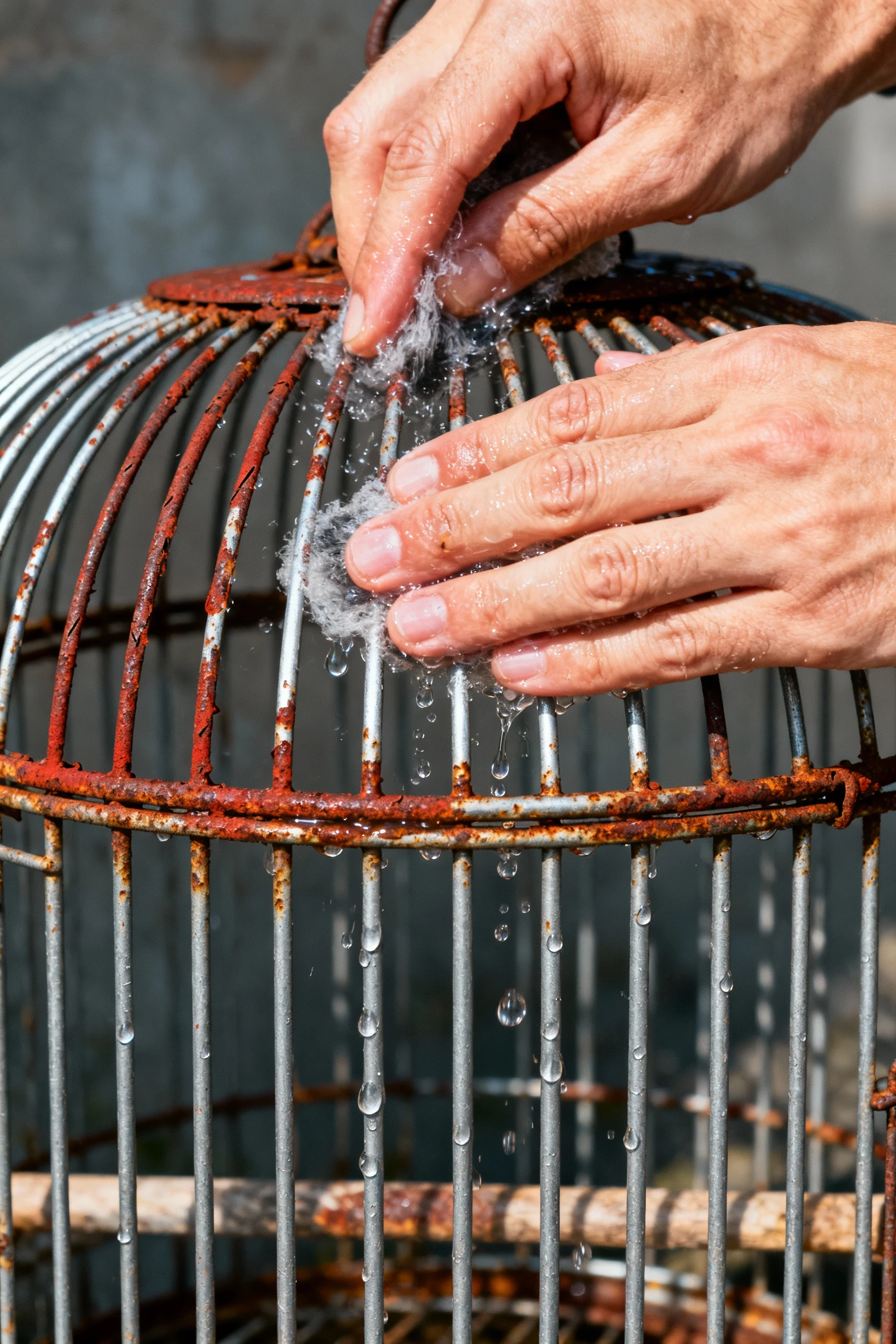
You wouldn’t move into a dusty apartment…so don’t make your plant do it either. Start with a good scrub using mild soap and water. Skip harsh chemicals since you don’t want leftover residue near your green babies.
For older metal cages, sand away any rust spots and finish with a plant-safe sealant. Wood cages love a coat of clear waterproofing; bamboo cages just appreciate a quick wipe-down. Easy peasy, right?
Creative Planting Ideas
Here’s where the fun happens. Honestly, repurposing a bird cage is basically an excuse to unleash your inner mad plant scientist.
Hanging Paradise
Add a hook to the top and suspend the cage from the ceiling or a patio beam. Fill it with cascades of pothos or spider plants, and let gravity do the magic. Bonus: this keeps your greenery safe from curious pets.
Tabletop Statement Piece
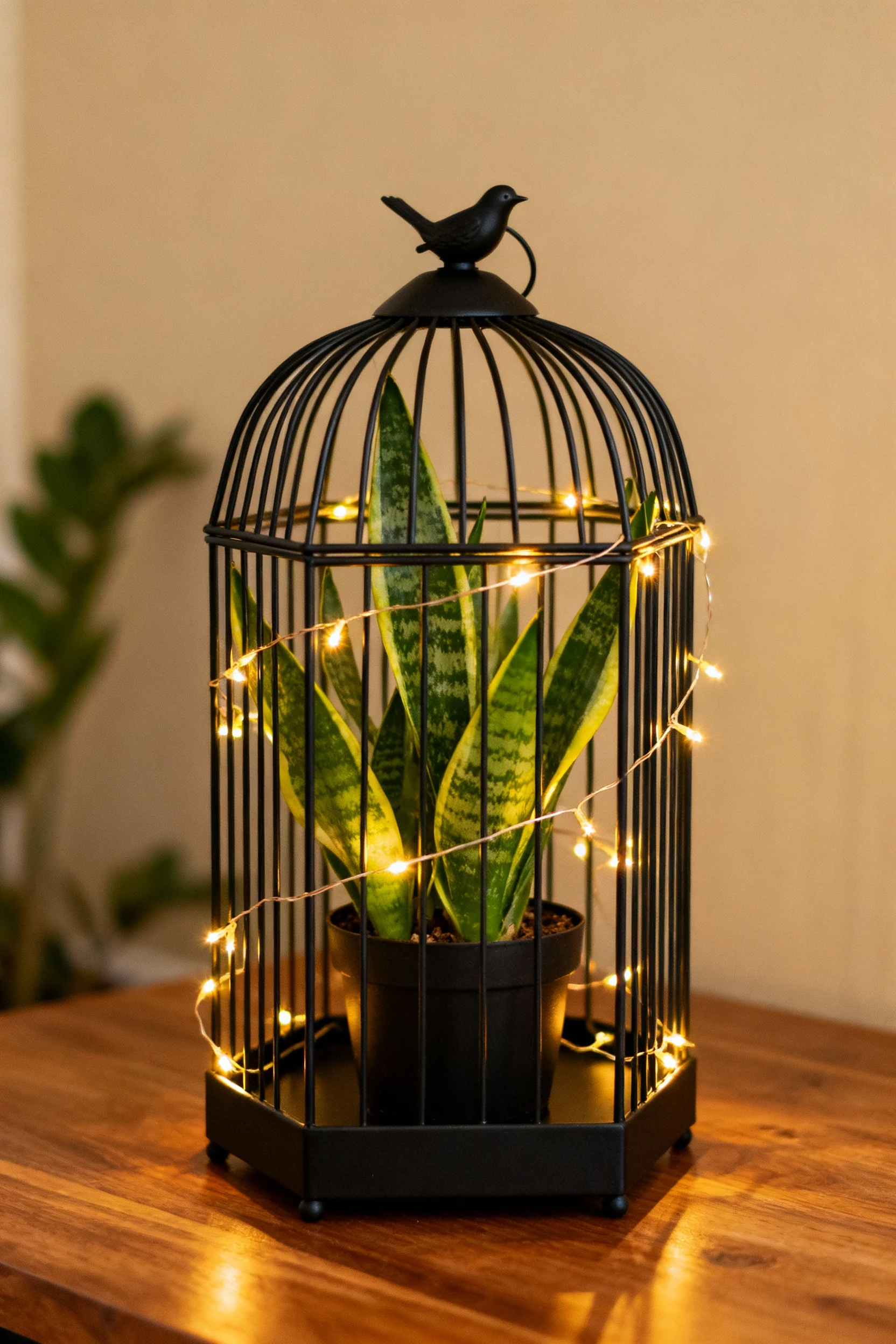
Pop the cage onto a side table or a sunny corner. Fill the bottom with colorful pots or line it with moss for a whimsical, woodland look. Add fairy lights for some nighttime drama.
Mini Greenhouse Effect
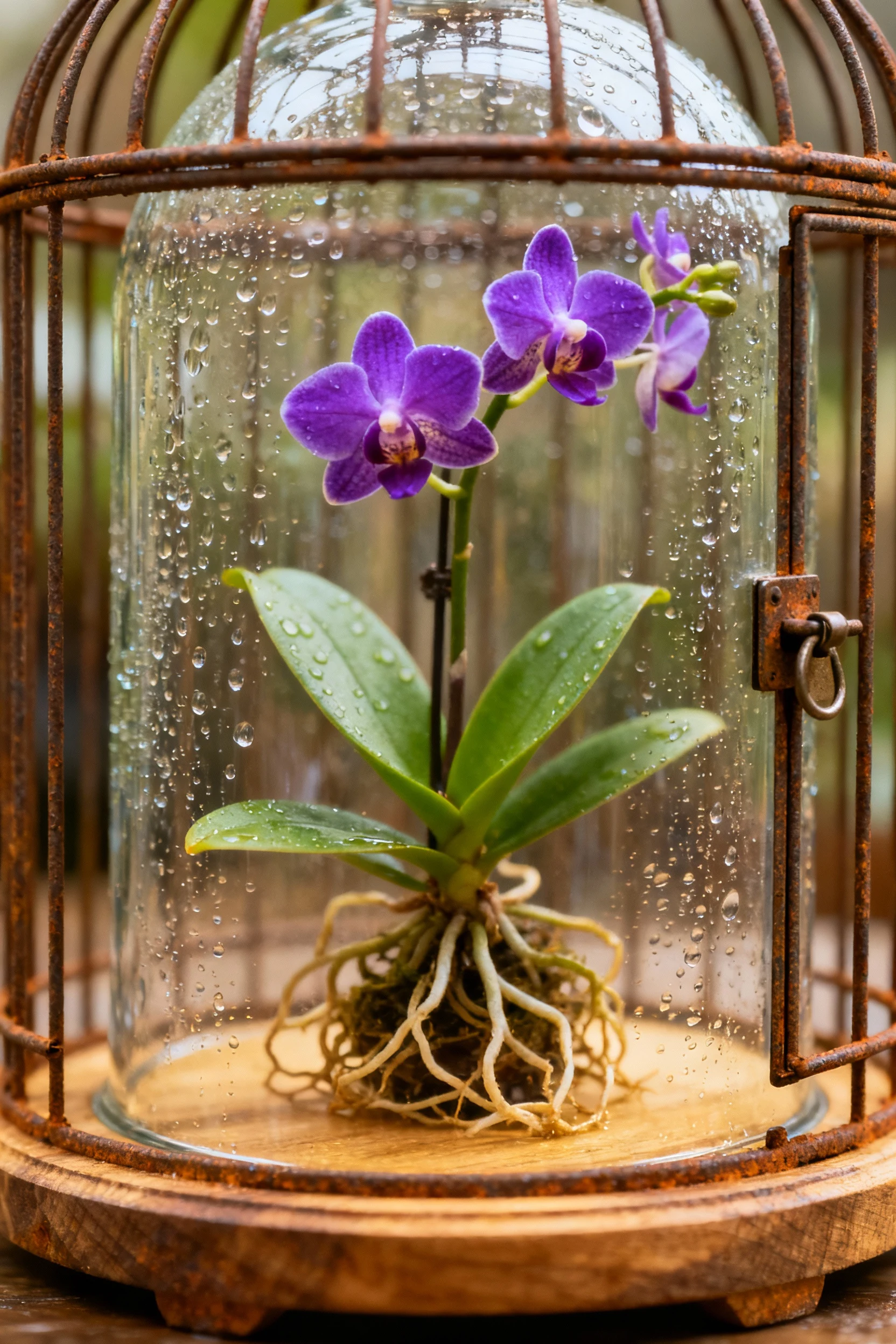
Put a small glass dome or plastic liner inside the cage. This captures humidity around tropical plants—perfect for mini orchids or ferns. It’s basically science, but make it cute.
The Style Factor
Yes, plants need sunlight and water, but IMO they also need style. And a bird cage practically comes with built-in flair.
- Vintage romance: Spray-paint the cage in antique gold and pair with pastel blossoms.
- Industrial chic: Go for matte black and display bold, sculptural plants like sansevieria.
- Boho vibes: Wrap some macramé around the frame and toss in leafy greenery.
It’s all about matching the aesthetic to your home—or your personality. You know, so your plants feel like they belong.
Care and Maintenance
Bird cages can look incredible right out of the gate, but keeping them fresh takes a little effort.
- Water carefully to avoid puddles—but don’t let the plants dry out completely.
- Wipe the cage bars every couple of weeks to keep dust from dulling your display.
- Rotate your plants occasionally so they grow evenly toward the light.
FYI, cages with liners or trays make watering less messy. Your floors will thank you.
FAQs
Can I use a rusty bird cage for plants?
Yes, but only after removing the rust and sealing it with a safe coating. Rust looks cool in photos, but it’s not plant-friendly long term.
Do I need to line the bottom of the cage?
Not strictly—but lining helps with soil containment and moisture control. Moss, coconut fiber, or a tray works great.
Will hanging cages damage ceilings?
They can if you don’t secure them properly. Always anchor into a beam or use heavy-duty hooks so your “floating jungle” doesn’t turn into a gravity experiment.
Which plants work best in bird cage holders?
Trailing plants like ivy or pothos look fabulous. Succulents fit well in small cages, and ferns thrive in cage setups with higher humidity.
Can I keep the plants outdoors?
Absolutely! Just choose plants suited for your climate and make sure the cage material can withstand the weather.
Is repainting safe?
Yes—just use non-toxic paint and let it fully dry before introducing plants. Nobody wants paint fumes near their greenery.
Conclusion
Repurposing old bird cages into plant holders turns something forgotten into something fabulous. It’s affordable, creative, and gives your plants a stage worthy of their beauty. Plus, you get bragging rights every time a friend gushes over your unique décor. So dust off that cage—or go hunt for one—and give it a fresh role in your indoor jungle.