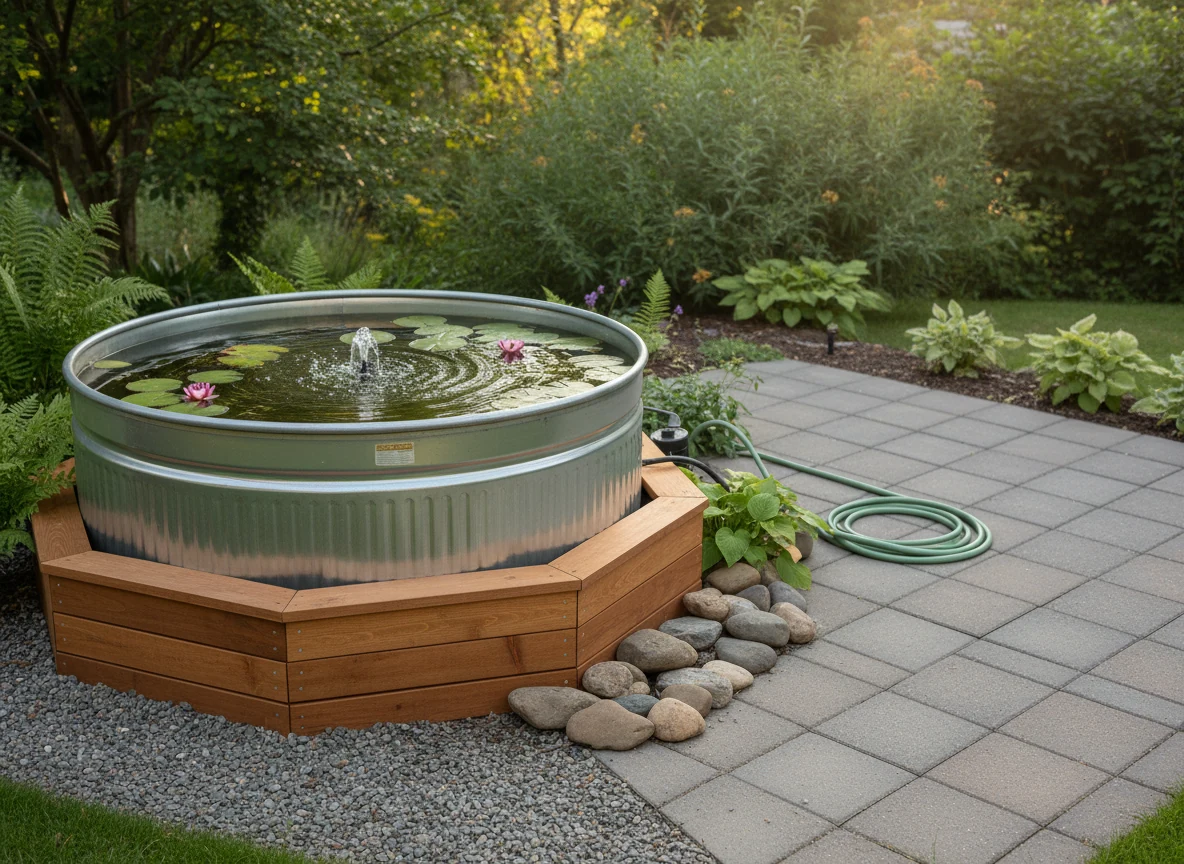
You want a backyard pond without digging, renting a backhoe, or wrecking your lawn? You can build a gorgeous, no-dig water feature in a single weekend with simple materials and some good vibes. Think stock tanks, raised frames, or container gardens that look designer but cost way less than a full install. Ready to turn hose water into backyard magic?
The No-Dig Pond Mindset: What You Actually Need
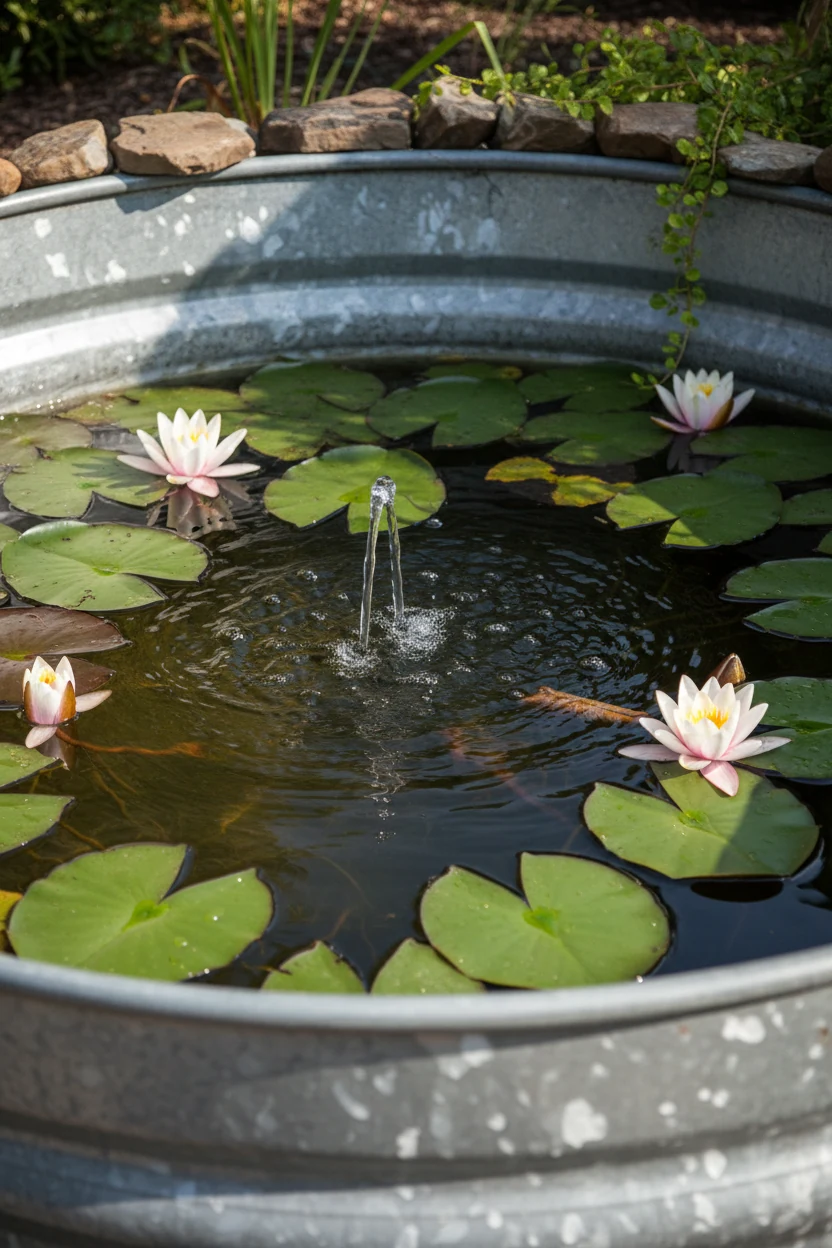
You’ll build up, not down. No jackhammers, no trenching, no drama. You’ll set a level base, add a container or frame, and run a small pump so the water stays clean and happy.
Water weighs a lot—about 8.34 lb per gallon—so plan for weight. Set your pond on a stable, level surface. Concrete patios work great. Packed gravel or stepping stones work too. Soft soil and tilting fences? Not so great.
You don’t need fancy plumbing. Keep water moving, filter a little, and plant the heck out of it. Oxygenating plants, a simple fountain pump, and a small sponge filter handle most backyard situations. Pump boxes hide cords and keep things tidy.
Project One: The Stock Tank Pond (Classic, Fast, Gorgeous)
Stock tank ponds look chic, set up fast, and last forever. Galvanized tanks give farmhouse charm. Poly tanks handle fish better and don’t mess with pH.
What You’ll Need
- 100–150 gallon stock tank (galvanized or poly)
- Level base: patio, pavers, or compacted gravel
- Submersible fountain pump (200–400 GPH)
- Short length of tubing and a simple fountain head
- Outlet with outdoor-rated extension cord and GFCI
- Aquatic plants (water lettuce, lilies, irises)
- Optional: pre-filter sponge, pump basket, decorative rock
Step-by-Step
- Place the tank on a level surface. Check with a small level and shim if needed. Level water equals a calm mind.
- Rinse the tank. You don’t need a chemistry lab. Just a hose and a quick swish.
- Set the pump in the center or tuck it in a corner. Add tubing and a simple fountain head.
- Fill the tank with a hose. Add dechlorinator if your tap water contains chlorine.
- Plug in the pump. Adjust flow until you hear a gentle burble, not a Vegas waterfall.
- Plant. Drop lilies in a plant basket, tuck irises on a shelf, and float some oxygenators.
Optional Upgrades
- Wrap the tank base with cedar slats for a clean, custom look.
- Add a small ledge with pavers for frog access and safety.
- Install solar lights around the rim for nighttime zen.
FYI: Galvanized steel looks amazing, but poly rules if you keep fish long-term.
Project Two: Raised Bed Liner Pond (Custom Size, No Digging)
Want a rectangular pond that fits your space perfectly? Build a simple timber frame and line it. It’s basically a raised garden bed, but with water and way less weeding.
Materials
- Pressure-treated or rot-resistant boards (2×6 or 2×8)
- Deck screws, corner brackets, and a square
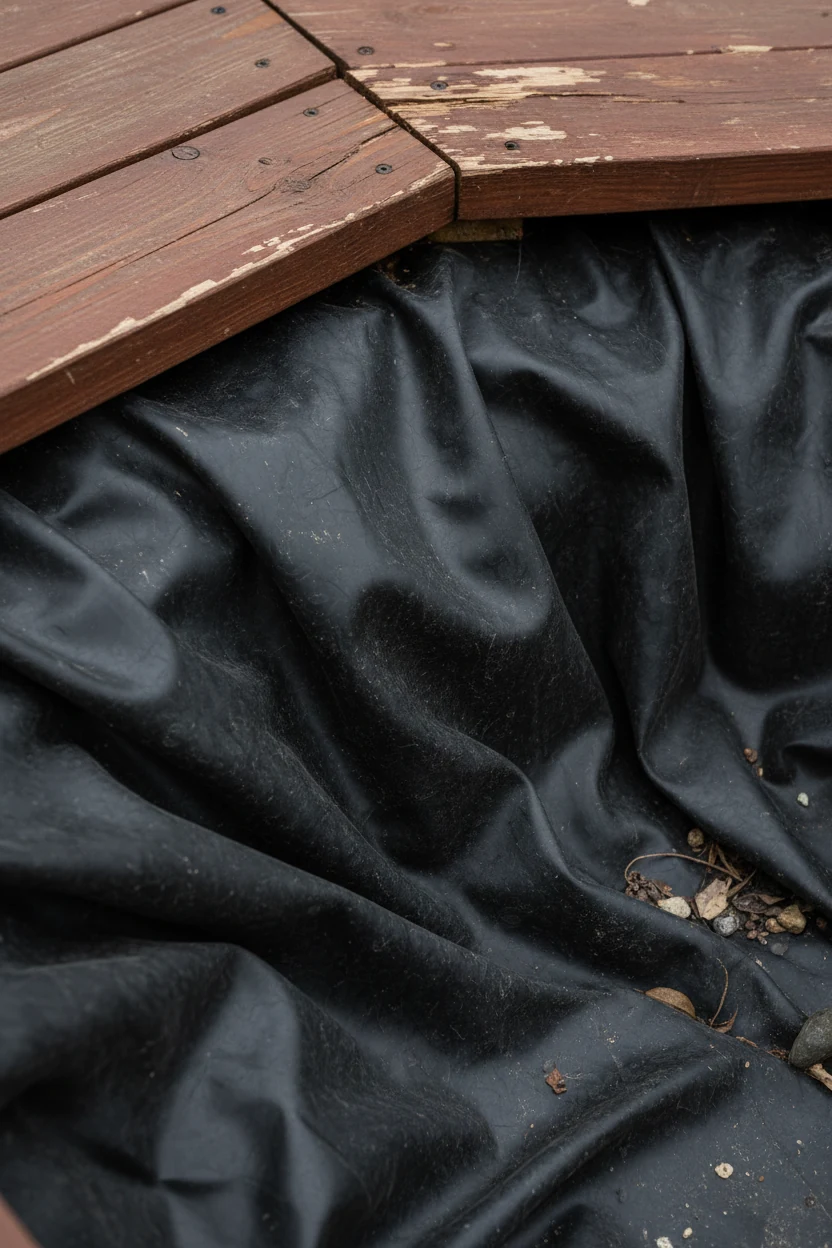
- Pond liner (EPDM) or quality PVC liner
- Underlayment (old carpet pad or geotextile)
- Pump (300–500 GPH) and fountain sprayer
- Trim pieces, cap boards, and exterior stain
Build Steps
- Lay out the frame size. Mark corners and check squareness.
- Assemble the frame on your level base. Keep corners tight. Keep edges flush.
- Add underlayment inside the frame to protect the liner.
- Fold in the liner with generous overlap. Don’t tug it like a fitted sheet from the dryer.
- Cap the top with boards for a clean edge and seating.
- Fill with water slowly. Adjust liner folds as you fill to smooth creases.
- Install the pump and plants. Celebrate with iced tea.
Design Tips
- Keep depth around 18–24 inches for plant comfort and stable temperatures.
- Use darker stain or black paint inside the frame to hide liner edges.
- Add a narrow shelf around the inside for marginal plants in baskets.
Protect the liner from screws, splinters, and rough surfaces—underlayment saves your weekend.
Project Three: Barrel or Container Water Garden (Fastest Win)
You want instant gratification? Go with half whiskey barrels, big ceramic pots, or sturdy plastic tubs. This setup shines on patios and small decks.
Plant-Only vs. Fish
Plant-only rules for simplicity. No heater, no filter drama, just a bubblier pump if you want sound. Add fish only if you commit to shade, filtration, and winter care.
Quick Steps
- Pick a watertight container. Line wood barrels with a pond liner to avoid slow leaks.
- Set a tiny pump in the center. Aim for 100–200 GPH for barrels.
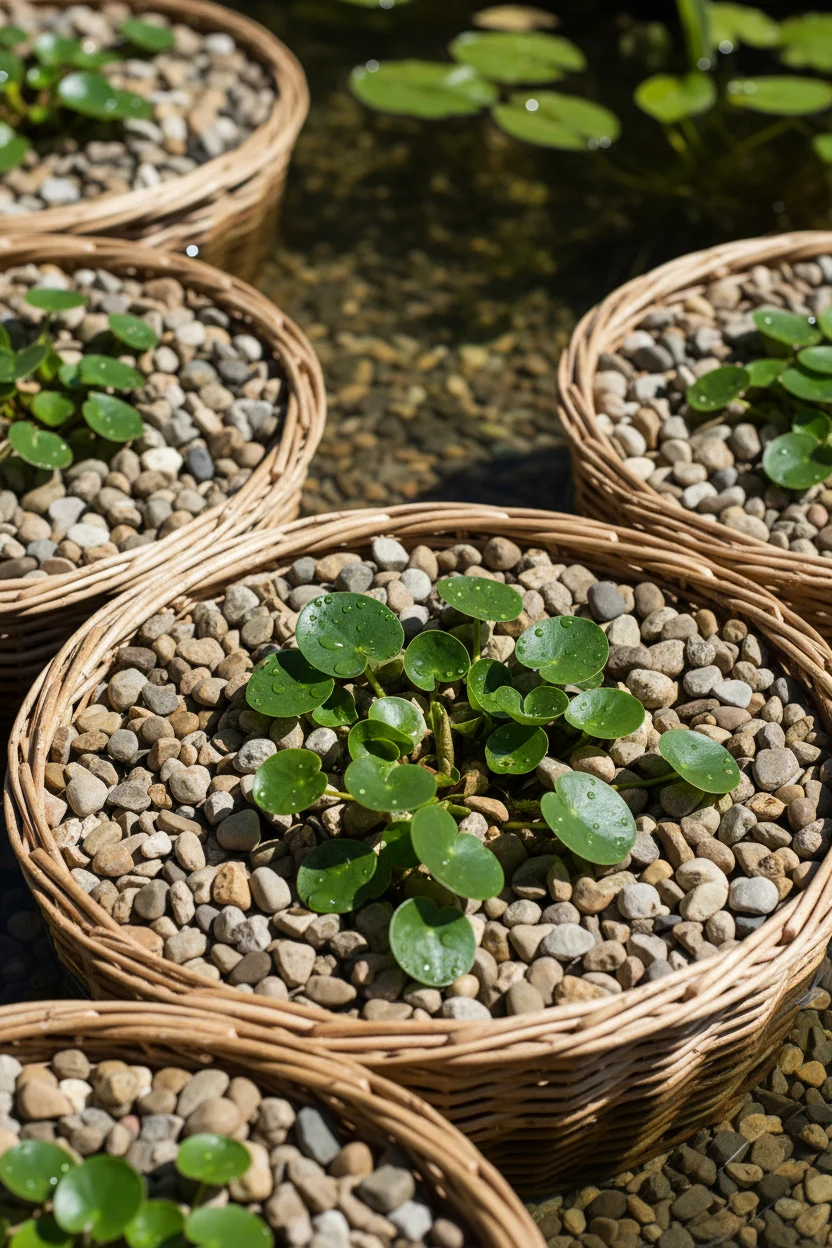
- Add pea gravel in plant baskets and tuck in dwarf lilies or sweet flag.
- Top with water and treat for chlorine. Done in under an hour.
This project makes incredible front-yard curb appeal. It also keeps mosquitoes from RSVP’ing because you keep the water moving.
Keep it simple: one lily, two marginals, one fountain. That’s a perfect trio.
Project Four: Disguised Kiddie Pool Pond (Budget Hero)
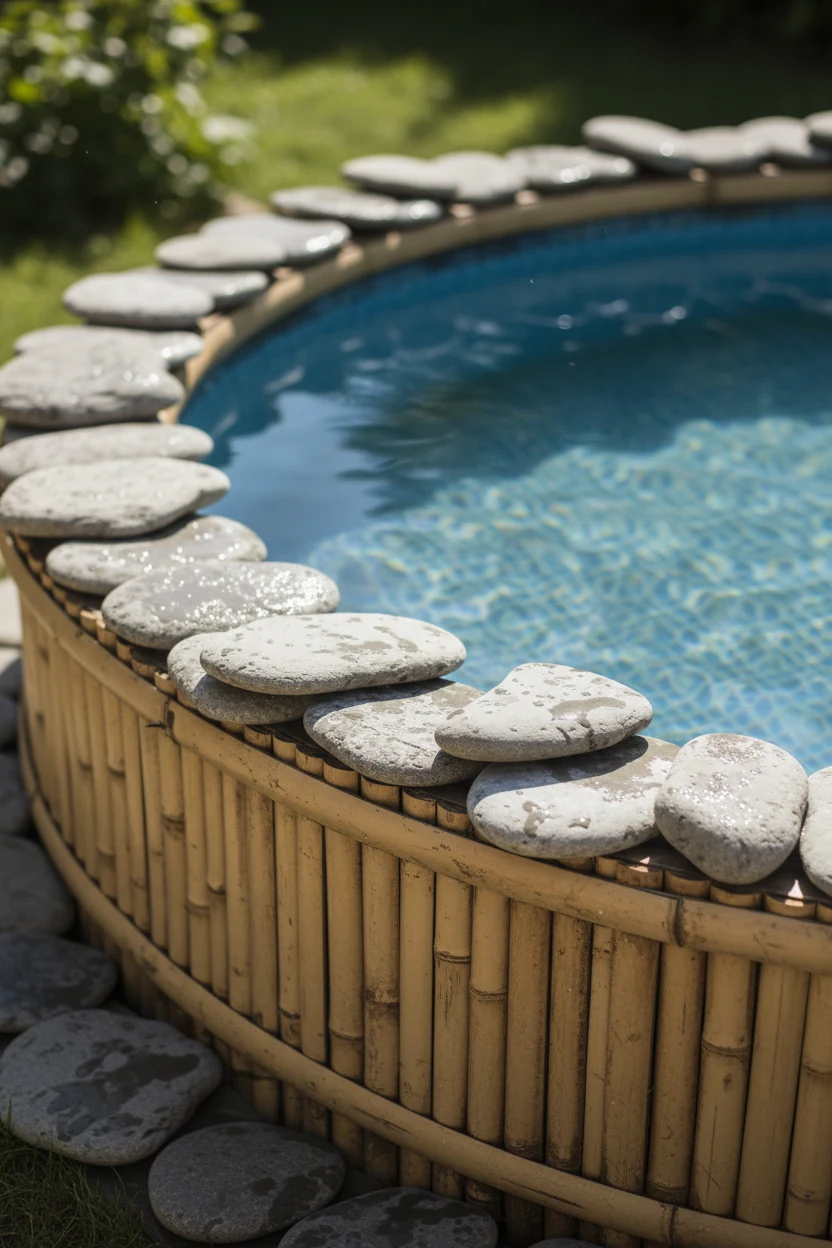
Yes, the humble kiddie pool can transform into a charming pond. You’ll disguise the rim, add edging, and rule the neighborhood with a $30 masterpiece.
How to Disguise It
- Place the pool on a level patch or patio.
- Wrap the outside with bamboo fencing or cedar slats. Zip ties and screws do the job.
- Edge the top with flat stones that overlap the rim slightly.
- Drop in a small pump and a few floating plants.
Don’t go huge with kiddie pools. Stick to 80–120 gallons for stability and easy camo. Paint the outside a neutral color before wrapping for extra stealth.
Add a small bog planter (a bucket with pea gravel and a slotted bottom) to polish water naturally. Ponds love bogs like coffee loves mornings.
Project Five: Preformed Pond + Garden Wall (No Dig, Fully Framed)
Preformed ponds offer neat shapes and built-in shelves. You’ll build an above-ground retaining wall around one and skip digging entirely.
Prep and Base
- Pick a sturdy preformed pond shell with flat bottom areas.
- Set heavy pavers under the shell to distribute weight.
- Slide the shell on top. Shim to level. No wobble allowed.
Build the Wall
- Stack garden wall blocks around the shell, leaving a lip for the rim.
- Backfill gaps with sand or pea gravel to stabilize.
- Cap the top course with flat stones for a finished look.
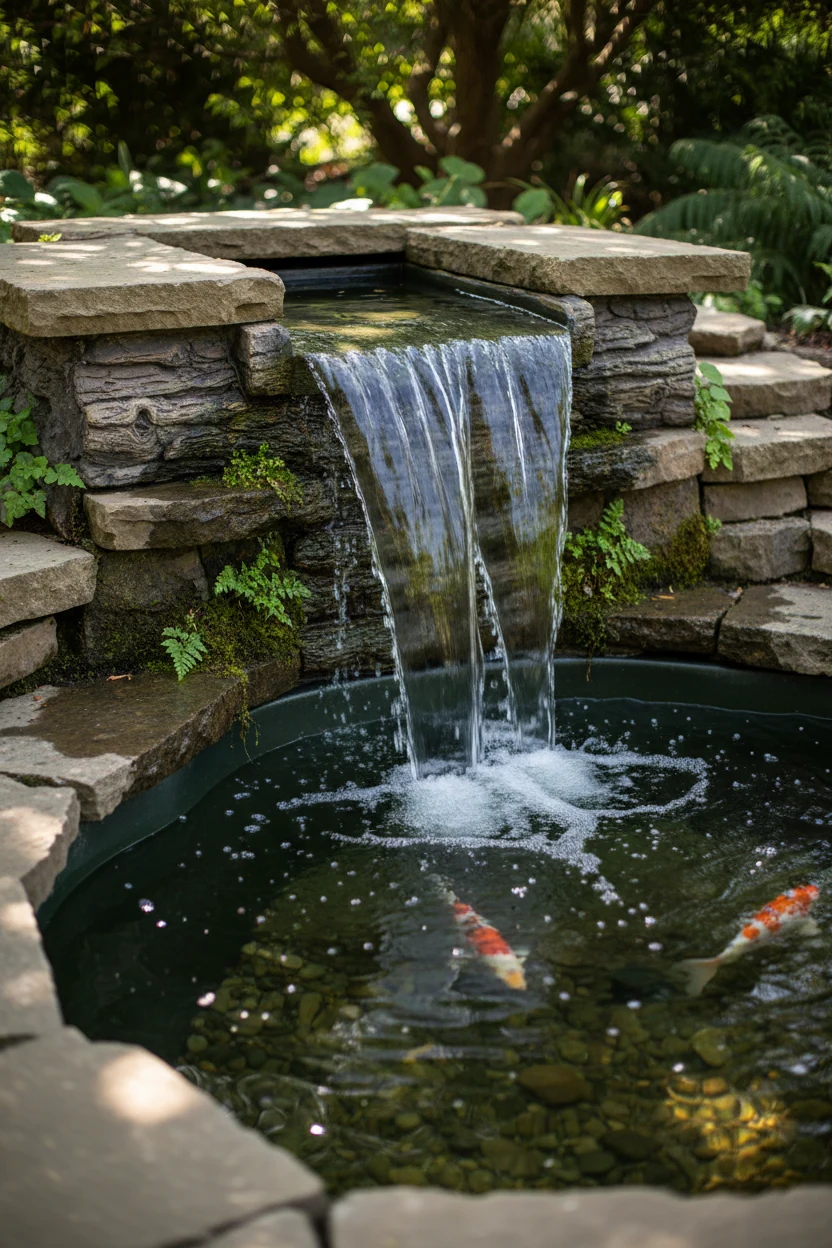
Add a compact waterfall box on one corner. Hide the pump inside the box with filter media. Water spills back into the shell with that spa-day vibe.
Check the rim level from multiple angles. Uneven rims scream “DIY” in the worst way.
Keep Water Happy: Pumps, Filters, Plants, and Critters
You don’t need a giant pump. Aim for total turnover once per hour. Match pump size to volume. A 200-gallon pond likes a 200–300 GPH pump. A 400-gallon pond likes 400–600 GPH.
Want clarity without chemical soups? Use a simple filter setup:
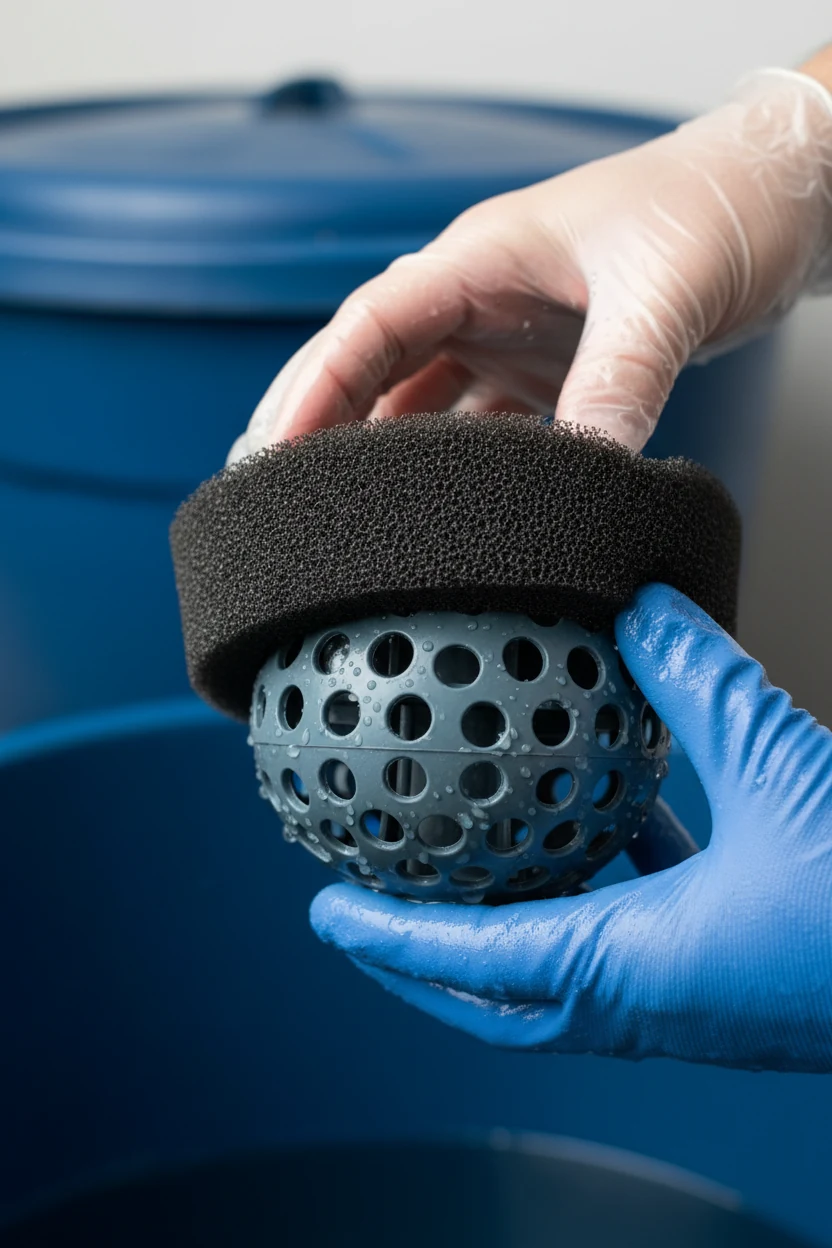
- Pre-filter sponge over the pump intake
- Pump basket filled with coarse foam
- Optional: small bio-media bag for beneficial bacteria
Plants do the heavy lifting. Mix it up:
- Floaters: water lettuce, frogbit, hyacinth (check local rules)
- Marginals: dwarf cattail, sweet flag, iris, pickerel rush
- Deep water: dwarf lilies for shade and drama
Consider wildlife. Birds drink. Frogs visit. Bees land. Add a shallow ramp or rock shelf for easy exits. You’ll save tiny lives and feel like a hero.
IMO, skip fish for your first season. Master water movement, plants, and shade first. Add fish later if the pond stays stable.
Shade and Temperature
Too much sun turns your pond into a salad bar. Add partial shade with an umbrella, a pergola, or tall plants. Lilies help by covering surface area. Keep the fountain running on hot days.
Mosquito Control
Moving water stops mosquito parties. Use a fountain sprayer or a bubbler. Add BTI mosquito dunks if you see larvae. They target mosquitoes and leave everything else alone.
Weekend Timeline and Pro Tips
Want a smooth weekend build? Follow this plan and avoid Saturday-night panic runs to the hardware store.
Friday Evening: Plan and Prep
- Measure your space and confirm the base sits level.
- Pick your container or frame materials online or in-store.
- Sketch pump placement and outlet access.
Saturday: Build Day
- Set the base and place the pond container.
- Install pump, tubing, and any liner or trim work.
- Fill with water and start the pump.
Sunday: Plant and Polish
- Add plants and arrange rocks or edging.
- Hide cords with conduit and cover pump baskets.
- Take photos, brag to friends, and pretend it was harder than it looked.
Pro tips that save time and money:
- Measure twice, buy once. Returns on wet liners aren’t fun.
- Keep plants in baskets for easy rearranging and cleanup.
- Use a smart plug to schedule the pump automatically.
- Place a thermometer in the pond. Heat sneaks up fast.
FYI: Cords and water don’t mix. Use GFCI outlets and weatherproof covers every time.
FAQ
Can I keep fish in a no-dig pond?
You can, but start small. Use a poly stock tank or a lined frame that holds at least 150–200 gallons. Add shade, a reliable pump, and a filter with media. Keep fish loads light, test water occasionally, and feed modestly.
How do I prevent algae from taking over?
You control sunlight, nutrients, and flow. Add lilies or shade, keep plants dense, and run your pump daily. Scoop leaves and debris weekly. If algae spikes, do small water changes and add more plants. Avoid “nuke-it” chemicals because they trash plant health.
Do I need a permit for an above-ground pond?
Usually not for small backyard features, but check local rules. Some HOAs care about tall structures, water hazards, or visible containers. Keep your pond below fence height and add a cover or net if you worry about curious pets or kids.
Will a pond attract mosquitoes?
Moving water says “nope” to mosquitoes. Keep a fountain or bubbler on and add BTI dunks if necessary. Mosquito fish or guppies help, but they also reproduce like, well, mosquitoes. Plants and flow usually handle it.
How much will this cost?
Costs vary by project. Barrel containers run $70–$200. Stock tanks land around $120–$300. Raised frame ponds range from $200–$500 depending on wood and liner. Pumps sit in the $25–$80 zone. Plants add $50–$150. Build smart and you stay under big-box “kit” prices easily.
Can I put a pond on my deck?
Maybe. Check the deck rating and stick to smaller volumes. Water weighs a lot, so secure the container and spread the load with pavers or a platform. Keep cords tidy and add a drip tray under the pump area. When in doubt, move the pond to a patio or ground-level base.
Conclusion
You don’t need excavation, permits, or a fortune to build a great pond. You just need a level base, a container or frame, and a pump that keeps the party going. Pick a project, grab plants, and make water the star of your backyard. IMO, the stock tank wins for speed, but any of these builds will turn a weekend into a mini oasis.