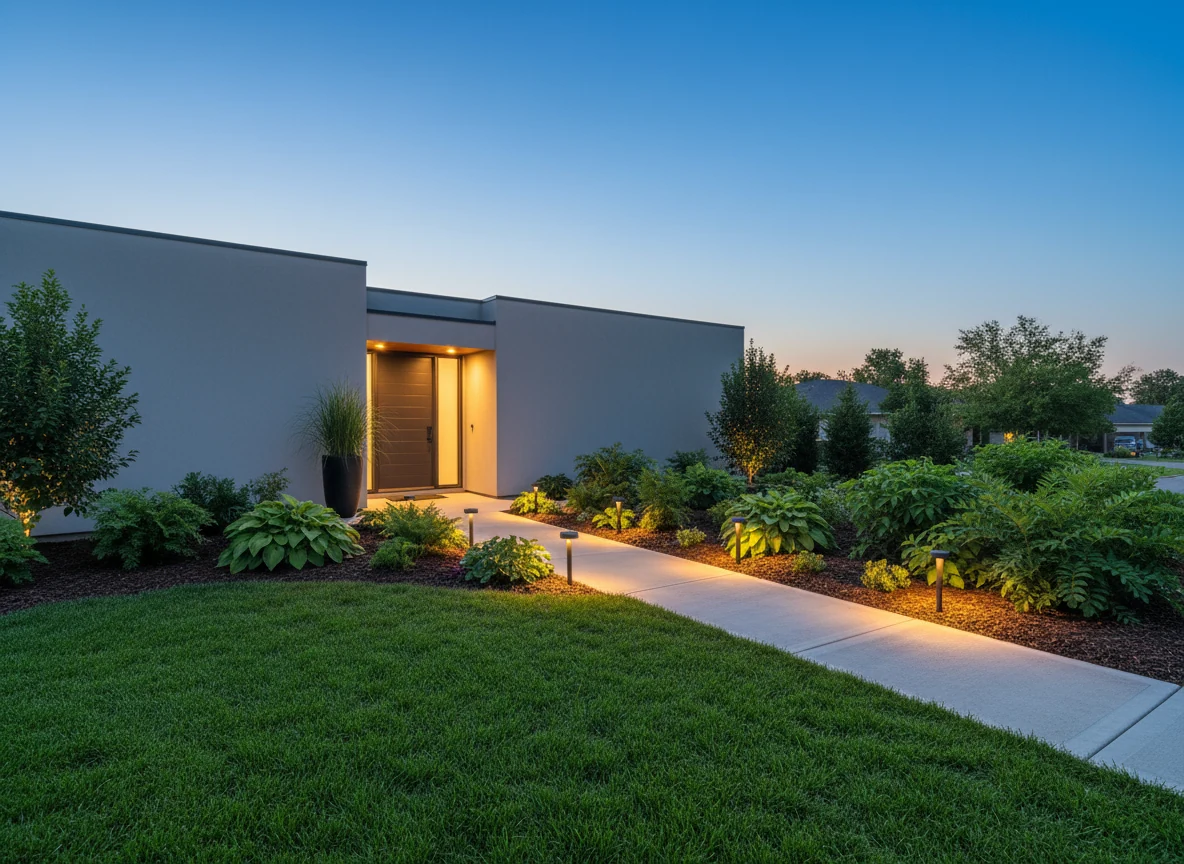
You want front yard wow without a painful credit card statement? Good news: you can transform that patch of grass and scraggly shrubs for under $300. We’ll focus on simple wins that deliver big curb appeal, fast. Grab a weekend, a few budget-friendly supplies, and let’s make your neighbors wonder who moved in.
Map the Mission: Aim for Maximum Curb Appeal
You don’t need a full redesign. You need a precise plan that hits the biggest visual upgrades first. Think clean lines, fresh textures, and color where your eye naturally lands.
Know Your Yard
Check sun and shade patterns, soil quality, and irrigation. Note the view from the street and your front door. Prioritize the spots your eyes jump to first, like the walkway, entry bed, and mailbox.
Budget Like a Boss
Split your $300 strategically:
- Mulch and edging (40–50%) for instant polish
- Plants (30–40%) for sustained color and structure
- Lighting and decor (10–20%) for evening drama and personality
Skip big-ticket items. Land small, high-impact moves. Small choices stack into big change.
Easy Wins: Clean, Edge, Mulch
You’ll get the fastest transformation with elbow grease. Clean everything, define your lines, and top the soil with fresh mulch. It feels basic, but it works like magic.
- Clean: Yank weeds, trim hedges, and power wash hard surfaces.
- Edge: Create sharp lawn borders along beds and the walkway.
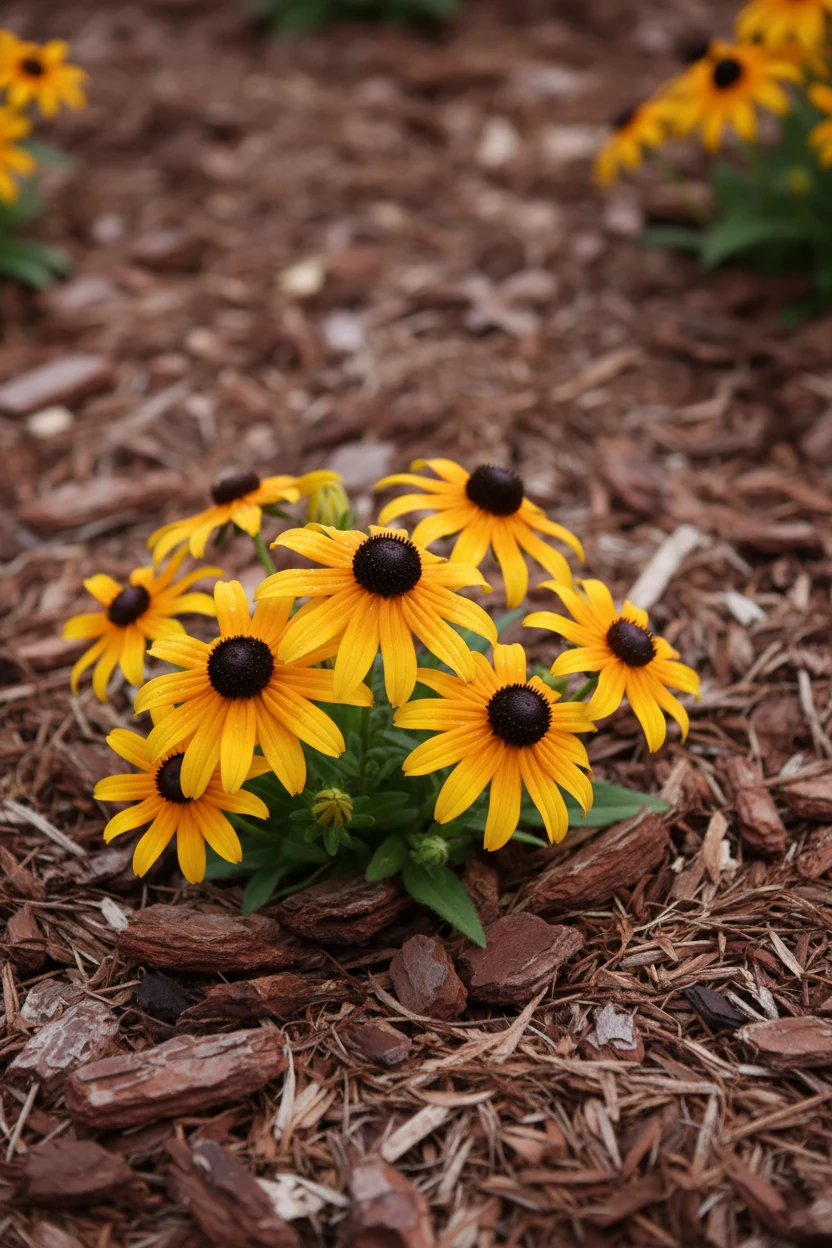
- Mulch: Add 2–3 inches of shredded bark or dyed wood.
Sound like a miracle? It’s just math. Clean lines plus consistent texture equals instant cohesion.
DIY Edging Options
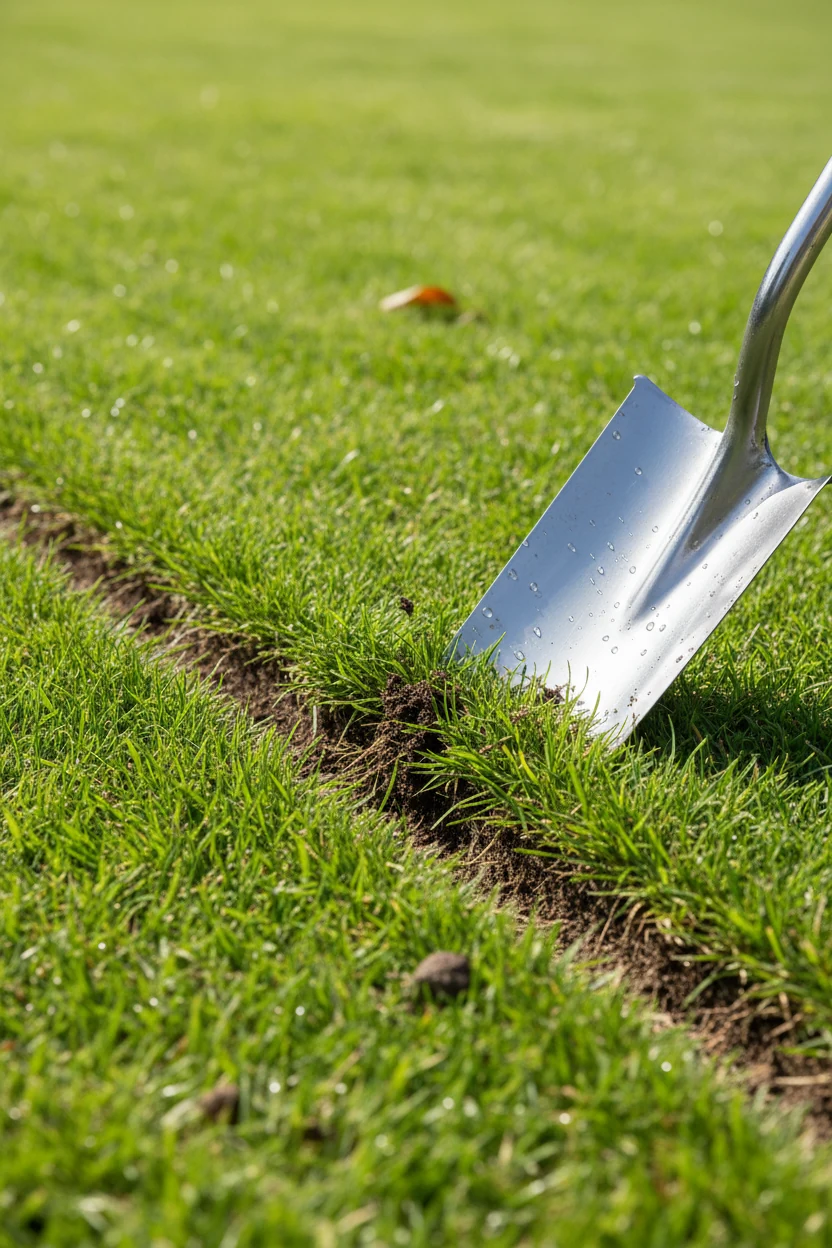
- Natural trench: Cut a crisp V-shaped edge with a spade. Zero cost.
- Plastic edging: Flexible and cheap. Anchor with spikes. Looks tidy.
- Pavers or bricks: Grab budget blocks for borders. Straight runs keep it affordable.
Skip fancy curves. Straight edges read modern and cost less.
Mulch Math
One yard of mulch covers roughly 100 square feet at three inches. Buy bagged mulch when the hardware store runs “5 for $10.” FYI, many cities offer free mulch or compost—check your local program. Fresh mulch hides flaws and makes cheap plants look expensive.
Plant Smart: Low-Cost, Low-Maintenance Heroes
Plants can blow your budget fast if you chase instant impact. Go small, plant densely, and choose tough varieties that grow into the space.
Perennials That Hustle
These workhorse plants handle heat, come back every year, and bloom reliably:
- Black-eyed Susan (Rudbeckia): Sunny yellow, long bloom season.
- Coreopsis: Cheery flowers, low water, spreads politely.
- Salvia: Purple spikes, bees love it, tough as nails.
- Sedum (Autumn Joy): Succulent leaves, fall blooms, drought tolerant.
- Daylily: Bombproof and forgiving, tons of color options.
- Hosta (for shade): Looks lush, plays well with ferns and mulch.
Buy quart-size or 1-gallon containers for value. Smaller plants establish faster and cost less.
Grasses and Small Shrubs
Add structure with ornamental grasses and compact shrubs:
- Blue fescue: Soft blue mounds, neat edging companion.
- Dwarf fountain grass: Breezy movement, great texture.
- Boxwood ‘Baby Gem’ or ‘Green Velvet’: Small evergreen anchor, easy to shape.
- Spirea (dwarf varieties): Spring pop of flowers, low maintenance.
Layer tall plants in back, mid-height in the middle, and low plants up front. Plant in groups of 3 or 5 for impact. One of each looks random; clusters read intentional.
Paths, Borders, and Simple Focal Points
You can upgrade your entry without pouring concrete or hiring a crew. Tighten up your path, define borders, and add one small focal piece.
Thrifty Hardscape Hacks
- Stepping stones: Lay budget pavers or flagstone “cookies” along worn grass routes.
- Pea gravel bands: Edge the walkway with a 6–8 inch gravel strip for contrast.
- Mailbox refresh: Paint the post, add a tiny bed with mulch and two perennials.
- House numbers upgrade: Mount modern numbers on a stained wood plank. Instant style.
Keep it unified. Repeat materials (mulch, gravel, wood) so the yard feels cohesive.
DIY Focal Points Under $40
- Stacked birdbath: Upside-down terra cotta pot + large saucer + sealant = classy.
- Painted planter: Spray paint an old urn matte black for instant elegance.
- Mini obelisk or trellis: Support for a single vine and a touch of height.
You don’t need a statue of David out there. A tasteful, modest focal point anchors the space.
Color That Doesn’t Blow the Budget
You want long-season color without pricey annuals? Mix perennials with a few annual highlights and bulbs for spring.
Container “Recipes” Under $25
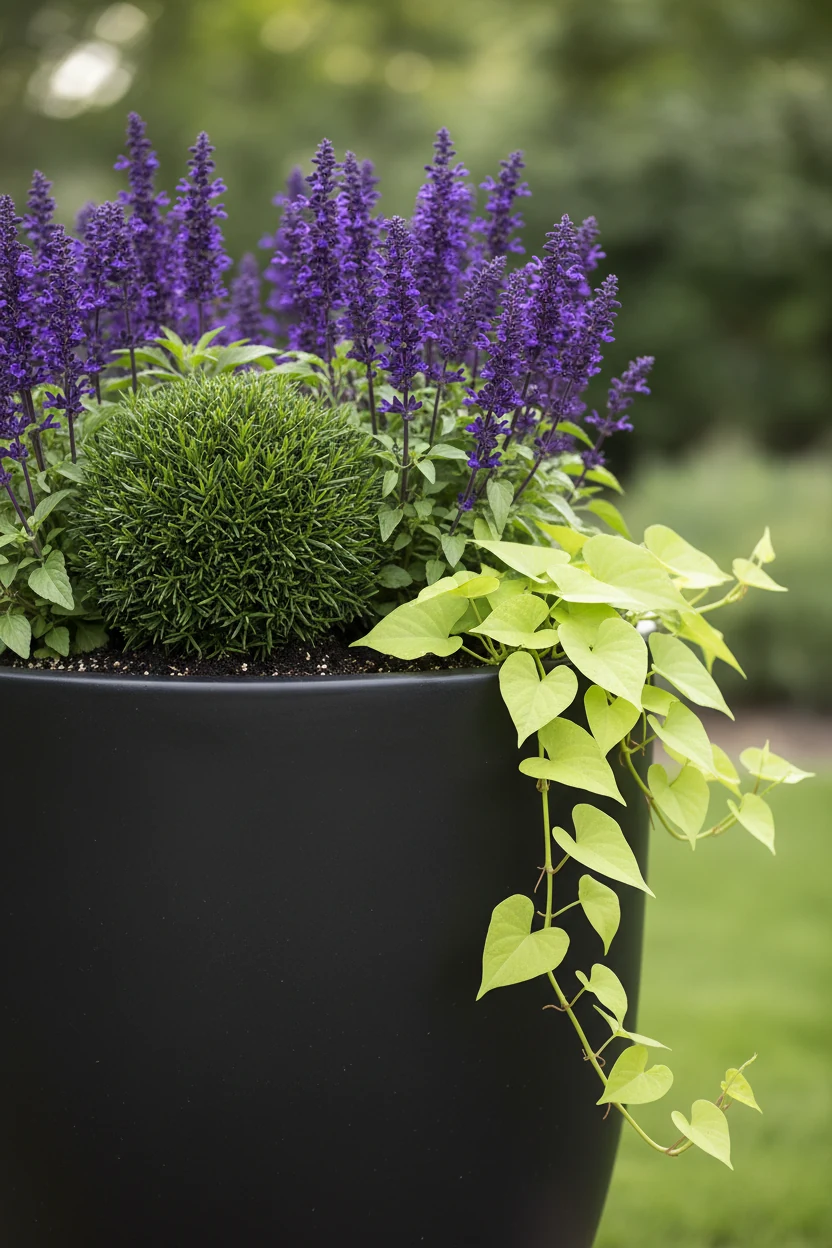
Use one statement planter near the door. Try these combos:
- Sunny Mix: 1 dwarf grass + 2 salvia + 2 trailing sweet potato vine (chartreuse).
- Shade Mix: 1 hosta + 2 impatiens + 1 trailing ivy.
- Pollinator Pop: 1 lavender + 2 coreopsis + 1 trailing verbena.
Go monochrome for sophistication or rock complementary colors for punch. Repeat the same combo in two pots for symmetry and drama.
Cheap Seasonal Boosts
- Spring: Plant bulbs (daffodil, tulip) in fall. They cost little and deliver big early color.
- Summer: Seed zinnias or cosmos directly into beds for cheap flower power.
- Fall: Add mums and swap in a fresh doormat for instant refresh.
IMO, one high-impact planter beats five random pots any day.
Lighting and Small Decor That Looks Pricey
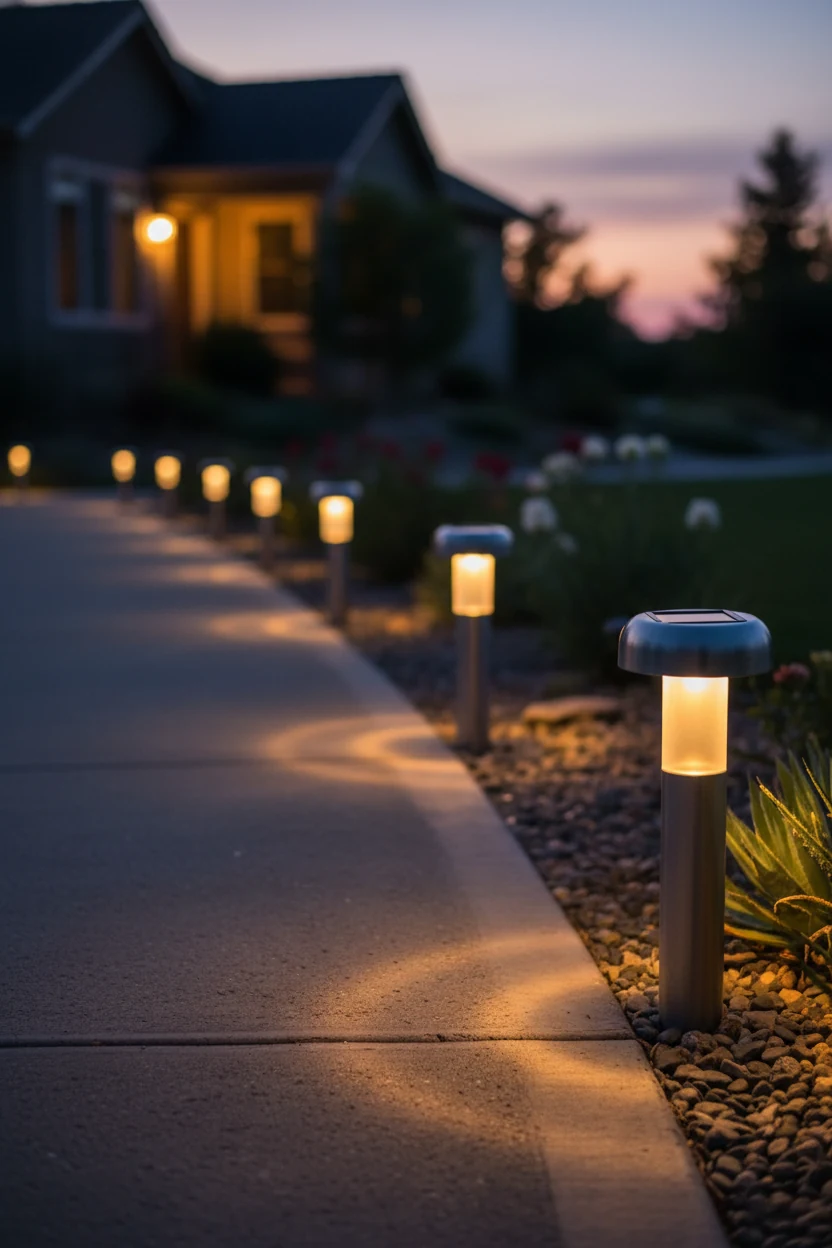
Your yard shouldn’t disappear after sunset. Add a few solar lights and accent touches for a big vibe increase.
Lighting Basics on a Budget
- Solar path lights: Install 6–8 lights along one edge of the walkway.
- Solar spotlights: Aim two at your focal point or a nice shrub.
- Warm temperature (2700–3000K): Keep the glow cozy, not hospital bright.
Place lights where people walk and where your eye lands. Harsh, evenly spaced runway lights scream airport; staggered lights whisper boutique hotel.
Micro-Decor Moves
- New doormat: Simple, bold, no “Live Laugh Love” nonsense.
- Door hardware refresh: Matte black or brass for modern polish.
- Window box: One under a street-facing window brings instant charm.
IMO, solar lighting offers the best ROI after fresh mulch. It makes everything look intentional.
Watering, Maintenance, and Money-Saving Tricks
Don’t let your new plants flame out after week two. Set a simple routine and stretch every dollar.
Easy Care Routine
- Water deeply: 1–2 times per week, early morning. Skip daily sips.
- Mulch top-up: Refresh thin spots twice a year to lock moisture.
- Trim monthly: Snip back spent blooms and shape shrubs lightly.
Plants respond fast when you water properly. Strong roots mean less drama in August.
Money-Saving Checklist
- Use coupons and seasonal sales: Spring sales crush prices; fall plantings often cost less.
- Split perennials: Divide clumps and fill new spots for free.
- Join local plant swaps: Trade extras for variety. FYI, Facebook groups brim with freebies.
- Borrow tools: Ask neighbors for an edger or trimmer for the weekend.
Rally your community. Most people love to lend gear and trade plants. You’ll save cash and meet a few lawn nerds.
Sample $300 Budget Breakdown
- Mulch: $60 (12 bags, on sale)
- Edging: $45 (plastic edging + spikes)
- Plants: $110 (8–10 perennials + 2 dwarf grasses)
- Lighting: $55 (8 solar path lights + 2 spotlights)
- Decor/focal point: $30 (terra cotta planter + spray paint)
Total: $300. Swap in free mulch or plant swaps and drop that to $250 fast.
FAQ
Can I really redo a front yard for under $300?
Yes. Focus on high-impact basics: clean, edge, mulch, and plant in clusters. Add one focal piece and a few solar lights. Skip big hardscape upgrades and fancy tools. You’ll see a dramatic difference without touching your savings account.
What low-maintenance plants work best for most front yards?
Choose tough perennials: coreopsis, salvia, sedum, black-eyed Susan, daylilies, and hostas for shade. Add compact grasses like blue fescue or dwarf fountain grass. These plants handle heat, bounce back after forgetful watering, and deliver color for years.
How do I edge a lawn without expensive tools?
Grab a flat spade. Cut a crisp V-shaped trench along the border. Pack the soil on the bed side, then line the edge with mulch for contrast. If you want extra hold, install cheap plastic edging and anchor it with spikes. Clean lines beat fancy materials every time.
Should I use mulch or rock?
Mulch costs less up front and helps plants thrive by locking moisture and feeding soil. Rock lasts longer but heats the soil and often raises maintenance. IMO, mulch wins for most front yards unless you design a specific xeric, modern look with rock accents.
How do I keep color going all year?
Mix evergreen structure (boxwood, dwarf conifers) with perennials that bloom in waves. Plant bulbs for spring, seed easy annuals for summer, and refresh with mums in fall. Add one focal container near the door and swap seasonal plants when you want a quick mood boost.
Is painting the front door worth doing on this budget?
Absolutely. A quart of exterior paint costs little and transforms the entry. Choose a saturated color that complements your house (navy, deep green, bold red) and update the hardware. Your plants and lighting will look 50% better next to a fresh door, no joke.
Conclusion
Curb appeal doesn’t require a contractor or a lottery ticket. Clean, edge, mulch, plant smart, and light the good stuff. Keep choices simple, repeat materials, and aim for a few bold moves instead of many fussy ones. Do that, and your front yard will look way pricier than your receipt—promise.