Your front yard sets the mood before anyone even knocks. It either whispers “welcome” or mutters “move along.” You don’t need a landscape architect or a lottery win to flip that script. You just need a few smart ideas, a free weekend, and maybe some mulch that doesn’t smell like a hamster cage.
Quick Wins You Can Do This Weekend
You want results fast, right? These ideas deliver in a day or two and make your neighbors suspicious in the best way. Grab a shovel, a coffee, and let’s go.
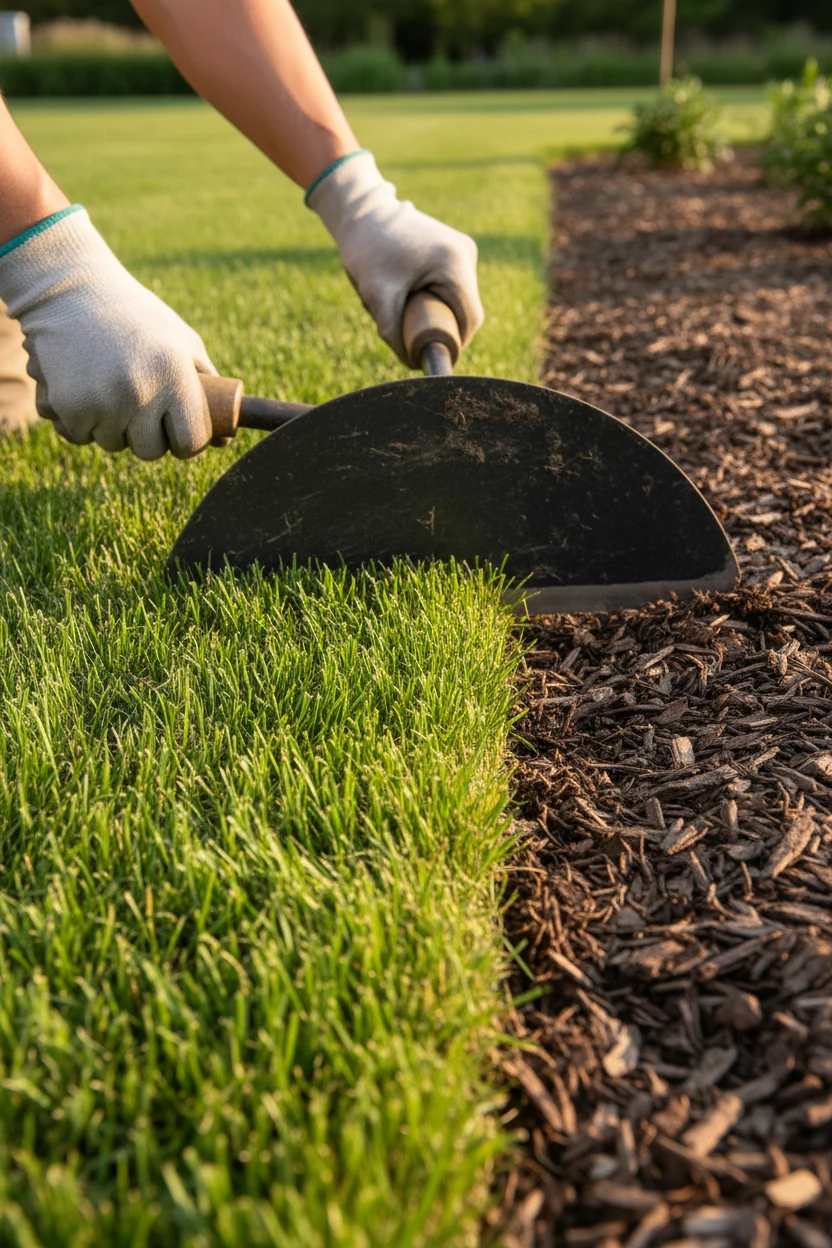
- Define a clean edge. Cut a crisp edge between lawn and beds with a half-moon edger. That sharp line screams “intentional” and costs almost nothing.
- Mulch like you mean it. Spread 2-3 inches of dark mulch in beds for instant contrast. Keep it off trunks and stems so you don’t suffocate your plants.
- Symmetry at the entry. Flank your front door with matching pots or shrubs. Symmetry reads as tidy even when the rest feels chaotic.
- Layered planters. Create a tall-thriller, mid-filler, trailing-spiller combo in two large pots. Go bigger than you think for more impact.
- Paint the front door. Choose a saturated color that fits your home’s vibe. Black, navy, or a cheerful red rarely miss.
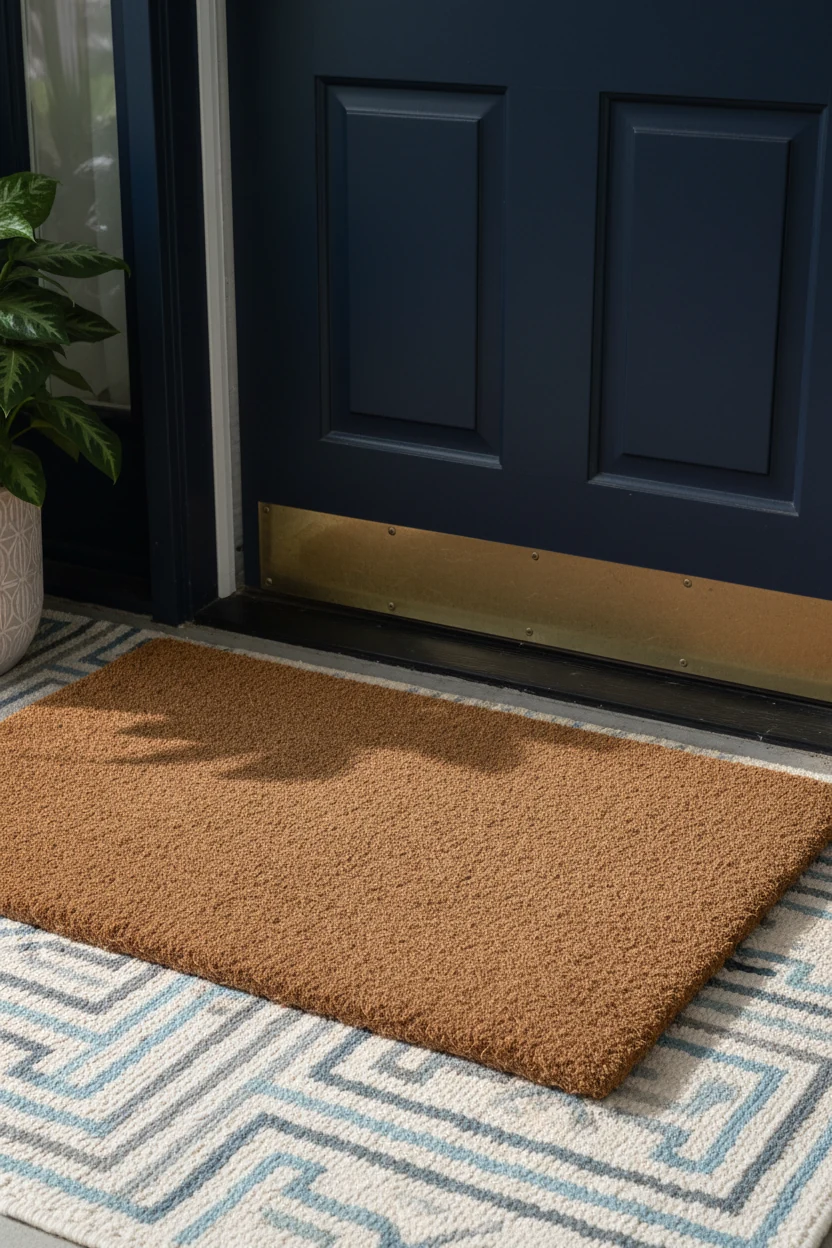
- Upgrade your doormat. Pick an oversized coir mat and layer it with a patterned rug. Tiny mats make the entry feel stingy; go generous.
- Refresh the mailbox. Paint the post, add a small bed with low perennials, and mount new numbers. Suddenly the mail looks VIP.
- Replace tired hardware. New door handle, knocker, and modern house numbers elevate everything. Choose one finish and keep it consistent.
Color Pops That Don’t Clash
Pick one accent color and repeat it at least three times: door, planters, flowers. Your eye loves a pattern. Mix in greens and a neutral like black to keep it classy. FYI, color restraint looks more expensive than a confetti explosion.
The Rule of Thirds for Yards
Think in thirds: one-third lawn, one-third planting, one-third path/porch. Balance beats randomness every time. If your lawn eats the whole front, shrink it with wide beds along the edges for instant structure.
Planting That Packs a Punch
Plants deliver the “wow,” but you need the right cast. Mix evergreen bones, seasonal color, and low-maintenance workhorses. IMO, fewer kinds of plants in larger groups always looks better than a busy collection.
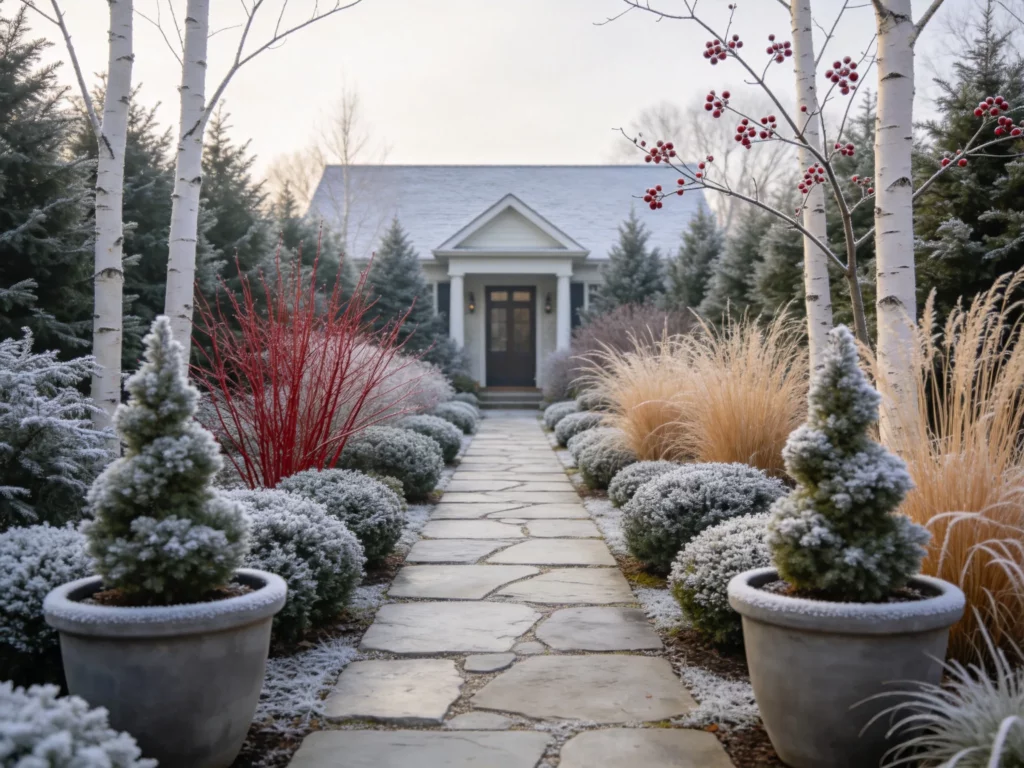
- Evergreen anchors. Plant boxwood, holly, or dwarf conifers near corners and entry. They hold shape and keep the yard interesting all year.
- Four-season layering. Combine spring bulbs, summer perennials, fall grasses, and winter-bark shrubs. You’ll never hit a boring month.
- Contrast textures. Pair fine foliage (ferns, heuchera) with bold leaves (hosta, hydrangea). Texture contrast reads as designer-level.
- Repeat plants for rhythm. Use the same plant every 4-6 feet along a bed. Repetition looks intentional and calms the scene.
- Native plant backbone. Pick natives that love your soil and weather. They sip water, feed pollinators, and shrug at most pests.
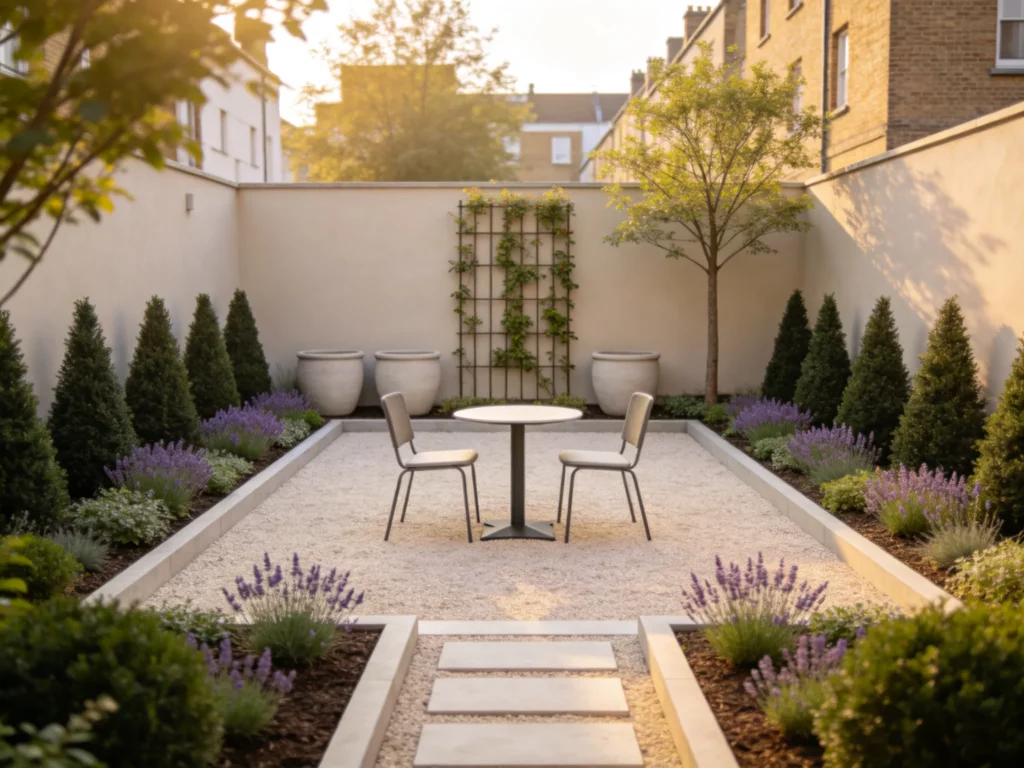
- Hedge your view. Add a low hedge along the sidewalk to frame the yard. Boxwood, inkberry, or lavender define space without blocking it.
- Seasonal window boxes. Dress windows with boxes stuffed with trailing ivy, pansies, or petunias. Keep the mix simple and repeat across windows.
- Statement shrub (or three). A big hydrangea, dwarf crape myrtle, or lilac creates a focal moment. Give it space so it can show off.
Picking the Right Plants for Your Climate
Check your USDA zone and sun exposure first. Full sun means 6+ hours, and shade means less than 3. Match plant tags to your conditions or you’ll babysit forever. Strong plants thrive with less fuss and more “set it and forget it.”
Layering 101: Tall to Small
Back row gets the tallest plants, middle holds medium shrubs, front keeps low mounding plants. Curved beds soften the lines and look more natural. Group in odd numbers for visual rhythm. You copy your favorite park’s strategy, just in miniature.
Paths, Edges, and Hardscape That Look Expensive
Hardscape sets the stage for your plants. Clean lines, generous paths, and a few stone touches elevate everything. You don’t need a quarry—just a plan.
- Widen the front path. Aim for 4 feet minimum so two people walk side by side. Narrow paths feel stingy and awkward.
- Add a gentle curve. Curve the path slightly for a soft, welcoming approach. Keep it subtle; you’re not designing a racetrack.
- Gravel garden strip. Swap a sliver of lawn for gravel with drought-tough plants like sedum and yucca. It gives texture and saves water.
- Stone or steel edging. Install steel or paver edging to keep mulch and lawn in their lanes. Edging means less trimming and a sharper look.
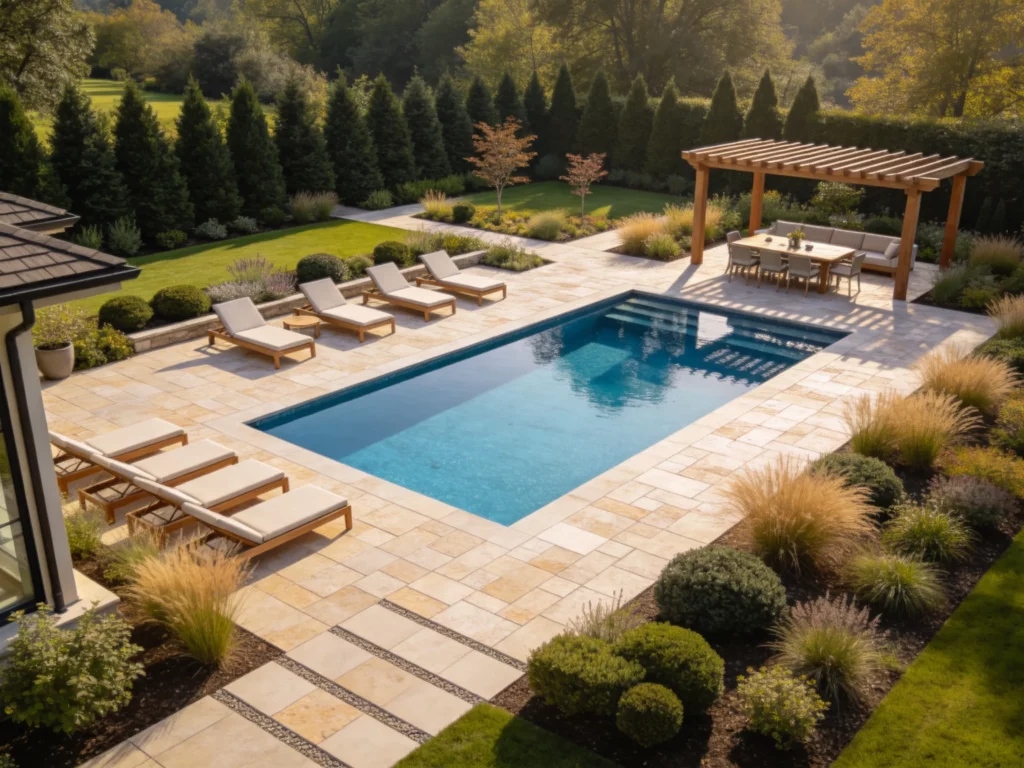
- Front patio or seating pad. Create a small paver or flagstone pad near the porch. A pair of chairs signals hospitality instantly.
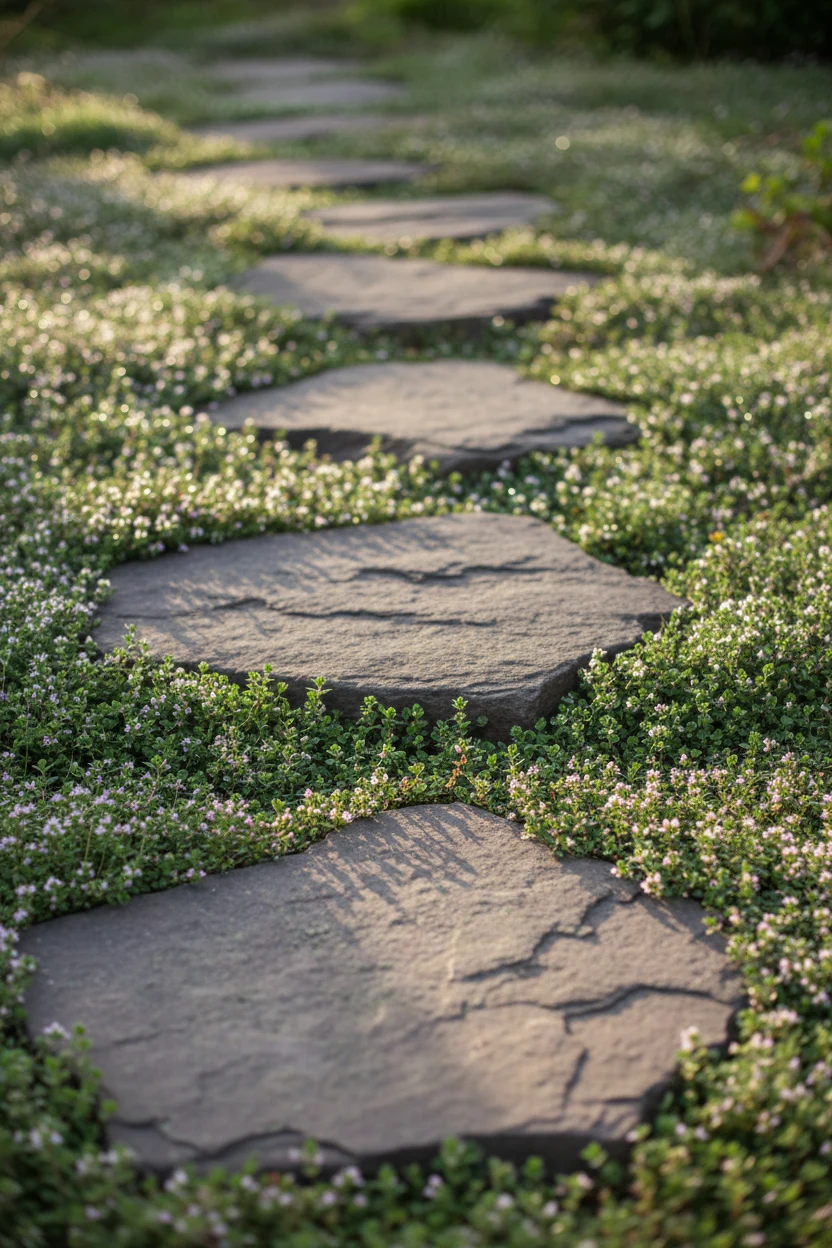
- Stepping-stone side path. Lead from driveway to gate with wide stepping stones. Plant creeping thyme between stones for charm and fragrance.
Materials Cheat Sheet
- Pavers: Clean, modern, consistent. Great for paths and small patios.
- Flagstone: Natural, varied, timeless. Use irregular pieces for organic curves.
- Decomposed granite: Budget-friendly, fast to install. Add a stabilizer to reduce tracking.
- Steel edging: Minimal look, crisp lines, easy curves. Paint it black for an invisible edge.
Lighting for Major Nighttime Drama
Good lighting turns your front yard into a mood board at dusk. You want soft layers, not a runway. Aim lights at features, not eyes.
- Path lights with restraint. Place lights on alternate sides of the path, spaced widely. Too many spikes looks like an airport.
- Uplight a tree. Highlight one specimen tree with a warm uplight. It creates depth and drama without glare.
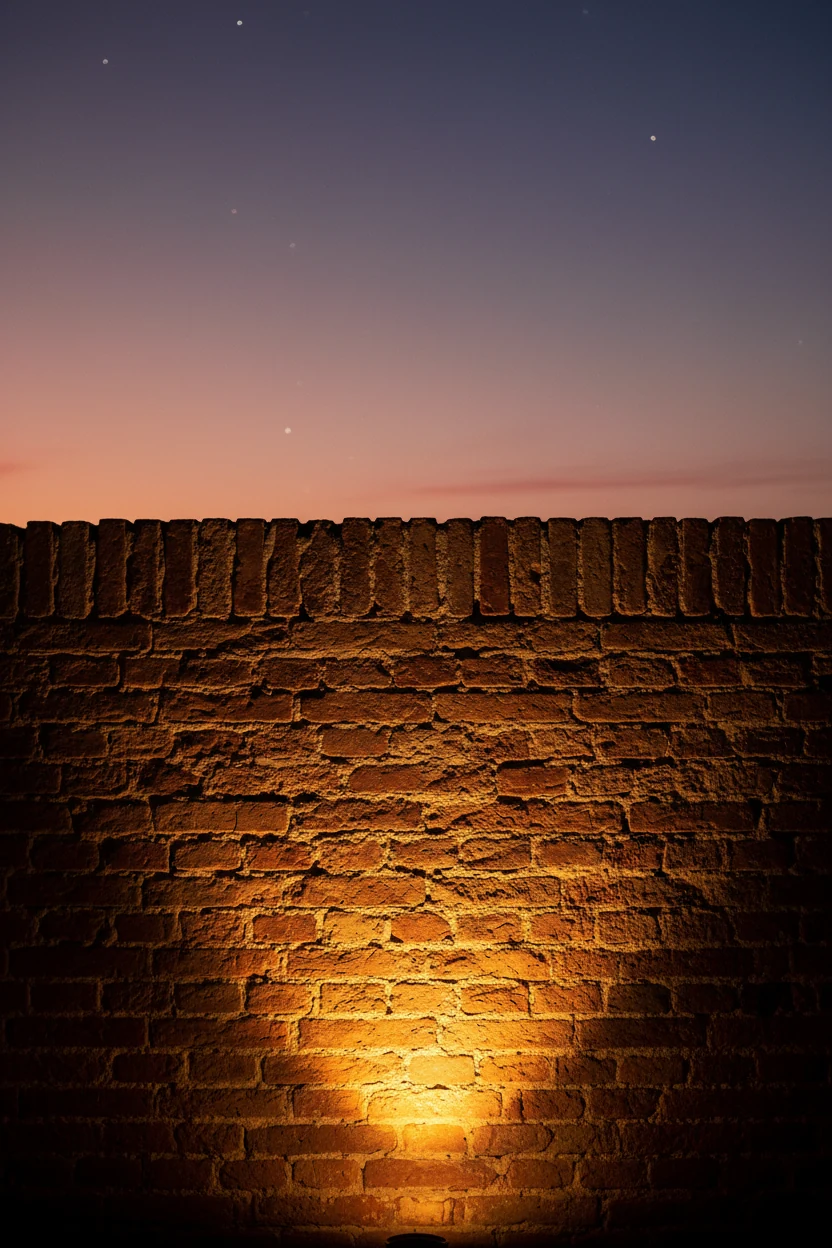
- Wash the facade. Use wall wash lights to graze brick or stone. Texture glows and the house looks expensive.
- Backlight a feature. Tuck a light behind a low shrub or sculpture. Silhouettes feel artsy without trying too hard.
Lighting Placement Tips
Use warm bulbs (2700K–3000K) so your home feels cozy. Hide fixtures and let the light do the talking. Put everything on a timer or smart switch so you never forget to flip them on. And, FYI, avoid solar path lights in deep shade—they struggle hard.
Mailboxes, House Numbers, and Front Door Glow-Ups
Small upgrades carry big visual weight. Focus on the elements people actually notice. Keep a cohesive style and you win the curb appeal game.
- Modern house numbers. Mount oversized metal numbers vertically or on a wood backer. Guests find your place and the facade gets instant polish.
- Mailbox planter combo. Edge the mailbox with dwarf ornamental grasses and seasonal color. It turns a utility into a mini garden moment.
- New porch lighting. Scale matters—bigger fixtures look better on most porches. Match finish to your door hardware for cohesion.
- Bold door + clean trim. Paint the door a statement color and refresh the trim in crisp white or charcoal. The contrast frames the entry perfectly.
Design Cohesion Without Overthinking
Pick a style word—modern, cottage, coastal, or rustic—and filter choices through it. If a choice fights your style word, skip it. Repeat materials and colors two or three times to create a thread. Cohesion beats a random shopping spree every time.
Smart Strategies That Save Time (and Water)
Let your yard look good with less effort. Smart prep and the right tools beat constant fussing. Your future weekends will thank you.
- Drip irrigation lines. Bury or tuck drip lines under mulch to target roots, not air. Plants drink better, and you waste less water.
- Automatic timers. Set it once, adjust seasonally, and keep everything consistent. Overwatering kills more plants than drought.
- Weed-suppressing layers. Lay down 2-3 inches of mulch after a good weeding session. Fewer weeds equals more sanity.
- Right plant, right place. Sun lovers in sun, shade lovers in shade. This simple rule cuts maintenance in half, easy.
Common Mistakes to Avoid
- Mini plants, giant yard: Go bigger and buy fewer. Tiny plants get lost and take forever to fill in.
- Spotty, random color: Repeat the same color blocks for harmony. Think “cohesive,” not “yard sale.”
- Under-scaled lighting: Choose fewer, stronger fixtures. Glarey pinpricks look cheap.
- Planting too close to the house: Give shrubs their mature width. Your siding will thank you.
30 Ideas, One Game Plan
Great, you collected 30 ideas. Now what? Tie them together with a simple plan you can actually finish. You’ll stack wins and keep the momentum rolling.
Step 1: Clean, Edge, and Mulch
Start with a ruthless cleanup. Edge every bed and path, then mulch. This step gives you an instant baseline upgrade.
Step 2: Build the Bones
Place evergreens at the corners and along the entry. Rework the path if it feels cramped. Add one seating pad or a bigger stoop if you can swing it.
Step 3: Layer Color and Lighting
Choose a tight plant palette and repeat it. Add warm landscape lighting to the path and one hero tree. Keep fixtures invisible and the effects obvious.
Step 4: Polish the Entry
Paint the door, add matching planters, and upgrade numbers and hardware. You just gave the front a mini-reno without dust. IMO, these finishing touches deliver the highest ROI.
FAQ
How do I choose plants that won’t die on me?
Check your USDA zone and light levels, then shop with a short list. Look for tough, drought-tolerant natives and evergreen structure plants. Read mature size and spacing, and buy fewer larger plants over many tiny ones. Big, healthy plants handle stress and weather swings far better.
What’s the best low-maintenance front yard idea?
Define clean edges, use mostly evergreen plants, and mulch generously. Install drip irrigation on a timer and keep your plant palette tight. A few statement shrubs and a simple color scheme beat flower chaos every time. Less variety equals less care.
How wide should my front path be?
Shoot for at least 4 feet so two people can walk comfortably. If you host a lot, go 5 feet for a luxe feel. Wider paths raise curb appeal and reduce lawn edges you need to trim. Your delivery folks will love you for it.
Do I need landscape lighting if I have a porch light?
Yes, because landscape lighting shapes the whole scene, not just the doorway. Use path lights sparingly, uplight one tree, and wash the facade for texture. Choose warm temperatures (2700K–3000K) and hide the fixtures. Your house will glow instead of glare.
How many different plants should I use in front?
Pick 5–7 varieties and repeat them in groups for cohesion. Your yard will look curated instead of cluttered. Use 2–3 evergreen workhorses, 2–3 perennials for color, and one hero plant. Repetition makes the design feel intentional.
What’s a quick fix if I can only do one thing?
Edge and mulch your beds, then add two large matching planters at the door. That combo delivers instant structure and color. If you have time, swap the doormat and clean the hardware. Small changes stack fast.
Conclusion
Your front yard doesn’t need a complete overhaul to wow. Nail the edges, build some evergreen bones, and layer thoughtful lighting and color. Then add a few polished details at the entry and call it done. Start small this weekend, and your curb appeal will snowball in the best way.