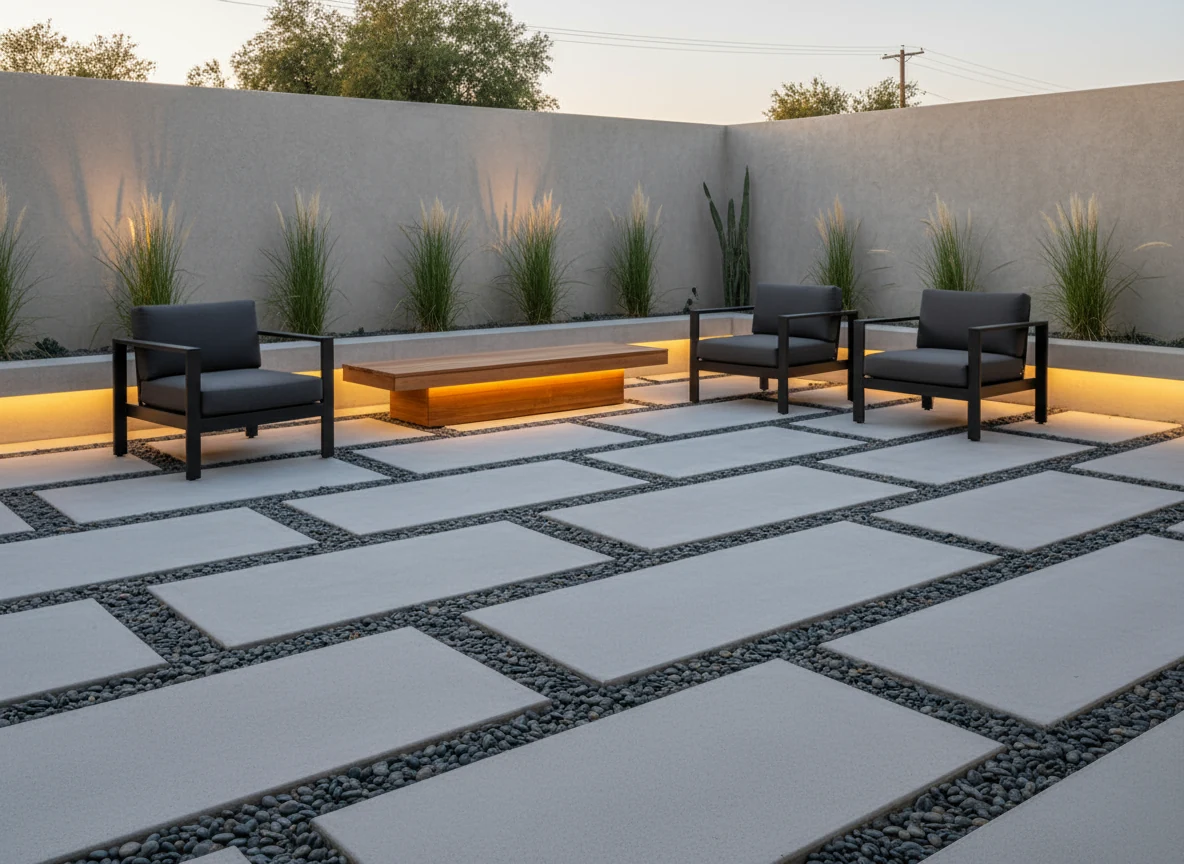
Want a patio that looks like a design magazine but still works for real life? Let’s talk large-format pavers, minimalist layouts, and those gravel gaps everyone keeps saving on Pinterest. These ideas deliver clean lines, low maintenance, and serious curb appeal without screaming for attention. Ready to upgrade your outdoor hangout? Let’s build something you’ll actually love to use.
Why Modern Paver Patios Work
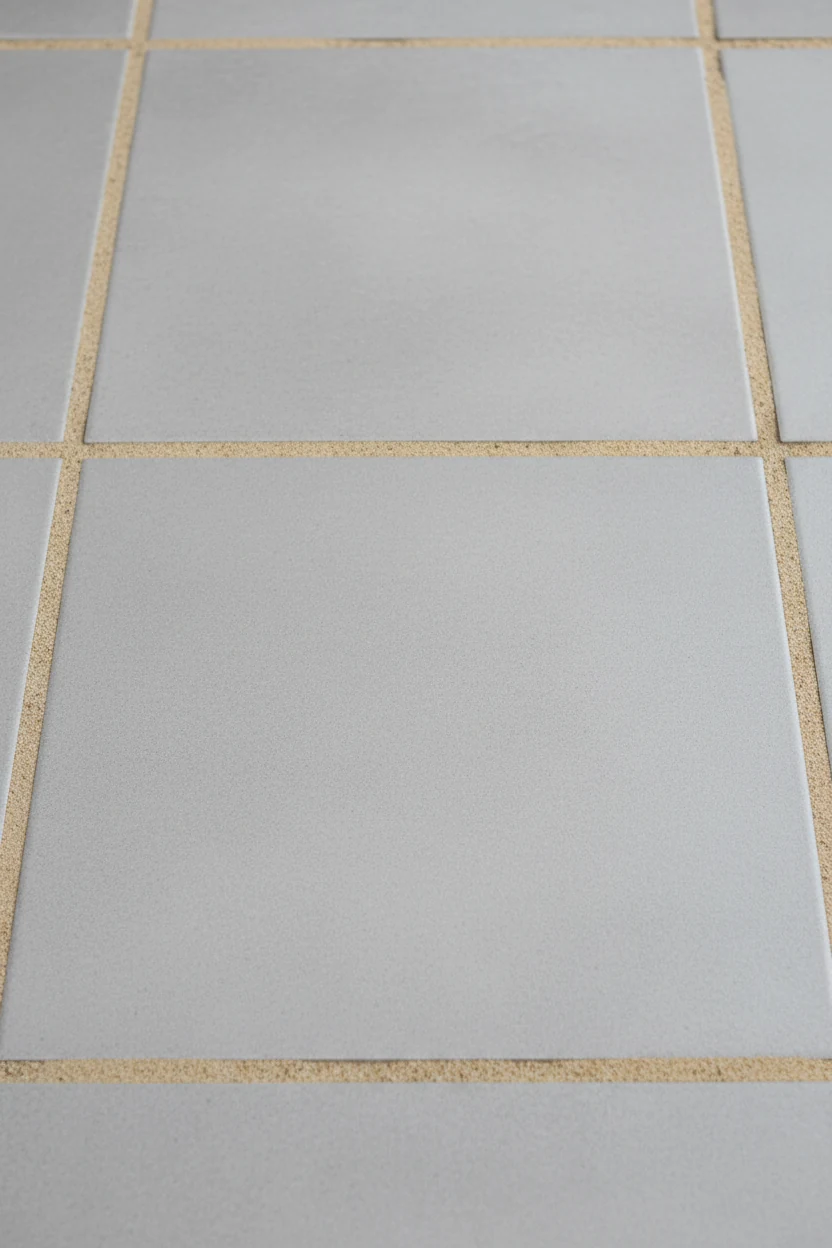
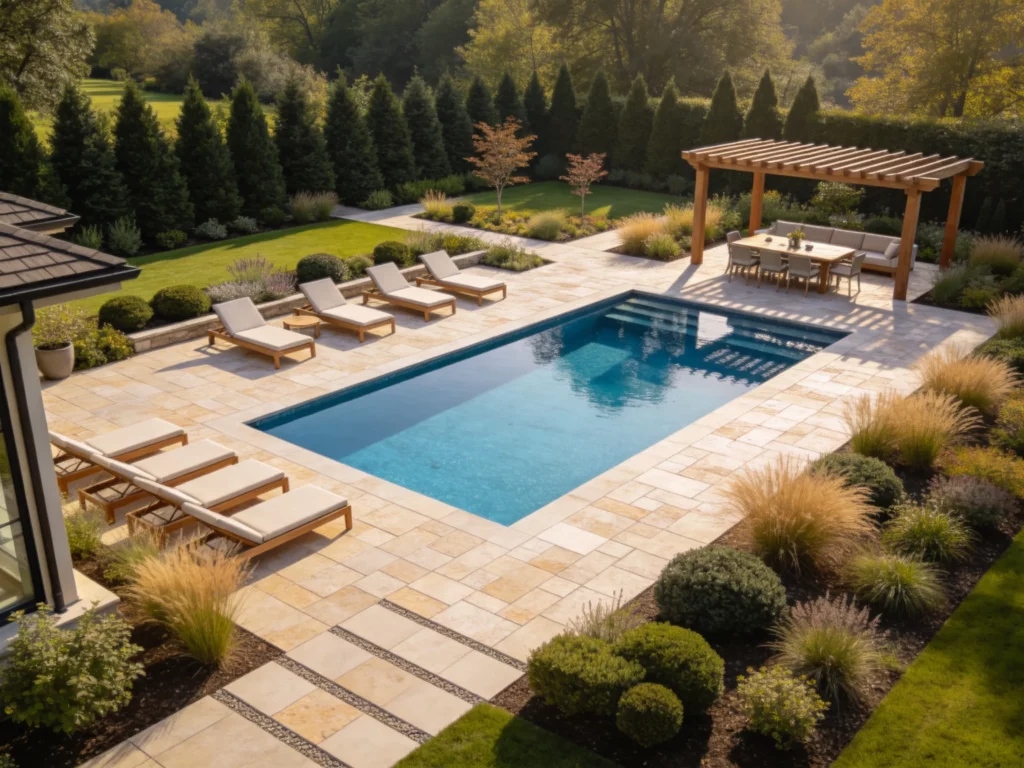
Modern patios focus on calm, clean geometry—straight lines, subtle textures, and materials that don’t boss you around. You get visual simplicity that makes your plants, furniture, and lighting pop. The space feels bigger, smoother, and less “busy.”
Good news: you don’t need a huge budget or a landscape architect on speed dial. You can nail the look with smart choices on size, spacing, and finishes. Plan well, keep it tidy, and pick materials that age gracefully.
Wondering if modern equals cold? Not here. Mix warm gravel, wood accents, and soft lighting with those sleek pavers. You’ll create a vibe that feels welcoming, not sterile.
IMO, the secret sauce lies in restraint. Say “no” to four competing textures and six edge types. Pick two or three consistent elements and repeat them with confidence.
Large-Format Pavers: Calm, Bold, and Seriously Practical
Large-format pavers set the tone fast. They create wide, uninterrupted surfaces with fewer joints and cleaner lines. The look screams “high-end” without the drama or mega maintenance.
They also simplify your layout. You can design a grid, offset pattern, or plank effect with minimal fuss. Think in big moves, not busy patterns.
Size and Scale
Common large-format sizes include 24×24, 24×36, 24×48, and 32×32 inches. Bigger tiles deliver fewer joints and stronger visual flow. Use them in open spaces and keep small pavers for tight corners or accent strips.
Match scale to your yard. You can run 24×48 “planks” in narrow spaces to stretch the eye. In wide areas, square formats anchor the design and help furniture sit cleanly.
Spacing and Joints
For a crisp modern look, keep tight joints with polymeric sand. You lock the surface and stop weeds from crashing the party. Aim for consistent gaps, usually 1/8–3/16 inch.
Love that Euro vibe with micro gaps and flush faces? Make sure the base sits dead level and compact. Perfect prep paves the way for perfect joints, FYI.
Finishes and Colors
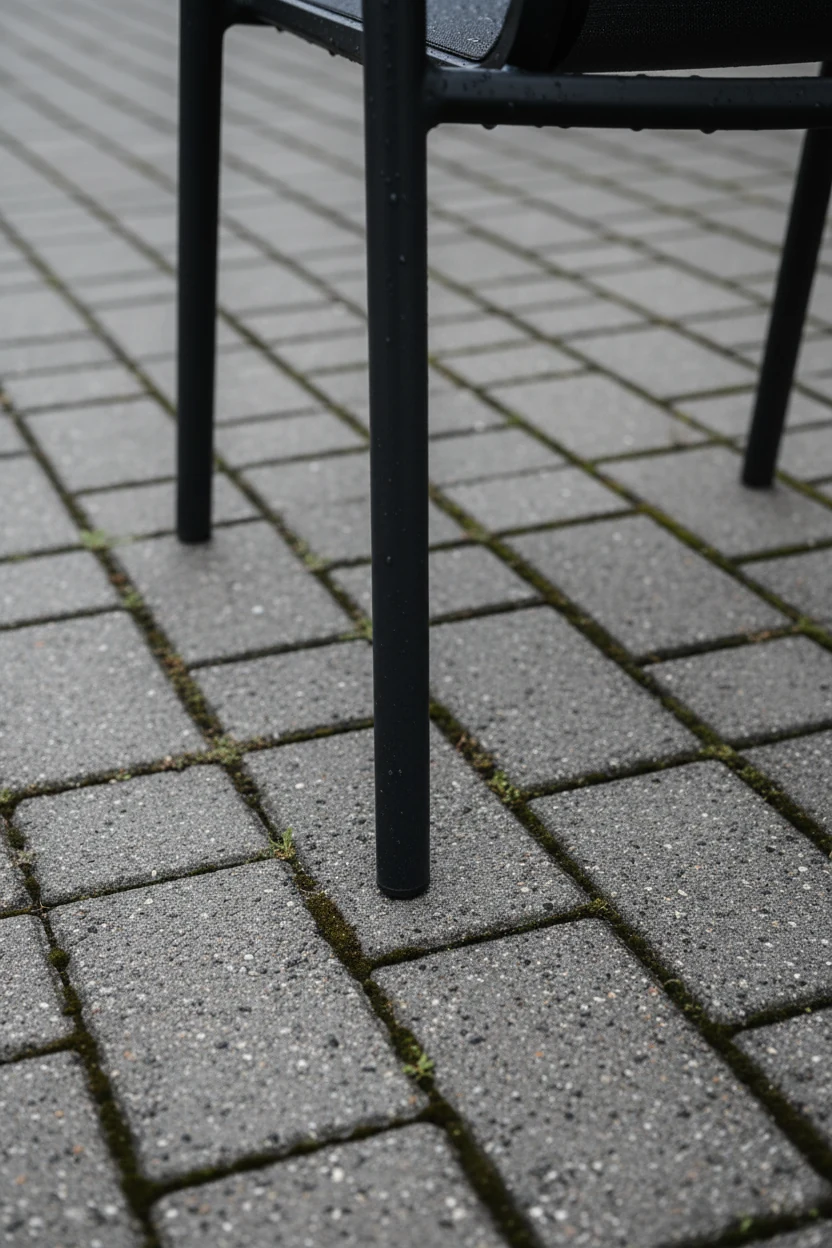
Matte finishes deliver soft, non-glare surfaces that feel grounded. Light gray, warm taupe, and charcoal lead the pack. You can blend tones for visual depth without chaos.
Textured surfaces add traction and hide minor scuffs. You avoid slick tiles in rainy areas. Pick frost-resistant materials for cold climates.
- Why large-format rocks: Fewer lines, faster install, cleaner vibe.
- Best with: Simple furniture, strong lighting, and bold plant shapes.
- Watch out for: Poor base prep, inconsistent joints, and overly glossy tiles.
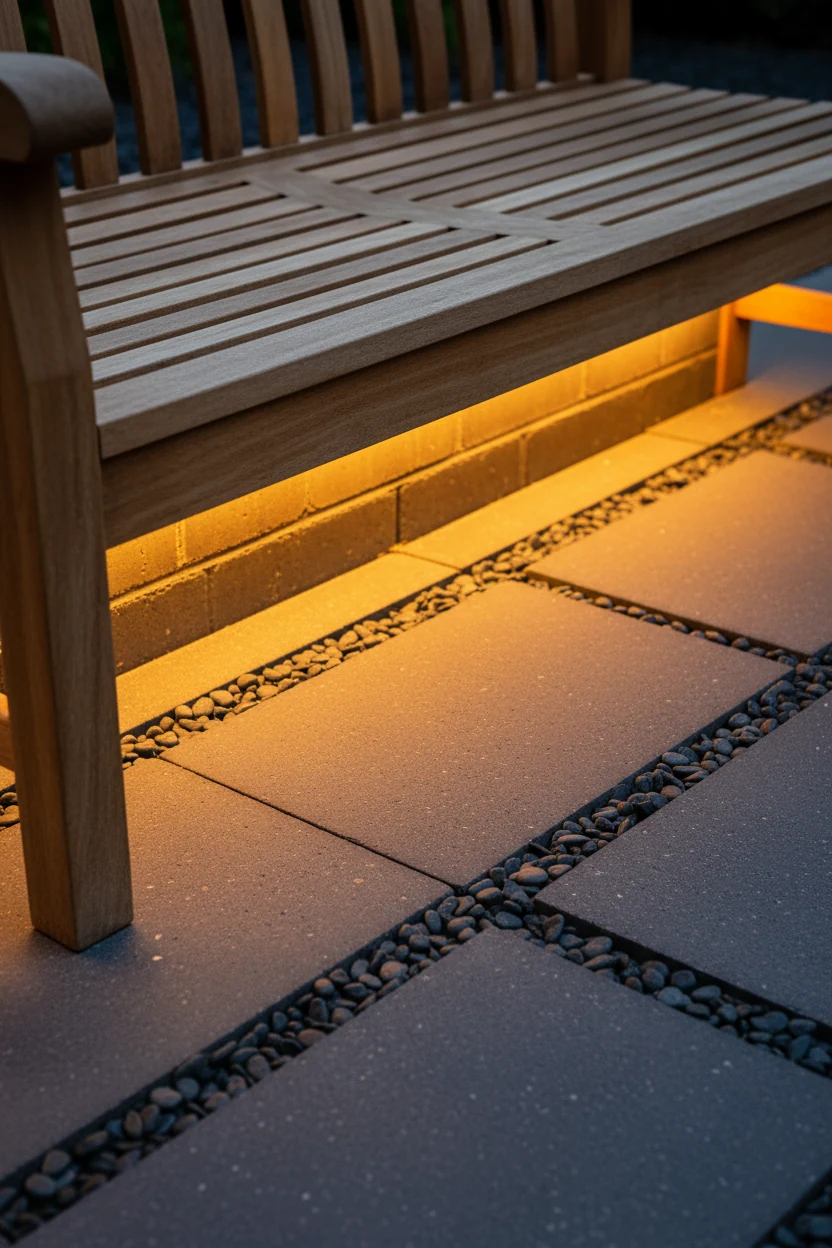
Minimalist Patio Design: Clean Lines, Quiet Drama
Minimal doesn’t mean boring. It means you curate every element and ditch the unnecessary. The space breathes, and you feel calm the second you step outside.
Use a lean color palette and keep edges simple. You create a visual frame that supports your planting and furniture. Repeat materials to reinforce rhythm.
Palette and Materials
Pick two main materials. Concrete or porcelain pavers plus a gravel or wood accent works well. Add a third material only if you need contrast or texture.
Match tones across elements. Gray pavers pair beautifully with black metal and warm cedar. Balance cool surfaces with warm accents to avoid a sterile feel.
Lines and Borders
Run clean edges with metal or flush concrete strips. Skip fussy curves unless your architecture begs for them. Straight lines give structure to outdoor spaces fast.
Border the patio with a simple gravel band or a single row of smaller pavers. You frame the space and make transitions feel intentional. A strong edge controls movement and erosion.
Lighting and Furnishings
Layer low, warm lighting around seating and plants. Up-light a tree, under-glow a bench, and add soft string lights if you want a little romance. Keep fixtures minimal and cohesive.
Choose furniture with clean profiles. Powder-coated metal, teak, and performance fabrics hold up and look sharp. IMO, fewer pieces with better quality beats a full catalog lineup every time.
Gravel Gap Style: Texture, Drainage, and Low-Key Luxury
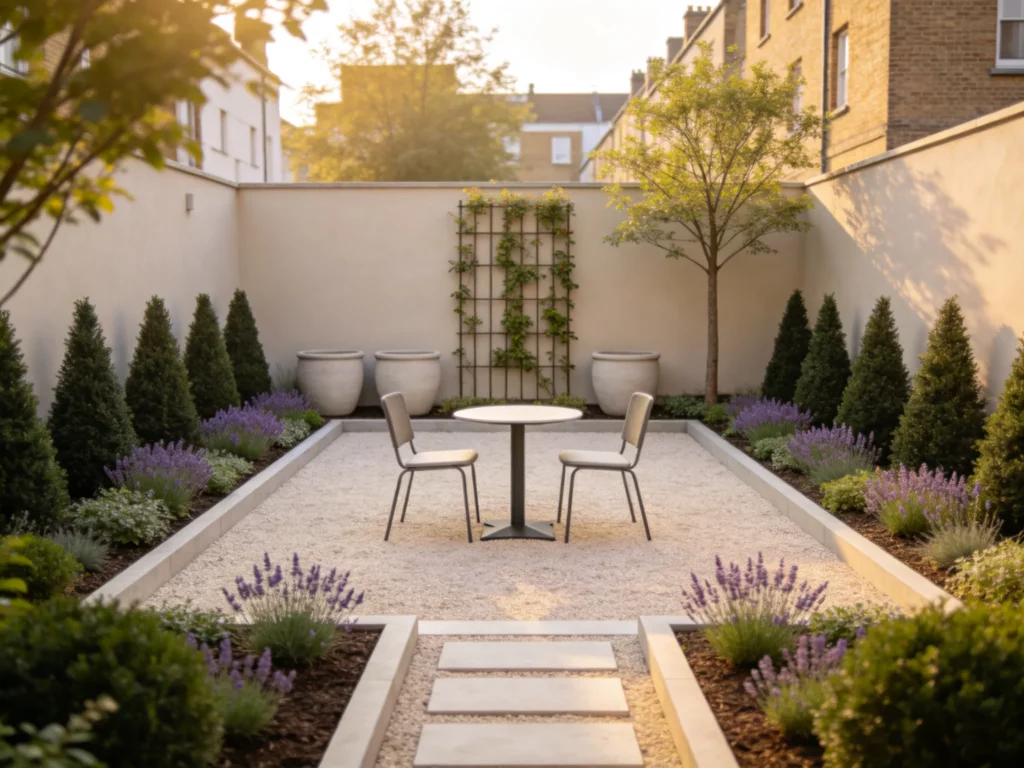
Gravel gaps between pavers create a modern, breathable surface. You get texture, drainage, and a soft crunch underfoot. It feels custom without demanding a custom budget.
This style works beautifully in drought-conscious or permeable designs. The gaps let water soak in instead of pooling. Use it where you need forgiveness and movement.
What to Fill Between Pavers
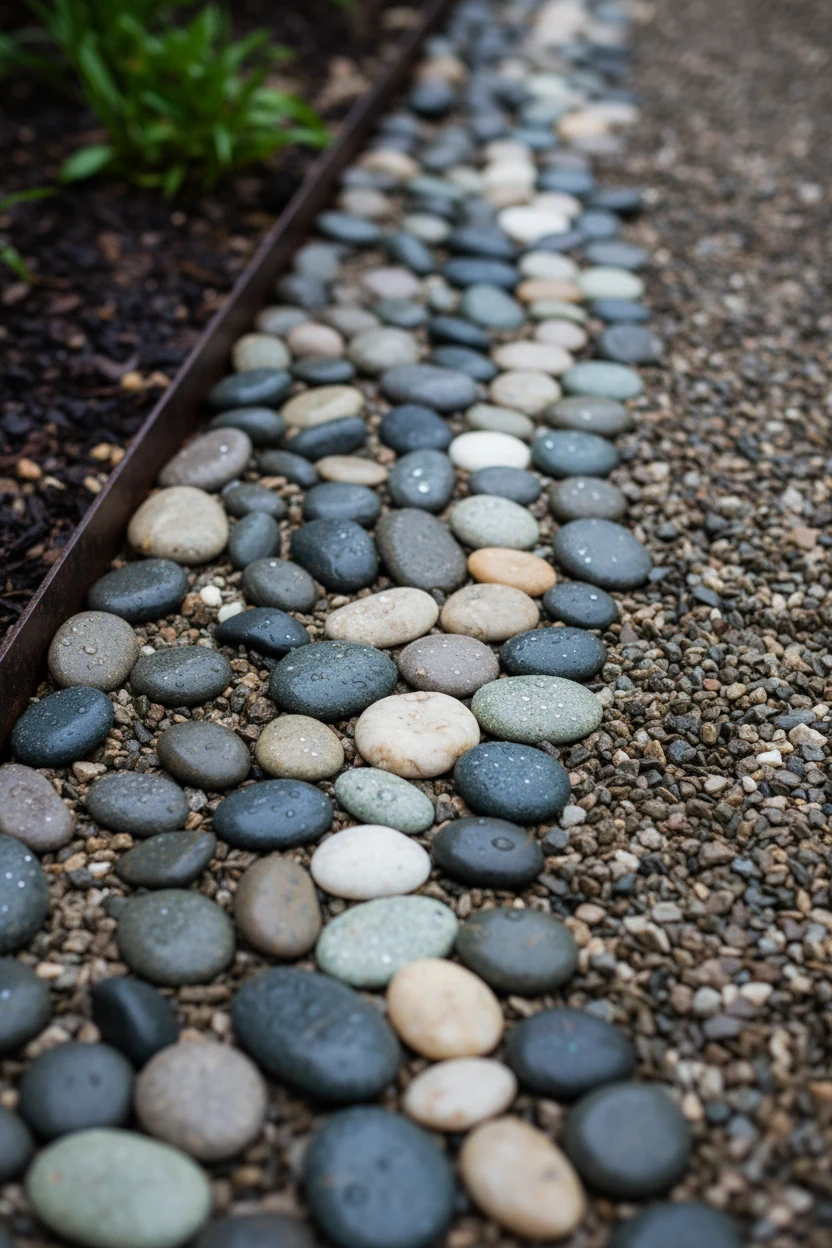
- Mexican beach pebbles: Smooth, chic, and great for contrast.
- 3/8-inch crushed stone: Grippy and stable, perfect for foot traffic.
- Decomposed granite (DG): Soft texture, compact options available.
- Pea gravel: Classic look, can migrate more without edging.
Use a consistent size and color. You avoid a patchy look and weird crunch variations. Keep the gaps 2–4 inches wide for a balanced vibe.
Weeds and Maintenance
You can beat weeds with a solid base and a high-quality landscape fabric. Pull stray growth early and top off gravel annually. A quick rake resets the surface fast.
Leaf blowers move light gravel, so angle the airflow and don’t go full turbo. Vacuum the gaps if you’re a perfectionist. No judgment—I’ve done it.
Drainage and Permeability
Gravel gaps handle storm water like champs. Water flows through instead of skating across the surface. You reduce puddles and protect against freeze-thaw drama.
Line the gaps with metal or plastic edge restraints if you fight gravel creep. Keep the base compact and stable. Control movement to keep lines crisp.
Layouts, Patterns, and Edge Details That Make It Pop
You can shape the mood with layout choices. Grids feel calm and orderly. Offsets add energy without chaos.
Keep pattern decisions simple. Choose one primary pattern and one accent area at most. The design feels intentional, not busy.
Perfect Grid
Use square pavers for a clean grid. Lay joints straight and consistent across the whole space. You get a gallery-like floor that grounds the patio.
Run furniture parallel to the grid. Align planters and benches with joints. Grid layouts elevate even basic materials.
Running Bond or Offset
Offset pavers by half or a third for a dynamic flow. This pattern works well with rectangular “plank” pavers. It looks modern without shouting.
Use offsets along long sightlines. You draw the eye forward and lengthen the space. Keep joints straight to avoid visual wobble.
Plank and Boardwalk Vibes
Run long pavers in one direction for a minimalist boardwalk look. You can mix widths for subtle rhythm. It plays nicely with architectural lines.
Add a gravel border to soften the edges. The contrast highlights the plank shape. Plank layouts read warm and modern at the same time.
Edge Details That Matter
- Metal edging: Thin, strong, and practically invisible.
- Flush concrete bands: Perfect frame for a clean finish.
- Gravel swale: Soft transition with bonus drainage.
- Step-down reveals: Slight drop for shadow lines and drama.
Pick one edge style and repeat it. Your patio will look custom without the guesswork. FYI: good edges save you from gravel wandering and lawn invasion.
Build Smart: Base, Drainage, and Maintenance
Design sets the mood, but build details keep it solid. You control settling, weeds, and wobble with smart prep. Don’t cut corners here unless you love rework.
Use a compact base, a level bedding layer, and strong edging. You set the pavers once and keep them put. Good prep makes everything else easy.
Base Layers 101
- Excavate 6–8 inches for patios, more for driveways.
- Lay geotextile fabric to stabilize soil and block weeds.
- Add 4–6 inches of compacted crushed stone (Class II base or similar).
- Screed 1 inch of bedding sand or fine gravel.
- Set pavers, check joints, and compact gently with a protective pad.
- Sweep in polymeric sand or fill gravel gaps, then mist to lock it in.
Adjust depth for soil type and freeze-thaw conditions. Clay soil needs more base and better drainage. Compact in thin lifts for maximum stability.
Slope and Drainage
Set a slope of 1–2% away from the house. You move water fast and avoid siding stains. Keep the surface smooth to prevent puddles.
Use permeable joints or gravel gaps when you want infiltration. Add a French drain if you fight heavy runoff. IMO, smart drainage beats big maintenance every time.
Sealing and Care
Seal concrete pavers if you want richer color and easier cleaning. Test a small area first to avoid unwanted sheen. Choose breathable sealers that fit your climate.
Porcelain pavers often skip sealing and still clean easily. Natural stone needs the right sealer for stain resistance. Follow the manufacturer’s recommendations like your patio depends on it—because it does.
Material Choices That Work (and Look Good)
All modern patios don’t use the same material. Pick what fits your budget, climate, and style. Each option brings different strengths.
- Concrete pavers: Affordable, versatile, tons of sizes. Great for large-format grids.
- Porcelain pavers: Sleek, durable, stain-resistant. Perfect for minimal looks.
- Natural stone: Warm, timeless, high character. Use consistent cuts for a modern finish.
- Precast slabs: Big sizes, fast install, clean lines. Check weight and base requirements.
Match color to architecture and landscape. Cool grays suit modern homes and black metal. Warmer neutrals lean friendly and play nice with wood and greenery.
You can mix materials carefully. Run a porcelain field with a stone step or gravel band. Keep transitions simple and intentional.
Planting, Accessories, and “Lived-In” Details
Plants soften geometry and add movement. Choose structural shapes: agaves, grasses, boxwood balls, or low pines. You create contrast without clutter.
Accessorize lightly. Use planters with simple profiles and repeat colors. Group items in threes for balance and rhythm.
Add a fire pit or water feature if your space wants a focal point. Keep forms simple—circular fire, linear rill, or a rectangle basin. Your patio will feel curated instead of crowded.
For comfort, throw down outdoor pillows and a textured rug. Use weatherproof fabrics and clean lines. You can go cozy without breaking the minimalist vibe.
FAQ
How do I choose between tight joints and gravel gaps?
Pick tight joints when you want a super clean, solid surface for dining sets and lounge chairs. You get fewer trip points and easier sweeping. Choose gravel gaps when you want texture, permeability, and a softer vibe.
If you host lots of dinners, go tight. If you want a garden-forward look with forgiving drainage, go gaps. Match the joint style to how you use the space.
What size pavers work best for a small patio?
Use rectangular pavers like 24×36 or 24×48 to stretch the visual length. Run them in one direction to lead the eye. Avoid too many small pieces that chop the space.
You can still use large squares, but mind the scale. Two or three big units often look calmer than twelve little ones. Keep the pattern simple and let the furniture shine.
Do I need to seal my patio?
Seal concrete pavers if you want deeper color and stain protection. Pick a sealer that suits your climate and traffic. Test first to avoid a sheen you don’t want.
Porcelain usually skips sealing and still cleans easily. Natural stone benefits from the right sealer, especially around cooking areas. Seal for performance, not just looks.
Will gravel gaps invite weeds and mess?
Weeds happen, but you can outsmart them. Use geotextile fabric under your gravel and compact the base tightly. Pull small seedlings early and top off gravel annually.
Keep edges contained with metal or plastic restraints. Angle the leaf blower carefully and use a soft rake for resets. Your gaps will stay neat with minimal effort.
What pattern feels the most “modern”?
Grids and plank patterns read the cleanest. Offsets deliver movement without visual noise. Avoid busy mosaics unless you want a feature zone.
Align furniture to the pattern. You reinforce the design and calm the space. Consistency wins the modern game.
Can I DIY a large-format patio?
Yes, if you respect the base and measure obsessively. Compact crushed stone in thin lifts and screed the bedding layer flat. Use spacers for consistent joints and a padded plate compactor.
Recruit a friend for heavy lifting. Dry-fit edges and check slope as you go. FYI: good prep saves you three weekends of “why does this look wavy.”
Conclusion
Large-format, minimal, and gravel gap patios deliver a clean, modern canvas with real-world practicality. You get bold geometry, breathable surfaces, and a style that plays well with plants and furniture. Keep your material choices tight, your lines clean, and your base rock-solid.
Design confidently and edit ruthlessly. Build with care and enjoy the calm you create. Then fire up the grill and invite people over—because great patios deserve great company.