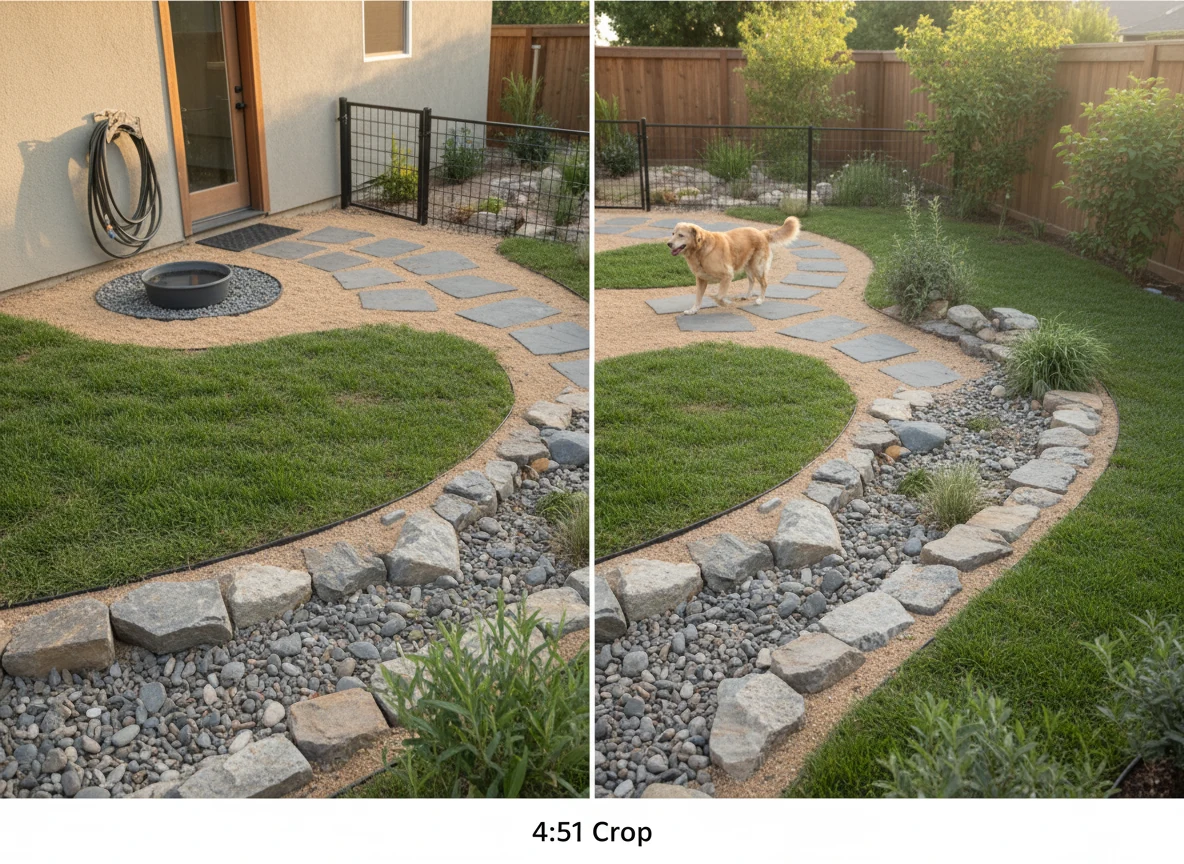
Your dog loves your yard. Your floors, not so much. Muddy paws, streaked hallways, and that permanent “wet dirt” aroma? Hard pass. Let’s fix the swamp and build a yard that stays clean, drains well, and still feels like Disneyland for dogs.
Why Your Yard Turns Into a Mud Pit
Muddy chaos doesn’t happen by accident. You probably see a combo of compacted soil, bad drainage, tons of shade, and one (or more) determined canines doing daily track practice along the fence. Add a downspout that dumps water right where your dog likes to zoom, and bam—instant soup.
Good news: you can tackle mud by fixing three things—surface cover, drainage, and traffic patterns. Solve those, and you save your floors, your sanity, and your dog’s dignity.
Quick Yard Audit Checklist
- Where does water collect? Mark low spots, puddles, and soggy zones.
- Where does your dog run? Watch for ruts along fences and between gates and doors.
- What’s above? Shade from trees prevents drying and kills grass.
- What’s your soil? Clay holds water; sandy soil drains fast; loam sits in the happy middle.
- Where do downspouts discharge? If they dump into the yard, we’ll fix that.
Ground Covers That Survive Zoomies
Grass often taps out first. It wears fast, turns to dirt, and then mud. Instead, choose materials that handle paws, rinse clean, and won’t break the bank.
Soft vs. Hard Surfaces
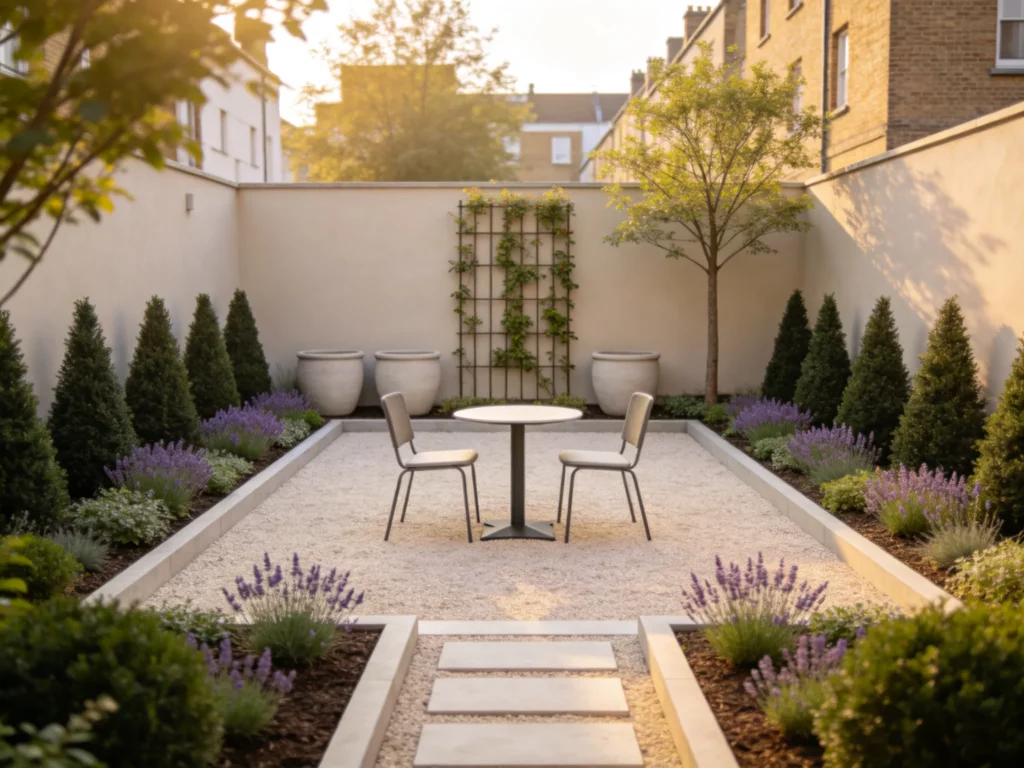
- Pea gravel (3/8-inch rounded): Great drainage, easy to rake, comfortable on paws. Install 3–4 inches deep over compacted base. Can travel a bit, so edge it.
- Decomposed granite (DG): Packs firm, drains well, works under stepping stones. Choose stabilizer if you want fewer paw prints. Avoid high-clay DG in super rainy climates.
- River rock: Looks pretty, but too big and rolly for most pups. Use as edging, not play areas.
- Mulch/wood chips: Soft and cheap. Pick cedar or pine bark, 3–4 inches deep. Skip cocoa mulch (toxic to dogs) and use rubber mulch carefully (some dogs chew it; IMO, not worth it).
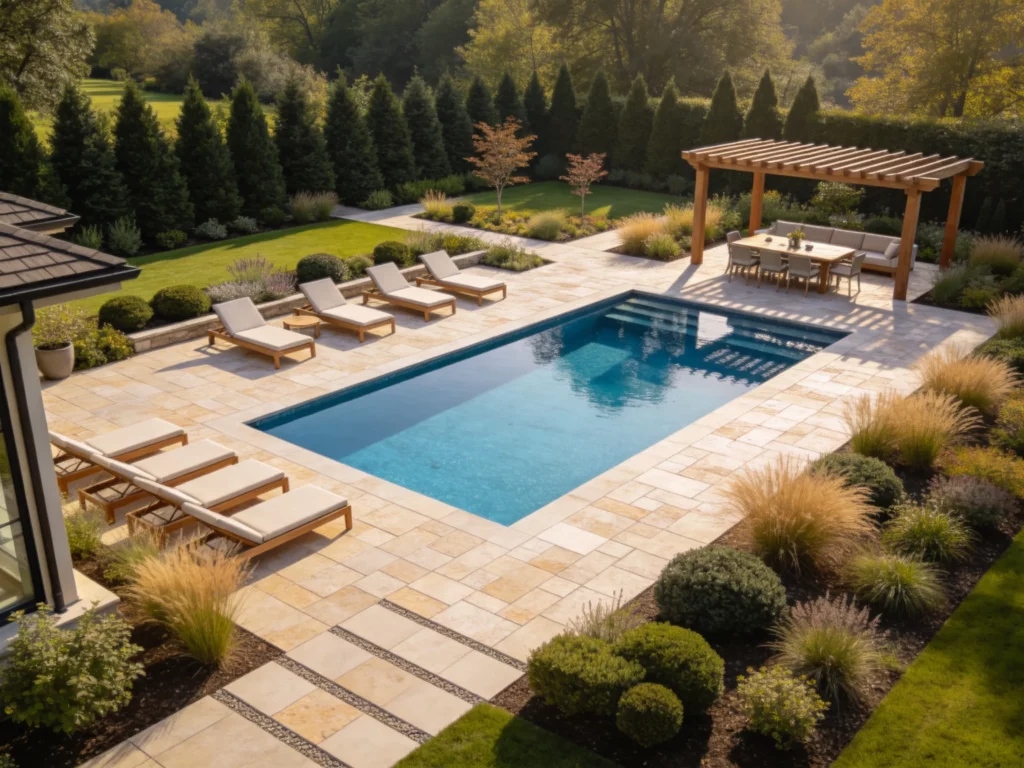
- Pavers/flagstone: Create stable paths. Set with polymeric sand or DG for good drainage. Smooth edges help paws.
Best Low-Maintenance Living Covers
If you want green without the mud, look at tough groundcovers. They won’t hold up like concrete, but they beat regular turf in heavy use zones.
- Microclover: Handles urine better than grass, stays green, needs less mowing. Mix with drought-tolerant grass for durability.
- Kurapia/Lippa (warm climates): Dense, low-growing, drought-tolerant, and tough. Not great in cold winters.
- Creeping thyme: Light foot traffic only, sunny spots, smells amazing. Not for daily zoomies.
- Buffalo grass (warm-season): Durable, low water. Dormant in winter, but no mud if you manage traffic areas.
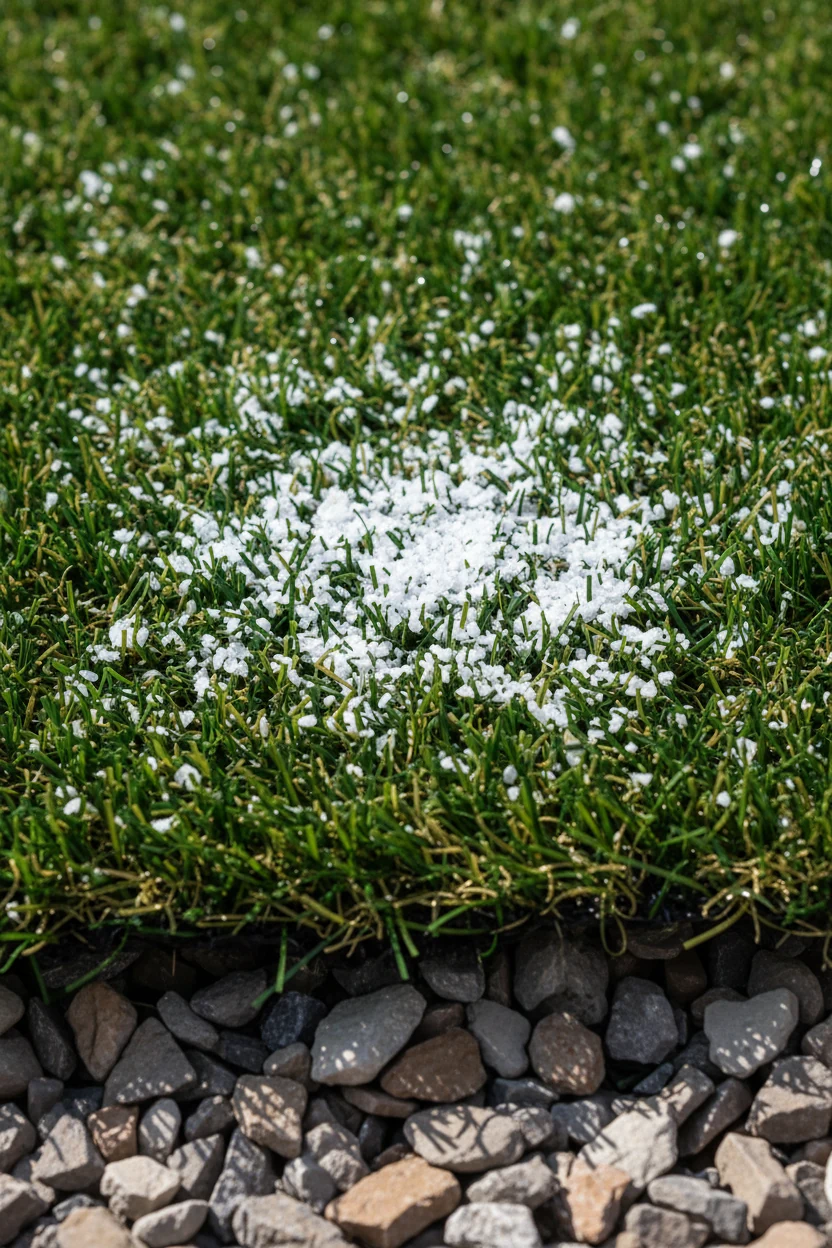
Artificial Turf for Dogs (Done Right)
Artificial turf can work, but you must install it correctly. If you don’t, it traps smells and stays wet. Don’t do that to yourself.
- Base: 4–6 inches of compacted crushed rock (Class II) for drainage.
- Backing: Permeable pet turf specifically designed for drainage.
- Infill: Use antimicrobial infill (zeolite or coated sand) to control odors.
- Cleaning: Hose weekly and enzyme-treat pee zones. Scoop solids daily.
FYI: Turf heats up in summer. Shade it or add cooling stations.
Drainage Fixes That Actually Work
If you only fix the surface, water still pools and mud creeps back. Set up simple drainage pathways that move water away from dog traffic.
Rule of thumb: create a slope of about 2% (1/4 inch per foot) away from the house, patios, and your dog’s main play area.
French Drain Basics
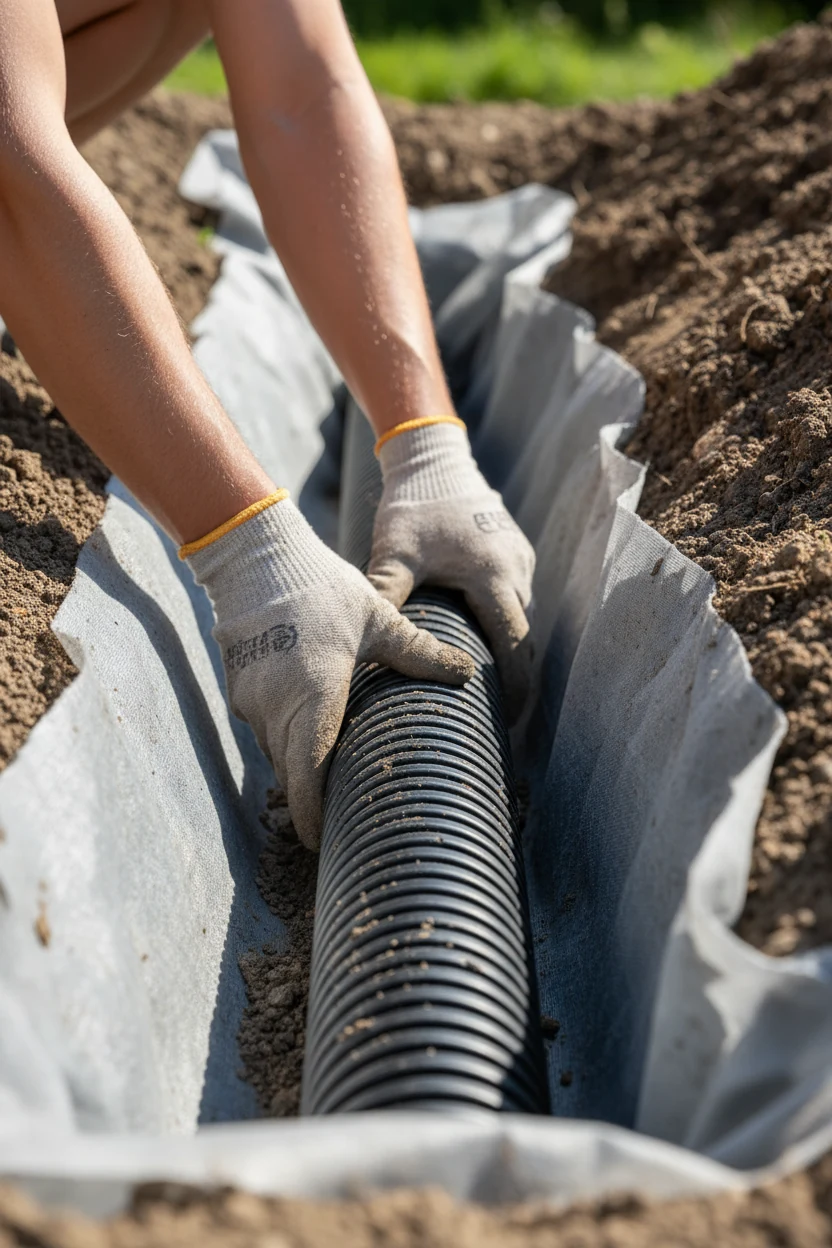
A French drain redirects water below the surface so your yard dries faster.
- Map the low spots and pick an exit point downhill or to a dry well.
- Trench 8–12 inches wide and 18–24 inches deep along the soggy line.
- Line with fabric to keep soil out, then add 2–3 inches of gravel.
- Lay perforated pipe holes down, then cover with gravel to within 2 inches of grade.
- Wrap with fabric and top with DG, gravel, or sod.
It’s not glamorous, but it works. Your mop will thank you.
Fix Your Downspouts Yesterday
Downspouts love to sabotage yards.
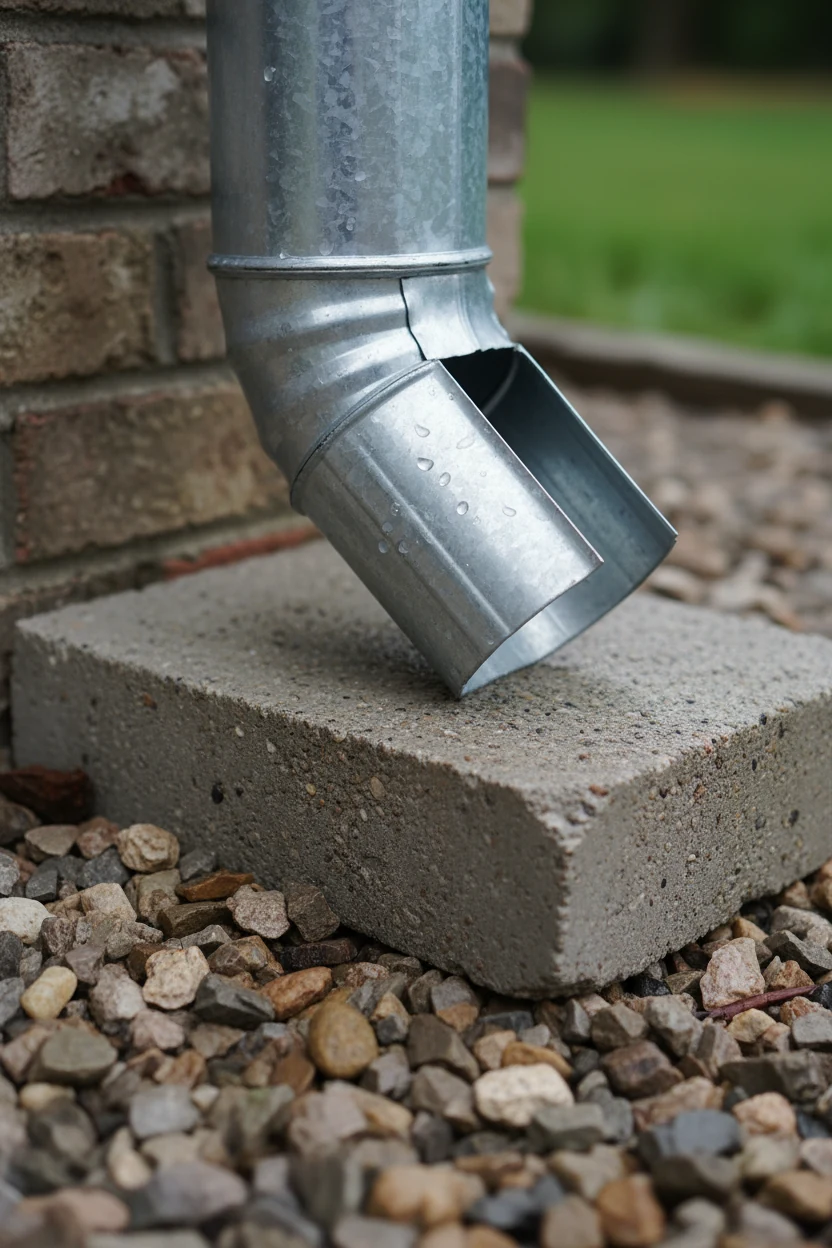
- Extend 6–10 feet with solid pipe to a safe area or dry well.
- Use splash blocks or an underground drain to keep water off paths.
- Add a leaf filter so clogs don’t flood the lawn.
Rain Gardens and Dry Wells
Got a corner that always floods? Turn it into a feature.
- Rain garden: A shallow basin with deep-rooted natives that drink water and reduce runoff.
- Dry well: An underground gravel-filled pit that stores and slowly releases water.
Place these away from paths and dog runs so paws stay clean.
Pathway Ideas That Channel Traffic
Dogs love a route. Give them a designated one that drains well and you cut 80% of the mess.
Paw-Friendly Materials
- Flagstone in DG: Natural look, non-slip, drains well. Keep joints tight with DG or polymeric sand.
- Concrete pavers: Affordable, stable. Choose textured surfaces for grip.
- Stepping pads (large precast slabs): Cheap, easy to place at gates and turns.
- Boardwalk/deck path: Great over chronically wet zones. Use composite or sealed wood, with gaps for drainage.
- Mulch paths: Fast and inexpensive. Replenish yearly. Add edging to keep it tidy.
Layout Tips
- Trace your dog’s current track and formalize it with pavers or DG.
- Widen tight corners so sprinting pups don’t carve ruts.
- Install a “landing pad” of pavers or gravel 6–8 feet outside doors and gates.
- Build a dog run along the fence with pea gravel or DG, 3–4 feet wide, to consolidate traffic.
IMO, one good pathway beats ten muddy shortcuts.
Mud Management at Entrances
You stopped the swamp. Now guard the doors like a cleanliness bouncer.
- Outdoor scraper mat on a firm base. Think heavy-duty rubber with bristles.
- Crushed rock “porch apron” 3–4 feet wide under drip edges to catch splashback.
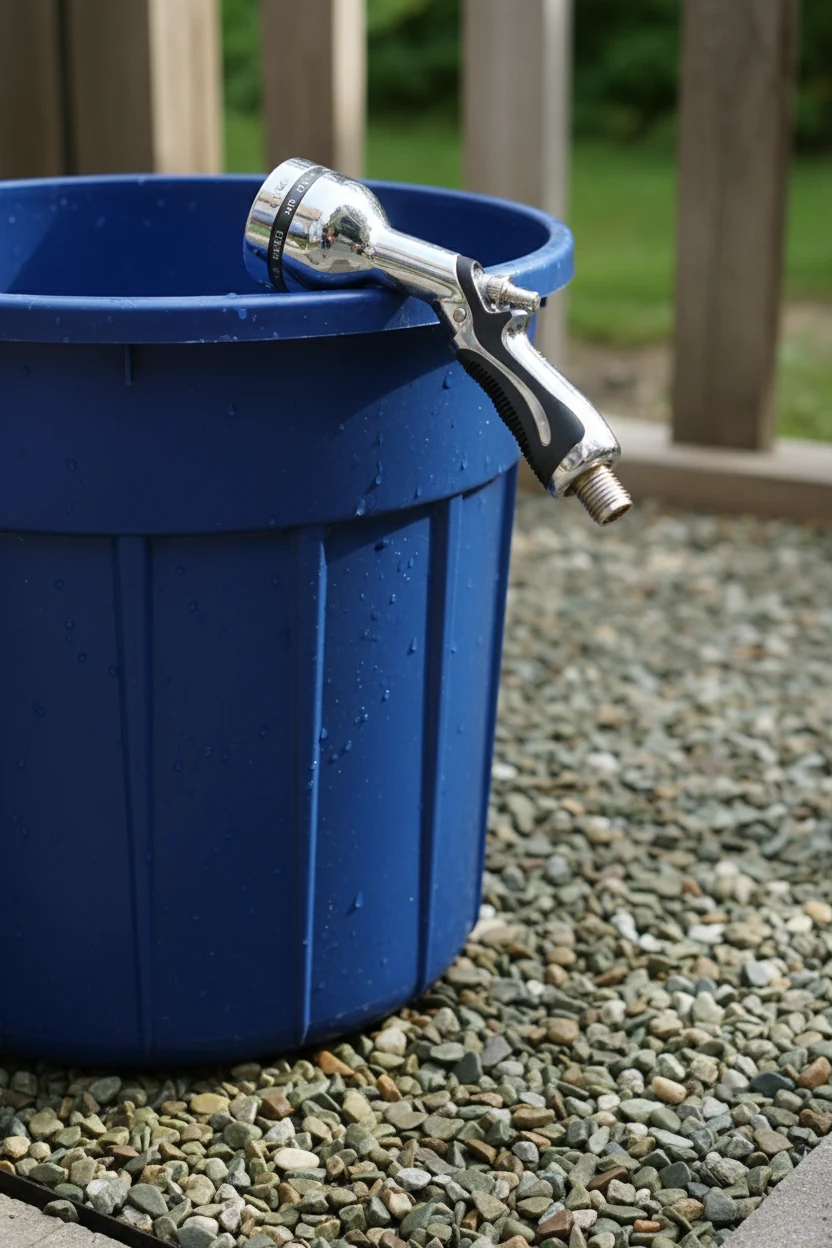
- Paw wash station: Hose bib, spray nozzle, small gravel pit for drainage, hooks for towels.
- Boot scraper + towel rack: For you and the dog. Yes, you track mud too.
- Absorbent indoor mat: Microfiber, washable. Rotate a spare on rainy weeks.
Easy DIY Paw Wash Setup
- Place a shallow plastic bin on a pea gravel pad near the door.
- Fill with a couple inches of lukewarm water.
- Add a squeeze of dog-safe shampoo if needed.
- Dip paws, brush lightly, rinse with hose, pat dry.
Keep enzyme cleaner handy for turf or gravel pee spots. It prevents that “eau de kennel” vibe.
Seasonal and Climate Tips
Your plan should match your weather. A Seattle yard needs different tricks than a Phoenix patio.
- Rainy/cool climates: Prioritize drainage, DG, and pea gravel. Avoid fine mulches that mat down.
- Hot/dry climates: Shade pathways and turf. Use light-colored gravel to reduce heat. Add cooling water features.
- Freeze-thaw zones: Choose aggregates with angular rock so surfaces stay stable. Re-level spring heaves early.
- Heavy clay soils: Aerate, add gypsum (where recommended), and focus on swales/French drains.
Clay Soil Strategy
Clay holds water forever, then turns to concrete. Fight back with structure and slope.
- Raise the grade in play zones with 4–6 inches of compacted crushed rock + DG or gravel.
- Cut shallow swales to move water to a rain garden or dry well.
- Add organic matter in planted beds to improve infiltration over time.
Budget Priorities: Quick Wins vs. Big Wins
Quick wins (weekend level):
- Downspout extensions.
- Gravel landing pads at doors and gates.
- Mulch on high-traffic dirt zones (3–4 inches).
- Outdoor/indoor mat combo.
Big wins (save up or DIY warrior mode):
- French drain + regrade.
- DG/paver pathway network.
- Pet-friendly artificial turf with proper base.
- Dedicated dog run with wash station.
IMO, fix downspouts first, then add paths. Turf can wait.
Maintenance You’ll Actually Do
No yard stays perfect without a little love. Keep it simple so you’ll stick to it.
- Weekly: Scoop daily, rake gravel/mulch smooth, hose high-traffic zones.
- Monthly: Enzyme treat pee areas, top off low spots with DG or mulch, check drain outlets.
- Seasonal: Weed-barrier inspection, add 1–2 inches of mulch or gravel as needed, flush French drains before the rainy season.
- Artificial turf: Rinse weekly, deep clean with enzyme monthly, brush fibers to keep them upright.
Smells creeping in? Use a hose + enzyme cleaner early. Waiting never helps. Ever.
FAQ
Is pea gravel safe for dogs’ paws?
Yes, if you choose the right size and install it correctly. Go with 3/8-inch rounded pea gravel at 3–4 inches deep, and compact the base. It drains well and feels comfortable on most paws. If your dog has super sensitive pads, try DG or a mulch path instead.
Does artificial turf work for dogs, or will it stink?
It works great with the right base and maintenance. Use a permeable pet turf, install 4–6 inches of compacted crushed rock, and add zeolite or antimicrobial infill. Rinse weekly and enzyme-treat pee zones. Skip shortcuts or you’ll trap odors—no one wants a hot green sponge.
What’s the cheapest way to stop mud fast?
Extend your downspouts, then add a gravel or mulch landing pad outside doors and gates. Lay landscape fabric, pour 3–4 inches of pea gravel or cedar mulch, and edge it. Add a heavy-duty outdoor mat on top. It’s a weekend fix that cuts tracked mud immediately.
How do I stop my dog from digging up new ground cover?
Give them a legal dig zone. Build a designated pit with soft sand or mulch, bury toys, and reward them for using it. For protected areas, add edging, lay down landscape pins, and use heavier materials like DG or pavers where digging happens most. Exercise and puzzle toys help reduce “I’m bored” excavations.
How much slope do I need to keep water moving?
Aim for 2% slope, which equals 1/4 inch drop per foot. That subtle pitch keeps water flowing without creating ankle-twisting angles. If the yard sits dead flat, use swales, French drains, or raised play areas to cheat gravity.
Can I just reseed the lawn and call it good?
You can, but it won’t last in heavy dog traffic. Standard turf loses every time to paws, shade, and urine. If you want green, mix in microclover or choose durable warm-season grasses and pair them with gravel paths and landing pads. Combine solutions and you’ll finally beat the mud.
Conclusion
You don’t need a bulldozer or a blank check to beat backyard mud. Fix the drainage, lay durable ground covers, and steer traffic with smart paths. Add a paw wash station and some tough mats, and you just leveled up your whole home’s cleanliness. Your dog keeps the fun, you keep your floors, and everyone wins—especially your mop.