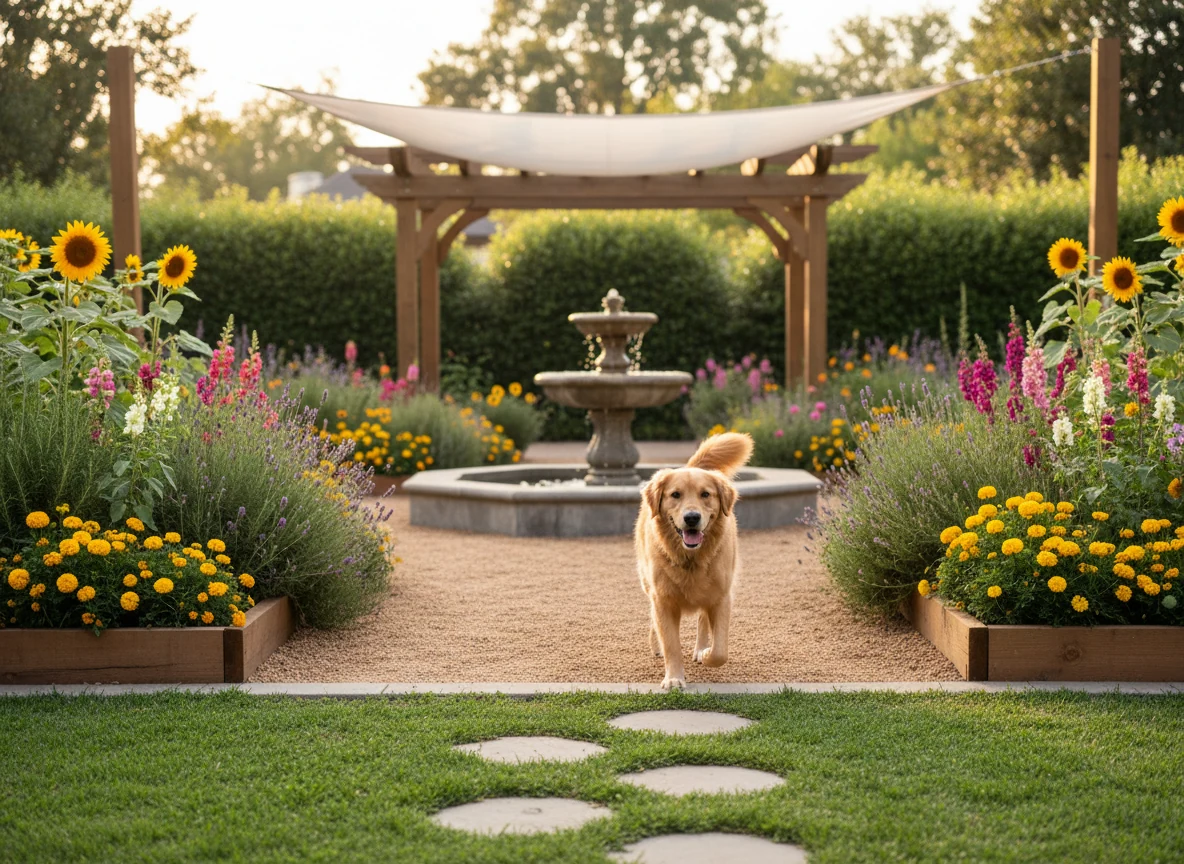
You love your dog. You also love your garden. You don’t need to choose between a lush backyard and a happy, zoomy pup. With a few smart tweaks, you can build a garden that looks gorgeous and treats your dog like royalty. Ready to make a backyard that survives playtime and still turns heads?
Plant smart, not sorry
You can grow a stunning garden without sweating every nibble. Dogs explore with their noses and mouths, so you need tough plants that don’t poison them and won’t break at the first tail thwack. Think layers, textures, and strategic placement.
- Choose a non-toxic plant palette. Build your beds with dog-safe stars like camellia, roses, sunflowers, marigolds, snapdragons, and ferns. They bring color and body without drama. You protect your pup and your design plan. Win-win.
- Build tough, dog-proof hedges. Plant dense, flexible shrubs to absorb zoomies. Boxwood, viburnum, and spirea hold their shape and bounce back after play. Place them along paths where your dog already runs, not where you wish your dog would run.
- Use raised beds with barriers. Elevate delicate edibles and ornamentals in sturdy planters or wooden beds. Edge them with stone, steel, or low fencing to signal “no paws here.” You keep roots safe and the dog still gets a clear runway.
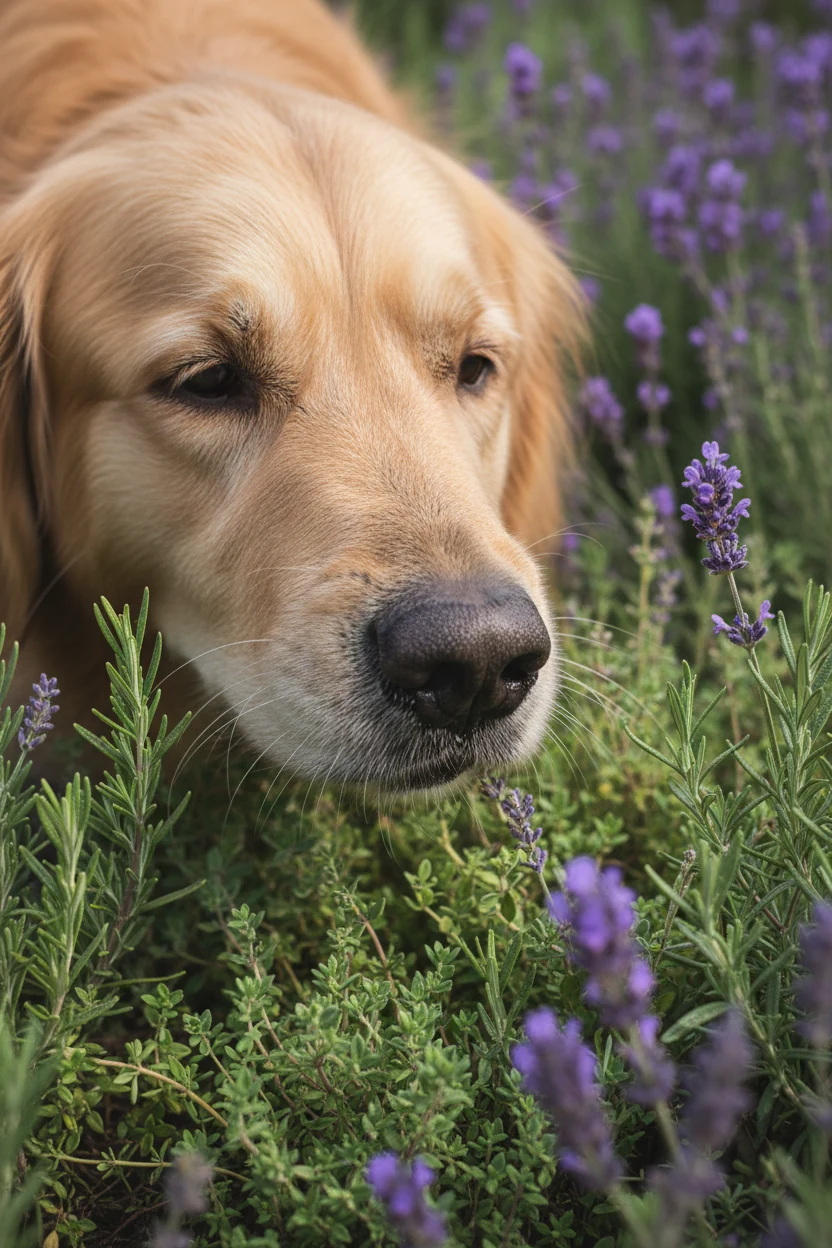
- Plant dog-safe, aromatic herbs. Lavender, thyme, basil, mint (contained), and rosemary handle traffic and smell amazing. Dogs love to nose through them, and you get fresh herbs for dinner. IMO, a sensory corner beats a boring lawn square every time.
- Swap some lawn for microclover. Microclover stays green, fixes nitrogen, and shrugs off dog pee spots better than traditional turf. It feels soft on paws and needs less water and fertilizer. Your mower gets a part-time job.
Toxin-free favorites for a lush look
- Flower power: Zinnia, calendula, snapdragon, pansy, sunflower
- Shrubs and structure: Rose (thorns alert), hydrangea (varieties vary, check locally), spirea, camellia
- Groundcovers: Creeping thyme, Irish moss, microclover
- Herbs: Rosemary, basil, lavender, sage, mint (in containers)
Plants to avoid (because vet bills aren’t cute)
- Big no’s: Sago palm, oleander, foxglove, castor bean, yew
- Use caution: Daffodils, tulips, azalea, lily-of-the-valley
- FYI: Always cross-check with your local vet or ASPCA list, since toxicity can vary by plant part and pup.
Paths, zones, and the art of controlled zoomies
Your dog already planned your garden paths. You just need to make them official. Guide the energy with lanes that protect beds, and set clear zones for potty and digging.
- Create a perimeter patrol path. Dogs love to patrol fences. Install a simple 2–3 foot strip of gravel, mulch, or flagstone around the edge. Your dog gets a racetrack, your fence line keeps its plants intact.
- Design curved, wide main paths. Curves slow down sprinting and look elegant. Use decomposed granite, compacted gravel, or pavers that don’t get muddy. Keep paths 3–4 feet wide so you and your dog can stroll side by side.
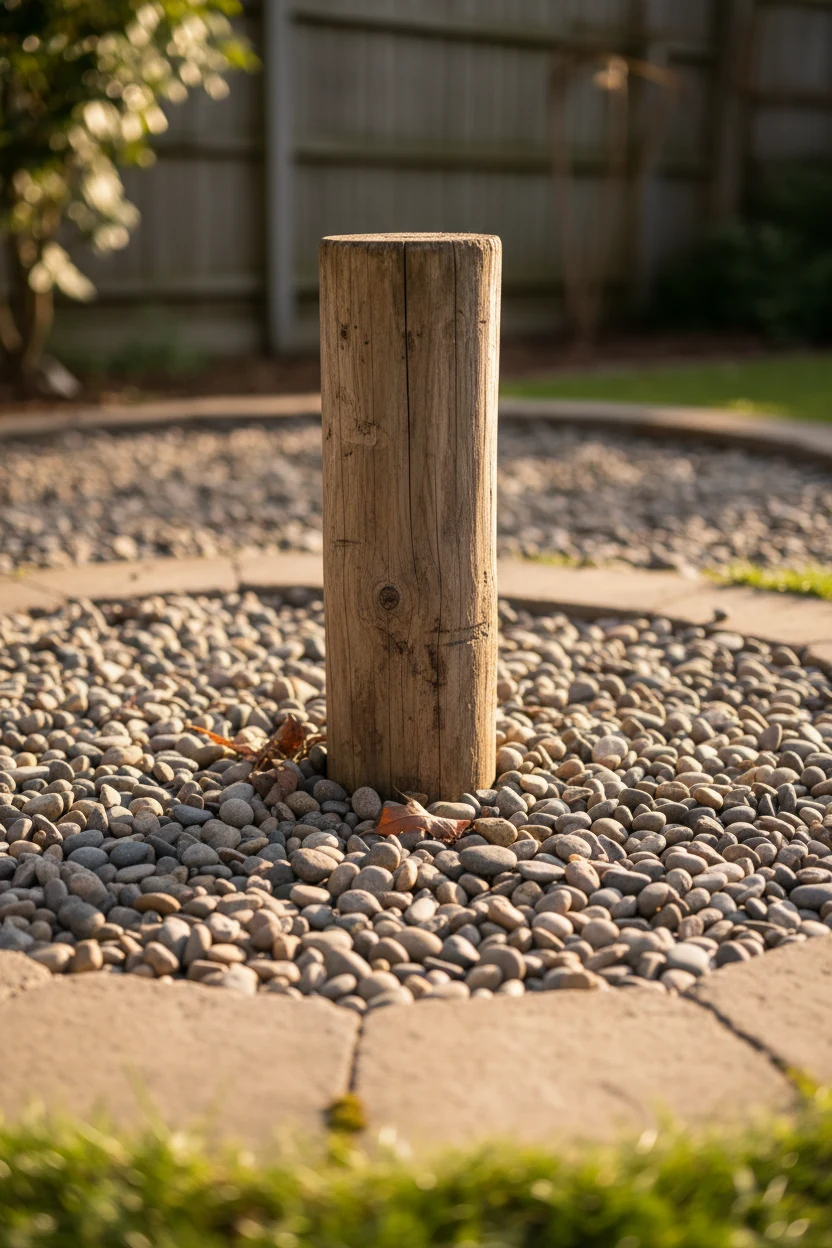
- Build a dedicated potty zone with pea gravel. Pick a corner, lay landscape fabric, and top with pea gravel that drains fast and doesn’t track. Add a “pee post” to encourage aim. You save your lawn and your sanity.
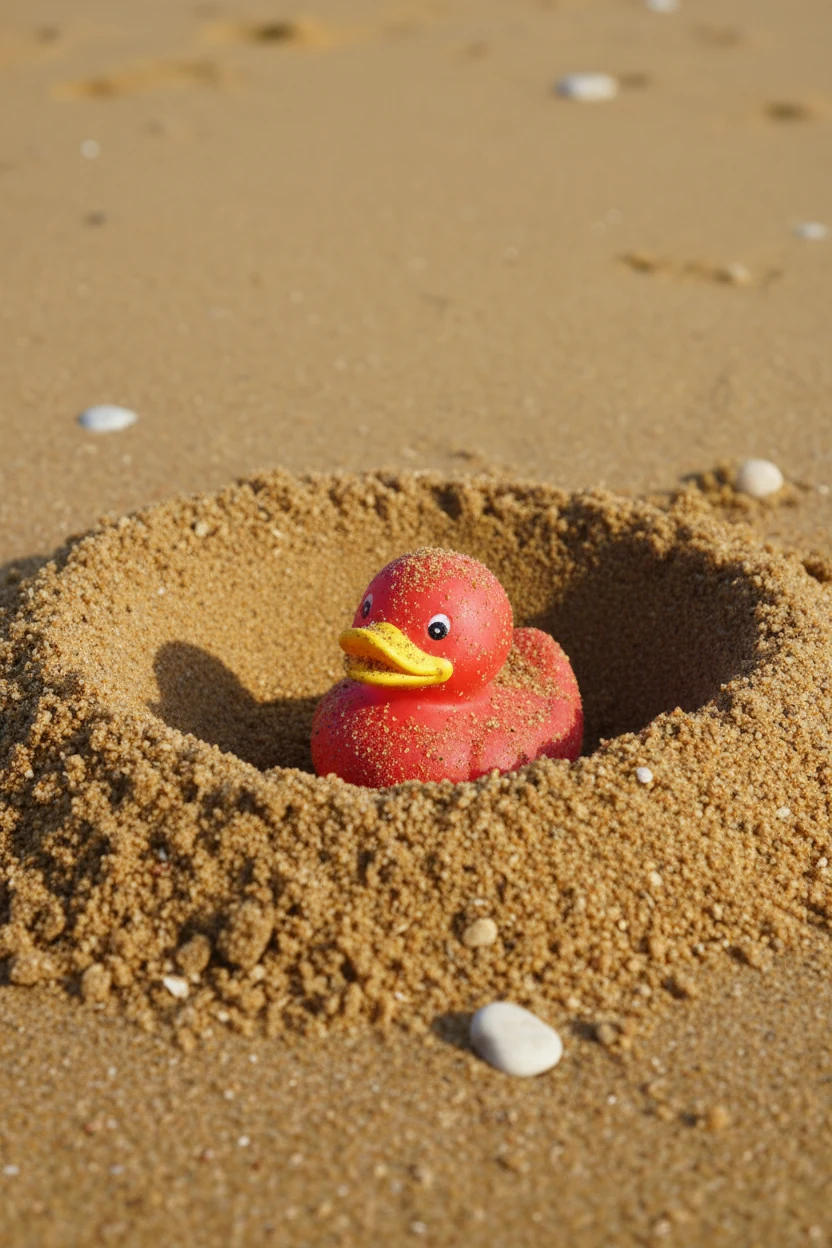
- Offer a legal digging pit. Dogs dig. Give them a sandbox or soil box where digging earns cheerleader-grade praise. Bury toys occasionally to keep the magic alive.
- Set paw-friendly stepping stones. Big, smooth pavers create hop-on-hop-off fun and protect soil under the most traveled lines. Space them for your dog’s stride, not just your own.
- Add a double-gate vestibule/mud station. Put a small fenced entry with hooks, towels, and a boot tray. You avoid jailbreaks and stop mud at the door. Future you says thanks.
Potty zone setup: quick blueprint
- Base: Remove turf, lay landscape fabric for weeds
- Fill: 2–3 inches of pea gravel or small rounded stone
- Drainage: Slope away from seating areas
- Accessories: Pee post, lidded bin for bags, hose hookup for rinse
How to make a dig pit irresistible
- Contain it: Use a raised timber frame or kiddie pool filled with sand/loamy soil
- Seed it: Bury chew-safe toys or treats weekly
- Reward heavily: Praise and treats every time your dog digs in the right spot
- Redirect: If digging starts elsewhere, calmly guide to the pit
Shade, water, and chill spots
A comfy dog chills instead of bulldozing the begonias. Create cool zones and safe water features, and you cut stress for everyone.
- Hang shade sails or build a pergola. Shade drops surface temps and saves paws. Train dog-safe vines like star jasmine or passionflower for bonus greenery. Keep airflow clear so heat doesn’t trap.
- Install a splash-safe, recirculating fountain. Choose a low-basin fountain with gentle flow and hidden pump. Dogs can sip without dunking an entire head (usually). You get soothing sound without a swamp.
- Set up a kiddie pool or splash pad. Shallow water cools hot days fast. Place it on pavers or DG so splash-out doesn’t create a mud bowl. Rotate it in and out to keep novelty high.
- Add an elevated cooling bed or deck. Raised cots move air under bellies, which dogs love. A small platform deck also defines a “chill zone” away from delicate beds. It looks polished and works hard.
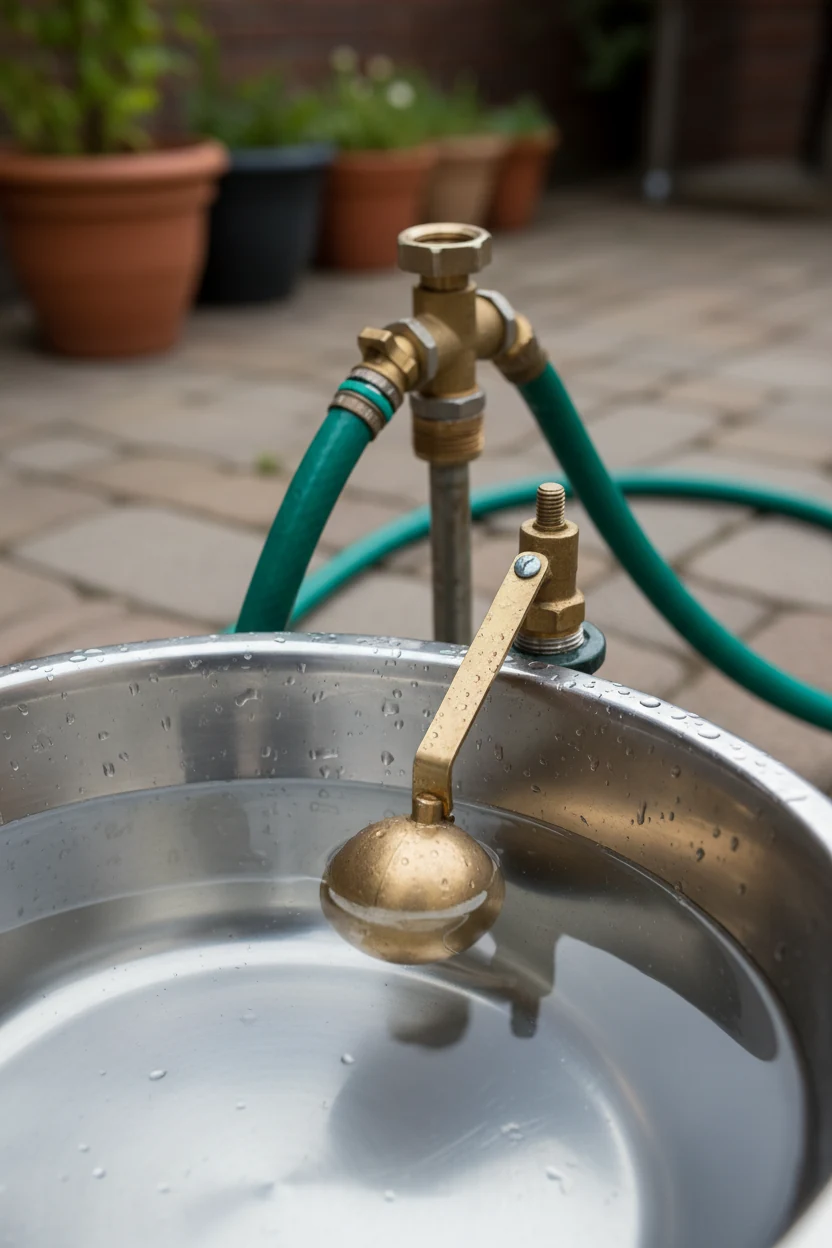
- Use an auto-fill water station. A hose splitter and float valve keep a stainless bowl topped up. Clean water on demand means fewer desperate plant gulps. Hydration, but make it effortless.
Water feature safety tips
- Depth: Keep standing water shallow or fenced if you have small dogs
- Circulation: Run pumps daily to prevent mosquitoes
- Materials: Avoid sharp-edged stone or brittle liners
- Maintenance: Rinse weekly; skip algaecides unless pet-safe and vet-approved
Shade sizing, simplified
- Track the sun: Note where your dog naps midday
- Size up: Provide 1.5–2 times your dog’s resting footprint
- Angle matters: Tilt sails to block afternoon sun, which hits hottest
- Anchors: Use rated hardware; wind loves sails as much as your dog does
Enrichment that won’t wreck your borders
Bored dogs invent hobbies like “shredding your hostas.” Give them jobs and games that burn energy without erasing your design. You keep the flair; they keep their zoomies.
- Lay out a DIY agility lane. Add a few jumps, a tunnel, and a wobble board along a straight run. You rotate pieces to keep it fresh. Training here makes your dog listen better everywhere else, IMO.
- Install a flirt-pole post or tether zone. Anchor a sturdy post with a line for tug or flirt sessions. You direct the chase to a safe surface and save flower borders from full-contact sprints.
- Plant a snuffle/herb sensory bed. Cluster thyme, chamomile, and tall ornamental grasses for nose work. Sprinkle kibble in the foliage for a slow, sniffy meal. Calm mind, calm paws.
- Create a scent trail with hidden treats. Use small containers or treat tubes under rocks or mulch caps. Move them around to keep your dog guessing. Ten minutes of nose work tires like a long walk.
- Hang a rotating toy bungee. Suspend a tug toy from a tree limb or pergola beam with a strong bungee. Swap toys weekly to avoid boredom. Secure attachments, because gravity never takes a day off.
DIY agility: safe and simple checklist
- Surface: Level DG, rubber tiles, or lawn (not slick pavers)
- Heights: Low jumps at elbow height or lower
- Spacing: 15–20 feet between features for safe approaches
- Warm-up: Short sessions; end before your dog fades
Scent games mini-guide
- Start easy: Treat under a single pot; release with a cue
- Level up: Three pots, one treat; shuffle positions
- Advanced: “Find it” on a simple garden path loop
- Pro tip: End with a jackpot at the dig pit or chill zone
Boundaries, mulch, and paw health
Great fences and groundcovers keep paws happy and plants healthy. Choose materials that cushion joints and avoid toxins. Your dog will thank you with fewer vet visits and more wag.
- Upgrade fencing with dig guards and view windows. Attach buried wire aprons or install a narrow concrete mow strip to stop tunneling. Add acrylic “dog windows” at nose level to reduce fence frustration. Out of sight equals out of chill, so give them a peek.
- Pick dog-safe mulch and groundcovers. Use shredded bark, wood chips, or pea gravel for paths. Avoid cocoa mulch because it contains theobromine. Mix in creeping thyme or microclover where you want softness underfoot.
- Use natural pest management (and skip myths). Keep grass short, remove leaf piles, and rinse dog beds weekly. Planting rosemary or lavender smells nice, but it does not replace tick prevention. Partner with your vet for real protection—garden vibes help, but they don’t do the whole job.
- Add low-voltage path lighting. Soft LEDs along paths and stairs protect paws at night and make the yard look custom. Choose shielded fixtures to reduce glare. Your future midnight potty breaks just got classy.
Mulch showdown: what works, what bites
- Best all-around: Shredded bark and wood chips (no sharp chunks)
- Low-mess: Pea gravel or decomposed granite for high-traffic zones
- Skip: Cocoa hulls, sharp gravel, rubber mulch that heats up
- Bonus: Top up yearly; thin layers get dusty and track
Fence add-ons that actually help
- Rollers: Coyote rollers keep escape artists from climbing
- Privacy: Plant hedges or add slats to calm reactive dogs
- Gaps: Patch under-gate gaps with pressure-treated wood
- Locks: Self-closing hinges and latches because accidents happen
Maintenance, training, and keeping the vibe
You built the dream yard. Keep it running with quick routines and a training plan. Small habits save your plants and your timeline.
Water deeply, less often. Strong roots resist traffic better than thirsty, shallow ones. Spot-water new plantings and use drip lines under mulch to keep leaves dry and fungus away. You save water and keep mud down.
Blend training with design. Teach “leave it” for beds and “go potty” for the gravel zone. Practice on-leash first along your new paths. Boundaries in your dog’s brain mean fewer fences in your yard, IMO.
Schedule mini cleanups. Rake paths weekly, rinse the potty zone, and check fence lines for dig attempts. Rotating toys and agility pieces keeps interest high. Five minutes now beats an afternoon fixing chaos later.
FAQ
What groundcover survives heavy dog traffic without turning to mud?
Try a mix. Use microclover or tall fescue for the lawn, and switch to decomposed granite or pea gravel on the heaviest routes. Add creeping thyme in sunny, lighter-use pockets. You spread the wear and keep everything looking intentional.
How do I stop my dog from digging up the garden?
Give a sanctioned dig zone and make it awesome. Bury toys in the pit weekly, praise like a game-show host, and redirect calmly when digging starts elsewhere. Also reduce boredom with scent games and short training sessions. A busy brain does less “landscaping.”
Is artificial turf a good idea with dogs?
It depends. Quality turf with a cooling infill and a solid drainage base can look tidy and handle urine well, but it gets hot and needs regular rinsing. Use it in small, shaded zones or mix with real plantings. Always test heat with your hand before letting your dog play.
What plants handle dog pee better?
Microclover, buffalo grass, and tall fescue bounce back better than bluegrass. Along edges, plant tough shrubs and ornamental grasses like miscanthus or pennisetum. Rinse favored pee spots with water when you can; it dilutes salts and saves roots.
How can I keep my dog from chewing plants?
First, choose dog-safe plants. Then use bitter sprays on favorites and place temporary low barriers around new beds. Rotate chew toys and play tug near the approved area so chewing needs get met. If your dog targets one plant, move it or pot it out of reach.
Do “mosquito-repellent plants” actually work for dogs?
They smell nice, but they won’t protect your dog by themselves. Use citronella, lavender, and rosemary for ambiance, then rely on vet-approved preventatives for real protection. Reduce standing water, run fountain pumps, and clean birdbaths weekly. That combo actually cuts bites.
Conclusion
You don’t need a dog-proof bunker to keep your garden gorgeous. You just need smart plant choices, clear zones, and a few creature comforts that channel dog energy in the right direction. Build the paths they want, offer shade and water, and stash enrichment where it helps your design. Your backyard will look stunning—and your dog will think you built a private park just for them.