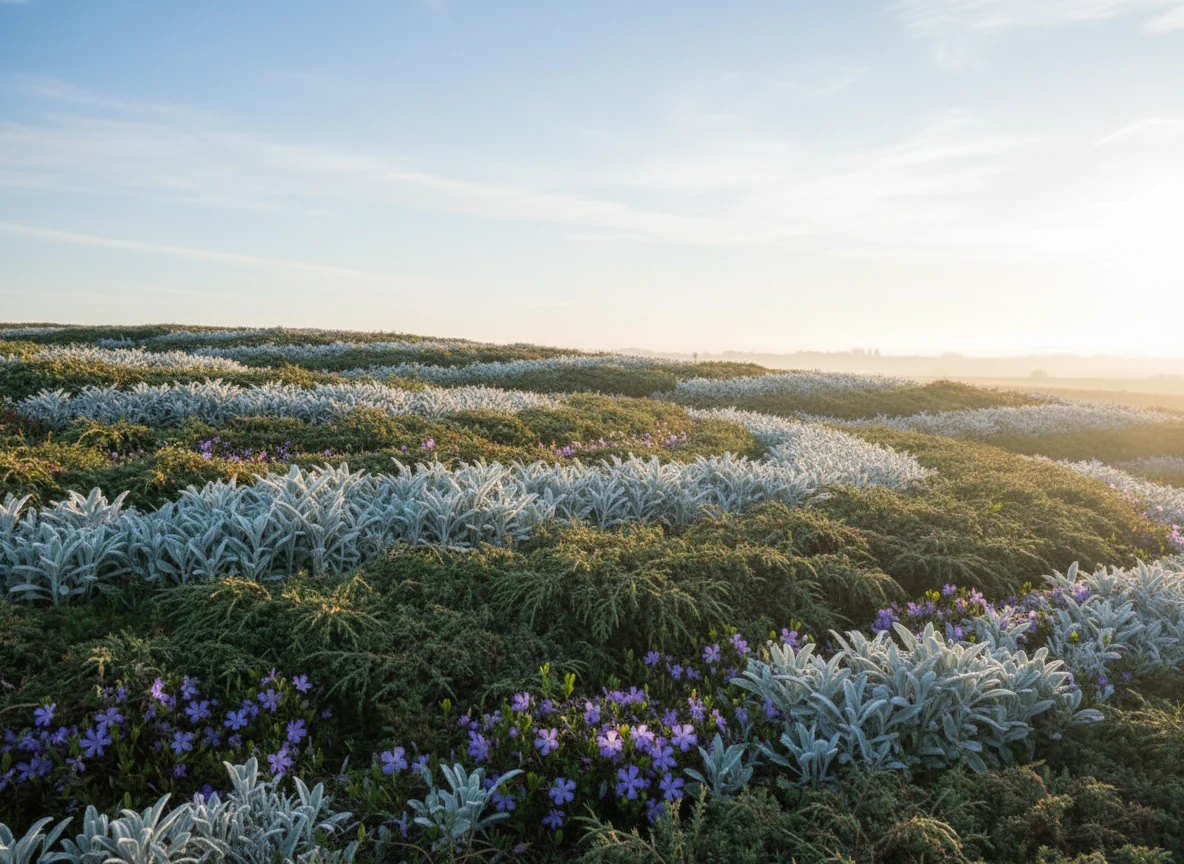
Slopes can be gorgeous… or they can be a pain in the you-know-what when it comes to landscaping. Grass slides right off, weeds move in like they own the place, and you’re left wondering why you didn’t just leave that hill bare. But fear not — there’s a secret weapon: ground covers. Pick the right plants and your slope will look lush, stop eroding, and basically take care of itself. Let’s talk about the best low-maintenance ground covers so your small hill can go from troublemaker to showstopper.
Why Slopes Need a Different Plant Game Plan
Slopes are basically plant obstacle courses. Rain doesn’t settle; it runs downhill, dragging soil with it. Your plants have to handle less water retention, potential erosion, and sometimes blazing sun exposure. That means your average pampered garden diva won’t survive here.
Instead, you need plants that spread out, hold soil in place, and laugh in the face of wild weather mood swings. Oh, and bonus points if they’re gorgeous.
The All-Star Low-Maintenance Ground Covers
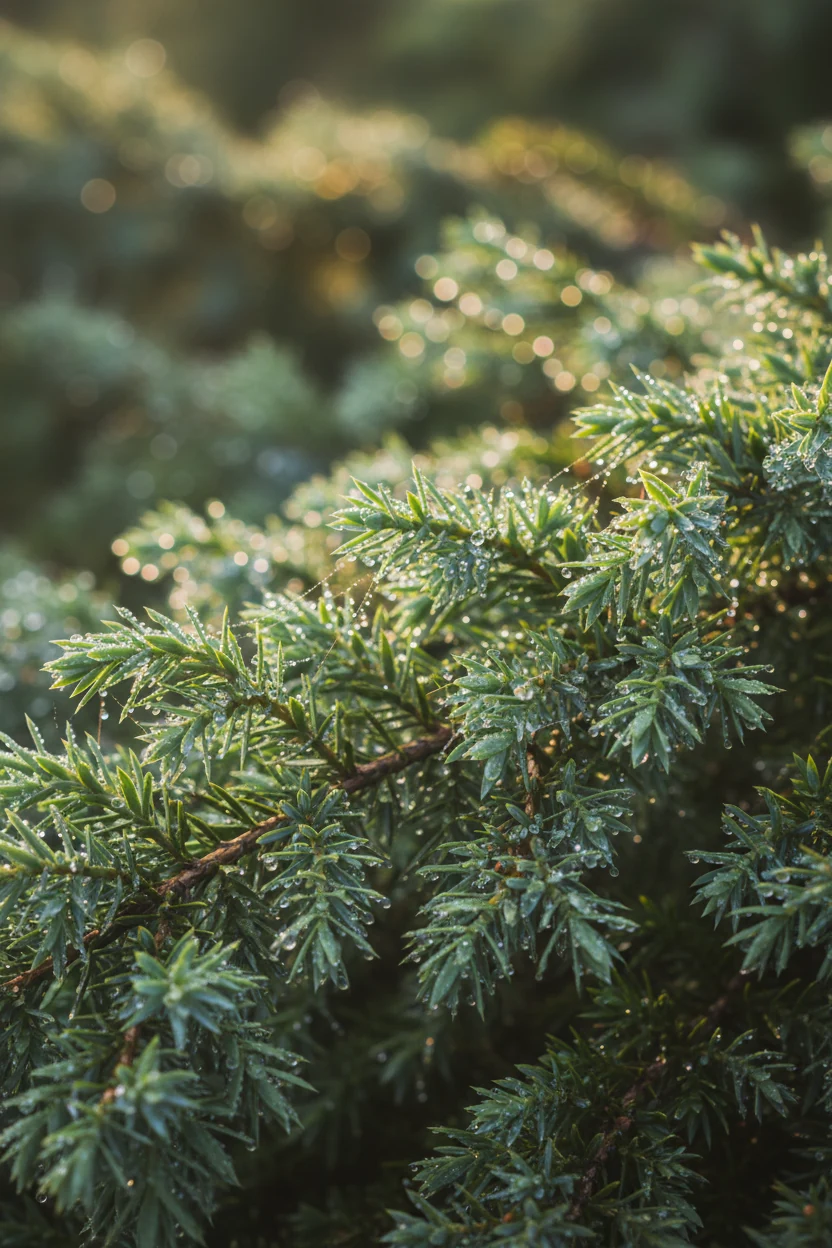
- Creeping Juniper – Evergreen, drought-tolerant, and absolutely unbothered by poor soil.
- Pachysandra – A shade-loving carpet for slopes that don’t see much sun.
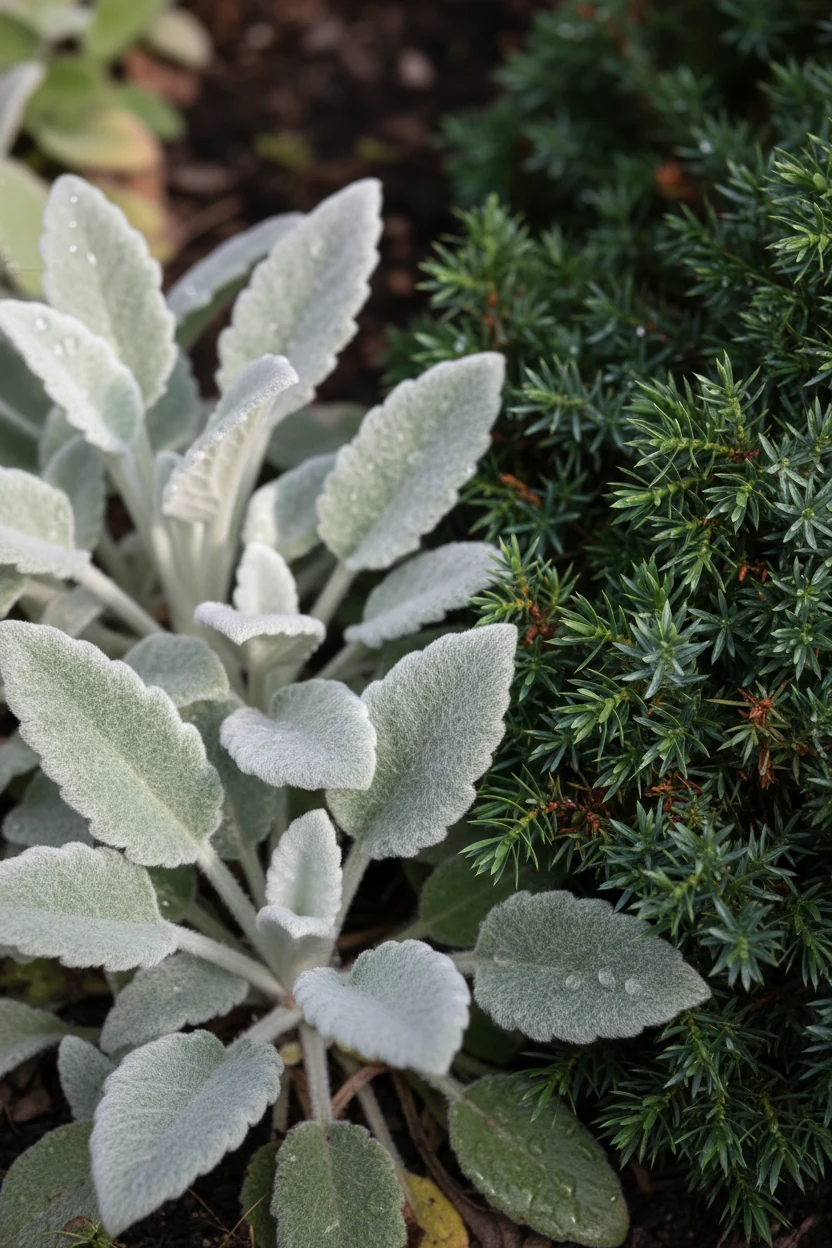
- Lamb’s Ear – Soft, silvery leaves that thrive in full sun and dry spots.
- Periwinkle (Vinca minor) – Hardy, fast-growing, and totally unfazed by neglect.
- Thyme – Smells amazing and doubles as a cooking herb.
Creeping Juniper: The Ultimate Slope Boss
Plant this and you’ve basically told erosion to take a hike. It spreads wide, stays green year-round, and requires pretty much nothing from you after it settles in. Avoid overwatering — it’s a desert-loving overachiever.
Thyme: Pretty and Practical
Not only does thyme hold soil beautifully, but you can grab some sprigs for your pasta nights. This stuff thrives in sun and drains fast, so your slope will smell amazing while staying intact.
Color and Texture: Make Your Slope Pop
A slope doesn’t have to be a boring blanket of green. Mix textures and colors for a mini hillside masterpiece. For example:
- Pair Lamb’s Ear with deep-green junipers for a silver-and-emerald combo.
- Throw in blooming Vinca for bursts of purple in spring.
- Use different leaf shapes to keep things visually interesting.
Seasonal Blooms
Map out plants so something’s always putting on a show. It’s like a relay race but with flowers instead of sweaty humans. Early spring periwinkle hands the baton to summer thyme, which passes it to fall-blooming sedums.
Planting Tips for Slopes (No Gym Membership Required)
Planting on a slope can feel like an uphill battle — literally. But with a few tricks, you won’t be sliding down mid-dig.
- Dig horizontal trenches — This gives roots a fighting chance and slows water runoff.
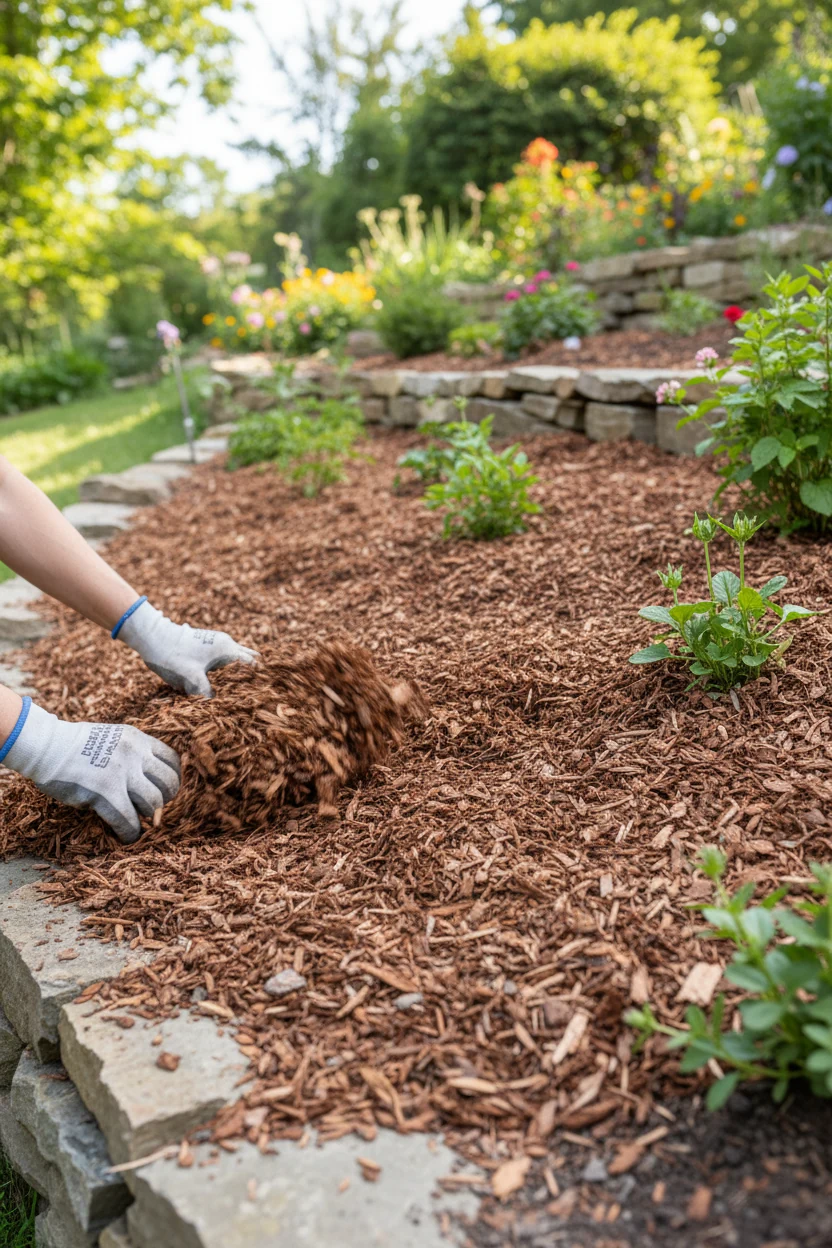
- Mulch generously — Protects young plants and keeps moisture where it belongs.
- Start at the bottom — Work your way up so you’re not trampling your hard work.
Mulching Done Right
Choose heavier mulch materials on slopes so they don’t wash away with the first rain. Shredded bark or wood chips are your friends here.
Low Water Doesn’t Mean No Water
Low-maintenance doesn’t magically mean “zero-care.” Most slope-friendly plants need a little TLC in the first year. Once they’re established, though, they’re pretty self-sufficient.
Think of it like raising a teenager — lots of support in the early stages, and later they want you to leave them alone.
Drip Irrigation for Slopes
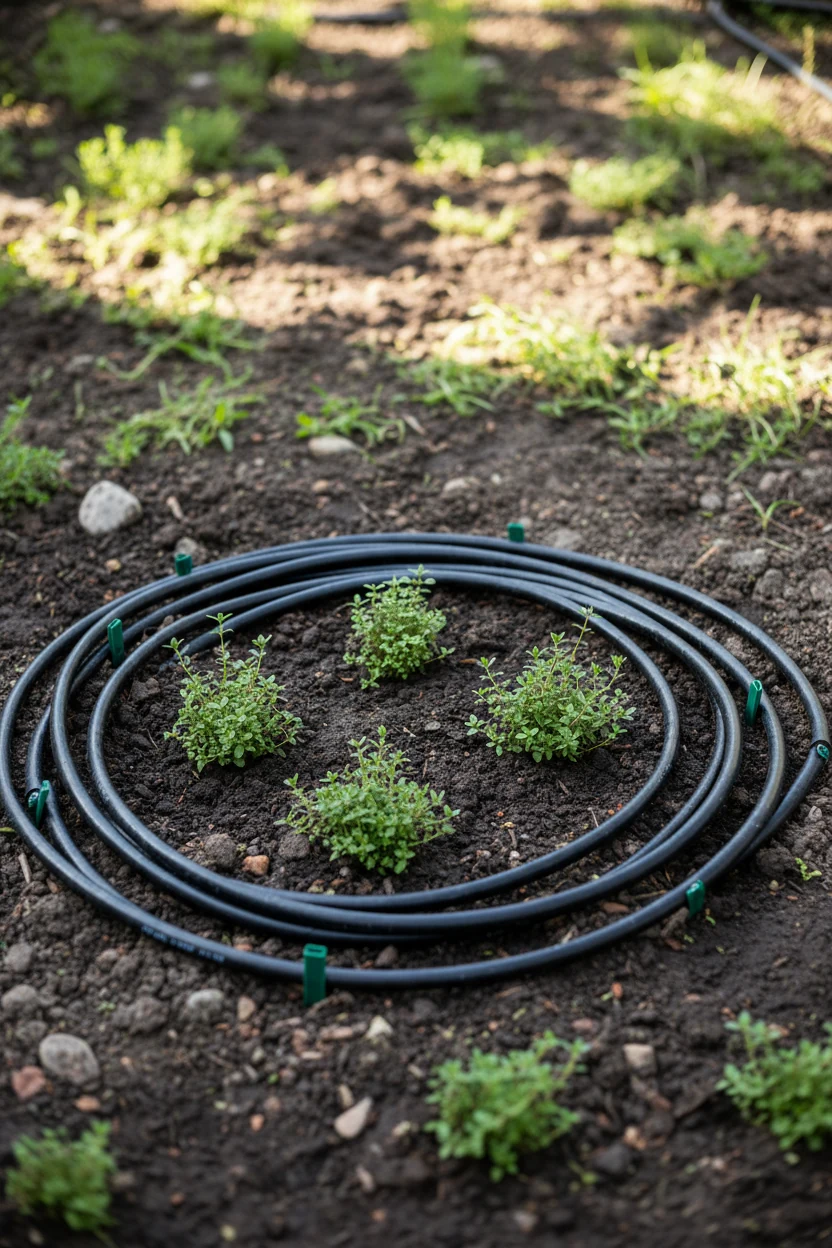
If you do need to water, a drip system is your BFF. It delivers water right to the roots without sending it cascading down like a mini waterfall.
When to Forget Plants and Go Hardscape
FYI, sometimes plants just aren’t the answer. If your slope is super steep and keeps eroding no matter what, terracing or adding stone retaining walls might be the smarter play. You can still add pockets of ground cover for aesthetics.
FAQ
Will ground cover really stop erosion?
Pretty much — as long as you pick the right kind. The spread of roots holds onto soil and reduces water runoff. Don’t expect instant results, though; give it a season or two to really lock things in.
How fast will these plants grow?
Depends on the plant and conditions. Creeping juniper and vinca minor grow pretty fast once established. Others, like pachysandra, take their sweet time but are worth the wait.
Do I have to fertilize ground cover plants?
Most slope-friendly plants don’t need much food. Over-fertilizing can actually make them lazy and less hardy. IMO, compost once a year is plenty.
Can I mix different ground covers?
Absolutely, and you should. Mixing covers gives you visual interest and a better chance to fill in tricky spots where one plant might struggle.
Will these plants survive winter?
Most of the ones listed here are winter-hardy. Still, check your USDA hardiness zone before planting. No plant wants to be tossed into weather it can’t handle.
Conclusion: Your Slope, Your Rules
Slopes shouldn’t be a landscaping headache. With the right ground covers, they can be beautiful, low-maintenance, and a serious point of pride. Choose plants that fit your sunlight, soil, and aesthetic goals, and let them do their thing. Before you know it, you’ll be sipping coffee, admiring your hillside, and wondering why you didn’t ditch the grass years ago.