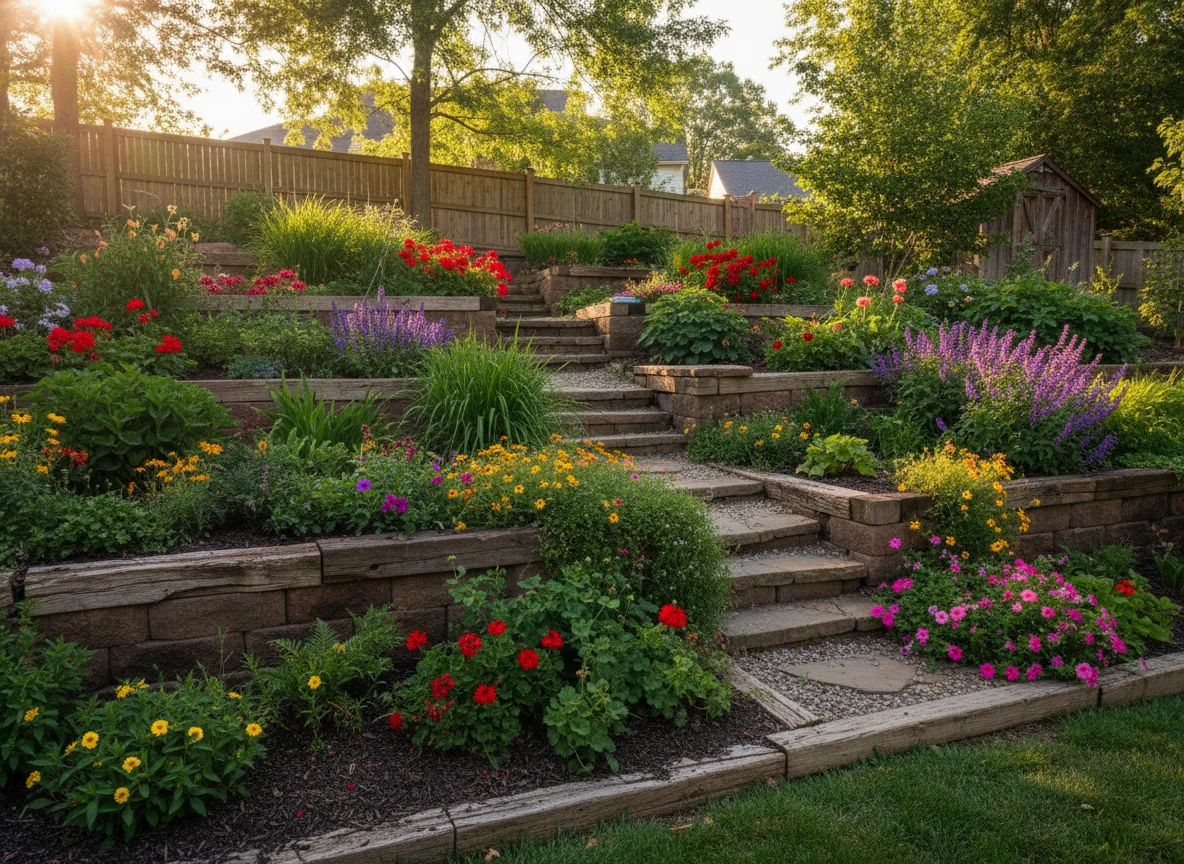
Picture this: you’ve got a little hill in your backyard that’s just sitting there… mocking you with its uneven slope and awkward space. You keep thinking, “It could be a garden… but gravity says no.” Well, plot twist—you can turn that hill into a gorgeous DIY terraced garden. With a bit of sweat, creativity, and some smart planning, you can transform it into a layered masterpiece that’ll make your neighbors jealous in the best way possible.
Scout Your Hill Like a Pro
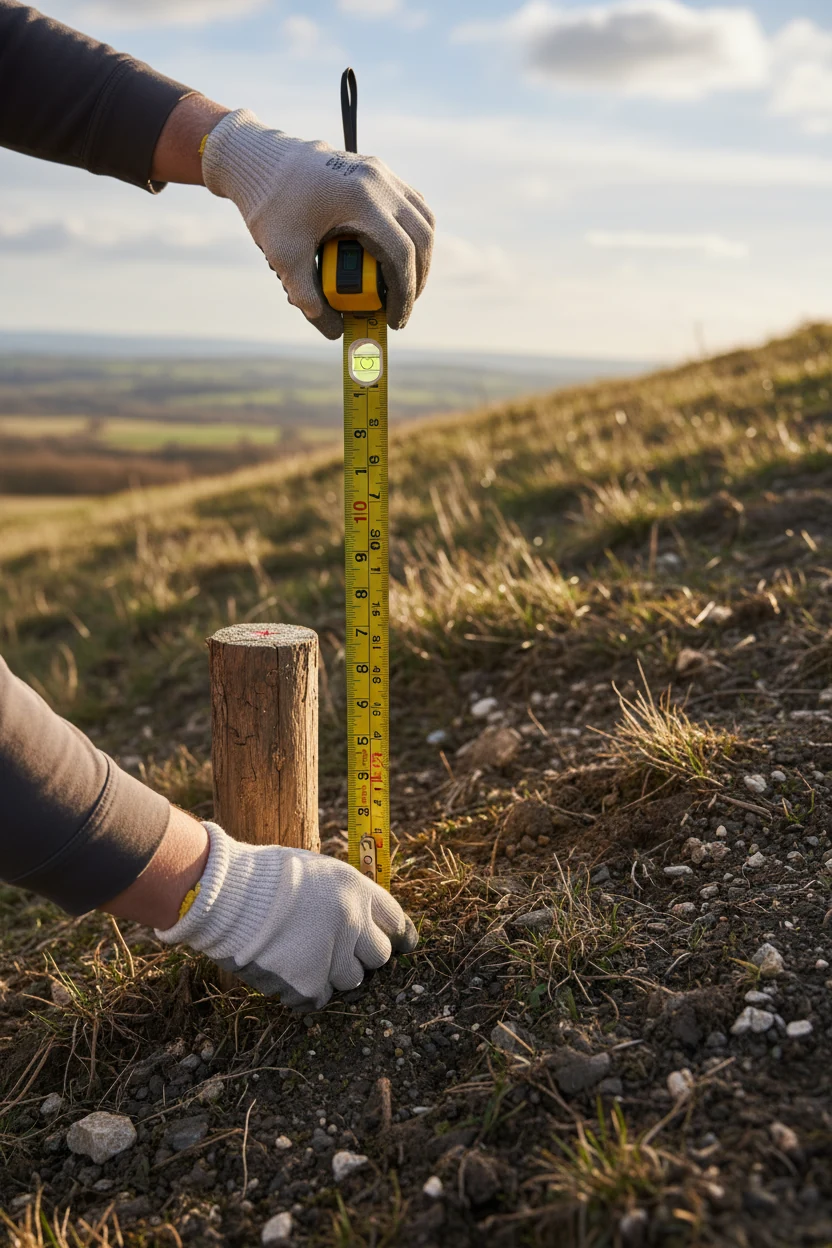
Walk around your slope and really look at it—no, not just a casual glance while taking the trash out. I mean, get up close and see the angles, the height differences, the way water runs after a rainstorm. You need to figure out what you’re working with before you start tearing into it.
Measure Twice, Build Once
For real, get a measuring tape or even a laser level if you feel fancy. Note down:
- Total height of the slope
- Length and width at various points
- Areas where soil is loose or rocks are in the way
Trust me, eyeballing it will lead to headaches later.
Pick Your Terrace Style
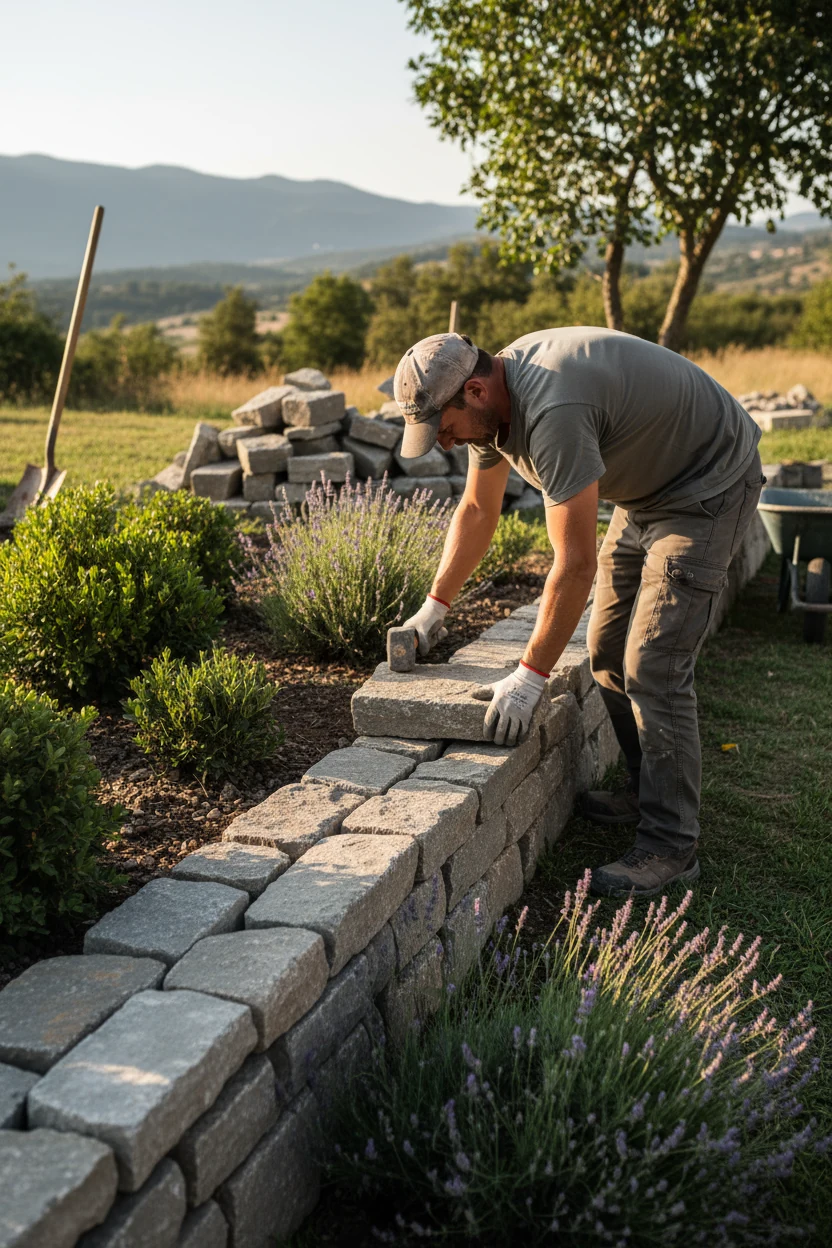
Terraced gardens aren’t one-size-fits-all. Are you going for sleek stone walls? Rustic timber? Or maybe budget-friendly reclaimed materials because money doesn’t grow on trees (unless you’re planting one)?
Material Options
- Stone: Classic, durable, and looks fancy. Also heavy—so lift with your knees.
- Wood: Warm vibe, but you’ll need treated lumber for outdoor durability.
- Concrete Blocks: Affordable, stackable, and surprisingly chic with the right plants.
- Recycled Materials: Old pallets, bricks, or metal sheets. Quirky charm + eco-friendly points.
Lay the Groundwork (Literally)
Before you build anything, you’ve got to prep your slope. It’s like washing your face before makeup—you don’t skip this step.
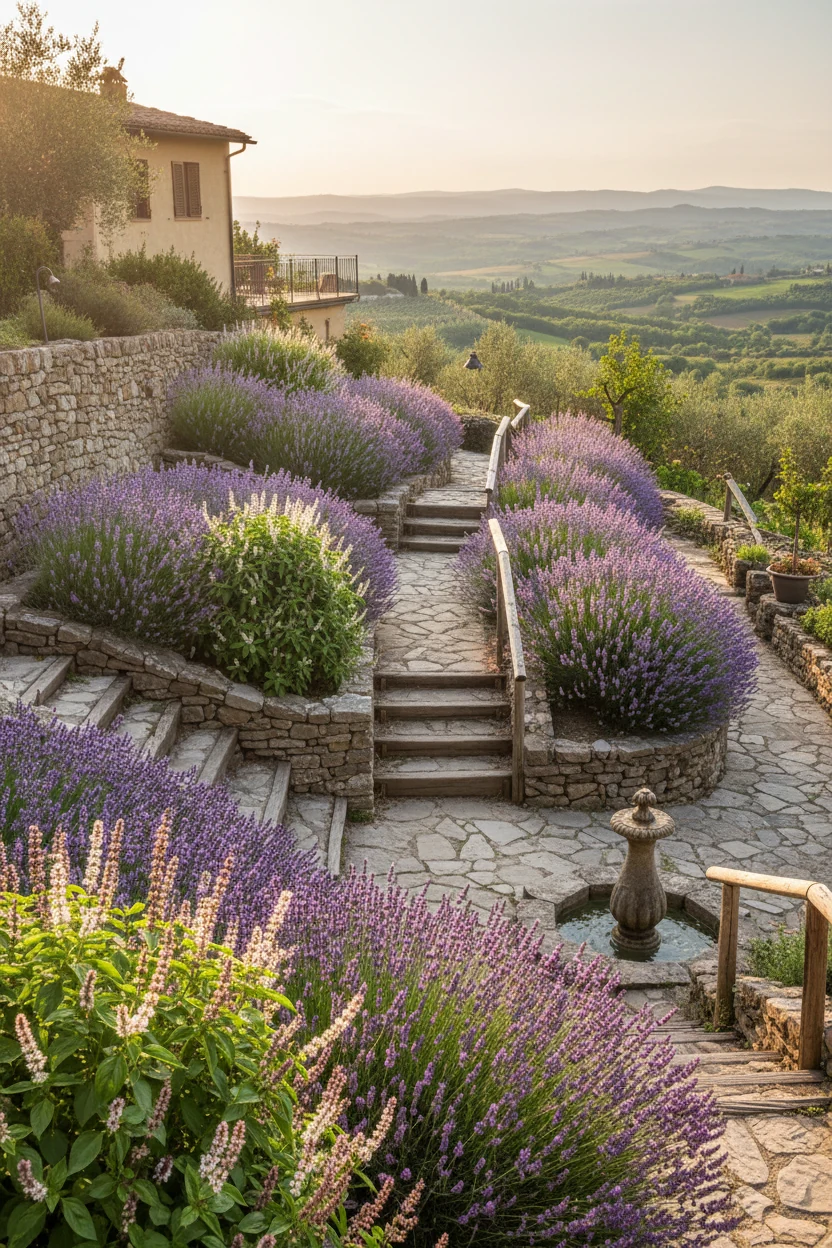
Digging and Leveling
Cut into your slope to create flat tiers. The deeper you dig, the more stable your terrace will be. Each level should be flat enough to hold soil and plants without it washing away during a storm.
Drainage Check
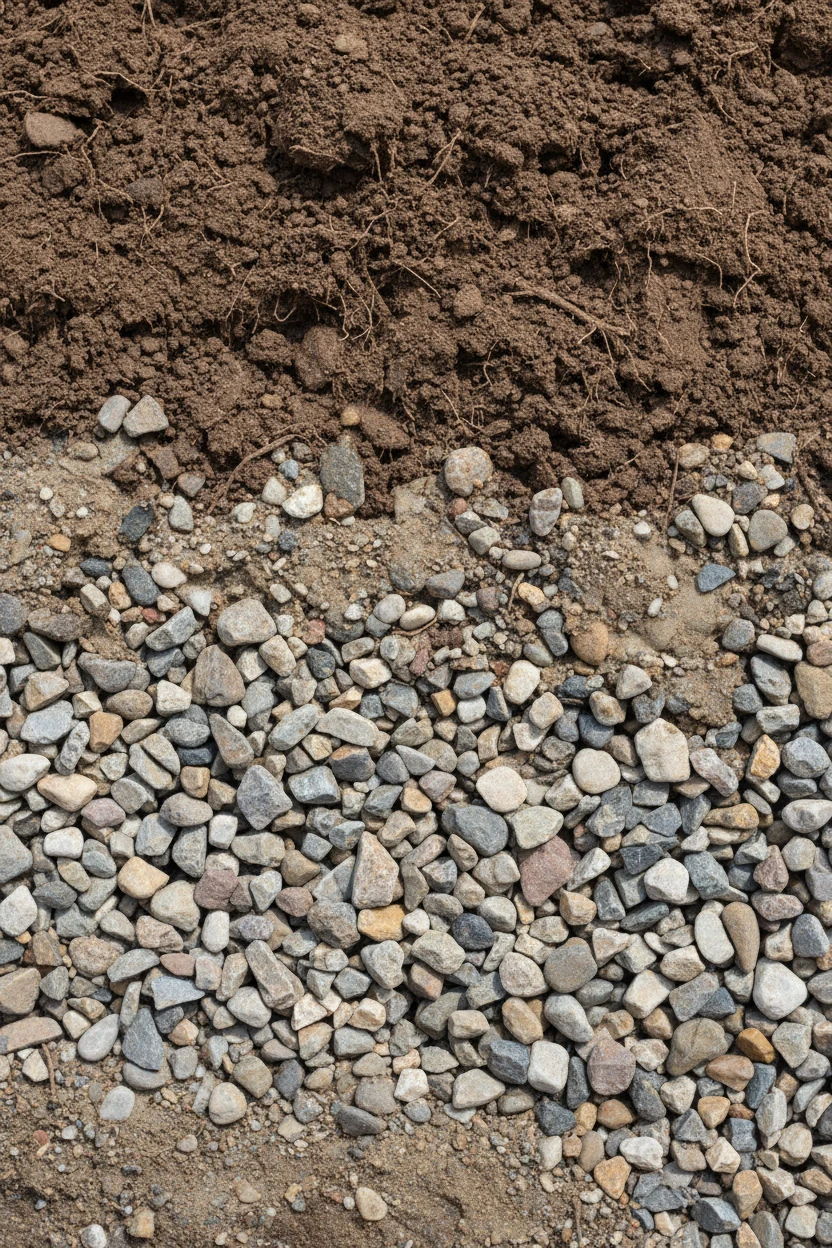
Water will flow down your hill whether you like it or not. Create pathways or install small drains to stop your garden from turning into a mudslide. Pro tip: gravel under the soil can help with drainage without killing plant roots.
Build Your Terraces
This is where things get real—and a little sweaty.
- Start at the bottom tier. Always. That way, the base supports everything above.
- Lay your first retaining wall using your chosen material.
- Backfill behind the wall with soil and gravel for support.
- Move upward, repeating the process tier by tier.
Yeah, it’s physical work, but nothing beats stepping back and seeing each level take shape.
Plant Like You Mean It
Here’s the fun part—you get to make it look alive. Mix and match plants for color, texture, and purpose.
Choosing Plants
- Perennials: Come back year after year with minimal fuss.
- Ground Covers: Keep soil from eroding and look lush.
- Veggies & Herbs: Because fresh basil beats store-bought every time.
- Pollinator Plants: Bees, butterflies, and bragging rights.
Layering for Impact
Put taller plants toward the back of each terrace, shorter ones up front. Think about bloom times so your garden’s never boring—even in late summer.
Maintenance Made Easy (Sort Of)
Sure, it’s DIY, but your terraced garden will still need some TLC.
- Water regularly—gravity still wins, so upper levels dry faster.
- Weed patrol—don’t let invaders take over.
- Check walls for signs of wear, especially after heavy rain.
- Seasonal compost to keep soil rich and plants happy.
Yes, it takes effort, but IMO, watching your little hill turn into a living design is worth it.
FAQ
Do I need any permits to build a terraced garden?
Depends on your location and how big your retaining walls are. Small gardens often fly under the radar, but bigger walls may require permits. Check with local rules before you start swinging a shovel.
How steep is too steep for terracing?
If the slope feels like a ski jump, you’ll need serious retaining structures—possibly pro help. Slight to moderate slopes are DIY-friendly, but extreme angles require caution.
Can I build terraces without using a retaining wall?
You can shape the soil into tiers with gentle slopes between them, but retaining walls give stability, especially in heavy rain. Without walls, you risk erosion undoing your work.
What’s the cheapest material for terraces?
Reclaimed wood or stone wins for budget—sometimes you can score free bricks or pallets from local listings. Just make sure materials are safe for garden use (no chemicals in old treated wood).
Will this attract pests?
A healthy garden will bring some wildlife, but pests thrive in neglected spaces. Keep plants trimmed and soil healthy to discourage unwanted critters.
How long will my terraces last?
Stone can last decades with minimal upkeep. Wood might need replacing after 10-15 years, depending on weather and treatment. Concrete blocks sit somewhere in between.
Conclusion
So there you have it—a step-by-step path from “awkward backyard hill” to “multi-level garden showstopper.” Yes, you’ll break a sweat, maybe curse a little when a rock refuses to budge, but you’ll end up with something that’s functional, beautiful, and totally yours. And FYI, once your terraced garden starts blooming, sitting out there with your coffee will feel like you’ve hacked outdoor living. Go on, turn that slope into something worth bragging about.