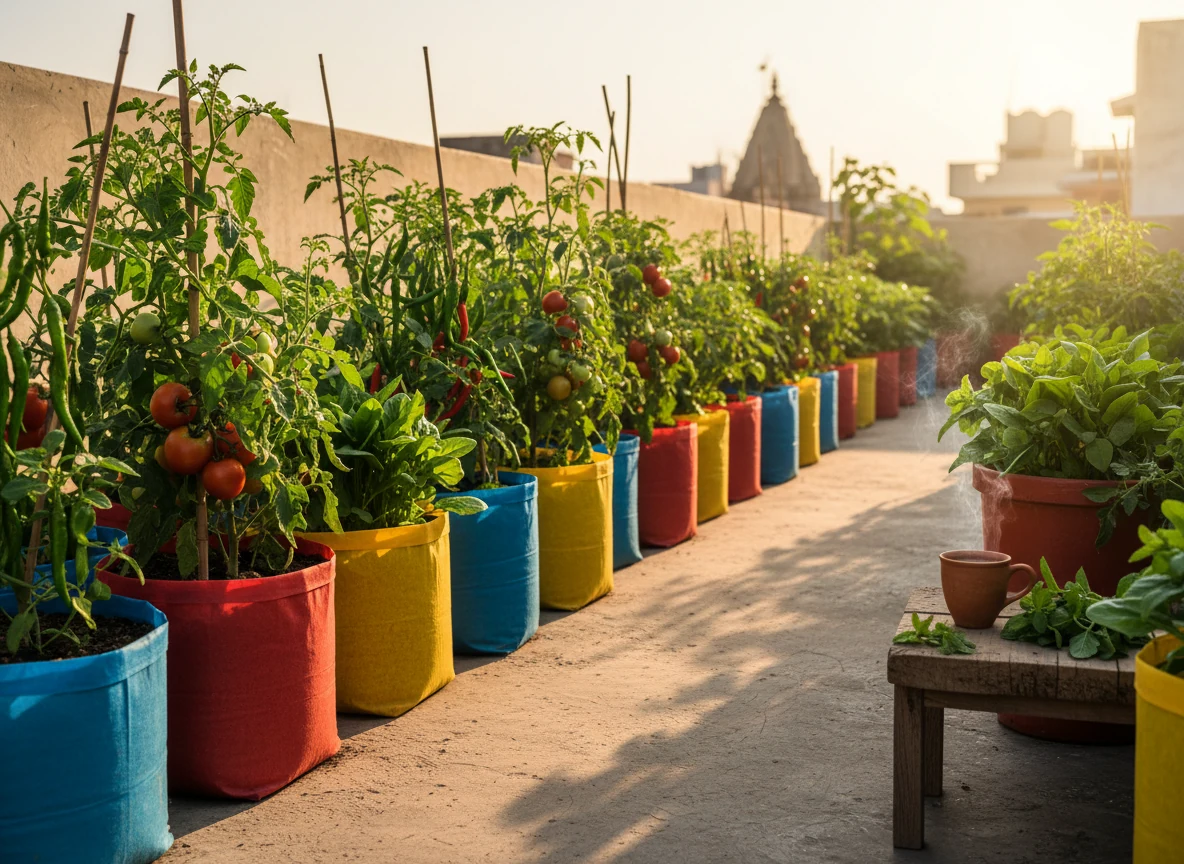
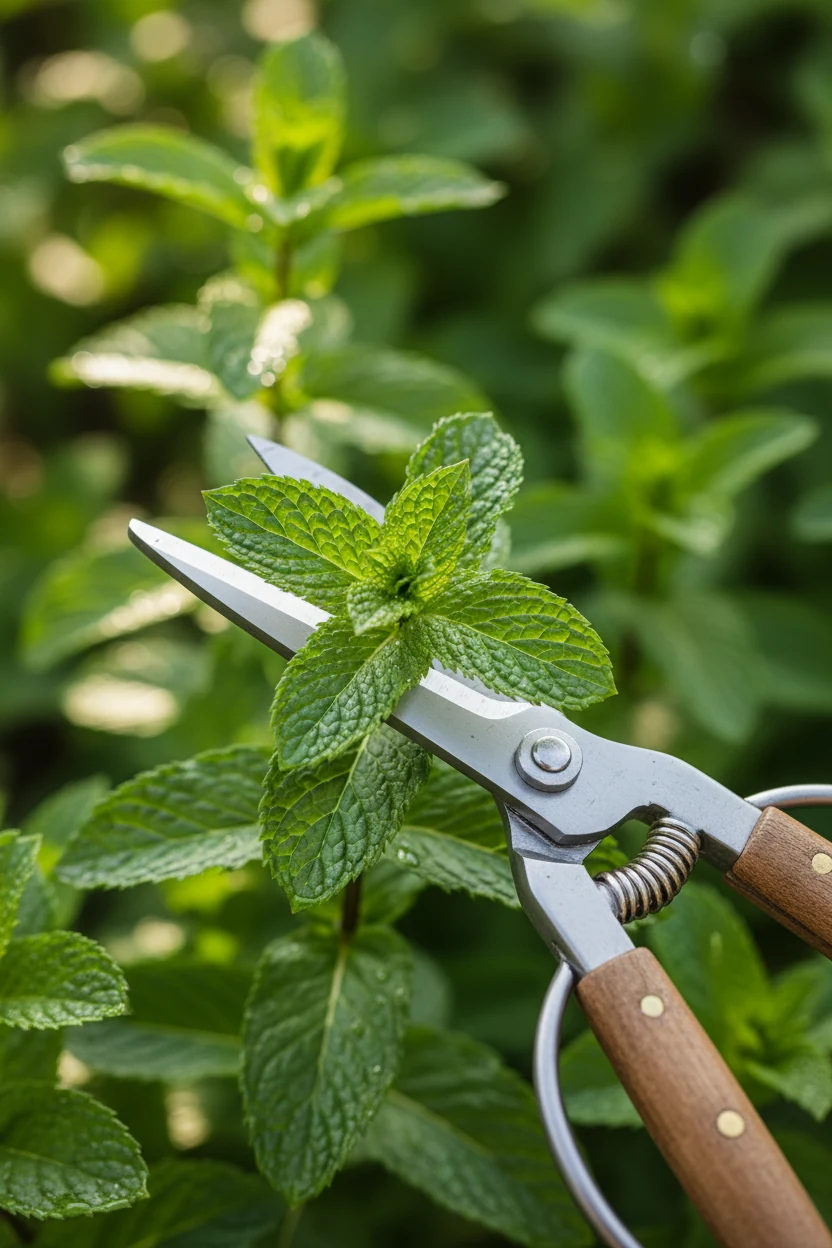
Picture this: you step outside onto your terrace, coffee in one hand, scissors in the other, and snip fresh mint for your morning chai. No grocery run, no questionable “organic” labels—just the joy of watching your own vegetables grow right above your head. Terrace gardening in India isn’t just possible—it’s ridiculously rewarding. Trust me, once you start, you’ll be wondering why you didn’t do it sooner. Let’s get you growing!
Why Terrace Gardening is a Total Game-Changer
Terrace gardening isn’t just about looking cool with a bunch of potted plants. It’s about taking control of your food, creating a green escape in the middle of urban chaos, and yes, low-key impressing your guests. You save money, know exactly what’s going into your veggies, and—bonus—you get serious bragging rights.
In Indian cities where space is at a premium, terraces are prime real estate for greenery. Sunlight? Check. Fresh air? Check. Access anytime without leaving your home? Big check. This is urban farming made simple.
Picking the Right Spot on Your Terrace
Sunlight Matters—Big Time
Most vegetables need at least 5-6 hours of direct sunlight. So no, your dark corner next to the water tank probably won’t cut it. Find a sunny spot, and watch how light moves across your terrace during the day.
Wind & Weather Woes
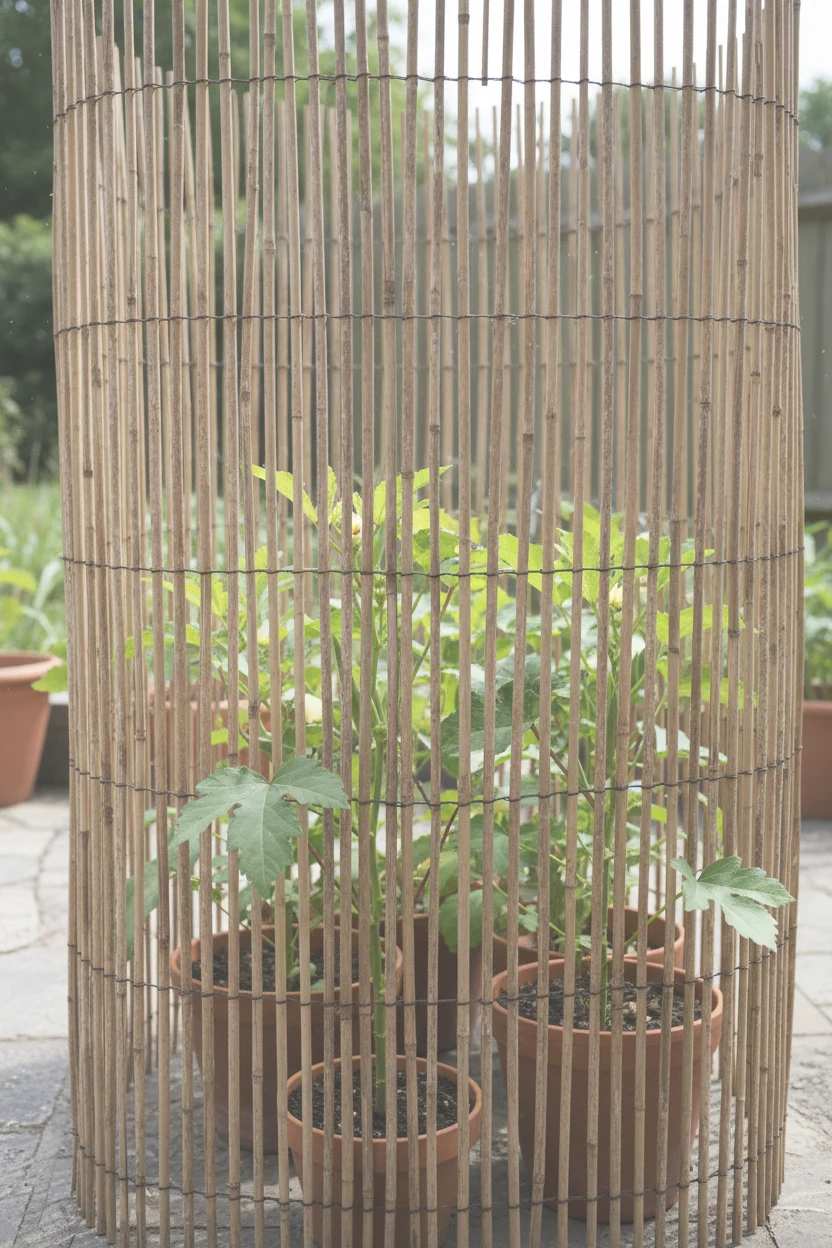
High terraces can get windy—great for drying laundry, not so great for delicate plants. Use fencing, bamboo screens, or even tall plants as windbreaks. And during heavy rains, make sure excess water drains properly unless you enjoy mini swimming pools around your tomato plants.
Choosing Your Containers & Soil
Containers That Won’t Break the Bank (or Your Back)
You can use:
- Plastic tubs and buckets (cheap and light)
- Clay pots (classic, but heavier)
- Grow bags (flexible, easy to move)
- Old crates or barrels (DIY vibes)
FYI, make sure every container has drainage holes—plants hate soggy feet.
The Soil Cocktail
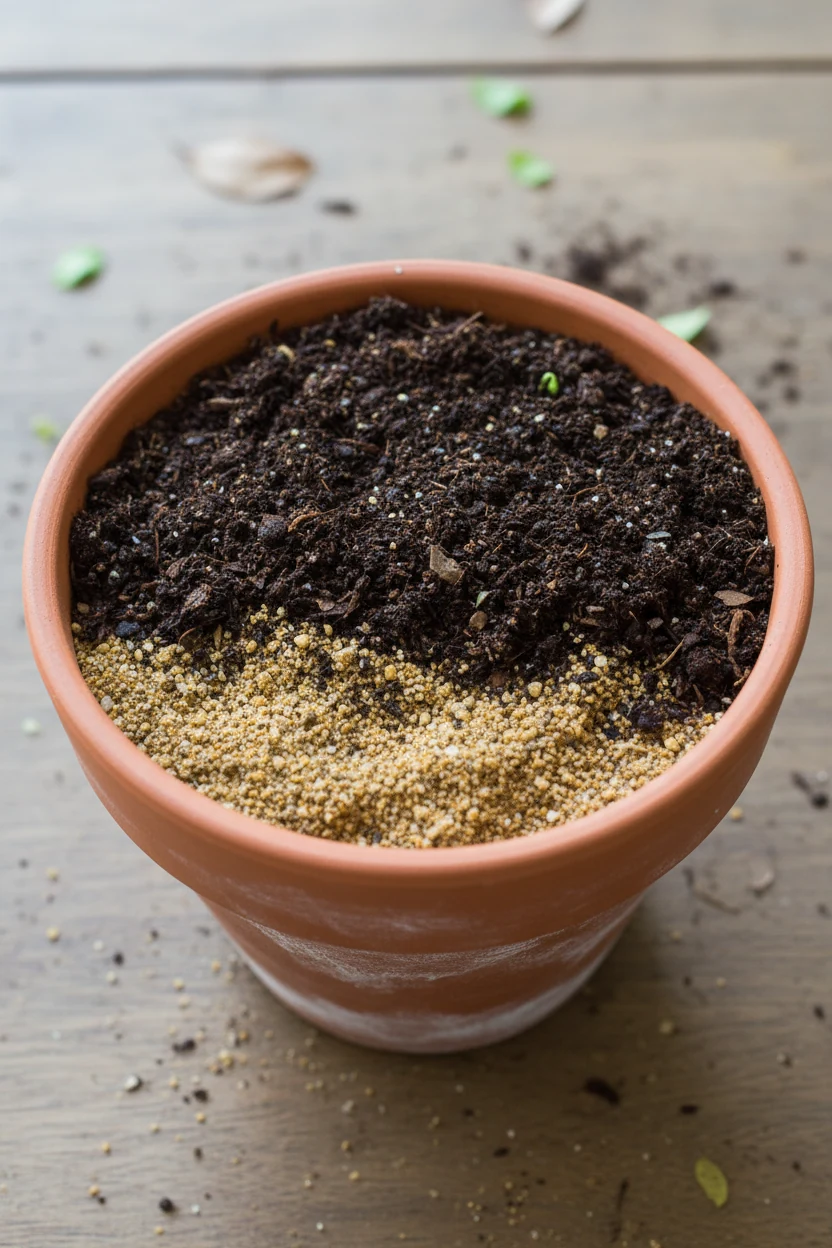
Your plants deserve more than just boring dirt. Mix:
- 40% garden soil
- 40% compost (organic if possible)
- 20% sand or coco peat
This combo ensures your veggies have nutrients, good drainage, and room for roots to stretch.
Picking Vegetables That Thrive in Indian Terraces
Not all plants are drama-free. Some are divas about temperature, others about space. If you’re starting out, go with low-maintenance champs like:
- Tomatoes
- Spinach (Palak)
- Chillies
- Coriander (Dhania)
- Okra (Bhindi)
- Lettuce
These guys forgive the occasional missed watering session. Plus, they mature quickly—instant gratification for impatient gardeners.
Watering Like a Pro
When & How Much
Morning watering is best—it keeps plants hydrated through the heat. For most veggies, once a day works, but in peak summer, you might go twice. Overwatering is a rookie mistake—it causes root rot faster than you can say “oops”.
Simple Water Hacks
For lazy days (or vacations), set up:
- Drip irrigation systems
- Self-watering containers
- Olla pots (clay pots buried in soil—cool old-school trick)
Your plants will thank you. Literally. Well, not literally—they’re plants.
Dealing with Pests & Plant Drama
Yes, pests will crash your plant party. But before reaching for chemical sprays, try natural solutions:
- Neem oil spray for general pests
- Garlic-chilli spray for stubborn bugs
- Companion planting (basil near tomatoes—keeps away some nasties)
And IMO, a little leaf nibbling is fine—it means your garden is part of nature’s food chain. Just keep the balance.
Harvesting Your Vegetables
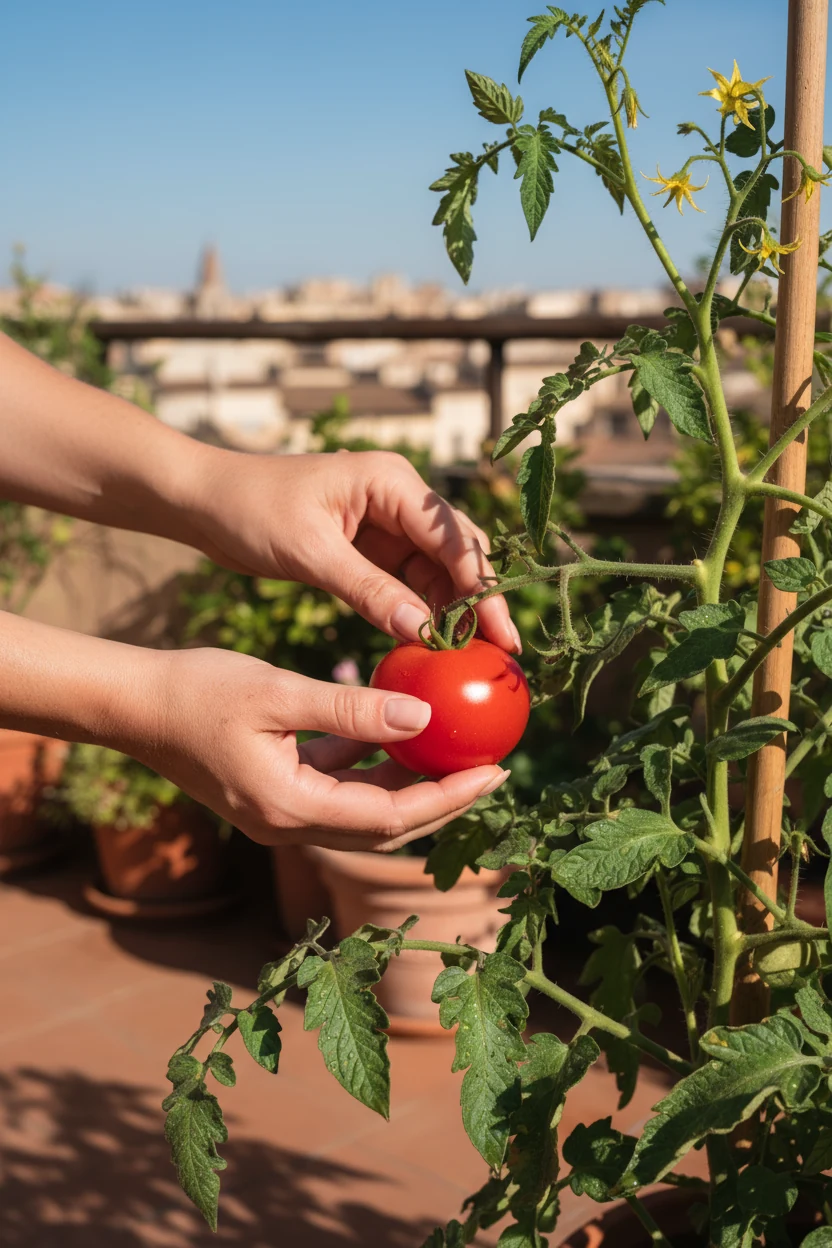
Here’s the fun part—harvesting! Snip or twist gently to avoid damaging plants. Most veggies give continuous harvests if you pick regularly. For example, regular plucking of okra and chillies encourages more growth.
Pro tip: Morning harvests keep veggies fresh and full of flavor. Plus, you’ll feel like some cool farmer before heading to work.
FAQs: Your Burning Terrace Gardening Questions
Can I grow plants without direct sunlight?
Some leafy greens like spinach and lettuce manage with partial shade, but most veggies need solid sunlight. For low-light spots, stick to herbs like mint or parsley.
How much does setting this up cost?
You can start with under ₹1000 if you recycle containers and get compost locally. Grow bags and premium soil mixes will raise the budget.
Do I need special seeds?
Nope. Regular seeds from the market work fine. But if you want faster germination or disease resistance, go for hybrid seeds from trusted sellers.
What about water shortages?
Use mulching (dry leaves or straw on soil) to reduce evaporation. Also, drip irrigation systems are water-efficient and terrace-friendly.
Can I grow fruit trees on a terrace?
Yes, but in large containers or barrels. Opt for dwarf varieties of guava, lemon, or pomegranate. Just make sure your terrace can handle the weight.
Conclusion
Starting a terrace vegetable garden in India isn’t rocket science—it’s part curiosity, part patience, and a whole lot of fun. You learn, you experiment, and occasionally, you fail (RIP basil plant). But the rewards—fresh food, a greener home, and that smug satisfaction of “I grew this”—make it more than worth your time. So grab a pot, some soil, and get planting. Your terrace is waiting!