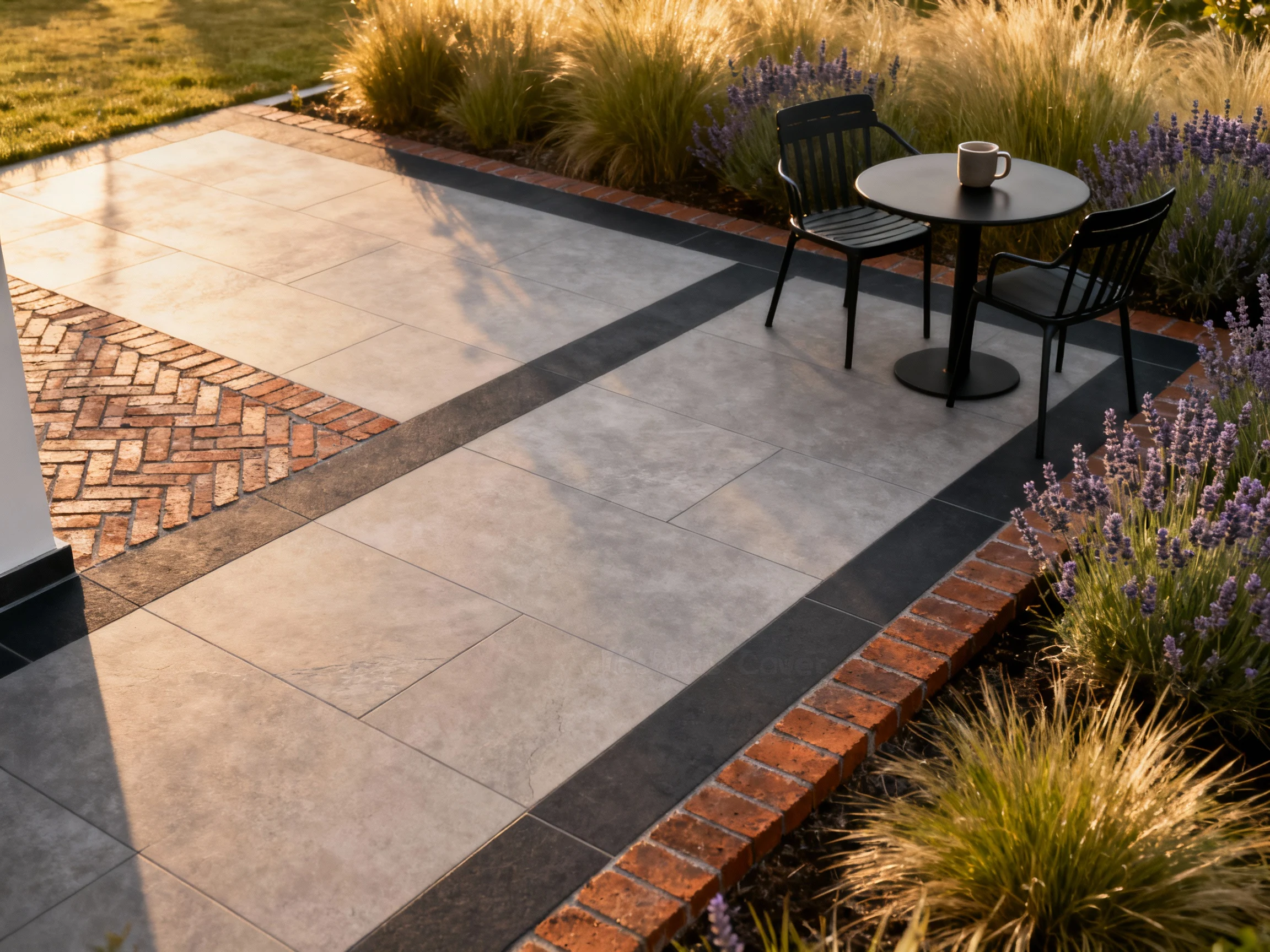
You want a patio that looks amazing, feels solid, and doesn’t turn into a maintenance headache two summers from now. You also want choices that won’t overwhelm you with “Huh?” jargon. Good news: you can pick patio pavers that match your style, your climate, and your budget without losing your mind. Let’s break down materials, sizes, and colors so you choose like a pro—minus the dusty contractor jargon.
Start With How You’ll Use the Patio
You create the best patio when you plan for your actual life. Host big backyard parties? Go with durable, easy-to-clean pavers that handle traffic. Build a chill coffee corner? Lean into comfort, warmth, and texture.
Think through these questions before you choose anything:
- How many people will use the space regularly?
- Will you put heavy furniture, grills, or a fire pit on it?
- Do you live in a freeze-thaw climate, or does your yard stay warm year-round?
- Do you want low or ultra-low maintenance?
Match the paver to your lifestyle, not the other way around. You’ll save money and frustration.
Material Showdown: Concrete, Brick, Stone, Porcelain (and a Few Oddballs)
You’ll see a lot of options, but a few materials dominate for good reasons. Each one brings strengths, quirks, and distinct looks.
Concrete Pavers
Concrete pavers deliver huge versatility and value. Manufacturers offer tons of shapes, thicknesses, and textures—from modern smooth slabs to cobblestone vibes. You get consistent sizes, modular patterns, and strong performance.
Pros:
- Great bang for your buck and lots of color choices
- High strength in 60mm and 80mm thicknesses
- Works with many patterns and edge restraints easily
Watch-outs:
- Color can fade without sealing in intense sun
- De-icing salts can damage some mixes—skip salt, use sand or safe melters
- Efflorescence (white chalky film) can pop up—clean it and move on
Clay Brick Pavers
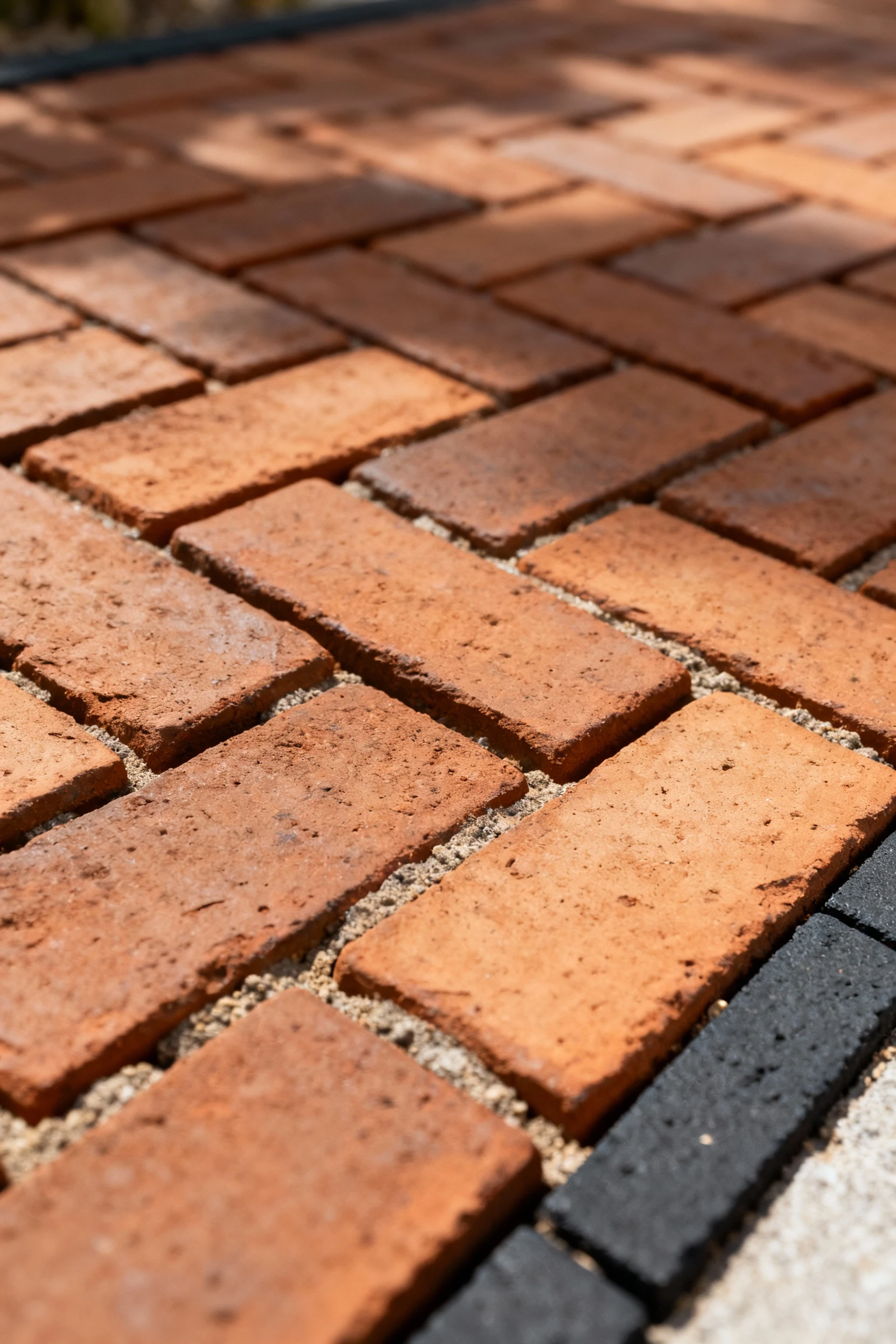
Brick pavers bring that timeless, classic look. They feel charming and warm, especially with running bond or herringbone patterns. They usually size smaller than concrete pavers, so they suit tight spaces beautifully.
Pros:
- Iconic character and rich, natural color
- Excellent durability and slip resistance
- Great for borders and accents
Watch-outs:
- Limited sizes and color range compared to concrete
- Can chip under aggressive freeze-thaw and heavy traffic
- Often higher cost than basic concrete
Natural Stone
Stone looks stunning—period. Bluestone, granite, travertine, and limestone each bring unique texture and shades. You get character that no factory can replicate, and you win style points every time.
Pros:
- High-end aesthetics with organic variation
- Excellent longevity when you pick the right stone
- Pairs beautifully with landscaping and architectural elements
Watch-outs:
- Thickness can vary, so the install takes more skill
- Not all stones love freeze-thaw cycles—pick wisely
- Costs usually run higher, especially for large-format slabs
IMO, natural stone wins the “wow” contest effortlessly—even small patios look fancy with it.
Porcelain Pavers
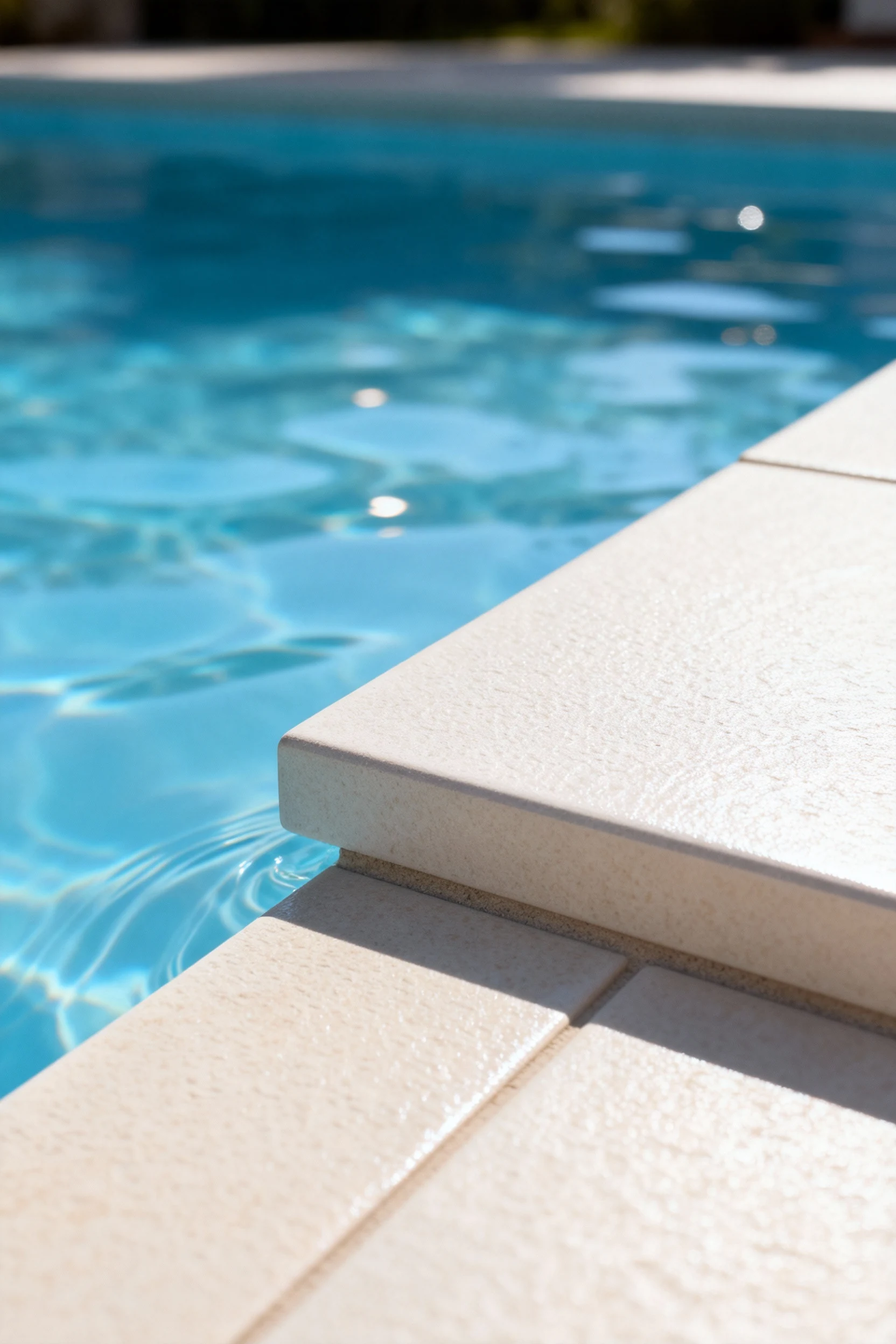
Porcelain keeps things modern and sleek. You get consistent sizes, low porosity, and minimal maintenance. Many brands offer 20mm outdoor-rated tiles that sit on a pedestal system or sand-set base.
Pros:
- Super stain resistance and easy cleaning
- Beautiful large-format options for a minimalist vibe
- Great for pool decks because of low water absorption
Watch-outs:
- Surface can feel slick—choose textured finishes for wet areas
- Cutting requires the right blades and patience
- Cost lands higher than concrete in most cases
FYI, porcelain laughs at spilled wine and BBQ grease, which matters if you host like a pro.
Rubber and Recycled Options
Rubber pavers use recycled materials and install quickly. They cushion foot traffic and help with slip. They don’t look as high-end, but they serve specific needs well.
Pros:
- Fast install and forgiving underfoot
- Eco-friendly vibe
- Low maintenance
Watch-outs:
- Lower visual appeal compared to stone or porcelain
- Heat buildup in direct sun can happen
- Not ideal for formal designs
Strength, Climate, and Maintenance: Choose for Performance
You want pavers that shrug off your local weather. Heavy freezes? Big swings in temperature? Hot desert sun? Pick materials and finishes that thrive in your reality.
Thickness and Traffic
Match thickness to use:
- 60mm (2⅜”) for standard patios and foot traffic
- 80mm (3⅛”) if you drive or park on it (driveway-grade)
- 20mm porcelain on pedestals or properly prepared sand-set systems
You also protect pavers with solid edge restraints and a compacted base. Good bones equal a long life.
Climate and Slip Resistance
Cold climates demand frost-resistant materials and open-graded bases that drain well. Wet areas need textured surfaces for traction. Hot climates benefit from light colors that reflect heat.
Keep these rules:
- Slope the patio 1–2% away from structures for drainage
- Choose textured finishes near pools and spas
- Avoid soft stones in freeze-thaw regions
Maintenance Reality Check
You can keep pavers looking fresh with minimal drama:
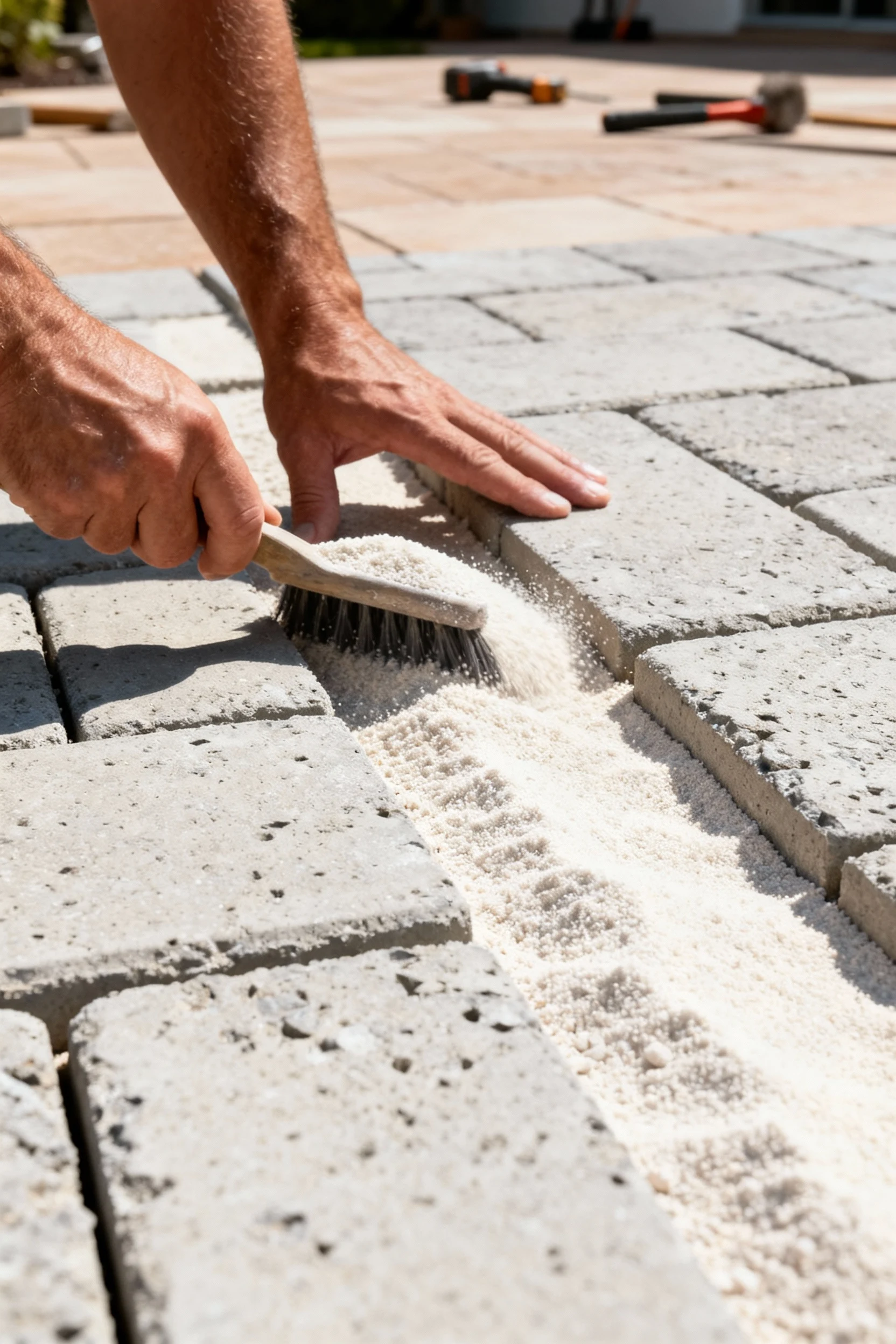
- Use polymeric sand in joints to lock out weeds
- Seal concrete or stone if you want color pop and stain resistance
- Skip de-icing salts; use sand or calcium magnesium acetate when needed
You set yourself up for success when you pick materials you can actually maintain. Lazy patios still deserve love.
Sizes, Shapes, and Patterns: Scale Matters
Paver size changes the whole vibe. Small formats feel intricate and quaint. Large slabs read modern and expansive.
Small vs Large Formats
Small-format (think 4×8 or 6×9) suits tight spaces and curvy paths. They flex into herringbone, basketweave, and running bond nicely. Large-format (18×18, 24×24, or 16×32) looks sleek and clean in bigger areas.
Guidelines:
- Use larger slabs in big patios to reduce busy joints
- Use smaller pavers for cozy nooks, edges, and curves
- Mix sizes in modular sets for visual rhythm
Patterns That Never Fail
Patterns add personality without yelling. You can nail it with the classics:
- Running bond for a simple, linear look
- Herringbone when you want strength and movement
- Ashlar (random modular) for a natural, varied appearance
- Basketweave for old-world charm
Pro tip: rotate herringbone 45° to the house for drama that screams “I planned this.”
Joint Width and Edge Detail
Joint width affects aesthetics and stability. Tight joints look sleek but need precision. Slightly wider joints accept polymeric sand more easily and help with drainage.
Edge options:
- Tumbled edges for soft, aged style
- Square edges for crisp, modern lines
- Chamfered edges to reduce chipping
Color Tips: Undertones, Heat, and Harmony
Color makes or breaks your patio. You want a tone that plays nice with your home’s exterior and landscape. You also want something that doesn’t turn into a frying pan in July.
Match Undertones
Your house throws undertones whether you notice them or not. Warm tan siding likes warm browns and beiges. Cool gray stucco loves charcoal, slate, and blue-grays.
Use this quick cheat sheet:
- Warm house → buff, caramel, rust, warm gray
- Cool house → steel, slate, ash, blue-gray
- Mixed materials → blended pavers with variegation
Pull colors from your roof, trim, and stone accents. Everything should look like it belongs together.
Heat and Light Reflection
Sun hits dark pavers hard. Charcoal and black absorb heat, so they can feel hot underfoot. Lighter colors stay cooler and reflect more light.
General rules:
- Use lighter tones for pool decks and south-facing patios
- Pick textured, matte finishes to reduce glare
- Balance contrast; don’t force black on a blazing desert patio
FYI, you can choose mid-tone blends that win both ways—less heat, plenty of depth.
Mixing Colors Without Chaos
You can keep things interesting with borders and accents. A darker border frames a light field nicely. A subtle blend in the main area hides dust and minor stains.
Keep it clean:
- Limit yourself to 2–3 colors total (field + border + accent)
- Match border color to a feature, like shutters or a fence
- Use variegated blends when you want texture without loud patterns
IMO, a bold border plus a calm field gives you “designer” vibes without trying too hard.
Budget and Value: Think Lifetime, Not Just Day One
Costs vary, but you can make smart choices with a zoomed-out view. Price depends on material, thickness, finish, and installation complexity. You save money when you design for efficient labor and minimal cutting.
General pricing guidance (materials only; your market may differ):
- Concrete pavers: usually the most budget-friendly
- Clay brick: mid-to-high depending on brand
- Natural stone: mid-to-very-high (quality and thickness drive cost)
- Porcelain: mid-to-high for outdoor-rated slabs
Think total value:
- Plan simple patterns to reduce cuts and waste
- Choose low-maintenance finishes if you hate sealing
- Invest in a proper base; it saves you repairs later
You win when your patio looks great, lasts long, and doesn’t demand weekend chores you didn’t sign up for.
Installation Basics: The Stuff That Makes or Breaks Your Patio
You don’t need to micromanage every shovel. You do need the fundamentals so you avoid “Why is this sinking?” moments later.
Base Prep and Drainage
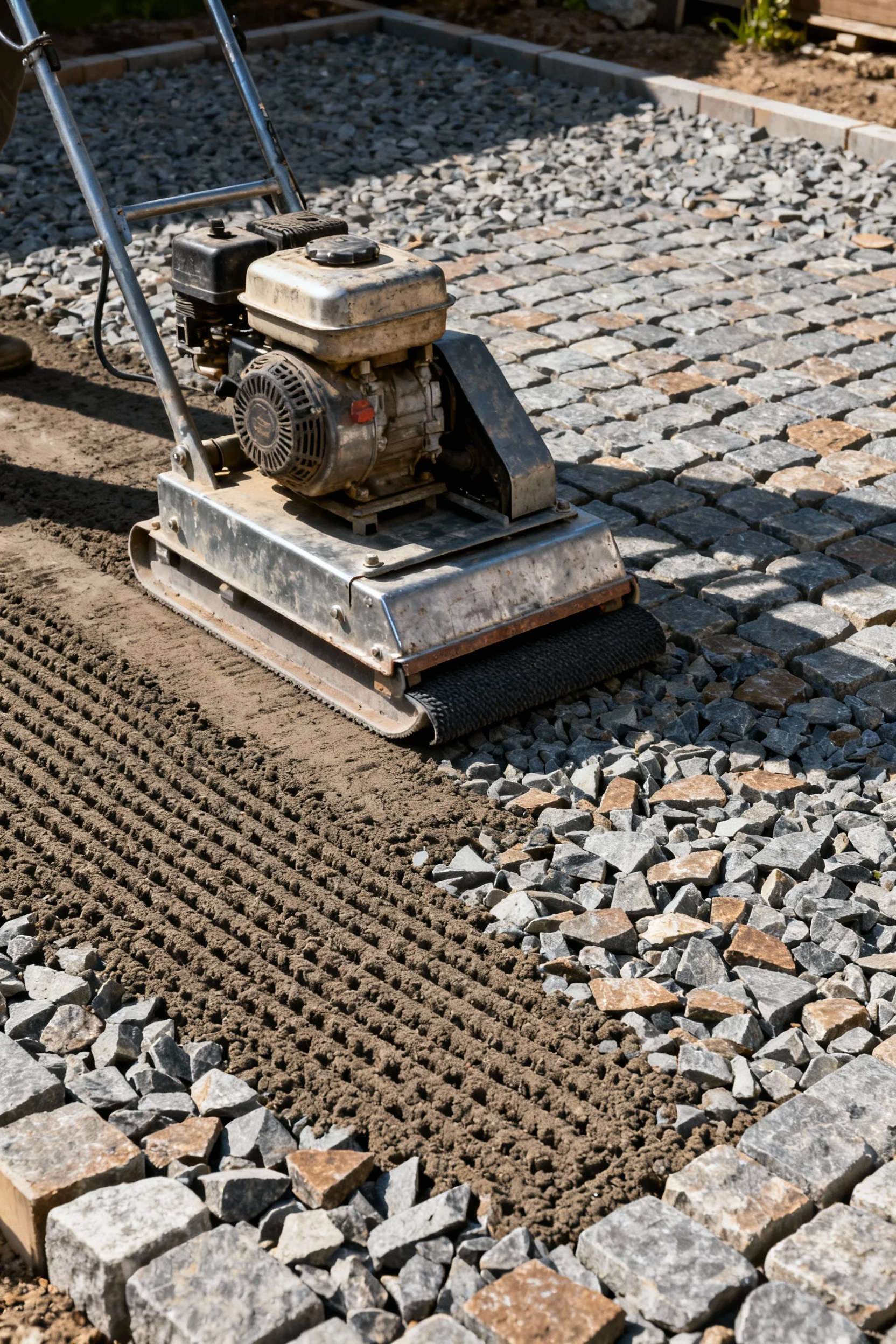
A strong base carries the project. Excavate to allow for base layers and paver thickness. Compact crushed stone (or open-graded aggregate in permeable builds), then set bedding sand.
Lock these in:
- Compact in thin lifts so the base bonds tightly
- Maintain 1–2% slope away from your house
- Install edge restraints to keep the field tight
Joints, Spacing, and Finishing
Set consistent joints and check lines often. Sweep polymeric sand into joints, mist with water, and let it cure. Clean the surface, then seal if the material benefits from it.
Avoid these traps:
- Skipping compaction between lifts
- Allowing dips that collect water
- Using the wrong sand or skipping edge restraints
A small checklist beats big regrets every time.
FAQ
Which paver material lasts the longest?
Concrete, clay brick, and dense natural stone all deliver excellent longevity when you install them correctly. You keep any of them going for decades with a solid base, good drainage, and routine cleaning. Porcelain stays pristine as well, especially when you use textured outdoor-rated tiles.
Do I need to seal my patio pavers?
You don’t need to seal every patio, but sealing helps in many cases. Seal concrete if you want richer color and extra stain resistance. Seal natural stone if the manufacturer recommends it and you want to reduce absorption; use breathable sealers that suit your specific stone.
What size pavers work best for small patios?
Smaller formats (like 4×8 brick or 6×9 concrete) keep small spaces feeling proportional. They flex into tight curves, and they create visual interest without overwhelming the area. You can also use mid-size modular sets for variety without big slabs crowding the scene.
How do I keep weeds out of the joints?
Use polymeric sand and compact it properly. Set good drainage so water doesn’t sit and invite growth. Sweep debris off the patio regularly so seeds don’t camp out in the joints.
Can I mix materials in one patio?
Absolutely. You can blend concrete with natural stone accents, or use brick borders with a concrete field. Keep textures and tones cohesive, and limit your palette to two or three materials to avoid visual chaos.
What patterns feel strong under heavy use?
Herringbone distributes loads beautifully and resists shifting. Running bond also handles traffic well when you orient it smartly. Ashlar patterns look natural and spread loads decently, especially with thicker pavers and tight edge restraints.
Conclusion
Pick patio pavers by matching material, size, and color to how you live—then give the base and drainage the respect they deserve. Concrete wins on value, stone wins on drama, porcelain wins on easy cleaning, and brick wins on classic charm. Choose sizes and patterns that fit the scale of your space, and keep color grounded in your home’s undertones. Do that, and your patio will look intentional, feel solid, and make you want to hang outside way more often.