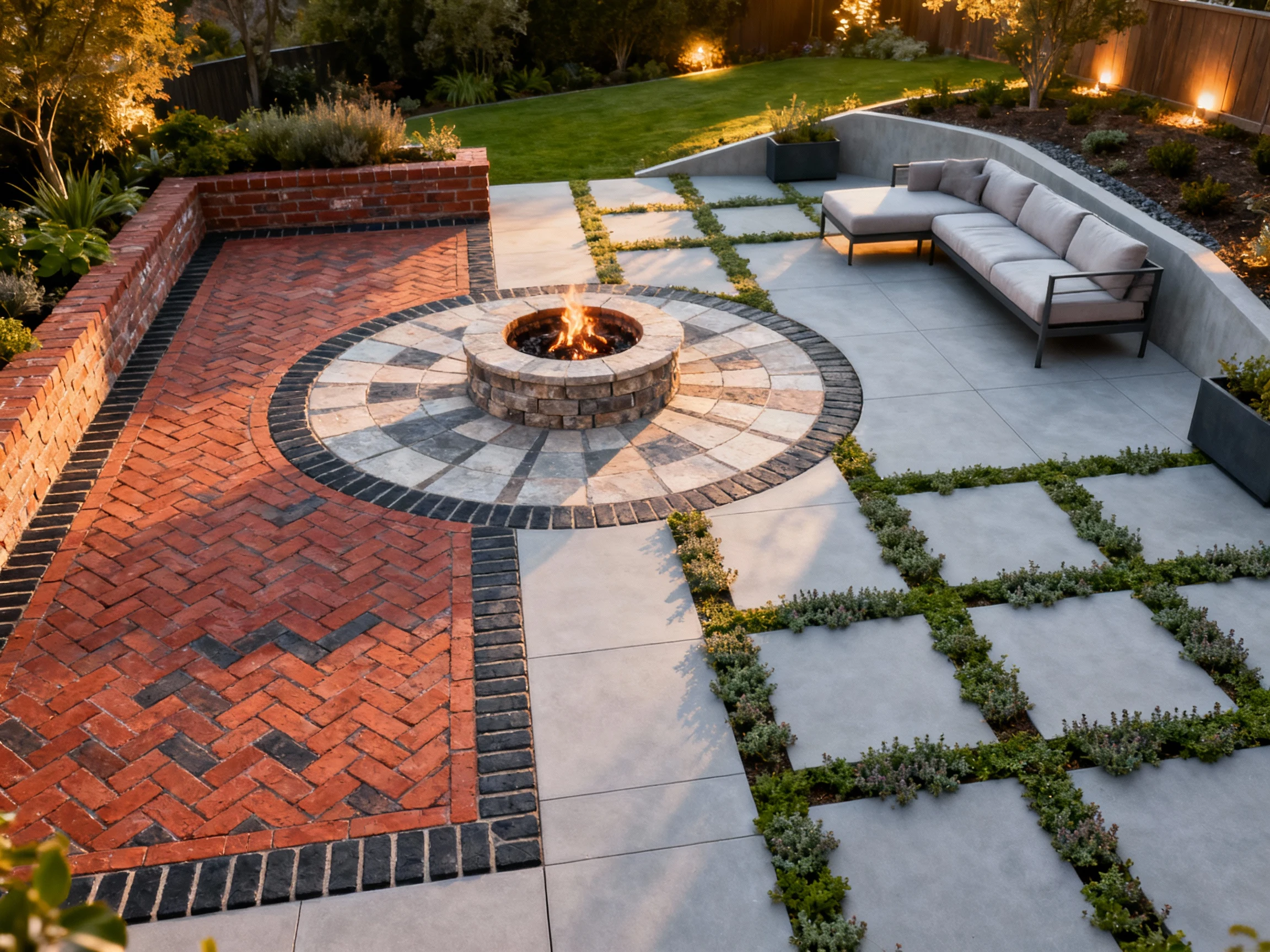
Your patio deserves more than a couple of sad stepping stones and a folding chair. You can turn that patch of ground into the outdoor hangout everyone fights to host in. Ready to swap patchy grass for “ooh, what did you do here?” vibes? Let’s dive into smart, stylish paving ideas you can actually use without needing a degree in landscape architecture.
Start With a Game Plan (So You Don’t Blow the Budget)
Before you call the paver delivery truck, map out the space. Decide how you want to use your patio: lounging, dining, fire pit nights, or all of the above. Measure twice, choose materials that survive your climate, and sketch the layout.
Define Your Zones
Create simple zones so your patio doesn’t feel like a furniture yard sale. Put dining near the kitchen door, lounge seating under shade, and the fire pit away from anything flammable. Zoning helps you pick surfaces that suit each area—smooth for dining, textured for poolside, and durable for high-traffic spots.
Prep Like a Pro
Strong foundations keep everything level and drama-free. Lay a compacted base, set proper slopes for drainage, and use edge restraints. Want your patio to stay flat and gorgeous? Invest in base prep. It saves you from wobbly pavers and puddles later.
21 Paving Ideas You’ll Actually Use
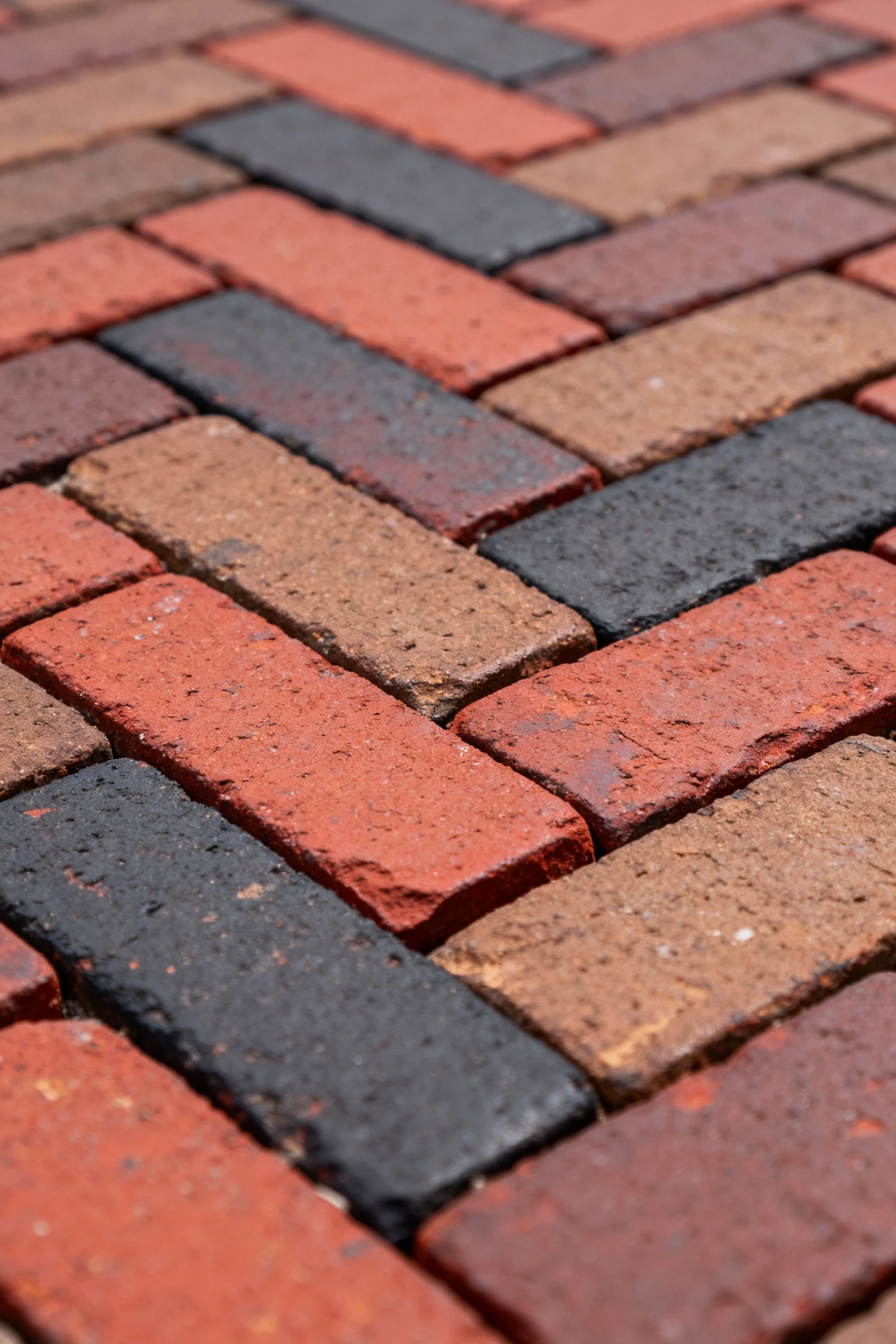
- Herringbone Brick – Classic and strong, this interlocking pattern handles foot traffic like a champ. Mix red, brown, and charcoal bricks for depth and warmth. It gives instant “historic courtyard” energy without pretension.
- Basketweave Brick – Old-world charm, simple install, great for small patios. Use contrasting bricks for a subtle checkerboard look. Pair with a crisp soldier-course border for a tidy finish.
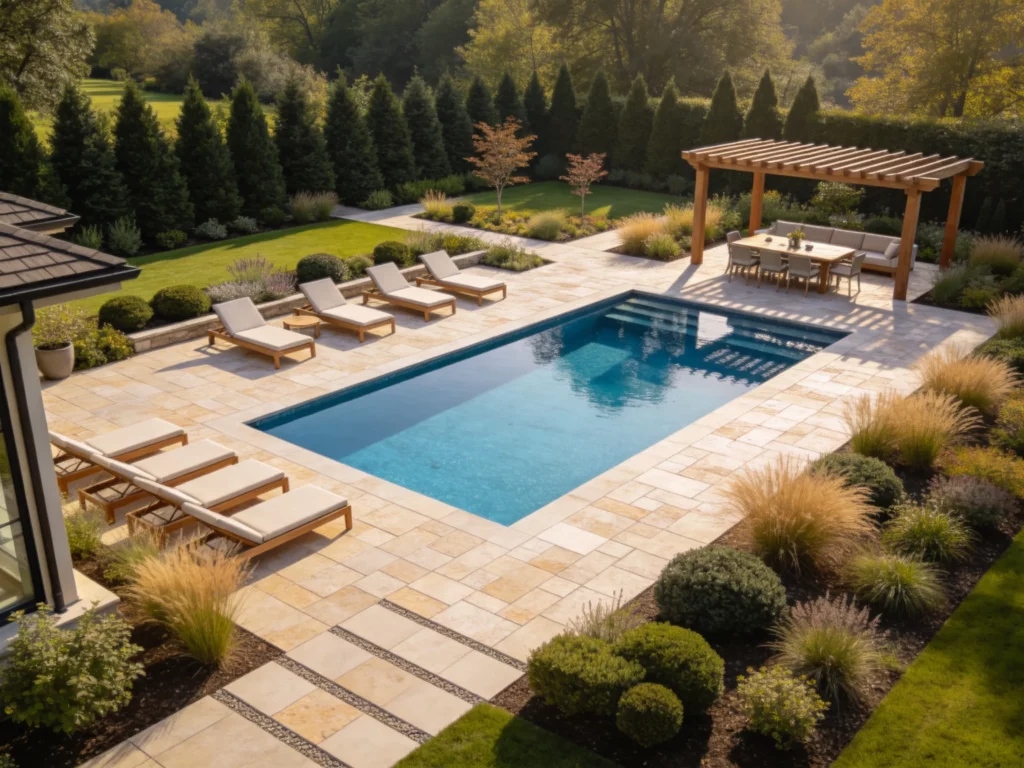
- Large-Format Porcelain Slabs – Sleek, modern, and low maintenance. Porcelain resists stains and fading, and many options offer anti-slip textures. Choose lighter shades to keep the space cool and airy.
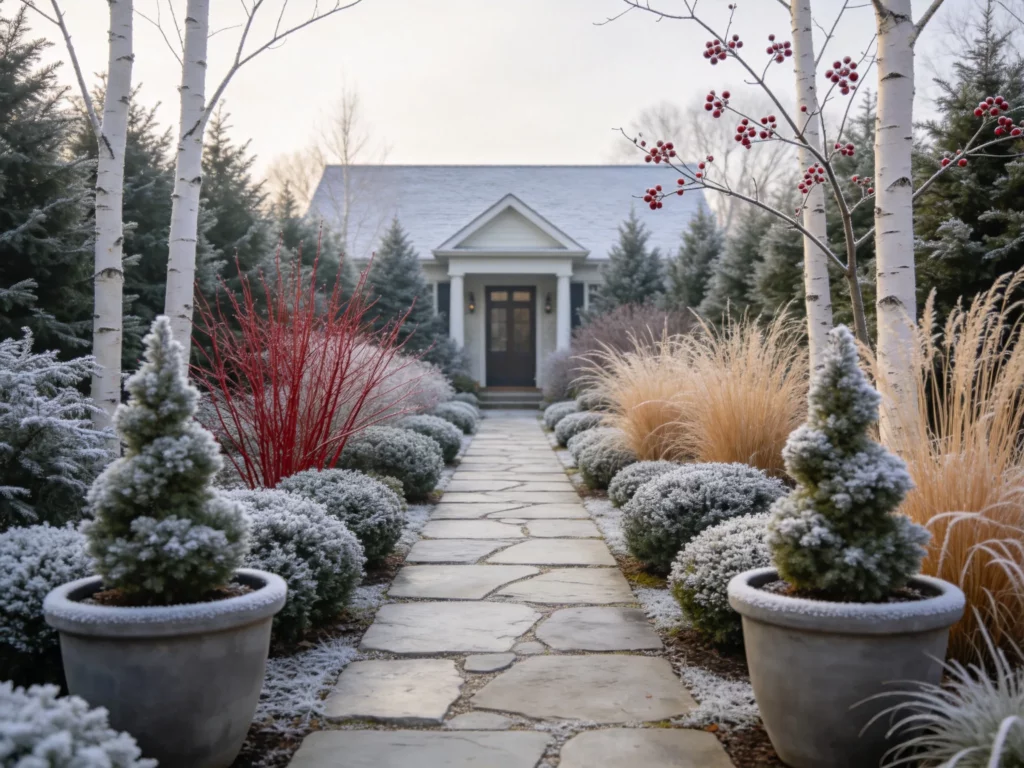
- Irregular Flagstone (Crazy Paving) – Natural sandstone or slate creates an organic look. Fit pieces like a giant puzzle for a rustic feel. Fill joints with polymeric sand or groundcover for extra charm.
- Geometric Concrete Pavers – Hexagons, diamonds, and triangles add playful geometry. Use two tones for a subtle pattern or go bold with high contrast. It’s modern, fun, and totally Instagram-worthy.
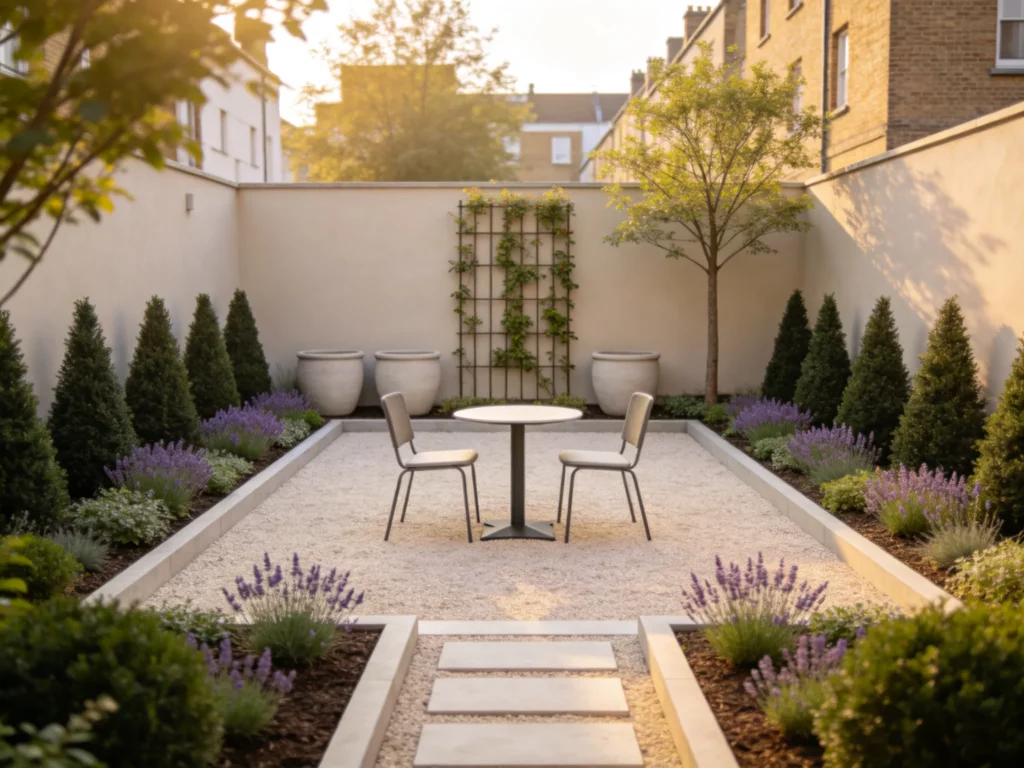
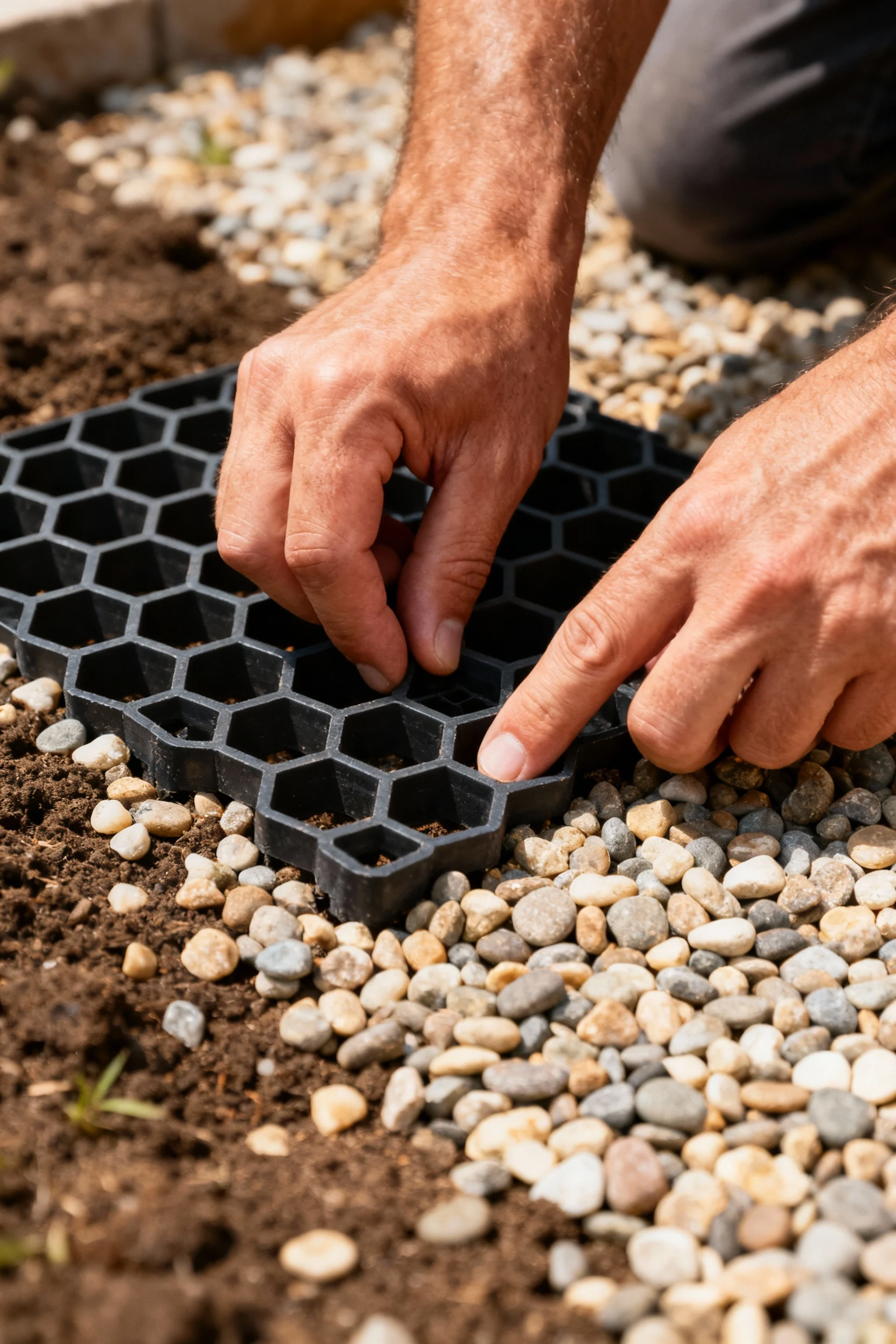
- Gravel With Stabilizing Grids – Pea gravel looks great but shifts without help. Install a honeycomb grid underneath to lock it in place. You get a permeable, budget-friendly patio that doesn’t wander off.
- Cobblestone Setts – Durable, textured, and basically eternal. Granite or basalt setts bring European street vibes. Use cobbles for the whole patio or as bands across smooth surfaces for grip and drama.
- Wood-Look Porcelain – Warm wood look, zero warp, no sealing. Lay in a plank pattern for a deck feel without deck maintenance. It’s a cheat code for cozy style.
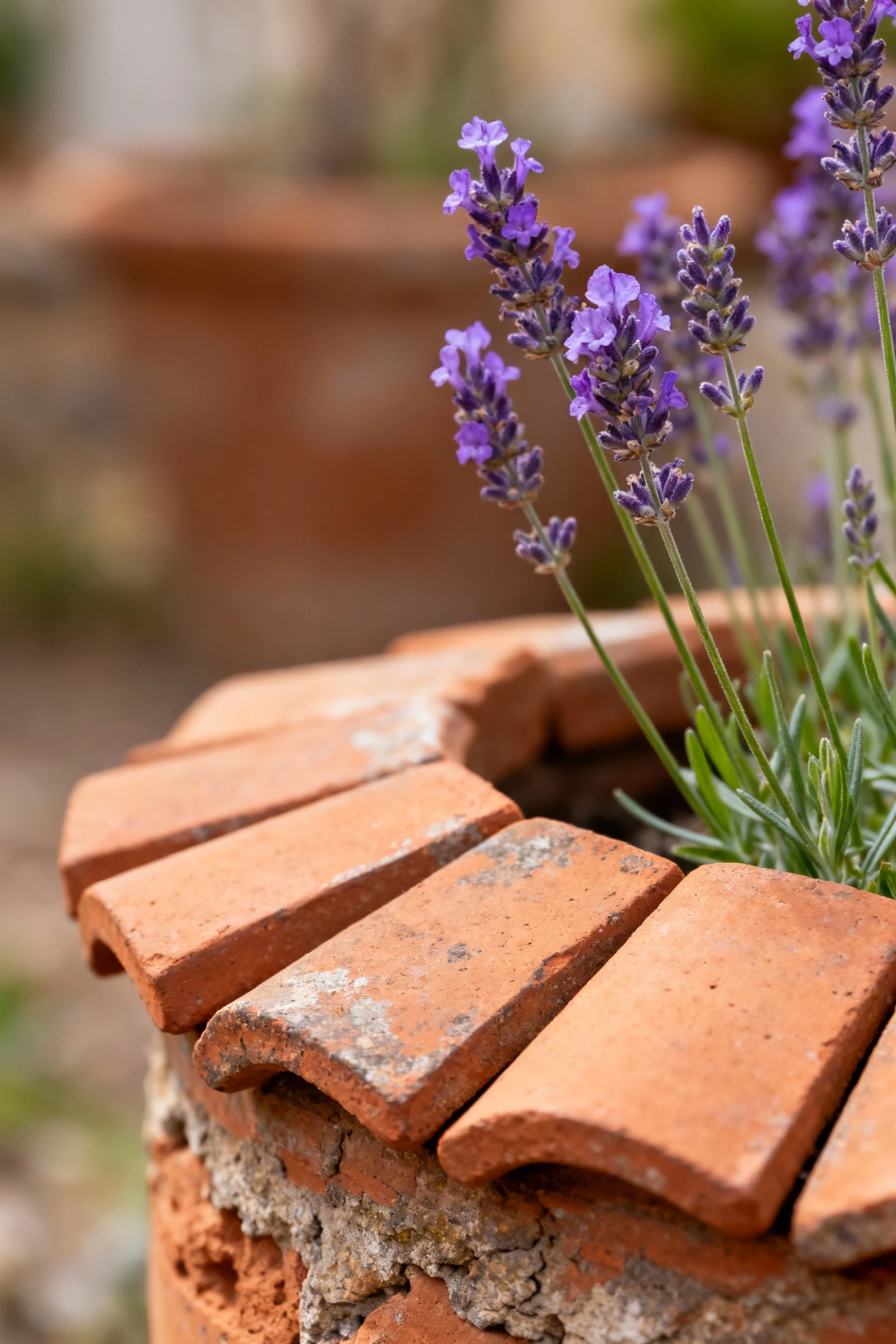
- Terracotta Tiles – Earthy, sun-kissed, and gorgeous in warm climates. Seal well to protect color and reduce staining. Layer with rough-hewn planters and lavender for Mediterranean magic.
- Resin-Bound Aggregate – Smooth, seamless, and permeable. This surface blends stones with resin for a modern finish that drains well. Use natural aggregate colors for a soft, contemporary vibe.
- Exposed Aggregate Concrete – Durable concrete with pebbles at the surface. It adds subtle texture and sparkle. Combine with poured concrete bands for clean lines.
- Stamped Concrete – Mimic stone, slate, or even timber without the complexity. Choose patterns and colors that look natural, not “theme park.” Seal for longevity and easy cleaning.
- Modular Deck Tiles – Snap-together wood or composite tiles cover tired slabs fast. Perfect for renters or quick refreshes. Lay over level surfaces and boom: instant patio upgrade.
- Mixed Materials – Try a slate field with a brick border or concrete with cobblestone inlays. Mixing textures adds depth and looks curated. Borders matter: they frame the space and prevent drift.
- Stepping Stones + Groundcover – Big pavers set in thyme or moss create a soft, organic walkway. This style works beautifully for meandering paths to a patio nook. It also cools the feel underfoot.
- Permeable Pavers – Let rain pass through and reduce runoff. These pavers help with drainage and keep puddles out of your party. Choose earthy tones for a natural look that blends with landscaping.
- Diamond or Chevron Layouts – Rotate square pavers 45 degrees or lay planks in chevron. It tricks the eye and makes small spaces feel dynamic. Use one color for subtlety or two for punch.
- Color-Blocked Zones – Use darker pavers under dining, lighter under lounge. You get visual separation without walls. Color blocking helps flow and makes styling easier.
- Circular Fire Pit Kit – Pre-cut rings make round patios straightforward. Add a radial paver pattern for a dramatic focal point. It’s a built-in gathering spot that almost guarantees s’mores.
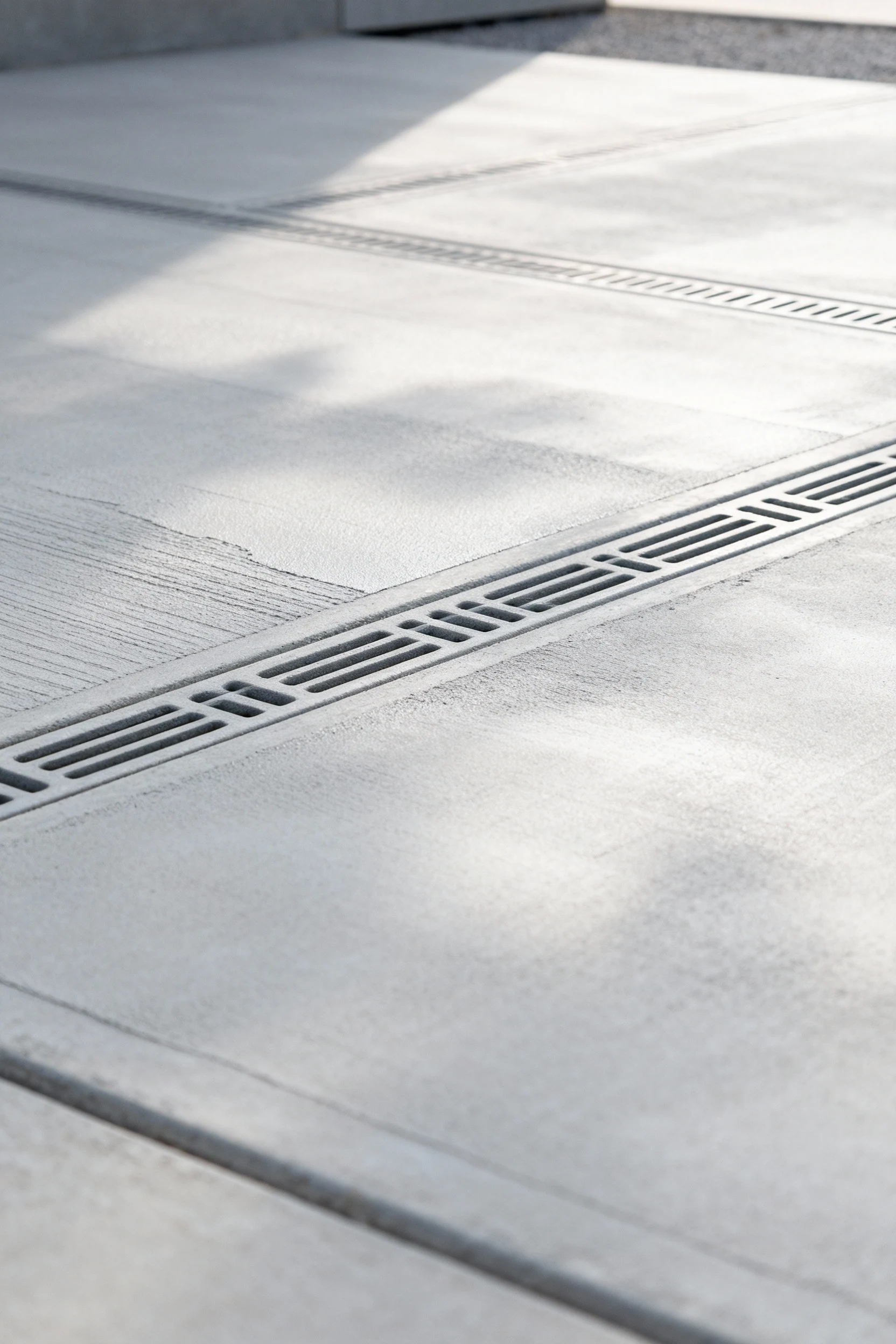
- Smooth Concrete Pad + Drain Channels – Minimalist and clean. Trowel a premium finish and cut shallow channels for discreet drainage. Slide furniture easily and keep water moving away.
- Mosaic Inlay Accent – Create a medallion or border with pebbles, tiles, or glass. Keep the main field simple, then let the inlay spark joy. Less is more: one accent beats chaos.
Patterns and Layout Tricks That Feel High-End
Patterns change everything, even with simple materials. You can stretch a budget by laying standard pavers in clever ways. Want upscale with low effort? Focus on layout.
Classic Patterns That Always Work
– Running bond: Clean lines, easy install, perfect for long spaces.
– Herringbone: Great for strength and movement.
– Basketweave: Adds texture without overwhelming the eye.
Modern Moves
– Grid with wide joints: Space slabs and fill with gravel or thyme.
– Offset planks: Stagger wood-look porcelain for a deck vibe.
– Geometric tessellations: Hex or diamond patterns for bold style.
Materials: What to Pick and Why
Materials change maintenance, comfort, and long-term costs. Choose based on climate, use, and your tolerance for chores. Be honest with yourself—do you enjoy sealing stone? Or do you prefer a hose and done?
Natural Stone
– Sandstone: Warm, varied color, softer underfoot. Seal if you get freeze-thaw cycles.
– Slate: Dark, moody, and elegant. Watch for surface flaking in lower-grade tiles.
– Granite: Hard and bulletproof, but pricier. Great for setts and borders.
Engineered Options
– Concrete pavers: Affordable, consistent, and versatile patterns.
– Porcelain: Non-porous, stain-resistant, and sleek. Use textured surfaces outdoors for grip.
– Resin-bound: Smooth, permeable, and modern. Install with pros for best results.
Budget-Friendly Choices
– Gravel with grids: Permeable and cheap, but you still get a stable surface.
– Stamped concrete: One pour, many looks. Seal to protect color.
– Modular deck tiles: Quick refresh, renter-friendly, and zero concrete mixing.
Edges, Joints, and Drainage (The Details That Make It Last)
Good edges and joints keep your patio tidy and stable. Proper drainage keeps it safe and usable after storms. These details look boring, but they save you in the long run.
Joint Options
– Polymeric sand: Resists weeds and washout, perfect for pavers.
– Mortared joints: Clean and strong, but less flexible. Use with stone when movement stays minimal.
– Groundcover joints: Plant creeping thyme or blue star creeper for charm and cooling.
Drainage 101
– Pitch surfaces away from buildings about 1–2%.
– Add a French drain or channel grate at low spots.
– Use permeable pavers or gravel zones to soak excess water.
FYI: flat patios turn into birdbaths, and your guests notice.
Color, Lighting, and Styling (Make It Pop)
Color changes mood fast. Lighter patio tones feel airy; darker tones feel grounded and cozy. Pick a palette that plays nicely with your house and garden.
Easy Color Wins
– Use warm grays with wood furniture for balanced vibes.
– Match a brick border to your home’s brick for cohesion.
– Add a single accent color—like terracotta pots or deep navy cushions—so the patio doesn’t feel random.
Lighting That Actually Helps
– Low-voltage path lights for safety and glow.
– String lights for atmosphere (yes, they still slap).
– In-ground LEDs around edges or steps for a subtle high-end feel.
IMO, a few well-placed lights beat a floodlight that blinds everyone.
Styling for Comfort
– Add a rug to soften hard surfaces.
– Use planters to soften edges and blend patio into the garden.
– Keep furniture flexible: modular seating, stackable chairs, and a small bar cart for multipurpose hosting.
Maintenance Without Losing Your Weekend
You can keep your patio gorgeous without stress. Focus on regular quick wins, not seasonal overhauls. Easy routines beat heroic efforts you never repeat.
Simple Routine
– Sweep weekly to avoid grit scratching surfaces.
– Hose down after messy dinners or pollen storms.
– Spot-clean stains quickly—oil and wine love to stick around.
Seasonal Checks
– Reseal stone, stamped concrete, or terracotta when water stops beading.
– Top up polymeric sand in joints after a couple years.
– Trim groundcovers so stepping stones stay visible.
FYI: a little attention now prevents big repairs later.
FAQ
How do I choose the right paving material for my climate?
Match material to weather patterns. If you deal with freeze-thaw cycles, choose dense stone, concrete pavers, or porcelain with good slip resistance. In hot, sunny areas, pick lighter colors and materials that don’t get scorching, like sandstone or textured porcelain.
Can I mix different paving materials without it looking chaotic?
Yes, and it can look amazing. Keep one dominant material for about 70–80% of the surface, then use a secondary material as borders, accents, or a defined zone. Repeat colors across the mix so the palette stays cohesive.
What’s the easiest DIY patio option if I’m new to this?
Start with modular deck tiles over a sound, level surface or go with gravel stabilized by grids. These systems install fast and keep tools minimal. If you want pavers, begin with a small area and a simple running-bond layout.
Do I need to seal my patio?
Sealing helps with stain resistance and color protection for natural stone, stamped concrete, and terracotta. Porcelain and many concrete pavers often don’t need sealing, but sealing joints with polymeric sand still helps with weeds. Check manufacturer recommendations and watch for water absorption; seal when water stops beading.
How do I prevent weeds between pavers?
Use a compacted base and good edge restraints, then fill joints with polymeric sand. Keep organic debris off the patio so seeds don’t settle in. If you prefer planted joints, choose dense groundcovers that outcompete weeds.
What pattern makes a small patio feel larger?
Lay large-format slabs with tight joints or rotate square pavers on a 45-degree angle. Keep the color palette light and consistent. Avoid too many cuts or busy borders that chop the space visually.
Conclusion
Your patio can work hard, look great, and feel like an extension of your home. Start with solid prep, pick materials that match your climate and style, then use patterns and edges to elevate the look. Sprinkle in lighting, smart color choices, and a little personality, and boom—outdoor space transformed. Now grab a drink, invite the neighbors, and pretend you totally planned this all along.