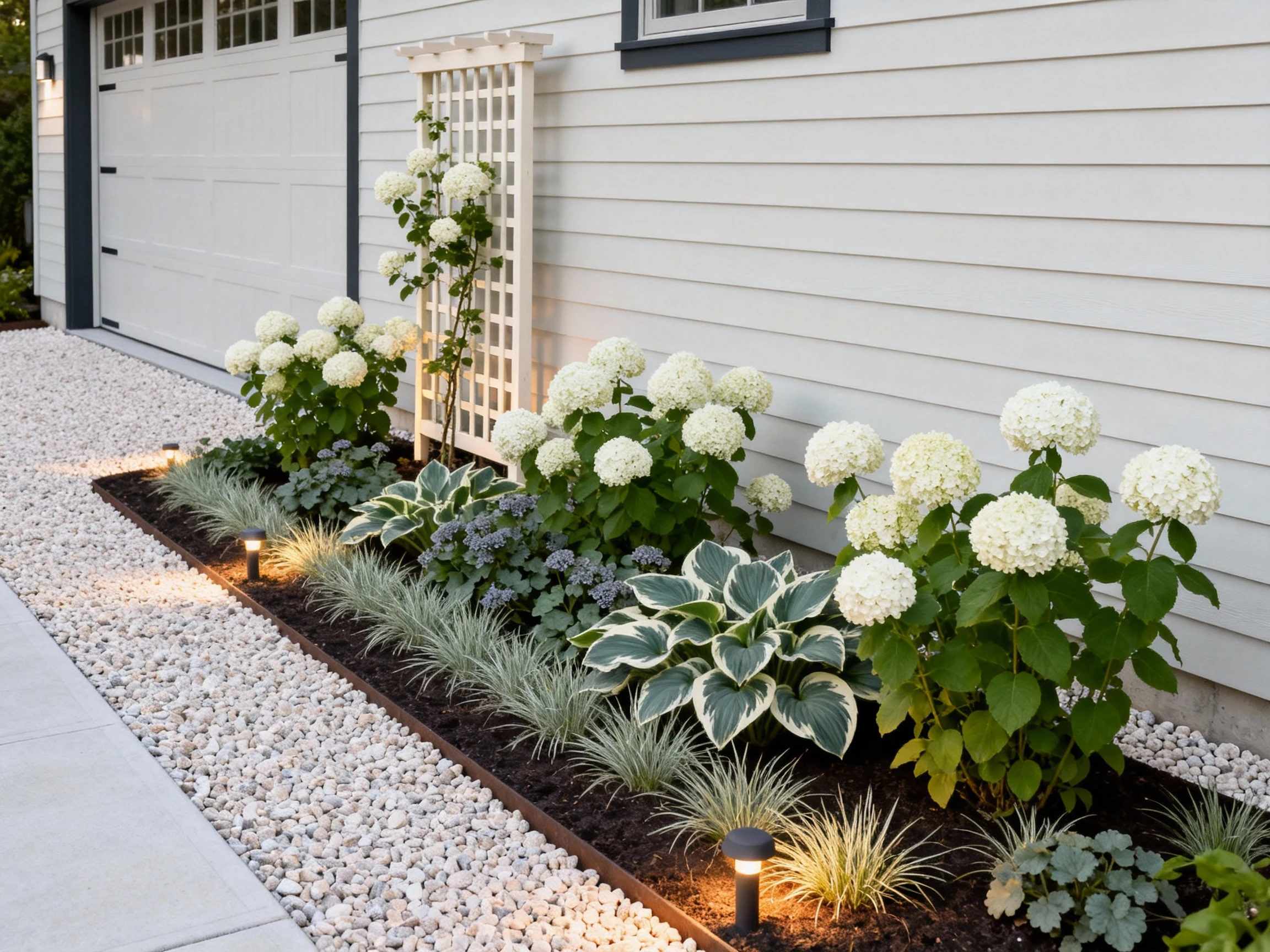
Let’s be honest: the north side of a garage often looks like the place sunlight goes to nap. You get cool, stubborn shade, dry soil under the roof overhang, and a vibe that screams “nothing grows here.” Good news—you can actually turn that gloomy strip into a lush, low-key showpiece. You just need the right plants and a smart plan (plus a little attitude, obviously).
Understand Your North-Side Microclimate
You deal with shade, but not all shade looks the same. The north side usually stays cooler and gets very little direct sun, especially in winter. The roof overhang also blocks rain, so the soil can turn surprisingly dry.
What kind of shade do you have?
- Full shade: No direct sun at all. The area glows but never gets rays. Great for ferns, hellebores, and epimedium.
- Part shade/bright shade: A bit of early or late sun, or open sky but indirect light. Perfect for hydrangeas, hostas, and brunnera.
- Dappled shade: Light filters through nearby trees. Astilbe, Japanese forest grass, and pulmonaria love this.
Dry shade vs. damp shade

You probably deal with dry shade next to a garage. Roof eaves and compacted soil create thirsty conditions. Check a day after rain:
- Dry shade: Soil feels dusty or crusty. Choose toughies like epimedium, heuchera, carex, hellebores, and cast iron plant.
- Damp shade: Soil feels springy and moist. Use astilbe, ferns, Japanese forest grass, and sweet woodruff.
FYI: If you garden in the Southern Hemisphere, the north side bakes. Swap this playbook for “south-side shade” ideas instead.
Foundation-Safe Design Principles (That Still Look Great)
You want lush planting, but you also want a dry, healthy foundation. You can have both.
Planting distances and heights
- Leave a 12–18 inch gravel strip along the foundation for drainage and maintenance. It also stops splash-back on the siding.
- Set shrubs 2–3 feet off the wall so they don’t crowd vents, windows, or downspouts.
- Mind mature size. Pick “compact” or “dwarf” forms to avoid yearly hacking.
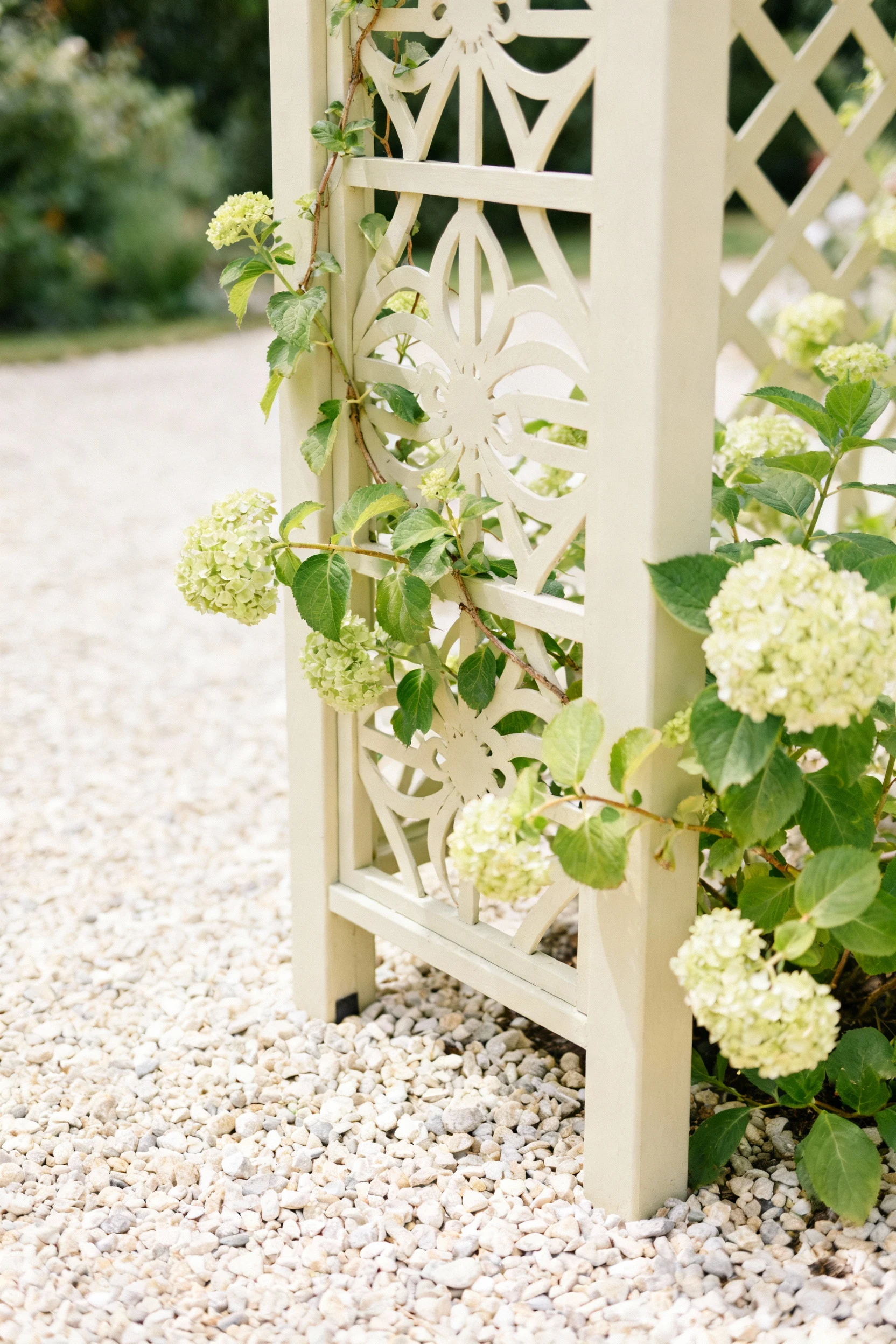
- Use a freestanding trellis if you plant a vine. Keep it 6–8 inches away from the wall to prevent moisture and siding damage.
Irrigation and mulch that actually work
- Run a simple drip or soaker hose line under mulch. Dry shade turns friendly when you deliver slow, steady water.
- Spread 2–3 inches of mulch (shredded bark or fine wood chips). It locks moisture in and keeps roots cool.
- Grade soil away from the building. Don’t trap water near the foundation. Keep a gentle slope.
The Best North-Side Plants That Actually Thrive
Shade likes foliage drama, texture, and subtle blooms. These plants handle low light like pros and don’t throw tantrums.
Evergreen structure (aka the year-round backbone)
- Boxwood (Buxus ‘Green Mountain’ or ‘Dee Runk’): Upright, tidy, and easy to shape. Works in part shade.
- Yew (Taxus ‘Tauntonii’ or ‘Hicksii’): Dense, dark, and forgiving. Great for hedges or anchors.
- Inkberry holly (Ilex glabra ‘Shamrock’): Native, rounded, and tough in wet or average soil.
- Sweet box (Sarcococca): Small, glossy leaves; tiny winter flowers that smell amazing. Zone 7+, so check your climate.
- Cast iron plant (Aspidistra): Shade tank for warm zones. Deep green leaves that look polished year-round.
Flowering shrubs for shade
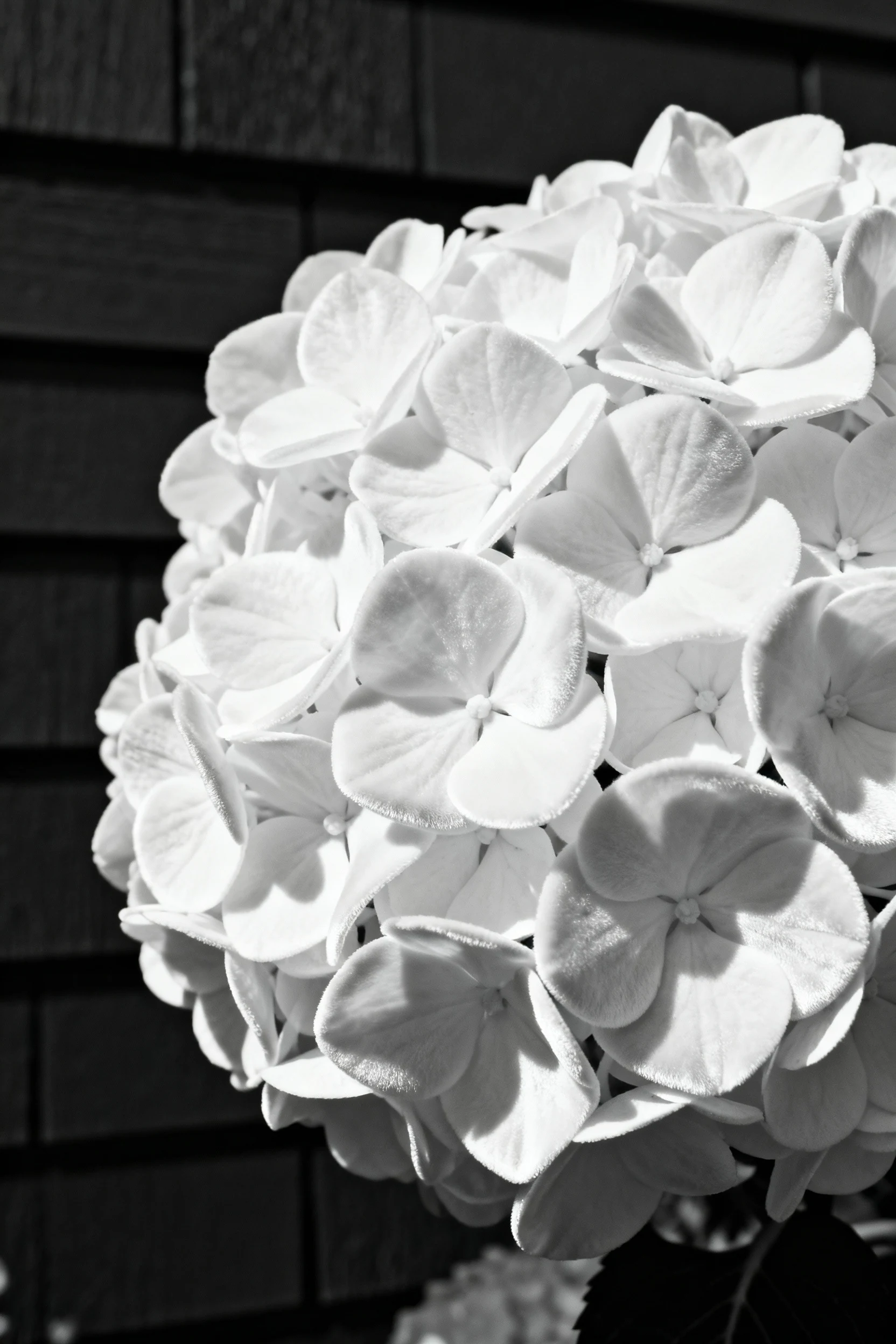
- Smooth hydrangea (Hydrangea arborescens ‘Annabelle’ or ‘Incrediball’): Huge white globes that light up shade. Handles more shade than bigleaf types.
- Oakleaf hydrangea (Hydrangea quercifolia): Tolerates shade, gives fall color and peeling bark. Loves bright shade.
- Climbing hydrangea (Hydrangea anomala petiolaris): Slow to establish, then it turns walls into magic. Use a freestanding trellis near siding.
- Daphne odora: Fragrant winter blooms. Needs excellent drainage and bright shade. A diva, but worth it.
Perennials that carry the show
- Hellebores: Early bloomers with evergreen leaves. Deer usually skip them.
- Hostas: Big leaves, tons of colors. Choose thicker-leaf types for slug resistance.
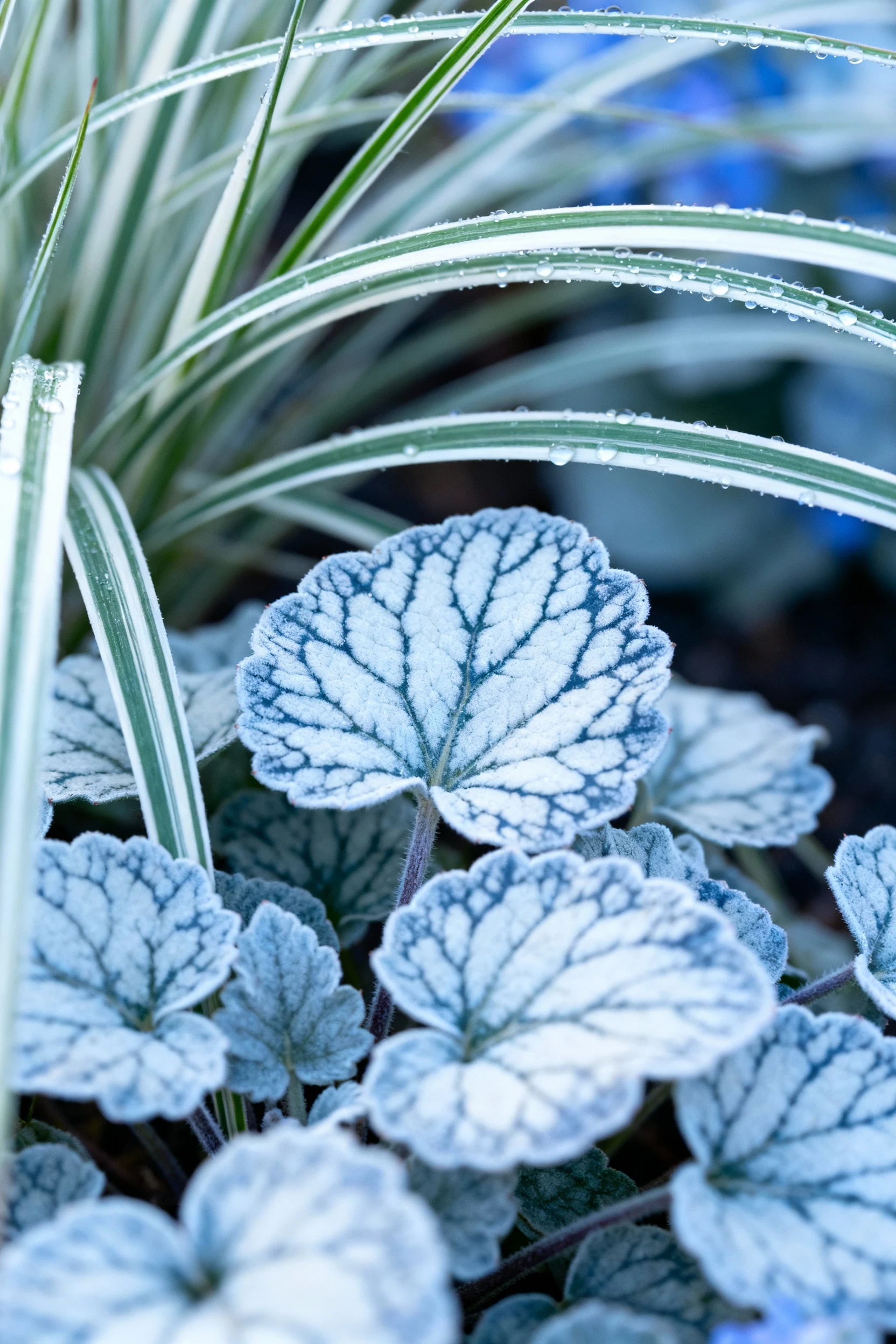
- Brunnera (‘Jack Frost’): Silver-heart leaves brighten shade and tiny blue spring flowers pop.
- Heuchera: Colorful foliage in caramel, purple, or lime. Loves good drainage.
- Epimedium (barrenwort): Dry-shade champion. Delicate spring blooms, great groundcover, deer-resistant.
- Japanese painted fern and autumn fern: Texture with subtle color. Instant woodland vibe.
- Astilbe: Feathery flowers in pink, white, or red. Keep soil moist for best plumes.
- Solomon’s seal (Polygonatum): Elegant arching stems with white bells. Looks fancy without trying.
- Toad lily (Tricyrtis): Orchid-like late-season blooms. Adds “wait, what is that?” moments.
- Pulmonaria (lungwort): Spotted leaves and early flowers that bees adore.
- Farfugium (leopard plant): Bold, glossy leaves for mild climates. Yellow fall flowers as a bonus.
Groundcovers and grasses (low-maintenance, high impact)
- Sweet woodruff (Galium odoratum): Whorled leaves and white flowers. Gentle spreader in damp shade.
- Pachysandra terminalis: Evergreen carpet for deep shade. Choose ‘Green Sheen’ for extra gloss.
- Wild ginger (Asarum canadense or A. europaeum): Heart-shaped leaves that look luxe.
- Ajuga (bugleweed): Purple-bronze foliage and spring spires. Use in controlled areas.
- Carex (sedges): Many forms; fine texture that softens edges. ‘Ice Dance’ brightens shade.
- Japanese forest grass (Hakonechloa macra ‘Aureola’): Golden waterfall effect. Loves bright, even moisture.
- Mondo grass (Ophiopogon): Tufty, tidy, and durable in warm zones.
Climbers and vertical accents
- Climbing hydrangea: Mentioned above, but worth repeating. It handles full shade.
- Evergreen clematis (C. armandii): Only for mild climates and bright shade. Fragrant spring blooms.
- Boston ivy: Gorgeous, but it clings to masonry and can damage wood. Use a stand-off trellis if you dare.
Deer-resistant MVPs IMO: hellebores, epimedium, ferns, brunnera, carex, and sweet woodruff. Nothing counts as deer-proof, but these hold their ground.
Layered Planting Blueprint for a Narrow Side Yard
You can build a lush look even with a shallow bed. Work in layers from tallest to lowest.
For a 2–3 foot bed
- Back: Slim evergreen like boxwood ‘Dee Runk’ or a columnar yew.
- Middle: Hellebores or brunnera for foliage and early flowers.
- Front edge: Carex ‘Ice Dance’ or wild ginger to soften the walkway.
Sample combo: yew hedge + brunnera ‘Jack Frost’ + carex edging. Clean, bright, and simple.
For a 3–4 foot bed
- Back: Smooth hydrangea ‘Annabelle’ or oakleaf hydrangea (compact variety).
- Middle: Hostas or heucheras in contrasting colors.
- Front: Epimedium or sweet woodruff to knit it together.
Sample combo: ‘Annabelle’ hydrangeas + hosta ‘Halcyon’ + epimedium. Classic shade trio that never flops.
For a 5–6 foot bed
- Back: A pair of evergreen anchors (inkberry or boxwood) flanking a climbing hydrangea on a freestanding trellis.
- Middle: Astilbe and Japanese painted fern for texture and bloom.
- Front: Hakonechloa and ajuga for color and flow.
Pro tip: Repeat plants in groups of 3–5. The space looks intentional and calm, not chaotic.
Style Moves That Make Shade Look Bright
You can cheat the eye and make a shady strip glow (without begging the sun to help).
Color and contrast tricks
- Use variegation. Brunnera ‘Jack Frost’, carex ‘Ice Dance’, and variegated hostas brighten everything nearby.
- Plant white flowers. ‘Annabelle’ hydrangeas, lamium ‘White Nancy’, and sweet woodruff glow at dusk.
- Go big on texture. Fern fronds, glossy hellebore leaves, and fine carex blades create depth.
- Play with dark accents. Deep purple heuchera or black mondo grass makes the bright foliage pop.
Hardscape and lighting upgrades
- Choose light-colored gravel or pavers to bounce light around.
- Add low-voltage path lights or soft uplights on ferns and hydrangeas. Instant drama, no effort.
- Use a pale trellis or fence panel as a backdrop. Green on light neutrals always looks fresh.
IMO: Shade gardens look best when you keep the palette tight—greens, silvers, and creamy whites. It reads calm and elegant.
Maintenance, Pests, and Real-Life Survival
You want pretty, not needy. Set it up right and your shade strip stays happy with light touch care.
Slugs and snails
- Choose thicker hostas and deer-resistant perennials like hellebores and epimedium.
- Use iron phosphate pellets if you see munch marks. Pets and wildlife handle it safely when used correctly.
- Keep mulch tidy and avoid soggy buildup around crowns.
Watering schedule
- New plants: Water deeply 2–3 times per week for the first month, then weekly through the first season.
- Established beds: One deep soak per week during dry spells. Drip lines make it effortless.
- Check the roof dripline: The soil there dries out faster than you expect.
Winter and snow management
- Leave room near the wall for snow slide-offs from the roof. Don’t plant fragile shrubs right under the eaves.
- Brush heavy snow off evergreens with a broom to prevent breakage.
- Avoid salt burn: Use calcium magnesium acetate or kitty-litter grit for icy paths near plants.
Quick Regional Notes
Cold climates (Zones 3–5): Brunnera, hellebores (some types), yew, boxwood (hardy varieties), hostas, ferns, astilbe, Hakonechloa, and wild ginger. Oakleaf hydrangea and ‘Annabelle’ do great with bright shade.
Temperate climates (Zones 6–7): Add sarcococca, daphne (with drainage), epimedium, Japanese forest grass, and climbing hydrangea. You can push more broadleaf evergreens here.
Warm climates (Zones 8–10): Cast iron plant, mondo grass, liriope, farfugium, clivia, and rohdea shine in shade. Hydrangeas prefer morning sun and afternoon shade in heat.
Invasive watchlist: Skip English ivy, bishop’s weed (goutweed), and running bamboo. They don’t just “fill in”—they overthrow governments.
FAQ
Will hydrangeas bloom on the north side of my garage?
Yes, if you pick the right type. Smooth hydrangeas like ‘Annabelle’ bloom reliably in bright to moderate shade. Oakleaf hydrangeas also perform well with indirect light and offer stunning fall color. Bigleaf hydrangeas need more light to bloom heavily, so save those for brighter spots.
What’s a good groundcover that won’t take over?
Try sweet woodruff, epimedium, or wild ginger. They fill space without plotting world domination. If you use ajuga or vinca, keep them in defined areas with edging, and edit runners yearly.
Can I grow a vine without wrecking my siding?
Absolutely. Use a freestanding trellis or one mounted on standoffs so vines don’t attach to wood or trap moisture. Climbing hydrangea loves shade and looks incredible on a detached frame. Keep plants 6–8 inches off the wall for airflow.
How do I brighten that dark, narrow strip?
Lean on variegated foliage, white flowers, and light-colored hardscape. Install a few path lights and maybe an uplight on a fern or hydrangea. The combo turns gloom into glow without needing sun.
How often should I water shade plants next to a garage?
Water more than you think at first. The roof blocks rainfall, so the soil dries out. Give new plants deep water 2–3 times per week for a month, then weekly the first season. After that, soak during dry spells and check the dripline area regularly.
How close can I plant to the foundation safely?
Leave a 12–18 inch gravel strip against the wall. Set shrubs 2–3 feet out, and use drip irrigation to water roots without soaking the foundation. Keep foliage off the siding to prevent moisture and pests.
Conclusion
You don’t need full sun to win the curb-appeal game. With the right plants and a little strategy, the north side of your garage can look lush, layered, and, dare I say, fancy. Pick tough shade lovers, run simple drip, and use texture and variegation to brighten the whole scene. The sun can nap—your garden won’t.