Flowering hedges aren’t just pretty — they’re basically the sassier, more glamorous cousins of your run-of-the-mill green privacy shrubs. They turn boring property borders into head-turning, mood-lifting walls of color. Whether you’re going for “cottage garden chic” or “suburban envy-inducer,” these plants deliver blooms, texture, and even wildlife visitors. And the best part? You can make them as low-maintenance or as high-drama as you want.
Why Flowering Hedges Are Kind of a Big Deal
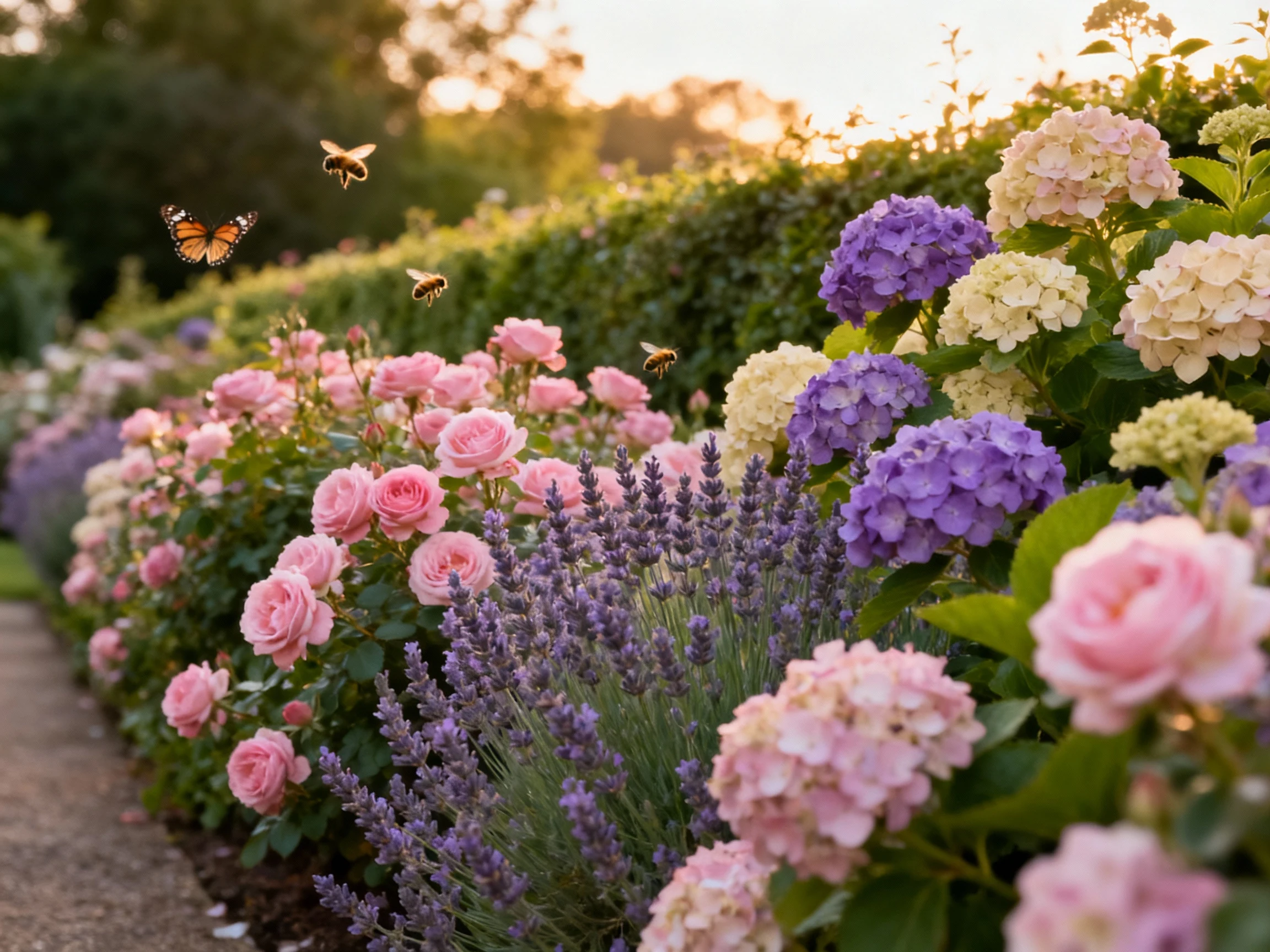
First off, they’re not just decorative. Flowering hedges can define spaces, create privacy, block wind, and draw pollinators like bees and butterflies. You know, the kinds of guests who don’t overstay their welcome. Plus, if you pick varieties that bloom at different times, you can have a living fireworks display for months.
They also give your landscaping that “planned but effortlessly stylish” vibe. Neighbors might even assume you hired a landscape designer — and who’s to say you didn’t?
Choosing the Right Flowering Hedge Plants
Alright, this is where things get fun. The world of flowering hedge plants is like a candy store: too many options, and you’ll want them all. But there are a few factors you should keep in mind.
Consider Your Climate
Not every hedge plant will thrive everywhere. Do a quick reality check with your USDA hardiness zone or local climate conditions. If you live somewhere with harsh winters, picking tropical bloomers would be, well… an optimistic mistake.
Think About Maintenance
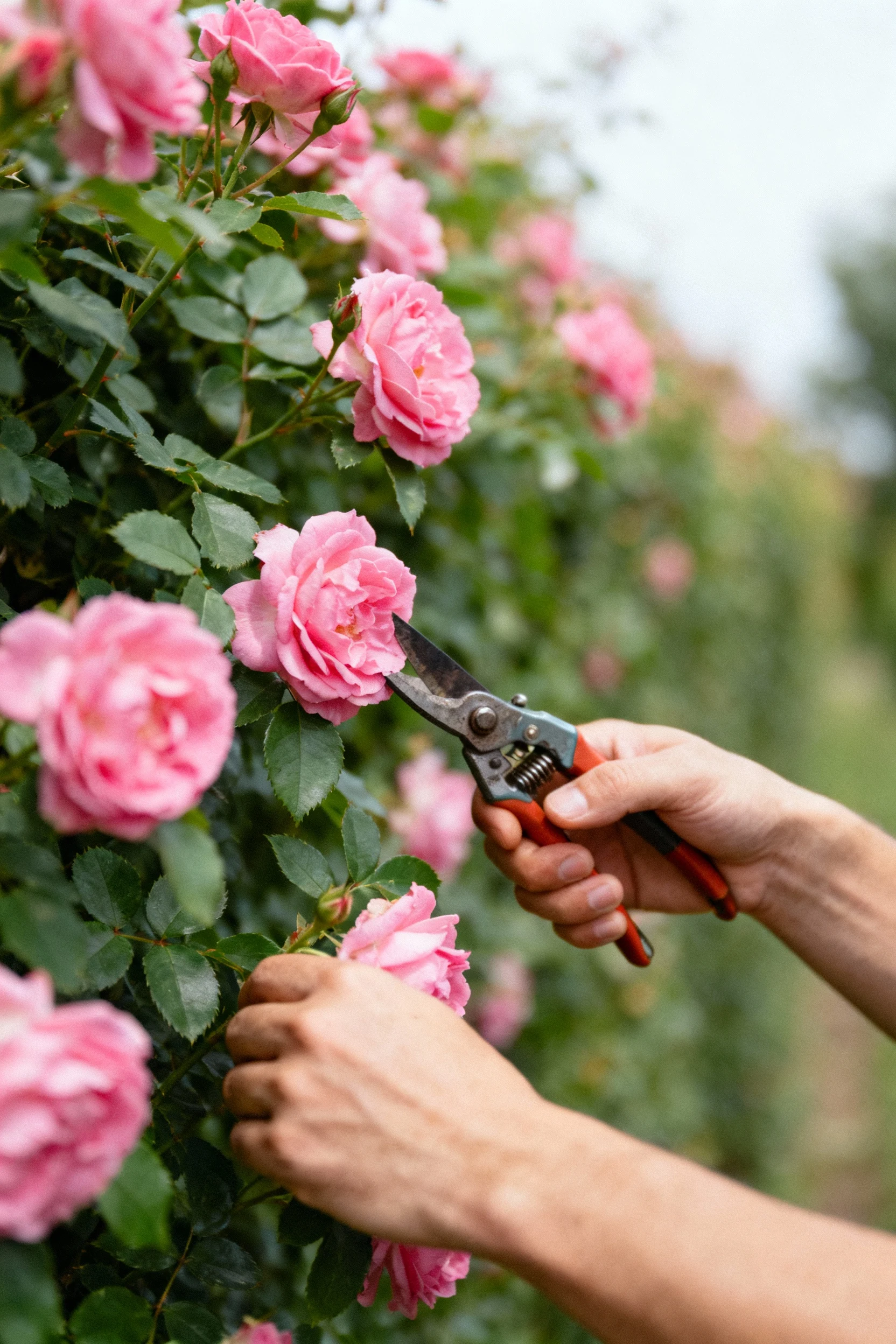
Some flowering hedges demand regular pruning and TLC, while others are happy to be left alone most of the time. **Low-maintenance lovers** might lean towards spirea or viburnum. Garden perfectionists who enjoy fine trimming can go for roses or camellias.
Match Bloom Colors to Your Style
Want soft and romantic? Go for pastels like pinks, lavenders, and creams. Prefer bold and energetic? Look for reds, oranges, or bright yellows. Your hedge is basically your outdoor mood board.
Top Varieties to Try
There are hundreds of choices, but here are a few favorites that tend to thrive in many conditions.
- Roses – Classic, fragrant, and available in endless colors.
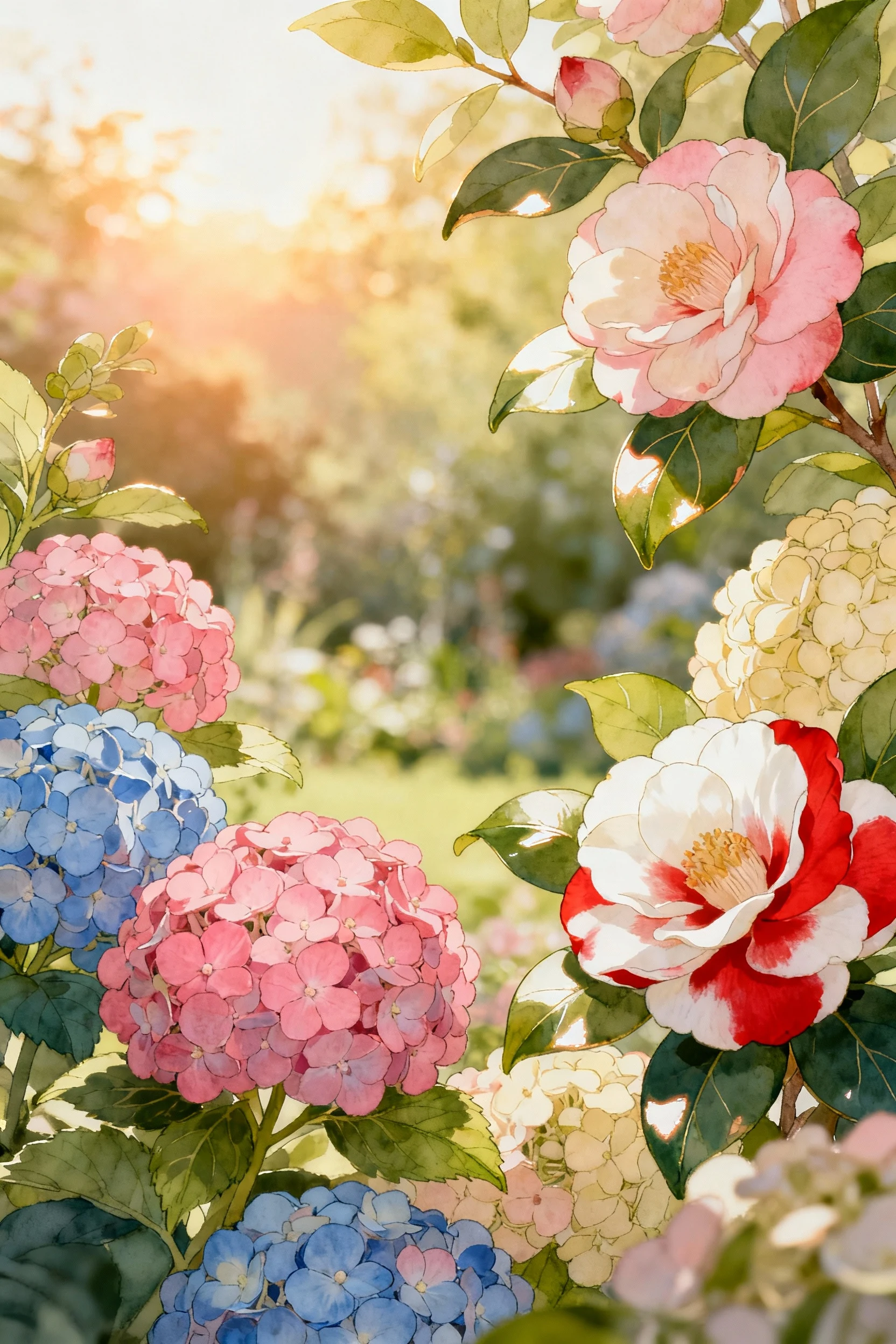
- Hydrangeas – Huge, pom-pom blossoms that scream “Instagram me!”
- Hibiscus – Tropical vibes with large, exotic blooms.
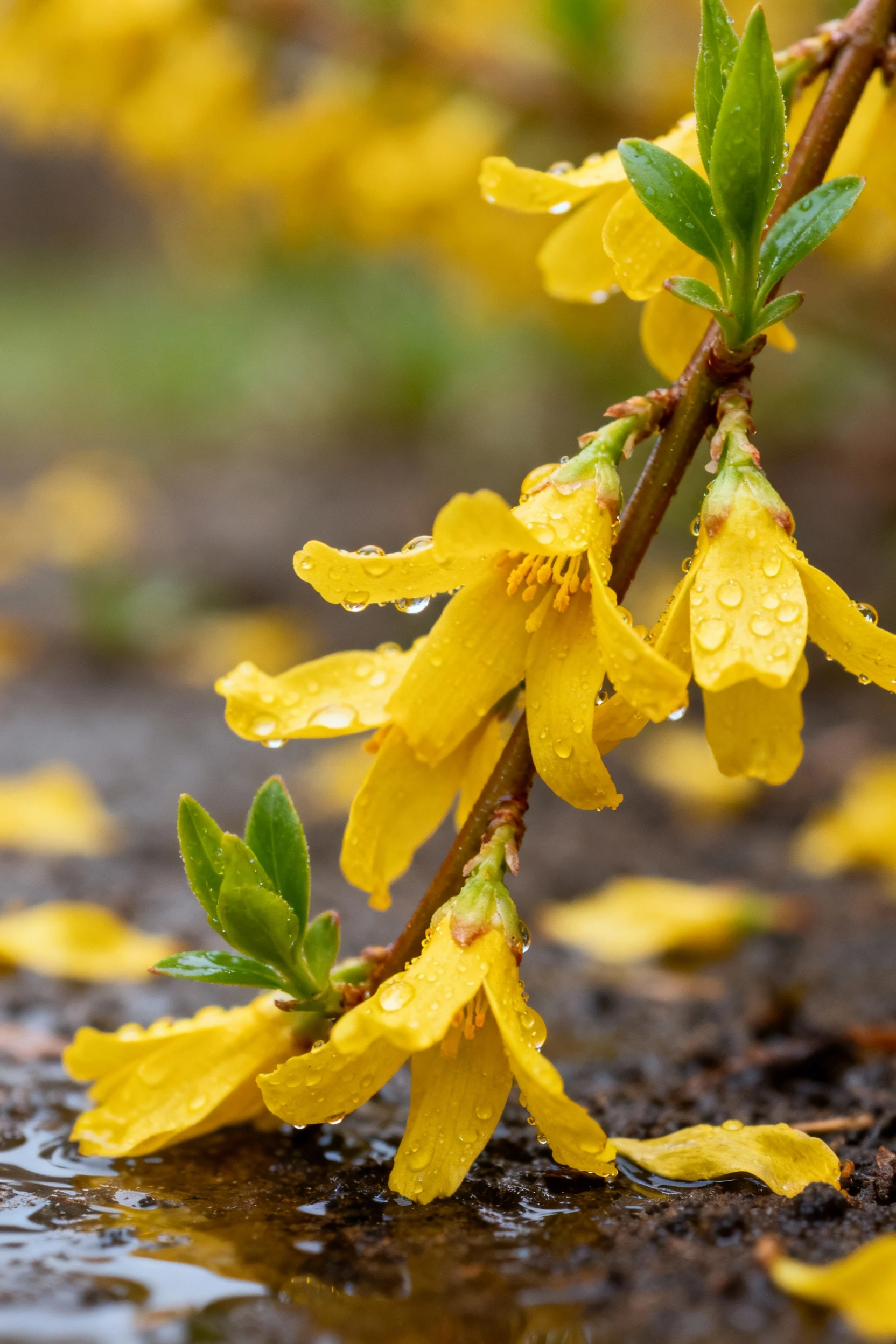
- Forsythia – Early spring yellow explosion — great for cheering you up after winter.
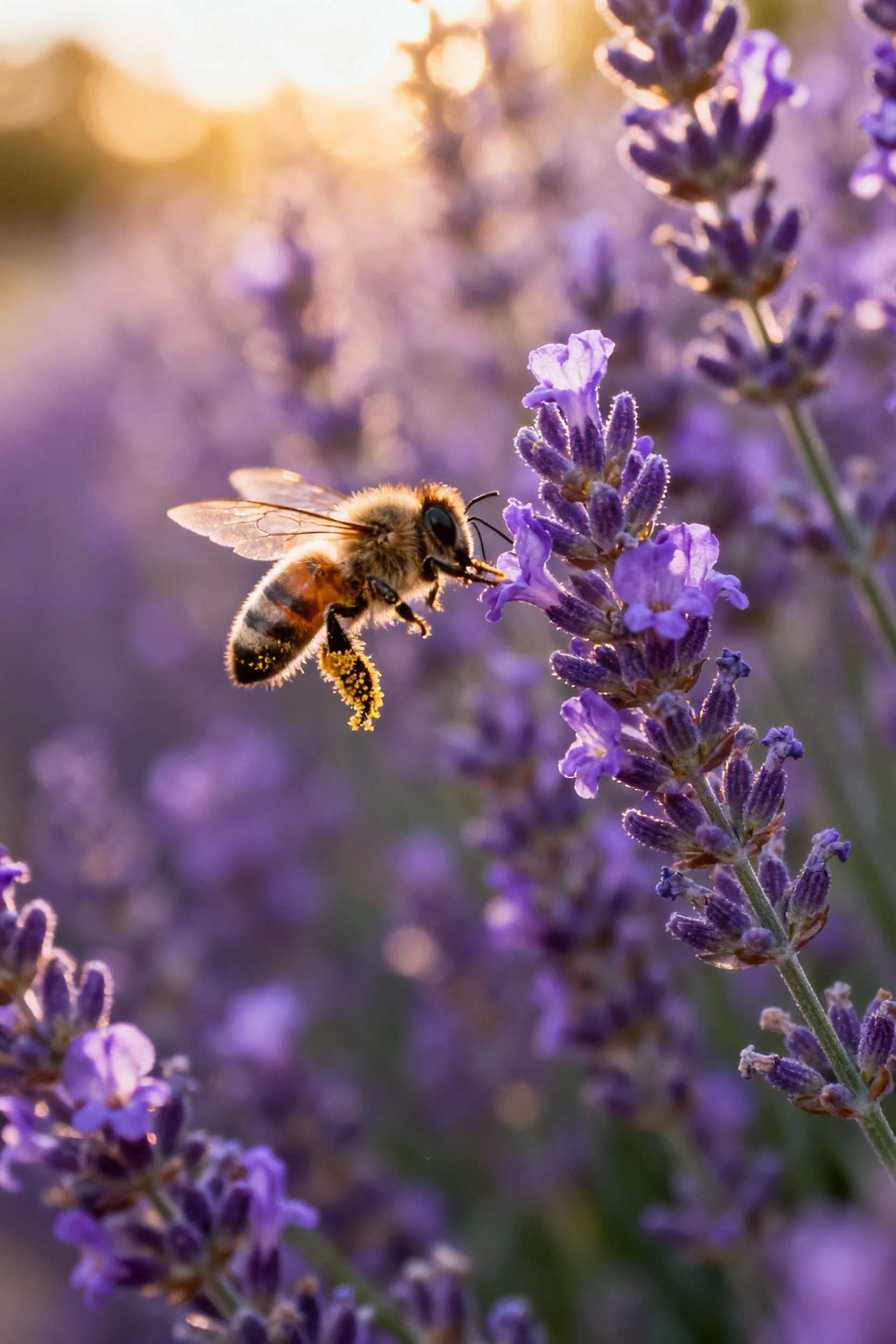
- Lavender – Fragrant, pollinator-friendly, and perfect for low borders.
Pro Tip: Mix It Up
Don’t feel chained to a single species; mixed hedges can add more seasonal interest and visual variety. Imagine roses intertwining with lavender — that’s the landscaping equivalent of a gourmet cheese board.
Designing Borders with Flower Power
How you arrange your flowering hedge plants can make or break your border game. Get creative! The “straight-line formal” look works well for a classic vibe, while staggered plantings feel more relaxed and welcoming.
Spacing Matters
Plant too close, and your hedge can turn into a claustrophobic mess. Plant too far, and it looks like your flowers had a fight and want “space.” Generally, give each plant enough room to spread without strangling its neighbor.
Layered Planting
You can create **depth and texture** by putting shorter species in front, taller ones behind. This tree-to-bush-to-flower transition makes your border look polished without being uptight.
Keeping Them Healthy and Happy
A stunning flowering hedge doesn’t just magically stay that way. You’ll want to stay on top of some simple care habits. The good news? It’s less work than you think.
- Water smartly – Deep, occasional watering beats frequent, shallow sprinkles.
- Feed them – Fertilize during the growing season to keep blooms pumping.
- Prune regularly – Keeps plants dense and encourages new blooms.
- Mulch – Locks in moisture and keeps weeds from crashing the party.
Pest Patrol
Some pests love flowering hedges almost as much as you do. Keep an eye out for aphids, beetles, or fungal spots. A little vigilance goes a long way towards a healthy hedge.
Seasonal Showstoppers
If you play your cards right, you can have color in your hedges nearly year-round. Here’s a seasonal cheat sheet:
- Early Spring: Forsythia, cherry laurel with blossom clusters.
- Late Spring: Lilac, azalea, and rhododendron explosions.
- Summer: Roses, hibiscus, and butterfly bush.
- Fall: Viburnum for berries plus camellias for late blooms.
Winter Interest
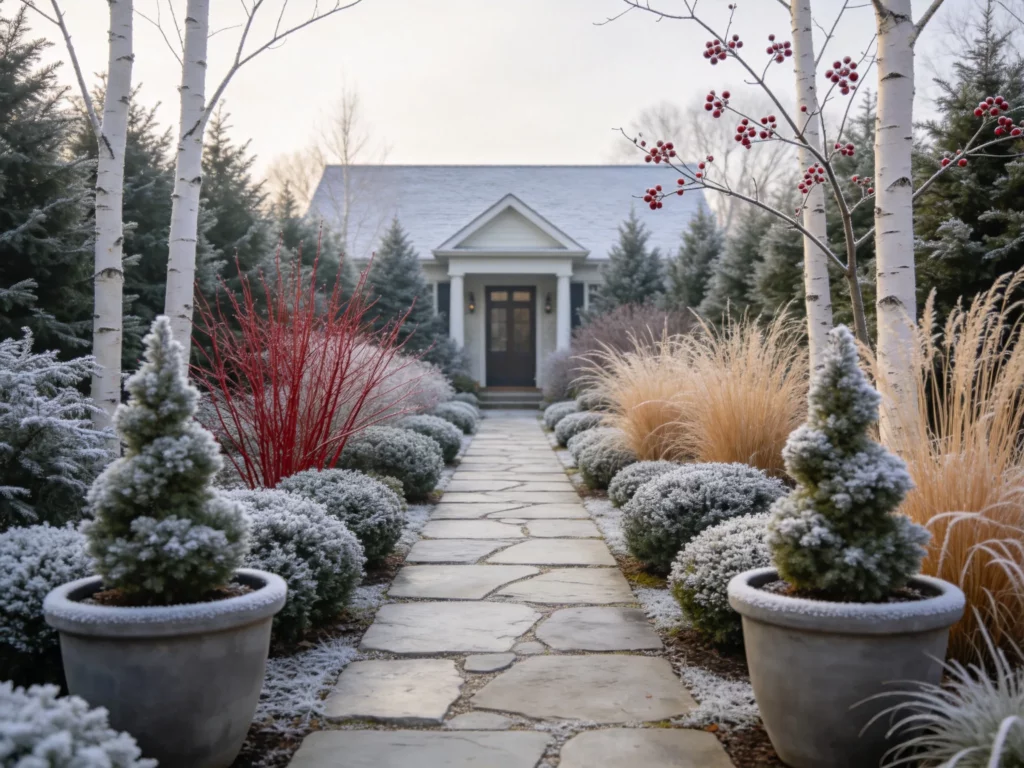
Don’t forget evergreens with colorful berries or shrubs with striking bark. Winter borders can still be Insta-worthy — promise.
FAQ
Can I plant flowering hedges in containers?
Yes! While it takes some extra care (mainly consistent watering and feeding), many compact shrubs work fine in large pots or raised planters. Just don’t expect them to grow into massive privacy walls.
How do I prevent my hedge from looking messy?
Regular pruning is your friend. Even informal hedges benefit from a little haircut once or twice a year. Also, remove dead blooms to encourage new ones.
Are flowering hedges good for attracting wildlife?
Absolutely! Bees, butterflies, and sometimes hummingbirds see flowering hedges as buffets. If that’s your thing, choose nectar-rich varieties.
How quickly will my hedge fill in?
This depends on the plant type, soil quality, and climate. Some shrubs get bushy within a year, while others take several seasons to become solid privacy screens. Patience is part of the process.
Can I mix evergreen and flowering shrubs?
Definitely. That combo gives you year-round coverage plus seasonal color. IMO, it’s the landscaping equivalent of having your cake and eating it too.
What’s the easiest flowering hedge for beginners?
Spirea is a great starter hedge. It’s forgiving, low-maintenance, and gives you bright spring and summer blooms. FYI, it also bounces back quickly from pruning mishaps.
Conclusion
Flowering hedges aren’t just plants; they’re your border’s personality upgrade. They add charm, color, and structure, making your property look more “intentional” without feeling overly formal. Whether you go for a uniform row or a wild mix, the result is the same: a happy, colorful, and totally Instagram-worthy edge to your garden. So, go ahead — give your borders something to brag about this season.