Here’s the complete HTML article you requested:
Ever dream of a lush backyard border that looks like it cost a fortune but actually requires less upkeep than your houseplants? Low-maintenance hedge plants are the secret weapon for anyone who wants greenery without the constant pruning, watering, and pest drama. The right hedges can handle neglect and still show up looking fabulous. Let’s talk about how to make Mother Nature do most of the work for you.
Why Go Low-Maintenance with Your Hedges?
Because life’s too short to spend every Saturday wrestling with hedge trimmers. Low-maintenance plants liberate you from that endless cycle of trimming and fertilizing. Plus, they typically withstand all kinds of nonsense—heat waves, that week you forgot to water, even your neighbor’s cat using them as a jungle gym.
When you choose wisely, hedges aren’t just “plants”—they become living walls that keep your yard cozy, private, and effortlessly beautiful. And honestly, IMO, there’s something deeply satisfying about a hedge that thrives after you’ve basically ignored it for months.
Picking the Right Plants for Your Climate
Here’s the truth: there’s no one-size-fits-all hedge superstar. What thrives in Florida might stage a dramatic death scene in Minnesota. Your local climate should be the #1 factor in your decision.
Evergreen vs. Deciduous Options
Evergreens, as the name suggests, stay green all year. They’re perfect for privacy lovers who demand green foliage through snow or sun. Deciduous hedges drop leaves in winter but often have gorgeous seasonal flowers or autumn colors. Which team you join depends on whether you’re in it for year-round coverage or seasonal beauty.
Heat, Cold, and Everything In Between
If you live somewhere hot and dry, look for drought-tolerant species like Texas sage or oleander. Cold climates? Boxwood or juniper might be your ride-or-die plants. Strong seasonal winds? Opt for tough customers like hornbeam or beech, which laugh in the face of gales.
Top Low-Maintenance Hedge Champions
Not all plants want to be pampered. Some thrive on minimal attention, which makes them perfect for us lazy—or should I say “strategic”—gardeners.
- Boxwood – Classic, adaptable, and doesn’t mind a haircut twice a year.
- Privet – Grows fast, fills gaps quickly, and stays happy with minimal fuss.
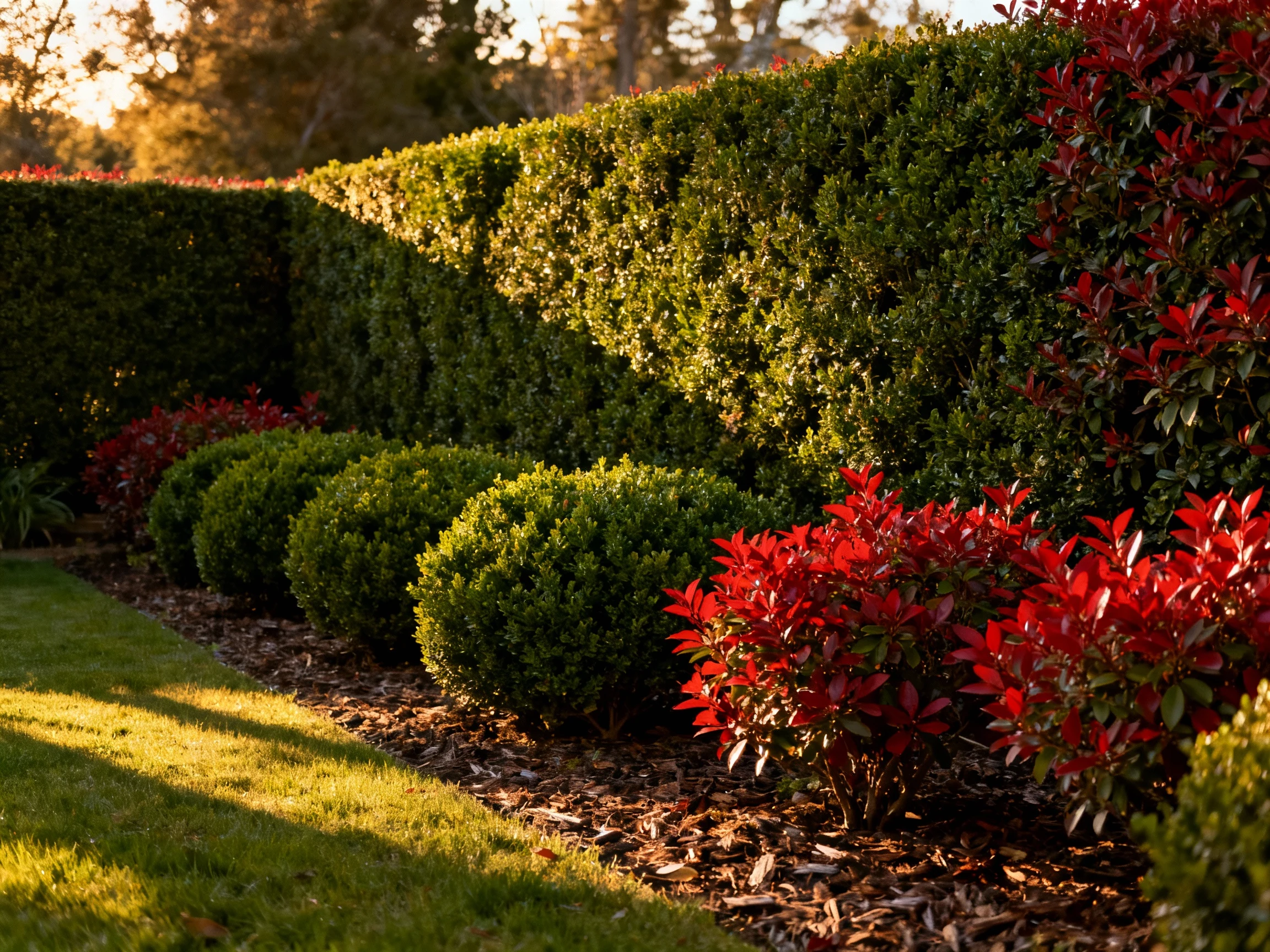
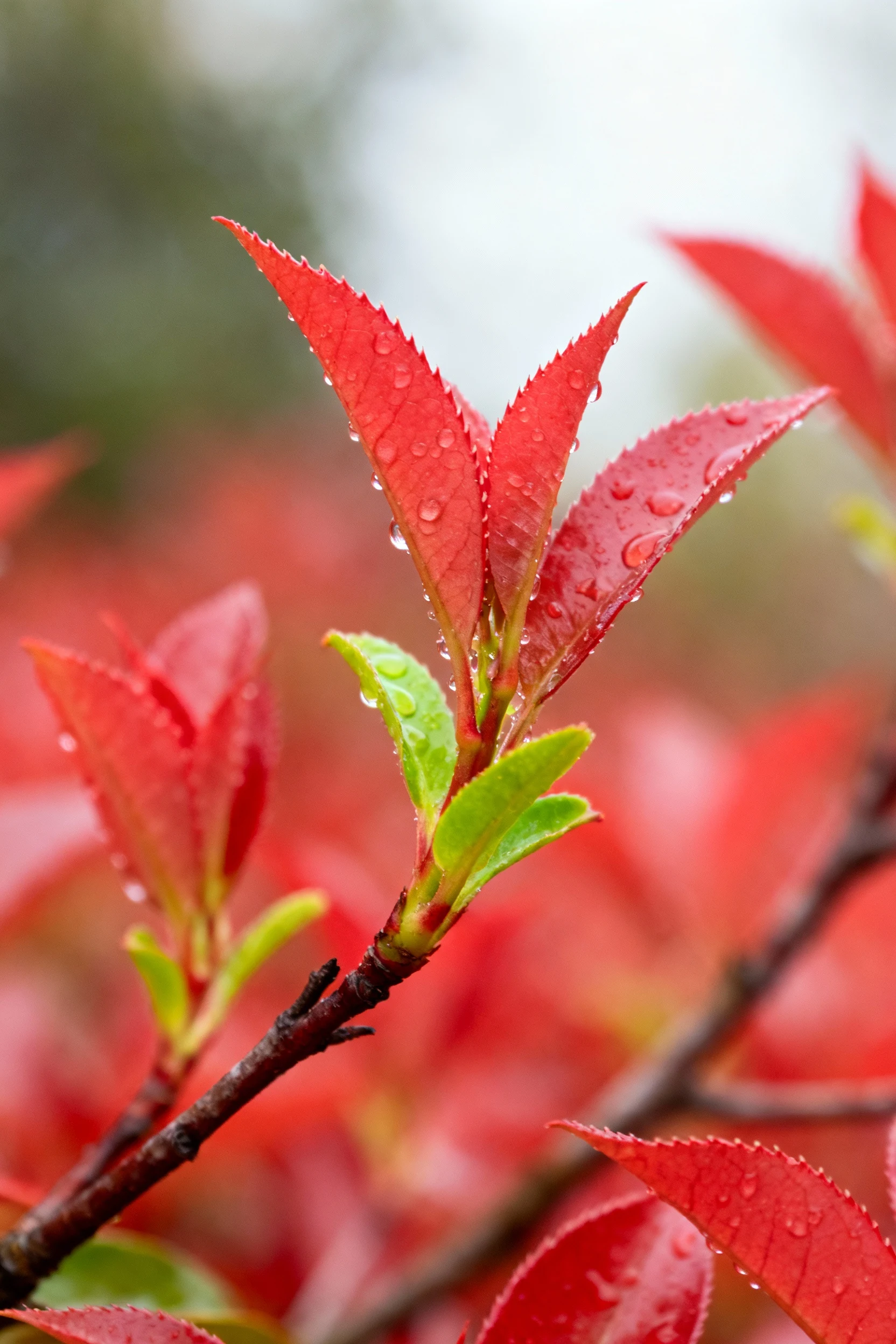
- Photinia – Stunning red growth in spring, practically zero drama otherwise.
- Pittosporum – Glossy leaves, easy shaping, thrives in various climates.
- Juniper – Drought-tolerant and doesn’t beg for attention.
Wild Cards Worth Considering
If you’re feeling adventurous, check out griselinia (lush and salt-tolerant—beach house owners, take note) or viburnum (great flowers plus dense foliage). These guys prove hedges can be both eye-catching and low workload.
Keeping Hedge Care Minimal Yet Effective
No plant is truly “zero-maintenance,” but hedges can get pretty close if you follow a few basics.
- Water wisely – Deep watering once established beats frequent light sprinkling.
- Prune with purpose – Don’t trim every week; just shape them twice a year.
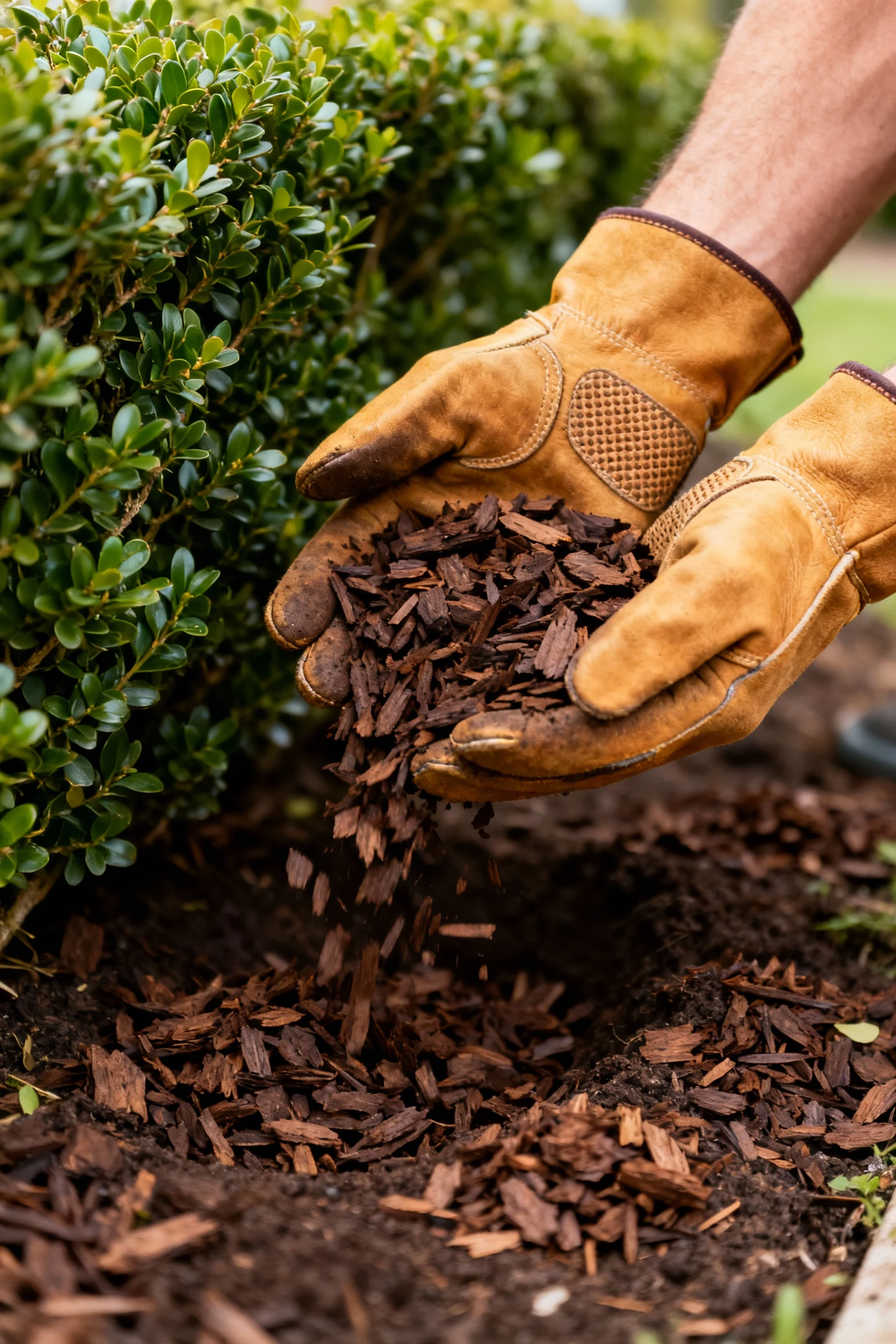
- Mulch like a boss – Keeps soil moisture steady and weeds in check.
- Check for pests – Quick glance is enough; early detection saves effort later.
The Pruning Myth
Some people think hedges need constant trimming to look neat. Truth bomb: most low-maintenance varieties will keep a tidy shape without constant attention. You’re not cutting hair for a celebrity—relax.
Creative Uses for Low-Maintenance Hedges
Hedges aren’t just for making nosey neighbors disappear. They can be surprisingly versatile in landscaping.
- Define garden zones without ugly fences.
- Create a windbreak for delicate plants.
- Add structure to a chaotic yard.
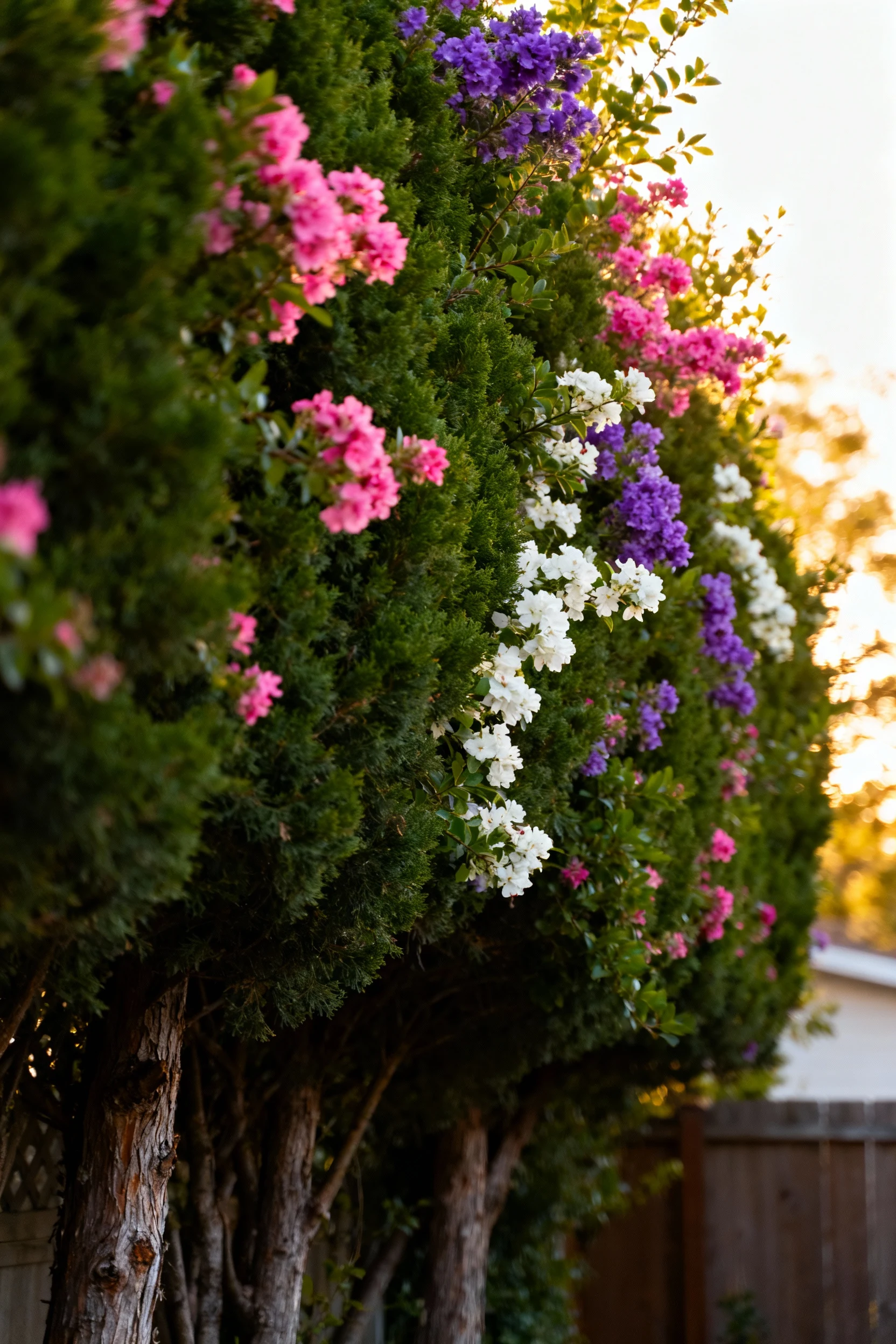
- Integrate flowering hedge varieties for seasonal pops of color.
Mix-and-Match Designs
Who says every hedge must match? Blending species gives different textures and colors. Plus, it’s a great backup if one variety decides it’s not happy—you won’t have a giant dead gap in your yard.
Common Mistakes to Avoid
Even with easy plants, people find ways to make life harder. Avoid these so your hedge doesn’t turn into a cautionary tale:
- Planting too closely and suffocating growth.
- Ignoring soil quality completely—plants still need a decent start.
- Going for exotic species that hate your local climate.
- Pruning aggressively at the wrong time of year.
Overwatering: The Silent Killer
Loving your plants to death (literally) is common. Low-maintenance doesn’t mean “water daily”—some thrive better when slightly neglected.
FAQ: Low-Maintenance Hedge Plants
Can I plant a hedge directly against a fence?
You can, but leave a small gap so air circulates. A hedge crammed against a fence can trap moisture, inviting rot or pests.
How fast will my hedge grow?
That depends entirely on the species. Privet might give you a full privacy wall in two seasons, while boxwood takes it slow and steady.
Do low-maintenance hedges still need fertilizer?
Occasionally, yes. Early spring feeding boosts growth and keeps leaves vibrant, but you don’t need a strict schedule.
What’s the easiest hedge for beginners?
IMO, boxwood is the MVP. It tolerates a range of conditions, shapes well, and doesn’t freak out if you forget about it for a while.
Will wildlife damage my hedge?
Some species attract birds and pollinators (yay!), while deer may chew others to bits (boo!). Check local wildlife habits before planting.
Can I mix flowering and evergreen hedges?
Absolutely. It’s a great way to keep year-round greenery with bursts of seasonal color. Plus, it’s visually more interesting.
Conclusion
Low-maintenance hedge plants are proof that you can have gorgeous landscaping without turning your weekends into lawn-care boot camp. Pick species that suit your climate, give them a decent start, and then let them do their thing. They’ll reward you with privacy, beauty, and the smug satisfaction of knowing your hedge looks fabulous—without you lifting a finger (most of the time).
—
If you’d like, I can also create a quick illustrated plant comparison table to visually show growth speed, hardiness, and annual care needs—would you like me to add that?