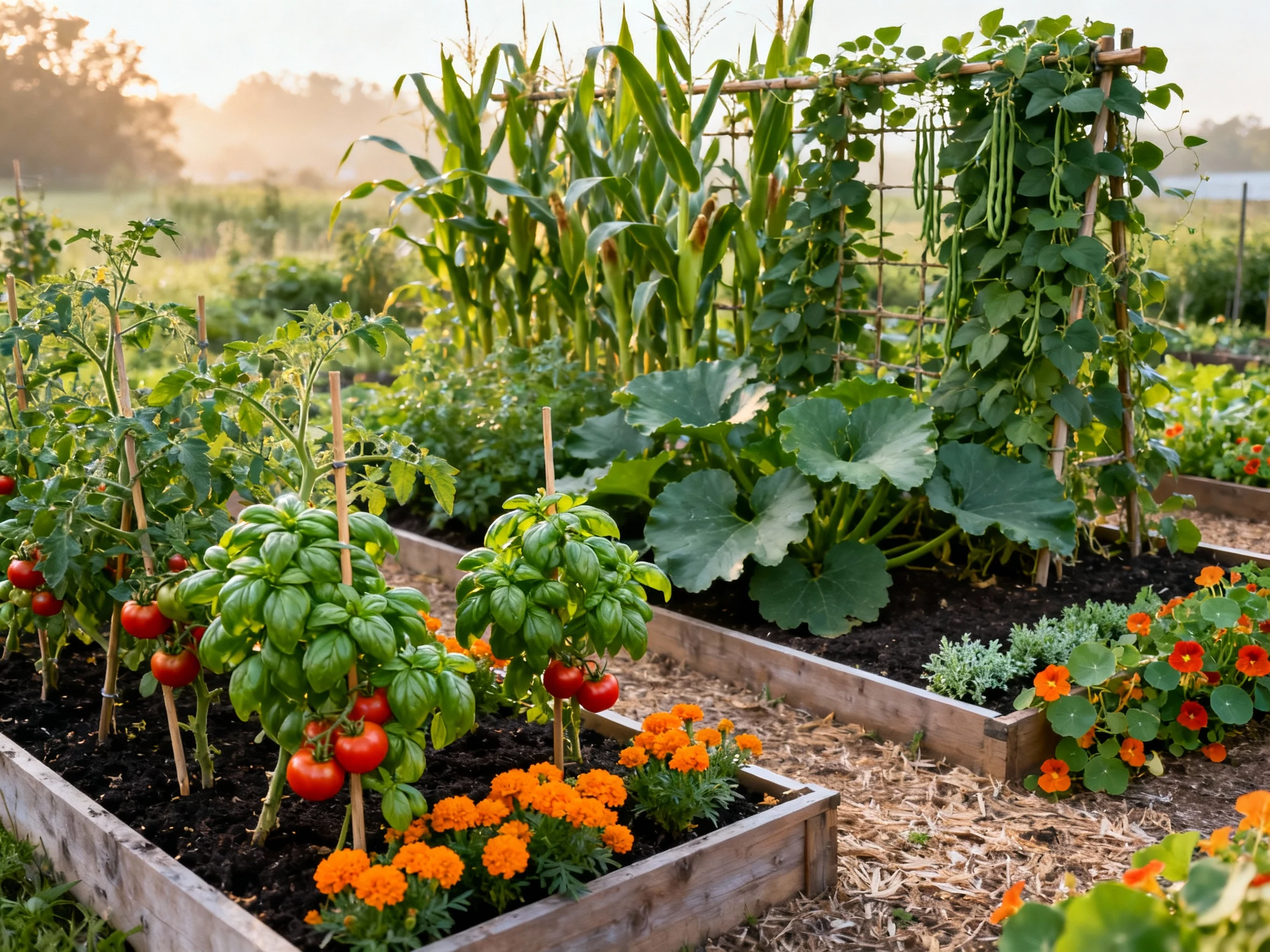
You want bigger harvests without spraying mystery chemicals? Companion planting does that with zero tech and lots of common sense. Think of it as matchmaking for plants: some neighbors cheer each other on, others throw shade (literally). Pair the right crops and you boost yield, cut pests, and make your garden look like it knows what it’s doing.
Why Companion Planting Works (And Why Your Garden Loves It)
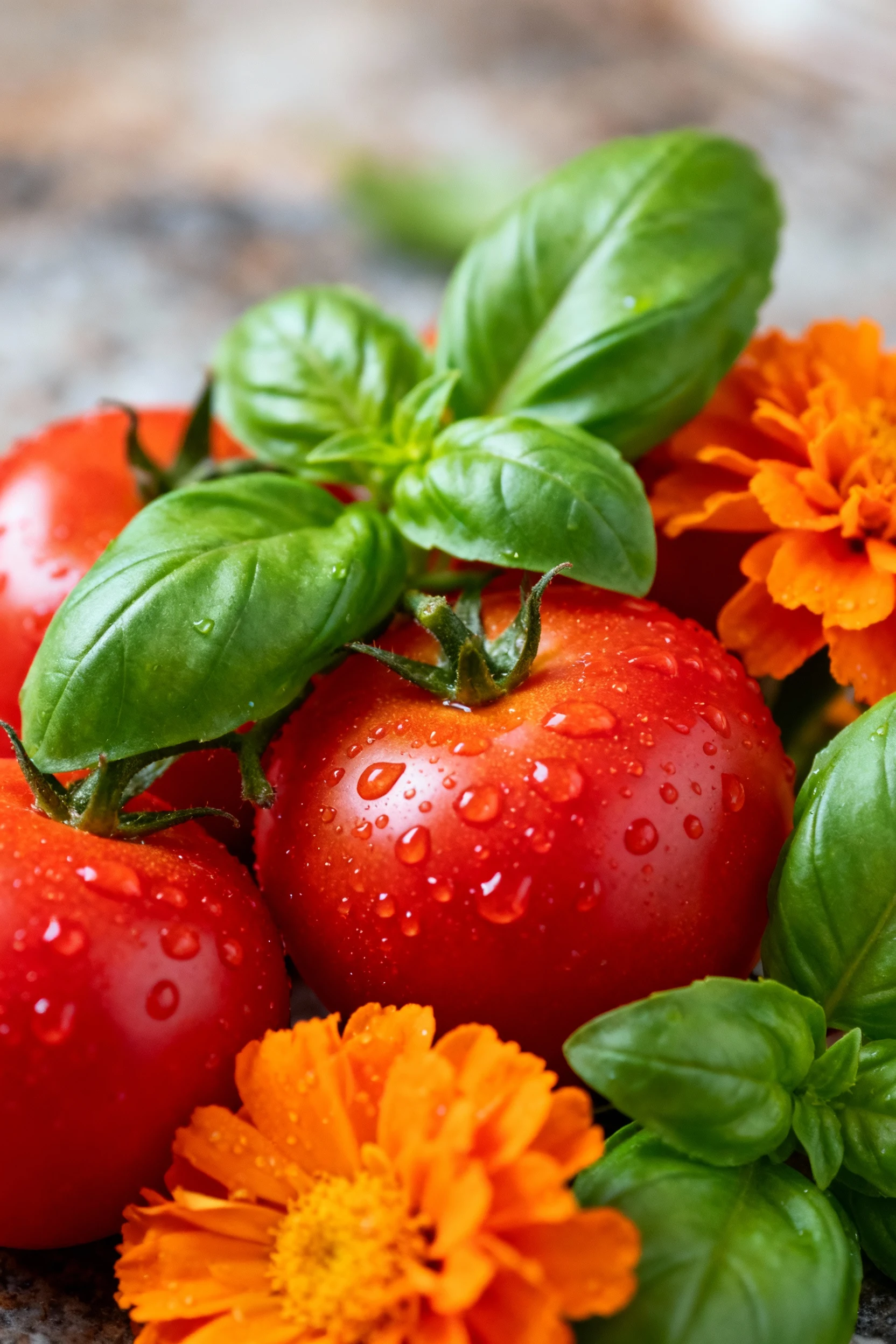
Companion planting combines plant “friendships” that improve growth, flavor, and resilience. Certain plants repel pests with scent, confuse insects, or lure the bad guys away from your prized produce. Others fix nitrogen, loosen soil, or cool roots with living shade. It’s ecology with a trowel.
You also stack functions. One plant feeds the soil while another attracts pollinators. One climbs while another sprawls and mulches. Smart combos save space and sanity. Sounds good, right?
Scent Confusion: Nature’s Bug Misdirection
Aromatic herbs like basil, thyme, and minty cousins release strong scents that mask host plants. Tomato hornworms hunt tomatoes by smell. Basil says “nope,” and hornworms miss the party. You also get better flavor from some herb pairings, which feels like a two-for-one deal.
Trap Crops: Sacrifice a Little, Save a Lot
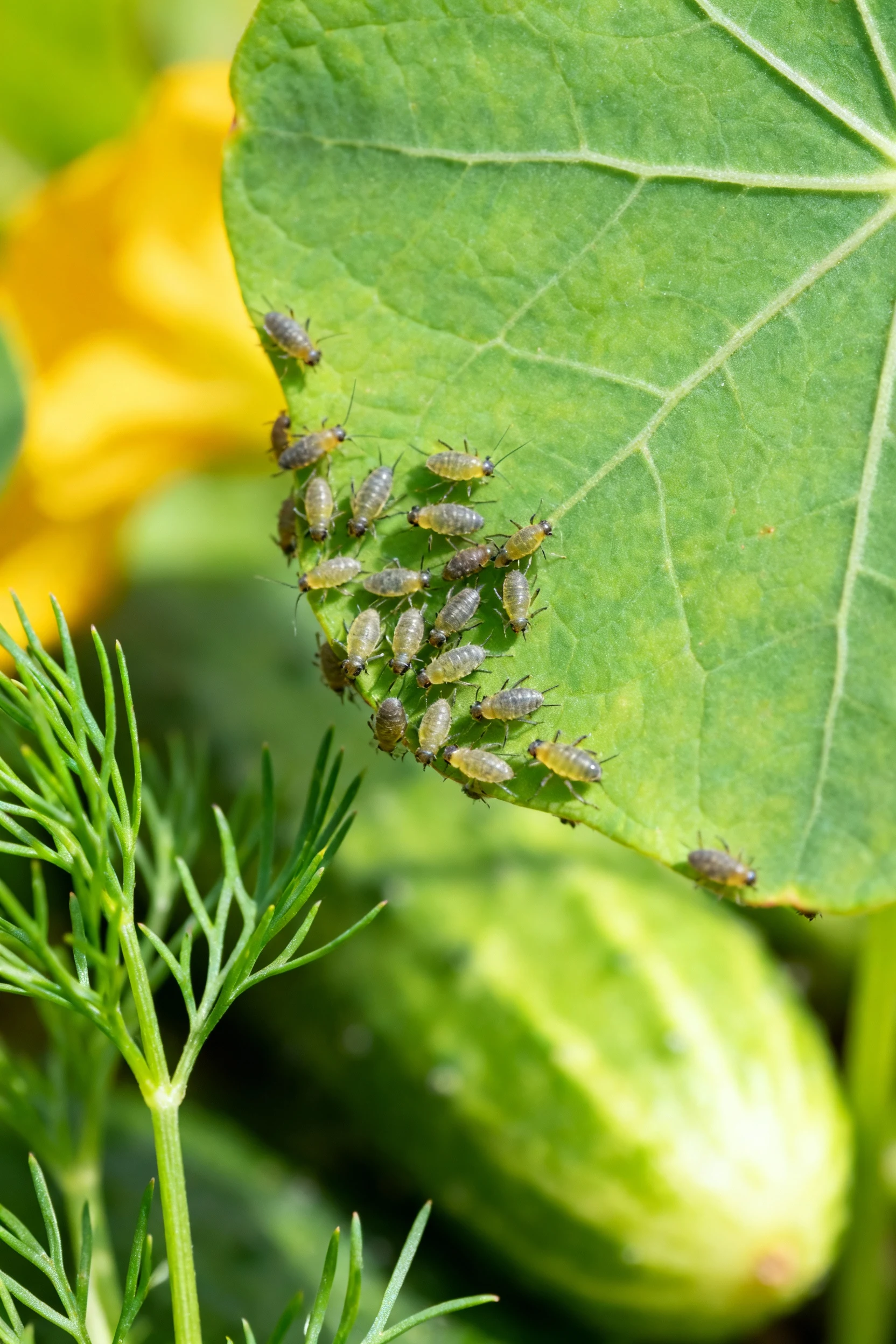
Some plants lure pests away from your main event. Nasturtiums magnetize aphids and squash bugs. Radishes draw flea beetles off brassicas. You sacrifice those decoys a bit, but your kale and cucumbers thank you with lush growth.
Soil Allies: Nitrogen Fixers and Root Buddies
Legumes like beans and peas host bacteria that fix nitrogen. Nearby leafy crops gobble that up. Deep-rooted companions like daikon loosen compacted soil and pull nutrients from below. FYI, you still add compost, but these allies lighten the load.
Living Trellises and Shade
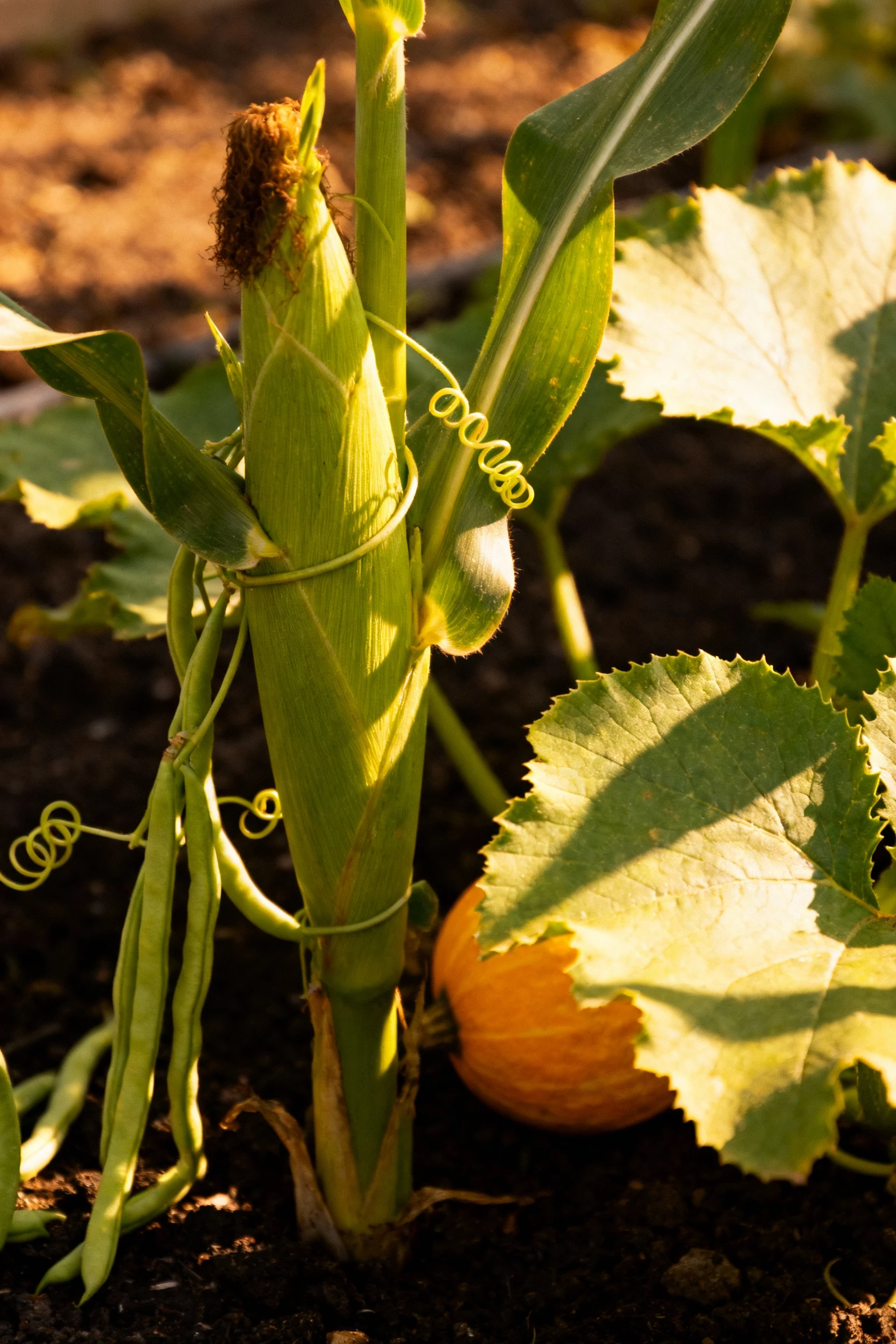
Tall crops create shade for tender greens. Corn supports climbing beans. Sunflowers act like cheerful trellis poles. Meanwhile, groundcovers like oregano or sweet alyssum cool the soil and slow evaporation.
The Chart: Best Pairings That Boost Yield
Let’s talk specific matches. You want combos that repel pests, attract pollinators, improve soil, and boost flavor. Use these as your go-to guide, not strict law. Gardens love flexibility, and IMO a little experimentation beats any rigid rulebook.
-
Tomatoes + Basil + Marigolds
- Basil masks tomato scent and draws pollinators.
- Marigolds discourage nematodes and some beetles.
- Add: chives, parsley, sweet alyssum for hoverflies.
- Avoid: corn (shares earworm), potatoes (shares blight), fennel (allelopathy).
-
Peppers + Basil + Onions
- Alliums (onions, scallions) deter aphids and thrips.
- Basil boosts pollination and flavor vibes.
- Add: nasturtiums as aphid traps under the canopy.
- Avoid: super-dense planting that blocks airflow.
-
Cucumbers + Nasturtiums + Dill
- Nasturtiums repel cucumber beetles and trap aphids.
- Dill attracts lacewings and parasitic wasps.
- Add: radishes to draw flea beetles away early.
- Avoid: potatoes (disease and space conflict).
-
Squash + Corn + Pole Beans (The Three Sisters)
- Corn offers a trellis. Beans fix nitrogen. Squash shades soil.
- Plant corn first, beans when corn reaches 6–8 inches, squash after that.
- Add: nasturtiums or calendula at the edges for extra pest control.
- Avoid: too-tight spacing; let air flow or mildew says hi.
-
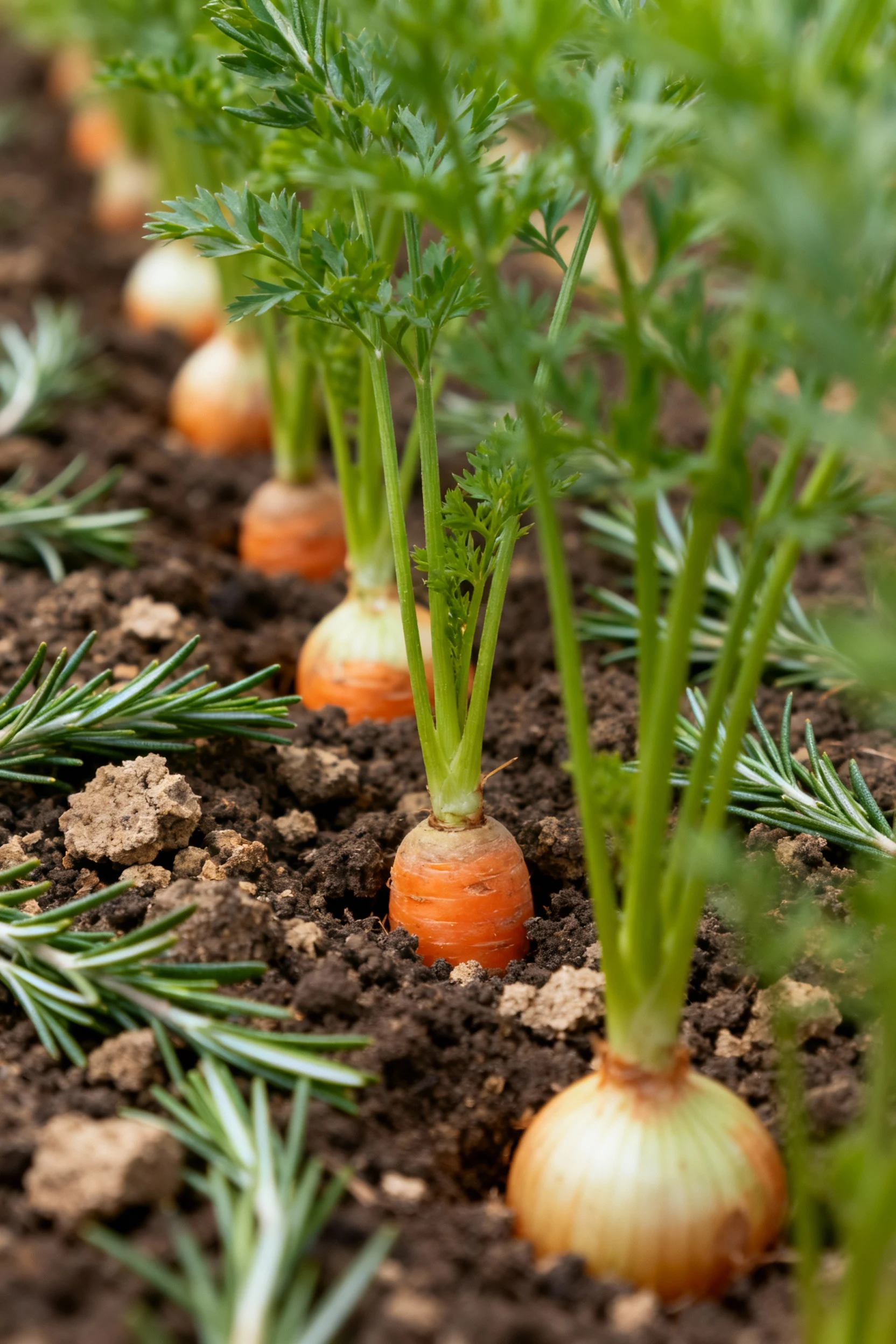
Carrots + Onions (and Leeks) + Rosemary
- Onion family confuses carrot flies.
- Carrots grow between rows of onions like stealthy ninjas.
- Rosemary and sage boost deterrence along the bed edge.
- Avoid: dill too close; it can stunt carrots as it matures.
-
Brassicas (kale, cabbage, broccoli) + Dill + Nasturtiums + Thyme
- Dill and fennel attract predators, but keep fennel at a distance from most crops.
- Thyme and oregano help deter cabbage moths.
- Nasturtiums draw flea beetles away.
- Avoid: planting near strawberries if disease pressure runs high.
-
Lettuce + Radishes + Chives
- Radishes break crusty soil and finish fast.
- Chives deter aphids; flowers feed pollinators.
- Add: cilantro or dill for light shade and beneficials.
- Avoid: full blazing sun without shade partners in summer.
-
Potatoes + Horseradish + Beans
- Horseradish at bed corners supports disease resistance.
- Beans pump in nitrogen and lift yields.
- Add: calendula for beneficial insects.
- Avoid: tomatoes, peppers, eggplant nearby (shared pests and blight).
-
Strawberries + Borage + Thyme
- Borage draws pollinators and improves berry yield.
- Thyme spreads lightly and keeps pests nervous.
- Add: garlic chives sprinkled through the patch.
- Avoid: crowding with bulky herbs; strawberries need breathing room.
-
Spinach/Chard + Peas + Calendula
- Peas lift nitrogen; leafy greens say thanks.
- Calendula brings in beneficials and looks gorgeous.
- Add: light mulch or living mulch to cool roots.
- Avoid: heavy shade in spring; let daylight hit the greens.
-
Eggplant + Beans + Marigolds
- Beans help with nitrogen and shade the soil.
- Marigolds deter nematodes and beetles.
- Add: basil to attract bees for extra fruit set.
- Avoid: wet, windless pockets that invite fungal issues.
What Not to Plant Together (Save Yourself the Headaches)
Some neighbors bicker. They fight for resources or share pests and diseases. You can avoid drama with a few simple rules and a little distance.
- Beans vs. Alliums (onions, garlic, leeks): alliums can slow bean growth. Give them separate corners.
- Tomatoes vs. Corn: both attract corn earworm/tomato fruitworm. Space them far apart.
- Tomatoes vs. Potatoes: late blight jumps teams fast. Rotate and separate.
- Carrots vs. Mature Dill: young dill helps; mature dill can stunt carrots. Keep big dill a few feet away.
- Fennel vs. Almost Everything: fennel releases compounds that bother neighbors. Plant fennel in a solo pot or a separate bed.
- Walnuts vs. Veggies: juglone from black walnuts stresses many crops. Keep beds away from walnut roots, or install deep root barriers.
- Sunflowers and Tall Bullies: huge shade and thirsty roots can starve low growers. Position tall plants on the north side and water well.
Designing Your Bed: Layout, Spacing, and Timing
Great companion planting starts with layout. You stack heights, layer roots, and time sowings so everyone plays nice. You also keep airflow strong to dodge mildew and blight.
- Tall in the north, short in the south so sunlight reaches the front rows.
- Interplant quick crops (radish, baby lettuce) between slow crops (tomatoes, cabbage).
- Edge your beds with herbs and flowers for a beneficial insect buffet.
- Mix root depths: taproots (carrots) with fibrous roots (lettuce) to share space.
- Stagger timing: sow dill and cilantro as “successions” so beneficials always find blooms.
Sample 4×8 Raised Bed Plan (High-Yield, Low-Drama)
Try this simple map for a sunny bed:
- North row: Tomatoes staked, underplanted with basil and a strip of marigolds.
- Middle row: Peppers with onions/scallions zigzagged between plants.
- South row: Carrots with chives on the border and a splash of sweet alyssum.
- Edges: nasturtiums spilling out for traps and pollinators.
You get vertical layers, pest management, and snacks. Not bad for one rectangle.
Containers and Small Spaces
You can still run companion combos in pots. Pair tomatoes + basil in a big container, or cucumbers + dill in a trough with a trellis. Add marigolds or alyssum to every pot for pest control and curb appeal. Just feed and water consistently since containers dry out faster.
Pest Defense and Pollinator Support: Your Living Task Force
Companion planting shines when you line up nonstop blooms and strategic scents. Aim for flowers from early spring through fall. Beneficial insects need nectar and pollen the whole season, not just on Saturdays.
- Continuous bloom: alyssum (spring), dill/cilantro (early summer), borage/calendula (summer), thyme/oregano (summer-fall).
- Water stops: shallow dishes with stones help bees drink without swimming lessons.
- Messy corners: a little leaf litter shelters ground beetles that eat pests.
- Smell strategies: marigold, basil, and chive borders deter pests while looking cute.
DIY Gentle Deterrents
You can shake aphids off nasturtiums with a hose. You can squish squash bug eggs on leaves. You can lay row cover over brassicas early, then open it when flowers bloom for pollinators. Simple moves plus companions create a sturdy defense.
Trap Crop Playbook
Plant nasturtiums near cucumbers and squash. Watch for aphid or squash bug build-up, then prune off the worst leaves and toss them. Grow a small patch of radishes by your kale early; flea beetles usually sprint there first. You outsmart pests by giving them a more tempting buffet.
Seasonal Rotation With Companion Themes
Rotation keeps soil healthy and disease pressure low. Instead of rotating random crops, rotate families with their best buddies. That way your beneficial insects still find food, and your soil never feels neglected.
- Year 1: Nightshades (tomatoes, peppers, eggplant) + basil, marigolds, onions.
- Year 2: Legumes (beans, peas) + greens, calendula; follow with a fall brassica crop.
- Year 3: Brassicas (kale, broccoli, cabbage) + dill, nasturtiums, thyme.
- Year 4: Roots & Alliums (carrots, beets, onions, garlic) + herbs and flowers for beneficials.
Rotate again. Keep potatoes on their own cycle if you can, and move cucurbits (squash, melons, cucumbers) around open spots with nasturtiums and dill in tow.
Quick Reference Mini-Chart
Use this cheat sheet when you stand over your beds with a coffee and a look of determination.
- Tomato: pair with basil, marigold, chives; avoid corn, potatoes, fennel.
- Pepper: pair with basil, onions, nasturtium; avoid overcrowding with nightshades.
- Cucumber: pair with nasturtium, dill, calendula; avoid potatoes.
- Squash: pair with corn + beans, nasturtium; avoid tight spacing.
- Carrot: pair with onions, chives, rosemary; avoid mature dill close by.
- Brassicas: pair with dill, thyme, nasturtium; keep strawberries separate if disease pressure hits.
- Potato: pair with horseradish, beans, calendula; avoid tomatoes/peppers/eggplant.
- Strawberry: pair with borage, thyme, garlic chives; avoid crowding.
- Spinach/Chard: pair with peas and calendula; avoid deep shade in spring.
- Eggplant: pair with beans, marigolds, basil; avoid damp, stagnant corners.
FAQ
Do I need to follow companion planting charts exactly?
Nope. Charts offer a smart starting point, not holy scripture. Your microclimate, soil, and timing change outcomes. Start with proven pairs like tomato + basil and carrot + onion, then tweak based on what thrives in your beds.
How close should I plant companions?
Think within sniffing and shading distance. Herbs that repel or attract work best within 12–18 inches of the target crop. For trap crops, place them right next to or just outside the main patch so pests choose them first.
Can I overdo herbs and flowers?
Yes, a little. Herbs spread and can hog water if you cram too many together. Mix them along edges and corners, and use compact varieties near small crops. Keep strong spreaders like mint confined to pots unless you want mint-flavored everything, forever.
Does companion planting replace fertilizer and compost?
No. Companions help, but they don’t replace good soil building. Keep adding compost, mulch, and organic amendments as needed. Use legumes for extra nitrogen, then still feed heavy feeders like tomatoes and corn.
Do marigolds really repel everything?
Marigolds shine against nematodes and some beetles, and they draw beneficial insects. They don’t block every pest or disease. Treat them as one tool in a bigger kit: diversity, rotation, airflow, and healthy soil matter more than any single flower.
What about fennel—friend or foe?
Fennel attracts awesome beneficials, but it releases chemicals that stall many veggies. Grow it in its own pot or in a separate patch with space. Let it bloom for pollinators, then enjoy the seeds in the kitchen.
Conclusion
Companion planting works like a neighborhood watch for your garden: it discourages trouble, boosts helpful traffic, and keeps the peace. Pair smartly, rotate crops, and keep flowers blooming so beneficials never go hungry. FYI, you’ll learn fastest by testing small combos each season. Keep notes, trust your eyes, and tweak as you go—your harvests will brag for you. IMO that beats spraying and guessing any day.